LiFePO4C Battery Issues and How to Address Degradation
You’ve probably heard about the LiFePO4C battery, sometimes called LFP. These batteries are well-known for their use in electric vehicles and energy storage systems because of their long lifespan and strong safety profile. However, like any battery technology, the LiFePO4 battery has its challenges. Occasionally, these batteries don’t perform as expected, and issues can arise. In this article, we’ll dive into the common problems associated with the LiFePO4 battery—from construction flaws and the causes behind performance decline to how these batteries degrade over time. Plus, we’ll explore solutions for repairing, repurposing, or recycling LiFePO4 batteries once they reach the end of their useful life, focusing in particular on the ongoing issue of LiFePO4 battery degradation.
Key Takeaways
The basic structure of LiFePO4C, called olivine, has some built-in issues that make it hard for electricity to move through it easily. This low conductivity is a major hurdle.
Making these batteries better often involves adding carbon coatings or using special ways to put the materials together during manufacturing to help with conductivity and performance.
Over time, LiFePO4C batteries can break down. Things like the size of the particles and any flaws in the material can speed up this degradation process.
When batteries reach the end of their life, recycling them is important. This involves separating the different parts and finding ways to get the valuable metals back.
There are ongoing efforts to find new ways to fix or reuse LiFePO4C materials, either by adding lithium back or using electrical methods to recover the useful components.
Understanding LiFePO4C Structure And Conductivity Challenges
The Olivine Structure And Its Limitations
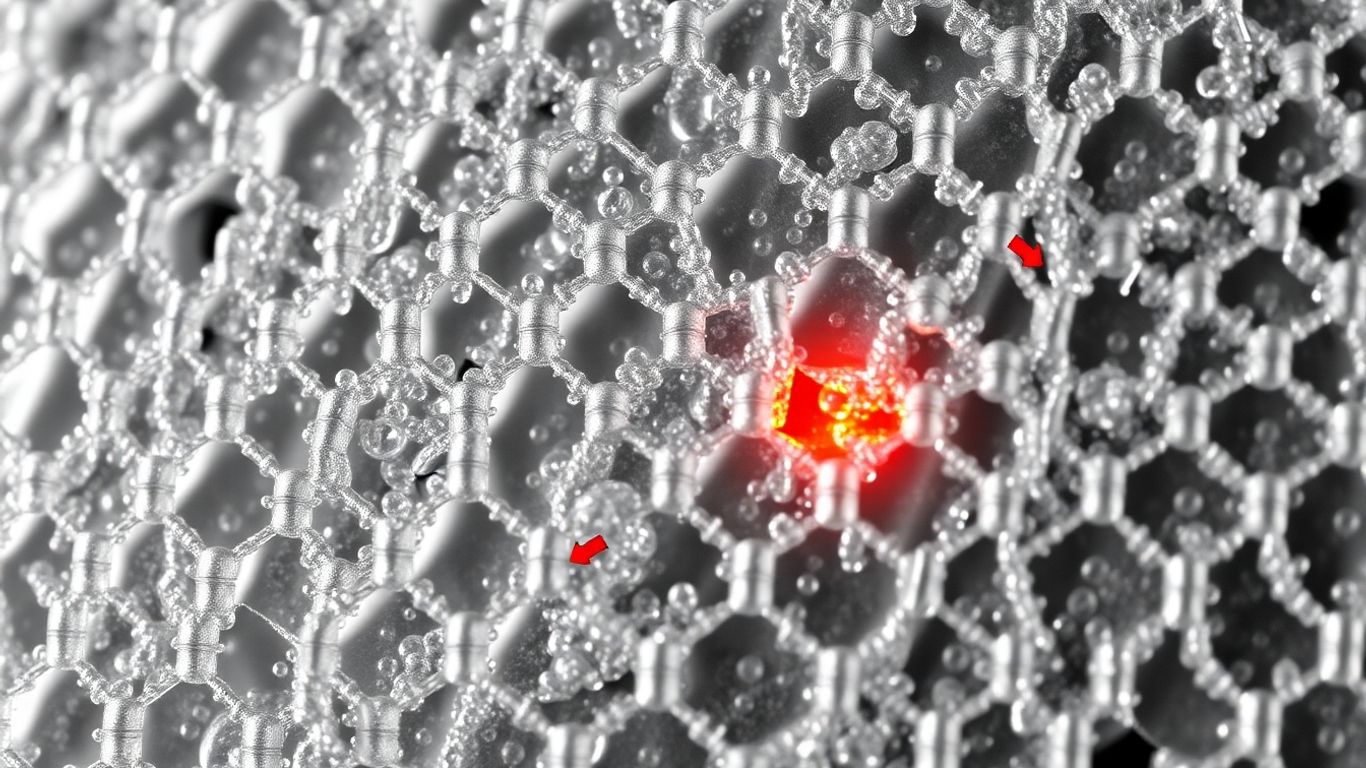
LiFePO4, often called LFP, has this crystal structure called olivine. Think of it like a tightly packed arrangement of oxygen atoms, with iron and lithium atoms fitting in between. The way these atoms are positioned means that the iron atoms don’t really have a clear, easy path to connect with each other through shared edges.
This is different from some other battery materials where there’s a more open network. This structural quirk is a big reason why LFP can be a bit sluggish when it comes to moving electrons around. While LFP has a lot going for it – like being safer and using more common materials – this structural limitation means it can’t always deliver power as quickly as we’d like, especially in demanding applications like electric cars. Early attempts to get the most out of LFP often fell short of its theoretical capacity because of these transport issues.
Inherent Electronic Conductivity Hurdles
So, the olivine structure itself presents a challenge: LFP just isn’t a great conductor of electricity on its own. Electrons find it hard to travel through the material. It’s like trying to run through a crowded room versus an open field. The pathways for lithium ions to move within the crystal are also pretty narrow, mostly confined to one-dimensional channels. These pathways can get easily blocked by tiny imperfections or impurities that creep in during manufacturing. This low conductivity means that even if the material has the potential to store a lot of energy, it struggles to get that energy in and out quickly. This is a major bottleneck for high-power uses.
Strategies To Enhance Conductivity
Researchers have been working hard to get around these conductivity problems. It’s a bit like trying to improve traffic flow in a city with narrow streets. Several approaches have shown promise:
Shrinking Particle Size: Making the LFP particles smaller gives electrons a shorter distance to travel. Uniform particle sizes are also important to avoid bottlenecks.
Carbon Coating: This is a really popular method. Coating the LFP particles with a thin layer of carbon acts like adding a superhighway for electrons. It creates a conductive network that helps electrons move much more freely between particles. This has been shown to significantly boost performance.
Doping: Sometimes, adding small amounts of other elements can tweak the LFP’s internal structure to make it a better conductor.
These strategies aim to make the LFP material more efficient, allowing it to store and release energy faster. For instance, methods like carbothermal reduction are used to create these carbon coatings, aiming for better battery performance. You can find more details on improving hair growth with plant-based serums, which also involves complex biological pathways [47df].
The core issue boils down to how easily electrons and ions can move within the LiFePO4 material. Its natural structure makes this movement difficult, limiting its speed and overall effectiveness in high-demand situations. Overcoming this requires clever material engineering.
Synthesis Methods For Improved LiFePO4C Performance
Getting LiFePO4C to work well in batteries is a bit of a puzzle, and a lot of that comes down to how you make it in the first place. The main issue, as we’ve talked about, is its low electrical conductivity. So, researchers are trying all sorts of ways to cook up this material to give it a boost. It’s not just about mixing stuff together; it’s a careful process.
Carbothermal Reduction For Carbon Coating
This is a pretty common approach. Basically, you take iron phosphate (FePO4) and lithium hydroxide (LiOH), mix them up, and then add a carbon source. Think of things like glucose or even some plastics. When you heat this mixture up in a controlled environment, usually with a bit of nitrogen gas to keep things from getting too wild, the carbon gets deposited onto the LiFePO4 particles. This carbon layer acts like a tiny highway, making it much easier for electrons to travel. It’s like paving a road for them. Different carbon sources and heating temperatures can change how good this coating is.
Low-Temperature Carbonization Techniques
Heating things up too much can sometimes mess with the crystal structure of LiFePO4, which isn’t ideal. So, people are looking at ways to get that carbon coating without needing super high temperatures. One way is using methods like freeze-drying. You mix the ingredients, freeze the whole mess really fast, and then dry it under vacuum. This can create a more uniform precursor. Then, you heat it at a lower temperature to get the final product. Another idea is using microwave heating. It’s faster and can be more energy-efficient, potentially leading to better carbon distribution at lower overall temperatures.
One-Step Synthesis Processes
Wouldn’t it be great if you could just mix everything together and get the final LiFePO4C material in one go? That’s the idea behind one-step synthesis. These methods aim to combine the formation of the LiFePO4 structure and the carbon coating in a single heating step. For example, you might mix lithium and iron precursors with a carbon source and then heat them directly. This can simplify the manufacturing process and potentially reduce costs. However, controlling the particle size and the quality of the carbon coating can be trickier with these methods compared to multi-step approaches.
Addressing Degradation Of LiFePO4C
Impact Of Particle Size And Morphology
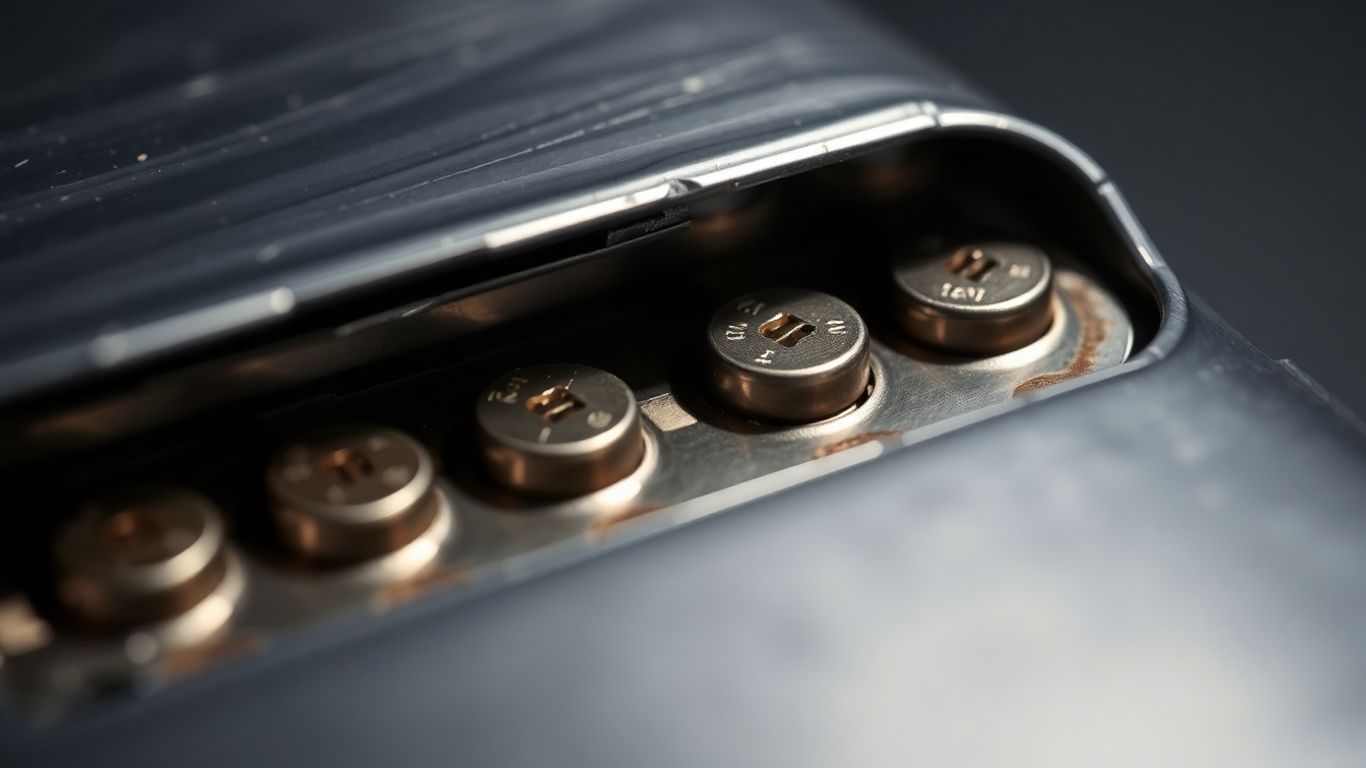
So, why do these LiFePO4C batteries start acting up over time? A big part of the problem comes down to the physical makeup of the cathode material itself. Think of it like building with LEGOs; if your bricks are all different sizes and shapes, it’s harder to make a solid structure. The same goes for LiFePO4C. When the particles are too big or have weird shapes, it messes with how well lithium ions can move in and out. This makes the battery less efficient and can lead to a noticeable drop in performance. Smaller, more uniform particles are generally better for battery life.
Role Of Carbon Coating In Stability
Remember that carbon coating we talked about earlier? It’s not just for show. This layer plays a pretty important role in keeping the LiFePO4C material stable. Without it, the material can break down more easily during charging and discharging cycles. The carbon coating acts like a protective shield, helping to maintain the integrity of the LiFePO4C particles. It also helps with electrical conductivity, which we’ve already touched on, but it’s worth repeating because it directly impacts how long the battery lasts. A good carbon coating means fewer lithium iron phosphate cathode issues.
Mitigating Defects And Impurities
Beyond particle size and the carbon layer, tiny flaws and unwanted bits in the material can also cause trouble. These defects and impurities can pop up during the manufacturing process. They act like little roadblocks for the lithium ions, slowing them down and causing stress on the material. This is one of the key reasons for LFP battery failure. Trying to keep the manufacturing super clean and controlled helps minimize these problems, leading to better long-term LiFePO4C performance decline.
Here’s a quick look at how different factors can affect battery life:
Particle Size: Smaller particles generally offer better performance.
Morphology: Uniform shapes are more stable than irregular ones.
Carbon Coating: A well-applied coating improves conductivity and stability.
Defects/Impurities: These hinder ion movement and can cause premature failure.
The constant back-and-forth of lithium ions during charging and discharging puts stress on the cathode material. Over time, this can lead to structural changes and a loss of active material, which is a primary cause of LiFePO4C battery problems. This degradation is a natural part of battery aging, but it can be accelerated by poor manufacturing or operating conditions.
While LiFePO4C has its advantages, understanding these degradation pathways is key. For applications where extreme longevity and stability are paramount, researchers are always looking at alternatives to LiFePO4C for stability, though improvements in carbon coating and synthesis are making LFP more competitive. The study on calendar aging, for instance, shows how temperature can significantly impact degradation, highlighting the need for careful battery management [e2f9].
Recycling And Regeneration Of LiFePO4C Materials
So, what happens when LiFePO4C batteries reach the end of their life? Tossing them out isn’t really an option, right? We’ve got to figure out how to deal with all that material. It turns out there are a few ways we’re looking at tackling this.
Challenges In Spent Battery Processing
Dealing with old batteries isn’t as simple as just tossing them in a bin. First off, you have to collect them, which is a whole logistical puzzle. Then comes disassembly – carefully taking them apart to avoid any nasty surprises. After that, you’ve got crushing and separating all the bits and pieces. It’s a messy job, and getting pure materials back isn’t always straightforward. Plus, there’s the whole environmental angle; we don’t want to create new problems while trying to solve old ones. The goal is to recover valuable resources and minimize pollution, but the path there has its hurdles.
Chemical Leaching For Metal Recovery
One common approach involves chemical methods to pull out the useful metals. Think of it like a sophisticated form of dissolving and filtering. You might crush up the old cathode material, then use specific chemicals to dissolve things like lithium, iron, and cobalt, while leaving other stuff behind. The trick is to be selective. For instance, some methods are really good at pulling out lithium while barely touching the iron, which is pretty neat. This helps us get back high-purity materials that can be used again. It’s a bit like making a vampire makeup look – you’re carefully extracting specific elements to create something new.
Regenerating LiFePO4C Via Solid-State Methods
Another interesting avenue is regenerating the LiFePO4C material itself. Instead of just pulling out the metals, we try to rebuild the cathode material. Solid-state methods are one way to do this. It usually involves taking the spent material, mixing it with new lithium and carbon sources, and then heating it all up. This process can help restore the crystal structure and add a fresh layer of carbon coating. The result? A material that’s pretty close to new and can be used again in batteries. It’s a way to give the old material a second life without starting completely from scratch.
Electrochemical Approaches For LiFePO4C Recovery

So, we’ve talked about some of the physical and chemical ways to get valuable stuff back from old LiFePO4C batteries. But what about using electricity to do the job? It turns out there are some pretty neat electrochemical methods that are showing promise for recycling these materials. It’s like giving the battery a second life, but through a controlled electrical process.
Relithiation For Direct Recycling
This is a really interesting idea. Instead of breaking everything down, relithiation aims to put lithium ions back into the spent LiFePO4 material. Think of it as re-charging the cathode material itself, but in a way that makes it usable again. It typically involves a special setup with three electrodes. The old LiFePO4 acts as the cathode, and lithium ions are guided into its structure. This is often done in an aqueous solution, which is pretty cool because it avoids some of the harsher chemicals used in other methods.
The goal is to restore the material’s original composition and electrochemical properties, making it ready for reuse. It’s a way to achieve direct recycling without a complete breakdown of the material, which could save a lot of energy and resources. We’re seeing research that uses an H-type electrolytic bath with membranes and a zinc plate as the anode. The spent LiFePO4 is suspended in a lithium salt solution and then discharged to achieve this regeneration. It’s a bit like performing a controlled chemical reaction using electricity to guide the process.
Anodic Electrolysis For Selective Lithium Recovery
This method is all about being precise. Anodic electrolysis focuses on pulling out specific elements, particularly lithium, from the spent cathode material. The idea is to use electricity to selectively dissolve lithium ions while leaving the other components, like iron and phosphorus, behind. This is super important because it means you can get a high concentration of lithium without a lot of unwanted byproducts. In some studies, they’ve managed to achieve really high leaching rates for lithium – like over 96% – while keeping the iron and phosphorus levels incredibly low.
We’re talking about a Li/Fe selectivity that’s over 99.9%! This kind of precision is a big deal for efficient recycling. It means the recovered lithium is cleaner and easier to process further. This approach is particularly useful when you want to recover lithium as a pure element or a simple salt, ready for use in new battery production. It’s a smart way to target the most valuable component without a lot of fuss.
Electrochemical Regeneration Of Cathode Materials
This is where things get really advanced. Electrochemical regeneration goes beyond just recovering elements; it aims to rebuild or restore the cathode material itself. One way this is done is through a process inspired by how LiFePO4 batteries work during charging. In aqueous rechargeable batteries, charging involves oxidizing the LiFePO4, which releases lithium ions into the electrolyte. Researchers have mimicked this by using a slurry electrolysis process. Essentially, they use electricity to encourage the lithium ions to leave the olivine structure, leaving behind iron phosphate.
This extracted lithium can then be recovered. It’s a clever way to separate the components using the battery’s own chemistry, but driven by an external electrical current. This method can efficiently separate lithium and iron phosphate without needing a lot of extra chemicals. The iron phosphate residue can then be processed further. It’s a promising route for sustainable lithium recycling, aiming to keep the valuable cathode material structure intact as much as possible. This kind of regeneration is key to a circular economy for batteries, reducing waste and the need for new raw materials. You can explore more about unique material styles and their applications in battery recycling.
Here’s a quick look at what these methods aim to achieve:
Selective Element Recovery: Pulling out specific valuable metals like lithium with high purity.
Material Restoration: Rebuilding or reactivating spent cathode materials for reuse.
Reduced Chemical Usage: Often employing aqueous solutions or less harsh reagents compared to traditional methods.
Energy Efficiency: Potentially using less energy than complete material breakdown and synthesis.
These electrochemical techniques represent a shift towards more sophisticated and targeted recycling processes. They aim to recover not just raw materials but also to restore the functional integrity of battery components, which is a significant step forward in making battery recycling more sustainable and economically viable.
Wrapping It Up
So, we’ve looked at why LiFePO4C batteries, which seemed like such a good idea, are giving people headaches. It turns out that even with the carbon coating, getting the electrons and ions to move smoothly is still a bit of a challenge. This low conductivity can really mess with how well the battery performs, especially when you need it to deliver power fast. While researchers are trying different ways to fix this, like tweaking how the particles are made or adding other stuff, it’s not always a simple fix. Plus, when these batteries get old, figuring out how to recycle them effectively is another big puzzle we’re still trying to solve. It’s a work in progress, for sure.
Frequently Asked Questions
What makes LiFePO4C batteries tricky to work with?
LiFePO4C batteries have a special structure that makes it hard for electricity to move through them easily. Think of it like a crowded hallway where it’s tough to get around. This makes them not as powerful as they could be, especially for things that need a lot of energy fast, like electric cars.
How do scientists make LiFePO4C batteries better?
Scientists are trying different ways to improve these batteries. One popular method is to coat the tiny particles inside with a layer of carbon. This carbon layer acts like a superhighway for electricity, helping it flow much better and making the battery perform better.
Why do LiFePO4C batteries break down over time?
Like anything, LiFePO4C batteries can wear out. This can happen because the tiny pieces inside can change shape or size, or get damaged. The carbon coating can help protect them and keep them working longer, but sometimes tiny flaws or dirt can still cause problems.
Is it possible to fix old LiFePO4C batteries?
Yes, it’s possible to give old LiFePO4C batteries a new life! It’s a bit like recycling. Scientists are figuring out ways to take apart used batteries, pull out the useful materials, and then put them back together to make new batteries or other useful things.
What’s the easiest way to get the good stuff out of old LiFePO4C batteries?
One way to recycle them is by using special liquids, kind of like a cleaning solution, to dissolve and pull out the valuable metals like lithium. Another method uses electricity to carefully take out specific metals, making sure not to take out the ones you don’t want.
Can we make LiFePO4C batteries from scratch more easily?
Scientists are working on simpler ways to create these batteries. Some methods involve mixing all the ingredients together and heating them up just once, which can save time and energy. They’re also exploring ways to make sure the carbon coating is just right for the best performance.