
Off-Grid and Microgrid Reference
Microgrid and Off-Grid Infrastructure, Explained
MicroCityGrid is a working reference for the people who build power, water, connectivity and mobility systems where the grid doesn’t reach: sourced technical guides, code requirements and field tools, written for site conditions rather than brochures.
Why MicroCityGrid?
Technical depth without the sales pitch. Every guide traces its requirements back to the published codes and manufacturer specifications they come from, written for people who have to make the system work on site.
Written for Remote Sites
Guidance for installations beyond utility service, where a service call isn’t an option.
Code and Standards First
Requirements traced to the codes and spec sheets they come from, with citations.
Hard Conditions Covered
Heat, cold, dust and distance change the engineering, and the guides account for it.
Tools, Not Just Articles
Calculators and field utilities, including the Volt-Tech Pro electrician’s toolkit, built out of the same work.

What We Cover
Four systems have to work before a remote site is usable: power, water, connectivity and movement. These are the areas the guides cover, from sizing and protection design through commissioning, alongside the code requirements that govern each one.
Micro Grids
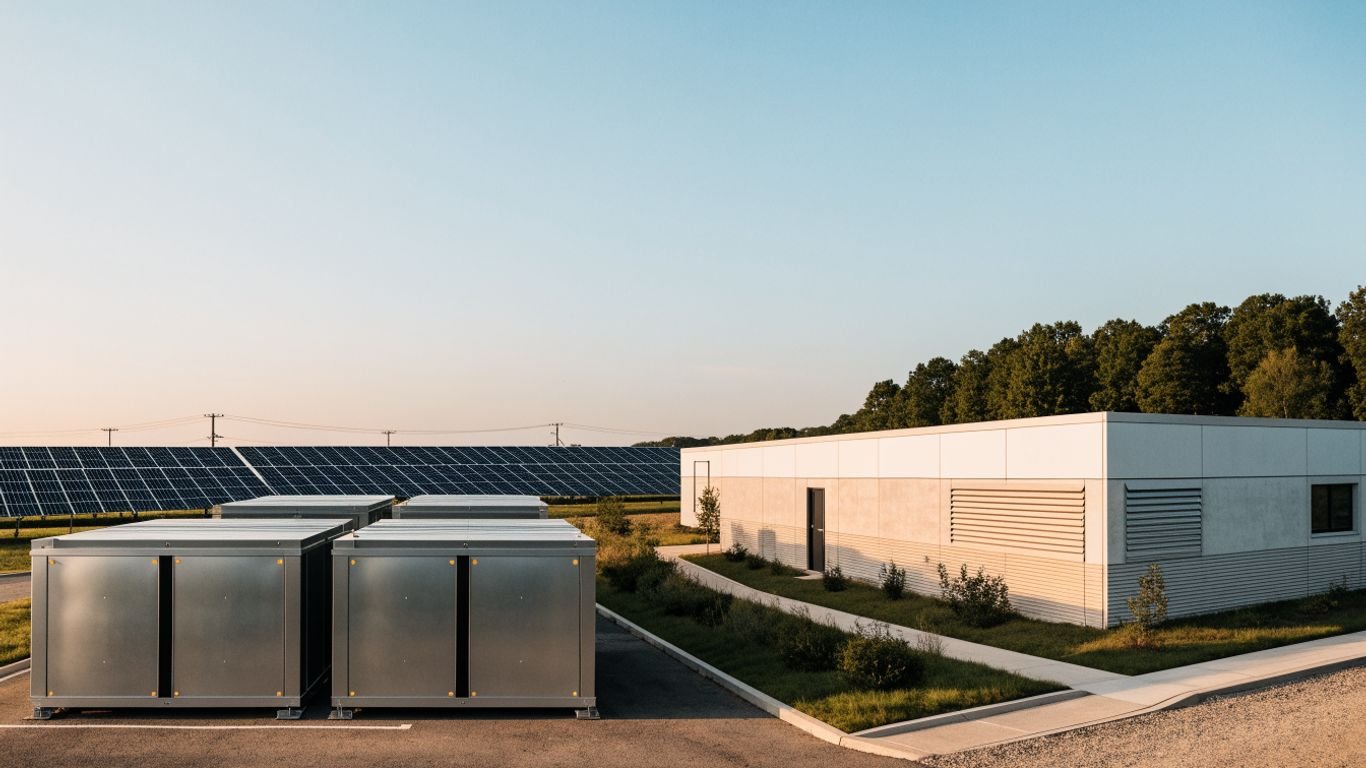
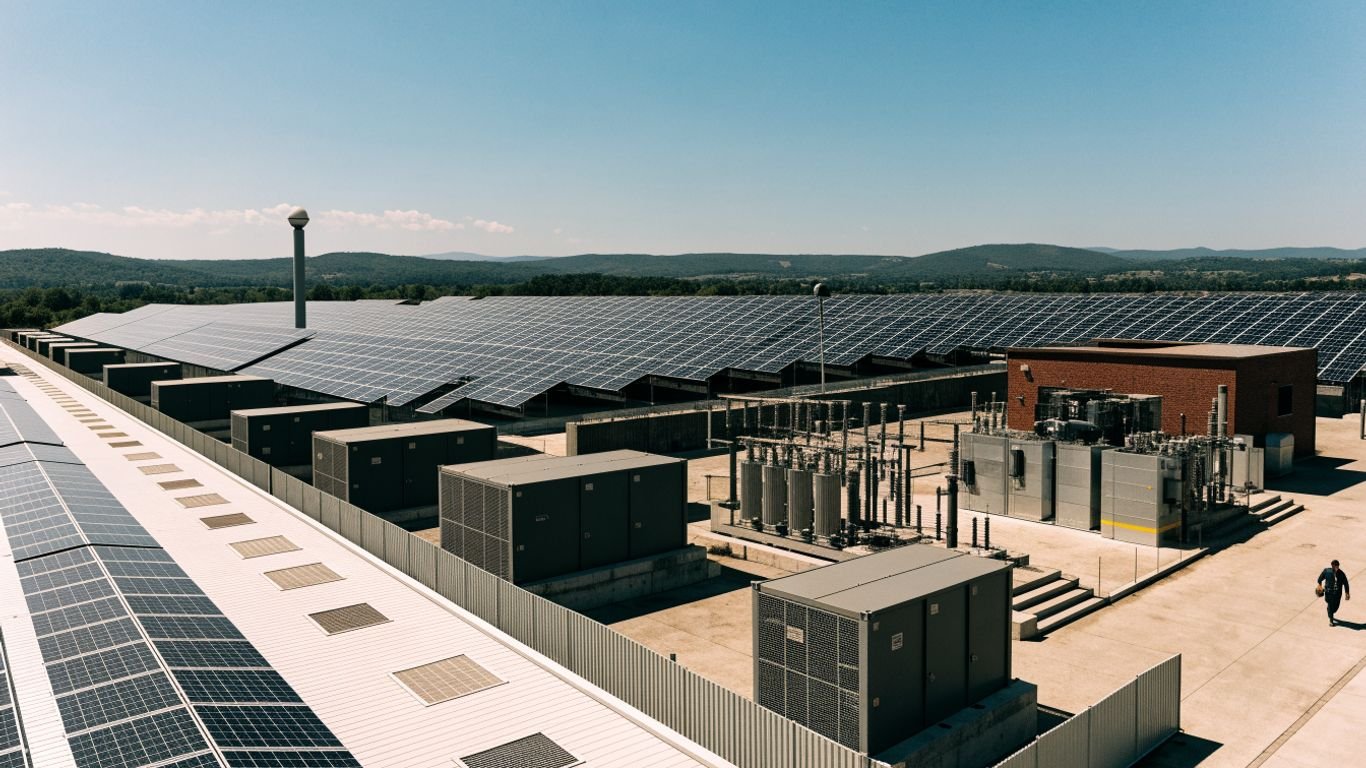
modular energy systems (solar, wind, hybrid)
Water Solutions
micro-desalination, filtration hubs
Comms Networks
micro towers, satellite hubs
Mobility Hubs
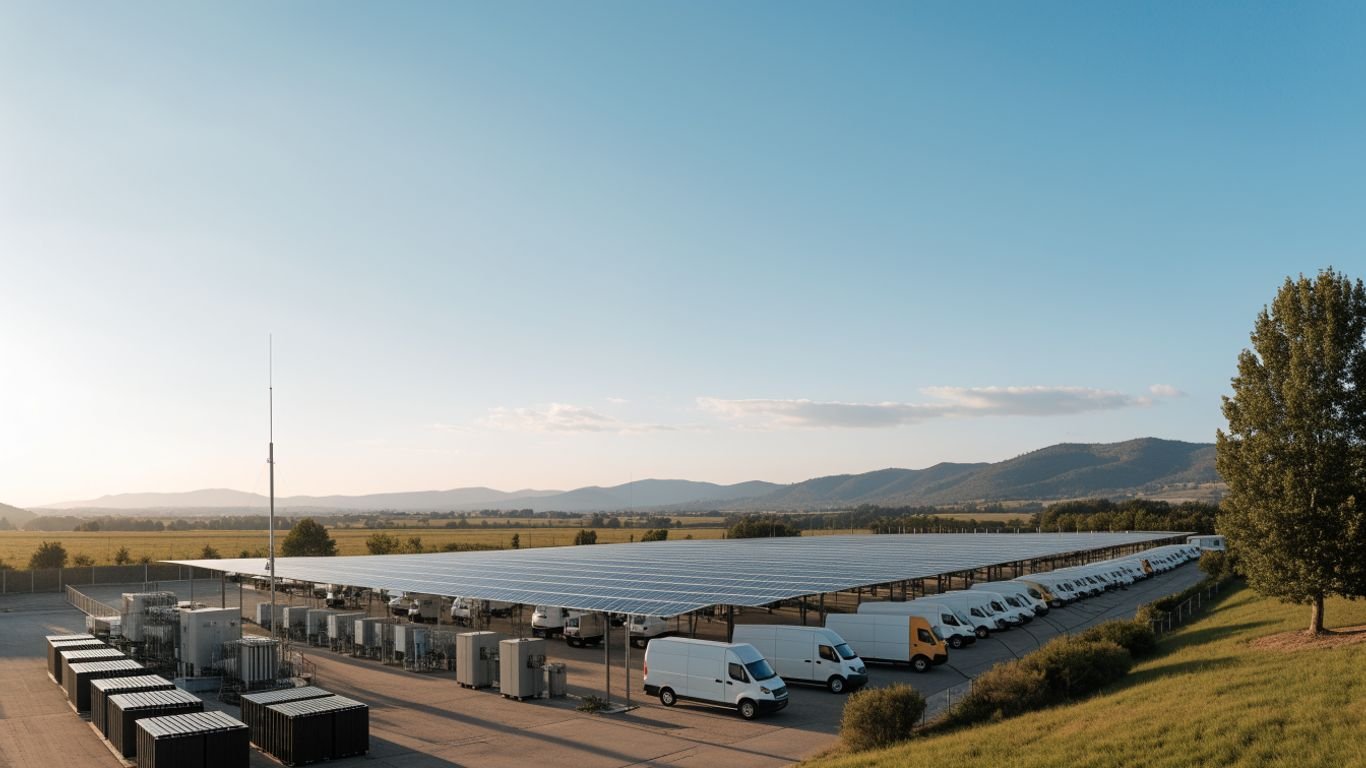
drone stations, EV recharge stations
Where This Applies
The same microgrid problems recur across very different sites. These are the environments the guides are written for, and the constraints that change the engineering in each one.

Oil & Gas Fields
Continuous-duty power for wellheads and camps, where downtime costs production and fuel logistics drive the design.

Remote Data Centers
Edge compute beyond utility service, where redundancy, cooling load and power quality decide whether the site stays online.

Border and Defense Outposts
Fixed and semi-permanent installations needing low-signature power and connectivity that survives without resupply.

Frontier Smart Cities
Developments built ahead of utility infrastructure, where microgrids carry the load until the grid arrives, or instead of it.

Mining and Exploration Camps
Relocatable sites where plant is installed, run hard, dismantled and moved on to the next deposit.

MicroCityGrid began as working notes: the load calculations, grounding diagrams and code citations that kept resurfacing on remote projects. It is now a public reference covering microgrid design, off-grid power, water treatment and remote connectivity, together with the standards that govern them. New guides are published regularly, and the field tools built out of the same work are listed beside them.
Latest Guides
Recent guides on microgrid design, code compliance, off-grid power and remote connectivity.
New Guides,
Straight to Your Inbox
Microgrid design, off-grid power, remote infrastructure
