
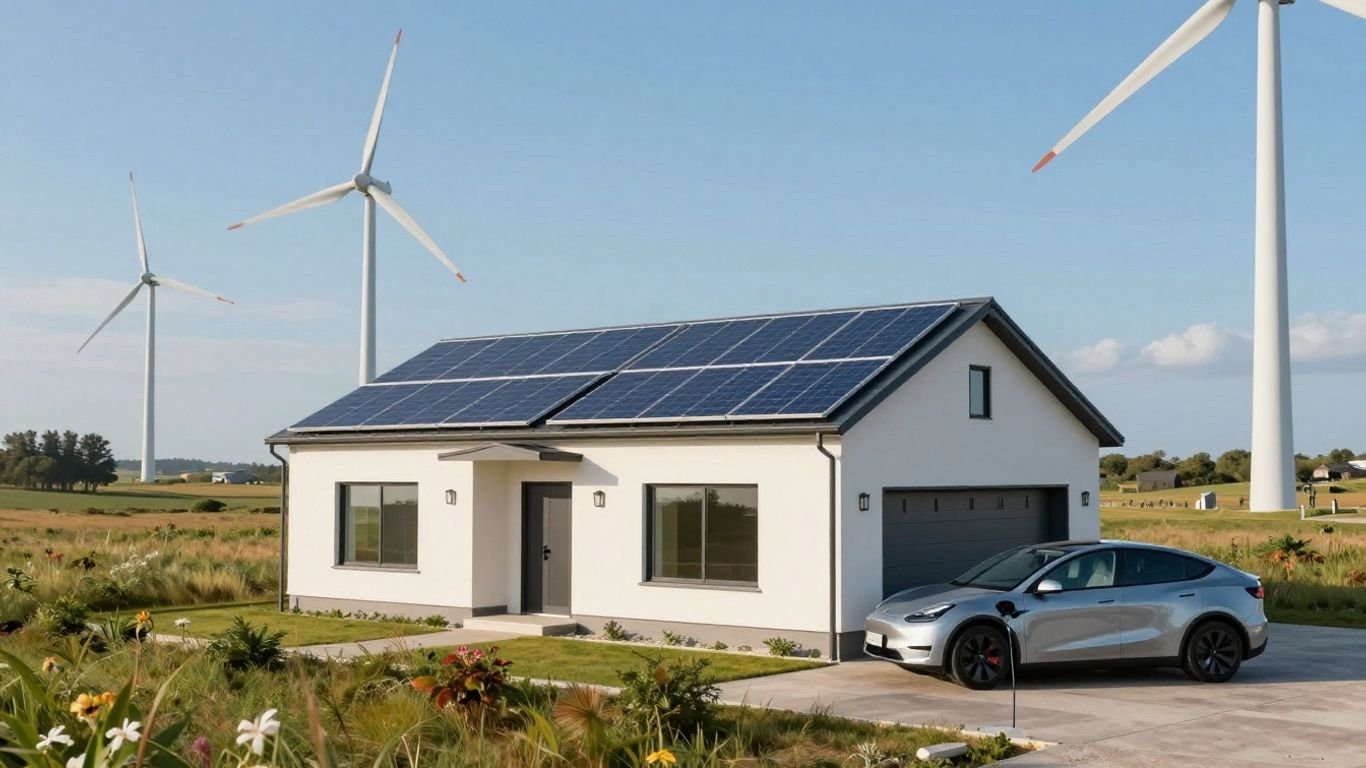
Power Up: Your Guide to Distributed Energy
So, you’re thinking about how to power your place, maybe even a bit differently? The way we get electricity is changing, and it’s not just about big power plants anymore. We’re talking about smaller energy setups, closer to home, that can make a big difference. This guide is all about that – understanding what these distributed energy systems are, how they work, and what they can do for you. It’s about taking more control over your power.
Key Takeaways
- Distributed energy resources (DERs) are smaller power sources and storage devices located near where the energy is used, like solar panels or batteries.
- These systems can make your power more reliable, especially during outages, and can sometimes save you money.
- Microgrids use DERs to create their own local power networks, which can operate independently from the main grid.
- Setting up your own distributed energy system involves figuring out your energy needs, choosing the right tech, and following the rules.
- Keeping your system running well means regular checks and potential upgrades, and the future looks bright for more DER growth.
Understanding Distributed Energy Systems
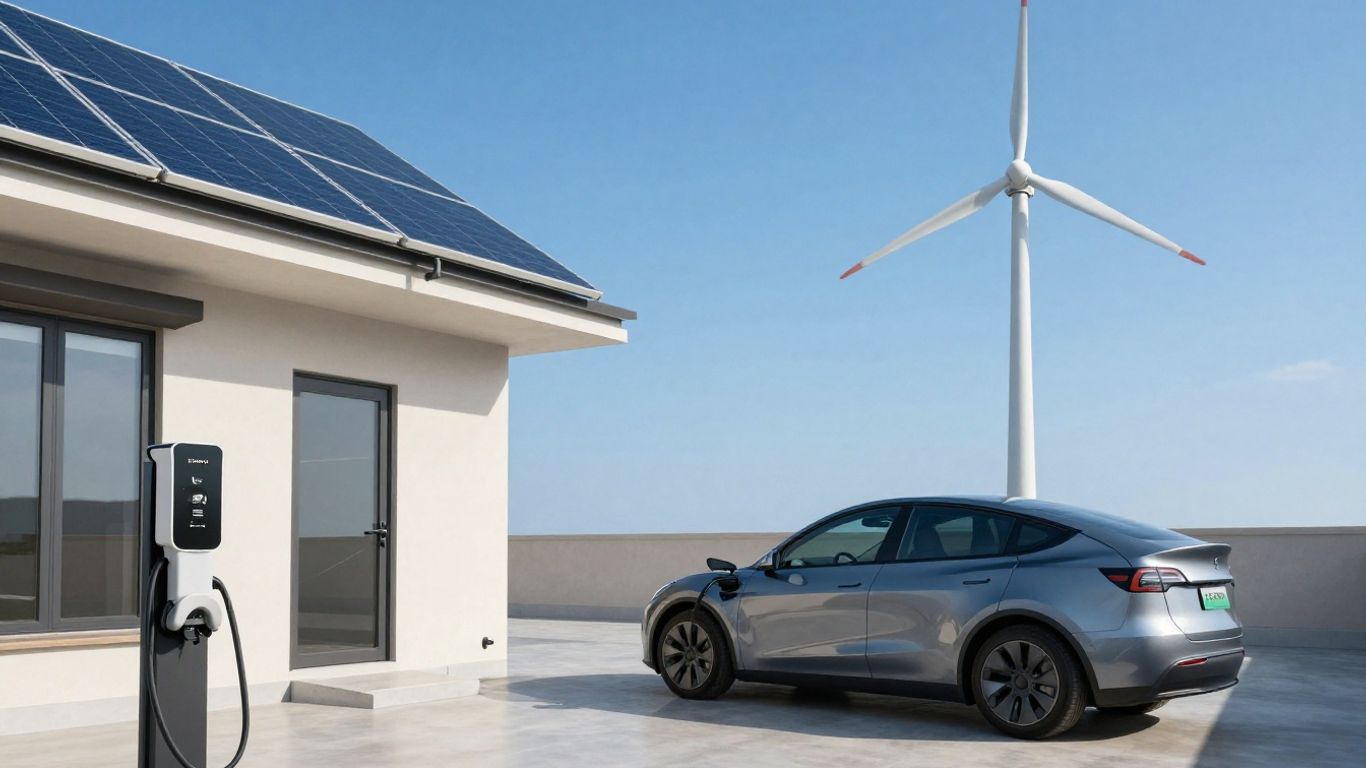
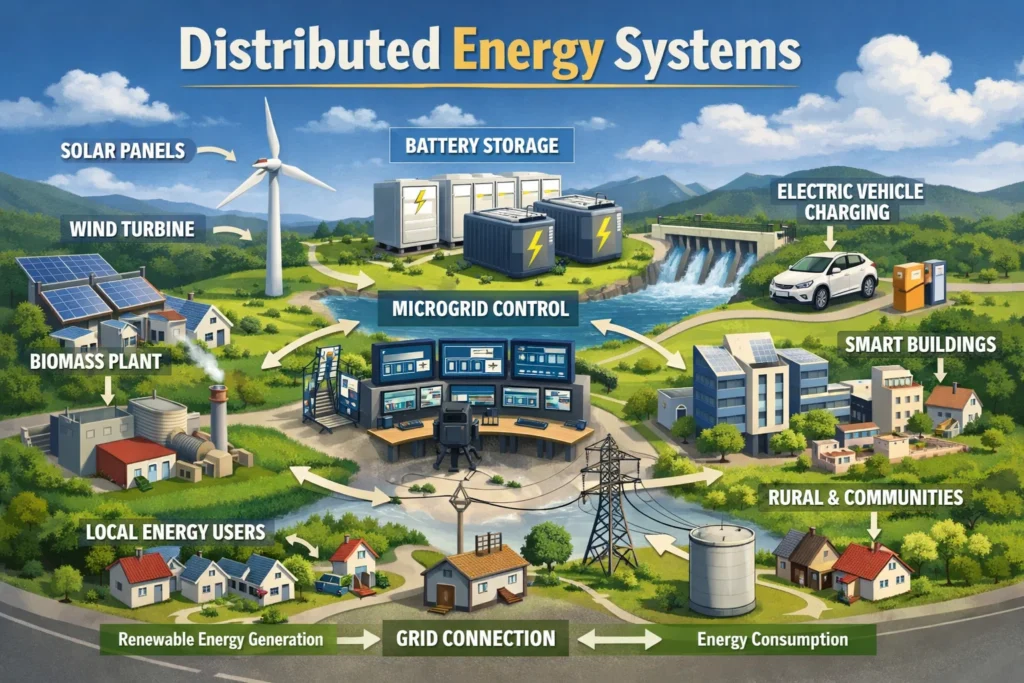
Okay, so let’s talk about distributed energy. For a long time, power pretty much just flowed one way: from big power plants, through the wires, and to our homes and businesses. But things are changing, and fast. We’re seeing more and more smaller energy sources popping up closer to where the power is actually used. These are what we call distributed energy resources, or DERs. Think of them as local energy solutions that can generate or store electricity right in your neighborhood, or even on your own property.
These aren’t just for huge industrial sites either. DERs can be anything from solar panels on a house to battery storage systems for a community center, or even small generators for a business. They’re typically not massive, often producing 10 megawatts or less. The main idea is to have power generation and storage spread out, rather than all concentrated in a few giant plants. This shift is a big deal for how we get our electricity.
What Are Distributed Energy Resources?
Basically, DERs are different kinds of equipment that can either make electricity or store it. They’re connected to the local power lines, often on the customer’s side of the meter. While rooftop solar panels are probably the most common thing people think of, there’s a whole lot more to it. This can include things like:
- Solar photovoltaic units (those solar panels)
- Battery storage systems
- Small wind turbines
- Combined heat and power units
- Fuel cells
- Even some types of generators that run on natural gas or diesel.
The core concept is bringing energy generation and storage closer to the point of consumption. This is a pretty big change from the old way of doing things.
The Evolving Power Landscape
The way we get our power has been pretty much the same for decades. Big power plants generate electricity, and it travels long distances to reach us. But that’s not really how it works anymore. Now, with DERs, power can flow in two directions. Not only do these local resources supply energy, but they can also send excess power back to the main grid. This is changing how grid operators manage electricity and how markets work. It’s a move towards a more flexible and responsive power system, with more options for everyone.
Key Benefits of Distributed Energy
So, why all the fuss about DERs? Well, there are some pretty good reasons. For starters, they can make our energy supply more reliable. If there’s a problem with the main grid, like during a storm, these local resources can keep the lights on. They can also help save money by using energy more efficiently and taking advantage of cheaper power when it’s available. Plus, many DERs, like solar, don’t produce greenhouse gases, which is a big win for the environment. It’s all about creating a more resilient, cost-effective, and cleaner energy future.
Having these distributed resources means we’re not putting all our eggs in one basket. It’s a way to build a more robust energy system that can handle disruptions better and potentially lower costs for consumers.
Types of Distributed Energy Resources
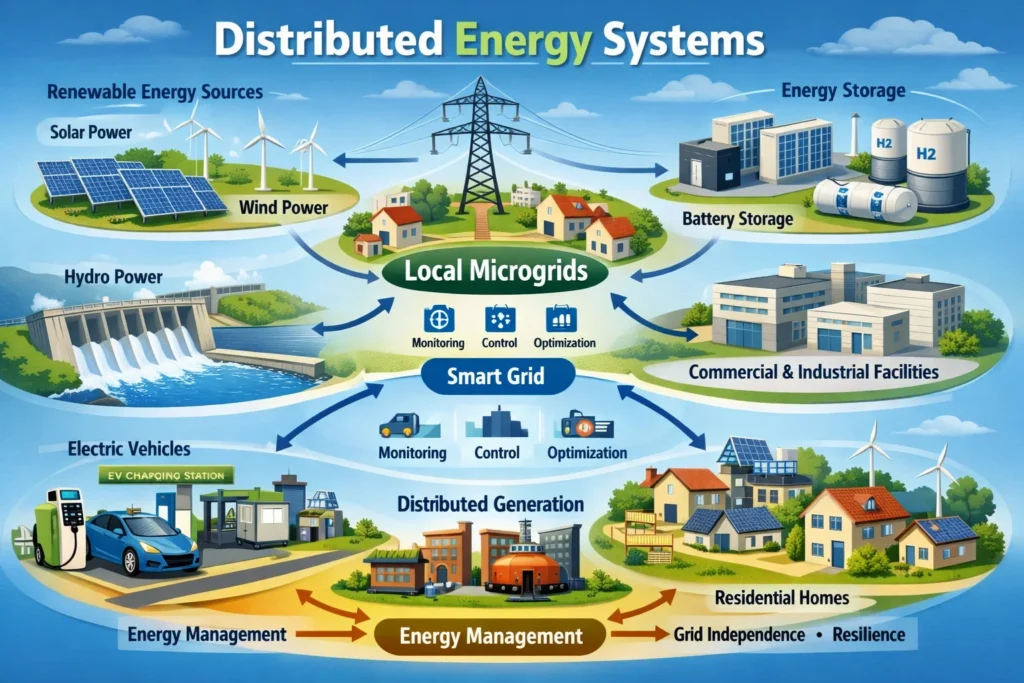
When we talk about distributed energy resources, or DERs, we’re really looking at a whole bunch of different technologies that can generate or store power right where it’s needed. Think of them as the smaller, more local players in the energy game, compared to those giant power plants far away. This shift towards DERs is a big part of modernizing our energy systems and offers some pretty neat benefits, including better energy independence strategies for homes and businesses.
Solar Photovoltaic Units
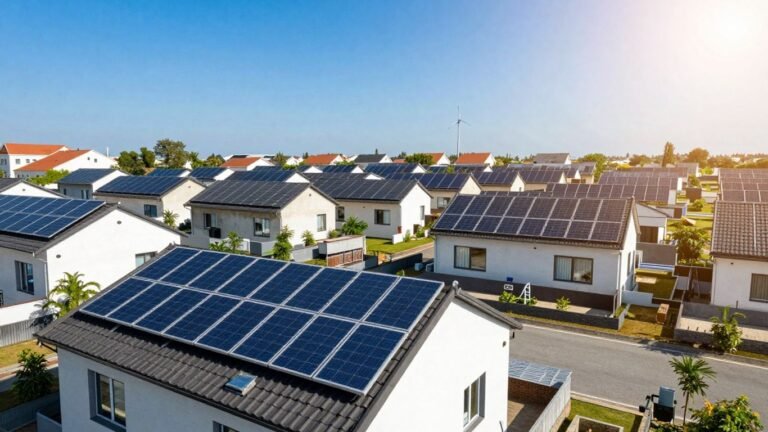
These are probably the most common DERs people think of – solar panels. They convert sunlight directly into electricity. You see them on rooftops, in fields, and even integrated into building materials. While they’re great for generating clean power, their output depends on sunshine, so they often work best when paired with other resources.
Energy Storage Systems
Energy storage, especially batteries, is a game-changer for DERs. Batteries can store excess energy generated by sources like solar panels and then release it when needed, like at night or during peak demand. This smooths out the intermittent nature of some renewables and provides backup power. They are key to making systems more reliable and can even help manage costs by storing energy when it’s cheap and using it when it’s expensive. The technology is improving fast, making batteries more affordable and capable.
Other DER Technologies
Beyond solar and batteries, there’s a whole world of other DERs. These can include:
- Small Wind Turbines: Similar to solar, but harnessing wind power.
- Combined Heat and Power (CHP) Units: These systems generate electricity and capture the waste heat for heating purposes, making them very efficient.
- Fuel Cells: These convert chemical energy into electricity, often using hydrogen or natural gas.
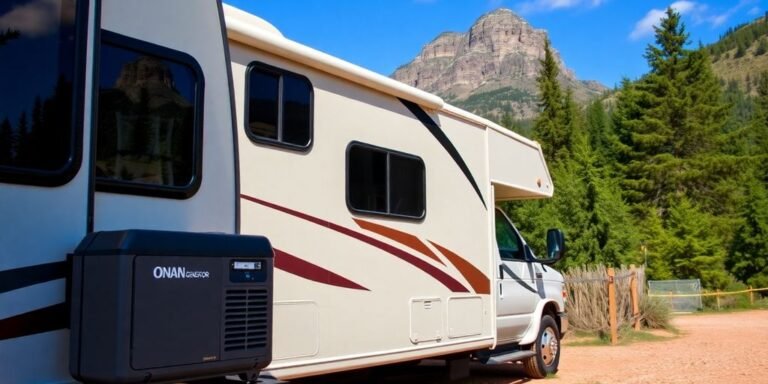
- Generators: While sometimes seen as traditional, smaller generators (like natural gas or diesel) can also function as DERs, providing backup power.
The variety of DERs means you can often mix and match technologies to create a system that perfectly fits your needs. It’s not just about having one type of resource; it’s about building a resilient and efficient energy setup.
These different types of DERs can be combined in various ways to create robust energy solutions. For instance, a home might have solar panels for daytime generation and a battery system to store that power for use after sunset. Businesses might use CHP units for consistent power and heat, supplemented by solar. The goal is often to create a more self-sufficient and reliable energy supply, reducing reliance on the main grid. You can find more information on how these systems work together on pages about distributed generation.
Integrating Distributed Energy into Microgrids
So, you’ve got these distributed energy resources (DERs) – think solar panels, batteries, maybe even a small wind turbine. Now, how do they actually work together to keep the lights on, especially when the main grid goes down? That’s where microgrids come in. A microgrid is basically a localized energy system that can disconnect from the main grid and run on its own. It’s like having a backup power plan that’s way more sophisticated than just a generator in the backyard. The real magic happens when you combine multiple DERs within a microgrid for maximum reliability. This is the core of microgrid technology explained.
How Microgrids Utilize DERs
Microgrids use DERs to generate, store, and manage electricity locally. This allows them to operate independently from the larger utility grid if needed. This capability is super important for places like hospitals, data centers, or military bases where losing power isn’t an option. The goal is often renewable energy integration, meaning you’re trying to use as much clean energy as possible while still having backup power. When the sun isn’t shining or the wind isn’t blowing, energy storage systems, like batteries, can step in. This constant back-and-forth, managed by smart controls, is what makes a microgrid resilient.
Basic vs. Advanced Microgrid Designs
Not all microgrids are created equal. You’ve got basic ones and then the more complex advanced ones. A basic microgrid might rely on just one type of DER, like a diesel generator, for backup. It works, but if you can’t get diesel, you’re out of luck. An advanced microgrid, on the other hand, uses a mix of DERs – maybe solar, batteries, and a generator. This diversity means if one source falters, others can pick up the slack. It’s a much more robust setup.
Here’s a quick look at the differences:
- Basic Microgrids:
- Typically use a single DER type.
- Less resilient if that single source fails.
- Good for less critical loads or infrequent use.
- Advanced Microgrids:
- Employ multiple, diverse DERs.
- Higher resilience due to redundancy.
- Better for critical infrastructure and continuous operation.
Ensuring Seamless Power Transfer
Getting DERs to work together smoothly, especially during a grid outage, is the tricky part. It requires sophisticated control systems. These systems monitor everything – how much power is being generated, how much is being stored, and how much is needed. When the main grid disconnects, the microgrid’s controller signals the DERs to take over. The aim is for this switch to happen so fast you don’t even notice. This is often called ‘islanding’ – the microgrid is now an island of power, separate from the mainland grid. For critical facilities, this seamless transition is non-negotiable. You can find more information on how these systems work at f561.
The complexity of integrating various DERs into a microgrid means that careful planning and advanced control strategies are necessary. Without them, you might not get the full benefits of resilience and cost savings that microgrids promise. It’s about making sure all the pieces of the puzzle fit together perfectly.
Designing and Implementing Your System
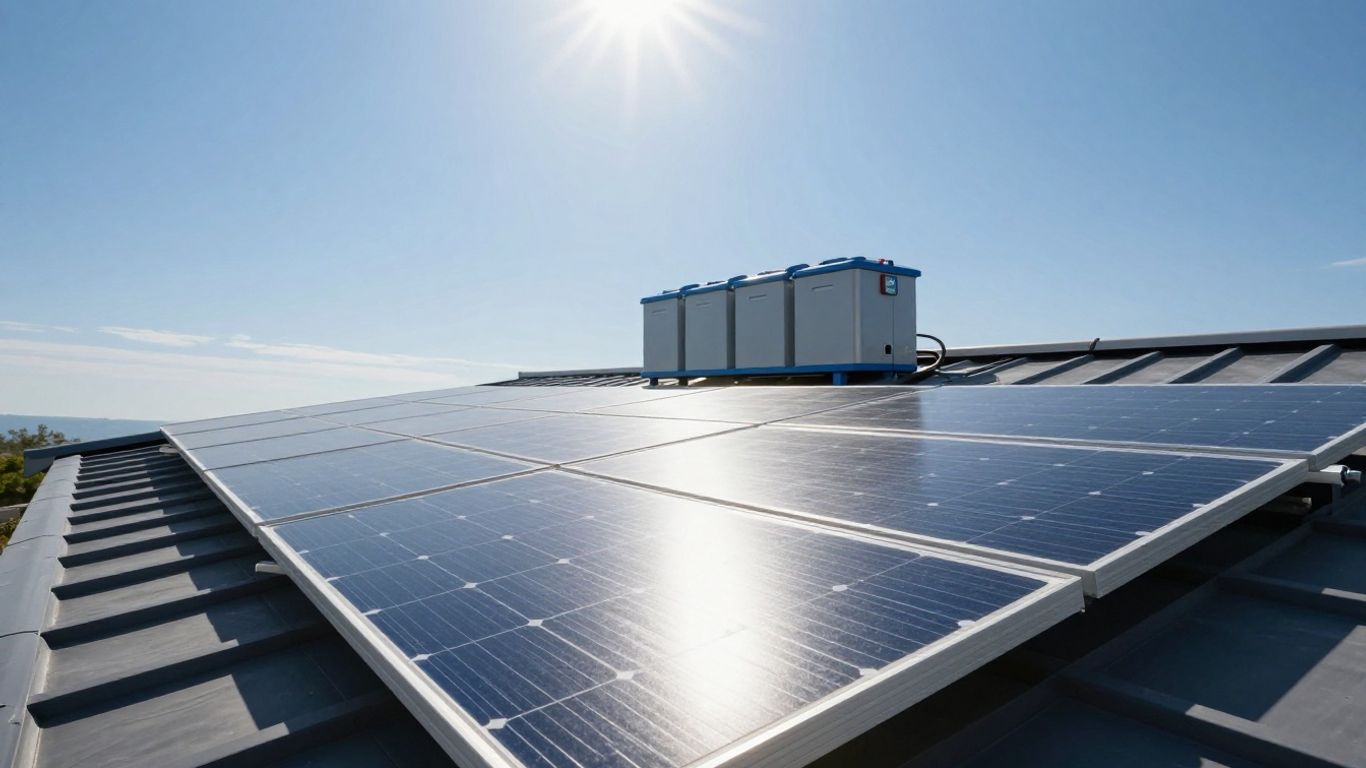
So, you’ve decided to get serious about distributed energy. That’s great! But now comes the part where you actually have to figure out what goes where and how it all connects. It’s not quite as simple as just picking out some solar panels and calling it a day. You need a plan, and a good one at that.
Assessing Your Energy Needs
First things first, you’ve got to figure out how much power you actually use and when you use it. This isn’t just about looking at your electricity bill. You need to get a bit more detailed. Think about your peak usage times, what equipment draws the most power, and what your absolute must-have power needs are if the grid goes down. This assessment is the bedrock of your entire system design.
Here’s a quick way to start thinking about it:
- Daily Load Profile: When do you use the most electricity? Morning? Evening? All day?
- Critical Loads: What absolutely must stay powered during an outage? (Think refrigerators, medical equipment, essential business operations).
- Future Needs: Are you planning to add more electric vehicles or equipment soon?
Customizing Your DER Solution
Once you know your needs, you can start looking at the technologies that fit. This is where things get interesting. A system that works for a small home might be totally different from what a business needs. You’re not just buying off-the-shelf; you’re building something tailored to you. This might involve a mix of solar panels, battery storage, and maybe even other resources. It’s all about finding the right combination to meet your specific goals, whether that’s cutting costs, improving reliability, or both. Getting help from professionals who understand microgrid design and simulation can really make a difference here.
Regulatory Compliance and Permitting
Okay, this is the part that can feel like a headache, but it’s super important. Depending on where you live and what kind of system you’re installing, there are rules and permits you’ll need to sort out. This could involve local building codes, utility interconnection agreements, and environmental regulations. Skipping this step can lead to big problems down the road, like fines or having to take your system apart. It’s best to work with installers or consultants who know the local landscape and can help you get all your ducks in a row.
Dealing with regulations and permits can be a maze. It often requires careful documentation and understanding of local ordinances. Don’t underestimate the time and effort needed for this phase; it’s a critical step for a smooth installation and operation.
Maintaining and Monitoring Your System
So, you’ve got your distributed energy resources all set up and humming along. That’s great! But just like anything else, these systems need a little TLC to keep running smoothly. Think of it like owning a car; you wouldn’t just drive it forever without oil changes or checking the tires, right? Your DERs are no different.
The Importance of Regular Inspections
Regular check-ups are key. These aren’t just quick glances; they involve looking at the actual performance data and doing physical inspections. You want to catch small issues before they turn into big, expensive problems. This could mean checking solar panel connections, ensuring battery health, or verifying that your control systems are talking to each other properly. A proactive approach saves you headaches and money down the line.
Optimizing Performance Through Upgrades
Technology moves fast, and your system might benefit from updates. Maybe there’s a new software patch that makes your battery storage more efficient, or a newer inverter model that’s more reliable. It’s not always about fixing something broken; sometimes, it’s about making a good system even better. Keeping an eye on new developments and considering upgrades can help you get the most out of your investment.
Leveraging Expert Support
Look, not everyone is an expert in power systems. That’s totally fine! There are plenty of companies and technicians who specialize in maintaining and monitoring DERs. They have the tools and the know-how to spot things you might miss. Getting them involved for periodic checks or when you suspect something isn’t quite right can be a smart move. They can also help with the more technical aspects, like firmware updates or complex diagnostics.
Here’s a quick rundown of what regular maintenance might involve:
- Visual Inspections: Checking for physical damage, loose connections, or signs of wear and tear on all components.
- Performance Data Review: Analyzing energy production, consumption, and storage data to identify any dips or anomalies.
- Component Testing: Verifying that individual parts, like inverters, batteries, and charge controllers, are functioning within their expected parameters.
- Software Updates: Applying the latest firmware and software patches to control systems and devices.
Keeping your distributed energy system in good shape isn’t just about preventing failures. It’s about making sure you’re getting the maximum benefit, whether that’s cost savings, energy independence, or environmental impact. Regular attention ensures your system continues to perform as expected, year after year.
The Future of Distributed Energy
The way we get our power is changing, and it’s happening faster than a lot of people realize. For ages, electricity pretty much flowed one way: from big power plants, through lines, to our homes and businesses. But now, with all these smaller energy sources popping up everywhere, that’s not the whole story anymore. We’re talking about decentralized power generation, where energy is made closer to where it’s used.
Driving Factors for DER Growth
So, what’s pushing this shift? A few things, really. First off, the technology itself is getting cheaper and better. Think solar panels and batteries – they’re not the luxury items they used to be. Plus, more and more people and businesses want more control over their own power. They’re tired of relying solely on the big grid, especially when prices jump or storms hit. And let’s not forget about the environment; there’s a big push to use cleaner energy, and DERs are a big part of that.
Impact on Grid Modernization
This whole distributed energy thing means the old power grid needs a serious upgrade. It’s not just about handling power flowing one way anymore. Now, power can flow back to the grid from these smaller sources. This makes things more complicated for grid operators. They need to be able to see and manage all these different energy sources, big and small, to keep everything running smoothly and reliably. It’s like trying to manage traffic when suddenly everyone has their own little scooter.
Addressing Security Challenges
With more connections and more devices, there’s also a bigger target for cyber threats. Keeping all these distributed systems secure is a major concern. We need strong defenses to protect against anyone trying to mess with our power supply, whether it’s a hacker or something more serious. Making sure these systems are safe and reliable is just as important as making sure they work efficiently.
Here’s a quick look at how DERs are growing:
- Solar Photovoltaics: Still the most visible and fastest-growing type.
- Energy Storage: Batteries are becoming key for storing solar power and providing backup.
- Other Technologies: This includes things like small wind turbines, combined heat and power units, and even biodigesters.
It’s a complex puzzle, but the trend is clear: the future of energy is more distributed, more local, and more in our own hands.
Wrapping It Up
So, we’ve talked a lot about distributed energy resources, or DERs. It’s not just some fancy tech term anymore; it’s really about how we get and use power in a smarter, more flexible way. Whether it’s solar panels on your roof, a battery system, or even a small generator, these pieces are changing the game. They help keep the lights on when the main grid has issues, can save you money, and are generally better for the environment.
It might seem a bit complicated at first, with microgrids and all, but the basic idea is pretty simple: more options for power mean more reliability. As these technologies get better and cheaper, expect to see them pop up everywhere. It’s a big shift from the old way of doing things, and it’s pretty exciting to think about where it’s all headed.
Frequently Asked Questions
What exactly are distributed energy resources (DERs)?
Think of distributed energy resources, or DERs, as smaller power sources and storage devices that are located close to where the energy is used. Instead of relying solely on big power plants far away, DERs can be things like solar panels on your roof, batteries that store energy, or even small wind turbines. They help power homes, businesses, and communities directly.
Why are DERs becoming more popular?
Several things are making DERs more popular. The technology is getting cheaper, people want more control over their own energy supply, and there’s a growing desire to use cleaner energy sources to help the environment. Plus, they can make our power supply more reliable, especially when bad weather hits or during power outages.
How do DERs help make our power more reliable?
DERs are great for reliability because they provide power locally. If the main power grid goes down, these smaller sources can keep things running. This is especially true when you have multiple types of DERs working together, like solar panels and battery storage. This setup is often used in ‘microgrids,’ which are like mini power systems that can operate on their own.
What’s the difference between a basic and an advanced microgrid?
A basic microgrid might use just one type of DER, like a generator, for backup power. An advanced microgrid is smarter because it uses at least two different types of DERs, such as solar panels and batteries. This means if one source isn’t working well, the microgrid can switch to another, making it much more dependable.
Is it complicated to set up a DER system?
Setting up a DER system can seem complex, but experts can help. They’ll look at how much energy you need, what kind of DERs would work best for your location, and make sure everything follows the rules and gets the right permits. The goal is to create a system that’s efficient and reliable for you.
What happens after a DER system is installed?
Once your DER system is up and running, it’s important to keep an eye on it. Regular check-ups and occasional upgrades help make sure it’s working at its best. Many systems come with tools that make monitoring easy, and there are experts available to help with maintenance and ensure your system continues to provide reliable power.


One Comment