Composting vs. Incinerating Toilets: Which is Right for You?
Choosing between a composting toilet and an incinerating toilet involves looking at a few key differences. Here’s a quick rundown to help you decide which one fits your lifestyle better.
Key Takeaways
- Composting toilets use natural decomposition to turn waste into compost, while incinerating toilets burn waste into ash.
- Composting toilets are generally more budget-friendly upfront and don’t require electricity, making them great for off-grid power situations.
- Incinerating toilets offer minimal maintenance, quickly disposing of waste with no handling of compost or unpleasant smells.
- Composting toilets require more hands-on upkeep, like adding materials and managing the compost, and can be sensitive to cold.
- Incinerating toilets need a consistent power source to operate, and while they produce less waste, it’s not usable as fertilizer like compost.
Understanding The Core Functionality
When you’re thinking about off-grid living or just want a more sustainable way to handle "business," toilets are a big part of the puzzle. Forget the standard flush and septic systems for a moment. We’re looking at two main players: composting toilets and incinerating toilets. They both aim to deal with waste without needing a connection to the sewer, but they go about it in really different ways. Let’s break down how each one actually works.
How Composting Toilets Work
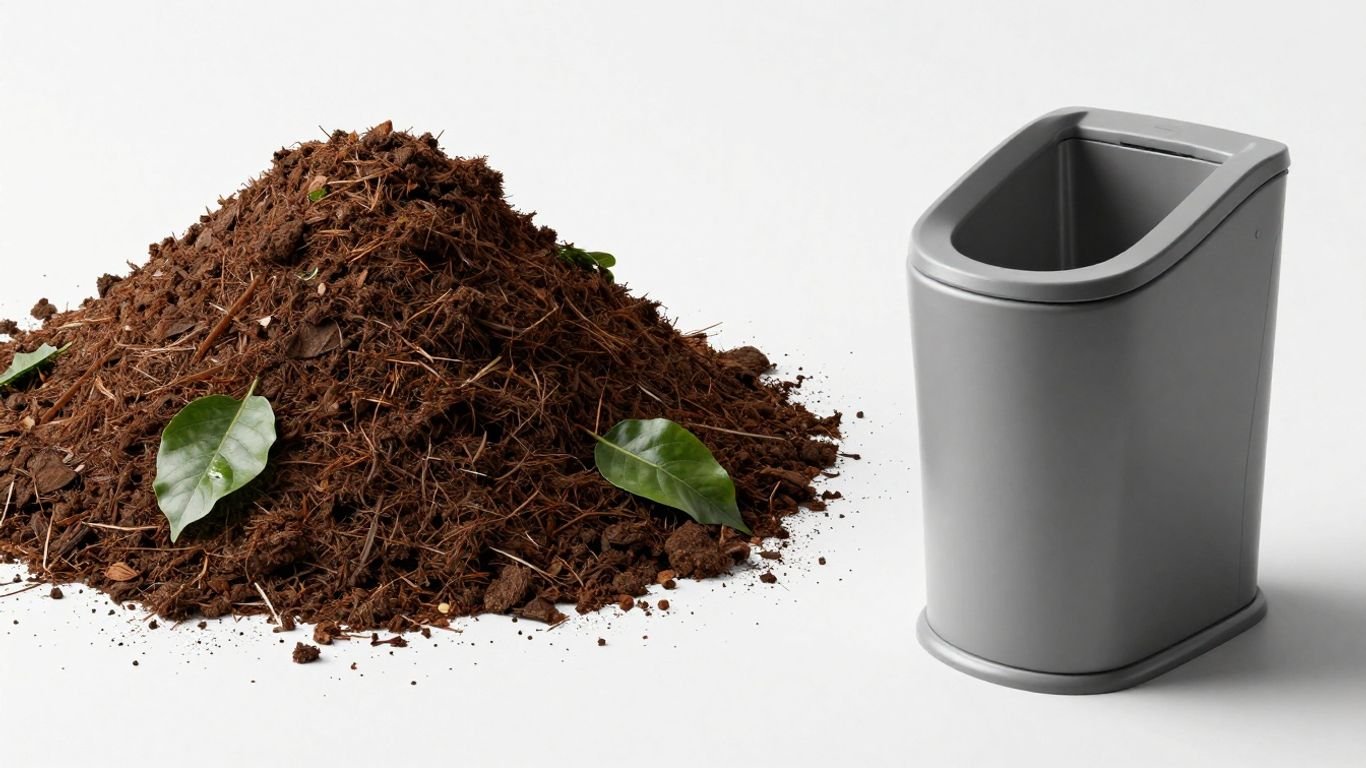
Composting toilets are all about natural processes. They use a mix of aerobic bacteria, moisture, and organic material – think sawdust or peat moss – to break down human waste. It’s kind of like a mini compost bin, but for your bathroom.
Here’s the general idea:
- Waste Collection: Solid waste and urine usually go into a chamber. Many models separate the urine to help the composting process work better and reduce odors. Some even have a way to evaporate the urine.
- Decomposition: Over time, the waste starts to break down. This process can take weeks or even months, depending on the model and how it’s managed.
- Adding Materials: You’ll often need to add bulking agents, like sawdust, after each use. This helps with airflow and absorbs moisture, which is key for the bacteria to do their job.
- The End Result: After a good long while, what’s left is a soil-like material. Depending on local rules, this can sometimes be used as fertilizer.
These toilets don’t use any water, which is a huge plus for off-grid situations. However, they do require regular attention to keep things working smoothly and smelling okay. It’s a hands-on approach to waste management.
How Incinerating Toilets Work
Incinerating toilets take a much more high-tech, fast-acting approach. Their main goal is to burn waste at very high temperatures, turning it into sterile ash. Think of it as a self-contained incinerator for your bathroom waste.
Here’s a quick rundown of the process:
- Lining the Bowl: You typically start by lining the toilet bowl with special paper or waste paper. This helps keep the bowl clean and makes sure the waste slides down into the combustion chamber easily.
- The Burn Cycle: After you use the toilet, the waste drops into a chamber where it’s heated to extreme temperatures. Most models process waste in batches, usually needing to run a burn cycle every 2-4 uses.
- Fast Results: The incineration process itself is surprisingly quick, often finishing within 1 to 3 hours.
- The Byproduct: What’s left behind is a small amount of sterile ash. This ash is safe to handle and can be disposed of outdoors, and some people even use it as a plant fertilizer.
These units often have built-in fans for air circulation and exhaust systems to vent fumes safely. They’re waterless and produce very little residue, which sounds pretty convenient. However, they rely heavily on electricity to run the heating elements and fans, so you’ll need a reliable power source for them to function. If you’re looking for a quick and clean solution, an incinerating toilet might be worth considering. They offer a different kind of off-grid sanitation compared to the slower, natural decomposition of composting systems. You’ll also want to think about how you’ll manage other water waste, like from sinks and showers, which systems like greywater systems can help with.
The core difference boils down to speed and process. Composting toilets rely on natural decomposition over time, requiring user involvement and space for the material to break down. Incinerating toilets use high heat for a rapid transformation into ash, demanding electricity but offering minimal residue and a quicker turnaround.
Evaluating Environmental Impact
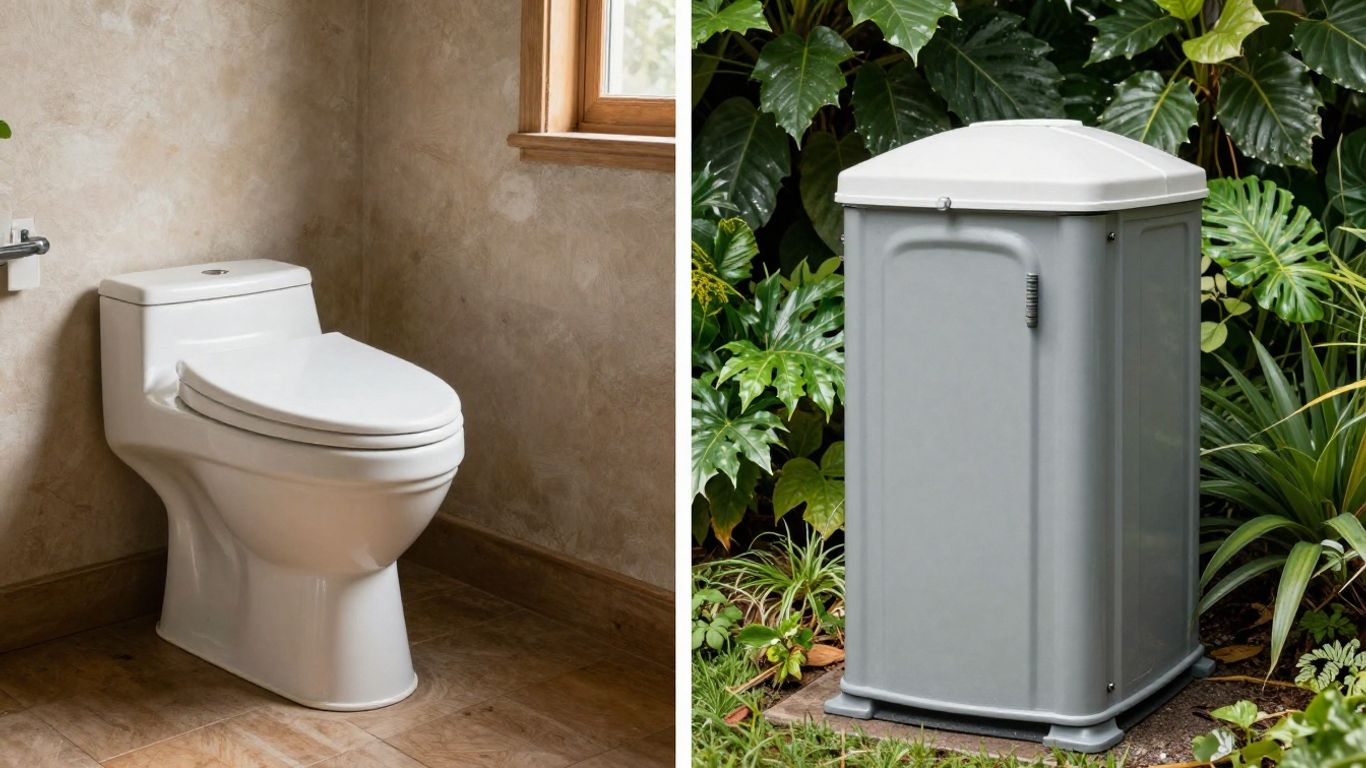
When we talk about off-grid sanitation, the environmental angle is a big one for a lot of folks. It’s not just about having a toilet; it’s about how that toilet fits into the bigger picture of sustainability. This is where the eco-friendly toilet comparison really heats up.
Composting Toilet’s Eco-Friendly Approach
Composting toilets are often seen as the champions of the green movement in this space. They work by using natural decomposition processes to break down waste. Think of it like a mini-ecosystem in a box. This method is waterless, which is a huge plus for conservation. Plus, the end product is nutrient-rich compost that can be used to fertilize plants, closing the loop on organic waste. It’s a pretty neat way to keep waste circulating naturally.
However, it’s not all sunshine and roses. To work effectively and avoid smells or pests, composting toilets often need good ventilation. They also require a bit more hands-on management to keep the decomposition process humming along. Some models can even handle certain kitchen scraps, further reducing your household waste.
Incinerating Toilet’s Environmental Footprint
Incinerating toilets take a different approach. They use electricity to burn waste at high temperatures, reducing it to a small amount of sterile ash. This process is fast and eliminates waste volume significantly, which can be a big deal for space-limited situations like container homes. The ash produced is sterile and can sometimes be used as a soil amendment, though it doesn’t offer the same direct composting benefits as a composting toilet.
While incinerating toilets require electricity, their overall energy consumption is often less than the resources needed for traditional wastewater treatment plants. They also eliminate the need for water, a significant resource saver.
The main environmental consideration here is the energy use. While they are efficient, they do rely on a power source. If that power comes from non-renewable sources, it adds to their footprint. On the flip side, they don’t produce any liquid effluent that could potentially contaminate groundwater, and they handle both liquid and solid waste together, simplifying the process. For those prioritizing a completely hands-off approach to waste, incinerating toilets offer a clean solution.
Assessing Maintenance And Handling
When you’re thinking about toilets for off-grid living or a remote spot, the upkeep is a big deal. Nobody wants a chore that feels gross or takes up too much time. Let’s break down what’s involved with both composting and incinerating toilets.
Composting Toilet Upkeep Requirements
Composting toilets, bless their hearts, rely on natural processes. This means they need a bit more hands-on attention to get that waste broken down properly. You’ll often need to add bulking material, like peat moss or sawdust, after each use to help with decomposition and keep smells at bay. Some models have a crank you turn to mix things up.
- Regularly add bulking material: This is key for aeration and odor control.
- Stir or mix the contents: This helps the decomposition process along.
- Manage moisture levels: Too wet or too dry can slow things down.
- Periodic emptying: Depending on the size and usage, you might empty the solids chamber every few weeks to months.
It’s not rocket science, but it does require a bit of diligence. The end product, compost, is great for your garden, but getting there involves these steps. If you’re looking for a way to recycle nutrients, this is it.
The biggest difference here is that composting toilets require you to actively participate in the waste breakdown process. It’s a more involved system, but the reward is a usable end product.
Incinerating Toilet’s Minimal Maintenance
Incinerating toilets are pretty much the opposite when it comes to maintenance. They use electricity to burn waste at high temperatures, leaving behind only a small amount of ash. This means you’re not really handling any "waste" in the traditional sense.
- Ash disposal: This is the main "maintenance" task. The ash needs to be emptied periodically, usually when it fills up a small collection tray. This is typically once a day for a family of four.
- No stirring or adding materials: The toilet does all the work.
- Minimal odor: The incineration process effectively eliminates smells.
The primary advantage of incinerating toilets is their hands-off nature. You step on a pedal, push a button, and the toilet takes care of the rest. The ash is sterile and can usually be disposed of with regular household trash, though it’s always good to check local regulations. For those who want a sterile output with minimal fuss, this is the way to go.
Considering Power Needs And Usage
When you’re thinking about going off-grid or just want a more self-sufficient setup, how your toilet uses power is a pretty big deal. It’s not just about convenience; it can really affect your lifestyle and what you can do, especially if you’re relying on alternative energy sources.
Composting Toilet Energy Independence
Composting toilets really shine when it comes to power. Many models are completely non-electric, meaning they don’t need any power to run. They use natural processes to break down waste. Even the electric versions often have options for battery or solar power, making them a great fit for remote locations where a constant power supply might be tricky. This independence means you’re not tied to a generator or the grid, which is a huge plus for true off-grid living. You can set them up pretty much anywhere without worrying about electrical hookups. Plus, if you’re interested in collecting your own water, a composting toilet pairs well with systems like emergency rainwater collection.
Incinerating Toilet’s Reliance on Power
Incinerating toilets, on the other hand, are a different story. They absolutely need electricity to work. Each flush cycle involves a heating element and a fan, and this uses a noticeable amount of power. A single use can consume around 1.5 to 2 kilowatt-hours of electricity. This means if you’re off-grid, you’ll need a robust power system, like solar panels with a good battery bank or a reliable generator, to keep it running. Without consistent power, the toilet simply won’t function. This reliance makes them less ideal for places with unpredictable electricity or for those who want the absolute minimum power draw. While they are efficient in their own way, their need for constant electricity is a significant factor to consider for your off-grid sanitation plan.
Here’s a quick look at the power situation:
- Composting Toilets:
- Many models are non-electric.
- Electric models can often run on batteries or solar power.
- Offers true energy independence.
- Incinerating Toilets:
- Require consistent electricity for each use.
- Can use a significant amount of power per cycle.
- Need a reliable power source (grid, generator, or substantial solar/battery setup).
The choice here really boils down to your power situation. If you have limited or no access to reliable electricity, a composting toilet is likely the more practical choice. If you have a solid power system in place and prioritize speed and minimal handling, an incinerating toilet might work, but you’ll need to factor in its energy demands.
Comparing Convenience And Ease Of Use
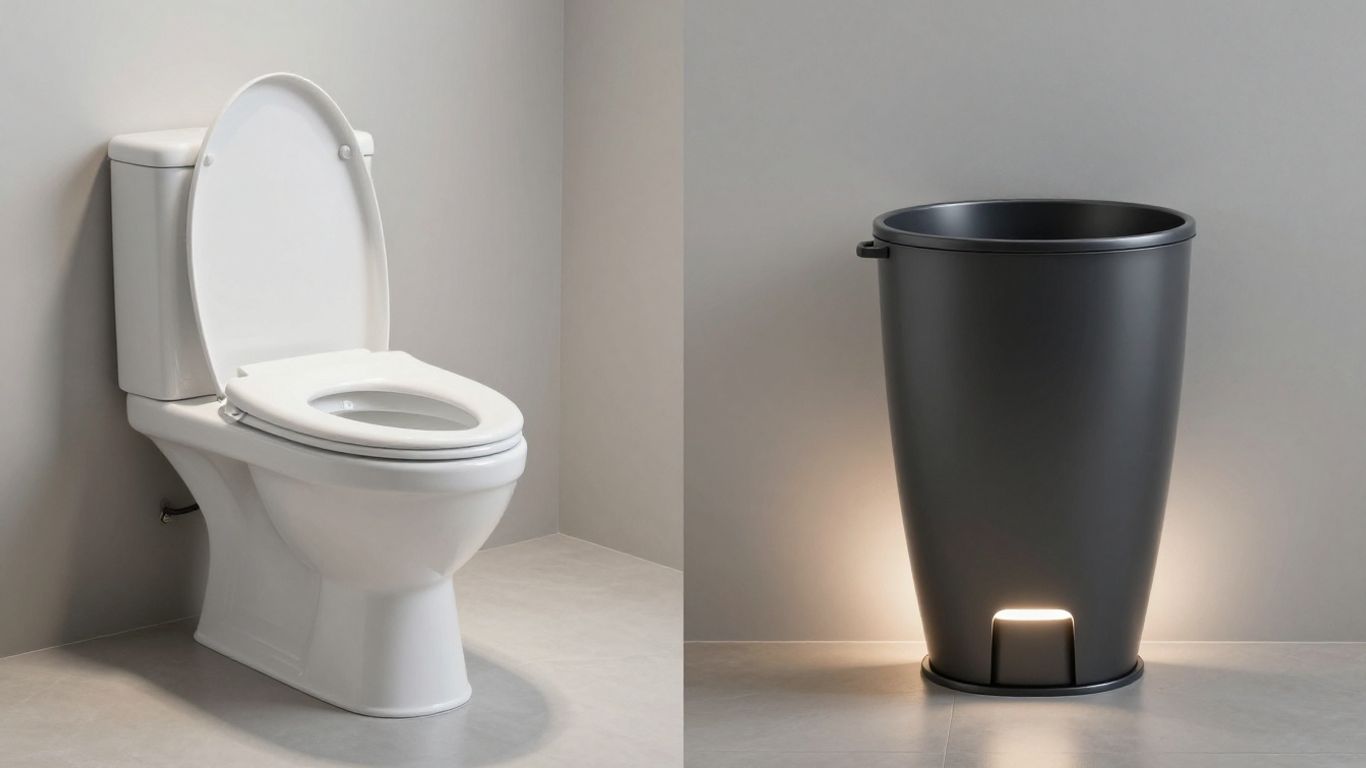
When you’re thinking about toilets for off-grid living, convenience and how easy they are to use really matter. It’s not just about the fancy tech; it’s about fitting into your daily life without a lot of fuss.
Convenience Factors of Composting Toilets
Composting toilets can be a bit more hands-on, but they offer a unique kind of convenience, especially if you’re aiming for a truly self-sufficient setup. They don’t need water, which is a huge plus in many off-grid situations.
- Operation: After each use, you typically need to stir the contents. This might involve a hand crank or a simple lever. It’s a quick action, but it’s a step.
- Portability: Many composting toilets are surprisingly lightweight and can be moved. This is great if you have an RV, a boat, or a cabin that you use seasonally and want to take your toilet with you.
- Waste Handling: While you don’t handle the waste directly, you will eventually need to empty the compost chamber. This can happen every few weeks to several months, depending on the model and how many people are using it. The resulting compost can be used as fertilizer, which is a nice bonus.
Some composting toilets can even handle a bit of kitchen waste, further reducing your overall trash. It’s a system that integrates with natural cycles.
Convenience Factors of Incinerating Toilets
Incinerating toilets are often seen as the more "set it and forget it" option. They aim to make the process as simple as possible, almost like a traditional toilet but without the water.
- Operation: Using an incinerating toilet is straightforward. You use it like a normal toilet, and then a pedal or button initiates the incineration process. This usually involves a fan and an electric heating element that burns the waste down to ash.
- Minimal Handling: The biggest convenience here is that you rarely, if ever, touch the waste. It’s all contained within a liner that gets incinerated. The only residue is a small amount of sterile ash, which is easy to dispose of. You’ll need to empty the ash pan when it gets about half an inch full, which for a small family might be daily or every few days.
- Odor Control: Because the waste is incinerated quickly, these units are generally very good at controlling odors. You won’t have the smell associated with waste sitting around.
| Feature | Composting Toilet | Incinerating Toilet |
|---|---|---|
| Daily Use | Stirring required after each use | Push-button operation |
| Waste Handling | Periodic emptying of compost chamber | Daily or frequent emptying of ash pan |
| Odor Control | Generally good with proper management | Excellent, due to rapid incineration |
| Portability | Often lightweight and portable | Generally fixed installation, not easily moved |
| Power Dependency | Can be non-electric or use minimal power | Requires consistent electricity for each use |
While incinerating toilets offer a very clean and hands-off experience, their reliance on electricity means they won’t work during a power outage unless you have a robust backup system, like a generator. Composting toilets, especially non-electric models, offer a different kind of convenience: independence from the grid. The choice often comes down to whether you prioritize minimal daily interaction or energy autonomy. You can search for keywords related to specific models to see user reviews on ease of use.
Examining Initial Costs And Consumables
Cost Differences Between Composting And Incinerating Toilets
When you’re looking at setting up off-grid sanitation, the upfront cost is definitely something to consider. Generally speaking, composting toilets tend to be the more budget-friendly option when you first buy them. You can find models that range from around $500 to $2,000. Incinerating toilets, on the other hand, usually come with a higher price tag, often falling between $1,200 and $5,000. This difference is largely due to the more complex technology involved in incinerating units.
Consumables For Each Toilet Type
Beyond the initial purchase price, you’ll also want to think about what you need to keep the toilet running smoothly. Composting toilets typically require a bulking agent, like peat moss or coconut coir, to help with the composting process. A small bale of peat moss might cost you around $5 to $10. These are used to cover waste and manage moisture. Incinerating toilets, however, use disposable bowl liners. These are usually sold in packs, and you might spend about $20 for 200 liners. So, while the upfront cost for an incinerator might be higher, the ongoing consumable costs can also add up differently depending on your usage.
Here’s a quick rundown:
- Composting Toilets:
- Initial Cost: $500 – $2,000
- Consumables: Peat moss, coconut coir, or other bulking agents ($5-$10 per bale).
- Maintenance: Requires regular addition of bulking material.
- Incinerating Toilets:
- Initial Cost: $1,200 – $5,000
- Consumables: Disposable bowl liners (approx. $20 for 200 liners).
- Maintenance: Minimal, primarily ash disposal.
It’s worth noting that while composting toilets might seem cheaper initially, the cost of bulking materials over many years can add up. Similarly, the electricity needed to run an incinerating toilet is an ongoing operational cost that should be factored into your long-term budget. For those concerned about water usage, both systems save a significant amount compared to traditional flush toilets, which is a major long-term saving in itself. If you’re looking for a reliable water source for other needs, consider how you’ll manage emergency water storage.
When you’re weighing these costs, think about how often you’ll be using the toilet and for how many people. A busy household will go through liners much faster than a weekend-only cabin. It’s a bit of a trade-off between upfront investment and ongoing expenses, so figure out what works best for your wallet and your lifestyle.
Capacity And Disposal Considerations
When you’re thinking about the best off-grid toilet systems, how much waste a toilet can handle and what you do with it afterward are pretty big deals. It’s not exactly glamorous, but it’s super important for making sure your setup actually works long-term.
Composting Toilet Waste Disposal
Composting toilets work by breaking down waste over time. This means they can hold a good amount of material before needing to be emptied. Depending on the size of the unit and how many people are using it, you might only need to empty it every few months. The end product is compost, which is great if you have a garden or yard. You can use the nutrient-rich solids and liquids to fertilize your plants. It’s a neat way to keep waste circulating back into the environment. However, this process isn’t instant. You need to manage the compost, and in colder climates, decomposition can slow way down, sometimes taking over a year to fully process.
- Capacity: Can hold waste for 1-6 months between emptying.
- Disposal: Produces nutrient-rich compost for fertilizing.
- Considerations: Requires space for decomposition and careful management, especially in cold weather.
Composting toilets are a fantastic choice if you’re looking for a truly sustainable solution and don’t mind a bit of hands-on involvement with the end product. It’s a natural cycle that can benefit your garden.
Incinerating Toilet Waste Disposal
Incinerating toilets take a completely different approach. They burn waste at high temperatures, turning it into sterile ash. This means they don’t really have a large ‘capacity’ in the same way a composting toilet does. Instead, you’re dealing with ash that needs to be removed. The ash should typically be disposed of when it reaches a small amount, maybe half an inch, which for a family could mean daily or every other day. This ash isn’t useful for gardening; it just goes into your regular trash. The upside is that there’s no messy handling of waste or lingering odors, making it a very clean process. These are often considered among the best off-grid toilet systems for their ease of use.
- Capacity: Requires frequent ash removal (daily to weekly depending on use).
- Disposal: Ash is sterile and can be disposed of in regular trash.
- Considerations: Minimal handling of waste, no odor, but ash disposal is a regular task.
When comparing these two, think about your lifestyle. If you want minimal interaction with waste and have a reliable power source, an incinerator toilet might be your pick. If you’re aiming for maximum sustainability, energy independence, and don’t mind managing compost, a composting toilet is likely the way to go. Both offer water-saving benefits, which is a win for any off-grid setup. For those interested in the environmental aspects, understanding the full lifecycle of waste is key to choosing between a dry toilet vs incineration system.
Conclusion
Deciding between a composting toilet and an incinerating toilet really boils down to what’s most important to you. If you want a hands-off system that quickly turns waste into ash and you have reliable power, an incinerating toilet might be the way to go. They’re super convenient and clean. On the other hand, if you’re looking for a system that doesn’t need electricity, you don’t mind a bit more hands-on work, and you’re interested in natural decomposition, a composting toilet is a great choice. Both are good for the environment, just in different ways. Think about your power situation, how much time you want to spend on upkeep, and what you want to do with the waste when you make your pick.
Frequently Asked Questions
How does a composting toilet actually work?
A composting toilet uses natural processes, kind of like a compost bin, to break down your waste. It uses bacteria and air to help the waste decompose over time into a soil-like material. You usually add things like peat moss to help it along.
And how does an incinerating toilet work?
An incinerating toilet is pretty different. It uses high heat, like an oven, to burn all the waste until only a small amount of sterile ash is left. It’s a quick process that gets rid of everything.
Which one is better for the environment?
Both are better than traditional toilets because they save water. Composting toilets are great because they turn waste into fertilizer, which is good for the earth. Incinerating toilets use energy, but they get rid of waste completely, which also helps prevent pollution.
Do composting toilets smell bad?
When they’re working right and maintained properly, composting toilets shouldn’t smell too bad. They have ventilation systems to help with this. However, if you don’t keep up with the maintenance, you might notice some odors.
What kind of maintenance do these toilets need?
Composting toilets need more attention. You’ll have to add materials like peat moss, stir the compost sometimes, and eventually empty the compost bin. Incinerating toilets are much simpler; you mostly just empty the ash tray every so often, which is usually pretty clean.
Can I use a composting toilet if I don’t have electricity?
Yes, definitely! Many composting toilets are designed to work without electricity. Some might use a small fan that can run on a battery or solar power, but the main composting process doesn’t need power.