Decentralized Grids: The Future is Now!
The way we get and use electricity is changing, like, big time. Our old power grids, the ones that have been around forever, are starting to feel the strain. More people want power, the weather is getting wilder, and having everything in one big place just isn’t cutting it anymore. So, a new idea is popping up – a different way to make, share, and use electricity. This isn’t just about new gadgets; it’s about rethinking who controls the power and how we get it. Think community solar projects or even trading power with your neighbors. It’s shaking things up. But why now? And what does it mean for our planet? Let’s check out this whole decentralized grid thing.
Key Takeaways
- A decentralized grid means electricity is made closer to where it’s used, not just from big power plants far away.
- This new setup helps make our power supply more reliable, especially when bad weather or other problems hit.
- Technology like smart devices, software, and apps are key to managing all these smaller energy sources working together.
- Electric cars are becoming a big part of the grid, not just for charging but potentially sending power back when needed.
- The future grid is like the internet for electricity, with lots of different parts talking to each other to keep things running smoothly.
Understanding The Decentralized Grid
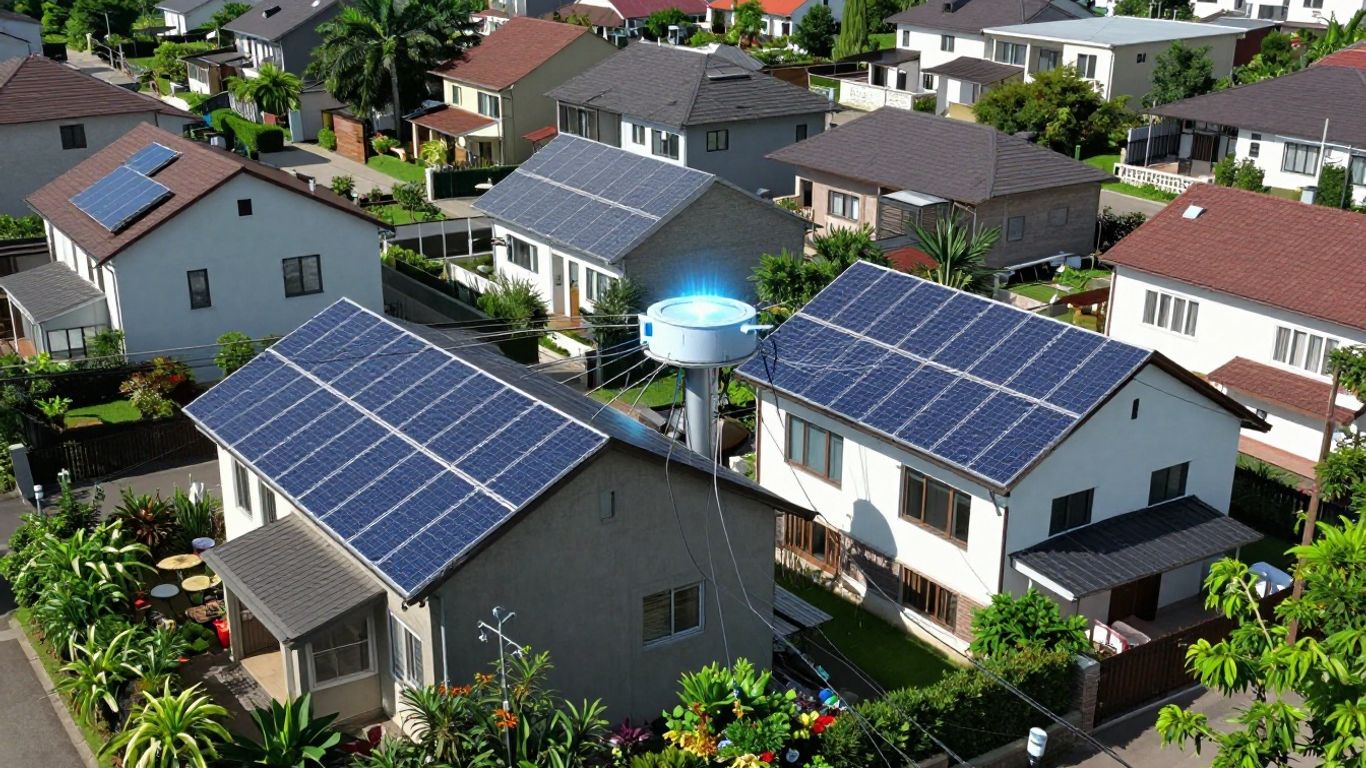
So, what’s this whole “decentralized grid” thing everyone’s talking about? Basically, it’s a big change from how we’ve always gotten our electricity. Instead of one giant power plant sending electricity miles and miles to your house, imagine lots of smaller power sources spread out everywhere. Think solar panels on rooftops, small wind turbines in communities, and even battery storage systems. These are all part of what we call distributed energy generation (DG).
What is Decentralized Energy?
Decentralized energy means making power closer to where it’s actually used. It’s the opposite of those massive, old-school power stations. This approach uses things like solar panels, small wind turbines, and other local sources. The big idea is to reduce how much electricity needs to travel long distances, which saves energy and makes the whole system more reliable. It’s about giving consumers more say in how they get their power.
How Does Decentralized Energy Work?
Instead of a top-down system, decentralized energy flips it. Power is generated in many different spots. Some of these systems can work all by themselves, like a little island of power for a building or a neighborhood. Others can connect with the main grid, sharing power back and forth. This makes the energy supply much more flexible. It can ramp up or down based on what people need, making it more responsive. This is where microgrid technology explained really comes into play, allowing these smaller, localized grids to operate independently or connect to the larger network.
The Evolution of Decentralized Energy Systems
This isn’t exactly brand new, but it’s really picking up steam now. For a long time, we’ve relied on big, central power plants. But with growing energy needs and worries about climate change, that model is showing its limits. Decentralized energy is a response to these challenges. It’s a move towards more local control and a more varied mix of energy sources. It’s about building a grid that’s more adaptable and less prone to widespread outages.
The shift towards decentralized energy is driven by a need for greater resilience and efficiency. By generating power closer to where it’s consumed, we can minimize transmission losses and create a more robust energy infrastructure that’s less vulnerable to single points of failure.
Here’s a quick look at why this is happening:
- Better Energy Security: Centralized grids can be easily disrupted. Local power sources offer a backup.
- Fixing Grid Problems: Traditional grids struggle with the variable nature of renewables like solar. Decentralized systems can help manage this better.
- Fighting Climate Change: More local, renewable energy means fewer greenhouse gas emissions overall.
This evolution is supported by advancements in technology, making it easier to manage these distributed resources. It’s a move towards a more sustainable and reliable energy future, with innovations like those found in distributed energy generation becoming more common.
Driving Forces Behind Decentralized Grids
The energy landscape is changing, and it’s not just about new gadgets. Several big things are pushing us toward a more decentralized way of managing electricity. It’s a mix of needing more reliable power, dealing with the limits of what our old grids can handle, and, of course, the ongoing push to tackle climate change.
Enhancing Energy Security and Resilience
Think about how easily our current power systems can be knocked out. A big storm, a technical glitch, or even something more deliberate can cause widespread blackouts. Centralized grids are like a single point of failure. If that main hub goes down, everything connected to it does too. This is where decentralized energy steps in. By spreading out where power comes from, we make the whole system much tougher to disrupt. Imagine communities with their own local solar and battery setups; they can keep the lights on even if the main grid is struggling. This distributed approach means that if one part of the system has a problem, others can keep running.
The vulnerability of centralized energy systems has become increasingly apparent. When a single point of failure exists, the impact of any disruption is magnified across a wide area, affecting homes, businesses, and critical infrastructure alike. Decentralization offers a path to a more robust and dependable energy supply.
Addressing Grid Limitations
Our existing power grids were built for a different era, one where electricity flowed mostly in one direction from big power plants to homes. Now, with more people putting up solar panels on their roofs and other distributed energy sources popping up, the grid is getting overloaded in new ways. It’s like trying to push too much traffic onto a highway designed for half the cars.
In some places, rooftop solar can generate so much power during the day that it actually causes problems for the local distribution networks. This means we need smarter ways to manage these new energy flows, making sure the grid can handle both the incoming power from these smaller sources and the traditional demand. It’s about making the grid flexible enough to work with these new inputs, not against them. This is a key reason why smart grid adoption is picking up speed.
Mitigating Climate Change
Let’s face it, the planet is warming, and greenhouse gas emissions are a big part of the problem. While many countries have made commitments to reduce emissions, the numbers haven’t always followed suit. Decentralized energy systems, especially those powered by renewables like solar and wind, play a huge role here. By generating clean energy closer to where it’s used, we cut down on the energy lost during long-distance transmission. Plus, shifting away from fossil fuels to these cleaner sources directly reduces the carbon footprint of our energy use. It’s a practical way to make progress on climate goals, moving us toward a more sustainable energy future.
- Renewable Energy Integration: Decentralized systems make it easier to incorporate solar, wind, and other clean sources directly into the local grid.
- Reduced Transmission Losses: Generating power closer to consumers means less energy is wasted moving it across long distances.
- Lower Carbon Emissions: A greater reliance on clean, distributed generation directly cuts down on greenhouse gas output.
- Community Involvement: Local energy projects can increase public engagement and support for climate action.
Key Components of a Decentralized Grid
So, what actually makes up one of these decentralized grids? It’s not just a bunch of solar panels slapped onto roofs, though that’s part of it. Think of it as a whole new infrastructure, built from the ground up, to handle power flowing in many directions, not just from one big plant to your house.
Rebuilding The Backbone: Transmission & Big Storage
Forget the old way of thinking about the grid. We need to upgrade the main transmission lines, the big highways of electricity, to handle more traffic and different kinds of traffic. And storage? It’s not just a nice-to-have anymore. We’re talking about massive battery farms, pumped hydro storage, and other ways to save up all that solar and wind power for when it’s needed. This is the heavy lifting part, making sure the whole system doesn’t get overloaded or run out of juice.
High-Voltage Superhighways (HVDC)
To move electricity efficiently over long distances, especially from where it’s generated (like a big offshore wind farm) to where it’s needed, we’re increasingly looking at High-Voltage Direct Current (HVDC) lines. These are like the express lanes on our energy highways. They lose less power during transmission compared to traditional AC lines, which is a big deal when you’re talking about moving huge amounts of energy across states or even countries. It’s a smarter way to connect different parts of the grid, especially when those parts might be far apart.
Smart Endpoints & Demand Flexibility
This is where things get really interesting for us as consumers. Smart endpoints are basically all the connected devices in our homes and businesses – smart thermostats, electric vehicle chargers, even your fridge. Demand flexibility means these devices can be told, or can figure out on their own, to use less power, or shift their usage to times when there’s plenty of renewable energy available. It’s about making our appliances work with the grid, not just on it.
- Shifting Usage: Running your dishwasher at 2 AM when solar is abundant.
- Reducing Load: Your smart thermostat slightly adjusting the temperature during peak demand.
- Responding to Signals: Devices automatically dimming or turning off when the grid is stressed.
This shift from passive consumption to active participation is what truly defines a decentralized grid. It’s not just about where the power comes from, but how we manage it collectively.
The Digital Layer: Software and Connectivity
All these physical components – the new transmission lines, the storage, the smart devices – need a brain. That’s where the digital layer comes in. We’re talking about sophisticated software that monitors everything, predicts supply and demand, and makes split-second decisions to keep the lights on. It’s the internet of things for electricity, connecting millions of devices and making sure they all play nicely together. Without this digital glue, the whole decentralized system would just be a jumble of parts.
Virtual Power Plants and Aggregators
Think of a Virtual Power Plant (VPP) as a way to group together lots of small energy sources and storage systems – like rooftop solar and home batteries – and make them act like one big power plant. An aggregator is the company or software that does this grouping. They can then sell the combined power or flexibility to the grid operator, helping to balance supply and demand without needing a traditional power plant. It’s a way to make small, distributed resources count for a lot.
Peer-to-Peer Energy Marketplaces
This is where you might actually sell your extra solar power directly to your neighbor. Peer-to-peer (P2P) marketplaces use blockchain or similar technology to create a transparent and direct way for people to trade energy. Instead of selling your excess solar back to the utility at a low rate, you could potentially sell it to someone down the street who needs it, maybe at a better price for both of you. It cuts out the middleman and creates a more local, community-focused energy system.
The Role of Technology in Decentralized Grids
Okay, so we’ve talked about why we need decentralized grids, but how do we actually make them work? It all comes down to the tech. Think of it like upgrading your old flip phone to a smartphone – suddenly, you can do a whole lot more. The digital layer is where the magic happens, connecting all these new energy sources and devices.
The Digital Layer: Software and Connectivity
Right now, the software side of our energy grid is kind of a mess. It’s like everyone’s using their own secret language. Your solar panels might talk to one system, your smart meter to another, and a big battery somewhere else to a third. If they can’t all chat instantly and understand each other, things can get dicey, leading to blackouts. We need a common language, a sort of “internet protocol” for energy devices. Without this digital upgrade, just adding more solar panels or batteries won’t be enough. It’s a big challenge, but it’s also pushing a lot of smart people to invent new solutions.
Virtual Power Plants and Aggregators
This is where things get really interesting. Imagine a bunch of small energy resources – like home batteries, smart thermostats, or even electric cars – acting together as one big power plant. That’s basically a Virtual Power Plant (VPP). Aggregators are the companies that make this happen. They sign up lots of these devices and then, when the grid needs it, they can tell them all to do something specific, like slightly lower their energy use for a bit. It’s a way to get a lot of flexibility without building a giant new power plant. Think of it as crowd-sourcing grid stability. These systems can respond to grid signals, helping to balance supply and demand.
- Demand Response Programs: Utilities can signal for devices to reduce consumption during peak times.
- Load Shifting: Smart devices can automatically adjust their operation to off-peak hours.
- Grid Services: VPPs can provide services like frequency regulation and voltage support.
The grid of the future won’t just be about generating more power; it will be about managing flexibility from millions of connected devices. This “flexibility as a resource” is a game-changer.
Peer-to-Peer Energy Marketplaces
This is a bit more cutting-edge, but the idea is that you could potentially sell your extra solar power directly to your neighbor, or buy power from a community solar farm down the street. These peer-to-peer (P2P) marketplaces, often using technologies like blockchain for transparency, aim to create more localized energy trading. While there are still hurdles to overcome, like making sure these trades don’t break the main grid or ensuring transaction speeds are fast enough, the concept is gaining traction. It’s about making energy trading more direct and community-focused, moving beyond the traditional utility model. These are some of the exciting smart grid alternatives emerging.
Integrating New Energy Demands
The electricity grid is getting a shake-up. As new energy demands stack up and more people go electric, the pressure grows. What does integrating all these fresh energy needs mean for the grid? It’s about weaving in distributed energy resources, boosting renewable energy independence, and encouraging energy sector innovation.
EV Charging Infrastructure & Management Systems
More folks are buying electric cars. That’s not just a trend—it’s a real pain for the grid if not handled well. Charging a bunch of EVs at the same time (like after everyone gets home from work) can cause sudden spikes. It’s not as simple as adding plugs everywhere. You need smart charging systems that:
- Spread charging over the day to dodge those brutal peak loads
- Adjust charging speed if there’s a grid hiccup
- Coordinate with local power supplies, like rooftop solar
Connected, managed charging points are now becoming standard, turning electric vehicles from a challenge into an asset for balancing energy supply and demand.
Neighborhoods that blend smart chargers with flexible scheduling can avoid blackouts—and make better use of distributed energy resources.
For more on optimizing grid stability while adding renewables, see this piece on coordinated energy systems.
Vehicle-to-Grid (V2G) Technology
Think of electric cars not just as commuters, but mini power plants on wheels. That’s V2G for you—it lets EVs send surplus electricity back to the grid when needed. Here’s what it involves:
- Bidirectional chargers
- Software that schedules when EVs charge or discharge
- Incentives for drivers who support grid stability
This helps manage times when wind or solar dips. In a way, it’s renewable energy independence in motion—energy comes and goes, but the cars help fill the gaps.
The Charging Network as Part of Grid Operation
EV chargers can be an active part of the grid’s daily balancing act, not just a way to fill a battery. Here’s what’s changing:
- More data—grids track which neighborhood chargers are busy
- Demand response—utilities can slow or delay charging during high demand
- Local energy trading—drivers might one day buy solar power from a neighbor via their charger
| Feature | Traditional Charging | Smart Networked Charging |
|---|---|---|
| Scheduling | User-initiated | Grid/basic/AI optimization |
| Grid Feedback | None | Real-time load management |
| Integration w/ Renewables | Minimal | High (solar/wind/BESS linked) |
Energy sector innovation is reshaping how the grid meets new needs. It’s messy, but the future won’t wait. We may not notice all the puzzle pieces—chargers, cars, software—but they’re working together, mostly quietly, to keep the lights (and engines) on.
Building The Energy Internet
Orchestrating An Ecosystem of Devices
The future grid isn’t just about new gadgets; it’s about getting them all to play nice together. Think of it like a massive orchestra where every instrument, from your rooftop solar panels to your electric car, needs to hit the right note at the right time. Right now, a lot of these devices talk their own language, or not at all.
We’ve got smart meters reporting to one system, solar inverters to another, and maybe your EV charger has its own app. This fragmented setup makes it tough for the grid to know what’s happening. We need a common language, a way for all these pieces to communicate instantly and reliably. Without it, managing the flow of power becomes a real headache, and the risk of blackouts or cyber issues goes up.
The Electricity Internet Paradigm
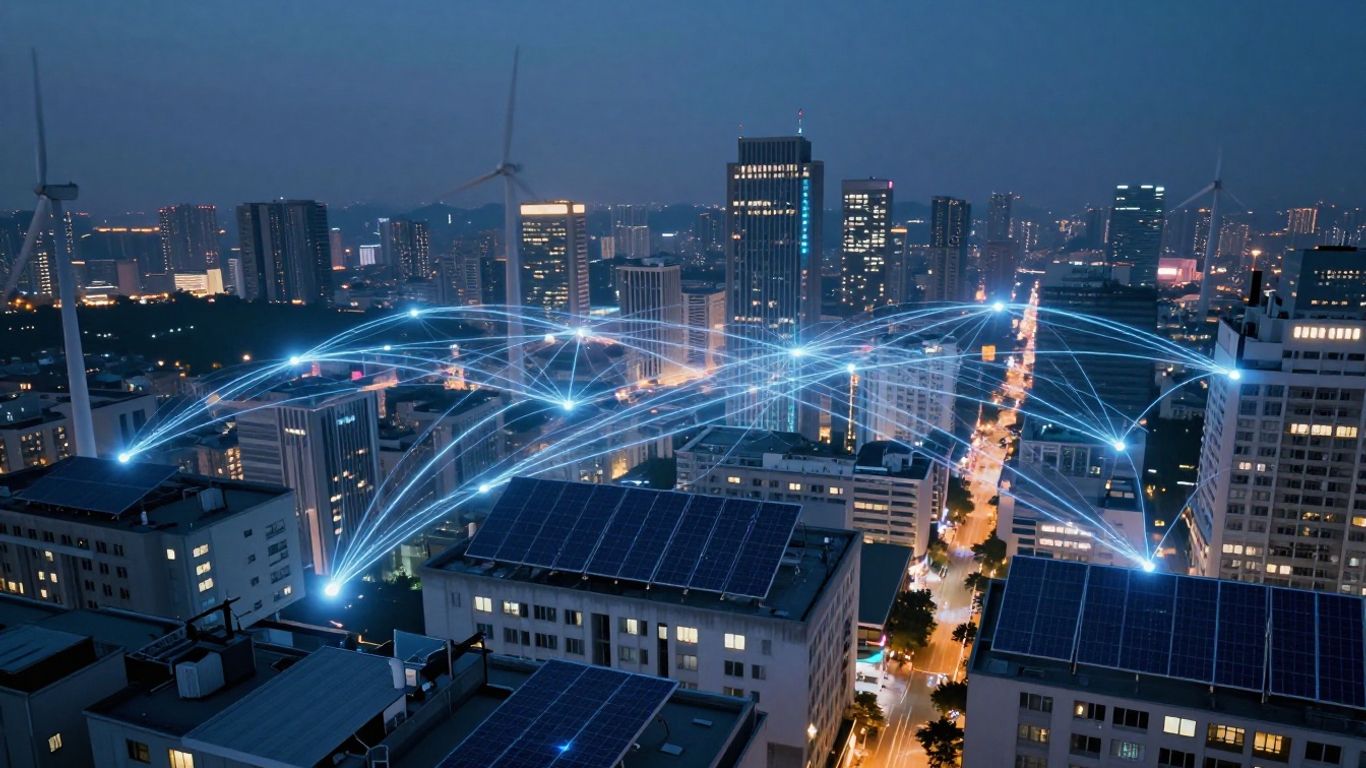
Remember the early days of the internet? It was a bunch of separate networks that eventually learned to talk to each other using standards like TCP/IP. The electric grid is on the verge of a similar transformation. We’re moving towards an “Electricity Internet” where power can flow smoothly and intelligently, much like data does today. This means breaking down old ways of thinking and building a system that’s more flexible and responsive. It’s not just about upgrading wires; it’s about creating a smart, interconnected web of energy resources.
A Collaborative Future for Energy
Making this energy internet a reality won’t happen overnight, and it won’t be done by one company or group. It requires a big shift, a move away from the old, centralized power plants and towards a distributed network. This new grid will be a mix of technologies, software, and smart market rules working together. It’s a future where your car’s battery could help balance the grid, or where your home’s smart thermostat can adjust energy use without you even noticing. This collaborative approach is key to building a reliable, clean, and adaptable energy system for everyone.
The Future is Here, and It’s Distributed
So, what does all this mean? It means the way we get and use power is changing, and honestly, it’s about time. We’re moving away from those giant, old-school power plants and towards a system where energy is made closer to home, whether that’s on your roof or in your neighborhood. It’s not just about new gadgets, though. It’s about making the whole system tougher, cleaner, and more responsive.
Think of it like upgrading from dial-up internet to broadband – things just start working better and faster. The pieces are all coming together, from smarter devices to new ways of sharing power. It’s going to take some work to connect everything, sure, but the payoff is huge: a reliable, clean energy future for everyone. This isn’t some far-off dream; it’s happening now.
Frequently Asked Questions
What exactly is a decentralized energy system?
Think of it like this: instead of one giant power plant sending electricity everywhere, a decentralized system has lots of smaller power sources spread out, like solar panels on roofs or small wind turbines. These smaller sources are closer to where the power is used, making the whole system more flexible and reliable.
How is this different from the way we get electricity now?
Right now, most electricity comes from big, central power plants. This is like having one main water pipe for a whole city. Decentralized energy is more like having many smaller pipes and water sources, so if one breaks, others can still supply water. It means power can be made in many places, not just one big factory.
Why are we moving towards decentralized energy?
There are a few big reasons! It helps make sure we have power even if something happens to the main grid (like during a storm). It’s also better for the environment because it uses more clean energy sources like solar and wind. Plus, it helps manage the grid better when lots of people have things like electric cars.
What are the main parts of a decentralized grid?
It involves strengthening the main power lines and adding big battery systems to store extra power. It also uses special high-speed lines called HVDC to move power long distances efficiently. And importantly, it uses smart devices and technology that can adjust power use on demand, like smart thermostats or EV chargers.
How does technology help make decentralized grids work?
Technology is super important! Smart software connects all the different power sources and devices. Things like ‘Virtual Power Plants’ can group many small sources together to act like a big one. Also, new online marketplaces let people even sell extra power they make to their neighbors.
What is the ‘Energy Internet’ concept?
The ‘Energy Internet’ is an idea for the future grid. Just like the internet lets information flow easily between many devices, the Energy Internet aims to let electricity flow smoothly and intelligently between all the different power sources, storage units, and users. It’s about creating a connected and smart energy system for everyone.