Diesel & Battery: The Hybrid Power Duo
So, you’ve probably heard about hybrid cars, right? They’re pretty common now. But what about bigger power needs? Think remote places, worksites, or even big trucks. That’s where the diesel generator battery hybrid system comes in. It’s basically about making diesel power smarter and cleaner by pairing it with batteries. It’s not a brand new idea, but it’s getting more attention as we look for better ways to power things without just burning tons of fuel.
Key Takeaways
- A diesel generator battery hybrid system combines diesel engines with battery power for more efficient and flexible energy generation.
- These hybrid systems offer better fuel economy and longer run times compared to traditional diesel-only setups.
- They help manage power loads effectively, reducing strain on the diesel engine and extending its life.
- Hybrid technology can lead to lower emissions, making them a greener option for various applications.
- Applications range from powering remote communities and worksites to improving commercial transport efficiency.
Understanding The Diesel Generator Battery Hybrid System
The Synergy of Diesel and Electric Power
Think of a diesel generator battery backup solution as a team effort for your power needs. You’ve got the diesel generator, a reliable workhorse that can churn out a lot of power when you need it. But sometimes, it’s not running at its most efficient, or maybe you just don’t need all that power all the time. That’s where the battery comes in. By integrating batteries with diesel generators, we create a hybrid power system for generators that’s smarter and more efficient. The battery can soak up extra power when the generator is running hard, or provide power on its own for shorter periods, letting the generator rest or run at a more optimal load. This partnership means less wasted fuel and less wear and tear on the generator itself.
Key Components of a Hybrid System
A typical diesel-electric hybrid setup involves a few main players:
- Diesel Generator: The primary power producer, especially for larger loads or longer runtimes.
- Battery Bank: Stores electrical energy, acting as a buffer and a supplementary power source. This is a key part of energy storage for diesel backup power.
- Hybrid Inverter/Controller: This is the brain of the operation. It manages the flow of electricity between the generator, the batteries, and the load, deciding when to charge the batteries, when to draw from them, and when to rely solely on the generator. A good generator battery management system is vital here.
- Automatic Transfer Switch (ATS): Ensures a smooth switch between power sources without interruption.
Parallel vs. Series Hybrid Configurations
There are two main ways these systems are put together:
- Parallel Hybrid: In this setup, both the diesel generator and the battery bank can supply power to the load simultaneously. The controller decides how much power each source provides. This is great for handling fluctuating loads and can lead to significant fuel savings.
- Series Hybrid: Here, the diesel generator’s primary job is to charge the battery bank. The battery bank then powers the load. The generator only runs when the batteries need a boost. This configuration often leads to the most fuel efficiency because the generator can be sized for charging only and run at its most efficient point. It’s a common approach for hybrid solar systems where solar also contributes to charging.
The goal is to use the strengths of each component. The generator provides raw power and reliability, while the batteries offer flexibility, quiet operation for short periods, and the ability to smooth out power delivery. This combination makes for a more robust and economical power solution, especially when you’re looking at diesel generator battery backup solutions for critical applications.
Benefits of Diesel-Electric Hybridization
So, why bother with a diesel-electric hybrid system? Well, it turns out there are some pretty solid reasons, especially if you’re looking to get more bang for your buck and be a bit kinder to the planet.
First off, let’s talk about fuel. These systems are designed to sip fuel, not guzzle it. By letting the battery handle some of the load, or by recapturing energy that would otherwise be lost, the diesel engine doesn’t have to work as hard all the time. This means you can run for longer periods without needing to refuel, which is a huge win for remote sites or long hauls. Think about it: less stopping for fuel means more time actually getting work done or reaching your destination. It’s a simple concept, but the impact on runtime is pretty significant.
Here’s a quick look at how it shakes out:
- Extended Runtime: Less fuel burned means the generator can keep going for more hours.
- Fuel Savings: The hybrid setup can cut down diesel consumption by a noticeable amount, saving you money over time.
- Reduced Generator Strain: By sharing the power demand, the diesel engine experiences less stress, potentially leading to a longer operational life.
Another big advantage is how these systems manage power demands. You know how sometimes a generator has to work overtime to meet a sudden surge in power needs? Hybrids can smooth that out. The battery can kick in to cover those peak loads, preventing the diesel engine from being overloaded. This is often called ‘peak shaving’. It’s like having a little power reserve ready to go, so everything runs more smoothly and efficiently. This also helps with load management, making sure the generator operates within its optimal range more often.
This ability to buffer power demands is key. Instead of the diesel engine constantly ramping up and down to meet fluctuating needs, the battery acts as a go-between. It absorbs excess energy when demand is low and releases it when demand spikes, keeping the diesel engine running at a more consistent, efficient pace. This not only saves fuel but also reduces wear and tear.
And, of course, there’s the environmental side of things. Burning less diesel means fewer emissions. While diesel engines are getting cleaner, reducing their overall usage is still a major plus for air quality and cutting down on greenhouse gases. For businesses and communities looking to lower their carbon footprint, this is a really attractive feature. It’s a step towards more sustainable power generation, especially when you consider applications like powering remote communities where diesel has traditionally been the only option [834d].
Applications in Diverse Sectors
Powering Remote Communities
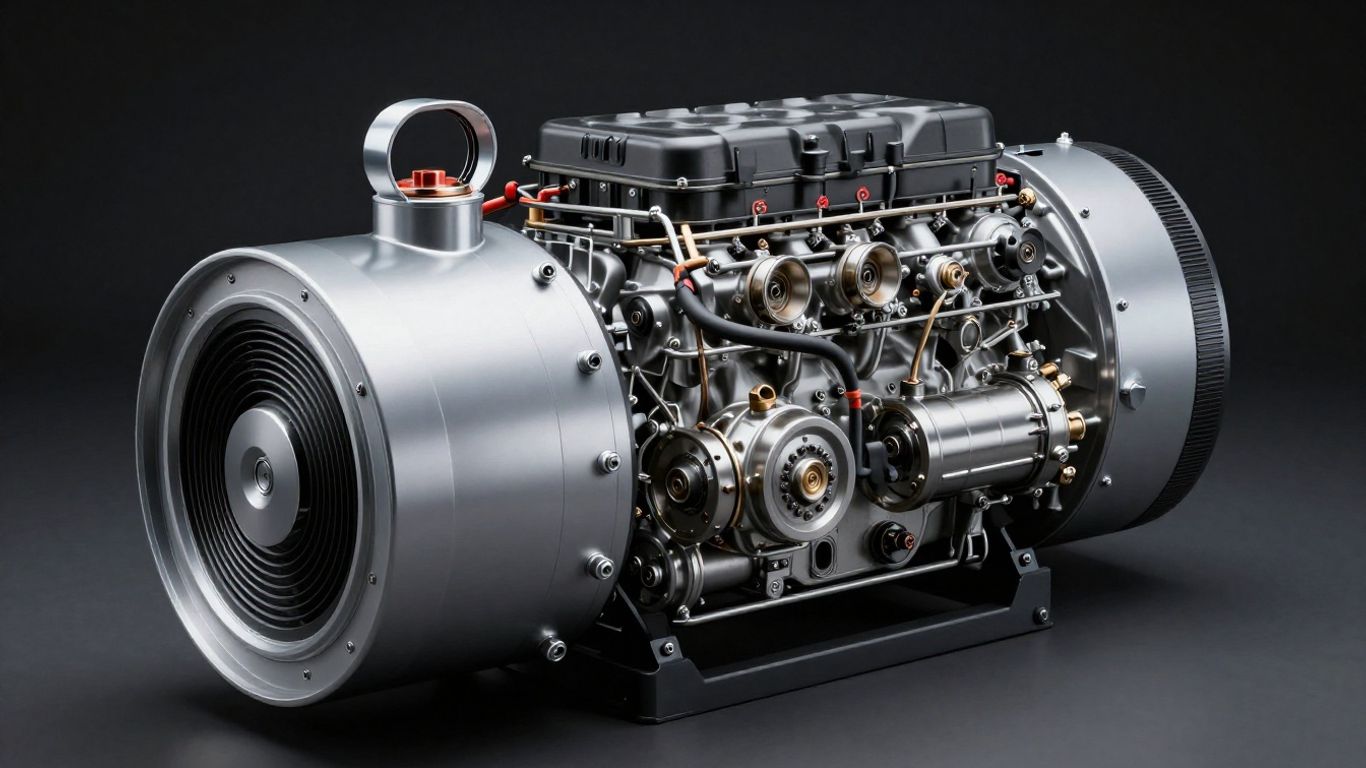
For places far from the main power grid, a diesel-battery hybrid system is a real game-changer. Think of remote villages or research stations where getting electricity is a constant headache. These systems combine the reliability of diesel generators with the efficiency of battery storage and solar power. This means they can provide consistent power without needing constant fuel deliveries, which are often expensive and difficult to arrange. It’s about bringing dependable energy to places that need it most. This setup significantly cuts down on fuel costs and extends the time between refueling stops, making life and work much easier.
Optimizing Worksite Operations
Construction sites, mining operations, and temporary event venues often need a lot of power, but only for a limited time. A hybrid system is perfect here. It can handle the big power demands during peak hours using the diesel generator, while the battery bank takes over for smaller loads or when the generator isn’t running. This approach, known as peak shaving, means the diesel engine doesn’t have to work as hard or as often. This leads to less wear and tear, lower fuel consumption, and a quieter work environment. It’s a smart way to manage energy use and keep operations running smoothly.
Here’s a quick look at how it helps:
- Reduced Fuel Costs: By using batteries for lighter loads, fuel use drops significantly.
- Extended Generator Life: Less running time means less maintenance and a longer lifespan for the generator.
- Quieter Operation: Batteries can power the site during off-peak hours, reducing noise pollution.
- Improved Power Quality: Hybrid systems can smooth out power fluctuations, providing a more stable supply.
The ability to manage power demands effectively on a worksite translates directly into cost savings and operational efficiency. It’s not just about having power; it’s about having the right power at the right time.
Commercial Transportation Solutions
While this article focuses on stationary power, the principles of diesel-electric hybridization are also transforming transportation. Think about heavy-duty trucks or buses. Adding a battery system to a diesel engine can drastically improve fuel economy, especially in stop-and-go city traffic. The battery can capture energy during braking (regenerative braking) and then use that stored energy to assist the diesel engine when accelerating. This not only saves fuel but also reduces exhaust emissions, contributing to cleaner air in urban areas. These systems are becoming more common as companies look for ways to meet environmental regulations and reduce operating expenses. The future of commercial transport is increasingly looking like a blend of diesel and electric power, offering a practical path towards sustainability hybrid hydrogen-battery powertrains.
Hybrid energy storage systems have already proven their worth in many industries, sharing the load with diesel generators and demonstrating reliable performance across a wide range of applications thousands of installations globally.
Technological Advancements and Future Outlook
Innovations in Battery Technology
Batteries are the heart of any hybrid system, and they’re getting better all the time. We’re seeing big leaps in energy density, meaning batteries can store more power in the same amount of space. Plus, they’re lasting longer and can be recharged more times before they wear out. This makes the electric side of the hybrid system more robust and reliable. Think about it: longer runtimes, less downtime for charging, and a system that just keeps going. It’s pretty exciting stuff, especially when you consider how quickly things are changing. For instance, battery electric cars have really taken off, showing just how far this tech has come [5c19].
The Role of Intelligent Control Systems
It’s not just about the hardware; the brains behind the operation are getting smarter too. Advanced control systems are now able to manage the diesel generator and battery power much more efficiently. They can predict power needs, decide when to run the generator, when to rely on the battery, and when to charge. This smart management is key to getting the most out of the system, saving fuel, and reducing wear and tear on the generator. It’s like having a really good conductor for an orchestra, making sure every instrument plays at the right time.
The Evolving Landscape of Hybrid Power
The whole idea of hybrid power is changing. We’re moving beyond just basic setups. New designs are emerging that offer even more flexibility and efficiency. This means hybrid systems can be tailored to specific needs, whether it’s for a remote community needing consistent power or a worksite that has fluctuating demands. The goal is always to find that sweet spot where you get the best performance with the lowest environmental impact. It’s a constant push to make things better and more sustainable for everyone.
The ongoing development in battery chemistry and management software is making hybrid systems more capable than ever. This allows for greater integration with renewable energy sources and more sophisticated load balancing, paving the way for more resilient and efficient power solutions across various applications.
Addressing Challenges in Hybrid Systems
Overcoming Battery Limitations
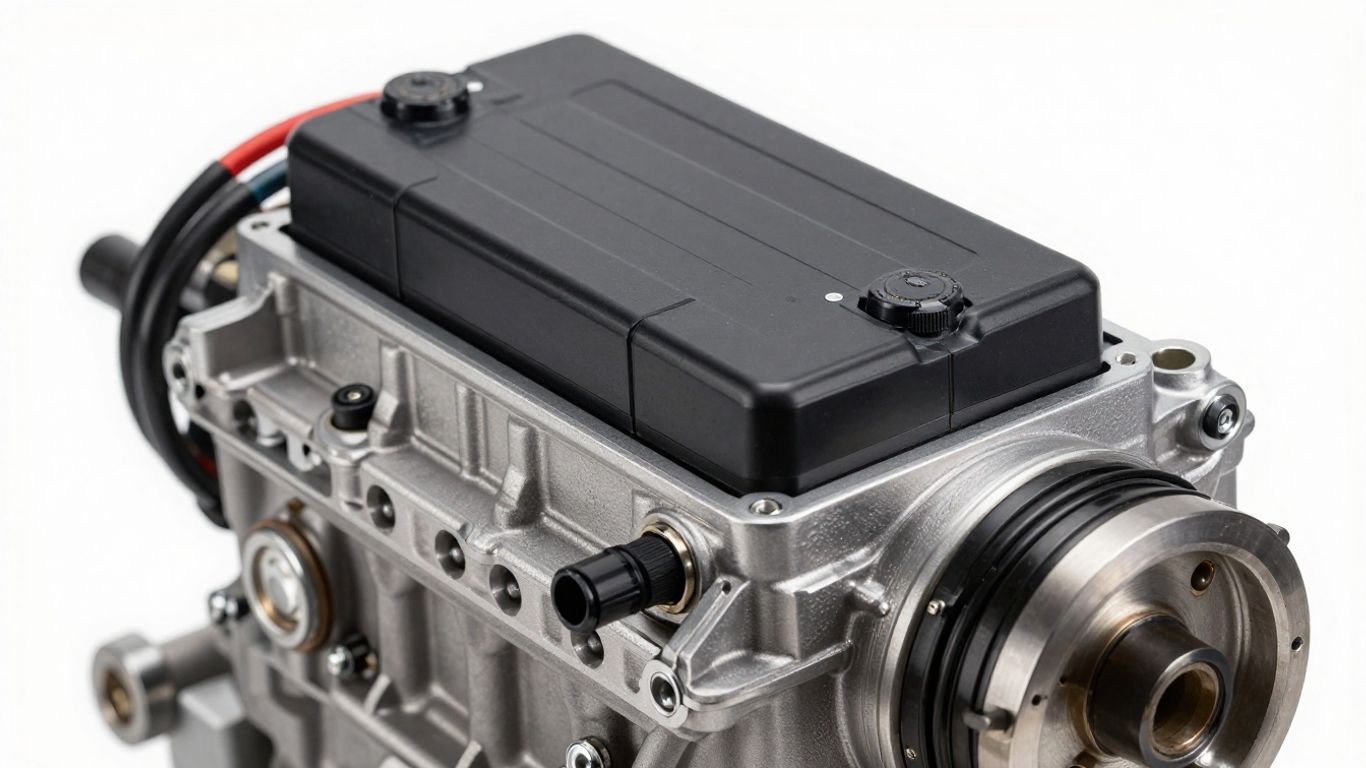
Look, hybrid systems are pretty neat, but batteries aren’t perfect. They have a lifespan, and their performance can dip when it gets really cold or super hot. Plus, the upfront cost of a big battery bank can make your eyes water. We’re talking about managing degradation over time and figuring out the right size for what you actually need. It’s not just about plugging in a battery; it’s about picking the right type, like LiFePO4 for longer life, and making sure it can handle the job without getting overworked.
- Battery Lifespan: How long will it last before needing replacement?
- Temperature Sensitivity: Performance drops in extreme heat or cold.
- Initial Cost: High upfront investment for larger capacity batteries.
- Charging Cycles: Finite number of times a battery can be charged and discharged.
The key is finding that sweet spot where the battery’s capabilities align with the system’s demands, avoiding premature wear and tear. It’s a balancing act, for sure.
Ensuring System Reliability and Durability
Making sure these hybrid setups keep running smoothly, day in and day out, is a big deal. You don’t want your power cutting out when you least expect it, right? This means picking tough components that can handle the environment they’re in, whether that’s a dusty worksite or a remote community. It also involves smart monitoring so you can catch little problems before they turn into big ones. Think of it like preventative maintenance for your power source. Frequent power outages can really mess with operations, so a stable supply is a must. Mitigating these issues is the goal.
Cost-Effectiveness and Scalability
Okay, let’s talk money. While hybrid systems can save you a ton on fuel over time, the initial setup can be pricey. You’ve got the generator, the batteries, the inverter, and all the wiring. The trick is making sure the long-term savings actually outweigh that initial spend. And what about growing? If your power needs increase, can you easily add more capacity without rebuilding the whole thing? Scalability is important, so you’re not stuck with a system that’s too small down the line. It’s about finding a solution that works now and can adapt for the future, maybe by combining solar panels, batteries, and generators for maximum efficiency.
The Road Ahead
So, what’s the takeaway from all this diesel and battery talk? It seems like this hybrid setup isn’t just a passing fad. We’ve seen how it can save on fuel, keep things running longer on job sites, and even help out in tricky situations like city driving where emissions are a big deal. While batteries have had their ups and downs, the idea of pairing a diesel engine with electric power is definitely sticking around. It’s a smart way to get more out of your energy, whether you’re powering a truck across the country or just trying to keep the lights on in a remote town. It’s not perfect, but it’s a solid step forward in how we think about power.
Frequently Asked Questions
What exactly is a diesel-battery hybrid system?
Think of it like a team working together! A diesel-battery hybrid system uses both a diesel engine and an electric battery to create power. The diesel engine is like the main worker, and the battery is like a helpful assistant. They can work separately or together to make sure you always have the power you need, saving fuel and reducing waste.
How does combining diesel and batteries save fuel?
It’s all about smart power use. The diesel engine is great for big jobs, but sometimes it’s not the most efficient. The battery can take over for smaller tasks or give the diesel an extra boost when needed. This way, the diesel engine doesn’t have to work as hard all the time, leading to less fuel being used.
Are these hybrid systems good for the environment?
Yes, they can be! Because the system uses less diesel fuel, it also releases fewer harmful gases into the air. The battery can also run on clean electricity, further cutting down on pollution. It’s a cleaner way to get power compared to using only diesel.
Where are these diesel-battery hybrid systems used?
You can find them in many places! They’re great for powering up remote towns that aren’t connected to the main power lines. They’re also used on construction sites to keep tools and equipment running efficiently. Even some trucks use them to save fuel when driving in cities versus on highways.
What are the biggest challenges with these hybrid systems?
One of the main hurdles has been the batteries themselves. Making them last longer, hold more power, and be affordable is tricky. Also, making sure the whole system works perfectly all the time and can handle tough jobs is important. But people are working hard to improve these things!
What does the future look like for diesel-battery hybrids?
The future looks bright! Scientists are constantly finding new ways to make batteries better and smarter. Advanced computer systems are also being developed to help these hybrid power setups work even more smoothly and efficiently. It’s likely we’ll see them used in more and more ways as the technology gets even better.