
Energy Distributed Generation: More Reliable and Eco-Friendly
You know, sometimes the way we get our electricity feels a bit old-fashioned. It all comes from these giant power plants far away, and then travels miles and miles to our homes and businesses. But what if there was another way? What if we could make power closer to where we actually use it? That’s where Energy DG comes in. It’s all about generating and storing energy in smaller, more local ways, and it’s changing how we think about our power supply.
Key Takeaways
- Energy DG, or distributed generation, means making electricity closer to where it’s used, not just from big power plants.
- It uses smaller systems like solar panels on roofs or small generators at businesses.
- Having Energy DG can make the power grid more reliable, especially when storms hit, and it can help reduce waste.
- From individual homes to entire communities, Energy DG has different uses, like powering your house or keeping a local area running during an outage.
- As technology gets better and policies change, Energy DG is becoming a bigger part of our energy future, especially with more renewable sources.
Understanding Energy DG
Defining Distributed Energy Resources
So, what exactly is distributed energy, or DG? Think of it as energy generated close to where it’s actually used. Instead of relying solely on massive power plants miles away, DG involves smaller-scale energy production systems located at or near the consumer’s site. This approach is all about local energy production, making our energy systems more flexible and efficient. It’s a shift from the old way of doing things to a more modern, decentralized model. This can include things like solar panels on your roof, small wind turbines, or even combined heat and power (CHP) systems that generate both electricity and useful heat from a single fuel source. It’s a pretty neat concept when you break it down.
The Role of Energy DG in Modern Grids
In today’s power grids, DG plays a bigger role than you might think. It’s not just about having a backup power source anymore. DG helps make the grid more stable and less prone to those widespread blackouts we sometimes hear about. By having energy generated closer to homes and businesses, we cut down on the amount of electricity lost during transmission. This means less wasted energy and a more efficient system overall. Plus, it gives consumers more options and control over their energy supply. It’s a key part of building a more resilient and responsive energy infrastructure for the future. You can find more information on integrating DERs into the power grid here.
Key Technologies in Energy DG
There’s a whole range of technologies that fall under the DG umbrella. Some of the most common ones include:
- Solar Photovoltaics (PV): Those familiar panels you see on rooftops and in fields, converting sunlight directly into electricity.
- Wind Turbines: Smaller-scale turbines designed for distributed use, capturing wind energy.
- Combined Heat and Power (CHP): Also known as cogeneration, these systems produce both electricity and useful heat simultaneously, significantly boosting efficiency.
- Energy Storage Systems: Batteries and other storage technologies that can store excess energy generated by DG sources and release it when needed, helping to balance supply and demand.
These technologies work together to create a more diverse and adaptable energy landscape, moving away from a single point of failure towards a more robust network.
These different technologies can even be combined to create standalone systems, offering a high degree of energy independence. It’s pretty interesting how many different ways we can generate power these days, all close to home.
Benefits Of Energy DG Deployment
So, why are we seeing more and more of this distributed energy stuff popping up? Well, it turns out there are some pretty good reasons. It’s not just about having power closer to home; it’s about making the whole system work better, be more reliable, and even be kinder to the planet. Let’s break down some of the main advantages.
Enhancing Grid Reliability and Resilience
Think of the traditional power grid like a big, old tree. If one major branch breaks, a lot of the tree is affected. Distributed generation (DG) is like adding smaller, independent branches. If one part of the system has an issue, the rest can often keep running. This is a huge deal for keeping the lights on, especially when faced with bad weather or other disruptions. It means less chance of widespread blackouts and a quicker recovery if something does go wrong. Plus, with things like tariffs on diesel generators becoming a bigger issue, having local power sources can offer more stability. Businesses can mitigate these effects by looking at different options.
- Reduced Transmission Losses: Electricity loses some of its power as it travels long distances. Generating power closer to where it’s used means less energy is wasted along the way.
- Improved Voltage Stability: DG systems can help manage voltage levels on the local grid, preventing dips or surges that can affect equipment.
- Faster Outage Restoration: When a problem occurs, DG can sometimes isolate itself and continue providing power to a local area, or help bring the main grid back online faster.
The distributed nature of these systems means that a single point of failure doesn’t bring down the entire network. This inherent redundancy is a significant step up in grid stability.
Reducing Environmental Footprints
Many distributed generation technologies, especially renewables like solar and wind, produce little to no greenhouse gas emissions during operation. This is a big win for the environment. By generating power locally, we can also cut down on the emissions associated with long-distance transmission and the burning of fossil fuels at large, central power plants. It’s a move towards cleaner air and a healthier planet for everyone.
Improving Energy Efficiency and Reducing Losses
This is where DG really shines. When electricity is generated far away and sent through miles of wires, a noticeable amount of energy is lost as heat. It’s just physics. Distributed generation flips this by producing power right where it’s needed, sometimes even in the same building. This drastically cuts down on those transmission and distribution losses. Technologies like combined heat and power (CHP), which capture waste heat from electricity generation for heating or cooling, are particularly efficient. They make the most out of every bit of fuel used, leading to significant energy savings and lower overall costs.
Applications Of Energy DG
So, where are we actually seeing this distributed energy stuff pop up? It’s not just some futuristic idea; it’s happening all around us, in different shapes and sizes. Think about your own home, or the businesses you frequent, and even entire neighborhoods.
Residential Energy DG Solutions
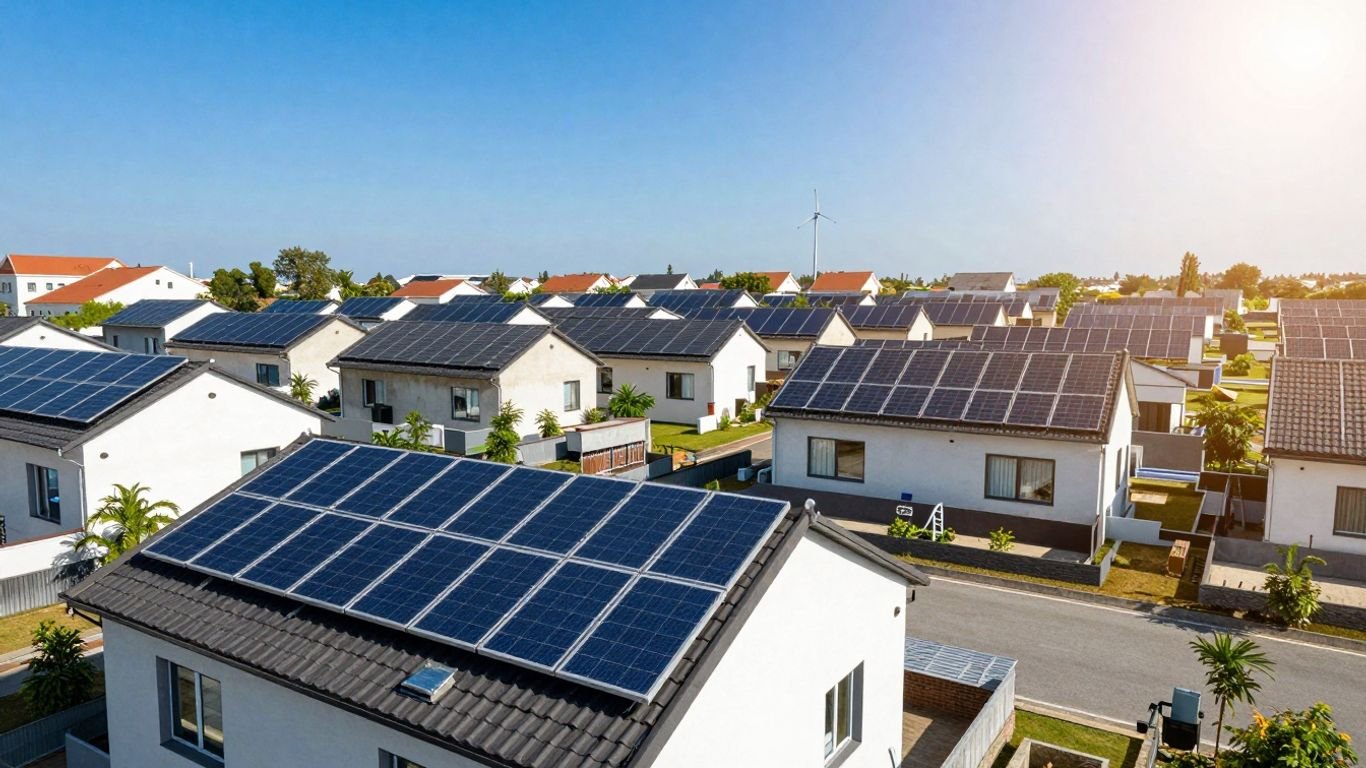
For homeowners, distributed generation often means solar panels on the roof. It’s a pretty common sight these days, right? But it’s more than just slapping panels up there. Many systems now include battery storage, so you can save that solar power for when the sun isn’t shining, like at night or during a cloudy spell. This setup can significantly cut down your electricity bill and give you a bit of backup if the main grid goes down. It’s about taking more control over your own power needs. Some folks are even looking at small wind turbines, though that’s less common for typical houses.
Commercial and Industrial Energy DG
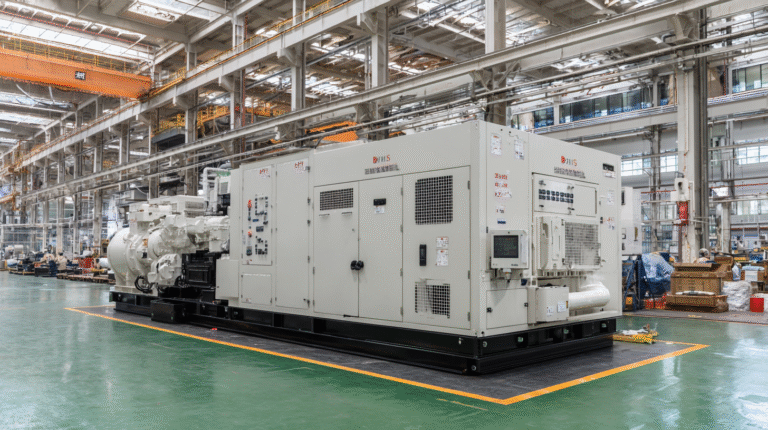
Businesses and factories are getting in on the action too, often with bigger systems. Combined Heat and Power (CHP) is a big one here. Basically, it’s a way to generate electricity and use the waste heat for heating or cooling, all from one fuel source. This is super efficient, especially for places with constant heating or cooling needs, like hospitals or large manufacturing plants. They might also use natural gas generators, or even biomass systems, to produce their own power on-site. This helps them avoid high peak electricity prices and keeps operations running even if the grid flickers. It’s a smart way to manage costs and keep the lights on.
Community and Microgrid Energy DG
This is where things get really interesting. We’re talking about groups of homes or businesses that can operate independently from the main grid, at least for a while. These are called microgrids. They often combine various DG sources – solar, wind, generators, and storage – to create their own reliable power supply. Think of a university campus, a military base, or even a small town that wants to be more resilient. These microgrids can island themselves during a grid outage, keeping critical services running. It’s a way to build local energy independence and resilience, especially in areas prone to severe weather. The development of these systems is a key part of modernizing our energy infrastructure.
The shift towards distributed generation is fundamentally changing how we think about power. It’s moving from a one-way street from big power plants to a more dynamic, multi-directional flow of energy. This decentralization brings a lot of potential for efficiency and reliability, but it also means we need new ways to manage it all.
Integrating Energy DG Into The Grid
Technical Challenges and Solutions
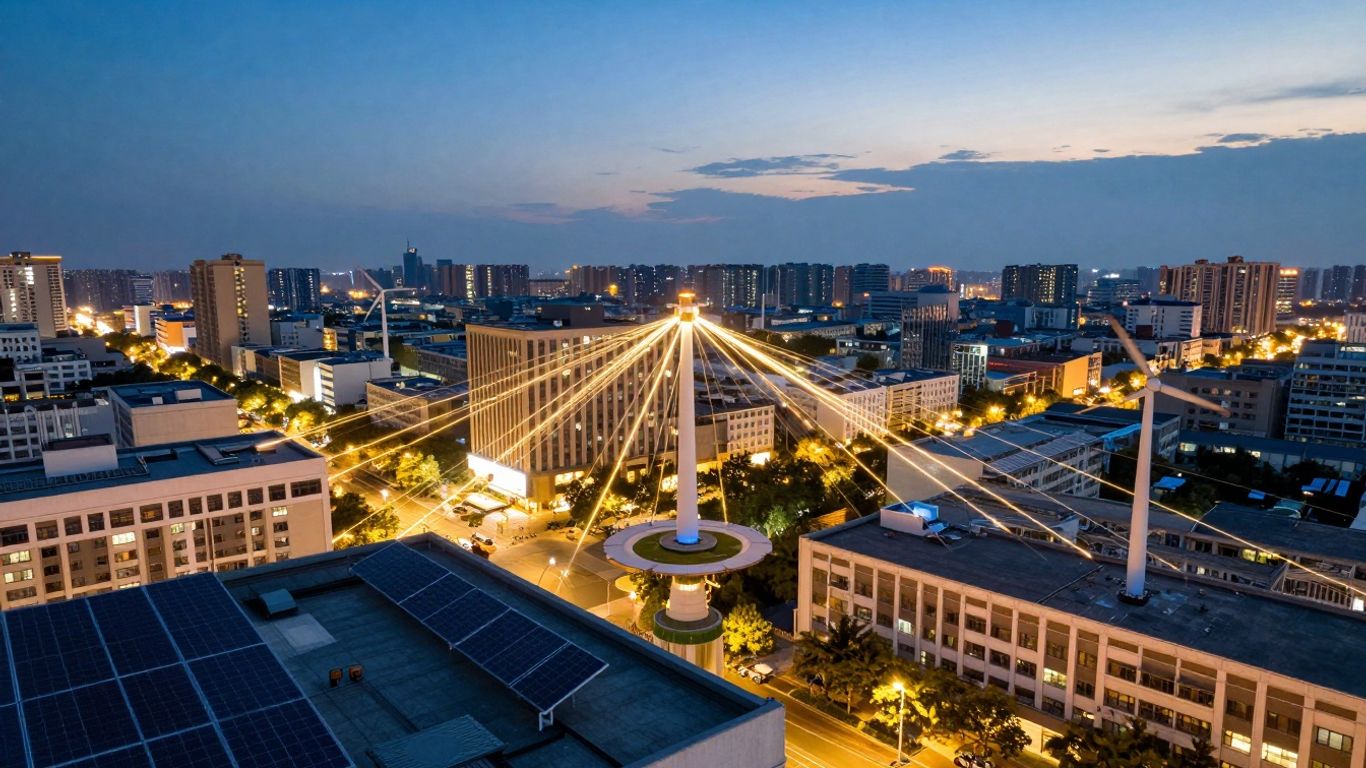
Putting energy sources like solar panels or small wind turbines right where the power is needed, a concept known as decentralized power generation, sounds pretty straightforward, right? Well, connecting these systems to the main power grid isn’t always a walk in the park. One big hurdle is making sure the voltage and frequency stay steady. When you have a lot of these smaller generators feeding into the grid, especially ones that can’t produce power consistently like solar or wind, it can cause fluctuations. Think of it like trying to add a bunch of small streams into a big river – you need to manage how they flow so they don’t mess up the main current.
To tackle this, standards like IEEE 1547 are super important. They give us rules for how these distributed energy resources (DERs) should connect and behave. For instance, they dictate how quickly a system needs to disconnect if there’s a problem on the grid. Inverters, those boxes that convert DC power from solar panels to AC power for your home, are also getting smarter. They can actually help regulate voltage, acting like little control centers for the power they’re sending out. Even older equipment like transformers can be adjusted to handle these new power flows better. It’s all about making sure the grid, old and new, can work together without breaking.
The Impact of Smart Grids on Energy DG
Smart grids are a game-changer for integrating distributed energy resources. They’re basically a more modern, digital version of our old power grid. Because they can communicate and react much faster, they’re way better equipped to handle the variable nature of on-site electricity generation. Imagine a grid that can instantly see when your solar panels are producing a lot of power and adjust accordingly, or when you need to pull more from the grid. That’s what smart grids enable.
Smart grids allow for better management of things like the “duck curve,” which is that tricky period in the late afternoon and evening when solar power drops off, and demand spikes. With smart grid technology, we can use energy storage systems more effectively, or even coordinate with other distributed sources to smooth out these transitions. This means less reliance on firing up big, old power plants just for a few hours a day. It’s about creating a more flexible and responsive system.
Regulatory Frameworks for Energy DG
Getting all these different energy sources to play nice with the existing grid also requires clear rules and policies. This is where regulatory frameworks come in. They set the stage for how distributed generation is allowed to connect, how it’s compensated, and what standards it needs to meet. Without these guidelines, it would be a free-for-all, and integrating these resources would be chaotic.
These frameworks need to consider a few key things:
- Fair Compensation: How do we pay people or businesses for the clean energy they generate and send back to the grid?
- Interconnection Standards: What are the technical requirements for connecting a new solar array or a small generator to the grid?
- Grid Modernization: How do utilities invest in their infrastructure to handle more distributed power sources?
- Consumer Protection: How do we make sure that the integration of DG doesn’t negatively impact existing customers?
The shift towards more distributed energy resources means that traditional utility business models are being challenged. Regulators are working to create policies that encourage innovation while maintaining grid stability and affordability for everyone. This often involves looking at new rate structures and market designs that can accommodate the unique benefits of decentralized systems and microgrid technology benefits.
Ultimately, the goal is to create an energy system that is more resilient, cleaner, and more efficient, and the right regulations are a big part of making that happen. It’s a complex puzzle, but one that’s definitely worth solving for a better energy future.
The Future Landscape Of Energy DG
Advancements in Energy Storage
Energy storage is really becoming a game-changer for distributed generation. Think about it – solar panels only work when the sun is out, and wind turbines need wind. Batteries, whether they’re big utility-scale ones or smaller units for homes, are starting to make these intermittent sources much more reliable. We’re seeing a lot of progress in battery technology, making them cheaper and last longer. This means we can store excess energy generated during peak times and use it later when demand is high or when the renewable sources aren’t producing. It’s not just about batteries, either. Engineers and energy planners are exploring other storage methods, such as pumped hydro and newer technologies, to keep the grid stable as DG expands.
The Growth of Renewable Energy DG
It’s pretty clear that renewable energy sources for homes and businesses are on the rise. Things like rooftop solar are becoming more common, and people are getting more interested in smaller wind turbines too. This shift is driven by a few things: the falling cost of these technologies, a growing desire for energy independence, and, of course, environmental concerns. As these systems get more efficient and easier to install, we’ll likely see even more of them popping up, contributing a larger chunk to our overall energy mix. It’s a big move away from relying solely on big, central power plants.
Policy and Market Drivers for Energy DG
What’s really pushing distributed generation forward are the policies and market changes happening right now. Governments are setting goals for renewable energy and offering incentives, like tax credits or net metering, which makes it more attractive for people and companies to invest in DG. The market is also adapting, with new business models emerging, such as ‘energy storage as a service.’ These changes are making it easier and more financially sensible to adopt DG solutions. The combination of supportive policies and evolving market dynamics is creating a strong environment for distributed generation to thrive.
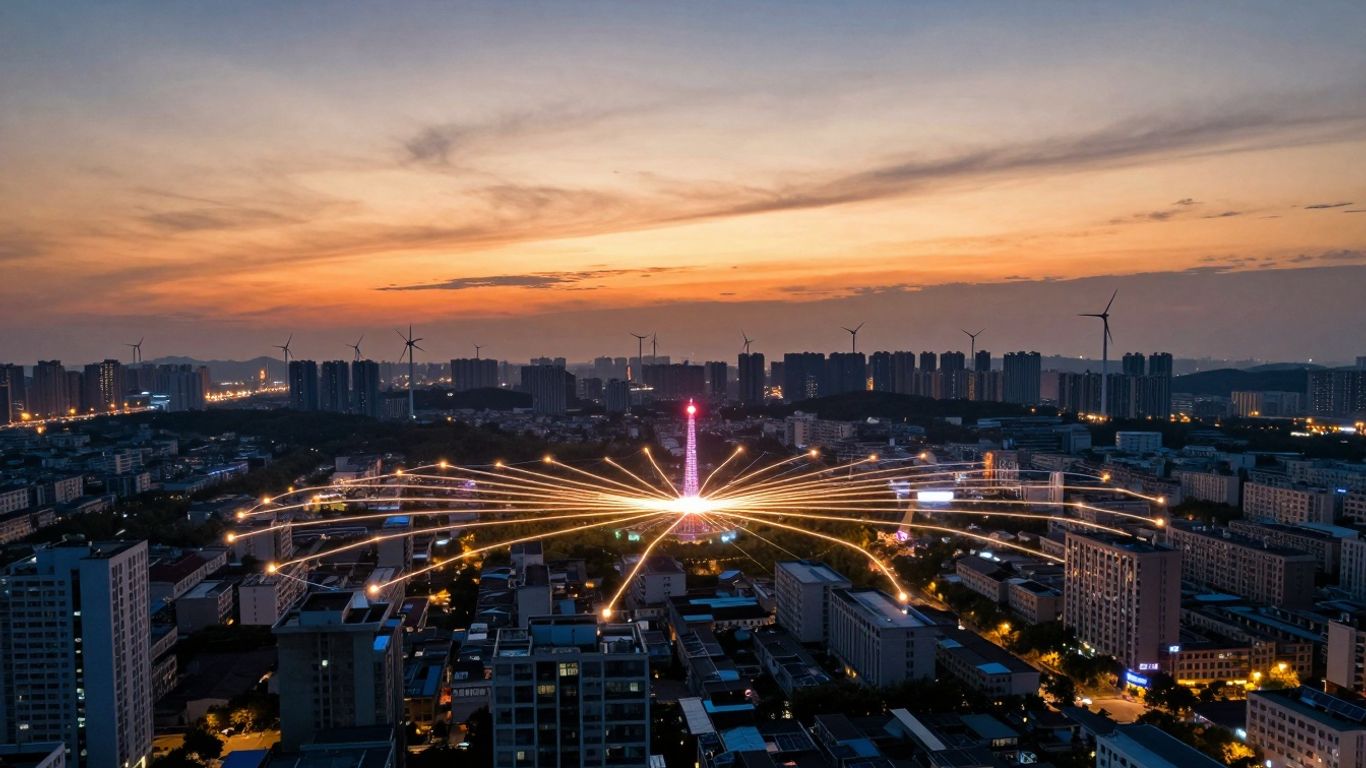
The way we generate and use electricity is changing fast. Instead of just one big power plant sending electricity everywhere, we’re seeing more smaller sources spread out. This makes the whole system more flexible and less likely to fail if one part has a problem. It’s a big shift that’s happening because the technology is getting better and people want more control over their energy.
Wrapping Up: The Future is Local Power
So, we’ve talked a lot about how electricity is made and sent to our homes. For a long time, it was all about these giant power plants far away. But things are changing. Distributed generation means we’re starting to make power closer to where we use it, using things like solar panels on roofs or smaller generators.
This can make our power supply more reliable, especially when the weather gets rough, and it can even help cut down on energy waste during delivery. It’s not a perfect system yet, and there are still challenges to figure out, like how to best connect all these smaller sources to the main grid. But it feels like we’re moving towards a future where we have more control and flexibility over our energy, which is pretty exciting.
Frequently Asked Questions
What exactly is distributed energy generation?
Think of distributed energy generation, or DG, as making electricity closer to where people use it. Instead of one giant power plant sending electricity over long wires, DG uses smaller sources like solar panels on roofs or small wind turbines. These are like mini power stations that help power homes and businesses directly.
Why is distributed generation a good thing for our power grid?
DG makes the power grid stronger and more reliable. When power is made closer to home, it doesn’t have to travel as far, which means less energy is lost. Also, if a big power plant goes down, these smaller sources can help keep the lights on, making the whole system more dependable.
What are some common examples of distributed energy technology?
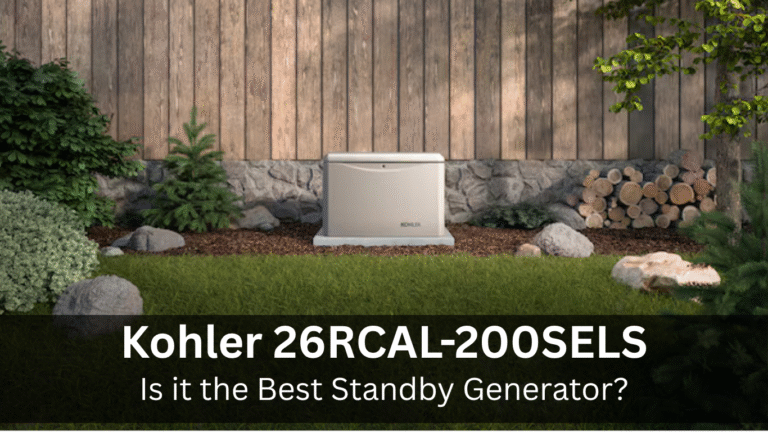
You’ve probably seen some! The most popular ones are solar panels on houses and buildings. Other examples include small wind turbines, fuel cells that use natural gas, and even backup generators that kick in when the power goes out. Sometimes, these are combined with batteries for storing energy.
Can distributed generation help the environment?
Yes, it often can! Many DG technologies, like solar and wind, use clean energy sources that don’t pollute. By making power locally, it can also reduce the need for big power plants that might cause more pollution. Plus, less energy is wasted when it doesn’t travel miles and miles.
How does distributed generation work with smart grids?
Smart grids are like the brain of the modern power system. They can talk to and manage all sorts of energy sources, including DG. This means smart grids can better use the power from solar panels or wind turbines, adjust energy use when needed, and make the whole system work more smoothly and efficiently.
What are the challenges in using more distributed generation?
Putting more DG in place isn’t always simple. One challenge is making sure all these different small power sources can connect safely and work well with the main grid. There are also rules and regulations to figure out, and sometimes it costs money to upgrade the grid to handle all this new technology. But people are working on solutions!




3 Comments