Heating Solutions Explained: Find the Right Fit for Your Home
Keeping your home warm is a big deal, right? We’ve got all sorts of ways to do it these days, from old-school fireplaces to fancy new heat pumps. Figuring out the best heating system for your place can feel like a puzzle. This article breaks down the common options, talks about why some are changing, and helps you think about what might work best for your home’s heating needs.
Key Takeaways
- Furnaces use combustion to heat air, while heat pumps move existing heat from outside to inside, working in reverse for cooling.
- Condensing boilers and furnaces are more efficient than older models because they capture extra heat from exhaust gases.
- Fireplaces offer ambiance and some heat, but aren’t typically a primary heating source, and gas versions are being phased out.
- Biomass boilers, using materials like wood pellets, are a robust heating alternative, especially in very cold regions.
- Choosing the right size heating equipment and understanding energy rates, like dual-energy options for heat pumps, can save money and improve performance.
Understanding Modern Heating Systems
When we talk about keeping our homes warm, it’s easy to think about the furnace humming away in the basement or the thermostat on the wall. But the way we heat our houses has changed a lot over time. From ancient hearths to today’s high-tech gadgets, the goal has always been the same: comfort. Let’s take a look at some of the main players in modern home heating systems.
The Role of Furnaces in Home Heating
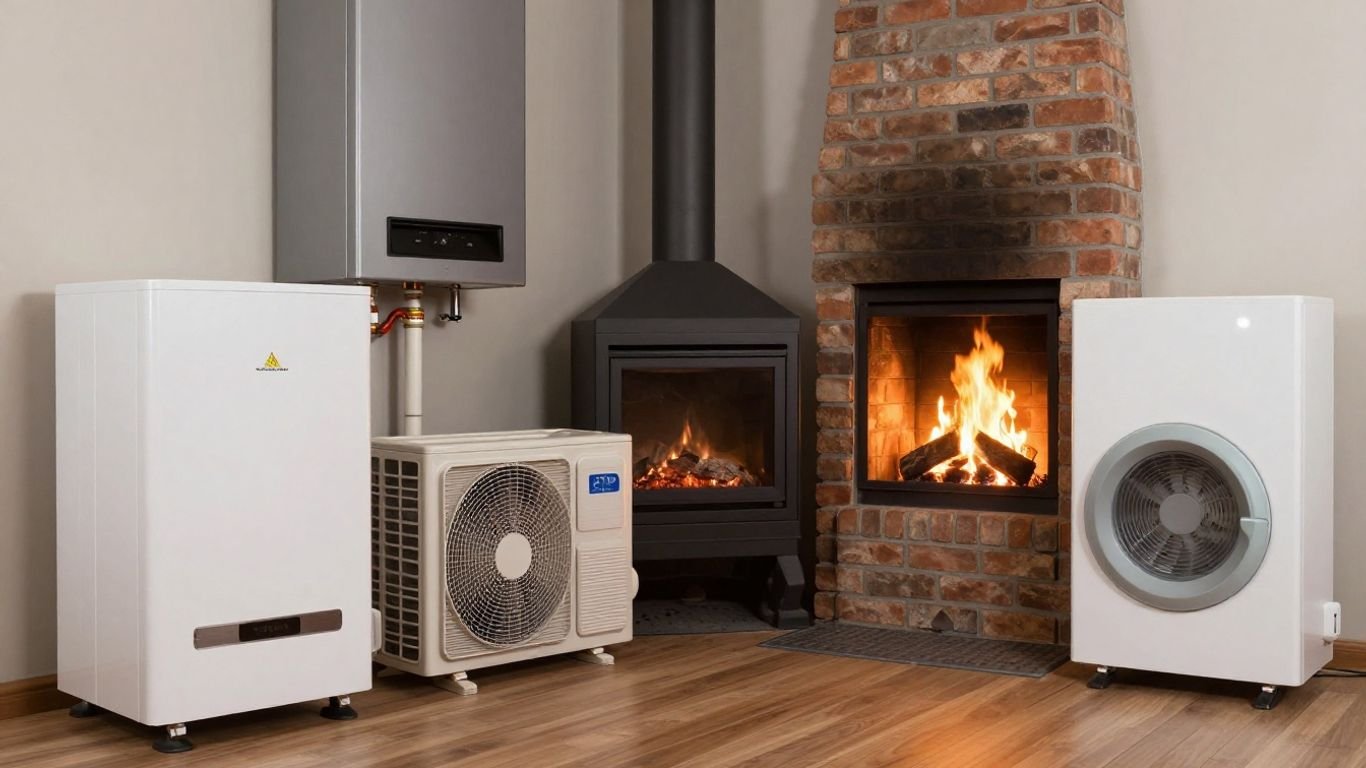
Furnaces have been a go-to for a long time, especially in areas with cold winters. They work by burning fuel, like natural gas, propane, or oil, to heat air. This warm air is then pushed through ducts and out of vents into your rooms. It’s a pretty straightforward system that many people are familiar with. When picking a furnace, getting the right size is super important. A furnace that’s too big might turn on and off too often, not heating efficiently. One that’s too small will run constantly, wearing itself out. A heating pro can help figure out the perfect fit for your house.
Exploring Heat Pump Technology
Heat pumps are a bit different. Instead of creating heat by burning fuel, they move heat from one place to another. In the winter, they pull heat from the outside air (even when it’s cold!) and bring it inside. In the summer, they can reverse the process to cool your home. They’re known for being energy efficient, especially in milder climates. However, when it gets really cold, they might need a little help from another heating source. Many people pair them with a traditional furnace for those extra chilly days. This setup can also qualify for special electricity rates, like the DT dual-energy rate, which can save you money.
The Efficiency of Condensing Boilers
Boilers are another common sight, often used in homes with radiators or radiant floor heating. They heat water, which then circulates through pipes to warm up your house. Condensing boilers are a newer, more efficient type. They work by capturing extra heat from the exhaust gases that would normally go up the chimney. This process, called condensation, recovers heat that would otherwise be lost. This makes them much more efficient than older, non-condensing models, often reaching efficiencies in the high 90s. They are a solid choice for hydronic heating systems.
Alternative Heating Solutions
Beyond the standard furnace or boiler, there are some interesting ways to keep your home warm, especially if you’re looking for more sustainable or atmospheric options. These are often considered energy efficient heating options and can serve as great fireplace heating alternatives.
The Charm and Function of Fireplaces
Fireplaces have been around forever, right? They add a cozy vibe to a room, no doubt. While a traditional wood-burning fireplace is more about ambiance than efficient heating, gas fireplaces offer a bit more practicality. They’re easier to start and control, and some models can actually put out a decent amount of heat. However, the push away from natural gas means these might become less common. Plus, you still need a gas line, which, as we’re seeing, is becoming a bit of a headache for many.
Biomass Boilers for Colder Climates
If you live somewhere really cold, like up north, you might want to look into biomass boilers. These systems burn organic materials – think wood chips, pellets, or even agricultural waste – to create heat. They’re a solid choice for heavy-duty heating needs and can be quite efficient. It’s a different kind of fuel, but it can be a reliable way to stay warm when the temperatures really drop.
Wood and Pellet Furnace Options
Similar to biomass boilers, furnaces that run on wood or pellets are another way to go. These are essentially furnaces that use solid biomass as their fuel source. They can be a good option if you have access to a steady supply of wood or pellets. It’s important to note that the efficiency and performance of these furnaces can vary, so doing your homework is key.
When considering these alternative heating methods, think about fuel availability, maintenance requirements, and your local climate. What works well in one area might not be the best fit for another. It’s all about finding the right balance for your specific situation.
The Future of Home Heating
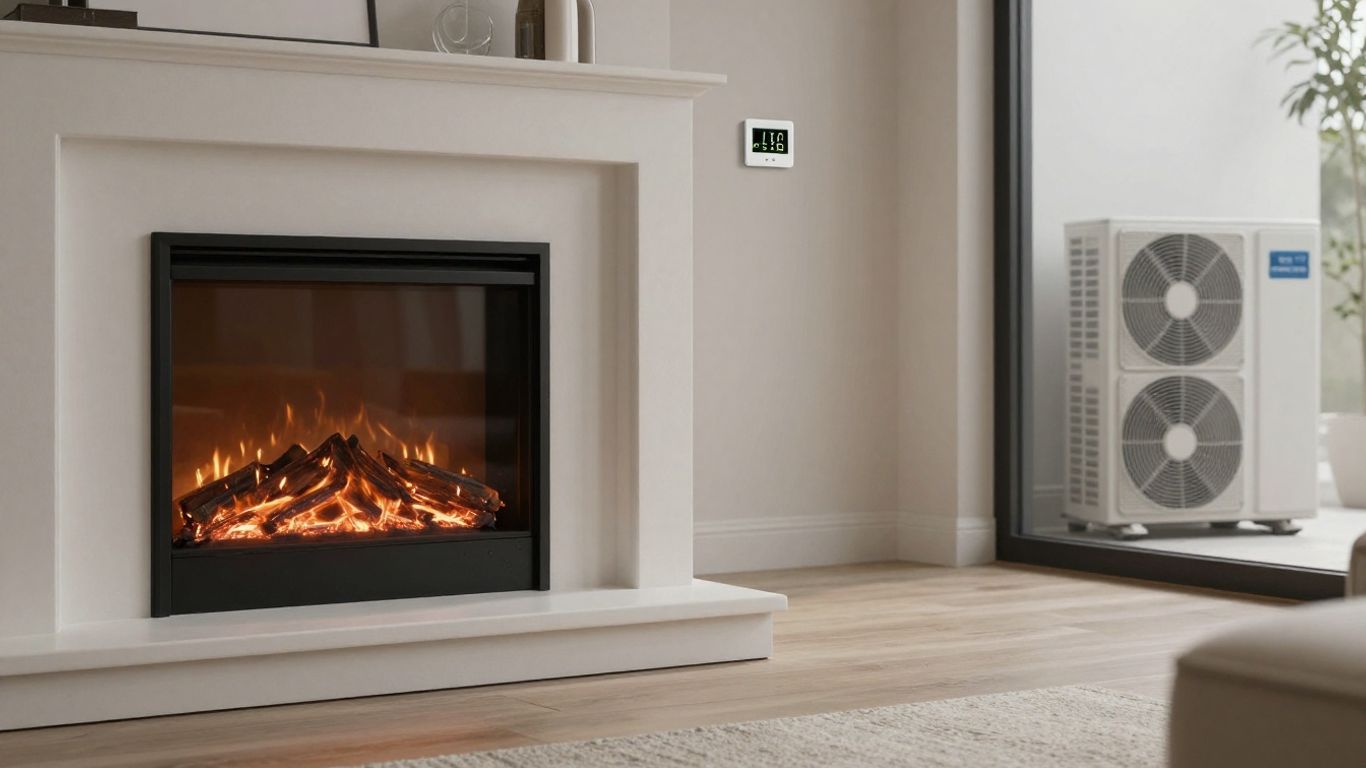
Things are changing fast in how we keep our homes warm. For a long time, natural gas was the go-to, powering furnaces and boilers across the country. But we’re starting to see the downsides of relying on fossil fuels, both for our planet and our health. Many places, like Quebec, are already planning to phase out gas heating systems entirely by 2040, pushing for cleaner alternatives. This means a big shift is coming, and it’s already underway.
Waste‑to‑energy technologies are another emerging option that will play a growing role in turning household and municipal waste into useful heat and power, offering a bridge between efficient home heating and sustainable waste management.
Transitioning Away from Natural Gas
Natural gas has been popular because it’s been relatively cheap and easy to use for heating and cooking. However, its availability has become an issue, and the environmental impact is becoming harder to ignore. Methods like fracking, used to extract gas, have raised concerns about water contamination and methane leaks, which are actually worse for the climate than coal over the short term. Even so-called ‘greener’ sources like biogas, while capturing methane from landfills, still involve injecting it into gas lines prone to leaks. The world is starting to move beyond these systems.
Electrification and Heat Pump Dominance
As natural gas becomes less favored, electricity is stepping in as the primary energy source for heating. Heat pumps are leading this charge. These systems are pretty neat because they can both cool your home in the summer and heat it in the winter. They work by transferring heat from the outside air into your home, even when it’s cold out. For really frigid days, though, they often need a backup system, like an existing furnace.
Many people are finding that combining a heat pump with their current setup, especially an oil furnace, can qualify them for special electricity rates, making it more affordable. This move towards electrification is a major part of modernizing our homes for better efficiency and lower environmental impact. It’s a big change from older types of home furnaces that just burned fuel.
Emerging Heating Technologies
Beyond heat pumps, other technologies are on the horizon. Geothermal systems, which tap into the earth’s stable temperature, offer consistent heating and cooling. Solar thermal systems can capture the sun’s energy to heat water or air. And there’s even talk of using hydrogen for heating, though that’s still in the early stages. The goal is to create heating solutions that are not only effective but also sustainable, reducing our reliance on fossil fuels and building a more resilient energy infrastructure, much like how the internet changed communication. This shift is about creating a cleaner, more efficient future for home comfort. It’s a complex transition, but one that’s necessary for the long haul.
Choosing the Right Heating Equipment
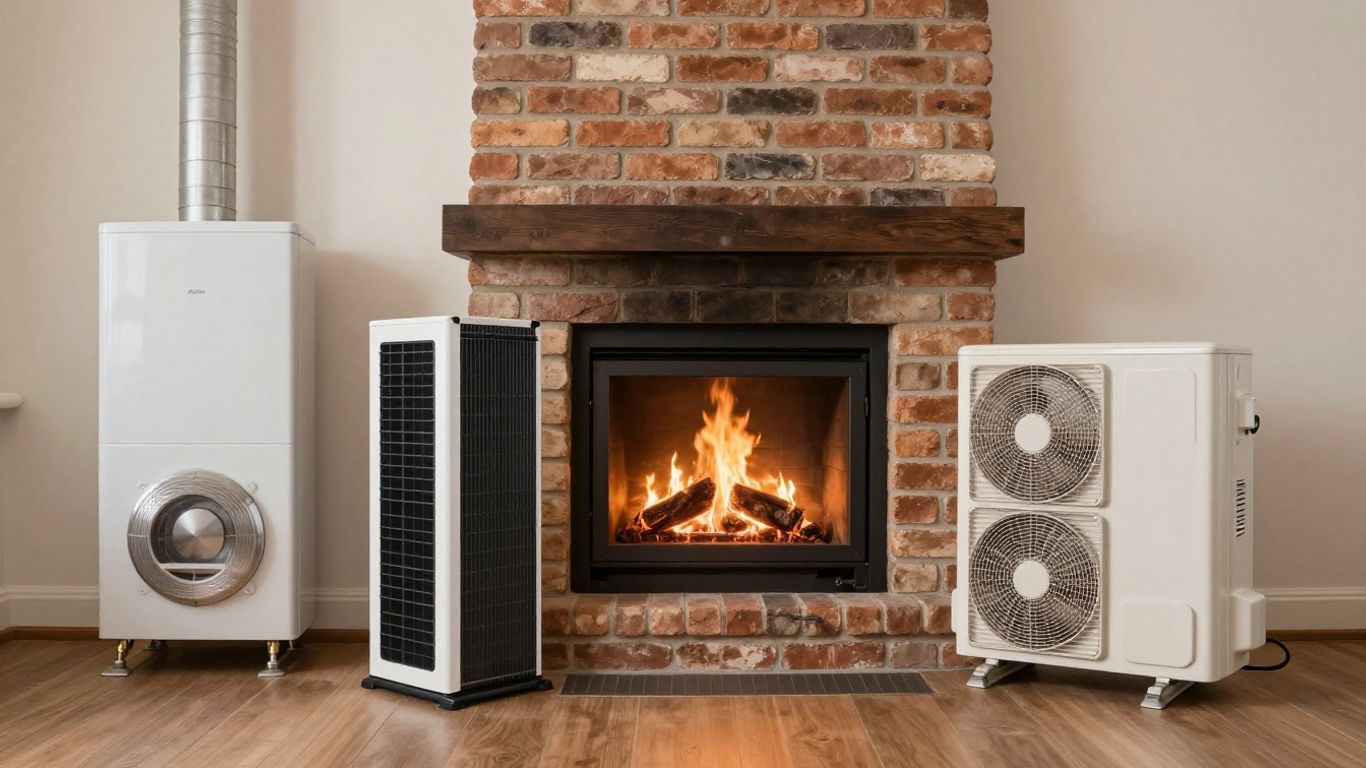
Picking the right heating setup for your place can feel like a puzzle, especially with all the options out there. It’s not just about picking the cheapest thing; you’ve got to think about how big your house is, how cold it gets where you live, and what kind of energy you want to use. Getting this decision right means more comfort and lower bills down the road.
Sizing Your Furnace Correctly
When you’re looking at furnaces, size really matters. A furnace that’s too big will turn on and off a lot, which isn’t great for how it burns fuel and can actually make it less efficient. On the flip side, a furnace that’s too small will run constantly on the coldest days, trying its best to keep up. This constant running can wear out the parts faster than they should. Basically, a furnace that’s not the right size for your home will just not perform as well as it could. It’s a good idea to have a heating pro do a proper calculation to figure out the best fit for your house.
Integrating Heat Pumps with Existing Systems
Heat pumps are pretty neat because they can cool your home in the summer and warm it up in the winter. They work well for most of the year, but when it gets really, really cold, they might need a little help. That’s why many people pair them with another heating system, like a traditional furnace. This way, the heat pump does most of the work, and the other system kicks in only when temperatures drop significantly. This combo can also sometimes get you a special electricity rate, which is a nice bonus. When thinking about integrating a heat pump, consider how it will work with your current setup, especially if you have an older furnace.
Considering Dual-Energy Rates
Dual-energy rates are a way utility companies offer lower prices for electricity when you use it for heating during certain times, often when paired with a primary heating source like an oil furnace. The idea is that your heat pump (running on electricity) will be the main heater, but when it gets too cold for the heat pump to keep up efficiently, your furnace (running on oil or another fuel) will take over.
This setup allows you to take advantage of the cheaper electricity rates for a good portion of the heating season. It’s a smart way to manage costs, especially in areas with significant temperature swings. When choosing a boiler for home or any heating system, asking about potential dual-energy rate eligibility is definitely worth it.
So, What’s the Best Way to Heat Your Home?
Looking back at all these heating options, from old-school fireplaces to fancy heat pumps and even biomass boilers, it’s clear there’s no single ‘perfect’ answer for everyone. What works great for one house might not be the best fit for another, and what’s popular now might change down the road. Think about your own place, how cold it gets where you live, and what you’re comfortable with. Maybe a super-efficient furnace is your jam, or perhaps a heat pump makes more sense for your situation. It’s a lot to consider, but figuring it out means a warmer, cozier home. Definitely worth the effort.
Frequently Asked Questions
What’s the difference between a furnace and a boiler?
A furnace heats air and blows it through your house using ducts. A boiler heats water, which then circulates through pipes to radiators or baseboard heaters to warm your home. Both are great for keeping you toasty when it’s cold outside!
How do heat pumps work, and are they good for really cold weather?
Heat pumps are pretty neat because they can both warm and cool your home. They work by moving heat from one place to another. In the winter, they pull heat from the outside air (even when it’s cold!) and bring it inside. However, when it gets super chilly, they might need a little help from another heating system, like a furnace or electric heater, to keep things perfectly warm.
Are fireplaces just for looks, or can they heat my home?
Fireplaces can add a cozy vibe and provide some heat, but they aren’t usually the main way to heat a whole house. They can be a nice supplement, especially if you have a wood-burning one and enjoy the process. Gas fireplaces are also an option, but using natural gas for heating is becoming less common.
What are biomass boilers, and why might someone choose one?
Biomass boilers burn organic materials like wood chips or pellets to create heat. They’re a good option for colder regions and can be a more eco-friendly choice, especially if you have access to a steady supply of the fuel. It’s like using nature’s fuel to stay warm!
Why is natural gas heating being phased out?
Using natural gas for heating has some downsides for both our health and the planet. Because of this, many places are starting to move away from it and encourage cleaner options like electric heat pumps. It’s part of a bigger effort to make homes more environmentally friendly.
How important is it to have the right size furnace for my home?
Getting the right size furnace is super important! If it’s too big, it will turn on and off a lot, which isn’t very efficient. If it’s too small, it will run constantly, trying its best to heat your home, which can wear it out faster. A heating expert can help figure out the perfect size for you.