Heat Pump and HVAC: Expert Guide to for Home Comfort
Thinking about a new way to heat and cool your home? You’ve probably heard terms like ‘heat pump’ and ‘HVAC’ thrown around, and maybe you’re wondering what the big deal is. Are they the same thing? Is one better than the other? It can get confusing pretty fast. Let’s break down the differences between a heat pump and a traditional HVAC setup so you can figure out what makes the most sense for your place.
Key Takeaways
- An HVAC system is a broad term for heating, ventilation, and air conditioning, often involving separate units for heating and cooling.
- A heat pump is a specific type of system that can both heat and cool your home by transferring heat between the inside and outside.
- The main difference is that heat pumps provide both heating and cooling in one unit, while traditional HVAC often means an air conditioner plus a furnace.
- Heat pumps can be more energy-efficient, especially in milder climates, because they move heat instead of creating it.
- When choosing, consider your local climate, budget, and whether you want a single system for both functions or separate units.
Understanding Heat Pump vs HVAC
So, you’re trying to figure out the difference between a heat pump and an HVAC system, right? It can get a little confusing because the terms are often used interchangeably, but there are some key distinctions. Let’s break it down.
What Is An HVAC System?
First off, HVAC stands for Heating, Ventilation, and Air Conditioning. Think of it as the umbrella term for any system that controls the temperature and air quality in your home. A traditional HVAC setup usually involves separate units for heating and cooling. You might have a furnace for heat and a separate air conditioner for cooling, both connected by ductwork. These systems are designed to keep your indoor environment comfortable year-round by managing temperature, humidity, and air circulation. They’re pretty standard in most homes.
What Is A Heat Pump?
A heat pump is actually a type of HVAC system, but it works a bit differently. Instead of generating heat (like a furnace) or just cooling, a heat pump moves heat. In the summer, it pulls heat from inside your house and transfers it outside, acting like a regular air conditioner. But here’s the cool part: in the winter, it reverses the process. It extracts heat from the outside air, even when it’s cold, and moves it inside to warm your home. This dual functionality is what sets it apart. It’s essentially an air conditioner and a heater all in one unit.
Key Differences Between Heat Pump vs HVAC
The main difference boils down to how they provide heat. A standard HVAC system often relies on a furnace (burning fuel or using electric resistance) for heat, while a heat pump transfers existing heat. This transfer process is generally more energy-efficient than generating heat from scratch. So, while both aim for indoor comfort, the method of achieving that comfort, especially in heating mode, is where you’ll find the biggest distinctions between heat pumps and HVAC systems.
Here’s a quick look at some of the main points:
- Functionality: Heat pumps heat and cool; traditional HVAC often uses separate units for each.
- Heating Method: Heat pumps transfer heat; furnaces generate heat.
- Energy Use: Heat pumps can be more energy-efficient for heating, especially in moderate climates.
When you’re looking at understanding air conditioning versus heating, remember that a heat pump is a single system that handles both, whereas a traditional HVAC setup might involve distinct components for each task. This difference impacts everything from energy use to installation costs.
Choosing the right system depends a lot on your local climate and energy goals. If you’re in a place with mild winters, a heat pump might be a fantastic option for both heating and cooling. For areas with very harsh winters, you might need to consider a hybrid setup or a more robust heating solution alongside your heat pump.
How Heat Pumps and HVAC Systems Function
Let’s break down how these heating and cooling systems explained actually work. Understanding the mechanics behind your home’s climate control can help you appreciate its capabilities and potential limitations.
Heat Pump Operation Explained
A heat pump is a pretty neat piece of technology. Instead of creating heat like a furnace, it moves existing heat from one place to another. In the summer, it pulls heat from inside your house and dumps it outside, making your home cooler. Come winter, it reverses the process, grabbing heat from the outside air – even when it’s cold – and transferring it inside. This heat transfer is all thanks to a special fluid called a refrigerant that circulates through the system. It’s a bit like a refrigerator working in reverse.
HVAC System Functionality
When people talk about an HVAC system, they’re often referring to a combination of units. Typically, this means a separate air conditioner for cooling and a furnace (which could be gas or electric) for heating. The air conditioner works by removing heat and moisture from your indoor air, cooling it down, and circulating it back into your home. The furnace, on the other hand, generates heat by burning fuel or using electric resistance, then blows that warm air through your ducts. So, an HVAC system is more about generating heat and removing heat separately.
The Role of the Reversing Valve
This little component is the secret sauce that makes a heat pump a heat pump. The reversing valve is located in the outdoor unit and is responsible for changing the direction of the refrigerant flow. This change in direction allows the heat pump to switch between heating and cooling modes. Without it, the system would only be able to perform one function, much like a standard air conditioner. It’s a simple mechanism that provides a lot of versatility, allowing a single unit to handle both your summer cool-down and winter warm-up needs. This is a key difference when comparing heat pumps to traditional HVAC systems.
Here’s a quick look at the core functions:
- Cooling Mode: Heat is extracted from indoor air and expelled outdoors.
- Heating Mode: Heat is extracted from outdoor air (or ground) and transferred indoors.
- Reversing Valve: Directs refrigerant flow to enable the switch between modes.
While both systems aim to keep you comfortable, they achieve it through different processes. A heat pump is essentially a two-way street for heat transfer, while a traditional HVAC setup often involves separate units for generating heat and removing it.
Comparing Efficiency and Environmental Impact
Energy Efficiency: Heat Pump vs AC
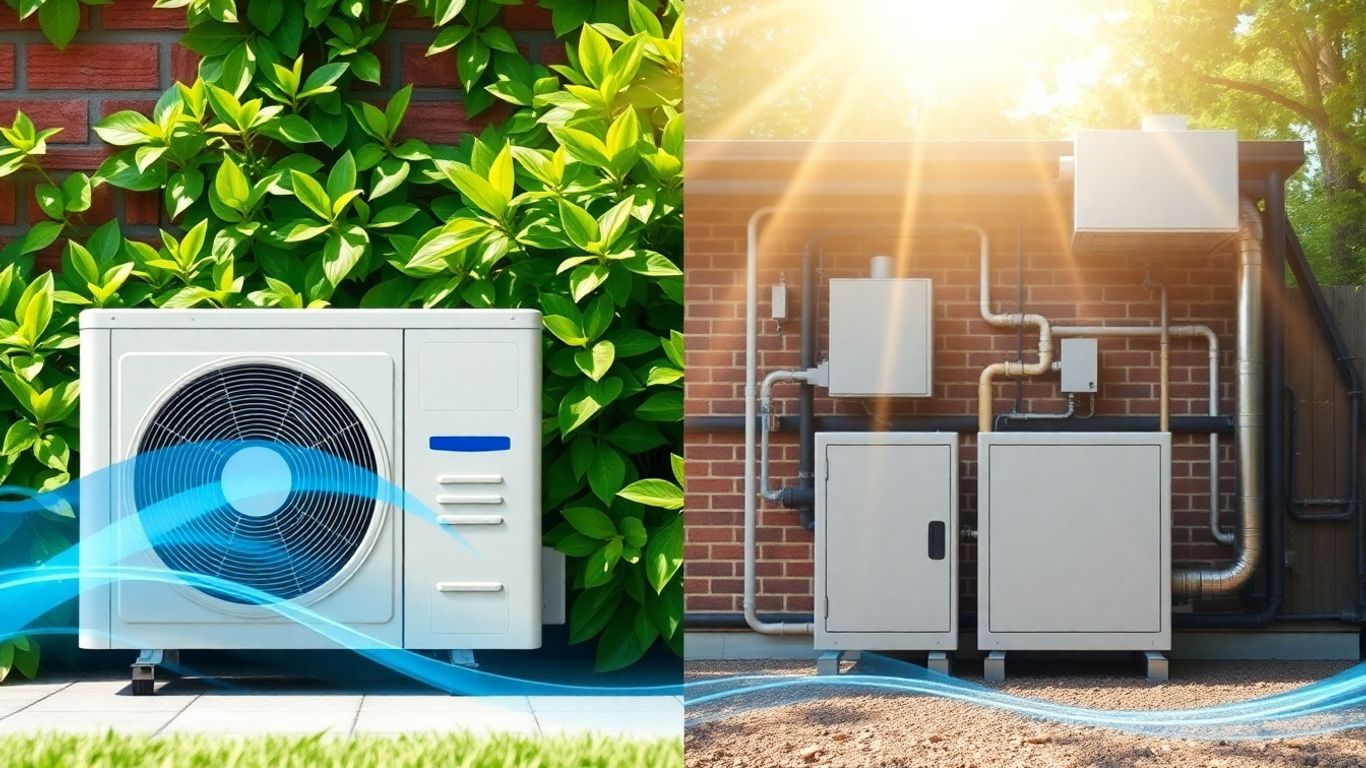
When we talk about how much energy these systems use, it’s a bit like comparing gas mileage for cars. For cooling, both heat pumps and traditional air conditioners (ACs) have ratings like SEER2 (Seasonal Energy Efficiency Ratio 2). The higher the SEER2 number, the more efficient the unit is at keeping your home cool. It’s pretty straightforward – a higher number means less electricity used for the same amount of cooling.
Now, for heating, heat pumps have their own rating called HSPF2 (Heating Seasonal Performance Factor 2). Again, a higher HSPF2 means better heating efficiency. The big difference here is how they heat. ACs and furnaces create heat, often by burning fuel or using electric resistance. Heat pumps, on the other hand, move existing heat from one place to another. This transfer process is often way more efficient than creating heat from scratch, especially in milder climates.
In many situations, a heat pump can be up to 300% efficient when heating, meaning it moves three units of heat for every unit of electricity it uses, while a high-efficiency gas furnace is typically around 98% efficient.
Here’s a quick look at how they stack up:
- Cooling Efficiency: Both can achieve high SEER2 ratings. Look for ENERGY STAR® certified models for the best performance.
- Heating Efficiency (Heat Pump): Measured by HSPF2. Generally more efficient than electric resistance heating and often more efficient than furnaces in moderate temperatures.
- Heating Efficiency (Furnace): Measured by AFUE (Annual Fuel Utilization Efficiency). High-efficiency furnaces are great, but they still involve combustion.
Environmental Benefits of Heat Pumps
This is where heat pumps really start to shine for a lot of people. Because they move heat instead of generating it through burning fossil fuels, they don’t produce on-site emissions. This means no carbon monoxide worries and no risk of gas leaks right in your home. Plus, when you pair a heat pump with electricity from renewable sources, like solar or wind, its environmental impact gets even smaller. It’s a cleaner way to keep your home comfortable.
Carbon Footprint Considerations
Think about it: if your electricity comes from a power plant that burns coal, the overall carbon footprint of your heat pump might be higher than if you used natural gas. However, as the grid gets cleaner with more renewables, the environmental advantage of heat pumps grows significantly. They are a good choice for reducing your home’s direct emissions, and their overall footprint tends to be lower, especially when compared to systems that rely heavily on fossil fuels for heating.
The shift towards cleaner energy sources for electricity generation is making heat pumps an increasingly attractive option for environmentally conscious homeowners. Their ability to operate without direct combustion means a significant reduction in local air pollution and greenhouse gas emissions associated with heating and cooling.
Cost Considerations for Heat Pump vs HVAC
When you’re looking at new heating and cooling systems, the price tag is usually one of the first things people check. It’s a big decision, and understanding the costs involved for both heat pumps and traditional HVAC systems is super important for making the right choice for your home and your wallet.
Initial Purchase and Installation Costs
Let’s talk about the upfront money you’ll need to spend. Heat pumps, because they do both heating and cooling in one unit and often involve more complex installation, can sometimes have a higher initial cost compared to a standard air conditioner. Traditional HVAC systems, which usually involve a separate furnace and air conditioner, can also add up. Prices can really vary depending on the brand, the size of your home, and how complicated the installation is. You’re generally looking at a range, but it’s not uncommon for heat pumps to start a bit higher.
Here’s a rough idea of what you might expect:
- Heat Pumps: $1,500 – $10,000+
- Traditional HVAC Systems (Furnace + AC): $7,000 – $12,500+
Remember, these are just averages. Factors like efficiency ratings (SEER for AC, HSPF for heat pumps) and whether you need new ductwork can push these numbers up.
Long-Term Operating Expenses
This is where things get interesting, especially when you think about energy efficient home comfort options. While a heat pump might cost more upfront, it can often save you money month-to-month. Heat pumps move heat rather than creating it, which is usually more efficient, especially in milder climates. This means lower electricity bills compared to systems that rely solely on electric resistance heating or even some gas furnaces.
However, in very cold areas, a heat pump might have to work harder, using more electricity and potentially costing more to run than a gas furnace. This is why some people opt for a dual-fuel system, which combines a heat pump with a furnace. This setup gives you the best of both worlds, using the heat pump when it’s efficient and switching to the furnace when it’s really cold. It’s a smart way to manage costs, though the initial investment for a hybrid system can be higher.
The efficiency of any system is heavily influenced by how well it’s maintained and how well your home is insulated. A leaky house or dirty filters can make even the most efficient system work harder and cost you more.
Potential for Cost Savings
Over the lifespan of the system, a heat pump can definitely lead to significant savings. Because they’re so good at transferring heat, they can be much more efficient than traditional heating methods. This efficiency translates directly into lower energy bills. Plus, with government incentives and tax credits often available for energy-efficient upgrades, the net cost of a heat pump can be reduced. It’s worth looking into what rebates or credits might be available in your area when you’re considering these energy efficient home comfort options. You might find that the long-term savings make the initial investment well worth it, especially if you’re looking to reduce your home’s carbon footprint.
When you’re trying to figure out the best system for your home, getting quotes from a few different HVAC professionals is a really good idea. They can assess your specific needs and give you a clearer picture of both the upfront and long-term costs.
Lifespan and Maintenance of Heating Systems
When you’re thinking about heating and cooling your home, how long the system lasts and how much upkeep it needs are pretty big deals. Nobody wants to buy a new system only to have it conk out in a few years, right? Let’s break down what you can expect from heat pumps versus traditional HVAC setups.
Durability of Heat Pumps
Heat pumps are often built to be pretty tough. Many are installed underground, which can offer some protection from the elements. With good care, a heat pump can often stick around for about 20 to 25 years. That’s a solid run, potentially lasting through a good chunk of your family’s life.
Longevity of Traditional HVAC Units
Traditional HVAC systems, which usually involve a separate furnace for heating and an air conditioner for cooling, also have a decent lifespan. On average, you’re looking at about 15 to 20 years for an AC unit, and furnaces can be in a similar ballpark. However, this can vary a lot based on how much you use them and, importantly, how well you maintain them. If you live somewhere with really hot summers, your AC might get a tougher workout, potentially shortening its life a bit.
Maintenance Requirements
Proper maintenance is key for getting the most out of any heating or cooling system. For a heat pump, it’s a good idea to have it checked out twice a year – once in the spring and again in the fall. This helps make sure it’s ready for both the heating and cooling seasons. Traditional AC units typically need a check-up before the summer cooling season kicks off. Furnaces might need their own check before winter.
Here’s a quick rundown of what maintenance usually involves:
- Filter changes: This is something you can often do yourself. Swapping out dirty air filters regularly is super important for airflow and efficiency. Think about doing this every 1-3 months.
- Outdoor unit checks: Keeping the area around your outdoor heat pump or AC unit clear of leaves, branches, and other debris is a must. This helps the unit breathe properly.
- Professional tune-ups: These involve cleaning coils, checking refrigerant levels, inspecting electrical connections, and making sure everything is running smoothly. It’s worth the investment to catch small issues before they become big, expensive problems.
Keeping up with maintenance isn’t just about making your system last longer; it’s also about making sure it runs as efficiently as possible. A well-maintained system uses less energy, which saves you money on your utility bills and is better for the environment. It’s a win-win, really.
When it comes to keeping your home’s climate controlled, understanding the lifespan and maintenance needs of different systems is a big part of the puzzle. While heat pumps might have a slight edge in longevity, both types of systems can serve you well for many years with the right care. If you’re looking into setting up a new water system for your home, planning for maintenance is just as important. Learn about water systems.
Choosing the Right System for Your Home
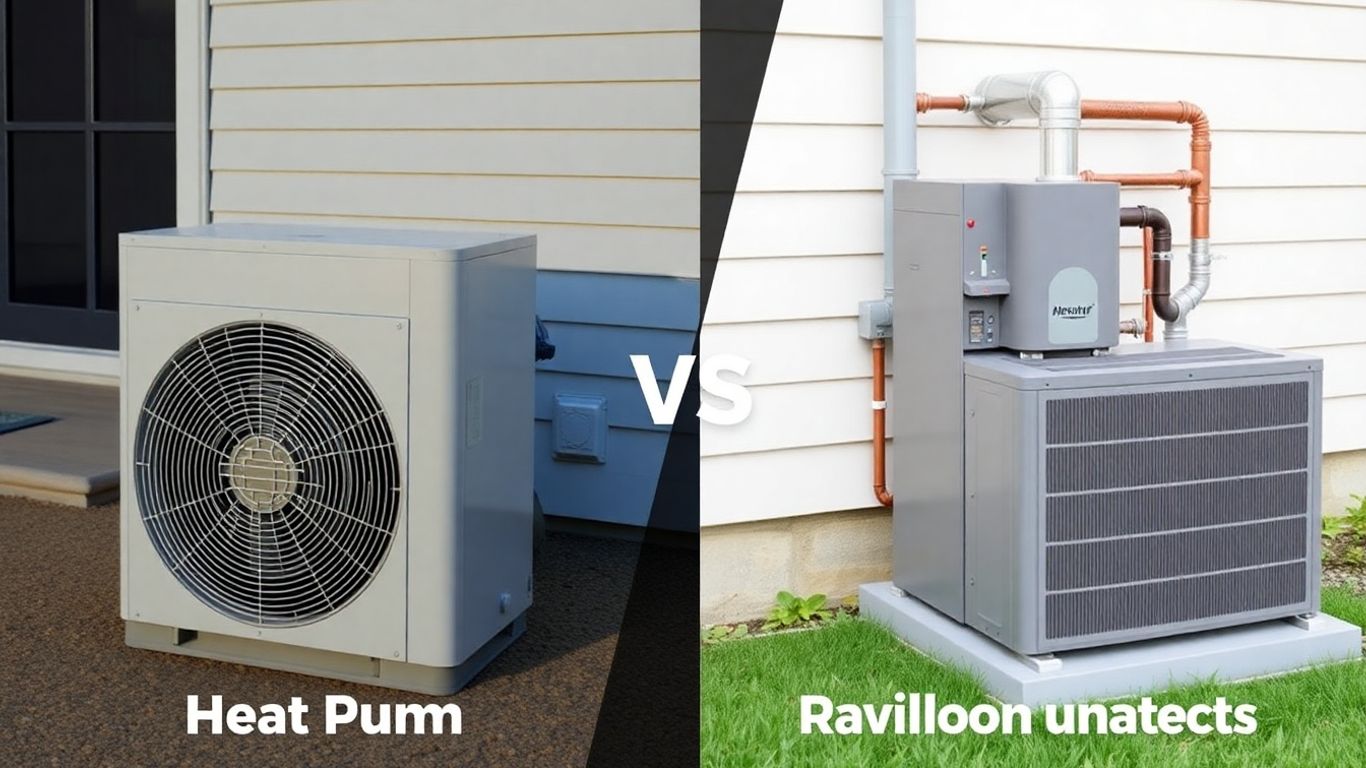
So, you’ve learned about how heat pumps and traditional HVAC systems work, and maybe you’re starting to lean one way or the other. But picking the right system for your home is a big decision, and it’s not a one-size-fits-all deal. It really comes down to your specific situation and what you need.
Climate Considerations for Heat Pumps
Where you live plays a huge role. If you’re in a place with mild winters, a heat pump is often a fantastic choice. It can handle both heating and cooling pretty efficiently. However, if you get really cold winters, like consistently below freezing, a standard heat pump might start to struggle. It’ll have to work harder, using more electricity, which can drive up your bills. For these colder spots, you might want to look into cold climate heat pumps (CCHPs) that are designed for lower temps, or consider a hybrid system.
When to Consider a Hybrid System
A hybrid system, often called a dual-fuel system, is basically a heat pump paired with a traditional furnace (usually gas). This setup is a smart move for folks in colder climates. You get the energy-saving benefits of the heat pump when it’s not too cold, and then the furnace kicks in when the temperature really drops. It’s like having the best of both worlds – efficiency and backup power. Plus, if you already have a furnace, it can sometimes make the transition easier and potentially save on some installation costs.
Consulting HVAC Professionals
Honestly, the best way to figure out what’s right for you is to talk to the pros. HVAC technicians who have experience with both heat pumps and traditional systems can look at your home, your climate, and your budget, and give you solid advice. They can help you with choosing the right home climate control solution that fits your needs perfectly. Remember, even the best system won’t perform well if it’s not installed correctly. So, finding a reputable installer is just as important as picking the right equipment.
Here’s a quick rundown of what to think about:
- Your local climate: How cold do your winters get? How hot are your summers?
- Your budget: What’s your upfront cost tolerance, and what are your long-term energy bill expectations?
- Existing system: Do you already have a furnace or just an AC unit?
- Environmental concerns: How important is reducing your carbon footprint to you?
Making the right choice for your home’s heating and cooling system involves looking at several factors. It’s not just about the technology itself, but how that technology fits into your daily life, your home’s structure, and the environment you live in. Taking the time to research and consult with experts will save you headaches and money down the road.
So, What’s the Verdict?
Alright, so we’ve gone over what makes a heat pump tick and how it stacks up against a traditional HVAC setup. Basically, a heat pump is a type of HVAC system that can both heat and cool your home by moving heat around. A standard HVAC system usually means you’ve got a separate unit for heating (like a furnace) and another for cooling (an air conditioner).
Which one is better really depends on your specific situation – think about your local weather, your budget, and how much you care about energy efficiency. If you’re in a milder climate and want a single system for year-round comfort, a heat pump could be a great fit. But if you get really cold winters, you might need to think about a hybrid setup or stick with a more traditional furnace and AC combo. The best move? Chat with a pro who knows both systems inside and out. They can help you figure out what’ll work best for your home and keep you comfy no matter the season.
Frequently Asked Questions
What’s the main difference between a heat pump and a regular HVAC system?
Think of it this way: a regular HVAC system is like having two separate tools, one for cooling (an air conditioner) and one for heating (like a furnace). A heat pump is like a multi-tool; it can do both cooling and heating with just one main unit by moving heat around instead of creating it.
How does a heat pump actually heat my home?
Even when it’s cold outside, there’s still heat energy in the air. A heat pump works by grabbing that heat from the outside air and moving it inside your house. In the summer, it does the opposite, pulling heat from inside your house and sending it outside.
Are heat pumps more energy-efficient than traditional HVAC systems?
Generally, yes! Heat pumps are often more energy-efficient because they move existing heat rather than using energy to create heat from scratch (like a furnace does). This can lead to lower electricity bills, especially in milder climates.
Can a heat pump work well in very cold weather?
Heat pumps can struggle a bit when it gets extremely cold. They might need a little help from a backup heating system, like an electric heater or even a furnace, to keep your home warm enough. Some newer ‘cold climate’ heat pumps are much better at handling low temperatures.
Which is more expensive to buy and install, a heat pump or an HVAC system?
Typically, heat pumps can have a higher upfront cost for buying and installing compared to just an air conditioner. However, when you consider that a heat pump does both heating and cooling, and its potential for energy savings over time, the overall cost can be competitive.
How long do heat pumps and HVAC systems usually last?
Heat pumps tend to be quite durable and can last longer, often around 20 to 25 years, because they usually require less maintenance. Traditional HVAC systems, like an air conditioner and furnace combo, might last about 15 to 20 years, depending on how well they are maintained.