Microgrid Parts: What Makes Them Tick?
So, you’re curious about what makes those microgrids tick? Think of a microgrid as a mini power grid designed to serve a specific building, campus, or neighborhood. Unlike the traditional grid, a microgrid can operate independently or stay connected to the main power network, giving communities more flexibility and reliability. These systems often combine local energy sources like solar panels, wind turbines, and battery storage to produce and manage electricity close to where it’s used. As more cities look for ways to integrate renewable energy and strengthen energy security, microgrids are becoming an important solution for delivering cleaner, more resilient power.
Key Takeaways
- Microgrid components include renewable energy sources, storage systems, and smart controls.
- Solar panels and wind turbines are common ways to generate power for microgrids.
- Battery systems store extra energy for later use or to help the main grid.
- Special equipment like smart inverters and stabilizers keep the microgrid running smoothly.
- Microgrids help deal with older power lines and make energy systems more stable and secure.
Core Microgrid Components
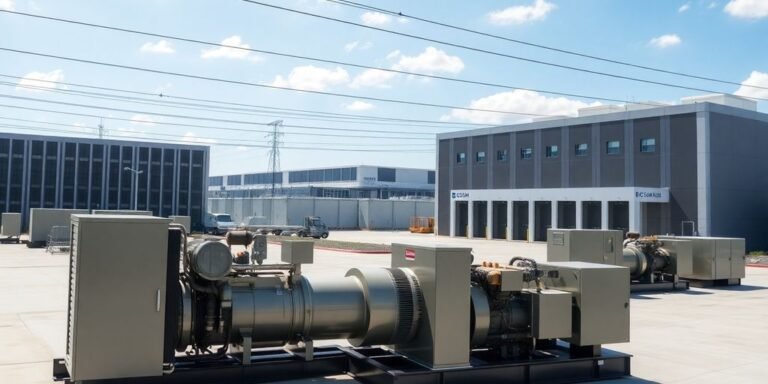
When we talk about microgrids, we’re really looking at a collection of specific parts that work together to create a localized power system. Think of it like building with LEGOs; you need the right bricks to make something functional. These aren’t just random pieces; they are carefully selected microgrid system elements designed for efficiency and reliability. Understanding these core components is key to grasping how a microgrid operates and why it’s becoming such a popular solution for energy needs.
Renewable Energy Generators
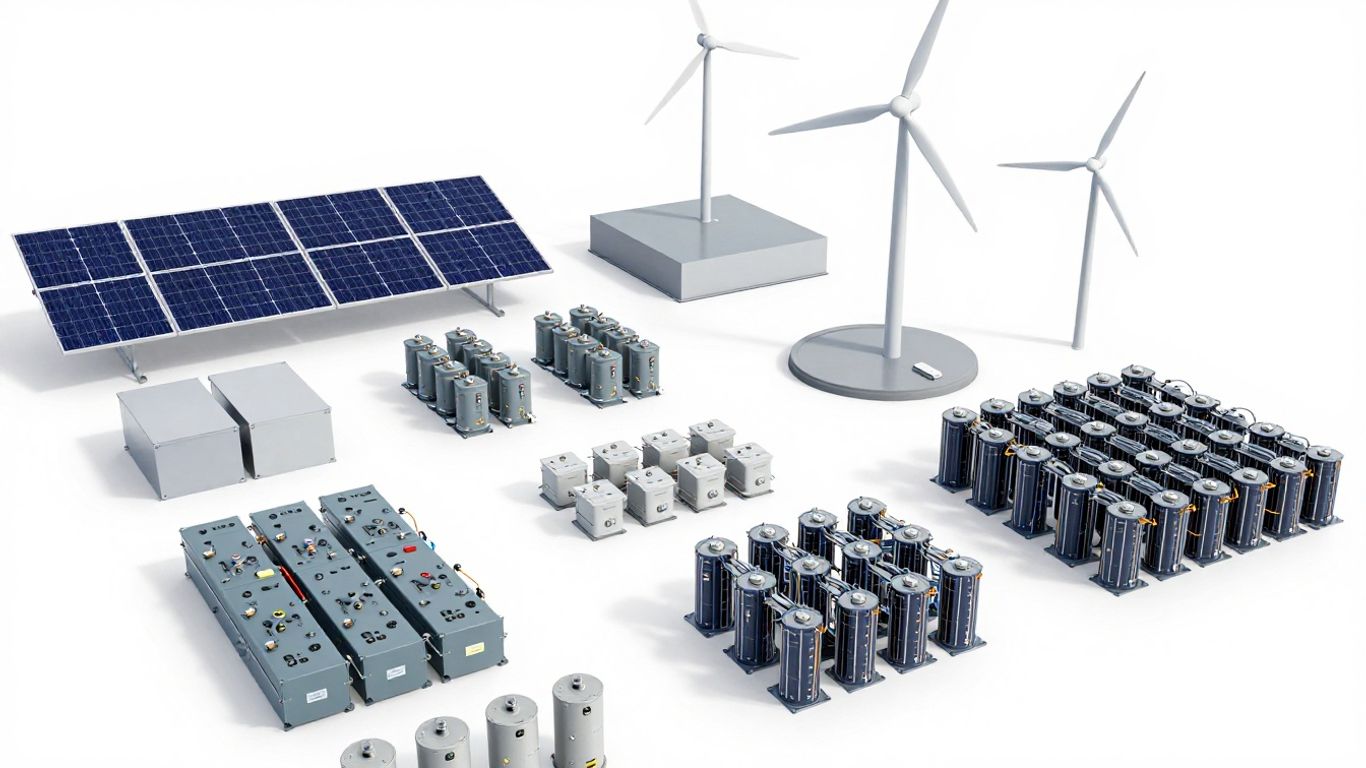
These are the powerhouses of the microgrid, responsible for creating electricity. Unlike traditional power plants that often burn fossil fuels, microgrids lean heavily on cleaner sources. This is where you’ll find things like solar panels and wind turbines. They harness natural resources to produce energy right where it’s needed. This on-site generation is a big part of what makes microgrids independent and sustainable. It’s all about using what nature provides to power our lives.
Energy Storage Systems
Renewable energy is great, but the sun doesn’t always shine, and the wind doesn’t always blow. That’s where energy storage comes in. These systems, often batteries, act like a reservoir for electricity. When there’s a surplus of power from the generators, it gets stored. Then, when demand is high or generation is low, the stored energy is released. This ensures a consistent and reliable power supply, smoothing out the bumps that come with intermittent renewable sources. It’s a vital piece for making sure the lights stay on, no matter the weather.
Smart Inverters
Inverters are the translators of the microgrid world. They convert the direct current (DC) power generated by sources like solar panels into the alternating current (AC) power that most appliances and the grid use. But in a microgrid, these aren’t just any inverters; they’re smart inverters. This intelligence allows them to communicate with other components, manage power flow, and help synchronize the microgrid with the larger utility grid when needed. They play a big role in the overall control and flexibility of the components of a smart grid.
Here’s a quick look at the main types of components you’ll find:
- Renewable Generators: Solar panels, wind turbines, and sometimes even small hydro systems.
- Energy Storage: Battery banks (like BESS), flywheels, or other storage technologies.
- Control Systems: Software and hardware that manage the flow of energy.
- Point of Common Coupling (PCC): The connection point between the microgrid and the main utility grid.
The integration of these essential microgrid technologies allows for a more resilient and efficient energy setup. It’s about creating a system that can stand on its own or work with the larger grid, offering flexibility and backup power when it’s most needed. This is the heart of the microgrid infrastructure explained.
These microgrid energy solutions are changing how we think about power, making local energy independence a reality for many communities and businesses.
Power Generation Technologies
When we talk about microgrids, the heart of the operation is how they actually make power. It’s not just about plugging into the main grid anymore; it’s about generating electricity right where you need it. This section looks at the different ways microgrids can produce their own juice.
Photovoltaic Systems
These are the solar panels you see on roofs and in fields. They convert sunlight directly into electricity using the photovoltaic effect. The technology has gotten a lot better, making solar a really practical option for many microgrids. They’re quiet, have no moving parts, and the fuel (sunlight) is free. Plus, with innovations like transparent photovoltaics, even windows could soon be generating power.
Wind Turbines
Wind turbines, from the big ones you see on wind farms to smaller, localized units, capture kinetic energy from the wind and turn it into electricity. They’re a great complement to solar because they often produce power when the sun isn’t shining, like at night or on cloudy days. Integrating wind turbines into a microgrid helps diversify the energy sources and makes the system more reliable. Many new developments are now including these to cut down on reliance on the main power lines.
Transparent Photovoltaics
This is a pretty neat bit of tech. Instead of opaque panels, transparent photovoltaics are designed to be integrated into things like windows. Imagine skyscrapers or even homes where the glass itself is generating electricity. While still an emerging technology, it has huge potential for urban environments, turning building facades into active power generators without blocking the view. It’s a clever way to add generation capacity without taking up extra space. This could really change how we think about building integrated renewables.
Energy Storage Solutions
When we talk about microgrids, storing energy is a big piece of the puzzle. It’s not just about generating power from the sun or wind when it’s available; it’s about having that power ready when you actually need it, even if the sun’s not shining or the wind’s not blowing. This is where energy storage systems come into play.
Battery Energy Storage Systems (BESS)
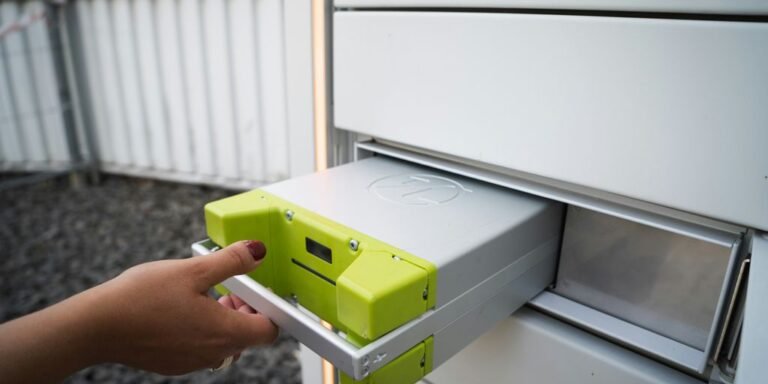
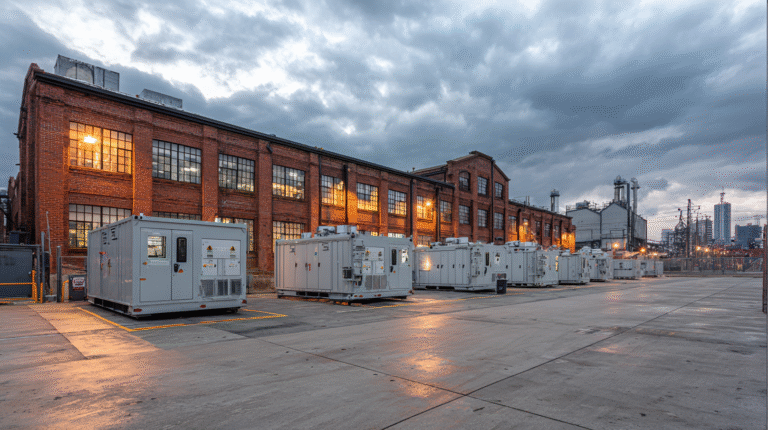
These are the workhorses of microgrid storage. Think of them as giant rechargeable batteries for your whole neighborhood or business park. They soak up excess energy produced during peak generation times and then release it when demand is high or when renewable sources aren’t producing. This smooths out the intermittent nature of renewables, making the microgrid much more reliable. BESS technology is rapidly advancing, offering higher capacities and longer lifespans than ever before.
Tesla Powerwall Integration
On a smaller, more residential scale, systems like the Tesla Powerwall are becoming popular. These units integrate with home solar setups, allowing homeowners to store their own solar energy. This means you can power your home at night or during outages using the energy you generated during the day. It’s a great example of how energy storage is becoming more accessible for individual buildings, contributing to the overall resilience of a microgrid.
Stored Energy for Grid Support
It’s not just about keeping the lights on for the microgrid itself. Stored energy can also be a valuable asset for the larger, main grid. When the main grid is stressed, a microgrid with available stored energy can actually send power back to help stabilize it. This capability is part of what makes microgrids so interesting for grid operators looking to manage grid stability and integrate more renewables without compromising reliability. It’s a two-way street, where local storage benefits both the microgrid and the wider network.
Grid Management and Control
Keeping a microgrid running smoothly, especially when it’s juggling different power sources and talking to the main grid, is a big job. It’s not just about plugging things in; you need smart systems to make sure everything works together without a hitch. Think of it like a conductor leading an orchestra – each instrument needs to play its part at the right time.
Synchronous Condensers
These are basically big spinning motors that don’t do much work themselves, but they’re super helpful for keeping the voltage steady and the grid stable. When you have a lot of renewable energy coming in, which can be a bit unpredictable, synchronous condensers add what’s called inertia to the system. This inertia helps smooth out the bumps and keeps the frequency of the electricity consistent. Without them, the grid could get wobbly, especially during sudden changes in power demand or supply.
Power System Stabilizers (PSS)
Grid codes, the rules that govern how power systems operate, are always changing because of new technologies and how we use electricity. To keep up, equipment often needs upgrades or replacements, which means downtime and extra costs. Power System Stabilizers are designed to help systems meet these changing regulations without a lot of fuss. They help prevent oscillations, which are like unwanted vibrations in the power flow, making the grid more reliable.
Submersible Switchgear
When you’re dealing with microgrids, especially those in areas prone to flooding or harsh weather, protecting the equipment is key. Submersible switchgear is designed to be placed underground and can withstand being underwater for periods. This is a big deal for reliability because it means critical switching components are safe from surface-level disruptions, whether that’s a flood or just general environmental wear and tear. It’s a way to keep the lights on even when things get wet.
Managing a microgrid involves a lot of moving parts. It’s about making sure that the power generated from various sources, like solar panels and batteries, can be reliably delivered to where it’s needed. This requires sophisticated control systems that can react quickly to changes and keep the electricity flow stable and safe. It’s a complex balancing act that relies on specialized equipment and smart software.
Here’s a quick look at what these components help achieve:
- Voltage Regulation: Keeping the electrical pressure at the right level.
- Frequency Control: Making sure the electricity cycles at a steady rate.
- System Stability: Preventing sudden drops or surges in power.
- Fault Isolation: Quickly shutting off power to a damaged section to protect the rest of the grid.
Safety and Reliability Features
Keeping a microgrid running smoothly and safely is a big deal, especially when you’re dealing with all sorts of new tech. It’s not just about generating power; it’s about making sure that power is there when you need it and that the whole system doesn’t become a hazard. Think of it like building a really complex, high-tech house – you need strong foundations, good wiring, and, of course, safety systems.
Fire Mitigation Fuses
Wildfires are a growing concern, and the last thing anyone wants is for electrical equipment to be the spark that starts one. That’s where special fuses come in. These aren’t your grandpa’s fuses; they’re designed to contain any sparks or faults right inside the device. This helps prevent those dangerous embers from escaping into dry brush. It’s a pretty smart way to add a layer of protection, especially for utilities that need to think about wildfire risk in their planning. It’s all about reducing the chance of ignition from the get-go.
Cyber Security Measures
As microgrids get smarter and more connected, they also become targets for cyber attacks. Imagine someone hacking into the system and shutting down power or messing with the controls – that’s a serious problem. Utilities are really focused on protecting their critical infrastructure from these digital threats. This means putting up strong digital walls, monitoring for suspicious activity, and making sure only authorized people can access the system. It’s a constant cat-and-mouse game, but a necessary one to keep the lights on and the grid functioning properly. Verifying the reliability of these complex systems is a challenge, and tools like TLA+ are being explored for this purpose verifying the reliability.
Resilience Against Extreme Weather
We’re seeing more intense storms, floods, and heatwaves these days, and microgrids need to be tough enough to handle them. This means designing systems that can withstand harsh conditions. For areas prone to flooding, that might mean putting equipment in higher places or using waterproof enclosures. In dry, fire-prone regions, the focus is on preventing sparks, as we discussed with the fuses. It’s about making sure the grid can keep operating, or at least recover quickly, even when Mother Nature throws a curveball. Building a resilient grid is key to maintaining power during these events.
Integration and Modernization
Addressing Ageing Infrastructure
Lots of our current power grid stuff is pretty old. We’re talking about transmission lines and transformers that have been around for decades, some even since the 1940s. This aging equipment is a big problem. It’s more likely to fail, and keeping it running costs a lot. We need to either replace it or get really good at monitoring it to catch problems before they happen. It’s like trying to run a new smartphone app on a flip phone – it just wasn’t built for today’s demands.
Managing Network Instability
Old grids were designed for power to flow in one direction, from big power plants to homes. Now, with solar panels and wind turbines feeding power back into the grid, things are more complicated. This new, two-way flow, plus the fact that renewables aren’t always producing power, can make the grid unstable. Unlike big spinning turbines in traditional plants, solar and wind don’t have that same physical ‘oomph’ to keep the grid’s frequency steady. This means we need smarter ways to manage these fluctuations.
Financing Grid Modernization
Updating the grid isn’t cheap. Reports suggest we’re talking about billions of dollars every year for the next few decades just to get the infrastructure ready for more renewable energy. Figuring out who pays for what and how to get a return on that investment makes it tough to get projects off the ground. It’s a huge undertaking that requires careful planning and new ways of thinking about funding.
Here’s a look at some of the challenges:
- Cost: Massive investments are needed for upgrades and new technologies.
- Complexity: Integrating new systems with old ones is tricky.
- Regulation: Rules and market designs need to catch up with new technologies.
- Skills: There’s a growing need for workers with the right skills to manage and maintain modern grids.
The increasing demand for electricity, driven by things like electric vehicles and data centers, puts even more pressure on our existing grid. It was built for a different time, and it’s struggling to keep up with the pace of change and the growing need for reliable power.
Wrapping It Up
So, we’ve looked at the different bits and pieces that make a microgrid work. From the panels catching sunlight to the batteries holding onto that power, it’s all about creating a local energy system. These systems aren’t just a cool idea for the future; they’re becoming a real way to handle our growing energy needs and keep the lights on, even when the main grid has trouble. It’s pretty neat how these parts fit together to give us more control over our power.
Frequently Asked Questions
What exactly is a microgrid?
Think of a microgrid as a small, local power system. It can work on its own, separate from the big power lines, or connect to them when needed. It’s like having your own neighborhood power source!
Why are microgrids becoming more popular?
Microgrids are great for using clean energy like solar and wind. They also help make sure we have power even if the main grid has problems, like during bad weather or blackouts. Plus, they help cities meet goals for cleaner air.
What are the main parts of a microgrid?
A microgrid usually has things that make power, like solar panels or small wind turbines, and ways to store that power, like big batteries. It also needs smart controls to manage everything and keep the power flowing smoothly.
Can microgrids store energy?
Yes, they absolutely can! Energy storage systems, often using batteries, are a key part of microgrids. This lets them save extra power generated during sunny or windy times to use later when the sun isn’t shining or the wind isn’t blowing.
How do microgrids keep things stable and safe?
Microgrids use special equipment like smart inverters to keep the power steady. They also have safety features like special fuses to stop fires and strong cybersecurity to protect against online attacks. This makes them reliable and secure.
Is it hard to update old power systems for microgrids?
Updating old power systems can be tricky and expensive, like fixing old roads. Microgrids help by adding new, modern technology. It takes planning and money, but it makes the power system stronger and more dependable for the future.