

Unlocking Battery Longevity: New Study Reveals Insights into LiFePO4/C Degradation
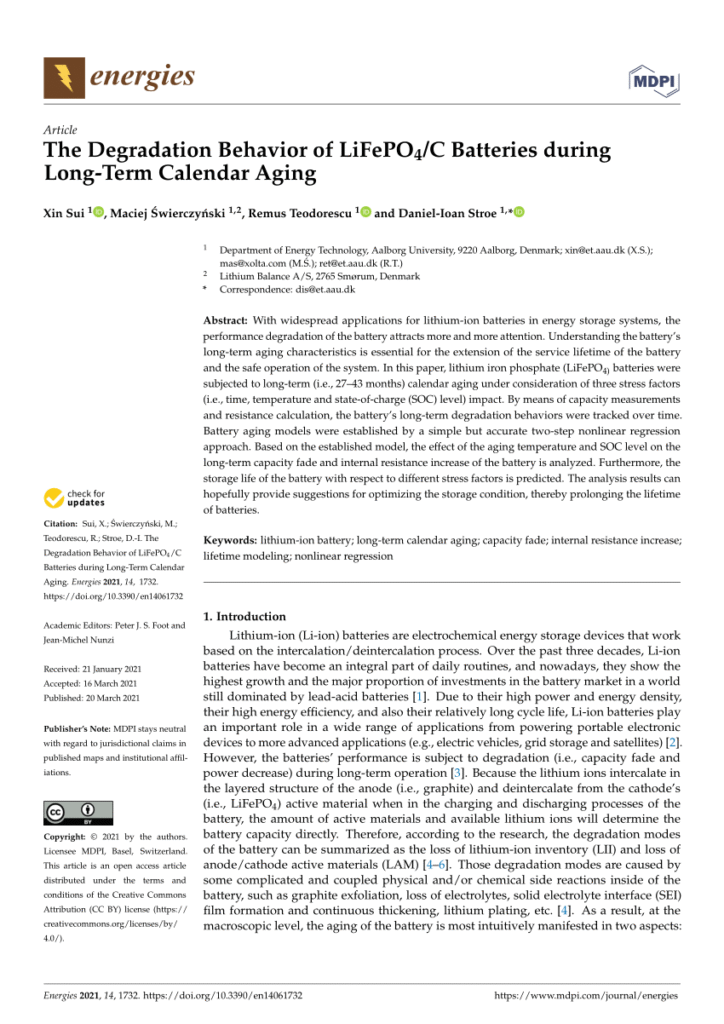
A recent study delves into the long-term calendar aging of Lithium Iron Phosphate (LiFePO4/C) battery cells, offering crucial insights for enhancing their battery lifespan and reliability. Understanding how these battery systems degrade over time is vital for applications ranging from electric vehicles to grid storage.
Key Takeaways
- Calendar aging significantly impacts the performance of LiFePO4/C batteries.
- Specific degradation mechanisms were identified, providing targets for improvement.
- The research offers valuable data for battery manufacturers and users.
Understanding Calendar Aging
Calendar aging refers to the degradation of a battery’s performance over time, even when it’s not actively being used. This phenomenon is critical for batteries that are stored for extended periods or used intermittently. The study focused on LiFePO4/C batteries, a popular choice due to their safety and long cycle life.
Unpacking the Degradation Mechanisms
The research meticulously examined the internal changes within the LiFePO4/C batteries during prolonged storage. It identified several key factors contributing to performance loss. These include changes in the solid electrolyte interphase (SEI) layer, which can impede ion transport, and potential structural alterations within the cathode material itself. The presence of carbon (C) in the cathode is known to improve conductivity, but its long-term interaction with other battery components under aging conditions was a focus of this investigation.
Implications for Battery Technology
The findings from this study have significant implications for the development and application of LiFePO4/C batteries. By pinpointing the specific mechanisms responsible for degradation, researchers and engineers can now work towards developing strategies to mitigate these effects. This could involve optimizing battery chemistry, improving manufacturing processes, or developing more sophisticated battery management systems. Ultimately, this research contributes to the broader goal of creating more durable and sustainable energy storage solutions.






One Comment