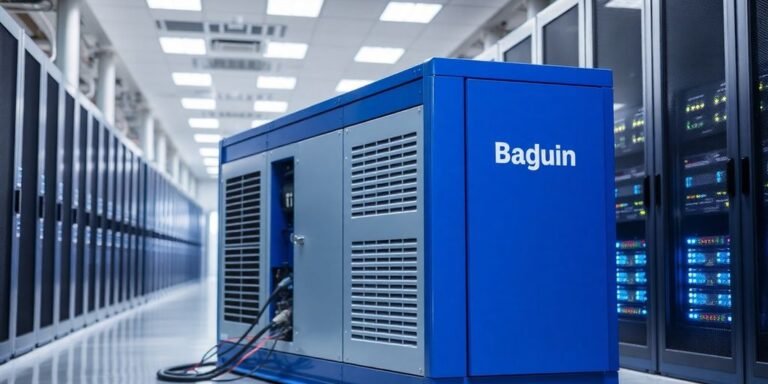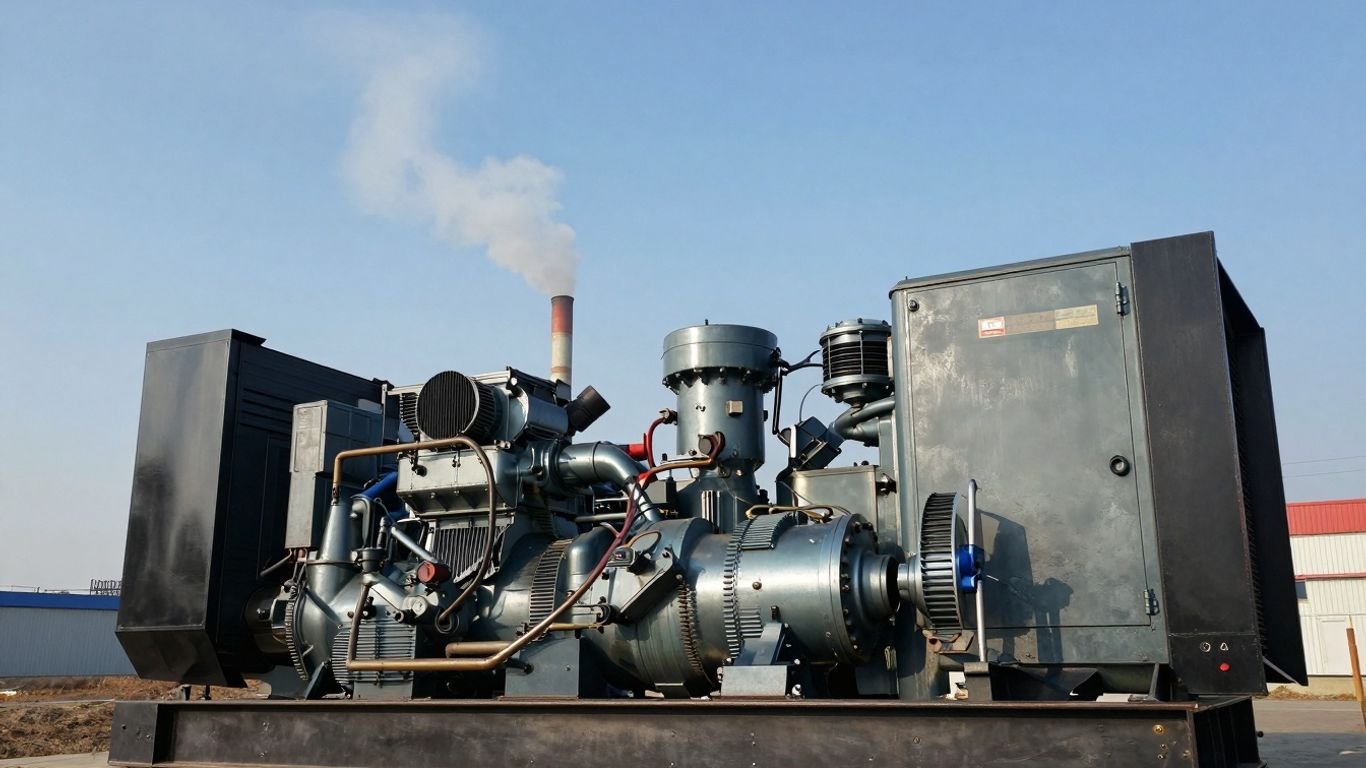
US Eyes Diesel Generators to Meet Growing AI Power Demand
So, AI is getting super popular, right? And it turns out all those smart computers need a TON of electricity. Like, a lot. The US is now looking at a pretty surprising idea to keep up: using diesel backup generators. You know, the ones businesses already have for when the power goes out. It’s not exactly what you’d expect, but with AI demand shooting up, people are thinking outside the box. This whole Diesel Generator AI thing could be a quick fix, but it’s definitely got people talking.
Key Takeaways
- The US government is considering using existing diesel backup generators to power the growing needs of artificial intelligence.
- This move could tap into about 35 gigawatts of idle diesel capacity, which is a lot of power, similar to many nuclear plants.
- Using these generators could help keep electricity costs down and avoid the massive expense of building new power plants.
- However, running diesel generators more often raises environmental concerns due to pollution, and some states are already making changes to allow this.
- The idea of Diesel Generator AI is seen as a temporary solution, a way to bridge the gap while more permanent power sources are developed.
Addressing The AI Power Surge With Diesel Generators
Artificial intelligence is really taking off, and with it, the need for power. Think about all those servers humming away, crunching numbers for AI models. It’s a massive energy draw, and the grid just wasn’t built for this kind of sudden jump. We’re talking about a serious power demand that’s growing by the day. So, the US is looking at some pretty unusual ways to keep the lights on for these AI operations. It’s not your typical approach, but with AI data center power solutions needed fast, unconventional ideas are on the table.
The Growing Demand From Artificial Intelligence
AI needs a ton of electricity. It’s not just a little bit more; it’s a huge leap. Training these complex models and running AI applications requires constant, high-volume power. This surge is putting a strain on existing power grids, which were designed for more predictable energy use. The sheer scale of AI’s appetite for electricity is something we haven’t really seen before, and it’s forcing a rethink of how we supply power.
US Exploring Unconventional Power Solutions
Because of this massive demand, the US government is exploring some out-of-the-box ideas. One of the main things being looked at is using diesel generators that are already in place. These aren’t new generators; they’re mostly backup systems that sit idle most of the time. The idea is to see if these can be used more regularly to help meet the immediate power needs of AI. It’s a bit of a scramble, honestly, to find ways to power this new wave of technology without completely overhauling the grid overnight.
Leveraging Existing Diesel Generator AI Capacity
There’s a surprising amount of diesel generator capacity already installed across the country. Many large businesses, like data centers and big retail stores, have these generators for when the main power goes out. Energy officials estimate there’s a significant amount of this ‘idle’ power waiting to be used. The thinking is, why not tap into this existing resource? It could provide a quick boost of power for AI needs, acting as a bridge while longer-term, more sustainable power for AI growth solutions are developed. It’s about making the most of what we already have.
The Role Of Diesel Generators In AI Infrastructure
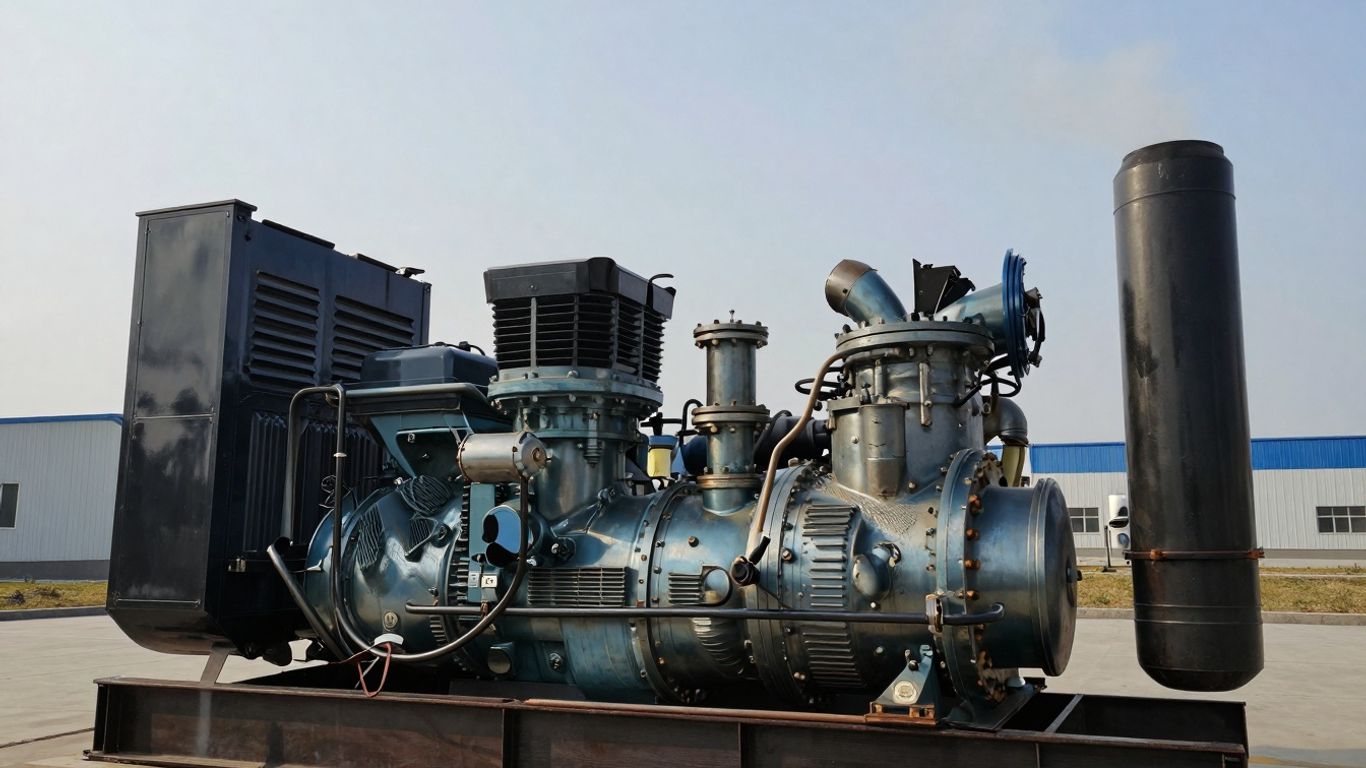
The energy needs of artificial intelligence are exploding, and the grid just can’t keep up right now. It’s a bit like trying to fill a bathtub with a fire hose when the drain is only half open. So, what’s the plan? Well, the US is looking at something pretty unconventional: using existing diesel generators. Think about all those big buildings, data centers, and even some factories – they’ve got these massive diesel engines sitting there, mostly for backup power. These aren’t just small generators; we’re talking about a huge amount of potential power that’s currently just sitting idle.
Idle Diesel Capacity At Data Centers
It turns out, a lot of data centers have more diesel generator capacity than they actually need for their day-to-day operations. This is primarily for backup power for AI infrastructure when the main electricity grid goes down. We’re talking about gigawatts of power that could be tapped into. It’s like having a fleet of powerful trucks parked in your garage, ready to go, but only using them for emergencies. The idea is to see if we can get them to run more often to help meet the AI power surge.
Potential Gigawatts From Backup Systems
When you add up all this idle diesel capacity across the country, it’s a significant number. We’re talking about potentially tens of gigawatts – enough to power millions of homes. This isn’t a small amount; it’s comparable to the output of several large power plants. The administration is looking into how to make this work, considering it could provide a substantial chunk of the extra electricity needed for AI without building new facilities right away. It’s a way to use what we already have. This existing capacity is a resource that’s largely untapped.
Diesel Generator AI: A Stopgap Measure
Let’s be clear, this isn’t a permanent fix. Using diesel generators for AI is seen as a temporary solution, a stopgap measure. The environmental impact is a big concern, and nobody wants to rely on burning diesel long-term. However, with the rapid growth of AI, there’s an urgent need for power. This approach could buy time while cleaner, more sustainable energy solutions are developed and deployed. It’s about bridging the gap. The goal is to keep the AI systems running without completely overwhelming the current power infrastructure.
Policy Considerations For Diesel Generator Use
Loosening Pollution Limits For Operation
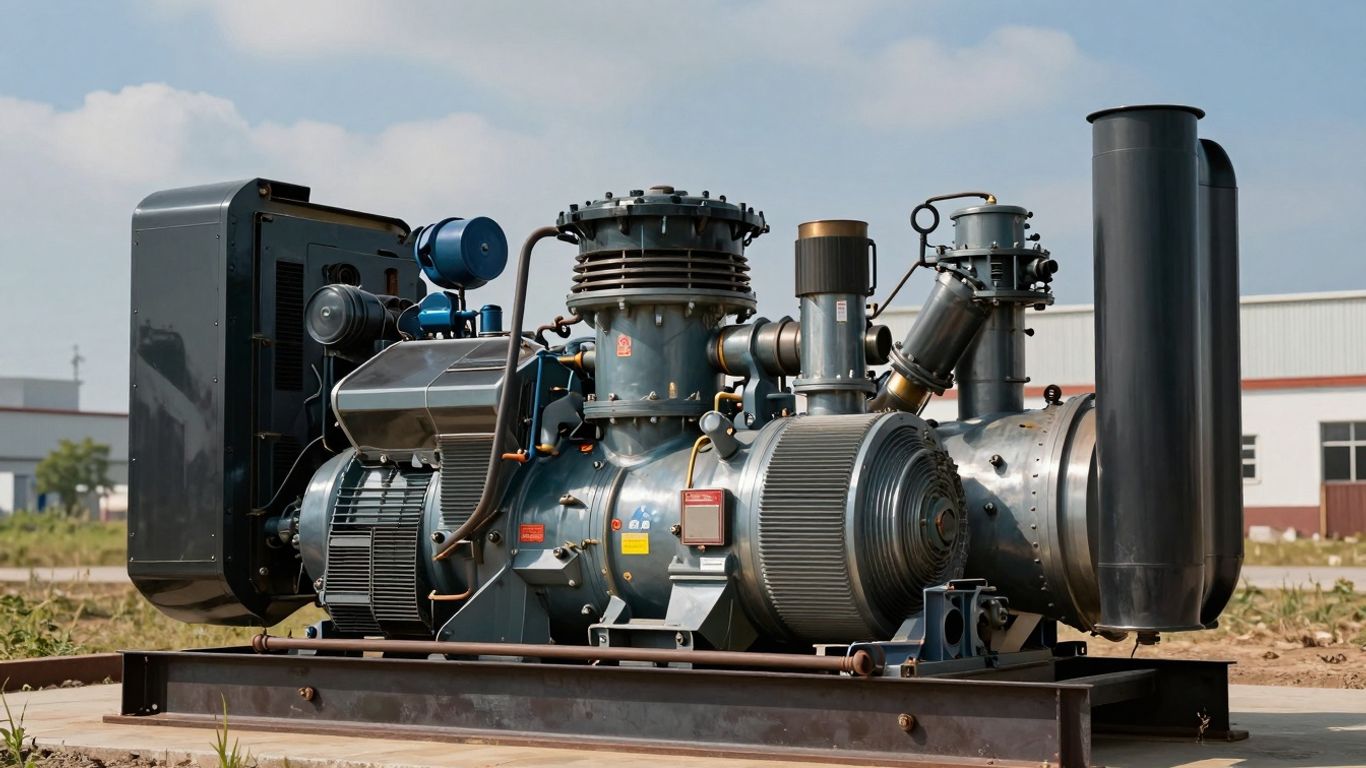
So, the big idea here is to get those diesel generators, which are usually just sitting around for emergencies, to kick in more often. To do that, the government might have to relax some of the rules about how much pollution they can put out. It’s a bit of a trade-off, right? We need power for AI, but these generators aren’t exactly the cleanest option. This means we’re looking at a potential shift in environmental regulations, specifically for these backup systems. It’s not a simple flip of a switch; there are a lot of details to iron out.
Controversial Environmental Implications
Let’s be real, this isn’t going to make everyone happy. Environmental groups are already raising concerns, and you can see why. Running diesel generators more frequently means more smog, more particulate matter in the air, and generally a bigger carbon footprint. It feels like we’re taking a step backward on climate goals, even if it’s just a temporary fix. It’s a tough pill to swallow when we’ve been pushing for cleaner energy for years. The debate is going to be heated, for sure.
State-Level Precedents For Diesel Generator AI
It’s not like this is a completely new thought. Some states have already started down this path. For instance, places like Maryland have been experimenting with using their existing diesel backup power for grid support. They’ve figured out ways to make it work, at least on a smaller scale. These state-level moves give us a glimpse into what could happen nationally. We can look at what worked, what didn’t, and the pushback they faced. It’s a good way to learn before going all-in on a national policy. It shows that this isn’t just a theoretical discussion; it’s something that’s already being tested in the real world.
Economic Implications Of Diesel Generator AI
So, the big question is, how does using all these diesel generators for AI power actually affect our wallets? It’s a bit of a mixed bag, but the potential savings are pretty significant. The US is looking at tapping into existing diesel generator capacity to meet the massive power needs of AI, potentially saving billions.
Think about it. Building new power plants, whether they’re for traditional electricity or something else, costs an astronomical amount of money. We’re talking tens of billions, maybe even hundreds of billions, depending on the scale. By using generators that are already sitting there, mostly idle, we sidestep a huge chunk of that upfront investment. It’s like finding a perfectly good tool in your garage instead of having to buy a brand new one for a single job.
Here’s a quick breakdown of the economic picture:
- Reduced Capital Expenditure: Avoids the massive costs associated with constructing new power generation facilities.
- Lower Electricity Costs: Potentially stabilizes or even reduces the price of electricity for consumers and businesses by easing strain on the grid.
- Job Creation (Temporary): While not a long-term solution, maintenance and operation of these generators could create some short-term employment.
- Environmental Costs: This is where it gets tricky. While cheaper upfront, the increased pollution from burning diesel has its own economic consequences, like healthcare costs and climate change impacts. It’s a trade-off that policymakers are wrestling with.
It’s estimated that the idle diesel capacity alone could provide around 35 gigawatts of power. That’s a lot of juice, comparable to the output of about 35 nuclear reactors. Instead of building all that new infrastructure, we’re looking at a way to get power from what’s already available. This approach is becoming increasingly common as data centers expand, and diesel generators are often the most cost-effective option for meeting on-site power needs.
The sheer scale of AI’s power hunger means that even temporary solutions need to be economically viable. Relying on existing, underutilized assets makes a lot of sense from a pure cost perspective, even if it comes with other challenges.
Ultimately, the economic argument hinges on whether the short-term cost savings and avoidance of new construction outweigh the long-term environmental and operational costs. It’s a complex calculation, but one that’s definitely on the table as the AI boom continues.
Comparing Diesel Generators To Traditional Power Sources
Equivalent Power To Multiple Nuclear Plants
So, we’re talking about using diesel generators, right? It sounds a bit old-school, but the numbers are actually pretty wild. Energy Secretary Chris Wright mentioned that there’s about 35 gigawatts of diesel generator capacity just sitting around, mostly at places like data centers and big stores. That’s a huge amount of power, apparently enough to power around 35 nuclear plants. Think about that – all that juice is already there, not being used most of the time, just waiting for a power outage. It’s like having a bunch of super-powerful backup batteries that could actually be used for more than just emergencies.
The Unconventional Nature Of The Solution
This whole idea is definitely not what you’d call standard. Usually, when we think about powering big things like AI, we picture new solar farms, wind turbines, or maybe even new natural gas plants. But tapping into existing diesel generators? That’s a different ballgame. It’s a bit of a workaround, a way to get power quickly without building a whole new power station from scratch. It’s like finding a forgotten stash of tools in your garage when you need to fix something fast, instead of going to the hardware store.
Diesel Generator AI As A Complementary Source
This isn’t about replacing everything else, though. It’s more about adding to what we already have. These diesel generators could act as a temporary boost, especially when the demand from AI is super high and the usual power sources can’t keep up. They’re not meant to be the main event, but more like a supporting actor that steps in when needed. It’s a way to fill the gaps and keep things running smoothly while we figure out longer-term solutions for all that AI power needs.
- Potential Gigawatts: The sheer scale of available diesel capacity is staggering.
- Speed of Deployment: Unlike new power plants, this capacity is already built.
- Cost Savings: Avoids the massive expense of constructing new energy infrastructure.
The idea is to use what’s already in place, a sort of ‘power on standby,’ to meet immediate, high-demand needs. It’s a pragmatic approach to a growing problem.
A Temporary Fix, But What’s Next?
So, it looks like the US is thinking about using those big diesel generators, the ones that usually just sit around for emergencies, to help power all the new AI stuff. It’s kind of a weird idea, right? Using backup power for everyday needs. But hey, it might save a ton of money and time compared to building new power plants. Still, it’s not a perfect solution. Burning more diesel means more pollution, and that’s a worry. We’ll have to see if this plan actually works out and what happens down the road when we need even more power.
Frequently Asked Questions
Why does AI need so much power?
Artificial intelligence, especially the kind used for advanced tasks like creating images or understanding complex language, requires massive amounts of computing power. These computers, housed in large buildings called data centers, consume a lot of electricity to run and stay cool.
What are diesel generators and why are they being considered?
Diesel generators are machines that use diesel fuel to create electricity. They are often used as backup power when the main electricity supply fails. The US is looking at using these existing generators because the demand for power from AI is growing so fast, and building new power plants takes a lot of time and money.
How much power could these diesel generators provide?
Experts believe that the diesel generators already in place at places like data centers and large stores could provide a huge amount of electricity. It’s estimated to be as much as the power generated by about 35 nuclear power plants, which is a significant amount.
Are there any downsides to using diesel generators for AI power?
Yes, there are concerns. Diesel generators release pollution, which is bad for the environment and air quality. Using them more often might mean having to relax rules about pollution, which is a controversial idea.
Could using diesel generators save money?
It’s possible. Building new, large power plants to meet the AI demand could cost billions of dollars. Using existing diesel generators might be a cheaper way to get the extra power needed in the short term, potentially helping to keep electricity costs down.
Is this a permanent solution for AI power needs?
No, it’s generally seen as a temporary fix, or a ‘stopgap measure.’ While these generators can provide needed power quickly, they aren’t as clean as other sources. The long-term goal is likely to find cleaner and more sustainable ways to power AI.