
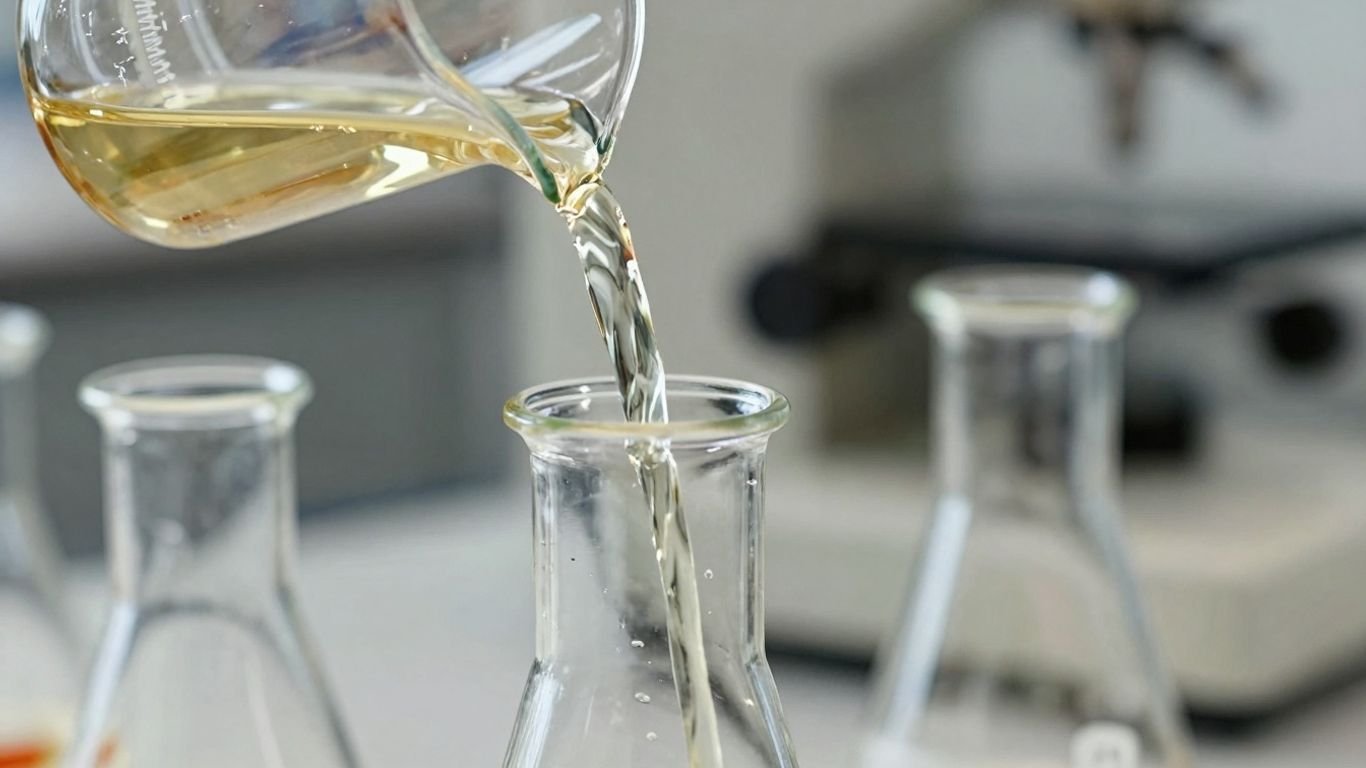
Breakthrough Recycling: New 1-Step Method Turns Plastic into Fuel
So, there’s this new thing happening with plastic waste. Scientists from the US and China came up with a way to turn all sorts of plastic, even the tricky kinds, into fuel. And get this, it only takes one step and works at room temperature. Plus, it’s super efficient, like 95% efficient. This could be a big deal for dealing with all the plastic trash we seem to create.
Key Takeaways
- A new one-step method turns mixed plastic waste into fuel with over 95% efficiency at room temperature.
- The process is simpler and uses less energy and equipment than older methods, making it good for industry.
- It can handle different types of plastic waste, including PVC, and turns them into gasoline-like fuel and useful chemicals.
- The method also produces hydrochloric acid, which can be reused in various industries, supporting a circular economy.
- This approach offers a more sustainable way to manage plastic waste, turning it into valuable products.
Revolutionary One-Step Plastic Into Fuel Conversion
This is pretty wild, but a team of scientists from the US and China has come up with a way to turn plastic waste into fuel in just one step. And get this – it works at room temperature and normal air pressure, with over 95% efficiency. That’s a huge deal compared to the usual methods that need a lot of heat and complicated setups.
Achieving Over 95% Efficiency at Room Temperature
Seriously, imagine not needing massive amounts of energy to break down plastic. This new process does just that. It’s been shown to convert different types of plastic, including tricky ones like PVC, into useful stuff with really high success rates. For example, they saw 95% conversion for soft PVC pipes and even 99% for rigid PVC pipes and wires, all without cranking up the heat.
Simplified Process for Industrial Scalability
What makes this so exciting is how simple it is. Fewer steps, less equipment, and less energy mean it’s much easier to scale this up for actual industrial use. They’re not just talking about a lab experiment; this looks like it could be a real solution for dealing with the mountains of plastic we produce.
Converting Diverse Plastic Waste into Valuable Products
This isn’t just about making fuel, though that’s a big part of it. The process turns mixed plastic waste into gasoline-range hydrocarbons, which are basically the main ingredients in gasoline. Plus, you get chemical raw materials and hydrochloric acid. This means the output can be used in a bunch of different industries, from making new chemicals to even helping with water treatment. It really supports the idea of a circular economy where waste becomes a resource.
The Science Behind Turning Plastic Into Fuel
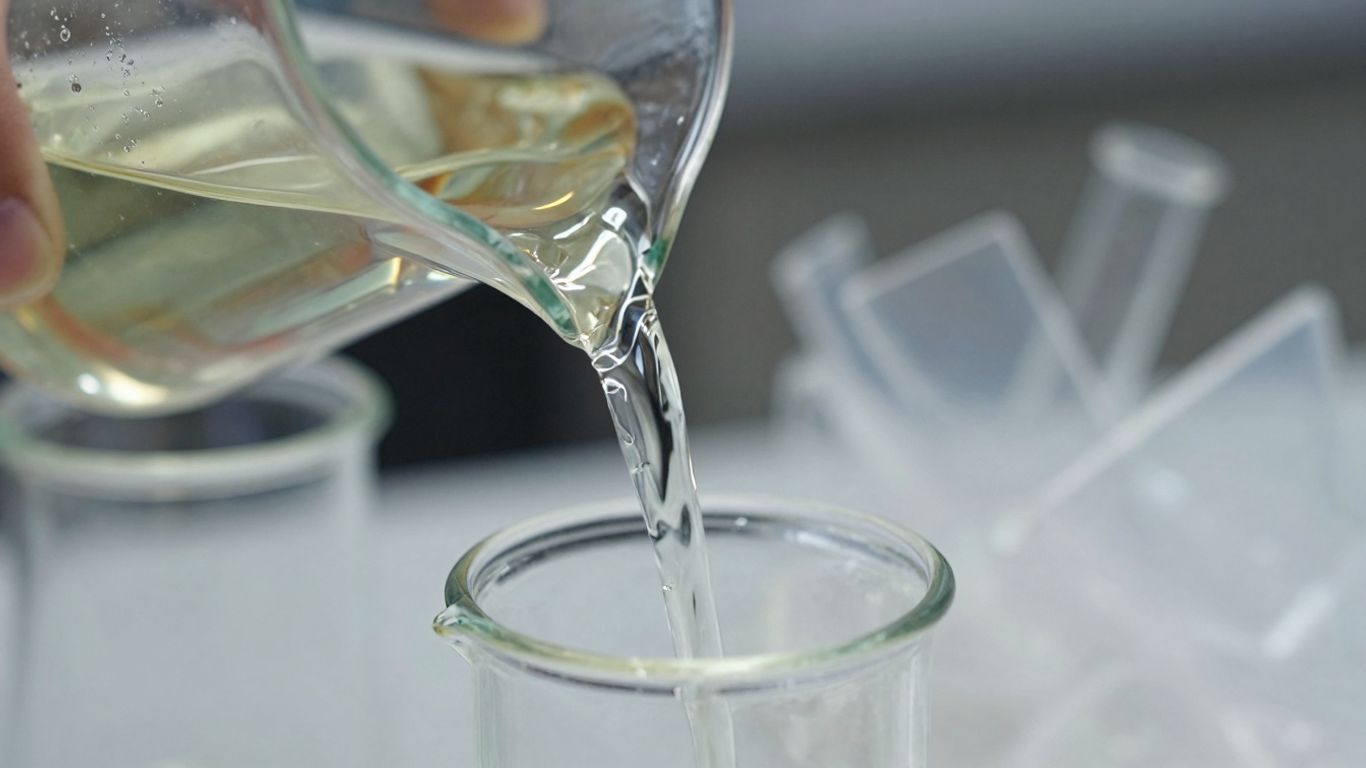
So, how exactly does this new method work? It’s actually pretty neat and way simpler than you might think. The core idea is to take plastic waste and mix it with something called light isoalkanes. These isoalkanes are basically byproducts you can get from oil refining, so we’re already making them. The real magic happens when this mixture is exposed to a catalyst, and voilà – you get gasoline-range hydrocarbons. This means the stuff that comes out is chemically similar to the gasoline you put in your car.
Combining Plastic Waste with Light Isoalkanes
This isn’t some super complicated, high-tech setup. The researchers found that by combining different types of plastic waste with these light isoalkanes, they create a sort of pre-fuel soup. Think of it like mixing ingredients before you bake. The isoalkanes act as a sort of solvent and reactant, helping to break down the long chains of plastic molecules. This step is pretty straightforward and doesn’t require extreme conditions, which is a big deal for scaling this up.
Yielding Gasoline Range Hydrocarbons
What comes out of this process are hydrocarbons that fall into the ‘gasoline range’. This typically means molecules with about six to twelve carbon atoms. These are the main building blocks of regular gasoline. The efficiency is really impressive, often hitting over 95%. This means most of the plastic you put in actually turns into useful fuel components, with very little waste left over. It’s a significant step forward in plastic-to-energy conversion research.
Tackling the Chlorine Challenge in PVC Waste
One of the trickiest parts of dealing with plastic waste is polyvinyl chloride, or PVC. PVC contains chlorine, which can be a real problem when you try to convert it into fuel. Burning PVC can release harmful gases. However, this new method handles PVC surprisingly well. It not only converts the plastic part into fuel but also recovers the chlorine in the form of hydrochloric acid. This acid can then be reused in other industrial processes, like water treatment or making chemicals, instead of becoming a pollutant. It’s a clever way to deal with a difficult material.
Here’s a quick look at the efficiency:
| Plastic Type | Temperature (°C) | Conversion Efficiency (%) |
|---|---|---|
| Soft PVC | 30 | 95 |
| Rigid PVC | 30 | 99 |
| Mixed PVC/Polyolefin | 80 | 96 |
This process is designed to work even with real-world plastic waste, which is often mixed and might have some dirt or other contaminants. That makes it much more practical than lab-only methods.
Valuable Byproducts from Plastic Into Fuel
So, what do you actually get when you turn all that plastic gunk into fuel? It’s not just about making gasoline, though that’s a big part of it. This new method actually spits out a few useful things that can go back into different industries. It’s like getting a two-for-one deal, but way more useful.
Production of Petrol and Chemical Raw Materials
First off, you get what they call “gasoline range” hydrocarbons. Basically, this is the stuff that makes up regular gasoline – think molecules with about six to twelve carbon atoms. It’s pretty much ready to be used as fuel. But it’s not just gasoline; the process also creates other chemical building blocks. These are important for making all sorts of things, from plastics themselves to other industrial chemicals. It’s a neat way to get raw materials without digging more oil out of the ground.
Reusing Hydrochloric Acid in Various Industries
Now, this is interesting, especially when dealing with plastics like PVC. The process recovers hydrochloric acid. Instead of just neutralizing it and throwing it away, which can be a whole process in itself, this acid can be cleaned up and reused. It’s a key ingredient in things like metal processing, making pharmaceuticals, and even in the food industry. This means we can stop making as much new hydrochloric acid, which often takes a lot of energy and creates its own waste.
Supporting a Circular Economy with Waste Conversion
Putting it all together, this method really helps with the whole idea of a circular economy. Instead of plastic waste just sitting in a landfill or ending up in the ocean, it gets turned into useful stuff. We’re talking about:
- Making fuel for cars and trucks.
- Creating basic chemicals for manufacturing.
- Recovering hydrochloric acid for industrial use.
This approach takes mixed plastic waste, which is usually a headache to deal with, and turns it into valuable products in just one step. It’s a big step towards not throwing so much away and using what we already have.
It’s pretty cool when you think about it. We’re taking something we consider trash and making it into something that can be used again and again, reducing the need for new resources and cutting down on pollution. It’s a win-win, really.
Addressing Difficult-to-Degrade Plastics
Efficient Conversion of Mixed Plastic Waste
So, we’ve talked about how this new method is pretty neat for turning plastic into fuel. But what about the plastics that are a real pain to deal with? You know, the ones that usually end up in landfills because they’re just too tricky to process. This new technique seems to be a game-changer for those tough cases.
Handling Real-World Contaminated Waste Streams
Most plastic waste isn’t just pure, clean plastic. It’s often mixed up with other types of plastic, dirt, labels, and all sorts of gunk. This process, though, is designed to handle that mess. It doesn’t need perfectly sorted or super clean plastic to work. That’s a big deal because it means we can actually use a lot more of the plastic waste that’s out there right now, instead of just throwing it away.
Overcoming Limitations of Conventional Methods
Traditional ways of dealing with plastic waste, especially the tricky kinds like PVC (polyvinyl chloride), often involve separate, complicated steps. For PVC, you usually have to get rid of the chlorine first before you can do anything else, otherwise, you end up with toxic stuff. This new method combines those steps. It takes the PVC and turns it into fuel and hydrochloric acid all in one go. This is pretty significant because it simplifies the whole operation and makes it more efficient.
- The process can handle mixed plastics, including PVC, without needing a separate dechlorination step.
- It achieves high conversion rates even with contaminated waste.
- It works at relatively low temperatures, making it less energy-intensive.
This approach tackles plastics that are usually a headache, like PVC, by simplifying the conversion process. It means we can deal with a wider variety of plastic waste that was previously hard to manage effectively.
Here’s a quick look at how it performs with different types of PVC:
| Plastic Type | Conversion Efficiency | Temperature (°C) |
|---|---|---|
| Soft PVC Pipes | 95% | 30 |
| Rigid PVC Pipes | 99% | 30 |
| PVC Wires | 99% | 30 |
| Mixed PVC/Polyolefin | 96% | 80 |
Environmental and Industrial Implications
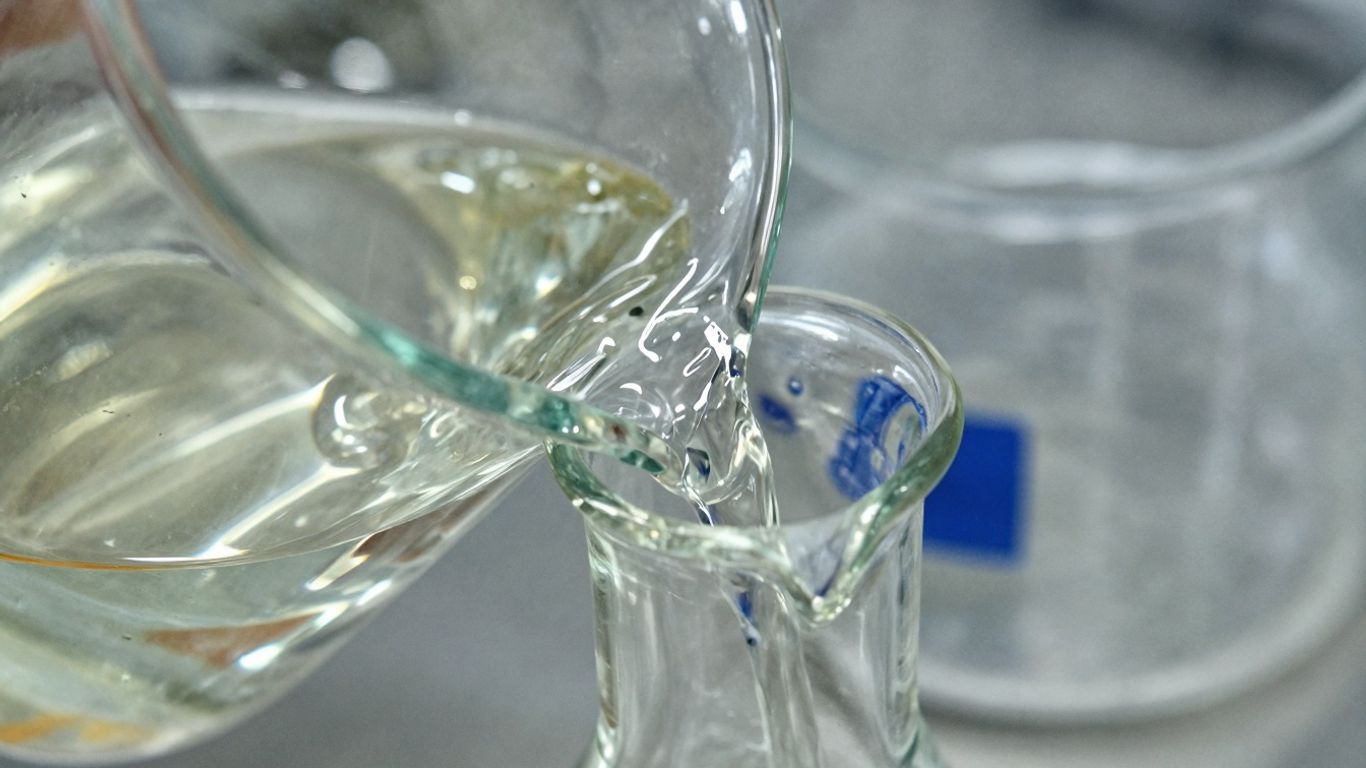
This new method for turning plastic into fuel has some pretty big implications, both for the environment and for industries. Think about it: we’re talking about a way to deal with plastic waste that’s not just efficient but also creates useful stuff.
Reducing Energy Consumption in Plastic Conversion
One of the coolest parts is how much less energy this process needs. Traditional methods often involve high heat and lots of steps, which really eats up power. This new one-step approach works at room temperature, which is a game-changer. Less energy used means a smaller carbon footprint for the whole operation. It’s a big step towards making plastic recycling more sustainable.
Potential for Water Treatment and Beyond
Beyond just making fuel, this technology could have other uses. The hydrochloric acid produced as a byproduct, for instance, can be neutralized and reused in various industrial applications. This means less waste overall and a more circular approach to materials. Imagine if this kind of process could even be adapted for cleaning up contaminated water or other waste streams. It opens up a lot of possibilities for tackling different environmental problems.
A Sustainable Pathway for Plastic Waste Management
Ultimately, this research offers a really promising way to manage plastic waste. Instead of just piling it up in landfills or burning it in ways that create pollution, we can now turn it into valuable resources. This is especially important for plastics that are hard to recycle, like PVC. The ability to convert diverse plastic waste into useful products like gasoline components and chemical raw materials supports a circular economy and moves us away from a linear ‘take-make-dispose’ model. It’s a significant development in how we think about waste and resource management.
What’s Next?
So, this new method from the US and China is pretty neat. It takes mixed plastic waste, which is a huge problem, and turns it into gasoline and other useful stuff in just one step. It works at room temperature and is super efficient, over 95%. This could mean less energy used, fewer steps, and easier scaling up for factories. Plus, the leftover hydrochloric acid can be reused. It’s a big step towards making our plastic waste useful again and moving towards a more circular economy. It’s not a magic bullet for all plastic, but it’s a really promising start for dealing with some of the toughest waste out there.
Frequently Asked Questions
What is this new method for turning plastic into fuel?
Scientists have created a new, super-simple way to turn mixed plastic trash into gasoline. It’s like a magic trick that happens in just one step and works really well, turning over 95% of the plastic into useful fuel components right at room temperature.
How does this method work?
Imagine mixing plastic bits with a special kind of oil called light isoalkanes. When you do this, the plastic breaks down into the main parts of gasoline. It’s a clever chemical reaction that happens quickly and doesn’t need a lot of heat or complicated machines.
Can it handle all kinds of plastic, even the tricky ones like PVC?
Yes! This new method is great because it can handle different types of plastic mixed together, even plastics like PVC that are usually hard to deal with. It even deals with the chlorine in PVC, turning it into helpful hydrochloric acid instead of harmful fumes.
What else can be made from the plastic besides gasoline?
Besides gasoline parts, the process also creates chemical building blocks that are used in many industries. Plus, it makes hydrochloric acid, which can be used for things like cleaning water or making medicines. It’s like getting multiple valuable things from trash!
Why is this method better than older ways of making fuel from plastic?
Older methods often need a lot of heat, special equipment, and multiple steps. This new way is much simpler, uses less energy, and can be done at normal temperatures. This makes it easier and cheaper to use on a large scale to clean up lots of plastic waste.
What does ‘circular economy’ mean in this case?
A circular economy means we try to use things over and over again instead of just throwing them away. This method helps by taking plastic waste, which is usually thrown out, and turning it into new, useful products like fuel and chemicals. It’s like giving trash a new life and reducing pollution.
Read more resources on advanced WtE plants and efficiency gains.




One Comment