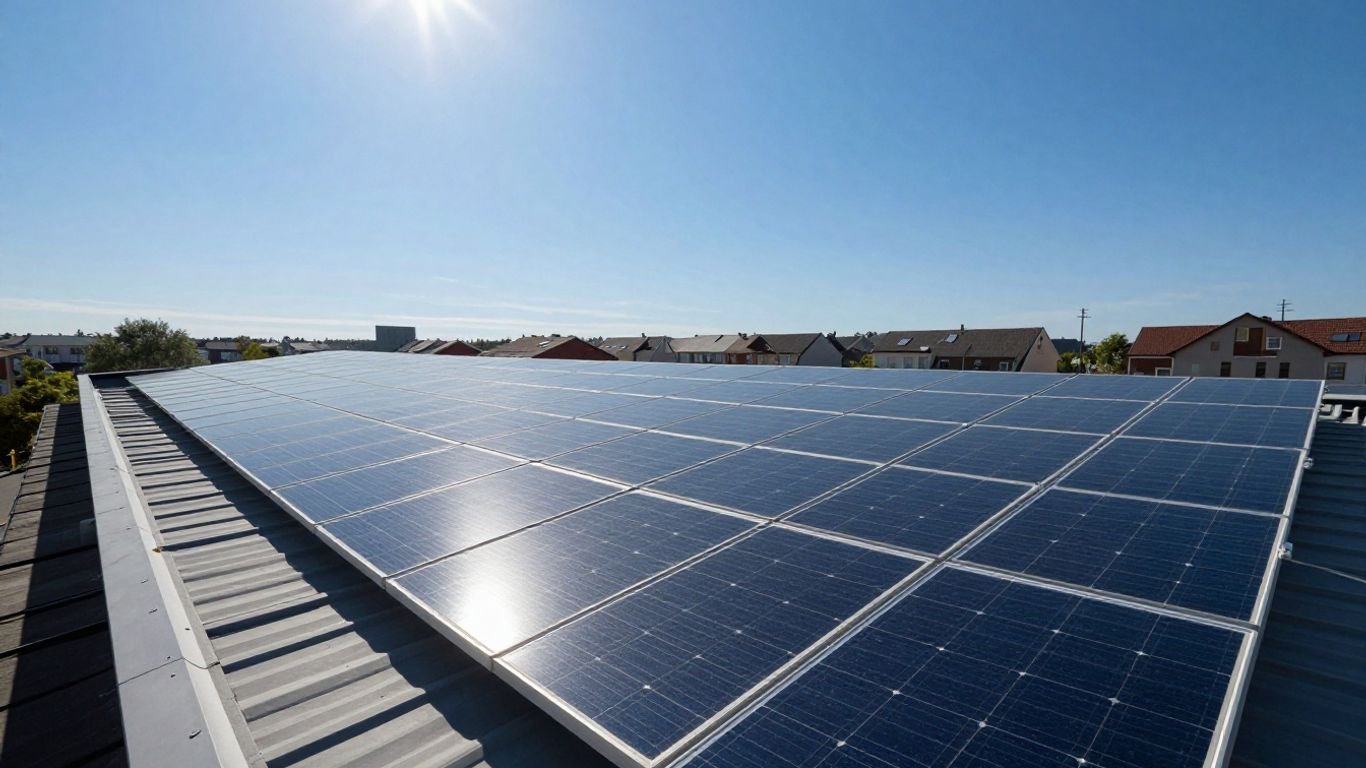
Solar DG (Distributed Generation DG)
So, you’ve probably heard a lot about solar power lately. It’s not just big solar farms anymore. We’re talking about smaller solar setups, called Solar DG, that are popping up closer to where people actually use electricity. Think rooftop panels on houses or businesses. This shift is changing how we get our power, and it’s happening faster than you might think. Let’s break down what Solar DG really means and why it’s becoming such a big deal.
Key Takeaways
- Solar DG involves generating electricity in small amounts right where it’s needed, moving away from big, distant power plants.
- The main technology for Solar DG is solar panels, which have gotten much cheaper, driving their growth.
- Benefits include potentially lower energy costs, a more reliable power grid, and positive environmental impacts.
- Challenges exist, like how utilities manage these systems and ensuring customers pay their fair share for grid upkeep.
- Solar DG is becoming more competitive, with policies and technology playing big roles in its future use.
Understanding Solar DG
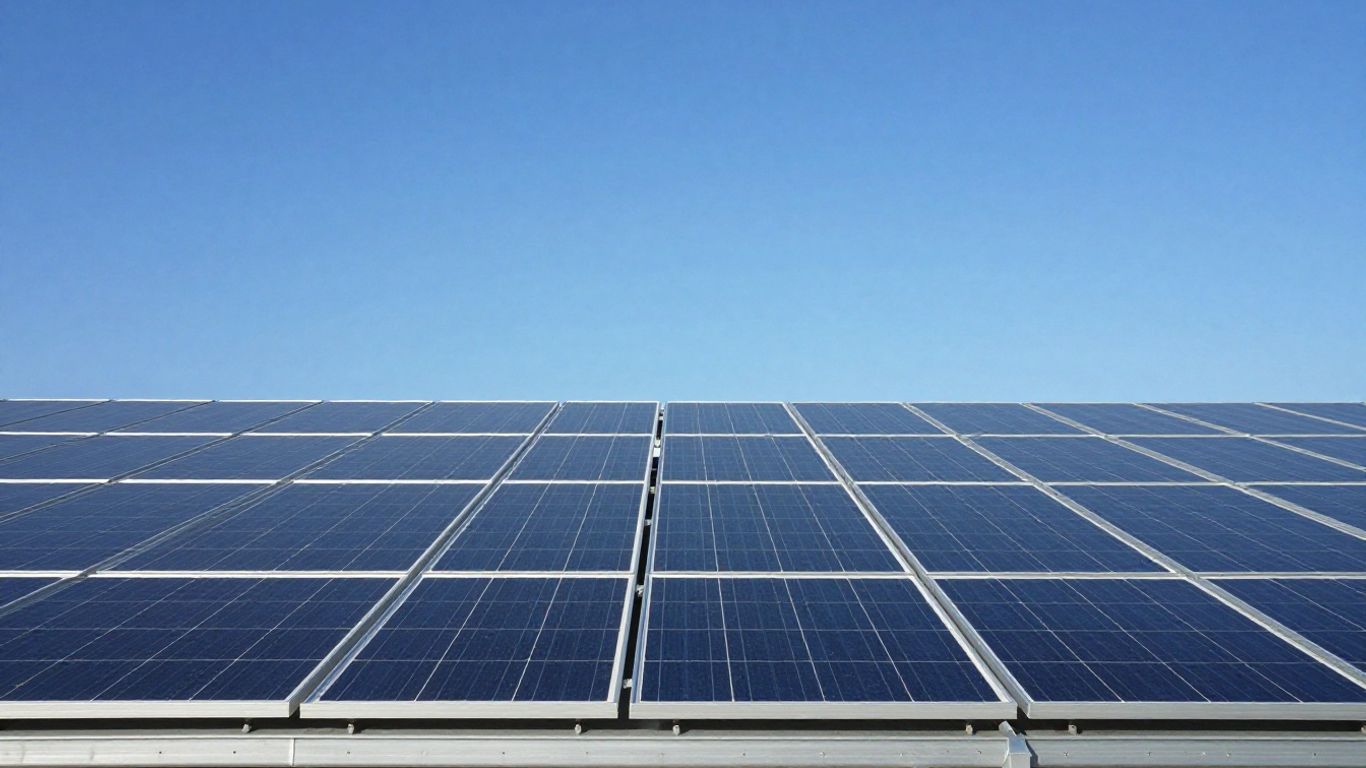
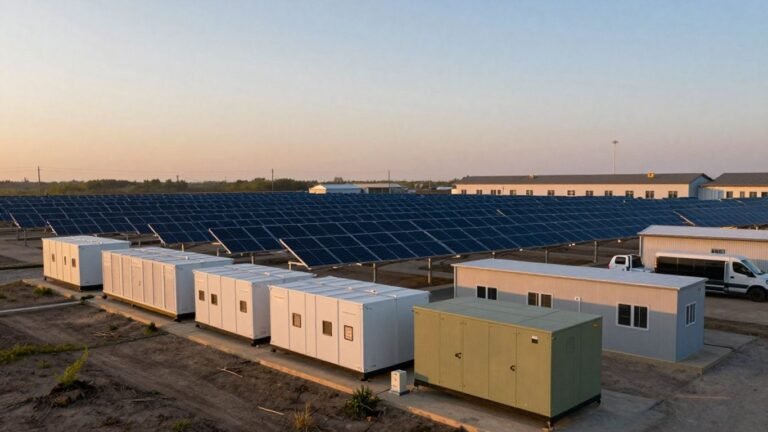
Solar Distributed Generation, or Solar DG, is changing how we think about electricity. Instead of one big power plant sending electricity over long distances, DG means generating power in smaller amounts, much closer to where people actually use it. Think of it like having a bunch of mini power sources spread out, and a big chunk of these are now solar panels.
What is Solar DG?
At its core, Solar DG is about producing electricity locally. This is a big shift from the old model where a few massive power stations did all the work. With DG, we’re seeing more and more smaller-scale systems popping up, often on rooftops or in community spaces. The main idea is to generate power right where it’s needed, or very nearby. This approach is becoming more popular for a few key reasons, like the falling cost of solar technology and various incentives that make it easier for homes and businesses to adopt.
Key Technologies in Solar DG
Solar panels, or photovoltaic (PV) systems, are the stars of the show here. But DG isn’t just about PV. It often involves a mix of technologies working together. Here are some of the main players:
- Photovoltaic (PV) Systems: These are the solar panels that convert sunlight directly into electricity.
- Battery Storage: Batteries are becoming increasingly important. They store excess solar energy generated during the day for use at night or during cloudy periods. This helps smooth out the power supply.
- Inverters: These devices convert the direct current (DC) electricity produced by solar panels into the alternating current (AC) electricity that most homes and appliances use.
- Smart Controls: Advanced systems use software to manage when energy is generated, stored, and used, optimizing performance and grid interaction.
The Growth Drivers of Solar DG
So, why is Solar DG taking off like it is? Several factors are pushing this trend forward:
- Falling Costs: The price of solar panels has dropped significantly over the years, making solar power more affordable than ever.
- Environmental Concerns: People are more aware of climate change and want cleaner energy options. Solar DG offers a way to reduce reliance on fossil fuels.
- Grid Modernization: The existing power grid is aging, and sometimes struggles with capacity. DG can help ease the strain on transmission lines and reduce energy loss.
- Policy and Incentives: Government policies, tax credits, and utility programs often encourage the adoption of solar and other renewable energy sources.
The shift towards distributed generation, especially solar, is reshaping the energy landscape. It’s not just about generating power; it’s about doing it more efficiently, cleanly, and closer to the consumer. This decentralization brings both opportunities and new questions about how our energy systems will work in the future.
This move towards local power generation is a significant change, and understanding the technologies and reasons behind it is the first step to grasping its full impact.
Benefits of Solar DG Integration
So, why are we seeing so much solar power popping up on rooftops and in fields? It’s not just about saving the planet, though that’s a big part of it. There are some really practical advantages to having electricity generated right where we use it, and these are often called the benefits of distributed solar.
Reduced Generation and Transmission Costs
Think about it: the further electricity has to travel from a big power plant to your house, the more energy gets lost along the way. Solar DG cuts down on that energy loss because the power is made nearby. This means less electricity needs to be generated overall to meet demand. Plus, we don’t need to build as many massive, expensive transmission lines and substations. It’s like cutting out the middleman – more efficient and cheaper.
Enhanced Grid Reliability and Resilience
When you have lots of smaller solar power sources spread out, the whole electricity system becomes more stable. If one big power plant goes offline, it can cause widespread blackouts. But with solar DG, if one system has an issue, it doesn’t usually affect a large area. These systems can even help keep the lights on during grid disturbances, especially when paired with battery storage. They can help manage voltage and frequency fluctuations, making the grid less prone to problems.
Environmental Advantages of Solar DG
This one’s pretty straightforward. Solar power doesn’t burn fossil fuels, so it doesn’t produce greenhouse gases or air pollution. By using solar DG, we’re directly reducing our carbon footprint. It’s a clean way to get the electricity we need, contributing to better air quality and a healthier environment for everyone. It’s a win-win for our energy needs and the planet.
Here’s a quick look at some key advantages:
- Less energy wasted during transmission.
- Reduced need for new, large power plants.
- Lower infrastructure costs for the grid.
- Cleaner air and a healthier environment.
- Improved stability of the local electricity supply.
The shift towards distributed solar generation means electricity is produced closer to where it’s consumed. This not only cuts down on energy lost in transit but also lessens the burden on the main power grid, potentially lowering costs and improving local power stability.
Challenges and Considerations for Solar DG
So, while solar distributed generation sounds pretty great, it’s not all sunshine and rainbows. There are definitely some bumps in the road that utilities and customers need to think about. It’s a bit like trying to add a new room to your house – exciting, but you’ve got to figure out plumbing, electricity, and if the foundation can even handle it.
Operational Hurdles for Utilities
Utilities are used to a predictable flow of power from big, central plants. Solar DG throws a wrench in that. When you have lots of small solar systems popping up, especially ones that only work when the sun is shining, it makes managing the grid a lot trickier. The power supply can become unpredictable, and sometimes it even flows backward from where it’s supposed to be going. This can mess with voltage and frequency levels, and utilities have to work harder to keep everything stable.
- Grid Stability: Keeping voltage and frequency within safe limits becomes more complex with variable solar input.
- Forecasting: Predicting how much power will be generated by thousands of small, intermittent sources is a real headache.
- Infrastructure Upgrades: Existing grid equipment might not be designed to handle the two-way flow of electricity that DG creates.
The grid was built for a one-way street, with power flowing from large plants to homes. Solar DG introduces a two-way street, and utilities need to adapt their systems and operations to manage this new dynamic effectively.
Economic Implications for Customers
For customers, the economics can be a mixed bag too. While installing solar panels can save money on electricity bills over time, there’s the upfront cost, which can be pretty significant. Plus, there’s a debate about whether everyone with solar DG is paying their fair share for the grid infrastructure that still supports them, even when they’re not drawing much power. Utilities worry that if only a few people benefit from solar while everyone else pays for the grid, it’s not a fair system.
- Upfront Investment: The initial cost of solar panels and installation can be a barrier.
- Fair Cost Allocation: Determining how to charge customers for grid services when they generate their own power is a complex issue.
- Net Metering Policies: Changes in how utilities credit customers for excess solar power can impact savings.
Cybersecurity Vulnerabilities in Solar DG
This is a newer concern, but a really important one. Many solar inverters and control systems are connected to the internet. While this allows for remote monitoring and management, it also opens the door for hackers. Imagine if someone could remotely shut down thousands of solar systems at once – that would be a huge problem. Utilities and manufacturers are increasingly focused on making these systems secure to prevent such attacks.
- Remote Hacking: Malicious actors could potentially disable connected solar systems.
- Single Vendor Risks: If a vulnerability exists in a popular brand of inverter, it could affect many installations simultaneously.
- Data Privacy: Protecting the energy usage data collected by these systems is also a consideration.
The Evolving Landscape of Solar DG
The world of solar distributed generation (DG) is changing fast. It’s not just about putting panels on roofs anymore. We’re seeing new technologies and market forces really shake things up, making solar DG a bigger player in how we get our electricity.
Grid Parity and Market Competitiveness
One of the biggest shifts is that solar power is getting cheaper. Grid parity, which is when solar electricity costs the same or less than what you pay your utility, is becoming a reality in more places. This means solar DG doesn’t need as much help from government programs to be a good deal for people and businesses. As prices keep dropping and technology gets better, solar DG is becoming a really competitive option, even against traditional power sources.
Here’s a look at how the cost of solar has changed:
| Year | Average Cost per Watt (USD) |
|---|---|
| 2010 | $4.00 |
| 2015 | $2.50 |
| 2020 | $1.20 |
| 2025 | $0.80 |
Policy and Regulatory Frameworks
Governments and utility companies are still figuring out the best rules for solar DG. Things like how DG systems connect to the grid and how customers are billed are being updated. New policies are trying to make sure everyone pays their fair share for grid services, while also encouraging more clean energy. It’s a balancing act, for sure.
Key areas of policy focus include:
- Interconnection standards (how DG connects to the grid)
- Net metering and billing arrangements
- Grid modernization investments
- Cybersecurity requirements for connected devices
The Role of Solar DG in Modern Grids
Solar DG is becoming more than just an add-on; it’s becoming a key part of how we manage electricity. It helps make the grid more reliable, especially when combined with battery storage. Think of it as a network of smaller power sources working together. This decentralization can make the whole system stronger and less prone to big outages.
The move towards more distributed solar generation means the grid needs to be smarter and more flexible. It’s about managing power flow from many different points, not just a few big power plants. This shift is changing how utilities operate and how we think about energy infrastructure for the future.
As more solar DG comes online, we’re also seeing new challenges, like making sure the grid can handle power flowing in both directions and keeping these connected systems secure from cyber threats. It’s an exciting, but complex, time for energy.
Implementing Solar DG Solutions
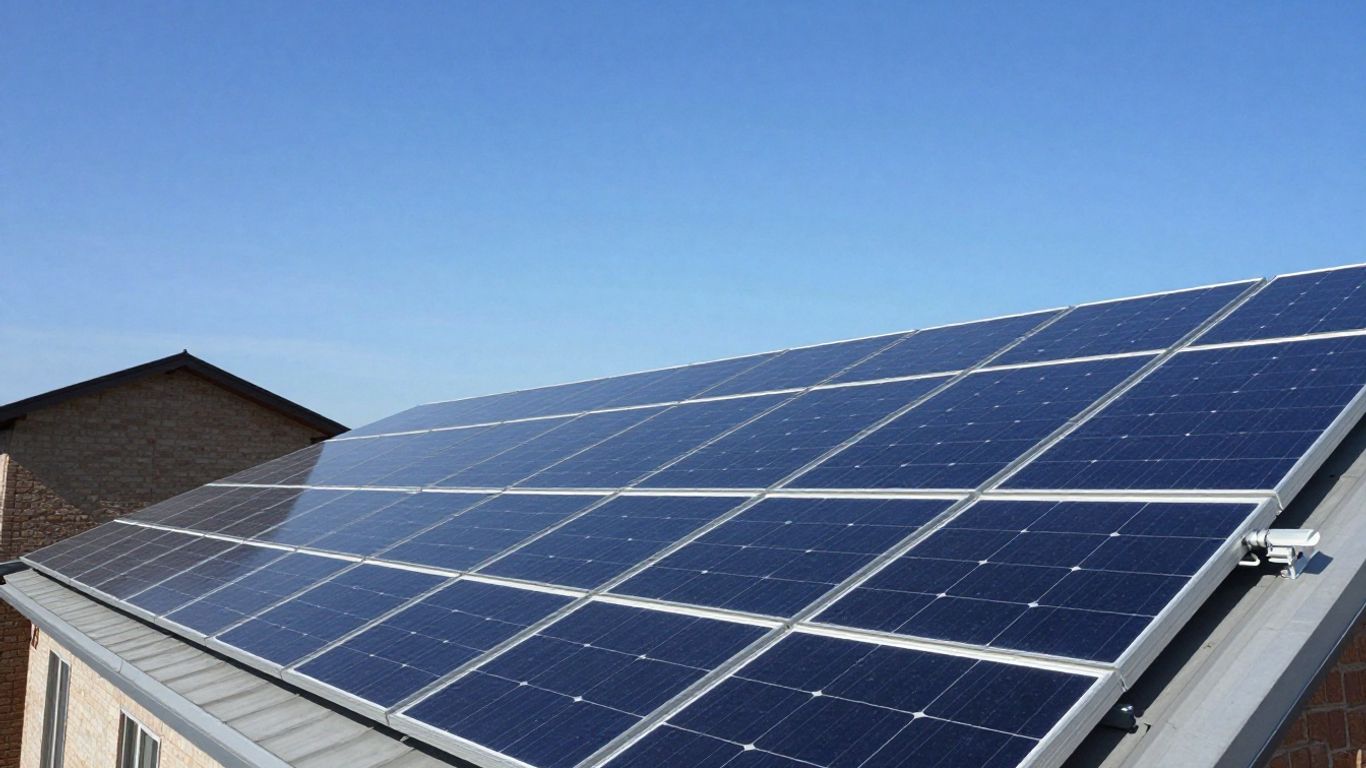
So, you’re thinking about getting solar power for your place? It’s not just about slapping panels on the roof anymore. We’re talking about distributed solar power systems that can really change how we get our electricity. These aren’t your grandma’s power plants; these are on-site renewable energy solutions designed to work right where you need them.
Residential Solar DG Systems
For homeowners, this often means rooftop solar. It’s a pretty straightforward way to generate your own power. You get panels, an inverter to change the DC power from the sun into AC power for your home, and maybe a battery to store extra energy. The biggest win here is cutting down your electricity bill. Plus, you’re using clean energy. It’s a big step towards energy independence. Think of it as your own mini power station, contributing to decentralized solar energy generation.
Commercial and Industrial Solar DG
Businesses can go big with solar too. We’re talking larger arrays on factory roofs or even ground-mounted systems. These systems can significantly reduce operating costs for companies. Imagine a factory running its machinery on sunshine – that’s a huge saving and a great environmental statement. These setups can even feed excess power back to the grid, sometimes earning credits. It’s all about making the most of available space and sunlight for solar power for local grids.
Community Solar Projects
Not everyone can put panels on their own roof, right? That’s where community solar comes in. These are larger solar farms where multiple people can buy a share or subscribe to the power generated. You get the benefits of solar energy without needing to own or install anything yourself. It’s a fantastic way to make solar accessible to more people, including renters or those whose homes aren’t suitable for panels. These projects often help stabilize local power supplies and can be a real boost for the community’s energy goals. It’s a collaborative approach to clean energy.
Implementing these systems involves a few key steps. First, you need an assessment of your energy needs and site suitability. Then comes the design and equipment selection, followed by installation and interconnection with the utility grid. Finally, ongoing monitoring and maintenance are important to keep things running smoothly.
Here’s a quick look at what goes into different types of systems:
| System Type | Typical Scale | Key Components | Primary Benefit |
|---|---|---|---|
| Residential Rooftop | 3-15 kW | Solar Panels, Inverter, Mounting Hardware | Reduced Electricity Bills |
| Commercial/Industrial | 50 kW – 1 MW+ | Solar Panels, Inverters, Racking, Optional Storage | Lower Operating Costs, Sustainability |
| Community Solar | 1 MW+ | Large Solar Array, Inverters, Grid Connection | Shared Energy Savings, Accessibility |
Wrapping Up Solar Power at Home
So, we’ve talked a lot about how solar power, especially the kind you put on your own roof, is becoming a bigger deal. It’s not just for big power companies anymore. Prices have dropped, and there are more reasons than ever to consider it, whether it’s for your house or a business. While it’s not always a simple switch, and there are still things to figure out about how it all works with the main power grid, it’s clear that solar is here to stay. It’s a big part of how we’re moving towards cleaner energy, and it’s something more and more people are looking into for their own power needs.
Frequently Asked Questions
What exactly is solar distributed generation (DG)?
Solar distributed generation, or DG, is like having mini power plants that create electricity right where it’s needed, instead of one giant plant far away. Think of solar panels on a house roof or a business building. These smaller setups help power things locally.
What are the main technologies used in solar DG?
The most common technology is photovoltaic (PV) panels, which use solar cells to turn sunlight directly into electricity. These panels are put together to form larger solar arrays. While most use silicon, other types exist too, and they’re getting better at converting sunlight and becoming cheaper.
Why is solar DG becoming so popular?
A big reason is that solar panels have gotten much cheaper. Also, many places offer money back or tax breaks for installing solar, and some areas have rules that require a certain amount of energy to come from clean sources like solar. People want to save money and help the environment.
What are the biggest advantages of using solar DG?
Solar DG can lower the costs of generating and sending electricity because it’s made closer to where it’s used. It also makes the power system more dependable and able to bounce back from problems. Plus, it’s much better for the environment than burning fossil fuels.
Are there any downsides or challenges with solar DG?
Yes, there can be. Utilities might face challenges managing the power flow when many small solar systems are connected. Customers might worry about the initial cost, and there are also concerns about keeping these systems secure from cyber threats. It’s important that everyone using the grid helps pay for its upkeep.
What does ‘grid parity’ mean for solar power?
Grid parity is the point where the cost of making electricity with solar power is the same as or even cheaper than buying it from the regular power company. When solar reaches grid parity, it can become a major energy source without needing government help or special discounts.