Microgrids to the Rescue: Powering Disaster Relief
When disaster strikes, the lights going out is often just the beginning of the problems. Imagine trying to coordinate rescue efforts, keep hospitals running, or even just let loved ones know you’re okay when the power grid is down. It’s a tough situation, and traditional power sources just can’t keep up. That’s where a mobile microgrid for disaster response comes in, offering a flexible and clean way to bring power back when it’s needed most.
Key Takeaways
- Mobile microgrids provide essential power for critical services like communication and medical care during emergencies when the main power grid fails.
- Using renewable energy sources in microgrids helps reduce reliance on fossil fuels, which can be disrupted during disasters and contribute to climate change.
- These portable power solutions can be quickly deployed to areas affected by storms, fires, or floods, offering a reliable alternative to traditional infrastructure.
- Real-world examples show how solar microgrid trailers are already being used to support communities during heat waves and after hurricanes.
- The future of disaster response includes more advanced, integrated, and community-focused mobile microgrid technology.
The Critical Need for Mobile Microgrids in Disaster Response
When disaster strikes, the first thing many people worry about is power. It’s easy to take electricity for granted until it’s gone. But in emergencies, losing power isn’t just an inconvenience; it can be downright dangerous. Think about it: no lights, no refrigeration for medicine, and worst of all, no way to communicate with loved ones or emergency services. The backbone of any effective disaster response relies heavily on a stable and accessible power supply.
Powering Essential Services During Emergencies
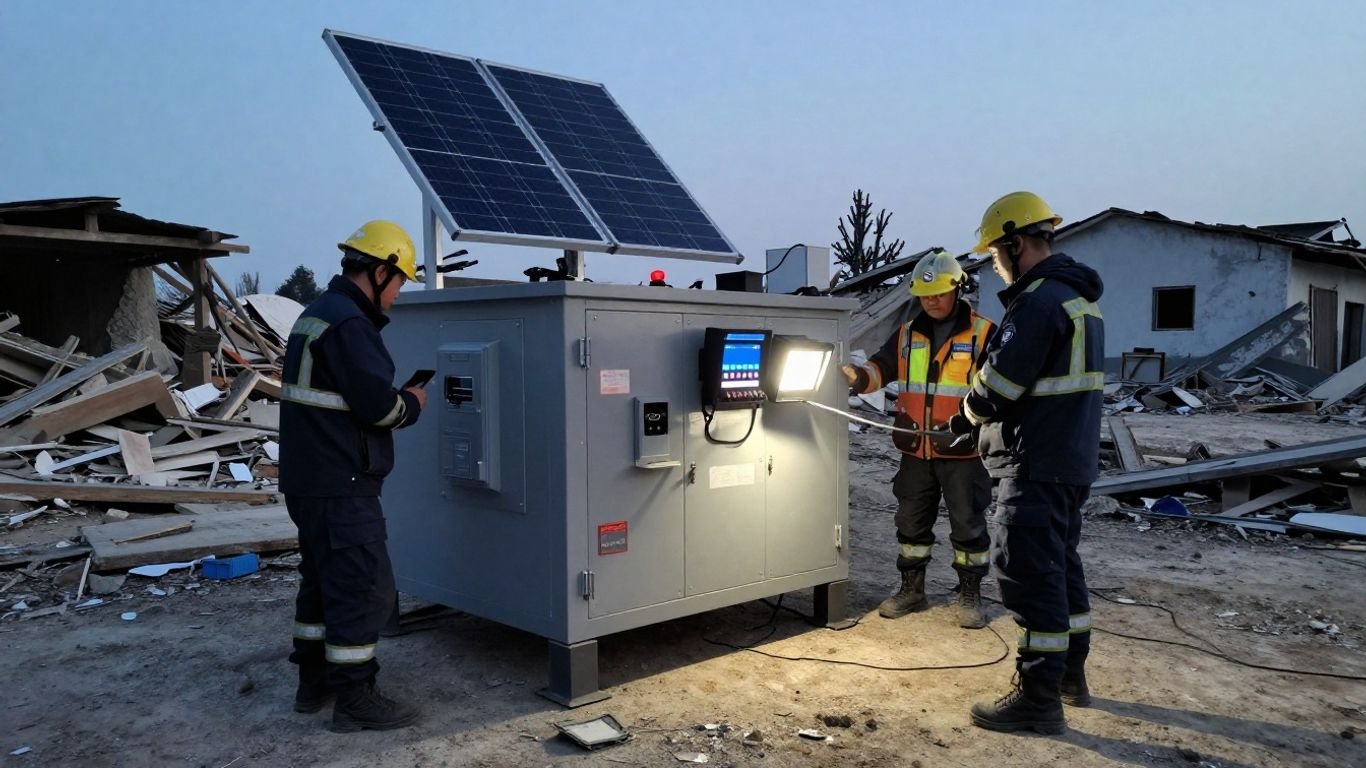
During a crisis, certain services become absolutely vital. Hospitals need to keep their equipment running, shelters need lights and heating or cooling, and communication centers have to stay online so people can get help. Traditional power grids, however, are often the first to fail when severe weather hits or infrastructure is damaged. This leaves communities in the dark, literally and figuratively, when they need power the most. Mobile microgrids offer a way around this problem. They can be set up quickly where they’re needed, providing a reliable power source for these critical functions.
The Impact of Grid Failure on Rescue Operations
Imagine first responders trying to coordinate a rescue effort without cell service or reliable radios. That’s the reality when the grid goes down. Communication breakdowns can slow down response times, make it harder to locate people in need, and generally create more chaos. Beyond communication, the lack of power affects everything from operating emergency medical equipment in temporary clinics to powering pumps that might be needed to manage flooding. It really highlights how dependent we are on electricity for even the most basic safety and rescue tasks. This is where solutions like mobile power generation can make a real difference.
Limitations of Traditional Power Infrastructure
Our current power systems are pretty centralized. This means if one major part of the grid fails, it can cause widespread outages. They’re also not designed to be easily moved or set up in a new location. When a disaster hits a specific area, bringing in traditional power solutions can be slow and complicated. They often rely on fossil fuels, which can be hard to transport and store in a disaster zone, and they can be noisy and polluting. This is why looking at more flexible and sustainable options is becoming so important for disaster preparedness. Microgrids, especially those that can be deployed quickly, offer a more resilient approach to keeping the lights on when we need them most. They can even operate independently from the main grid, a concept known as "islanding".
Mobile Microgrids: A Sustainable Solution for Disaster Relief
When disaster strikes, the usual power grid often goes down. This is where mobile microgrids really shine. They offer a way to get power where it’s needed, fast, without relying on the old, fragile systems. These aren’t just temporary fixes; they’re a step towards building more resilient energy infrastructure for disasters.
Think about it: traditional generators run on diesel, which can be hard to get to a disaster zone and pollutes the air. Mobile microgrids, especially those using solar power, cut down on that reliance. They tap into renewable energy, which is a big win for the environment, especially when we’re already dealing with the fallout from climate-related events. It’s about providing off-grid power for humanitarian aid in a cleaner way.
Reducing Reliance on Fossil Fuels in Crisis
During emergencies, getting fuel to generators can be a huge logistical headache. Mobile microgrids powered by solar and battery storage bypass this problem. They generate their own power on-site, meaning fewer trucks on the road and less pollution in areas that are already struggling.
Environmental Benefits of Renewable Energy Deployment
Using solar panels and batteries means we’re not burning fossil fuels when people are most vulnerable. This is a significant environmental benefit. It helps keep the air cleaner and reduces the carbon footprint of relief efforts. It’s a move towards more sustainable disaster response strategies.
Breaking the Cycle of Climate-Exacerbated Disasters
Many disasters today are made worse by climate change. By using clean energy solutions like mobile microgrids, we’re not contributing to the problem. Instead, we’re building systems that can withstand extreme weather and help communities recover faster. This approach helps break the cycle, making disaster relief power systems more effective in the long run. For example, systems like the SEL powerMAX are designed for these kinds of challenging applications remote locations.
Mobile microgrids offer a flexible and clean alternative to traditional power sources during emergencies. Their ability to deploy quickly and operate independently makes them invaluable for keeping critical services running when the main grid fails.
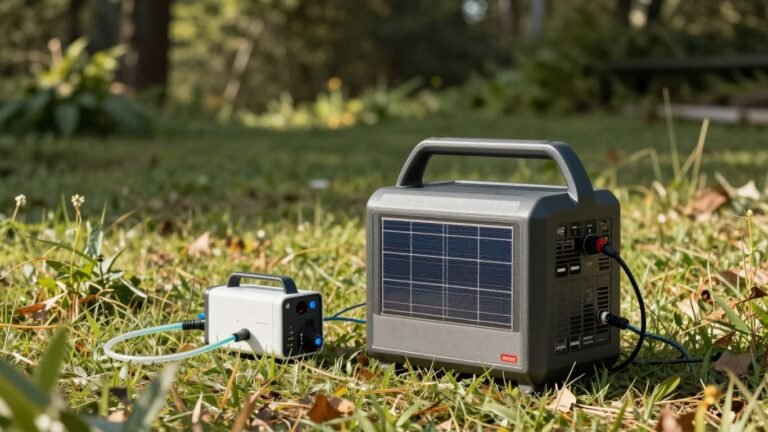
Here’s a quick look at how they work:
- Solar Panels: Capture sunlight and convert it into electricity.
- Battery Storage: Store excess energy for use when the sun isn’t shining.
- Inverters: Convert stored DC power into usable AC power for devices.
- Generators (Optional Backup): Some systems may include a small generator for extended periods without sun, though the goal is to minimize their use.
This setup means reliable power for communication, medical equipment, and general utilities, even in the most remote or damaged areas. It’s a smart way to provide critical power for disaster relief and build stronger communities.
Key Applications of Mobile Microgrids for Disaster Response
When disaster strikes, keeping things running is the top priority. Mobile microgrids are like portable power stations that can be moved right where they’re needed. They’re not just for big, fancy operations; they help with a lot of the day-to-day stuff that becomes a huge problem when the main power goes out.
Ensuring Reliable Communication Channels
Communication is king during a crisis. Without it, coordinating rescue efforts becomes a mess. Mobile microgrids can power up cell phone charging stations, Wi-Fi hotspots, and even two-way radios for first responders. This keeps everyone connected and makes sure help gets where it needs to go faster. It means families can check in on each other and relief workers can stay in touch with their teams. Think about how much easier it is to manage things when you can actually talk to people.
Supporting Critical Medical Services
Field hospitals and emergency shelters pop up fast after a disaster, and they need power to function. Mobile microgrids can keep the lights on for medical staff and power vital equipment. This includes things like refrigerators for medicines and vaccines, ventilators, and diagnostic tools. Having a steady power source means doctors and nurses can keep treating patients without worrying about their equipment shutting down. It’s a pretty big deal when lives are on the line.
Enhancing General Utility Needs
Beyond communication and medical needs, mobile microgrids can handle a lot of other basic utilities that make a huge difference. They can power refrigeration for food supplies, provide lighting for safety and security in shelters, and charge personal electronics for evacuees. This helps maintain a sense of normalcy and comfort for people who have lost everything. It’s about meeting those immediate, practical needs that can be overlooked but are so important for well-being. These systems are really versatile, and you can find some great examples of mobile battery energy storage systems that are already doing this work. See mobile energy storage systems.
Mobile microgrids are proving to be a game-changer in disaster response. They offer a flexible and reliable way to power up critical services when the traditional grid fails. Their ability to be deployed quickly and provide clean energy makes them an indispensable tool for relief efforts.
Here’s a quick look at what they can power:
- Communication: Cell phones, Wi-Fi, radios
- Medical: Refrigeration for meds, lighting, life-support equipment
- General Needs: Food refrigeration, shelter lighting, device charging
These systems are also being used in places like Georgia to help with emergency power needs, showing their real-world impact. Learn about emergency power networks.
Real-World Deployments of Mobile Microgrids
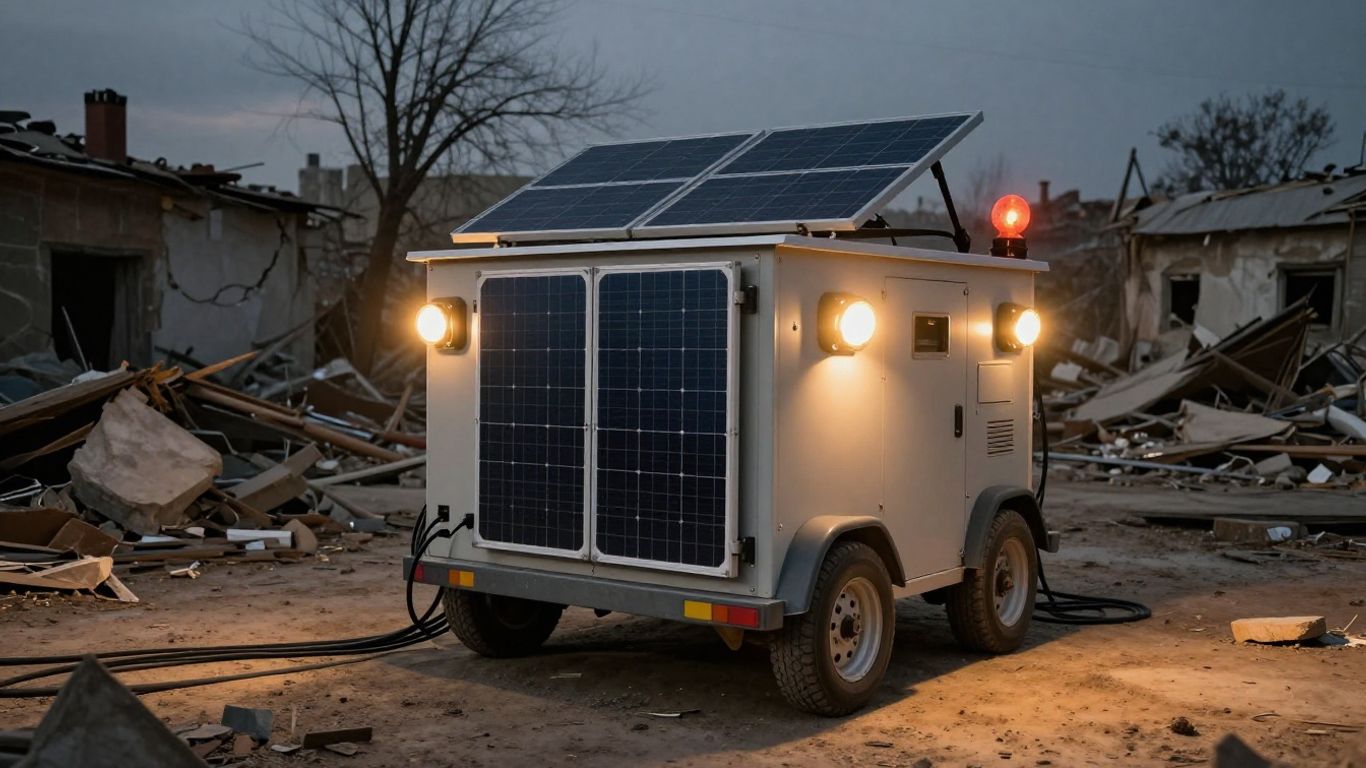
It’s one thing to talk about mobile microgrids in theory, but seeing them in action is where the real story unfolds. We’ve seen some pretty impressive examples of these systems stepping up when they’re needed most.
Case Study: Georgia’s Emergency Power Network
Georgia has been putting a network of solar microgrid trailers to work, and it’s making a real difference, especially with those intense heat waves and hurricanes they deal with. These trailers are basically self-contained power units with solar panels, batteries for storage, and the gear to turn that solar power into electricity. When the main grid goes down, these trailers can kick in.
It wasn’t just one group either; it was a real team effort. Companies like Cherry Street Energy donated the solar panels, and The Footprint Project put the trailers together and managed their deployment. The United Methodist Church’s North Georgia Conference helped make sure the trailers could actually be used when disaster struck. It just goes to show what can happen when different groups work together on something important. These trailers have been used to power cooling centers during heat waves, keeping people safe and medical supplies cold. After hurricanes, they’ve kept communication lines open for first responders.
These mobile units aren’t just for immediate relief; they’re building a stronger foundation for communities to handle future events.
Lessons from Hurricane Ida Aftermath
Remember Hurricane Ida? It hit Louisiana hard, and power outages lasted for months in some areas. During that time, one of these solar microgrid trailers actually powered a community center for a solid six months. That’s a long time to be providing reliable power when nothing else was working. It really highlights how dependable these systems can be, even under extreme, prolonged stress. It’s a practical demonstration of how renewable energy can keep critical community hubs running.
Community Resilience Through Solar Microgrid Trailers
Beyond just powering things, these trailers are also about building up communities. They’re being used in educational programs to show people how clean energy works and how it can help during emergencies. Getting people familiar with these systems beforehand means they’ll know what to do when a real disaster hits. It builds confidence and a sense of preparedness.
Here’s a quick look at what they can do:
- Keep communication devices charged (phones, radios).
- Power medical equipment in temporary clinics.
- Provide lighting and refrigeration for shelters.
- Offer charging stations for personal electronics, so people can contact loved ones.
These trailers are more than just power sources; they’re tools for building stronger, more self-sufficient communities ready to face whatever comes their way. You can find out more about similar mobile energy solutions by looking into mobile battery energy storage systems.
It’s pretty amazing to see how these mobile microgrids are already making a difference. They’re proving their worth in real situations, showing us a path toward more resilient power for everyone, especially when it’s needed most. For more on how microgrids are being implemented in real-world scenarios, check out examples of microgrid resilience.
Advantages of Mobile Microgrids for Emergency Power
When disaster strikes, getting power back online quickly is a huge deal. That’s where mobile microgrids really shine. They’re not stuck in one place like a traditional power plant. Their biggest win is being able to get to where they’re needed, fast. Think about it: a hurricane hits, and the main grid is down for miles. Instead of waiting days or weeks, a mobile microgrid can be trucked in and set up in hours.
Mobility and Rapid Deployment Capabilities
This is the game-changer. These aren’t clunky, permanent setups. They’re designed to be moved. We’re talking about units that can be transported by truck, trailer, or even sometimes by air. This means they can reach remote areas that might be cut off by damaged roads or bridges. They’re like a power ambulance, arriving on the scene to provide immediate relief. This rapid deployment is key for getting critical services up and running when every minute counts. It’s a big step up from traditional, slow-to-recover infrastructure.
Scalability to Meet Fluctuating Energy Demands
Disaster needs aren’t static, right? One minute you need power for a few lights and radios, the next you need to run a field hospital or a cooling center. Mobile microgrids can handle this. You can link multiple units together or add more solar panels and batteries as the situation evolves. This flexibility means you’re not stuck with too little power or paying for way more than you need. It’s about matching the power supply to the actual demand on the ground, which can change by the hour.
Here’s a quick look at how they adapt:
- Small Scale: Powering a communication hub or a small shelter.
- Medium Scale: Supporting a temporary medical clinic or a community charging station.
- Large Scale: Providing significant power for multiple critical facilities.
Noise Reduction and Improved Community Well-being
Let’s face it, those old diesel generators are loud. They make a terrible racket, especially when you’re trying to set up temporary shelters or medical facilities. Mobile microgrids, especially those using solar and battery storage, are much quieter. This makes a huge difference for people who have already been through a traumatic event. A quieter environment helps reduce stress and makes it easier for people to rest and recover. It’s a small detail, but it really impacts the quality of life for those affected. It’s one of the many reasons why these are becoming such important portable power solutions for emergencies.
The ability to quickly deploy adaptable and quiet power sources directly addresses the immediate, often chaotic, needs following a disaster. This localized energy generation provides a reliable alternative when the main grid is compromised, supporting everything from communication to basic comfort for affected populations.
The Future of Mobile Microgrids in Disaster Management
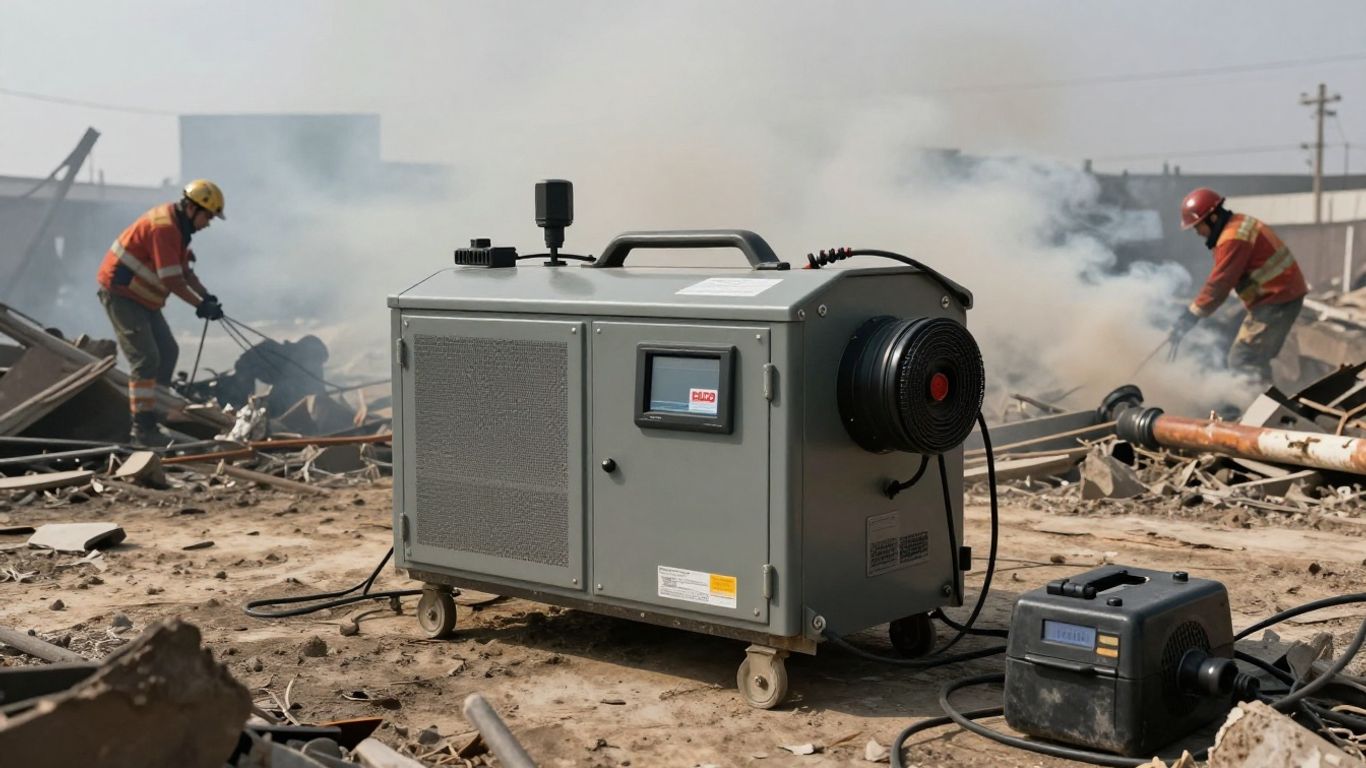
Innovations in Solar Panel and Battery Technology
The next wave of mobile microgrids is looking pretty exciting, mostly thanks to steady improvements in solar panel and battery tech. We’re seeing solar panels get more efficient, meaning they can grab more power even when the sun isn’t exactly blazing. This is a big deal for disaster zones where you might have cloudy days or extended periods without direct sun. Think about it: more power from the same footprint.
And the batteries? They’re getting better too. We’re talking about batteries that can hold more juice and last longer. This means a more consistent power supply for things like medical equipment or keeping communication lines open for days on end, not just hours. It’s all about making these systems more robust and reliable when they’re needed most. These advancements are key to making sure mobile microgrids can handle longer deployments and more demanding situations.
Integration with Smart Grid Infrastructure
Looking ahead, mobile microgrids are going to get a lot smarter. The idea is to link them up with the main power grid, but in a way that’s really flexible. This means they can talk to the grid, share information, and adjust their output automatically. Imagine a system that knows when the main grid is struggling and can step in smoothly, or when to send excess power back to the grid. This kind of integration makes the whole energy system more resilient. It’s not just about having a backup; it’s about having a backup that works intelligently with everything else. This allows for real-time monitoring and adaptive energy distribution, optimizing resource allocation during emergencies. This is a big step towards a more connected and responsive energy landscape, especially when dealing with unpredictable events. Learn more about how microgrids are transforming energy here.
Driving Community Engagement Through Education
Beyond the technology itself, there’s a growing focus on getting communities involved. Mobile microgrids, especially those using solar, can be fantastic educational tools. Think of portable solar trailers that communities can use to learn about renewable energy firsthand. This hands-on experience helps people understand how these systems work and builds confidence in their ability to manage power during emergencies.
- Workshops and Demonstrations: Setting up temporary power stations in public areas to show how they function.
- School Programs: Integrating lessons on renewable energy and disaster preparedness using microgrid examples.
- Community Planning Sessions: Involving residents in discussions about where and how mobile microgrids could best serve their neighborhoods.
Getting people familiar with these systems before a disaster strikes is just as important as the technology itself. It builds a sense of preparedness and self-reliance.
This educational push is vital for long-term adoption and resilience. When people understand and trust the technology, they’re more likely to support its deployment and maintenance. It’s about building not just power infrastructure, but also community capacity. Discover the latest trends in microgrid technology, including AI-driven controls and advanced energy storage solutions here.
The Takeaway: Powering Through the Storm
So, when the next big storm hits or the grid goes down, we know that microgrids, especially those running on clean energy, are becoming a real game-changer. They’re not just about keeping the lights on during an emergency; they’re about making sure communication lines stay open, hospitals can keep running, and people can stay connected. It’s pretty clear that relying on old ways, like noisy, polluting diesel generators, just isn’t cutting it anymore. Moving towards solar-powered solutions means we can respond to disasters without making climate change worse, and honestly, it just makes life a lot less stressful for everyone involved. These systems are proving their worth, helping communities bounce back faster and building a more reliable power future for all of us.
Frequently Asked Questions
What exactly is a microgrid, and why is it helpful during a disaster?
Think of a microgrid as a smaller, independent power system. It can generate its own electricity, often using clean sources like the sun, and store it. This is super helpful when big power lines go down after a storm or other disaster because the microgrid can keep essential things running, like lights, communication, and medical equipment, without needing the main power grid.
How do mobile microgrids help rescue efforts?
Mobile microgrids are like portable power stations. They can be quickly moved to where they’re needed most after a disaster. This means they can power up communication devices so rescue teams can talk to each other, keep hospitals running with electricity for machines and medicine, and provide light and power for shelters, making rescue operations much smoother and safer.
Are mobile microgrids better for the environment than old generators?
Yes, they often are! Many mobile microgrids use solar power, which is clean energy and doesn’t create pollution like old gas or diesel generators do. Using clean energy helps reduce the harmful stuff that causes climate change, which in turn can lead to fewer extreme weather events in the future. Plus, they’re much quieter!
Can you give an example of where mobile microgrids have been used?
Absolutely! In Georgia, they’ve set up a network of solar-powered microgrid trailers that have been used to help communities during heat waves and after hurricanes. After Hurricane Ida, one of these trailers even powered a community center for six months, showing how reliable they can be.
What makes mobile microgrids so good for emergencies compared to regular power sources?
The biggest advantages are that they can be moved easily and set up fast. They can also be adjusted to provide more or less power depending on what’s needed at the time. Because they don’t rely on big, easily damaged power lines, they offer a more dependable source of electricity when it matters most.
What’s next for mobile microgrids in helping people during disasters?
Scientists are making solar panels and batteries even better, so they can capture more energy and store it for longer. They’re also working on connecting these microgrids to smarter power systems. The goal is to make them even more efficient, easier to use, and to help communities learn about and use clean energy for themselves.