Microgrids: Your Emergency Power Lifesaver
Power outages are a real headache, right? Whether it’s a storm knocking out the lights or just a local issue, being without electricity can be a major disruption. We rely on power for almost everything. But what if there was a way to keep the lights on, even when the main grid goes down? That’s where microgrids come in. Think of them as your personal power backup, but way more advanced than just a generator. This article is all about how a microgrid for emergency preparedness can be a real lifesaver.
Key Takeaways
- A microgrid is a local power system that can work on its own or with the main grid, offering a reliable power source.
- Unlike just having a generator, microgrids can automatically disconnect from a failing main grid and keep power flowing locally, a process called islanding.
- These systems are built with tough components and smart controls to keep power going during disasters and for important places like hospitals.
- Microgrids can actually save money by reducing energy bills and can even make money by selling power back to the main grid.
- They play a big role in making the whole power system stronger and more secure, especially against cyber threats.
Understanding Microgrids For Emergency Preparedness
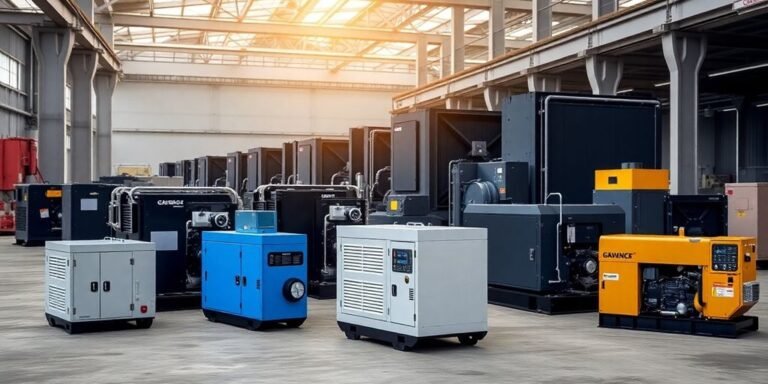
When the power goes out, whether it’s from a storm, equipment failure, or something else, it can be a real headache. For a long time, folks have relied on generators as their main backup power solutions. They work, sure, but they’re often noisy, need a constant fuel supply, and can’t always keep everything running. That’s where microgrids come in, offering a more robust way to handle emergencies and providing off-grid power during outages.
What Defines A Microgrid System
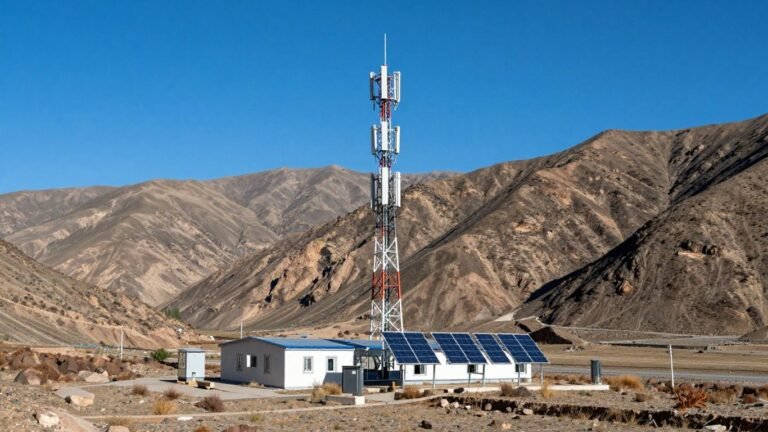
A microgrid is basically a smaller, localized power grid. It can connect to the main utility grid when everything’s normal, but it can also disconnect and run on its own. This ability to operate independently is key for disaster preparedness electricity. Think of it as having your own mini power plant that kicks in when the big one goes down. These systems usually include their own power sources, like solar panels or generators, and energy storage, like batteries. A smart control system manages it all, making sure power is available when needed.
Microgrids Versus Generator-Only Backup
So, how is this different from just having a big generator? Well, generators are usually a single point of failure. You need fuel, maintenance, and they can be loud. Microgrids, on the other hand, can use a mix of energy sources. They might have solar panels for daytime power, batteries to store that energy for later, and a generator as a backup to the backup. This variety makes them more reliable. Plus, they can be designed to be quieter and more environmentally friendly than traditional generators. The goal is to keep critical systems running without interruption, which is a big deal when you’re dealing with extended power loss.
Key Components Of A Microgrid
What makes up a microgrid? You’ve got a few main parts:
- Distributed Energy Resources (DERs): These are your power sources. It could be solar panels, wind turbines, combined heat and power (CHP) units, or even traditional generators. The mix depends on what makes sense for the location.
- Energy Storage Systems: Batteries are the most common here. They store excess energy generated during the day or when prices are low, and then release it when needed, like during an outage or when demand is high.
- Smart Control System: This is the brain of the operation. It monitors everything, decides which power sources to use, manages energy flow, and handles the switch between being connected to the main grid and running on its own (islanding).
- Point of Common Coupling (PCC): This is the switch that connects or disconnects the microgrid from the main utility grid. It’s a critical piece for enabling islanding.
The traditional power grid has been around for a long time, but it wasn’t built for today’s challenges. Aging infrastructure and more frequent extreme weather mean outages are becoming more common. Microgrids offer a way to build resilience from the ground up, ensuring that essential services can keep operating even when the main grid fails. This makes them a vital tool for communities and businesses looking to secure their power supply.
The Unmatched Resilience Of Microgrids
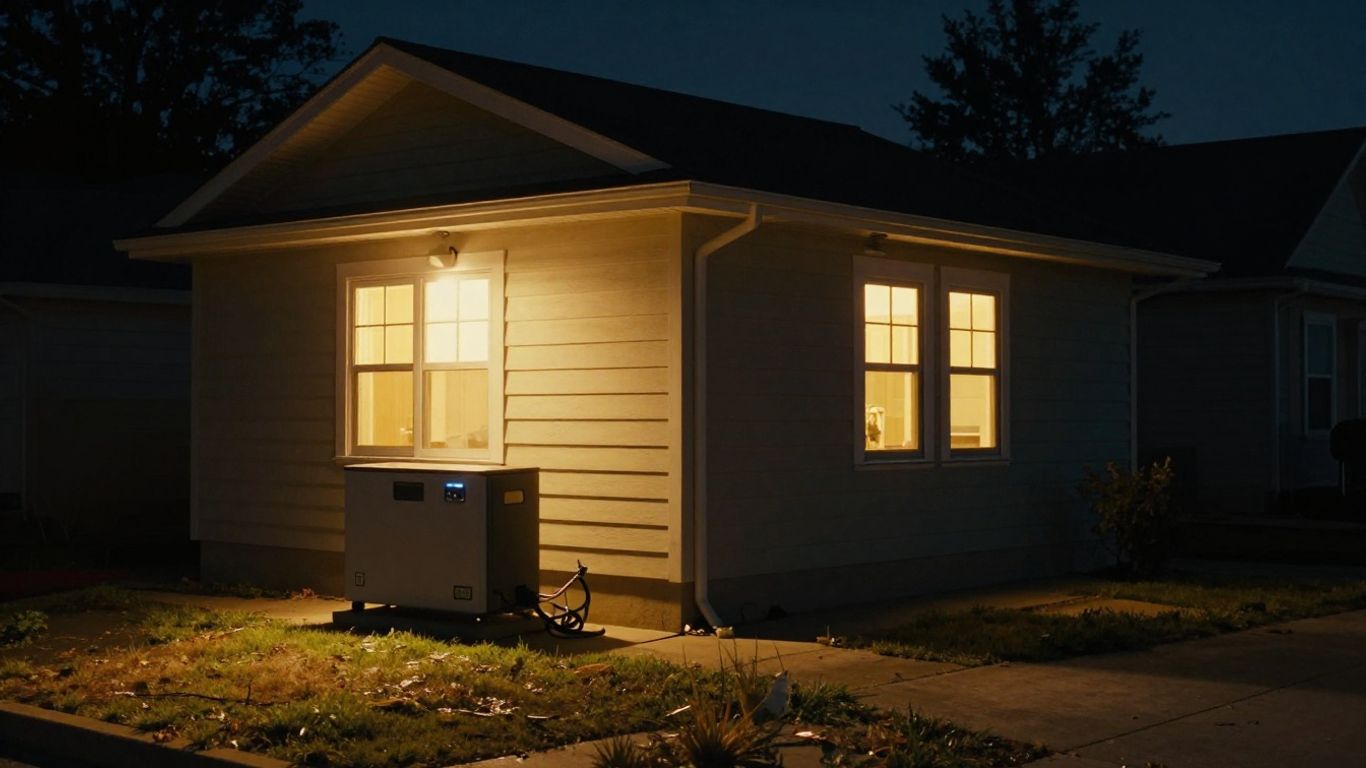
When the main power grid goes down, whether it’s due to a storm, equipment failure, or something else entirely, most places are left in the dark. That’s where microgrids really show their strength. They are designed to be incredibly tough, offering resilient energy systems that keep the lights on when you need them most.
Islanding Capability During Grid Failures
This is the big one. A microgrid can disconnect itself from the main utility grid. Think of it like a ship detaching from a fleet to handle a storm on its own. This process is called "islanding." When the main grid has a problem, the microgrid just keeps going, powering the local buildings and facilities it serves. This means that while the rest of the neighborhood might be out, a hospital or an emergency response center within the microgrid can continue its work without interruption. It’s a game-changer for keeping critical services running during widespread outages. For example, the Calistoga Resiliency Center in California can power its town for up to 48 hours during emergencies using its zero-emission microgrid.
Hardened Infrastructure Against Disasters
Microgrids aren’t just about disconnecting; they’re often built tougher from the start. This can mean better physical protection for equipment and stronger cybersecurity measures. The goal is to make them less likely to be affected by extreme weather, natural disasters, or even cyberattacks. After events like Superstorm Sandy, which knocked out power for millions, the need for more robust local energy solutions became really clear. Building this kind of hardened infrastructure is a key part of making sure power is there when we need it.
Ensuring Power For Critical Facilities
For places like hospitals, data centers, and military bases, losing power isn’t just an inconvenience; it can be catastrophic. Microgrids are specifically designed to prevent this. They can be set up to prioritize these critical loads, making sure they get power first and continuously. This reliability is why many universities and military installations are adopting microgrid technology. They understand that maintaining operations during a crisis is paramount. The ability to generate and manage power locally means these vital facilities don’t have to rely solely on a grid that might be struggling. This approach helps create more reliable power for everyone involved, especially during challenging times. The Federal Emergency Management Agency (FEMA) is even supporting microgrid integration to bolster grid resilience for emergency services through their initiatives.
Here’s a quick look at what makes them so tough:
- Islanding: Ability to disconnect from the main grid and operate independently.
- Local Generation: Power is produced nearby, reducing reliance on long transmission lines.
- Smart Controls: Intelligent systems manage power flow and prioritize critical loads.
- Integrated Storage: Batteries or other storage solutions provide backup power instantly.
The traditional power grid, built for a different time, is showing its age. With more frequent extreme weather and increasing demand, its weaknesses are becoming obvious. Microgrids offer a different path, generating and managing power locally to keep essential services running even when the main grid fails.
Economic And Efficiency Advantages
When we talk about microgrids, it’s not just about having power when the main grid goes down. There are some pretty solid financial and efficiency wins to consider too. These systems can actually save you money and make your energy use way smarter.
Significant Cost Savings For Facilities
Think about how much electricity gets lost just traveling through those long power lines from big power plants. It’s a lot, sometimes 8% to 15%. Microgrids fix that by making power right where you need it. Plus, they have smart controls that can do things like "peak shaving." That means when electricity prices are about to skyrocket during busy times, the microgrid kicks in with its own power or stored energy, so you don’t get hit with those super high rates. It’s like having your own personal power price negotiator. For businesses, avoiding even a short power interruption can save thousands in lost production. Some studies show that using microgrids can even help utilities avoid building expensive new substations, which is a huge cost saving for everyone involved. This can lead to significant project cost reduction for consumers and businesses.
Revenue Generation Through Grid Services
It’s not just about saving money; microgrids can also make money. Utilities sometimes pay microgrid owners to help them out. For instance, if the main grid is getting overloaded, the utility might pay you to use less power from them. This is called "demand response." Also, if you have batteries, you can charge them up when electricity is cheap and then sell that stored power back when prices are high, or use it during peak demand. It’s a way to turn your energy system into a revenue stream.
Optimizing Energy Use With Smart Controls
Microgrids are really good at using energy efficiently. They often use "Combined Heat and Power" (CHP) systems. These systems are clever because they capture the waste heat from generating electricity and use it for heating buildings or industrial processes. This can double the efficiency of the fuel used compared to traditional power plants that just vent that heat into the air.
Here’s a quick look at how efficient they can be:
- Average U.S. Central Grid: Around 30% – 40% efficient.
- Combined Heat and Power (CHP) Microgrid: Can reach 80% – 90% efficiency.
By integrating renewable sources like solar and wind with storage and smart controllers, microgrids can balance energy supply and demand effectively. This intelligent management minimizes waste and maximizes the use of cleaner energy sources, contributing to both economic and environmental goals. It’s a smarter way to power your operations, and it’s becoming increasingly common for smart EV charging and microgrids to work together for even greater benefits.
Diverse Applications Of Microgrid Technology
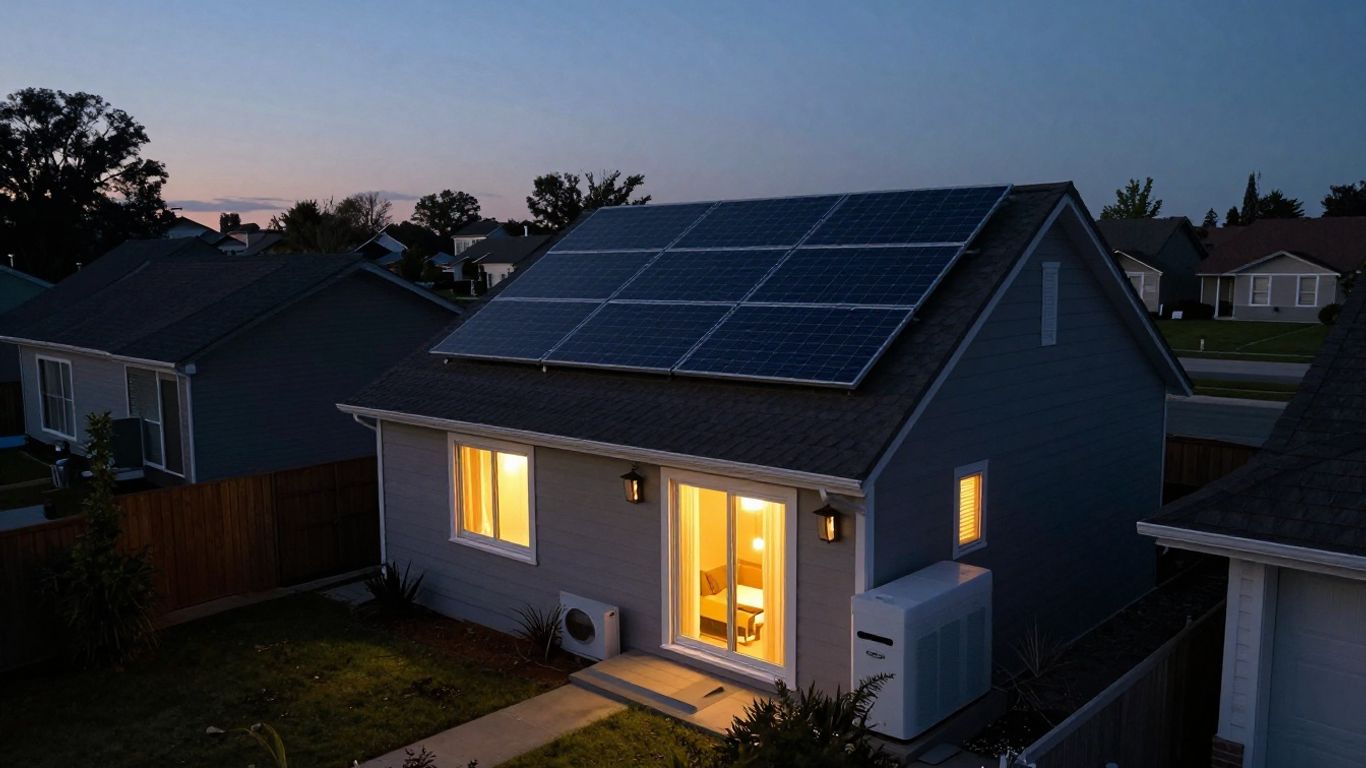
Microgrids aren’t just a concept for the future; they’re already making a real difference in a bunch of different places. Think about it – from keeping a whole town powered during an emergency to making sure a busy airport never loses electricity, these systems are proving their worth.
Community And Campus Microgrid Examples
Lots of towns and universities are getting on board with microgrids. Take Calistoga, California, for instance. They’ve got a zero-emission setup that can keep the lights on for up to two days using battery storage and hydrogen fuel cells. Then there are places like New York University, which famously kept its campus running during Superstorm Sandy when the main grid went down. This allowed them to be a resource for the surrounding community. It really shows how these systems can boost local resilience, especially in areas prone to problems like wildfires. Many universities are using them to protect research labs and other critical facilities.
Industrial And Data Center Deployments
For businesses that absolutely cannot afford any downtime, microgrids are becoming a must-have. Data centers, with their massive energy demands, are a prime example. They often integrate their own power generation and storage to avoid any interruption. Similarly, industrial sites can use microgrids to manage their energy use more effectively. For example, some facilities are using smart controls to shift energy-intensive processes to times when renewable energy is plentiful or electricity prices are lower. This kind of active load management can lead to noticeable savings. It’s not just about backup power anymore; it’s about smarter, more efficient operations. You can find more insights into similar projects in the California microgrid case studies.
Military Base And Rural Electrification Uses
Military bases are another area where microgrids are a big deal. They need reliable power for operations, no matter what. Installations are integrating various energy sources and smart controls to keep things running smoothly. On the flip side, microgrids are also vital for bringing electricity to remote areas where extending the main grid just isn’t practical. These are often called "mini-grids." In places like Brazil, these systems use renewables and battery storage to provide power to communities that would otherwise be in the dark. It’s about making sure everyone has access to reliable energy, no matter where they live. Discover the latest trends in microgrid technology, focusing on AI-driven controls, advanced energy storage solutions, and hybrid systems.
The Future Of Energy With Microgrids
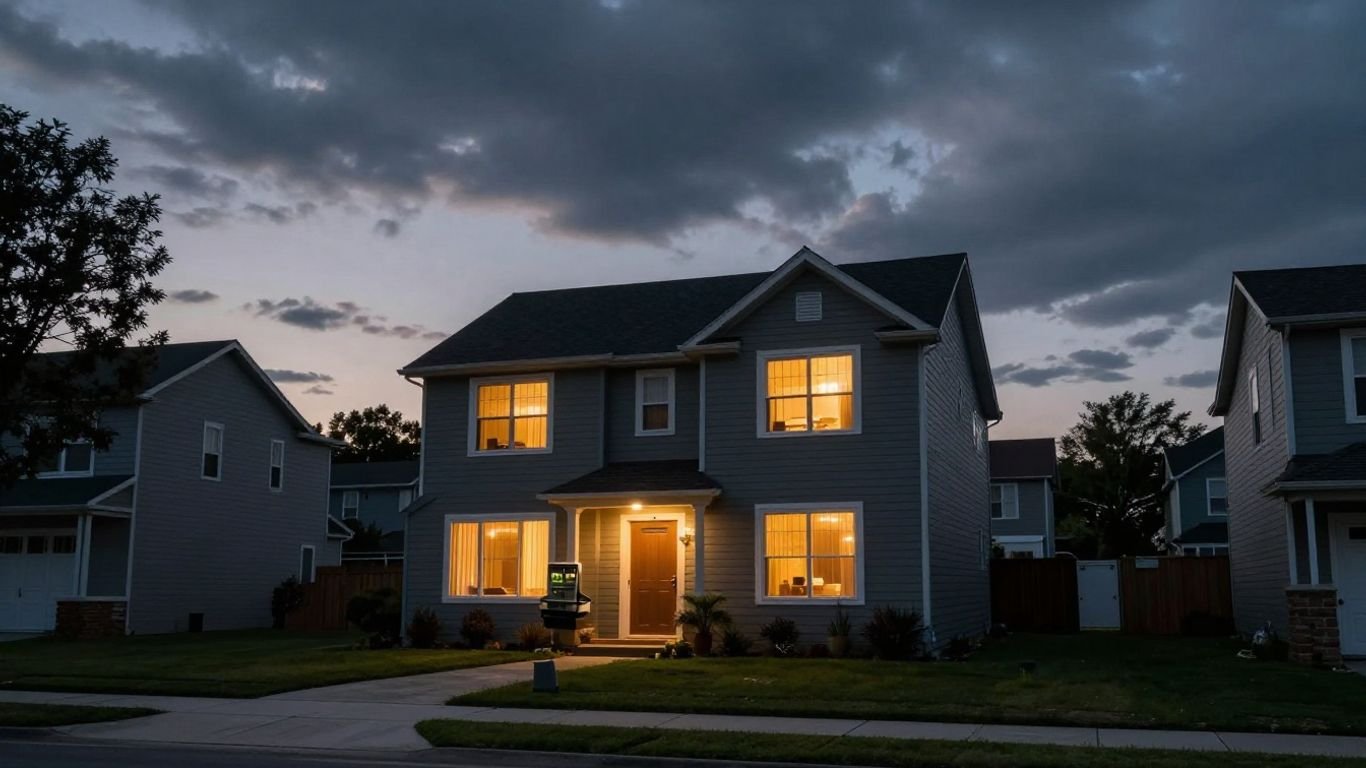
The way we get our power is changing, and microgrids are a big part of that shift. Think about it: the old way of one big power plant sending electricity miles and miles is getting old. It’s prone to problems, and a lot of energy gets lost along the way. Microgrids flip that idea on its head. They create power closer to where it’s used, which means less wasted energy and a more reliable setup. This is a key part of building better home energy security.
Strengthening The Central Grid
It might seem odd, but microgrids actually help the main power grid. By handling some of their own power needs, especially during peak times, they take pressure off the big system. This means fewer blackouts for everyone. Plus, new tools are being developed to help multiple microgrids work together, making the whole network stronger and more dependable. This coordination is vital for integrating more clean energy sources.
Enhancing Cybersecurity Through Decentralization
When everything is connected to one central point, it’s a big target for cyberattacks. Microgrids, by being more spread out and independent, create a less vulnerable system. If one part is attacked, the others can keep running. This decentralized approach makes the whole energy system safer. It’s like having many small, secure islands instead of one big, exposed mainland.
Driving Grid Modernization Efforts
Microgrids are more than just backup power; they are a driving force behind updating our entire electrical system. They make it easier to add renewable energy sources like solar and wind, which can be tricky for the old grid to handle. With smart controls and energy storage, microgrids can manage these variable sources effectively. This push towards smarter, cleaner, and more resilient local power systems is what grid modernization is all about. It’s about building a power infrastructure that can handle the challenges of today and tomorrow, making sure that critical facilities like hospitals and data centers stay online even when the main grid fails.
The Future is Local Power
So, we’ve talked a lot about microgrids and how they work. It’s pretty clear they’re more than just fancy backup generators. They’re a way to keep the lights on when the main grid goes down, whether that’s because of a storm or something else. Think about places like hospitals or even just your home – having power when you need it most makes a huge difference. While they might seem complicated, the idea is simple: make power locally. This not only helps during emergencies but can also save money and use cleaner energy. As our old power lines get older and the weather gets wilder, these local power systems are becoming less of a luxury and more of a necessity for keeping things running smoothly.
Frequently Asked Questions
What exactly is a microgrid?
Think of a microgrid as its own small power system. It has its own energy sources, like solar panels or generators, and can work with the main power grid or completely on its own. It’s like a neighborhood power plant that can disconnect from the big grid when needed and keep the lights on locally.
How is a microgrid different from just having a backup generator?
A generator is just one piece of backup power. A microgrid is a whole system! It can include generators, but also solar power, batteries for storage, and smart controls. While a generator might kick in for a few hours, a microgrid can manage different energy sources together to keep power flowing reliably for much longer and more efficiently.
Why are microgrids so good at handling emergencies?
Microgrids are built for tough times. They can automatically disconnect from the main power grid when there’s a problem, like a storm or blackout. This is called ‘islanding.’ By doing this, they protect themselves and keep power going to important places like hospitals or emergency centers, even when the rest of the area is dark.
Can microgrids save money?
Yes, they can! Microgrids can help facilities save money in a few ways. They can use cheaper energy sources when available, store energy for later use, and even sell extra power back to the main grid. Some places have seen huge drops in their electricity bills after installing a microgrid.
Where are microgrids being used?
Microgrids are popping up everywhere! You can find them at universities, military bases, hospitals, and even large businesses like data centers. They are also being used to bring reliable power to remote communities that don’t have good access to the main grid. Some towns are even building community microgrids to protect everyone during emergencies.
Are microgrids good for the environment?
Many microgrids are designed to use clean energy sources like solar and wind power. By managing these renewable sources smartly, they can help reduce the use of fossil fuels and lower pollution. They also help make the whole power system more efficient, which is good for the planet.