CPAP Power: Solar Generator Guide
If you rely on a CPAP machine to sleep well, you know how important it is to have consistent power. A power outage can be more than just an inconvenience; it can mean a night without therapy, leading to all sorts of problems. That’s where a solar generator for CPAP machine comes in handy. It’s like a portable power backup that keeps your machine running, even when the grid goes down. We’re going to look at why you might need one, what to look for, and some good options out there.
Key Takeaways
- A CPAP machine is a medical device, and losing power means losing therapy, which can negatively impact your health. Having a backup power source is important for continuous treatment.
- Traditional gas generators aren’t ideal for CPAP machines due to noise, fuel needs, and potentially damaging power quality. Portable power stations offer a quieter, cleaner alternative.
- When choosing a solar generator for your CPAP machine, consider its battery capacity (Watt-hours) and how long it will run your specific machine, especially if using a heated humidifier.
- Look for solar generators with ‘pure sine wave’ output, which is clean power safe for sensitive electronics like your CPAP. Battery capacity and solar charging are key for extended use.
- Portable power stations offer a quiet, eco-friendly way to keep your CPAP running during travel or power outages, ensuring uninterrupted sleep therapy.
Understanding CPAP Power Needs
Why CPAP Users Need Dedicated Backup Power
For anyone relying on CPAP therapy, a power outage isn’t just an inconvenience; it’s a direct threat to their health. Your CPAP machine is prescribed to keep your airway open while you sleep. When the power goes out, that support stops, and breathing issues can return almost immediately. This isn’t about comfort; it’s about maintaining a vital medical treatment. Missing even one night can lead to significant daytime fatigue and other health problems. Having a reliable emergency cpap power source is therefore not optional, but a necessity for consistent treatment.
What Happens When Power Cuts Out During CPAP Therapy
Most CPAP machines don’t have their own internal battery. So, when the electricity flickers off, your machine just stops. The airflow ceases, and you’ll likely wake up pretty quickly because your body will instinctively try to breathe against a closed airway. This sudden interruption can be jarring and completely disrupt your sleep. If you’re in an area that experiences frequent or long power outages, this becomes a recurring problem that undermines the very purpose of your CPAP treatment. It’s a real headache trying to manage therapy without a consistent power supply.
How Much Power Does a CPAP Machine Actually Use?
This is the big question that dictates what kind of backup power you’ll need. Many people think their CPAP machine is a power hog, but it’s usually much less than you’d expect. The biggest factor is whether you use the heated humidifier and heated tubing. Without these, a standard CPAP machine typically uses between 30 to 50 watts. That’s about the same as a small LED lamp. Adding a humidifier and heated tube can push that number up to 60-100 watts. Travel CPAP machines, especially when using their DC mode, are even more efficient, often using only 20-40 watts. Understanding these numbers is key to figuring out your cpap battery backup solutions and how long they’ll last. It’s all about matching the machine’s needs to the power source.
Here’s a quick look at typical power draws:
| Feature | Typical Wattage | Notes |
|---|---|---|
| Standard CPAP (No Humidifier) | 30-50W | Basic operation |
| Standard CPAP (With Humidifier) | 60-100W | Humidifier and heated tubing add draw |
| Travel CPAP (DC Mode) | 20-40W | Highly efficient for portability |
When planning for off-grid cpap power, remember that the humidifier is the biggest power drain. If you can go without it, your backup power will last significantly longer. For many, especially in cooler climates, the humidifier is a must-have for comfort, so factor that into your calculations.
Solar Generators vs. Traditional Generators for CPAP
Why Generators Are Not Ideal for CPAP Machines
When you think about backup power, a traditional gas generator might be the first thing that comes to mind. They’ve been around forever, right? But for CPAP users, they come with a few significant drawbacks. First off, they’re loud. Like, really loud. Imagine trying to sleep with a small engine chugging away outside your window – not exactly conducive to restful sleep. Plus, you’ve got the whole fuel situation. Storing gasoline isn’t always convenient or safe, and you need to make sure you have enough on hand for however long the power is out. It’s just another thing to worry about when you’re already dealing with the stress of an outage.
The Deeper Issue of Power Quality
Beyond the noise and fuel hassle, there’s a more technical issue: power quality. Traditional generators, especially older models, can produce what’s called ‘dirty’ power. This means the electricity isn’t a smooth, consistent sine wave. It can fluctuate, have spikes, or be generally unstable. Many modern electronics, including CPAP machines, are sensitive to this kind of power. Using a generator with poor power quality could potentially damage your CPAP machine over time, or at the very least, cause it to run erratically. You need a clean, stable power source for your medical equipment.
Portable Power Stations: A Quieter Alternative
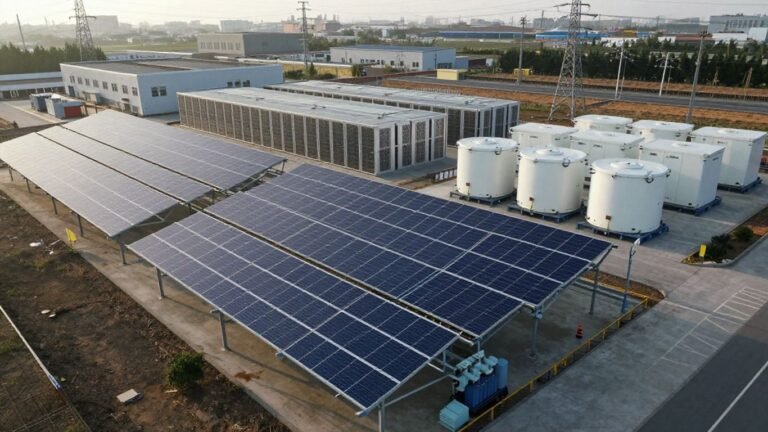
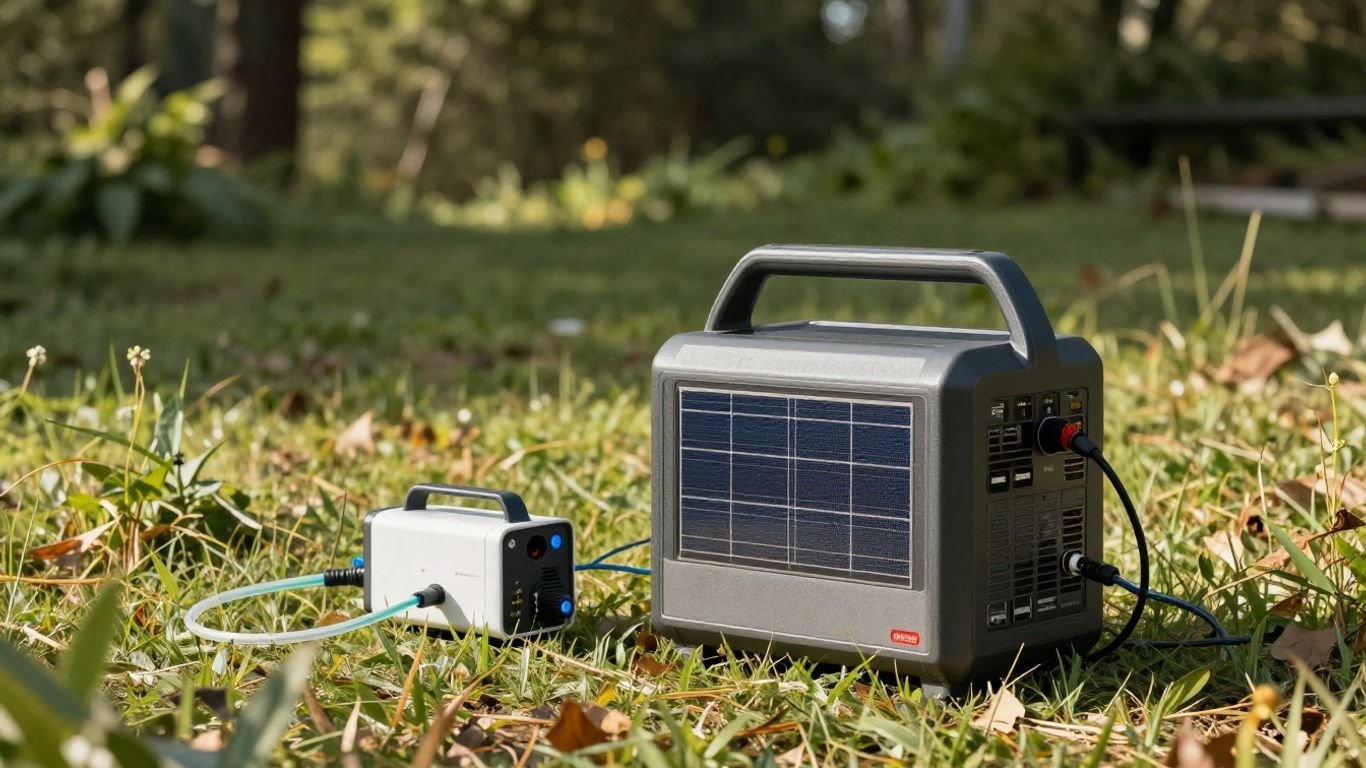
This is where portable power stations, often charged by solar panels, really shine. They offer a much quieter alternative to gas generators. Think of them as giant, rechargeable batteries. They don’t have any moving parts like an engine, so they run silently. This makes them ideal for use right next to your bed, whether you’re camping or just experiencing a power outage at home. They also provide a clean, pure sine wave output, which is much safer for your sensitive CPAP machine. You can even find models that allow for pass-through charging, meaning you can charge the power station while it’s powering your CPAP. It’s a more modern, user-friendly approach to backup power for your therapy.
Choosing the Right Solar Generator for Your CPAP
Product-Neutral Sizing Guide: Battery Watt-Hours and Runtime
So, you’ve decided a solar generator is the way to go for your CPAP. That’s smart! But now comes the big question: which one? It’s not about picking a brand name; it’s about matching the generator’s power to your needs. The most important number to look at is the battery’s capacity, measured in watt-hours (Wh). Think of this as the size of the fuel tank for your generator.
The higher the watt-hour rating, the longer it can power your CPAP machine.
How long, exactly? Well, that depends on how much power your CPAP machine uses. Most CPAP machines, especially when not using the humidifier, draw somewhere between 15 to 50 watts. Let’s do some quick math. If your CPAP uses 30 watts and you need it for 8 hours overnight, that’s 240 watt-hours (30W * 8 hours). You’ll want a generator with a capacity comfortably above that, to account for inefficiencies and maybe running other small things.
Here’s a rough idea:
| CPAP Machine Wattage | Overnight Runtime (8 hours) | Recommended Minimum Battery Capacity |
|---|---|---|
| 15W | 120 Wh | 200+ Wh |
| 30W | 240 Wh | 300+ Wh |
| 50W | 400 Wh | 500+ Wh |
Remember, this is just for the CPAP. If you plan to charge your phone or run a small fan, you’ll need to add those wattages to your total. It’s always better to have a bit more power than you think you’ll need. You don’t want to wake up in the middle of the night with your therapy cut short. For folks who need to keep essential electronics running, understanding your total power draw is key to picking the right backup system [6d07].
When sizing your solar generator, always check the specific power draw of your CPAP model. Some machines have a ‘travel mode’ or DC output that uses significantly less power. Also, consider if you’ll be using the heated humidifier, as that’s a big power consumer. It’s wise to aim for a generator that can provide at least 1.5 to 2 times your estimated overnight usage to be safe.
Consider Your Overall Power Consumption
Okay, so your CPAP is the main event, but let’s be real, you probably have other gadgets that need juice too. Thinking about your overall power consumption is super important. Are you just powering the CPAP, or do you also want to charge your phone, run a small light, or maybe even a tablet for a bit of late-night reading?
Each device adds to the total power demand. A smartphone might only need 10-20 watts to charge, but if you’re charging multiple devices, that adds up quickly. A small LED light might use just 5 watts. It’s a good idea to make a list of everything you might want to power and their typical wattage. This helps you avoid that sinking feeling when your generator suddenly goes quiet because you asked it to do too much.
- CPAP Machine (check its specific wattage)
- Phone charger
- Tablet charger
- Small LED light
- Portable fan (if you use one)
By adding up the wattage of all these items, you get a clearer picture of your total power needs. This is similar to how you’d size a home microgrid, where identifying critical loads is the first step [22a0].
Upsizing Your Power Source for Peace of Mind
Look, nobody likes being caught off guard. When it comes to backup power for your CPAP, it’s often better to go a little bigger than you think you need. This isn’t just about having enough power for one night; it’s about having peace of mind. What if the power outage lasts longer than expected? What if you forget to fully charge the generator the day before?
Choosing a solar generator with a higher watt-hour capacity than your immediate needs means you have a buffer. This buffer can cover unexpected longer outages, or simply allow you to run other small devices without worrying about draining the battery before your CPAP therapy is complete. It’s like having a spare tire – you hope you never need it, but you’re really glad it’s there if you do. This extra capacity also means the generator won’t be working at its absolute limit all the time, which can be better for its longevity. So, when in doubt, size up. Your future self, sleeping soundly through an outage, will thank you.
Key Features of CPAP-Friendly Solar Generators
When you’re looking for a solar generator to power your CPAP machine, not all units are created equal. You need to pay attention to a few specific things to make sure it’ll actually work for you, especially when you’re relying on it for something as important as your sleep therapy. It’s not just about having a generator; it’s about having the right one.
Pure Sine Wave Output for Sensitive Electronics
CPAP machines, like many modern medical devices and electronics, are pretty sensitive to the type of power they receive. They work best with clean, stable electricity. This is where the ‘pure sine wave’ output comes in. Think of it like the difference between smooth, steady tap water and water that’s been sloshing around in a bucket – one is consistent, the other is choppy. A pure sine wave inverter produces power that’s very similar to what you get from your wall outlet, which is exactly what your CPAP machine needs to run without any issues. Using a generator that outputs a modified sine wave could potentially damage your CPAP machine over time, or at the very least, cause it to run less efficiently. So, always check the specs for ‘pure sine wave’ output; it’s a non-negotiable for sensitive medical equipment.
Many portable power stations are designed with sensitive electronics in mind, offering clean power output that mimics your home’s electrical supply. This protects your CPAP machine from voltage fluctuations and ensures it operates as intended.
Battery Capacity and Overnight Runtime
This is probably the most critical factor for CPAP users. You need to know how long the generator can actually power your machine. This is usually measured in Watt-hours (Wh). Your CPAP machine’s power consumption is typically listed in watts (W) – you can usually find this on the machine itself or in its manual. A good rule of thumb is that most CPAP machines use between 30W and 60W, but this can go up if you use the heated humidifier or a heated tube.
To figure out your estimated runtime, you can do a simple calculation: Battery Watt-hours / CPAP Wattage = Estimated Hours of Runtime. For example, a 1000Wh battery powering a 50W CPAP machine would theoretically last about 20 hours (1000 / 50 = 20). However, it’s wise to factor in inefficiencies and potential increases in power draw. It’s always better to have more battery capacity than you think you’ll need.
Here’s a quick look at how different battery capacities might stack up for a 50W CPAP machine:
| Battery Capacity (Wh) | Estimated Runtime (Hours) |
|---|---|
| 500 | ~10 |
| 1000 | ~20 |
| 1500 | ~30 |
| 2000+ | 40+ |
Remember, these are estimates. Using a heated humidifier or breathing heavier can significantly reduce runtime. For uninterrupted sleep therapy, aim for a battery capacity that can comfortably cover at least 8-10 hours, with extra buffer for longer nights or unexpected situations. Many users find that a portable power station with at least 1000Wh is a good starting point for overnight use.
Solar Charging Capabilities for Extended Use
While battery capacity determines how long the generator can run your CPAP, solar charging capabilities determine how long you can keep the generator powered up when you’re away from a wall outlet. If you plan on using your solar generator for camping, RV trips, or in areas prone to extended power outages, the ability to recharge via solar panels is a huge advantage. Look for generators that specify their solar input wattage and the type of solar panels they are compatible with. This allows you to replenish the battery during daylight hours, potentially providing continuous power for multiple nights. It’s a great way to stay powered up sustainably, especially if you’re off-grid. Some units can even charge while they are powering your CPAP, a feature known as pass-through charging, which is incredibly convenient.
Maximizing CPAP Runtime with Solar Power
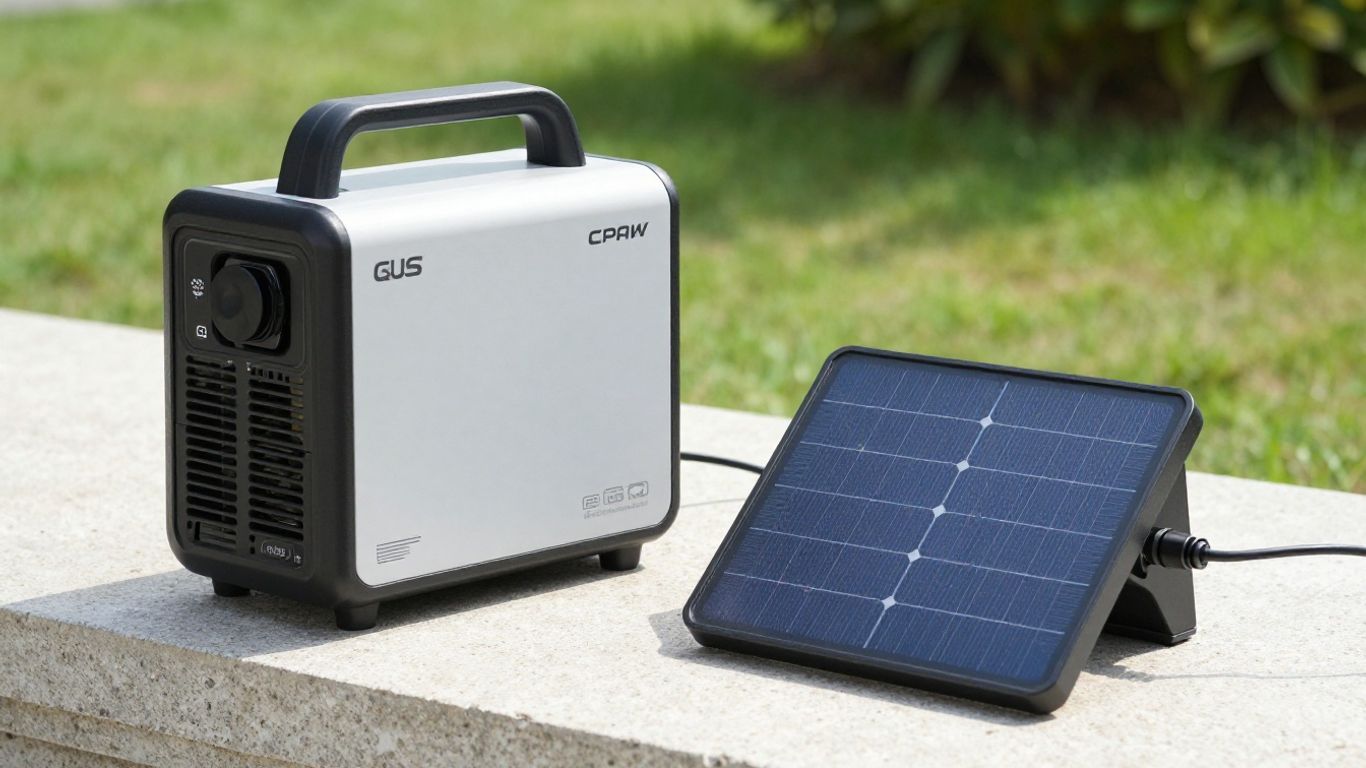
So, you’ve got your solar generator all set up, ready to keep your CPAP humming through any power hiccup. But how long will it actually last? That’s the million-dollar question, and the answer depends on a few things. It’s not just about the size of the battery; it’s about how efficiently you use that power. Let’s break down how to get the most nights of therapy out of your portable power station.
Utilizing DC Mode for Travel CPAP Machines
If you’re using a travel CPAP, like the ResMed AirMini, you’re already ahead of the game. These machines are built to sip power, often using between 20 to 35 watts. Standard home units can use anywhere from 40 to 60 watts. The real game-changer, though, is using DC mode. Most travel CPAPs and some standard models can run directly off a 12V or 24V DC input. This bypasses the power station’s inverter, which usually eats up about 10-15% of the battery’s energy just converting power. Using a DC cable can add a significant chunk to your runtime, sometimes giving you an extra night or two of backup. It’s a simple step that makes a big difference, especially if you’re out camping or dealing with a longer outage. For anyone using a CPAP machine, looking into DC power options can really extend your therapy time.
The Impact of Heated Humidifiers and Tubing
Here’s where things can get power-hungry. That cozy, humidified air your CPAP provides? It comes at a cost. Heated humidifiers can easily double your CPAP machine’s power draw. A standard CPAP might use 40-50 watts, but add a humidifier, and you could be looking at 60-100 watts. Heated tubing adds to this even further. If you’re trying to stretch your solar generator’s battery life over several nights, disabling the humidifier, especially during warmer months or if you don’t strictly need it, is one of the easiest ways to save power. You might be surprised how much longer your battery lasts without that extra heating element running all night.
Calculating Nights of Backup Power
Figuring out how many nights you can get from your solar generator involves a bit of math, but it’s pretty straightforward. You need to know your CPAP’s average wattage (check your machine’s manual or look for a sticker on the bottom). Then, multiply that wattage by the number of hours you use it per night (usually 8). This gives you watt-hours (Wh) per night. For example, a 50W machine used for 8 hours consumes 400Wh per night.
Here’s a general idea based on a common 1,024Wh power station:
- CPAP without humidifier: Around 4-7 nights (30-50W draw)
- CPAP with heated humidifier: About 2-4 nights (60-100W draw)
- Travel CPAP in DC mode: Potentially 6-10 nights (20-40W draw)
Remember to factor in inverter inefficiency if you’re using AC power, which can reduce your usable capacity by about 10-20%. It’s always a good idea to have a buffer. If you’re planning a trip or want peace of mind during storm season, understanding these numbers helps you pick the right solar generator for CPAP use.
When calculating your needs, think about your specific machine and your personal usage. If you always use the humidifier, plan for that higher draw. If you have a travel CPAP and can use DC mode, you’ll get significantly more runtime. It’s all about matching the power source to your therapy requirements for uninterrupted sleep.
Top Solar Generator Options for CPAP Users
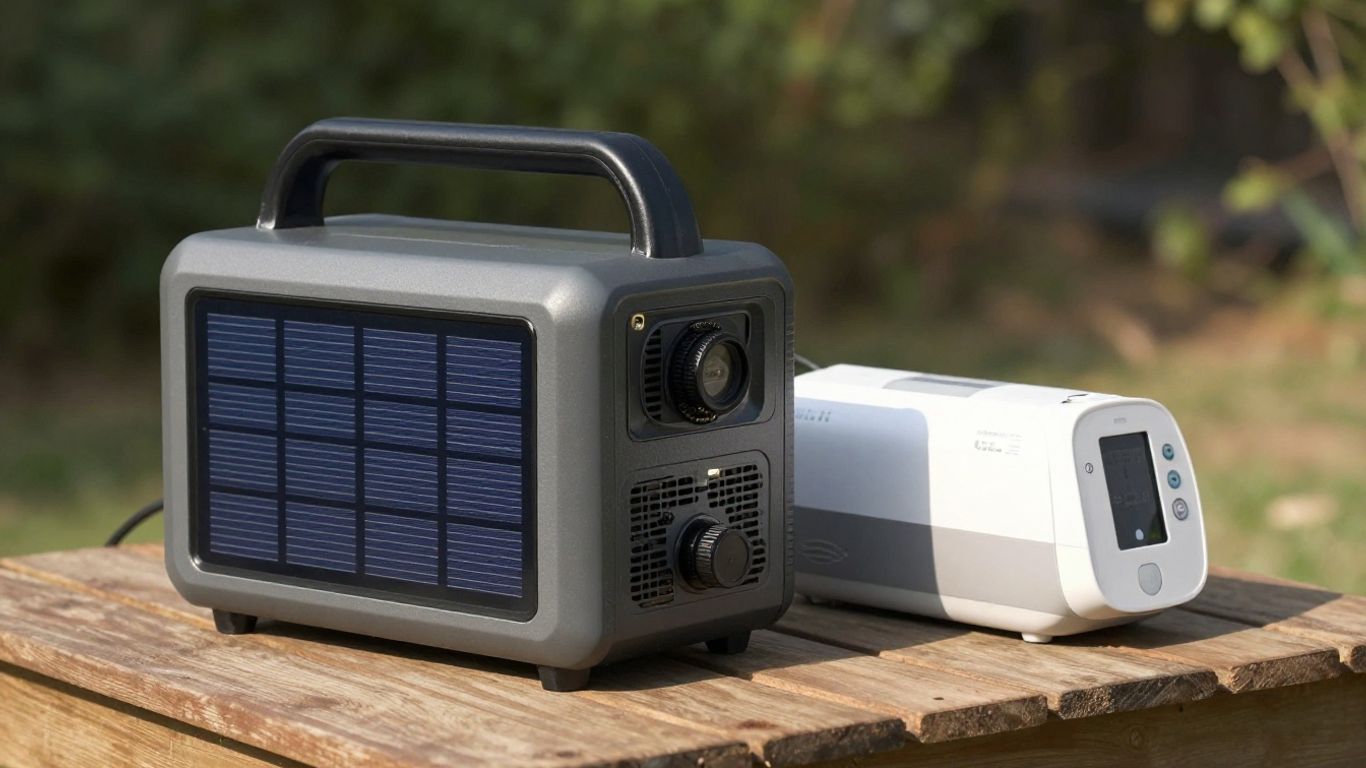
When it comes to keeping your CPAP therapy going without interruption, picking the right portable power station is key. You’re not just looking for any generator; you need something reliable and quiet, especially if you’re considering the [best generator for sleep apnea machine]. Let’s look at a few solid choices that stand out for CPAP users.
Anker 767 Solar Generator: Power and Versatility
The Anker 767 is a real workhorse. It boasts a huge 2048Wh battery capacity, which is more than enough to power your CPAP machine for multiple nights. Seriously, you could probably run your CPAP for a solid 2-3 nights on a single charge, depending on your machine’s settings. It also has a high power output, up to 2400W, meaning it can handle more than just your CPAP – think lights, phones, and maybe even a small fridge if you needed it. Plus, it has built-in solar charging capabilities, so you can keep topping it up when the sun is out. It’s a bit on the larger side, but for that kind of power and runtime, it’s a trade-off many are willing to make.
Anker 555 Solar Generator: Durability and Design
If you’re looking for something built to last, the Anker 555 might be your pick. It uses LiFePO4 batteries and has an impact-resistant design, so it’s pretty tough. It comes with a 1024Wh capacity, which is still plenty for overnight CPAP use, often giving you a full night or more. It’s designed with outdoor use in mind, featuring good solar input and multiple ports for charging all your gear. While it might not have the sheer capacity of the 767, its durability and solid runtime make it a dependable option for consistent CPAP backup. It’s a good balance between power and portability.
Anker SOLIX C1000 Gen 2: Fast Charging and Capacity
This one is pretty impressive, especially if you’re worried about charging time. The Anker SOLIX C1000 Gen 2 has a 1024Wh battery, similar to the 555, giving you good overnight runtime for your CPAP. What really sets it apart is its HyperFlash technology, which can recharge the battery from empty to full in under an hour. That’s incredibly fast if you need to top it up quickly between uses or during a planned outage. It also offers a substantial 2000W AC output, so it’s not lacking in power for other devices. For home backup, where quick recharges are a big plus, this is a strong contender. You can find more details on its capabilities here.
When choosing, always check the Watt-hours (Wh) rating. This number tells you how much energy the battery can store. For CPAP machines, aiming for at least 1000Wh is a good starting point for multiple nights of backup power. Remember to factor in any other devices you might want to power simultaneously.
Benefits of Portable Power Stations for CPAP
When you rely on a CPAP machine, the thought of a power outage or being away from an outlet can be pretty stressful. That’s where portable power stations really shine. They offer a reliable way to keep your therapy going, no matter where you are. These units provide peace of mind, ensuring you don’t miss a night of sleep due to power issues.
Maintaining Therapy During Travel and Outages
One of the biggest advantages is the freedom they give you. Whether you’re camping, on a road trip, or just facing a blackout at home, a portable power station means your CPAP machine keeps running. This is super important for managing sleep apnea; consistent therapy is key to your health. You can find a portable power station for CPAP that fits your travel needs, from compact models for short trips to larger ones for extended adventures.
Quiet Operation for Undisturbed Sleep
Unlike noisy gas generators, portable power stations are remarkably quiet. This is a huge plus if you need a peaceful environment to sleep. You won’t be kept awake by a loud motor, allowing for a much more restful night. This quiet operation makes them ideal for use right next to your bed, whether you’re in a hotel, a campervan, or at home during an outage.
Eco-Friendly and Sustainable Power Solutions
These power stations are a greener choice. They run on rechargeable batteries and can often be recharged using solar panels, meaning no fumes or pollution. It’s a way to stay powered up without harming the environment. This makes them a great option if you’re conscious about your carbon footprint and want a sustainable way to power your essential medical device.
Wrapping It Up
So, if you’re someone who needs their CPAP machine to get a good night’s sleep, having a backup power plan is pretty important. We’ve talked about how these machines are basically lifelines for breathing, and losing power means losing that support. While gas generators exist, they’re noisy and can mess with your CPAP’s electronics. That’s where portable power stations, especially those that can be charged by solar, really shine. They’re quiet, safe to use indoors, and give you that peace of mind. Picking the right one just means looking at how much power your machine uses, especially if you use a humidifier, and then choosing a unit that can keep you going for as long as you need. It’s about making sure your sleep therapy isn’t interrupted, no matter what happens with the power grid.
Frequently Asked Questions
Can I use a portable power station to run my CPAP machine?
Absolutely! As long as the power station provides clean, steady power (called pure sine wave output), it’s safe for your CPAP. Think of it like plugging into a regular wall outlet – the power station gives your machine the same kind of electricity. This is super important because the wrong kind of power could mess with your CPAP’s delicate parts or even void its warranty.
How long will a 1,024Wh power station last for my CPAP?
It really depends on whether you use the humidifier and heated tube. Without them, a 1,024Wh battery could power your CPAP for about 4 to 7 nights. But if you like using the humidifier and heated tube, which use more energy, you might get 2 to 4 nights. Travel CPAP machines that use less power, especially in DC mode, can last even longer, sometimes 6 to 10 nights!
Why is a solar generator better than a gas generator for my CPAP?
Gas generators can be really noisy, which is a problem if you need quiet to sleep. Plus, you have to deal with storing and refueling them. Solar generators, on the other hand, are silent and don’t need gas. They also provide cleaner power, which is safer for your CPAP machine. They’re a much more peaceful and convenient option.
What’s the most important feature to look for in a CPAP-friendly solar generator?
The most crucial feature is ‘pure sine wave’ output. This means the generator produces clean, stable electricity, just like your home outlet. Many other devices can handle less clean power, but CPAP machines have sensitive electronics that can be damaged by ‘modified sine wave’ power. So, always check for pure sine wave output!
Do I need to worry about how much power my CPAP uses?
Yes, it’s smart to know! The biggest power users on a CPAP are the humidifier and heated tube. If you don’t use those, your machine uses about as much power as a small lamp. But with the humidifier and heated tube turned on, it uses significantly more. Knowing this helps you figure out how long a power station will last.
Can I recharge my solar generator while I’m using it for my CPAP?
Many portable power stations offer ‘pass-through charging.’ This means you can plug your CPAP machine in to use power from the station, and at the same time, you can recharge the station using solar panels or a wall outlet. This is super handy for extending your power supply, especially if you’re camping or during a long power outage.