Home Medical Device Power: What’s Your Backup Plan?
Living with medical equipment at home means you’ve got a lot to think about, especially when it comes to power. We all know how annoying it is when the lights go out, but for folks who depend on machines to stay healthy, it’s way more than just an inconvenience. It can be downright scary. That’s why having a solid backup plan for your medical devices is super important. This isn’t just about keeping the lights on; it’s about keeping yourself safe and sound. Let’s break down what you need to know about backup power for medical devices at home.
Key Takeaways
- Figure out exactly which medical devices you have and how much power they use. Knowing this helps you pick the right backup system.
- Explore different backup power options like battery systems, portable generators, or even solar power, depending on how long you might need power.
- For life-sustaining equipment like breathing machines or oxygen concentrators, you need a very reliable backup plan. Don’t skip this step.
- Think about how to keep your medications cool if they need refrigeration and make sure you have enough supplies for emergencies.
- Talk to your electric company about special programs for medical needs and always test your backup equipment regularly to make sure it works when you need it.
Understanding Your Medical Equipment’s Power Needs
Identifying Critical Medical Devices
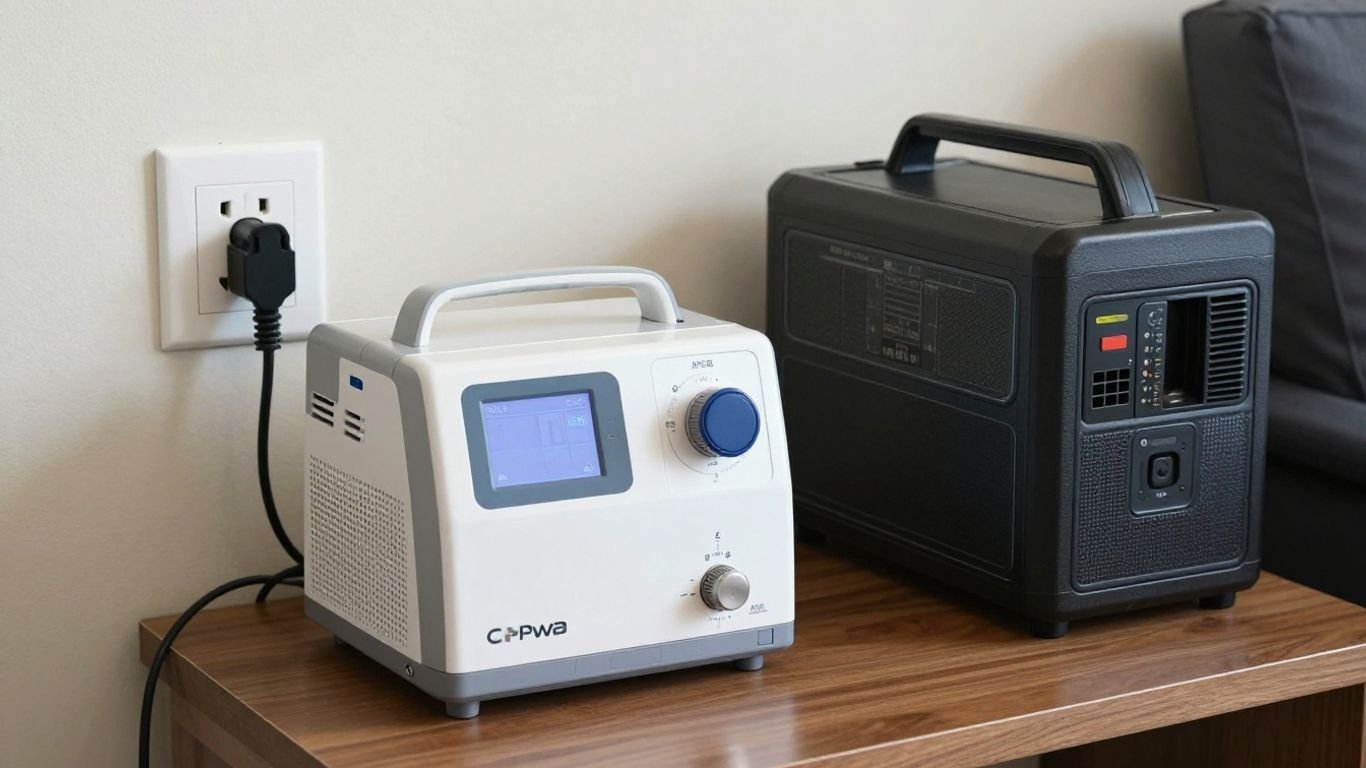
When you rely on medical equipment at home, knowing what’s most important is the first step. Think about which devices are absolutely necessary for your health and safety. This could include things like CPAP machines for sleep apnea, oxygen concentrators, or even just a refrigerator keeping vital medications cool. It’s not just about the big machines; sometimes, it’s the smaller things that keep your treatment on track. You need to know exactly what keeps you going.
Calculating Device Wattage and Runtime
Once you’ve got your list, the next step is figuring out how much power each item uses and for how long. You can usually find this information on a sticker on the device itself or in its manual. Look for the wattage (W) and voltage (V). For example, a CPAP machine might use around 30-60 watts, while an oxygen concentrator could need significantly more, maybe 300-600 watts or even higher. It’s also important to consider how long you need each device to run. This helps determine the capacity of the backup power you’ll need. You might need to talk to your healthcare provider or the company that supplied your equipment to get the most accurate numbers for your specific devices.
Here’s a quick look at some common devices:
| Device Type | Typical Wattage Range | Notes |
|---|---|---|
| CPAP/BiPAP Machine | 30 – 60 W | Varies with humidifier use |
| Oxygen Concentrator | 300 – 600+ W | Higher flow rates use more power |
| Refrigerator (Small) | 100 – 200 W | Cycles on and off |
| Feeding Pump | 10 – 30 W | Generally low power consumption |
Remember to add up the wattage of all the devices you plan to run simultaneously. It’s also wise to add a buffer, maybe 20-25%, to your total to avoid overloading the backup system.
Consulting Healthcare Providers and Suppliers
Don’t try to figure this all out alone. Your doctor or the medical equipment supplier are great resources. They can help you identify which devices are most critical and give you precise information about their power needs. They might even have suggestions for specific home medical equipment power solutions or know about options for uninterrupted power for home medical equipment. They’ve seen this before and can guide you toward the best choices for your situation, whether that’s battery backup systems or even portable generators for medical needs at home.
Exploring Backup Power Solutions
When you rely on medical equipment at home, losing power isn’t just an inconvenience; it can be a serious health risk. Thinking about what happens when the lights go out is a smart move. Luckily, there are several ways to keep your essential devices running.
Battery Backup Systems for Short-Term Outages
These are often the first line of defense for unexpected power flickers or short blackouts. A battery backup system, sometimes called a UPS (Uninterruptible Power Supply), kicks in immediately when the main power cuts out. They’re great for devices that can’t tolerate even a second of downtime, like some breathing machines. You’ll want to check the system’s capacity to make sure it can handle the wattage of your devices and how long it can run them. Some might only last 30 minutes, while others can go for a few hours. It’s a good idea to look for systems specifically designed for medical use, which often have features like medical-grade certification and surge protection. These systems are generally quiet and don’t require much space.
Portable Generators for Extended Power
If you anticipate longer outages, a portable generator might be a better fit. These machines use fuel like gasoline or propane to generate electricity, allowing you to power multiple devices, or even parts of your home, for extended periods. However, they do require fuel, need to be operated outdoors due to carbon monoxide risks, and can be noisy. For home healthcare devices, you’d typically connect them through extension cords, but always follow safety guidelines. They offer more power than most battery backups, making them suitable for higher-wattage equipment or running several devices at once.
Solar Power Systems for Sustainable Energy
For a more sustainable approach, solar power systems paired with battery storage are an option. These systems harness sunlight to generate electricity, which can then be stored in batteries for use when the sun isn’t shining or during an outage. While the initial investment can be higher, they offer a clean and quiet energy source that can be very reliable, especially in areas prone to frequent power disruptions. They can be a great way to supplement your power needs and reduce reliance on the grid. You can find more information on reliable battery backup solutions that can integrate with solar.
Uninterruptible Power Supplies (UPS) for Immediate Needs
As mentioned, UPS systems are fantastic for immediate, short-term backup. Think of them as a bridge. When power fails, a UPS instantly switches to its internal battery, giving you enough time to save your work on a computer or, more importantly, to allow a critical medical device to continue running until a generator or longer-term battery kicks in. They are not designed for long-term power needs but are invaluable for preventing abrupt shutdowns of sensitive electronics and medical equipment. Many are designed to be medical-grade battery backup power systems.
When choosing a backup power solution, it’s important to know the exact power needs of your medical equipment. Check the device’s label or manual for wattage and runtime requirements. Then, consider how long outages typically last in your area and what level of backup is necessary for your specific health situation. Consulting with your healthcare provider or equipment supplier is always a good step to get personalized advice.
Here’s a quick look at what to consider:
- Device Wattage: Add up the power needs of all critical devices.
- Runtime Needed: How long must the backup power last?
- Outage Frequency: How often do you lose power, and for how long?
- Noise Levels: Is a quiet operation important?
- Fuel/Maintenance: What ongoing effort is required?
Essential Planning for Life-Sustaining Devices
When you rely on medical equipment that needs electricity to function, power outages can be more than just an inconvenience – they can be a serious threat. This is especially true for life-sustaining devices. Thinking ahead about emergency power for life support machines is not optional; it’s a necessity.
Backup Power for Breathing Machines and Ventilators
If you or a loved one uses a ventilator or other breathing assistance device, having a reliable backup power source is paramount. These machines are designed to keep you breathing, so any interruption can be critical. It’s a good idea to have a plan that includes battery backups specifically designed for medical equipment. Some of these systems can provide power for several hours, giving you time to figure out a longer-term solution or for the main power to come back on. Always check the manufacturer’s recommendations for backup power options and runtime. Having a manual resuscitation bag handy is also a smart move, just in case.
Ensuring Continuous Power for Oxygen Concentrators
Oxygen concentrators, like ventilators, are vital for many individuals. While some oxygen tanks don’t need electricity, concentrators do. Portable oxygen concentrators (POCs) often come with battery packs and car chargers, which are great for shorter outages. You’ll want to know exactly how long the battery lasts and how to recharge it. Talk to your oxygen supplier about getting extra batteries or larger tanks that don’t rely on power. They might also have specific advice for using your equipment during an outage. Some suppliers offer programs like the Critical Care Backup Battery program that can help.
Managing Power for Home Dialysis and Feeding Pumps
Home dialysis machines and feeding pumps also require consistent power. For dialysis, it’s important to discuss emergency plans with your healthcare provider and clinic. They can advise on what to do if your usual treatment schedule is disrupted. For feeding pumps, understanding the device’s battery life and having a backup power source, like a portable power station or generator, is key. Keep distilled water on hand if your device requires it, and make sure you know how to operate any backup systems.
It’s a good practice to review your equipment’s manuals and talk to your healthcare provider or equipment supplier at least twice a year. This ensures you have the most up-to-date information on backup power options and how to use them effectively. Don’t wait until an emergency strikes to figure this out.
Here’s a quick rundown of what to consider:
- Device Inventory: List all your medical devices that need electricity.
- Power Needs: Note the wattage and required runtime for each device.
- Backup Options: Research battery systems, generators, and portable power stations.
- Runtime Planning: Calculate how long your backup power will last.
- Supplier Contact: Keep contact information for your medical equipment providers handy.
- Caregiver Training: Ensure family or friends know how to operate backup systems.
Maintaining Medications and Other Supplies
When the power goes out, it’s not just your medical devices that need attention. Keeping your medications and other vital supplies in good condition is just as important. Think about what you need to stay healthy and comfortable if the electricity is off for a while.
Keeping Refrigerated Medications Cool
Some medications, like certain insulin types or nebulizer solutions, need to stay cold to work properly. If you have a power outage, you’ll need a plan to keep them at the right temperature. A well-insulated cooler packed with ice packs or frozen gel packs can work for a short time. It’s a good idea to have a thermometer handy to check that the temperature stays below 46°F (8°C). For longer outages, you might need to talk to your pharmacist about temporary storage options or if your medication can tolerate being at room temperature for a bit.
Storing Essential Medications and Prescriptions
Beyond temperature control, it’s smart to have a little extra supply of your regular medications on hand. This isn’t about hoarding, but about having enough to get you through a few days without a trip to the pharmacy. Keep your prescriptions organized and know which ones are most important. Having a list of your medications, dosages, and prescribing doctor’s information is also a good idea, especially if you need to seek care elsewhere.
Preparing Emergency Kits with Medical Supplies
Your emergency kit should include more than just food and water. For medical needs, think about:
- Backup batteries: Extra, fully charged batteries for any portable medical devices you use.
- Manuals and contact info: Keep copies of your medical equipment manuals and a list of contacts for your doctors, equipment suppliers, and local emergency services. This is helpful if you need to explain your needs to someone new.
- First-aid basics: A standard first-aid kit with bandages, antiseptic wipes, pain relievers, and any personal medical items you might need.
- Non-perishable comfort items: Things like hand sanitizer, wet wipes, and any personal hygiene items that don’t require water.
Having a plan for your medications and supplies means one less thing to worry about when the lights go out. It’s about being prepared so you can focus on your health and safety.
Proactive Steps with Your Utility Provider
It might seem like a hassle, but talking to your electric company before an outage happens is a really smart move. They often have programs designed to help folks who rely on electricity for medical equipment. Think of it as getting on their radar so they know you’re out there.
Registering for Medical Needs Programs
Many utility companies have a special list for customers with medical needs. You usually have to apply for this, and it might involve a doctor’s note. Once you’re on the list, they can give your home priority when they’re restoring power after an outage. It’s not a guarantee that the lights will come back on instantly, but it definitely helps. Some places even have rules about disconnecting service for medical users, which is good to know. You can usually find information about these programs on your utility’s website or by giving them a call. It’s worth checking out if you use things like CPAP machines, oxygen concentrators, or need reliable power for refrigerated medications.
Understanding Priority Reconnection Services
This is tied to the medical needs program. If there’s a widespread outage, utility crews work to get power back on as quickly as possible. Being registered for priority reconnection means your home is higher up on that list. They can’t always predict how long an outage will last, especially after a big storm, but this registration is a key part of your backup plan. It’s about making sure your essential devices get power back sooner rather than later. Don’t assume they know you have medical equipment; you have to tell them.
Inquiring About Planned Outage Notifications
Sometimes, utility companies need to shut off power for maintenance or upgrades. These are usually planned events, and they often give customers a heads-up. If you’re registered for medical needs, they might give you a more direct or earlier notification for these planned outages. This gives you extra time to prepare your backup power sources, like charging batteries or making sure your generator is fueled up. Knowing when an outage is coming is half the battle when you depend on medical devices. You can ask about how they handle these notifications and if there’s a specific way to be informed.
Having a solid backup power strategy is more than just having a generator. It involves understanding the systems in place that can help you, like those offered by your utility provider. Being proactive and communicating your needs can make a significant difference when the power goes out.
Preparing for Extended Power Disruptions
When the lights go out and they stay out for a while, it can get pretty stressful, especially when you rely on medical equipment. Thinking ahead about what to do if the power is out for days, not just hours, is super important. It’s not just about your CPAP or oxygen concentrator; it’s about keeping medications cool and having a plan for when your usual backup might not be enough.
Developing an Emergency Evacuation Plan
Sometimes, the best plan is to have a place to go. If an extended outage happens, your home might not be the safest or most comfortable spot. You need to think about where you and your medical equipment can go if your home power is out for too long. This means identifying places that have reliable power, like a friend’s house, a relative’s place, or even a hotel that’s not in the affected area. Make sure these places can accommodate your specific needs, like space for equipment or access to charging ports. It’s also a good idea to have a "go-bag" ready with essentials for you and your medical devices.
Identifying Alternative Shelters and Facilities
Beyond just friends and family, look into community resources. Some shelters are equipped to handle people with medical needs during emergencies. Local hospitals or community centers might have backup generators. It’s wise to research these options before an emergency strikes. Knowing which facilities have power and can support medical equipment means you won’t be scrambling when you’re already stressed. You can often find lists of emergency shelters and their capabilities through your local emergency management agency or the Red Cross. Having a plan that includes alternative power sources can make a big difference.
Communicating Your Needs to Neighbors and Caregivers
Don’t underestimate the power of your immediate community. Let your trusted neighbors and regular caregivers know about your medical situation and your backup power plan. They can be a huge help during an extended outage, whether it’s checking on you, helping you move equipment, or just providing a charged phone. Share your emergency contact list and explain how your backup systems work. Teaching a neighbor how to operate your essential medical devices could be a lifesaver. It’s about building a support network that can step in when needed. A simple checklist of your medical devices and their power requirements can be very helpful for anyone assisting you.
Maintaining Your Backup Power Equipment
So, you’ve got your backup power sorted for your medical gear – that’s a big step! But just like anything mechanical or electrical, these systems need a little TLC to make sure they’re actually ready when you need them. It’s not a set-it-and-forget-it kind of deal, especially when your health is on the line.
Regularly Testing Backup Power Sources
Think of testing your backup power like checking the smoke detector batteries. You hope you never need it, but you absolutely need to know it works. For battery backup systems, this means checking the battery level indicators regularly, maybe once a month. For generators, you’ll want to run them periodically, following the manufacturer’s advice – usually a short run every few months is good. This helps keep the engine parts lubricated and ensures it’ll fire up when the power goes out. It’s also a good time to check for any leaks or strange noises. If you have a UPS for immediate needs, a quick test button press can often tell you if it’s functioning correctly.
Keeping Batteries Charged and Maintained
Batteries are the heart of most backup systems, and they have a lifespan. For your CPAP machine’s battery pack or a larger generator battery, keeping them charged is key. Most systems have an automatic charging function, but it’s wise to double-check that it’s working. If you have a portable generator, you might need to check the battery fluid levels or ensure the terminals are clean and free of corrosion. For larger battery banks, like those used with solar setups, follow the specific maintenance schedule recommended by the installer or manufacturer. Batteries don’t last forever, so knowing their expected life and planning for replacement is part of good maintenance.
Storing Equipment Manuals and Contact Information
This might sound simple, but it’s surprisingly easy to lose track of these things. Keep the manuals for all your backup power equipment – generators, UPS units, battery packs – in one safe, accessible place. A binder or a clearly labeled file box works well. Also, make sure you have the contact information for the companies you bought the equipment from, as well as any technicians you might use for repairs or maintenance. This is also where you’d keep the contact details for your utility provider and any emergency services you might need. Having this info handy saves precious time during a stressful situation.
Proper maintenance isn’t just about keeping the equipment running; it’s about maintaining your peace of mind. Knowing that your backup power is reliable means one less worry during an emergency, allowing you to focus on what truly matters – your health and safety.
Here’s a quick rundown of what to check:
- Battery Systems: Check charge levels monthly. Test the system under load every 3-6 months. Note the battery’s age and expected replacement date.
- Generators: Run monthly or as per manual. Check fuel levels and condition. Inspect for leaks or damage. Test the automatic transfer switch if applicable.
- UPS Units: Test the battery function periodically. Replace batteries according to manufacturer recommendations (often every 3-5 years).
Remember, a well-maintained backup system is your best defense against power disruptions. For more on generator specifics, you might find it helpful to look into backup generator options. Regular checks can prevent a small issue from becoming a big problem when you least expect it, keeping your essential devices running.
Don’t Get Caught in the Dark
Look, we all know that power outages happen. Whether it’s a big storm or just a random glitch, the electricity can go out. For most of us, it’s an annoyance, maybe we lose some TV time or have to eat that ice cream before it melts. But if you’re using medical equipment at home, like a CPAP machine or an oxygen concentrator, it’s way more serious than that. Having a backup plan isn’t just a good idea; it’s really important for your health and safety. Take the time to figure out what you need, look into battery backups or generators, and talk to your doctor or equipment supplier. Being prepared means you can handle those unexpected power cuts without putting yourself at risk. So, get that plan in place – it’s worth the peace of mind.
Frequently Asked Questions
What should I do if my medical equipment needs power and the electricity goes out?
If the power goes out, the first thing to do is check your backup power plan. This might involve switching to a battery backup system, starting a portable generator, or using a solar power setup. It’s crucial to know how long your backup can last and to keep an eye on your equipment’s power levels. If you have life-sustaining equipment, like a ventilator, you should have a manual backup ready and know when to seek help from a hospital or shelter.
How do I figure out how much power my medical devices need?
To know how much power your devices need, check the label on the device itself or look in the user manual. This will tell you the wattage, which is how much electricity it uses. You also need to know how long it needs to run. If you’re unsure, ask your doctor or the company that supplied your equipment for help.
What’s the difference between a battery backup, a generator, and a UPS?
A battery backup system is great for short power outages and can power devices for a few hours. A portable generator can power more things for a longer time, but you need to use it outside because it makes fumes. A UPS (Uninterruptible Power Supply) gives you immediate power for a very short time, usually just long enough to save your work on a computer or to switch to another backup.
Why is it important to tell my electric company I use medical equipment?
Telling your electric company is important because they often have special programs for people who rely on electricity for medical reasons. They might put your home on a list for priority power restoration after an outage, or they might give you advance notice about planned power shutoffs. Some companies might even offer discounts on your electric bill.
How can I keep my refrigerated medicines safe if the power is out for a long time?
For refrigerated medicines, have a cooler with ice packs ready. Use a thermometer to make sure the cooler stays cold enough, usually below 46°F (8°C). If the power is out for more than a day, it’s best to contact your pharmacist or doctor for advice on how to keep your medicines safe or if you need to find a temporary storage place.
What should I do to maintain my backup power equipment?
It’s really important to regularly check your backup power sources to make sure they work when you need them. Keep batteries charged and follow the manufacturer’s instructions for maintenance. Also, keep all the manuals and contact information for the equipment handy in case something goes wrong or you need help.