Staying Connected When The Grid Goes Down
When the power goes out and the cell towers go silent, staying in touch can feel impossible. Think about it: no internet, no phone calls, just… quiet. It’s a scary thought, especially when you need to let people know you’re okay or check on family. This isn’t just about camping trips; it’s about real-life situations where regular communication just stops working. We’re going to look at some practical ways to keep those lines of communication open, even when the main grid is down. It’s all about being ready.
Key Takeaways
- Ham radio is a reliable option for long-distance communication when other systems fail, but it does require a license and some know-how.
- FRS and GMRS radios are good for talking to people nearby, and they’re pretty simple to use, though GMRS needs a license.
- Satellite communicators and internet systems can provide global or remote connectivity, but they often come with higher costs.
- Even when the main grid is down, text messages and emails might still work if you can find a Wi-Fi signal or use services like Winlink over ham radio.
- Planning is important: figure out what you need, pick the right off grid communication system for emergencies, and make sure your gear is ready to go.
Understanding Off-Grid Communication Systems
When the power lines go down and cell towers fall silent, our usual ways of talking to each other just stop working. It’s a scary thought, but it happens more often than you might think, whether it’s a big storm, a local blackout, or something else entirely. That’s where off-grid communication comes into play. It’s all about having ways to connect that don’t rely on the normal power grid or the internet we usually use. Think of it as a backup plan for your voice and messages.
Why Traditional Communication Fails in Crisis
Our everyday communication tools, like smartphones and landlines, depend on a lot of infrastructure working perfectly. This includes power to the cell towers, functioning internet cables, and even the phone company’s main offices staying online. When a major event hits, this infrastructure can get damaged or overloaded. Power outages are a big one, of course, but even things like damaged fiber optic lines or overwhelmed cell networks during a widespread emergency can cut us off. It’s not just about the tech; sometimes, it’s about the sheer number of people trying to use the system all at once.
The Importance of Off-Grid Communication for Emergencies
Having a way to communicate when everything else is down isn’t just a convenience; it can be a real lifesaver. It means you can check on family, call for help if you need it, or get important updates from emergency services. For people living in remote areas, or those who rely on medical equipment, this kind of communication is even more critical. It provides a sense of security and a direct line to assistance when you might otherwise feel completely cut off. It’s about being prepared so you’re not left in the dark, literally and figuratively.
Essential Off-Grid Communication Tools
So, what do you actually need to stay connected? It’s not just one thing, but a mix of tools. For local chats, things like FRS (Family Radio Service) or GMRS (General Mobile Radio Service) walkie-talkies are pretty straightforward and don’t need a license for FRS. They’re great for talking to neighbors or family members nearby. For longer distances, ham radio is the big player. It requires a license and some learning, but it can reach across vast distances, even internationally, and doesn’t depend on any existing infrastructure. Then there are satellite communicators, which are fantastic for truly remote areas where even ham radio might struggle, offering a way to send messages or even make calls from almost anywhere on the planet. When thinking about [off-grid internet options for remote homes], satellite internet is also becoming a more viable, albeit often expensive, solution.
- FRS/GMRS Radios: Good for short-range, local communication with family and neighbors.
- Ham Radio: Offers long-range capabilities and is a robust backup, but requires a license.
- Satellite Communicators: Provide global coverage for messaging and calls, ideal for remote locations.
When planning your off-grid communication setup, remember that power is just as important as the devices themselves. You’ll need reliable ways to keep your radios and other gear charged, whether that’s through solar panels, portable power stations, or even a good old-fashioned generator. Without power, even the best communication tool is just a paperweight.
Choosing the right tools depends on your specific needs, where you live, and how far you might need to communicate. It’s about building a system that works for you, with redundancy so you have backups if one method fails.
Leveraging Radio for Grid-Down Scenarios
When the power grid fails, traditional communication methods like cell phones and internet often go dark. That’s where radio comes in. It’s a tried-and-true technology that doesn’t need the grid to function, making it a really important part of any backup communication plans for power outages.
Amateur radio, or ham radio, is often called the king of off-grid communication, and for good reason. These radios can reach incredible distances, sometimes hundreds of miles, without relying on any infrastructure. Think about it: you can talk to someone across the country, or even across the world, with just a radio, a power source like a car battery, and a decent antenna. It’s not just for hobbyists; during real emergencies, like hurricanes, ham radio operators have been vital in relaying information when everything else failed. Getting licensed might sound like a hurdle, but it’s a worthwhile step for serious preparedness. You can find classes and resources to help you get started. It’s a solid choice for a reliable survival radio for disaster preparedness.
For shorter distances, like talking to neighbors or family members within your town, Family Radio Service (FRS) and General Mobile Radio Service (GMRS) radios are great options. FRS radios are super easy to use and don’t require a license, making them accessible for everyone. GMRS radios offer a bit more range and can use repeaters to extend their reach, but they do require a license. These are perfect for quick check-ins or coordinating within a local area. They’re relatively inexpensive and widely available, so stocking up on a few sets is a smart move.
Different types of radios operate on different frequencies, which affects their range and how they’re used. Ham radio uses a wide range of frequencies for everything from casual chats to emergency broadcasts and weather updates. FRS and GMRS operate on specific shared frequencies. It’s important to understand that while FRS is license-free, GMRS and ham radio require a license. This isn’t just bureaucracy; it’s about managing the airwaves responsibly and ensuring clear communication. Knowing the rules for your chosen radio type is part of having a solid plan.
Building a robust communication system requires careful planning and the right combination of tools. Short-range solutions like GMRS radios paired with long-range options such as satellite phones or ham radios create essential redundancy. This layered approach ensures you have options no matter the situation.
Here’s a quick look at some common radio types:
- Ham Radio: Long-range, versatile, requires a license. Great for serious backup communication.
- GMRS Radio: Medium to long-range (with repeaters), requires a license. Good for family and local group communication.
- FRS Radio: Short-range, license-free. Easy to use for immediate family or close neighbors.
Having a mix of these radios can significantly improve your ability to communicate when the grid is down. It’s all about having options and not putting all your communication eggs in one basket. For more details on choosing the right radio, check out effective radio types for grid-down situations.
Exploring Advanced Off-Grid Communication Technologies
Satellite Communicators for Global Reach
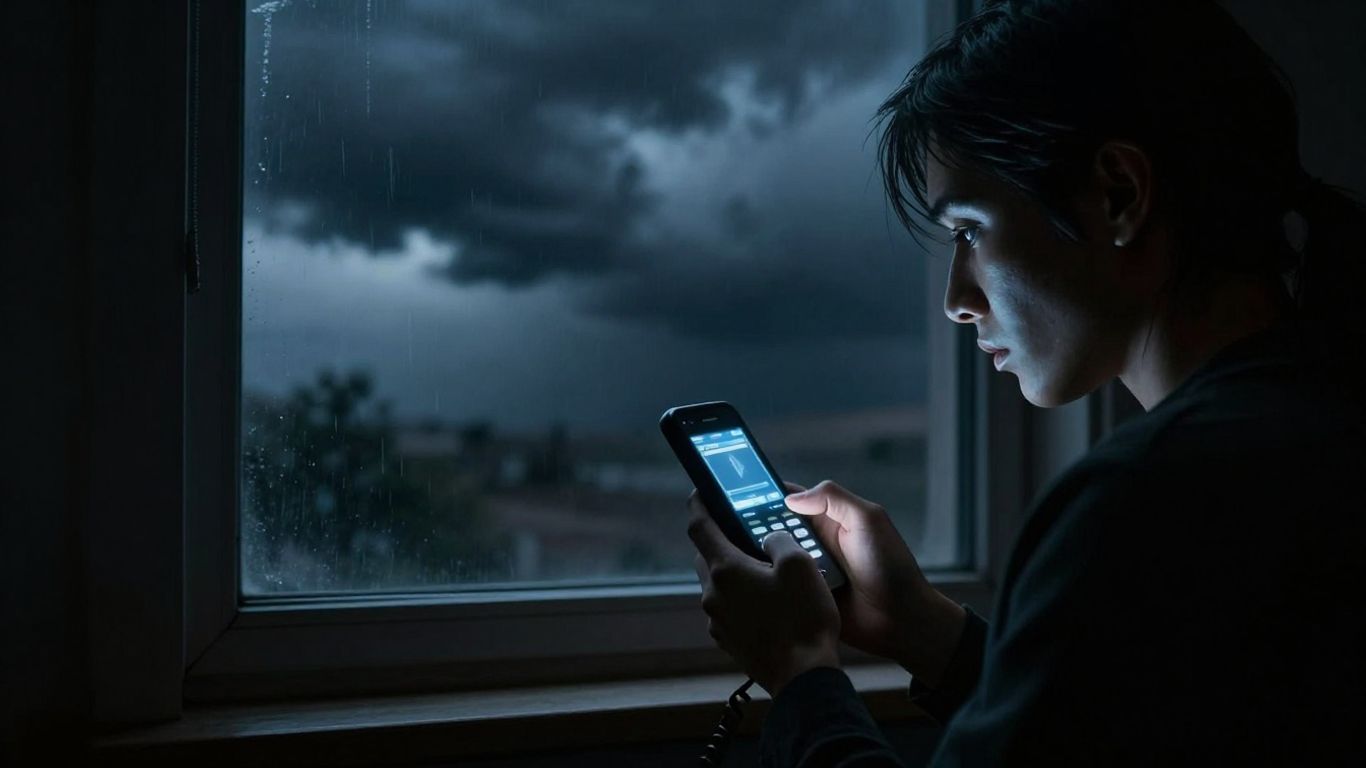
When you’re really off the beaten path, or when the worst happens and traditional networks are completely wiped out, satellite communicators are your best bet for staying in touch. These devices don’t rely on cell towers or local infrastructure. Instead, they beam your messages or calls directly up to satellites orbiting Earth, which then relay them to their destination. This means you can send a text, an SOS, or even make a voice call from pretty much anywhere on the planet. They’re a bit pricier than your average walkie-talkie, but for serious preparedness or for folks who spend a lot of time in remote areas, emergency satellite phone solutions are a game-changer. Think of them as your personal lifeline when the world around you goes silent.
Mesh Radios for Localized Networks
Mesh radios are pretty neat because they create their own little communication networks. Instead of talking directly to a central point, each radio in the network can talk to other radios nearby. This means your message can hop from one device to another, extending the range without needing a big, powerful transmitter. It’s like building your own private internet, but for voice and text messages. This is super handy for local communication within a neighborhood or a group of people who are trying to stay connected when cell service is gone. Technologies like LoRa are making these off-grid communication devices more accessible and efficient for creating these localized systems.
Satellite Internet: Restoring Connectivity from the Sky
While satellite phones are for direct communication, satellite internet aims to bring back the full internet experience, even when the ground-based infrastructure is down. Services like Starlink are changing the game here. You get a dish, point it at the sky, and suddenly you have broadband internet. This can be a lifesaver for accessing information, coordinating with others, or even running essential services that rely on an internet connection. It’s not quite as portable as a satellite communicator, and it definitely needs more power, but for restoring a more robust connection, it’s pretty impressive. Keeping your modem and router powered during an outage is key, and battery backups are a must for this kind of setup to ensure internet connectivity during power outages.
The beauty of these advanced technologies lies in their independence from traditional, vulnerable infrastructure. While they come with their own costs and complexities, they offer unparalleled reliability when it matters most. Having a mix of these tools, from global satellite reach to local mesh networks, provides a robust communication strategy for almost any scenario.
Utilizing Digital Communication When Available
Digital communication can feel like a lifeline when the grid goes down, but it doesn’t always mean you’re totally out of luck. If you manage your tools right, you can still reach folks or get vital news, even during a rough patch. Let’s break down practical options for using digital channels when traditional networks are shaky or patchy.
Text and Email: Limited but Reliable Options
Sometimes, cell towers struggle but aren’t completely offline. In those windows, sending a simple text or email might succeed where a call fails. Text and email use much less bandwidth, so messages sometimes go through even on a weak signal. Here’s how to make the most of these tools:
- Keep messages very short—fewer words mean higher odds of delivery.
- Attachments and images rarely go through; focus on plain text.
- Know that delivery can be delayed or out-of-order in emergencies.
If you rely on email, consider a secondary account with a major service; providers like Gmail often have robust infrastructure that’s more resilient under stress.
In a pinch, a ten-word update is worth more than a dozen dropped calls. Keep it short, check occasionally, and don’t expect instant responses.
Finding Wi-Fi Hotspots: Your Connection to the Outside World
Even during outages, some Wi-Fi hotspots might stay up if they’re on backup power. If your phone or laptop can connect to Wi-Fi, you can get information out—sometimes this is your only link to the internet for news, maps, or quick check-ins. People have used smartphone hotspots or portable backup stations after extreme events, like the recent aurora that knocked out parts of the grid. Investing in portable power stations is a wise move if you travel during storm season or live off-grid.
A few tips if you’re trying to find a hotspot:
- Look for major chain stores or public libraries; they usually restore power and Wi-Fi first.
- Some portable Wi-Fi hotspots run on mobile networks independent from your home internet line.
- Never rely on a single spot. Map out a few locations in advance.
| Place | Likelihood of Power | Likelihood of Wi-Fi |
|---|---|---|
| Chain Grocery Store | High | Medium to High |
| Public Library | High | High |
| Gas Station | Medium | Medium |
| Coffee Shop | Low to Medium | Medium |
Social Media: Staying Informed and Connected
Social media isn’t just for doomscrolling or sharing cat videos—during a blackout or disaster, it’s a network of real-time information. Local groups often post outage maps, requests for help, or even lost-and-found announcements.
To use social media well:
- Follow local emergency management accounts before trouble hits.
- Save important community pages for off-line reading if you suspect an outage.
- Use direct messages or posts to check in with family, friends, or neighbors.
But remember: information overload and rumor can spread quickly. Always cross-check urgent updates before acting. If you need more ideas for keeping devices charged and online, explore emergency phone charging strategies to make those digital tools last longer.
In a disaster, a mix of tools—basic texting, hunting for Wi-Fi, or scanning social media—can help bridge the gap until cell networks and power come back online.
Powering Your Communication Devices
When the power grid goes down, keeping your communication gear running is a big deal. It’s not just about having the right radios or satellite communicators; it’s about making sure they have juice. Power redundancy for essential devices is key to staying connected. Think of it like having a backup plan for your backup plan.
Solar and Generator Power Solutions
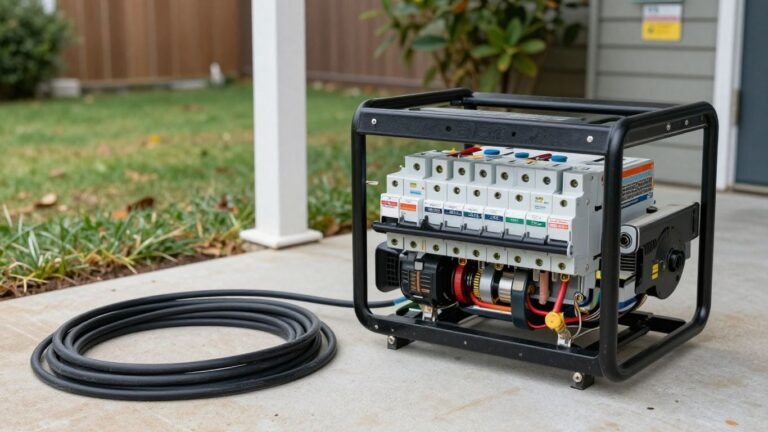
Solar power is a fantastic option for off-grid situations. You can get portable solar panels that fold up nicely, perfect for charging devices when the sun’s out. For bigger needs, like powering a ham radio setup or a satellite internet terminal, you might look into solar generators. These are basically big battery packs that you can charge with solar panels (or sometimes a wall outlet when power is on). They can keep your gear running for a good while. Generators are another option, but they need fuel and can be noisy. Still, they offer a lot of power in a pinch. It’s good to have a mix of these if you can. You can find some great portable power solutions that are designed for emergencies here.
Battery Management for Off-Grid Devices
Batteries are the heart of most portable communication devices. For things like handheld radios or satellite communicators, having spare, fully charged batteries is a must. Don’t forget to keep those batteries stored properly – extreme temperatures can really mess them up. If you’re using larger equipment, like a ham radio that runs off a 12-volt system, you’ll want a way to keep that battery topped off. This could be a solar charger, a generator, or even a deep-cycle battery that can hold a lot of power. Keeping track of battery levels and knowing how long each device will last on a charge is super important. It helps you prioritize what to keep powered up.
Power Redundancy for Essential Devices
Having just one way to power your gear isn’t enough when the grid is down. You need layers. For example, maybe your main communication device runs on a rechargeable battery, but you also have a crank-powered backup radio. Or perhaps your satellite communicator has its own internal battery, but you also have a portable solar charger specifically for it. This way, if one power source fails or runs out, you have another ready to go. It’s all about making sure your lifeline to the outside world doesn’t suddenly go silent because of a dead battery. This preparedness ensures you’re not left isolated when you need to communicate the most [2392].
Here’s a quick look at common power sources and what they’re good for:
- Solar Panels: Great for recharging batteries during daylight. Portable ones are easy to carry.
- Generators: Provide significant power but require fuel and can be noisy.
- Power Banks: Ideal for charging smaller devices like phones and handheld radios on the go.
- Deep-Cycle Batteries: Can store a lot of energy for larger radio setups.
- Hand Cranks: A last resort for very low-power devices, but better than nothing.
When planning your power strategy, always think about the specific needs of your communication devices. A satellite phone has different power requirements than a simple FRS radio. Matching the power source to the device is just as important as having the device itself.
Low-Tech Communication Methods
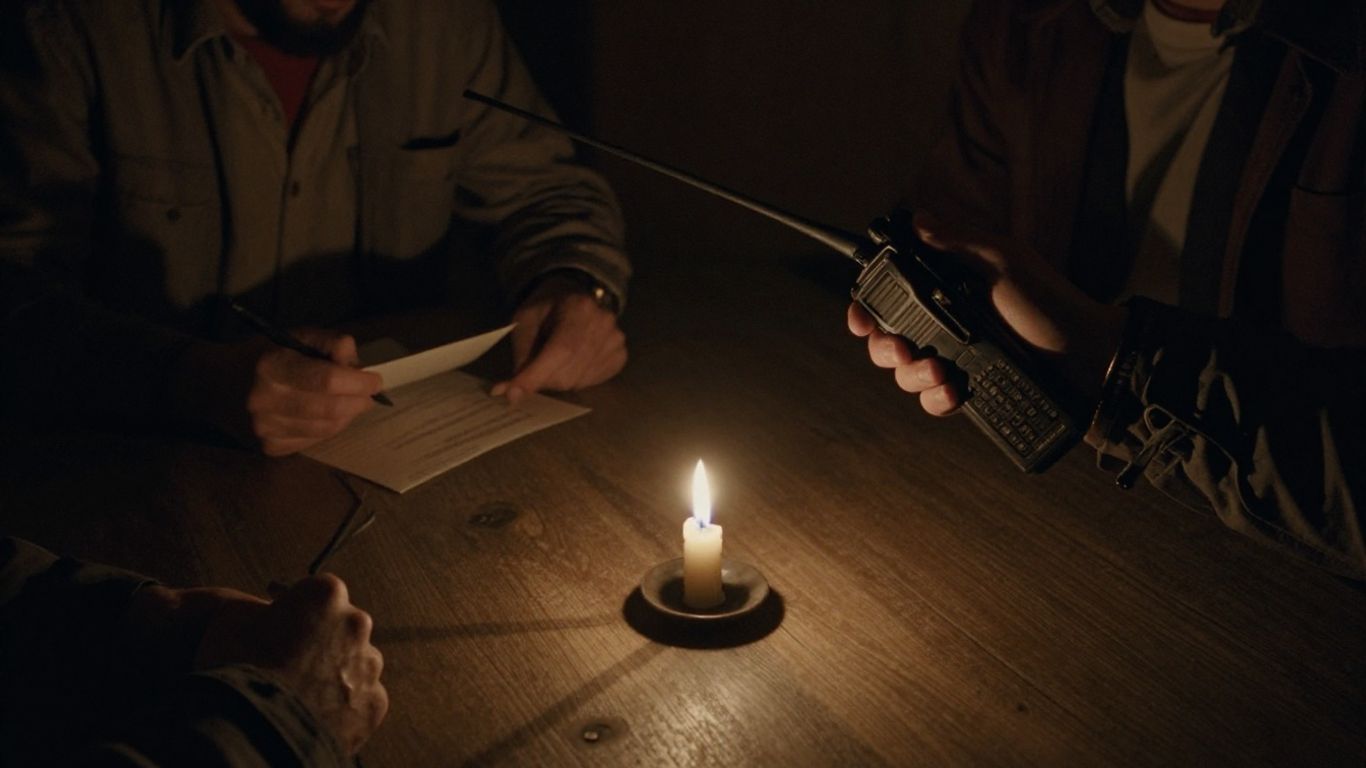
When the fancy gadgets fail or the power grid goes dark, don’t forget about the simple stuff. Sometimes, the most reliable ways to get a message out are the ones that don’t need a signal or a battery.
Community Bulletin Boards and Announcement Systems
Think of these as the old-school social media. In a pinch, communities can set up physical message boards in common areas. People can post updates, ask for help, or leave notes for neighbors. It’s not instant, but it works. Portable announcement systems, like bullhorns or even just a loud voice, can broadcast important information when nothing else is available. It’s a way to make sure everyone in the immediate area gets the word.
Handwritten Messages and Signs
Don’t underestimate the power of a good old-fashioned note. If you need to let someone know you’re okay or where you’re going, a handwritten message can do the trick. Holding up signs, especially if there’s a chance someone official might see them, can also communicate your status. It’s basic, but effective for quick, visual communication.
Emergency Services and Red Cross Networks
These organizations are set up for this kind of thing. They often have established ways to share information, even when regular communication channels are down. Knowing how to contact or find information from them is key. They act as a central hub for updates and assistance, so keeping an eye out for their announcements or knowing where their local stations are can be a lifesaver. Preparing for winter storms, for instance, means having emergency contacts ready, both digitally and written down [a861].
These methods might seem basic, but they are often the most resilient when everything else fails. They rely on people and simple tools, not complex infrastructure that can break.
- Community message boards for local updates.
- Bullhorns or PA systems for broadcasting information.
- Handwritten notes and signs for personal messages.
- Emergency service networks for official information.
Creating Your Communication Action Plan
So, you’ve got all these cool gadgets and ideas for staying in touch when the power’s out. That’s great! But just having the gear isn’t enough. You really need a plan, a sort of roadmap for how you’re actually going to use it all when things get dicey. Think of it like having a fire extinguisher – it’s no good if you don’t know where it is or how to use it.
Assessing Your Communication Needs
First off, what do you actually need to communicate? Are you trying to keep in touch with just your immediate family in the next town over, or do you have relatives spread out across the country? This will really shape what kind of gear you should be looking at. For local stuff, maybe some FRS or GMRS radios will do the trick. But if you need to reach further, you’ll want to think about something like a ham radio. It’s not just about talking, either. Do you need to send short text updates, or are you hoping for voice communication? Consider who you absolutely must be able to reach and what information they’ll need from you. Your plan should prioritize these critical connections.
Selecting the Right Off Grid Communication System for Emergencies
Once you know what you need, you can pick the right tools. It’s usually best to have a few different options, a sort of layered approach. For instance, you might have handheld radios for quick chats with neighbors, a more powerful ham radio for longer distances, and maybe even a satellite communicator for those times when everything else is down. Don’t forget about power, either! All these gadgets need juice. Think about solar chargers, portable power stations, and plenty of spare batteries. Having a mix of technologies means if one fails, you have others to fall back on. This is where having power redundancy really shines.
Testing and Maintaining Your Equipment
This is the part most people skip, but it’s super important. You can’t just buy a radio and expect it to work perfectly months or years later. You need to test it regularly. Grab a friend or family member and have a practice session. See how far the signal actually goes in your area. Check that your batteries are still holding a charge. Make sure you remember how to operate the equipment. It sounds simple, but doing these little checks can make a huge difference when you really need to rely on your gear. It also helps build confidence, so you’re not fumbling around in a stressful situation.
A solid communication plan isn’t just about the devices; it’s about the people using them. Regular practice makes everyone more comfortable and efficient, reducing panic and improving the chances of successful communication when it matters most.
Don’t Wait for the Lights to Go Out
Look, when the power goes out and the cell towers go silent, it’s easy to feel completely cut off. We’ve talked about a bunch of ways to stay in touch, from ham radios that can reach across the country to simple walkie-talkies for chatting with the neighbor. Even things like checking for Wi-Fi at a local spot or using old-school bulletin boards can help. The main thing is not to wait until disaster strikes. Think about what might work for you and your family now. Having a plan, and maybe a gadget or two, can make a big difference when you really need to get a message through. It’s about being ready, so you’re not left in the dark, literally and figuratively.
Frequently Asked Questions
What’s the best way to communicate if the power goes out and my phone doesn’t work?
When the power grid fails, traditional phones and internet often stop working. Ham radio is a really good backup because it doesn’t need the usual infrastructure. Other options include satellite communicators, which work anywhere, and simpler two-way radios like FRS or GMRS for talking to people nearby. Even low-tech methods like community bulletin boards can be helpful.
Why do regular phone lines and cell service fail during emergencies?
Our normal communication systems, like cell towers and phone lines, rely on electricity and can be damaged easily during big events like storms or earthquakes. They often don’t have enough backup power or can get overloaded when everyone tries to use them at once. Think of it like a bridge that gets washed out – you can’t cross it anymore.
Are there any ways to send messages even if the internet is down?
Yes! Text messages sometimes still get through even with a weak signal because they use less data than calls. Email can work if you can find a working internet connection, maybe at a place with backup power like a library. Some ham radio systems can also send email messages over the airwaves.
What are ham radios and why are they good for emergencies?
Ham radio, also called amateur radio, lets people talk to each other over long distances using radio waves. It’s great for emergencies because it doesn’t depend on cell towers or the internet. With the right equipment and a license, you can communicate with others even when everything else is down. It’s like having your own private communication system.
What if I can’t get a ham radio license? What are simpler options?
If getting a ham radio license seems like too much, don’t worry! For talking to people nearby, like family or neighbors, FRS and GMRS radios are a good choice. They are easy to use and you can buy them in many stores. Just make sure to get extra batteries and test them out before you need them.
How can I make sure my communication devices have power when the grid is down?
Having power for your communication gear is super important. You can use things like portable solar panels to charge batteries during the day, or have a generator ready. It’s also smart to have extra rechargeable batteries for your devices and to manage their power carefully, turning them off when not in use to save energy.