Emergency Water: How Much Do You Really Need?
Getting ready for emergencies means thinking about the basics, and water is at the top of that list. Here are the most important things to remember about storing water for when you might need it.
Key Takeaways
- Plan for at least one gallon of water per person, per day, for drinking, cooking, and basic hygiene.
- Consider how long an outage might last and adjust your storage amounts accordingly.
- Use clean, food-grade containers and store them in a cool, dark place to keep water safe.
- Don’t forget to include water for pets and extra needs for cooking or cleaning.
- Have a backup plan for purifying water from other sources if your stored supply runs out.
Calculating Your Essential Water Needs
When disaster strikes, water is the first thing you’ll need. It’s easy to underestimate how much you’ll actually use, but planning ahead is key. The general rule of thumb is one gallon per person, per day. This might sound like a lot, but it covers drinking, basic hygiene, and cooking.
The One Gallon Per Person Per Day Rule
This simple guideline is your starting point for calculating water needs for survival. It accounts for about half a gallon for drinking and another half gallon for minimal sanitation and food prep. For a family of four, that’s four gallons a day. If you’re aiming for a three-day supply, you’d need at least 12 gallons. For longer outages, like a week, you’re looking at 28 gallons for that same family. It adds up fast, doesn’t it?
Accounting for Additional Household Needs
Beyond just drinking, think about other uses. Pets need water too – plan for at least an extra gallon per day for them, especially larger animals. Hygiene, like brushing teeth and washing hands, also requires water. If you anticipate needing water for cleaning dishes or other sanitation tasks, you’ll want to add more to your daily total. Remember, hygiene water doesn’t always need to be potable, but your drinking supply must always be clean.
Duration Planning for Extended Outages
While a three-day supply is often cited as a minimum, many experts recommend aiming for at least two weeks of water. This is where your emergency water supply calculation really comes into play. Storing 14 gallons per person is a more robust goal. If space is an issue, consider how you’ll supplement your stored water. Having a plan for refilling containers from natural sources and a reliable way to purify that water is a smart move. This survival water quantity guide emphasizes having multiple layers of backup.
Stored water is your immediate lifeline. However, for extended emergencies, knowing how to source and purify water from other places is just as important. Don’t rely solely on what you can fit in your pantry.
Here’s a quick look at how needs can grow:
- Individual Needs: 1 gallon/person/day (drinking, cooking, hygiene)
- Pet Needs: Add 1 gallon/pet/day (adjust for size)
- Extended Outages: Aim for a 14-day supply if possible.
For more detailed information on water purification methods, you might want to look into essential filtration systems. Planning for the worst-case scenario means thinking about every drop.
Strategic Water Storage Solutions
Okay, so you know roughly how much water you need, but where do you actually put it all? This is where prepping water storage amounts gets a bit more involved. It’s not just about having water; it’s about having it ready and safe when you need it.
Long-Term Shelf-Life Water Options
These are the set-it-and-forget-it types of water. Think commercially bottled water, boxed water, or specially packaged pouches designed to last for years, sometimes even decades. They’re great because you don’t have to worry about rotating them out as often, and they’re usually sealed up tight against contamination. The downside? They can be pricier upfront compared to filling your own containers. Still, for a truly low-maintenance reserve, these are hard to beat. They’re perfect for keeping in your car or an evacuation kit because they’re easy to grab and go. You can find some good options for emergency water supplies that fit this category.
Utilizing Plastic Bottles and Jugs
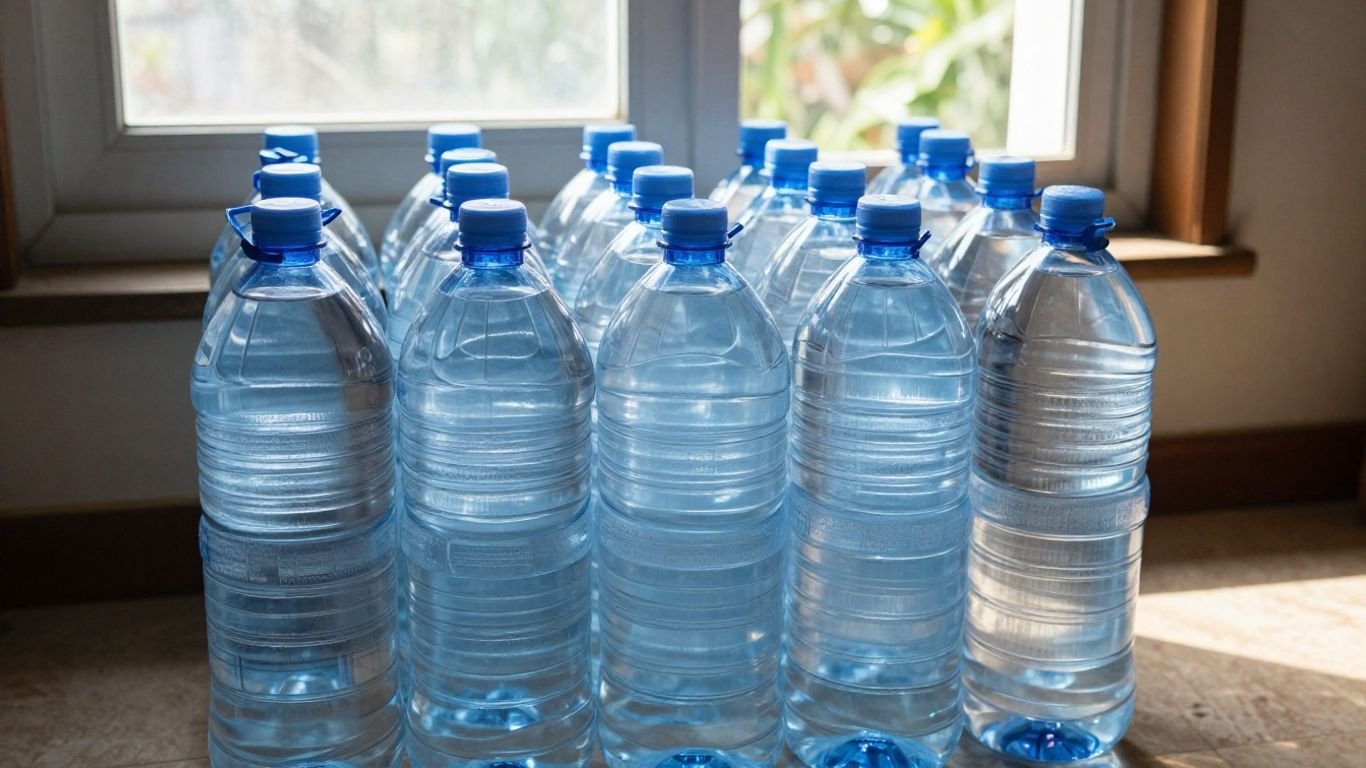
This is probably the most common way people start storing water, and for good reason. It’s cheap and easy. You can buy large jugs or just start collecting clean plastic bottles. The main thing to remember here is that these containers don’t last forever. The plastic can degrade, and leaks can happen. Plus, the water inside might not taste super fresh after about a year or so. So, if you go this route, plan to rotate your supply every 6 to 12 months. Keep them out of direct sunlight and extreme temperatures to help them last longer. It’s a good starting point, but you’ll need to stay on top of it.
Large Barrels and Stackable Containers
If you’ve got a bit more space, like in a garage or basement, larger storage solutions become practical. We’re talking 55-gallon drums or even bigger tanks. These hold a lot of water, making them cost-effective per gallon for long-term prepping water storage amounts. However, they’re heavy and not portable at all. You’ll also need to treat the water periodically, usually with a bit of unscented bleach, and keep track of when you did it. For smaller homes or apartments, there are also stackable containers, like Water Bricks. They’re designed to fit into tight spaces, like closets or under beds, and you can build your supply up vertically, saving precious floor space.
When storing water, always use food-grade containers. Never reuse milk jugs or soda bottles that aren’t specifically designed for water storage, as they can harbor bacteria. Store your water in a cool, dark place, away from chemicals or anything with a strong odor that could seep into the plastic. Labeling your containers with the date you filled them is also a smart move.
Don’t forget about your pets! They need water too, so factor in at least an extra gallon per day for them, especially if you have larger animals. And if you’re thinking about hygiene, like washing hands or dishes, you’ll want to add even more to your daily total. While hygiene water doesn’t have to be as pure as drinking water, your drinking supply must always be clean and safe. Planning for these extra needs is part of a solid water storage plan.
Maximizing Your Existing Water Sources
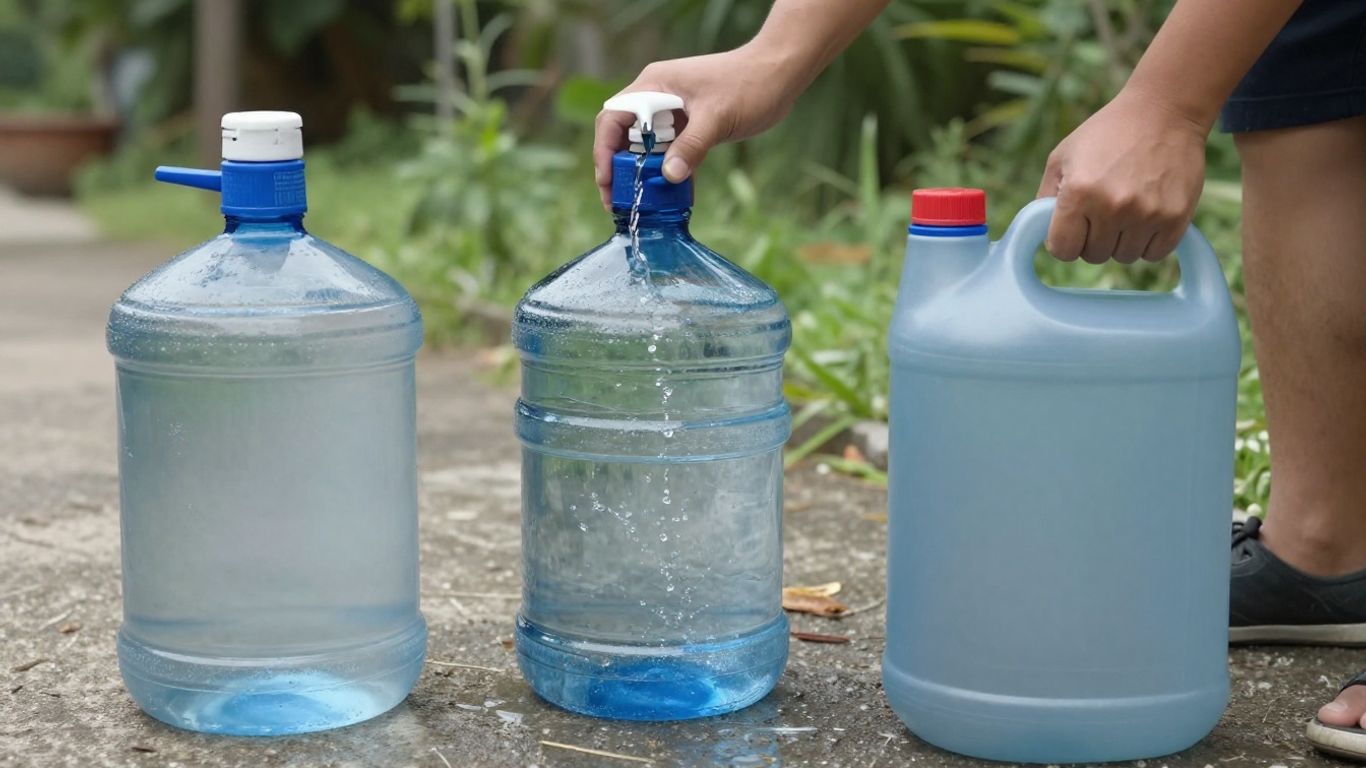
A lot of us don’t realize how much water is already inside our homes. When the tap shuts off, these hidden reserves can really help you stretch your emergency supply. It isn’t just about what you’ve got in bottles — sometimes, it’s about knowing where to find water you can make safe to drink.
Water Within Your Home’s Plumbing
If your main water supply is cut but there’s still water in the pipes, you can collect it for drinking or washing.
- Open the highest faucet to let air move in.
- Collect water from the lowest faucet in your home to get everything that’s left in the system.
Always treat or filter this water before using it for drinking or cooking, especially if there’s a chance local water lines are contaminated. During certain emergencies, listening to local officials for guidance is extremely helpful — they may advise shutting off your main water valve to avoid contamination (see when to shut off your valve).
Leveraging Your Water Heater Reserve
A standard water heater holds anywhere from 30 to 60 gallons. That’s a huge bonus in a crisis. Here’s how to use it safely:
- Turn off electricity or gas before opening the drain.
- Open a hot water faucet somewhere in the house for airflow.
- Use the heater’s drain valve to fill clean containers.
Just remember — if you’re not sure why the water stopped, always purify before drinking.
| Hot Water Tank Size | Gallons of Reserve |
|---|---|
| 30 | 30 |
| 40 | 40 |
| 50 | 50 |
| 60 | 60 |
Even if your home doesn’t have a lot of storage space, your water heater and pipes can provide enough for drinking and basic sanitation for several days.
Rainwater Collection Possibilities
Rain can be a backup water source in longer emergencies. Simple steps make it useful:
- Place clean buckets, garbage cans, or other wide containers outside to collect rainfall.
- Always filter or chemically treat rainwater before drinking. Never assume it’s safe right from the sky.
- Optional: If permitted, consider installing a rain barrel system on your gutter — just be sure to use food-safe barrels and keep them covered to avoid mosquito problems.
Accounting for All Household Needs
When you take stock of these water sources, don’t forget:
- Drinking: At least 1 gallon per person each day
- Cooking: Add a half-gallon daily for a family of four
- Sanitation: 1–2 gallons per day for hand washing and cleaning
- Pets: Small pets might only need a quart; big dogs may need a gallon or more daily
It’s smart to extend your plan if outages might last longer than a few days. Try to store extra — use tight spaces like under the bed or closets for jugs or bottled water. Remember, your storage containers make a difference; food-grade containers are safest for drinking water.
If you plan ahead, use every drop your home offers, and stay flexible about your possible water sources, you’ll be much more ready for whatever comes.
Maintaining Water Quality and Safety
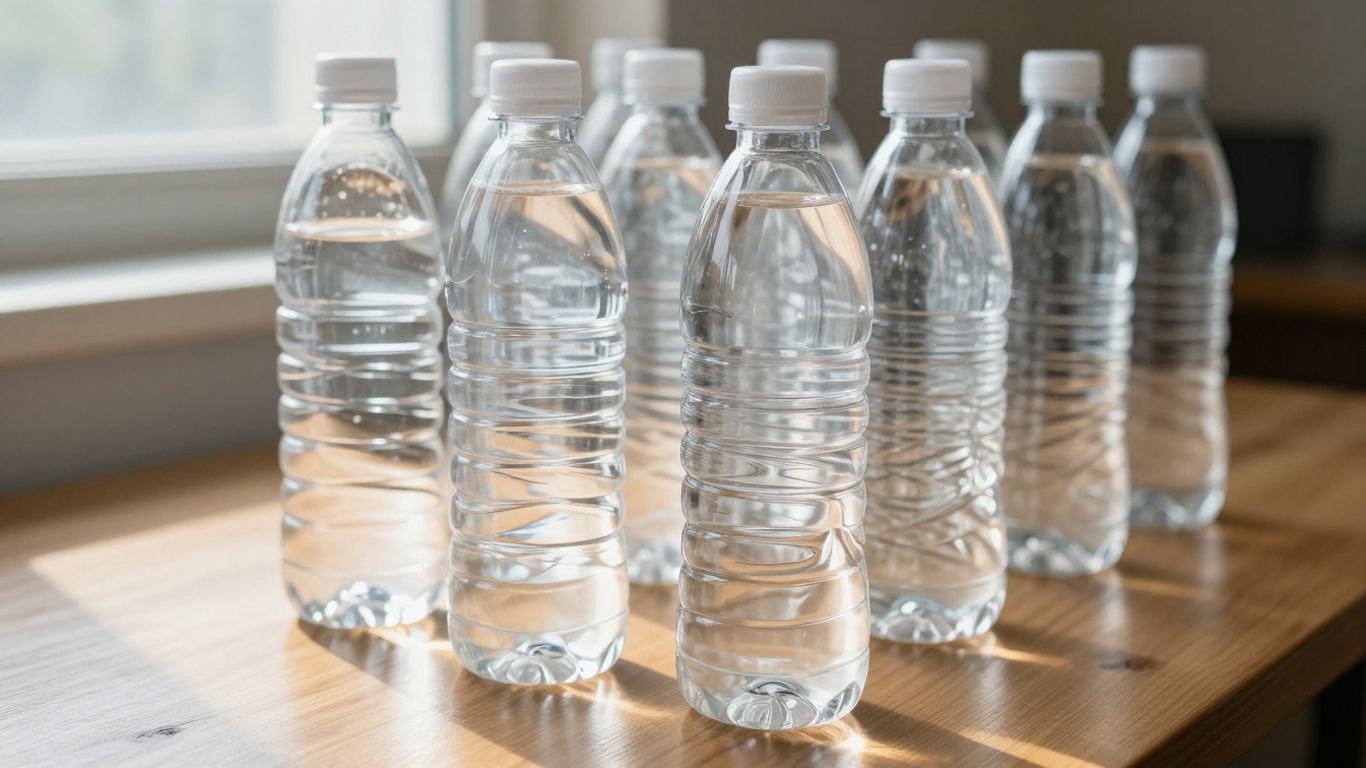
So, you’ve got your emergency water stashed away. That’s great! But what happens next? It’s not enough to just fill up bottles and forget about them. You’ve got to make sure that water stays good to drink, or you could end up in a worse situation than before. Keeping your stored water safe and clean is just as important as having it in the first place.
Proper Container Selection and Sanitization
First off, what are you storing it in? You can’t just grab any old jug. For long-term storage, it’s best to use containers specifically made for food and water. Think sturdy plastic jugs or barrels that are FDA-approved. And please, never reuse containers that held chemicals, even if you wash them out. Those residues can be dangerous. If you’re using new containers or ones you’re not sure about, give them a good scrub with soap and water. Then, sanitize them. A simple bleach solution works wonders: mix about a teaspoon of unscented household bleach (the kind with 5-9% sodium hypochlorite) with a quart of water. Swish it around to coat all the inside surfaces, let it sit for at least 30 seconds, then dump it out. Let the container air dry completely before filling it with your clean water.
Ideal Storage Conditions for Potability
Where you put your water matters a lot. Think cool, dark, and dry. The ideal temperature range is between 50°F and 70°F. Direct sunlight is a big no-no; it can degrade the plastic and encourage algae growth. Also, keep your water containers away from anything with strong odors or chemicals, like gasoline, pesticides, or even cleaning supplies. Those smells can actually seep through some plastics and make your water taste awful, or worse, contaminate it. Storing water in a closet or basement is usually a good bet. If you’re using plastic bottles, filling them right to the top with no air space can help too.
Regular Water Rotation and Replacement
Even with the best storage, water doesn’t last forever. Commercially bottled water has an expiration date, so pay attention to that. If you’re filling your own containers, you should plan to replace the water every six months to a year. Some sources suggest up to two years, but rotating it more often is safer. When you rotate, use the older water first for things like flushing toilets or watering plants, and refill those containers with fresh water. It’s a good habit to label each container with the date you filled it so you know when it’s time to swap it out. This ensures you always have a supply of potable water ready when you need it. For more on preparing for emergencies, check out disaster preparedness information.
Stored water needs attention. Containers must be clean and sanitized. Storage areas should be cool, dark, and away from contaminants. Regular rotation of stored water is key to maintaining its safety for drinking and cooking.
Ensuring Water for All Household Members
Making sure everyone in your home has enough water is more complicated than just filling up a few jugs. Different people (and pets) have different needs, and you definitely don’t want to be caught short. If you’re wondering how much water for disaster preparedness is really enough, here’s how to think it through.
Hydration Requirements for Pets
Pets can get overlooked in emergency plans, but they need clean water too. Cats and small dogs usually need around a half gallon per day, while big dogs might need a gallon or more.
- Estimate about 1 ounce of water per pound of body weight for dogs daily.
- Cats are similar, though they sometimes drink less if eating wet food.
- Fish tanks need their own clean water supply and may require dechlorinated water swaps.
Don’t forget, livestock or birds bump your storage needs higher. For a quick way to estimate, here’s a starter table:
| Animal Type | Daily Water Need (gallons) |
|---|---|
| Cat | 0.3 – 0.5 |
| Small Dog | 0.5 |
| Large Dog | 1+ |
| Chicken | 0.05 |
Water for Hygiene and Cooking
It’s not just about what you drink. Clean water is needed for washing hands, brushing teeth, prepping food, and washing dishes. During a supply disruption, you’ll probably cut down on showers, but don’t skip hygiene entirely:
- Plan for another half gallon per person per day for these uses.
- Keep cooking simple: boiling grains and pasta uses more water than you think.
- Store or collect extra for sanitation—like sponge baths and rinsing off if sick.
If you use more water-heavy meals, you’ll need to budget more. For more tips on stretching your supply, check out water preparedness recommendations for emergencies like this practical overview.
Special Considerations for Vulnerable Individuals
Small children, pregnant women, older adults, and people with health problems usually need extra care:
- Higher temperatures and illnesses mean more water loss (and need).
- Babies can’t have untreated water; keep formula guidelines in mind.
- Immune-compromised people should only drink stored or fully filtered water.
Make a list of family health needs: medications, formula, equipment cleaning, and so forth all increase your baseline.
People always underestimate the real amount of water it takes to keep a household running when the tap runs dry. Think about everyone in your home—fur, feathers, and family. Plan for three days at a minimum but stretch to two weeks if you can. Every extra gallon gives you more options.
Proper planning means adjusting the standard one gallon per person per day rule when you add in sanitation, pets, and anyone with higher medical needs. Calculating a realistic number is the best way to be sure your family and animals are safe until help arrives or services come back online. If you want to boost your supply further, options like rainwater harvesting at home can help during extended outages.
Backup Water Purification Methods
Even with the best storage plans, sometimes you might need to make questionable water safe to drink. That’s where purification methods come in. Having a few ways to clean water can be a lifesaver when your stored supply runs low or if you need to tap into an unexpected source.
Essential Filtration Systems
Filters are great for removing sediment and larger contaminants, making water clearer and more palatable. While some advanced filters can remove bacteria and protozoa, simpler ones are often a good first step before boiling or chemical treatment. Think of them as a pre-cleaning step. You can find portable filters designed for camping or emergency use that are pretty effective. Just remember, filters have a lifespan and can get clogged, so knowing how to maintain them is key.
Boiling Water for Disinfection
This is probably the most reliable method for killing off nasty germs. You just need a heat source and a pot. Bring the water to a rolling boil and keep it there for at least 5 minutes, though 10-20 minutes is even better, especially if you’re at a higher altitude. Once it cools down, you can pour it back and forth between clean containers to get some oxygen back in – it makes the taste much better. It might seem old-school, but boiling is a tried-and-true way to make water safe.
Using Bleach as a Purification Agent
Household bleach can be a handy tool in a pinch, but you have to use the right kind and the right amount. Only use plain, unscented liquid chlorine bleach that contains between 5% and 9% sodium hypochlorite. Never use scented, color-safe, or splash-less varieties. For clear water, a general rule is about 8 drops (or 1/8 teaspoon) of bleach per gallon of water. Stir it well and let it sit for about 30 minutes. You should notice a faint chlorine smell; if not, you might need to add a bit more and wait again. This method is good for disinfecting water, but it’s not ideal for cloudy water, as the dirt can shield the germs from the bleach. For cloudy water, you’ll want to filter it first or use double the amount of bleach. It’s a good idea to have a small bottle of unscented bleach stored with your emergency supplies, just in case. You can find more details on disinfecting water if you need them.
When using any purification method, always start with the cleanest water source available. If water is visibly dirty or murky, try to filter it through a clean cloth or coffee filter first to remove the larger particles. This makes the subsequent purification steps much more effective. Remember, the goal is to remove or kill microorganisms that can make you sick.
Conclusion
Having enough water stored for emergencies isn’t just about convenience; it’s about safety and survival. By understanding your household’s needs, choosing the right storage methods, and knowing how to keep your water safe, you can face unexpected disruptions with greater confidence. Start planning your water storage today – it’s a simple step that makes a big difference when it matters most.
Frequently Asked Questions
How much water do I really need for an emergency?
The basic idea is to have one gallon of water for each person in your home, every single day. This covers drinking water and a little bit for cooking and washing up. If you have pets, you’ll need to add water for them too.
What’s the best way to store water?
You can buy special water storage containers or use clean plastic bottles that are meant for food. It’s super important to keep them in a place that’s cool and dark, away from sunlight. Never use old milk jugs or soda bottles that aren’t cleaned perfectly.
How long can I keep stored water?
Water itself doesn’t really go bad, but the containers can. If you use store-bought bottled water, check the ‘best by’ date. If you fill your own containers, it’s a good idea to swap out the water every six months to a year to keep it fresh.
What if I run out of stored water?
Don’t panic! You can get water from your home’s pipes or even your water heater if the main supply is off. You can also collect rainwater. Just remember, you’ll need to clean this water before drinking it, maybe by boiling or filtering.
Do I need to store water for my pets?
Yes, absolutely! Pets need water just like people do. Plan for about a gallon per day for larger pets, and adjust based on their size and needs. They can get pretty thirsty too.
How can I make water safe to drink if it’s not from a clean source?
There are a few ways. Boiling water for a few minutes kills most germs. You can also use special water filters designed for emergencies, or even a small amount of unscented bleach following specific instructions. It’s all about making sure it’s safe before you drink it.