Generator Watch: Remote Monitoring Made Easy
Getting a generator is a big step towards power security. But how do you know it’s always ready? Remote monitoring systems let you keep an eye on things from afar, making sure everything is running smoothly. Here are the main things to remember about this helpful tech.
Key Takeaways
- Remote monitoring lets you check your generator’s status anytime, anywhere.
- You get instant alerts for issues like power outages or when maintenance is needed.
- These systems help track fuel levels and how much your generator has run.
- Cellular connections are often the most reliable way for generators to send data.
- Choosing the right system means checking for brand compatibility and ease of use.
Understanding Remote Monitoring For Generators
Why Remote Monitoring Is Essential
Think about your generator. It’s a big investment, meant to keep things running when the main power goes out. But how do you know it’s actually ready to go? That’s where remote monitoring comes in. It’s like having a watchful eye on your generator, even when you’re not there. This technology gives you peace of mind by letting you know your generator’s status from anywhere. It’s not just about knowing if it’s on or off; it’s about getting a full picture of its health. This kind of telemetry for power generators helps catch small issues before they turn into big, expensive problems. It means fewer surprises during an actual outage, which is exactly when you need your generator the most. For businesses, this means less lost revenue, and for homeowners, it means keeping your family comfortable and safe. It’s a smart way to protect your investment and ensure reliable backup power.
Key Features of Modern Monitoring Systems
Today’s generator monitoring systems are pretty advanced. They go way beyond just a simple on/off switch. You can expect features like:
- Real-time status updates: See if your generator is running, idle, or needs attention, all from your phone or computer.
- Automated generator status alerts: Get immediate notifications via text or email for critical events, like a power outage or a system fault.
- Fuel level tracking: Keep tabs on how much fuel you have, so you’re never caught off guard.
- Runtime history: Log how long the generator has been running, which is useful for maintenance and record-keeping.
- Diagnostic information: Some systems can even tell you what’s wrong, helping technicians fix issues faster.
These systems often use cellular connectivity, making them work even if you don’t have a stable internet connection nearby. It’s all about making offsite generator tracking solutions simple and effective. You can even find systems that work with various generator brands, so you’re not locked into one manufacturer. This flexibility is a big plus when you’re looking for the right setup.
Benefits for Homeowners and Businesses
For homeowners, remote monitoring means one less thing to worry about when the weather turns bad. You can check on your generator from your vacation home or even while you’re at work. It helps you know that your home will stay powered, keeping your lights on, your fridge running, and your heating or cooling system working. It’s a significant upgrade in home comfort and security.
Businesses gain a lot too. Imagine a retail store losing power during a busy sale day, or a data center experiencing an outage. These situations can be costly. With cloud based generator oversight, you can get immediate automated generator status alerts, allowing for quick responses. This minimizes downtime and protects revenue. For facilities that rely on constant power, like hospitals or server farms, this reliability is non-negotiable. It’s about maintaining operations and avoiding costly disruptions. You can even use the data to schedule maintenance proactively, preventing unexpected breakdowns and extending the life of your equipment. This approach to generator management is becoming standard for good reason.
Remote monitoring transforms a generator from a passive backup device into an active, managed asset. It provides visibility and control that was previously impossible, leading to greater reliability and efficiency.
How Remote Generator Monitoring Works
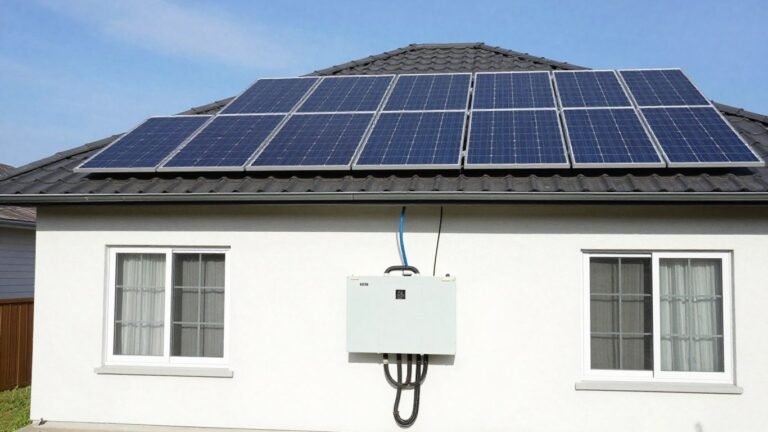
So, how does this whole remote generator management thing actually function? It’s not magic, but it’s pretty close. At its core, it’s about connecting your generator to the internet so it can send information back to you. Think of it like giving your generator a voice.
Communication Methods: Ethernet, Cellular, and Wireless
Generators can talk to the outside world in a few ways. The most common are:
- Ethernet: This is like plugging your generator directly into your home or business network with a cable. It’s fast and reliable if you have a network connection right where the generator is.
- Cellular: This uses a cell signal, similar to your smartphone. It’s super handy because you don’t need to run any wires, and it works even if your Wi-Fi is down. This is often the go-to for flexibility.
- Wireless (Wi-Fi): If your generator is close enough to your Wi-Fi router, it can connect that way. It’s convenient but depends on a strong, stable Wi-Fi signal.
The Role of Cellular Connectivity
Cellular connectivity is a big deal for generator monitoring. Why? Because power outages often take out your home internet too. If your generator is only connected via Wi-Fi, you might lose contact just when you need it most. Cellular keeps the lines of communication open, sending alerts about power failures or if the generator itself needs attention, even when everything else is dark. It’s a robust way to stay connected, especially for backup power systems that need to be ready at a moment’s notice. You can find systems designed for various generator brands that utilize this technology.
Understanding System Components
Most remote monitoring systems have a few key parts:
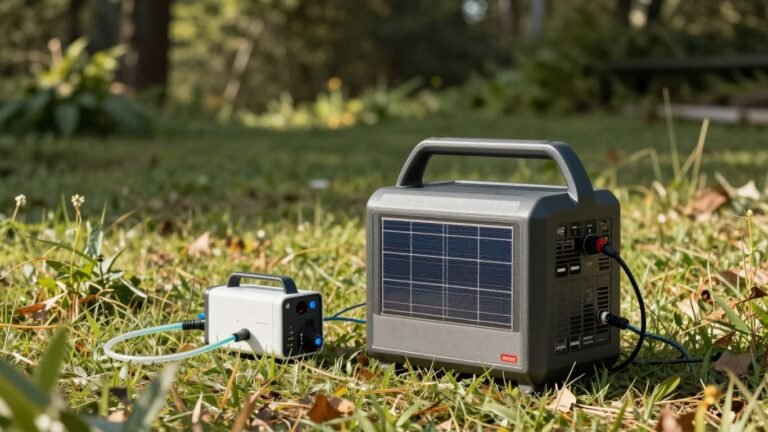
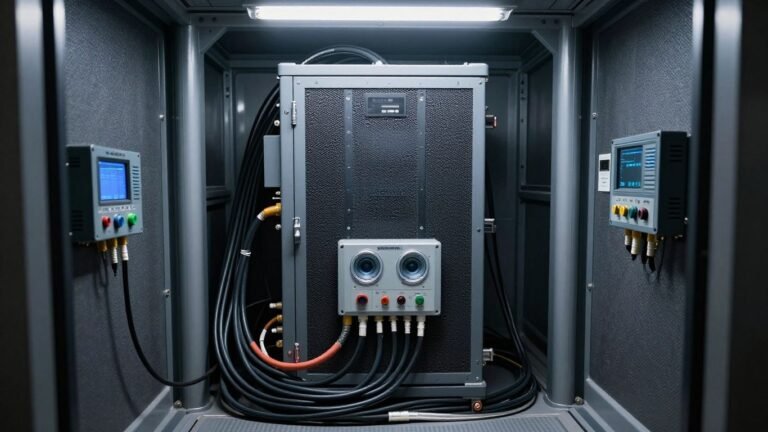
- The Sensor/Module: This is the piece that attaches to your generator. It reads things like engine status, fuel levels, and battery voltage.
- The Communication Device: This is what sends the data from the sensor. It could be the cellular modem, Wi-Fi adapter, or Ethernet connection.
- The Cloud Platform/App: This is where all the data goes. It’s the software that processes the information, shows it to you on a dashboard or app, and sends out alerts.
The whole point is to get data from your generator to your screen without you having to physically go check on it. This means you know its status, fuel level, and if it’s running, all from your phone or computer. It takes the guesswork out of whether your backup power is ready when you need it.
This setup allows for sophisticated [generator remote management], giving you peace of mind whether you’re home or away.
Leveraging Online Portals and Apps
Navigating Generator Monitoring Dashboards
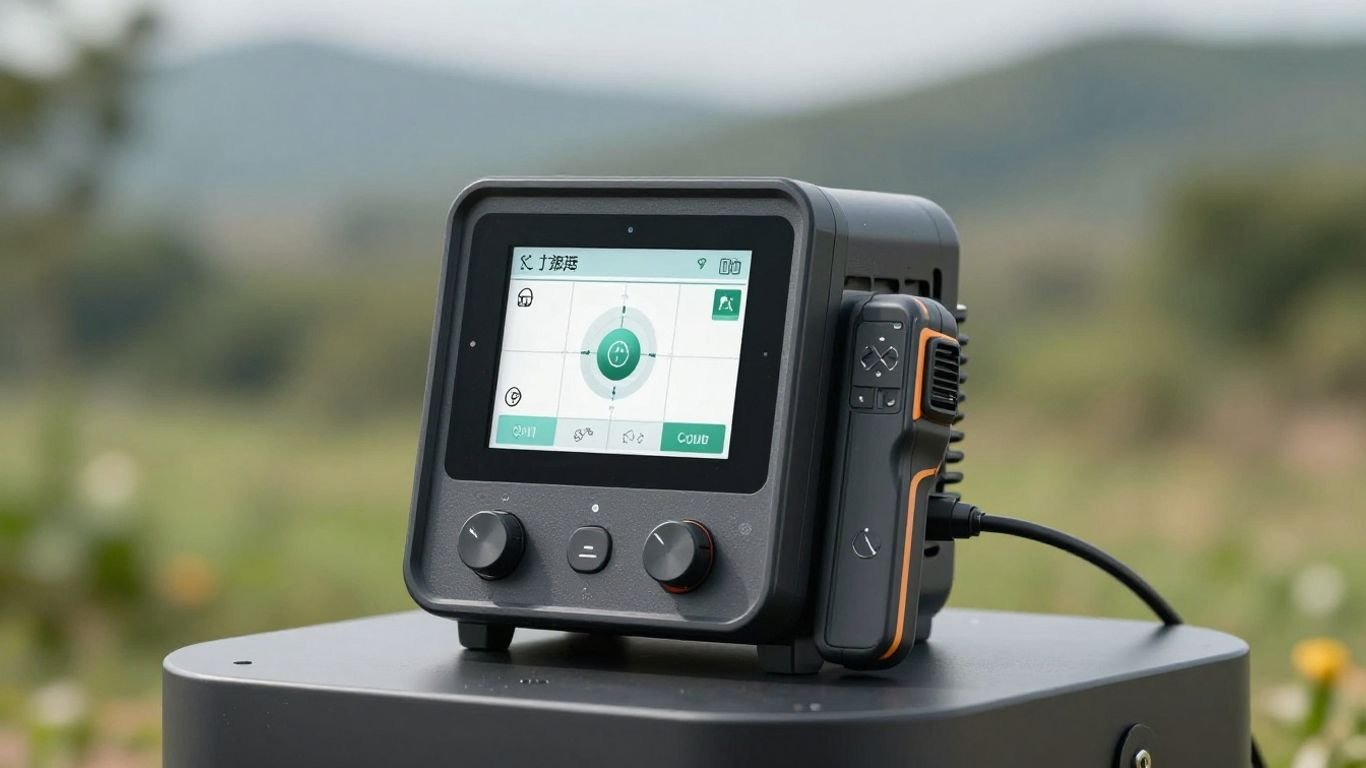
Think of the online portal or mobile app as your generator’s command center. It’s where all the important information comes together in one easy-to-see place. You can check if your generator is ready to go, if it’s currently running, or if it needs some attention. It also tells you about the utility power – did it go out? When did it come back on? You can even track how long the generator has been running during an outage. It’s all about having that immediate feedback without having to physically be there. Many systems, like EnergyTrak™, are designed with a clean layout so you can get the gist of things quickly.
Mobile Access for On-the-Go Oversight
Having an app means you’re not tied to your computer. Whether you’re at the grocery store, on vacation, or just out and about, you can pull up your generator’s status right from your phone. This is super handy for getting a quick check-in or for receiving alerts when you’re away from home or the office. It really brings peace of mind, knowing you can stay connected to your backup power source from pretty much anywhere.
Tracking Stationary and Mobile Units
These systems aren’t just for generators sitting in one spot. If you have mobile generators, like those used on job sites or for events, the portals can often include GPS tracking. This means you can see not only the generator’s status but also its location on a map. Some systems even let you set up virtual boundaries, or geofences, and will alert you if a unit leaves a designated area. It’s a big help for keeping track of valuable equipment.
Here’s a quick look at what you might see:
- Generator Status: Ready, Running, Fault, Standby
- Utility Power: On, Off, Restored
- Runtime: Total hours, last run duration
- Fuel Level: Percentage or estimated gallons remaining
The real advantage here is the shift from reactive problem-solving to proactive awareness. Instead of finding out about an issue when you desperately need power, you get notified early, often before it becomes a major problem. This kind of foresight is what makes remote monitoring so effective for keeping things running smoothly.
Key Features and Functionality
Modern generator monitoring systems give you a lot of information, right at your fingertips. It’s not just about knowing if your generator is on or off anymore. These systems are designed to give you a clear picture of your generator’s health and performance.
Real-Time Status and Event History
You can see exactly what your generator is doing at any moment. Is it running? Is it ready to go? The system keeps a log of all events, so you can look back and see when things happened, like a power outage or when the generator kicked in. This history is super helpful for troubleshooting or just understanding your generator’s usage patterns.
Instant Alerts for Power Outages and Service Needs
This is a big one. You get immediate notifications if there’s a power outage or if your generator needs attention. Think of it like a text message or email saying, "Hey, the power’s out" or "Your generator needs a check-up soon." This means you can react fast, whether it’s to make sure your home stays powered or to schedule maintenance before a small issue becomes a big problem. For businesses, this kind of quick alert can prevent costly downtime, especially for critical operations like telecom towers.
Fuel Levels and Runtime Tracking
Knowing how much fuel you have is pretty important, especially if you rely on your generator during extended outages. Monitoring systems track your fuel levels, so you’re not caught off guard. They also keep tabs on how long the generator has been running. This helps you plan for refueling and understand wear and tear over time.
Predictive Maintenance and Diagnostics
Some of the more advanced systems can actually predict when maintenance might be needed. They analyze performance data and can flag potential issues before they cause a breakdown. It’s like having a mechanic looking at your generator remotely, all the time. This proactive approach helps keep your generator in top shape and ready when you need it most, which is especially important for things like edge data centers.
Keeping an eye on these features means you’re not just hoping your generator works when you need it; you’re actively managing its readiness. It takes a lot of the guesswork out of generator ownership.
Ensuring Generator Readiness and Reliability
Keeping your generator in top shape means it’s ready when you need it most. Remote monitoring plays a big part in this, helping you stay ahead of potential problems before they turn into major headaches. It’s all about making sure your backup power source is reliable, day in and day out.
Proactive Maintenance Scheduling
Think of remote monitoring as your generator’s personal assistant. It keeps track of run hours and operating conditions, giving you the data needed to schedule maintenance at the right time. Instead of guessing when it’s due for a check-up, you get clear indicators. This means fewer unexpected breakdowns and a longer lifespan for your equipment. For instance, many systems can track cumulative run time, a key factor in determining when oil changes or filter replacements are needed. This proactive approach is way better than waiting for something to go wrong.
Minimizing Downtime with Quick Alerts
When something isn’t quite right, you want to know immediately. Remote monitoring systems send instant alerts straight to your phone or email. Whether it’s a low fuel warning, a battery issue, or a more complex fault code, these notifications allow for a swift response. This rapid awareness is critical for minimizing downtime, especially during a power outage when you can least afford for your generator to be out of commission. Getting these alerts means you or your service provider can jump into action quickly, often resolving issues before they cause a significant disruption. This is where systems with cellular connectivity really shine, providing constant communication.
Verifying Generator Performance
Beyond just knowing if the generator is running, remote monitoring lets you check how it’s running. You can track key performance indicators over time, like voltage output and engine temperature. This historical data is super useful for spotting subtle performance degradations that might otherwise go unnoticed. It helps confirm that the generator is operating within its normal parameters and performing as expected. Some advanced systems even offer diagnostic capabilities, helping technicians pinpoint the root cause of any performance issues more efficiently. This level of insight is invaluable for maintaining peak operational readiness, much like how monitoring your home’s energy usage can help identify inefficiencies.
Remote monitoring transforms generator upkeep from a reactive chore into a proactive strategy. By providing real-time data and immediate alerts, it significantly reduces the chances of unexpected failures and costly emergency repairs. This continuous oversight is key to guaranteeing your generator will perform when it’s needed most, offering peace of mind and protecting your investment.
Choosing the Right Remote Monitoring Solution
Picking the right remote monitoring system for your generator might seem a bit tricky at first, but it really comes down to a few key things. You want something that works with your specific generator, is simple to get up and running, and keeps your data safe. Think about it like choosing a good tool – it needs to fit the job and be reliable.
Compatibility Across Generator Brands
Not all monitoring systems are made equal, and some are designed to work with a wider range of generator brands than others. If you have a specific brand or even multiple brands of generators, you’ll want to check if the monitoring solution supports them. Some systems are universal, while others are brand-specific. It’s worth looking into this early on to avoid headaches later. For instance, some systems are built to work with Briggs & Stratton generators and their battery setups, giving you a complete power picture.
Ease of Installation and Setup
Nobody wants to spend days trying to get a new system working. Look for solutions that are known for being straightforward to install. Many modern systems come with kits that make it pretty simple for a technician, or even a handy homeowner, to get them connected. The goal is to have your generator reporting its status without a lot of fuss. Some systems are designed to be plug-and-play, while others might require a bit more technical know-how. A good setup means you can start benefiting from the monitoring features right away.
Data Security and Privacy Considerations
When you’re sending information about your generator’s status, fuel levels, and runtime over the internet, security is a big deal. You need to be sure that the data is protected from unauthorized access. Reputable monitoring providers will have strong security measures in place to keep your information private. It’s a good idea to ask about their data encryption methods and privacy policies. After all, you’re trusting them with details about your backup power system, and that information should be kept secure. This is especially important if you’re monitoring critical infrastructure.
When selecting a remote monitoring system, consider how the data is transmitted and stored. Cellular connectivity is often a reliable choice because it operates independently of your local internet connection, which might fail during a power outage. This ensures that alerts and status updates can still reach you or your service provider when you need them most. Always ask about the security protocols used to protect your generator’s operational data.
Conclusion
Remote monitoring for generators has truly changed the game. It’s no longer about just hoping your generator will work when you need it most. Now, you can have real-time updates, instant alerts, and even track fuel levels right from your phone or computer. This technology helps catch small problems before they become big, expensive ones, and makes sure your backup power is always ready. Whether it’s for your home or your business, setting up a remote monitoring system is a smart move for peace of mind and reliable power.
Frequently Asked Questions
What exactly is remote monitoring for generators?
Think of it like a remote control for your generator, but instead of controlling it, you’re checking on it. It lets you see if your generator is working, if it needs fuel, or if something is wrong, all from your phone or computer.
Why would I need to monitor my generator when I’m not home?
You might be on vacation, at work, or just out for the day. If the power goes out, you’ll know right away if your generator kicked on. It also helps you catch problems before they get serious, saving you from a big repair bill later.
How does the generator send information to me?
Most systems use cellular signals, like your cell phone does. Some can also use your home’s internet (Ethernet) or Wi-Fi. Cellular is usually best because it works even if your home’s internet is down during a power outage.
Can I see how much fuel is left in my generator?
Yes, many systems can track your fuel level. This is super helpful so you know when to refill it, especially if you’re going to be away for a while or during a long power outage.
Is it hard to set up a remote monitoring system?
It depends on the system, but many are designed to be pretty easy to install. Sometimes a professional needs to hook it up, but once it’s in, using the app or website is usually simple.
Do I need a special generator for this, or will it work with my current one?
Many systems can be added to existing generators, even if they weren’t originally designed for remote monitoring. You just need to make sure the monitoring kit you choose is compatible with your generator’s brand.