Keep Your Backup Generator Humming: A Simple Maintenance Checklist
Don’t let your backup generator sit idle and become unreliable. Regular maintenance is key to ensuring it works when you need it most. Here are the main points to remember:
Key Takeaways
- A consistent generator maintenance schedule for standby power is vital for reliability and longevity.
- Weekly visual checks, monthly exercise runs, and quarterly inspections are easy DIY tasks.
- Annual professional servicing, including fuel system flushes and electrical checks, is recommended.
- Performing basic maintenance yourself can save money, but complex tasks require a licensed professional.
- Proper upkeep prevents costly repairs, extends the generator’s life, and ensures safety.
Understanding Your Generator Maintenance Schedule For Standby Power
Why Consistent Generator Upkeep Is Crucial
Think of your standby generator as a silent guardian, ready to spring into action when the grid goes dark. But like any machine, it needs a little attention to stay in top shape. Skipping out on regular check-ups is a gamble that could leave you in the dark when you need power the most. A neglected generator might not start when a storm hits, leaving your home without heat or essential appliances. This isn’t just about convenience; it’s about safety and reliability. Keeping your generator humming means it’s ready to provide sure power, lasts longer, and keeps your family safe. It’s a smart way to protect your investment and your peace of mind.
The Benefits of a Proactive Maintenance Plan
Setting up a routine maintenance plan for your backup power systems is like having a reliable friend you can count on. It means fewer surprises and more confidence. For starters, consistent upkeep dramatically extends the lifespan of your generator. Instead of worrying about premature breakdowns, you can expect your unit to serve you faithfully for years to come. Plus, catching small issues early, like a slightly low oil level or a bit of corrosion on the battery terminals, can prevent much larger, more expensive repairs down the road. This proactive approach also means your generator will perform better when you actually need it, delivering steady power without faltering. It’s all about keeping standby generators ready for action.
Key Components Protected By Regular Servicing
When you stick to a maintenance schedule, you’re not just looking after the whole unit; you’re protecting its vital parts. This includes things like the engine oil, which needs to be clean and at the right level to keep everything running smoothly. The fuel system is another big one; stale fuel can clog lines and cause serious problems. Then there’s the battery, the heart of the starting system – a dead battery means no start, plain and simple. Regular checks also cover the air filters, which keep dust and debris out of the engine, and the cooling system, preventing overheating. Even the automatic transfer switch, the component that actually connects your generator to your home’s electrical system, needs to be checked to make sure it’s ready to do its job. Keeping these components in good shape is key to keeping standby generators ready.
A well-maintained generator is more than just a backup; it’s a reliable partner in home safety and comfort. Regular attention ensures it performs when needed most, preventing disruptions and safeguarding your household.
Establishing Your Generator Maintenance Schedule
Setting up a regular maintenance schedule for your backup generator is like having an emergency generator service plan in place before you actually need it. It’s not just about following a list; it’s about building a habit that keeps your power source ready for action. Think of it as preventative care for your home’s lifeline during an outage. A little attention now can save you a lot of headaches later.
Weekly Visual Inspections For Early Detection
Once a week, take a few minutes to walk around your generator. This isn’t a deep dive, just a quick once-over. Look for anything that seems out of place. Are there any puddles or drips under the unit? Does anything look cracked or unusually dirty? Also, give the fuel tank a quick glance to check the level. This simple visual check can catch small issues, like a minor leak, before they turn into big problems. It’s a good habit to get into, especially if you live in an area prone to sudden weather changes.
Monthly Exercise Cycles For Optimal Performance
Your generator needs to be run regularly to keep its internal parts in good shape. Monthly exercise cycles are vital for preventing issues like wet stacking, which happens when unburned fuel builds up in the exhaust. Aim to run your generator for at least 30 minutes each month. This allows the engine to warm up properly and burn off any accumulated moisture or fuel residue. It also helps keep the battery charged and the fuel system working smoothly. You can often do this by switching your home’s power source to the generator for a short period. For more details on your specific model, checking your owner’s manual is always a good idea, like for a Generac home standby generator.
Quarterly Checks For Essential Component Health
Every three months, it’s time for a slightly more involved check. This is when you’ll want to look at things like the air filters. If they look clogged with dust or debris, it’s time to clean or replace them. Dirty filters can make your generator work harder and less efficiently. Also, take a look at the battery terminals. If you see any white, powdery corrosion, it needs to be cleaned off to ensure a good connection. This level of care helps maintain the overall health of your generator’s key components, keeping it ready for action.
A consistent maintenance routine is the backbone of generator reliability. It’s about proactive care, not just reactive fixes. Treating your generator well means it’s more likely to perform when you need it most, protecting your home and family from power disruptions.
Annual Generator Maintenance Essentials
Once a year, it’s time to give your generator a really thorough check-up. Think of it like your own annual physical, but for your backup power source. This is where you catch things that might have slipped by during the quarterly or monthly checks. Getting a professional involved for this yearly deep dive is highly recommended.
Professional Deep Inspection and Fuel System Flush
This is the big one. A qualified technician will go over every inch of your generator. They’ll check for any signs of wear or potential problems that you might miss. A key part of this is the fuel system flush. Over time, fuel can break down, leaving behind gunk and sediment that can clog up the lines and injectors. Flushing the system removes this gunk, making sure your generator gets clean fuel when it needs it most. This is especially important if your generator sits for long periods between uses, like those found in remote edge data centers.
Replacing Air Filters and Spark Plugs
Your generator’s air filter is like its lungs. If it’s clogged with dust and debris, the engine can’t breathe properly, which messes with performance and fuel efficiency. Swapping out an old, dirty filter for a fresh one is a simple but effective way to keep things running smoothly. Similarly, spark plugs wear out over time. Worn-out plugs can lead to hard starting or misfires. Replacing them annually ensures a strong, consistent spark for reliable ignition.
Thorough Electrical Connection Checks
Loose or corroded electrical connections are a major cause of generator failure. During the annual inspection, a technician will carefully examine all wiring and connections. They’ll clean off any corrosion and make sure everything is tightened down properly. This step is vital for preventing electrical shorts, power interruptions, and ensuring the safe operation of your generator. It’s a good idea to keep a record of these maintenance tasks, as it can be helpful for warranty claims down the line.
Who Should Perform Generator Maintenance Tasks
Deciding who handles your backup generator maintenance is a pretty big deal. Some simple jobs are totally fine for you to do yourself on a nice weekend. But other tasks? Those really need someone with the right training. Knowing the difference can save you money and, more importantly, keep you safe from nasty electrical surprises.
DIY Checks You Can Easily Handle
There are a bunch of things you can check off your list without needing a special degree. Grab a flashlight and a rag, and you’re good to go for these:
- Visual Inspections: Just walk around your generator. Look for any obvious leaks, cracks in hoses, or signs of rust. It’s like giving your car a quick once-over before a road trip.
- Fluid Levels: Check the oil dipstick. If the oil looks dark and gritty, it’s time for a change. Also, keep an eye on the fuel level.
- Battery Check: Look at the battery terminals. See any chalky, greenish buildup? That’s corrosion and needs cleaning. A weak battery is a common reason for a generator not starting.
- Monthly Exercise: Remember to start your generator every month and let it run for about 30 minutes. This keeps the engine parts moving and prevents fuel system issues. It’s a good idea to do this even if the power is on.
- Air Filter Swap: Swapping out a dirty air filter is usually pretty straightforward. A clean filter means the engine can breathe better.
When To Call A Licensed Professional
Now, for the stuff that’s a bit more involved or potentially dangerous, it’s best to bring in the pros. These tasks often require special tools and a solid understanding of electrical systems. Trying to tackle them yourself could lead to damage or injury.
- Load Testing: Making sure your generator can actually handle the power load it’s designed for is critical. This is usually done with a special load bank.
- Transfer Switch Service: The transfer switch is a complex piece of equipment that moves power between your utility and your generator. It needs professional attention.
- Fuel System Deep Cleaning: Over time, fuel can break down and clog lines or the carburetor. A professional can properly flush and clean the entire system.
- Electrical System Diagnostics: Anything involving the internal wiring, high-voltage components, or complex control boards should be left to a licensed electrician. They have the knowledge and equipment to work safely.
The Importance Of A Professional Service Log
When a professional technician works on your generator, they should keep a detailed log. This isn’t just busywork; it’s super important. This logbook acts as a history of all the maintenance performed, including dates, tasks completed, and any parts replaced. It’s a lifesaver for warranty claims if something goes wrong down the line. Plus, it gives you a clear picture of your generator’s health and helps predict future maintenance needs. Think of it as your generator’s medical chart. For data centers that rely on constant uptime, systems like microgrids can offer added resilience, but even these benefit from meticulous maintenance records.
Keeping your generator in good shape is a shared responsibility. You handle the regular checks, and a professional takes care of the more technical aspects. This partnership is the best way to make sure your backup power is ready when you need it most, especially during challenging weather events where having reliable power is key, like during winter storms where safe heating is a priority.
Advanced Generator Maintenance Considerations
Beyond the regular checks, there are a few more involved tasks that really help keep your backup generator in top shape for the long haul. Think of these as the "tune-ups" that prevent bigger headaches down the road. It’s about making sure every part is working as it should, especially when you need it most.
Battery Testing and Replacement Schedule
The battery is the heart of your generator’s startup system. If it’s weak, your generator won’t crank. You should check the battery’s voltage regularly, maybe monthly, and definitely before storm season hits. Look for any corrosion on the terminals – that white, chalky stuff. Clean it off with a wire brush and a bit of baking soda paste if you see it. Most standby generator batteries last about 3 to 5 years. If yours is getting up there in age, or if it fails a voltage test, it’s time for a replacement. Don’t wait until you’re in the middle of an outage to find out your battery is dead. A good backup generator inspection guide will often include specific battery checks.
Coolant Level and Radiator Inspection
Just like your car, generators have cooling systems to prevent overheating. The coolant (or antifreeze) level needs to be checked regularly, usually when you check the oil. Make sure it’s between the ‘min’ and ‘max’ lines on the reservoir. Also, take a look at the radiator itself. Are the fins bent or clogged with debris like leaves or grass clippings? Clogged fins can’t dissipate heat effectively, making the engine run hotter than it should. Gently clean the fins with a soft brush or low-pressure air. Keeping the cooling system clear is vital for preventing engine damage.
Load Bank Testing for Critical Systems
This is a more advanced step, often done annually by professionals, but it’s super important for generators that support critical systems like medical equipment or sensitive electronics. Load bank testing involves connecting a special piece of equipment (the load bank) that simulates a heavy electrical demand. This test does a few things: it helps burn off any moisture or carbon buildup in the engine, verifies that the generator can actually handle its rated load without faltering, and checks the voltage and frequency stability under stress. It’s a way to really push the generator and see how it performs when it’s working its hardest. If you have a generator that absolutely must work when needed, this is a service you’ll want to look into. You can even convert your test results into a PDF using an online tool to keep a clean record.
Ensuring Generator Longevity And Reliability
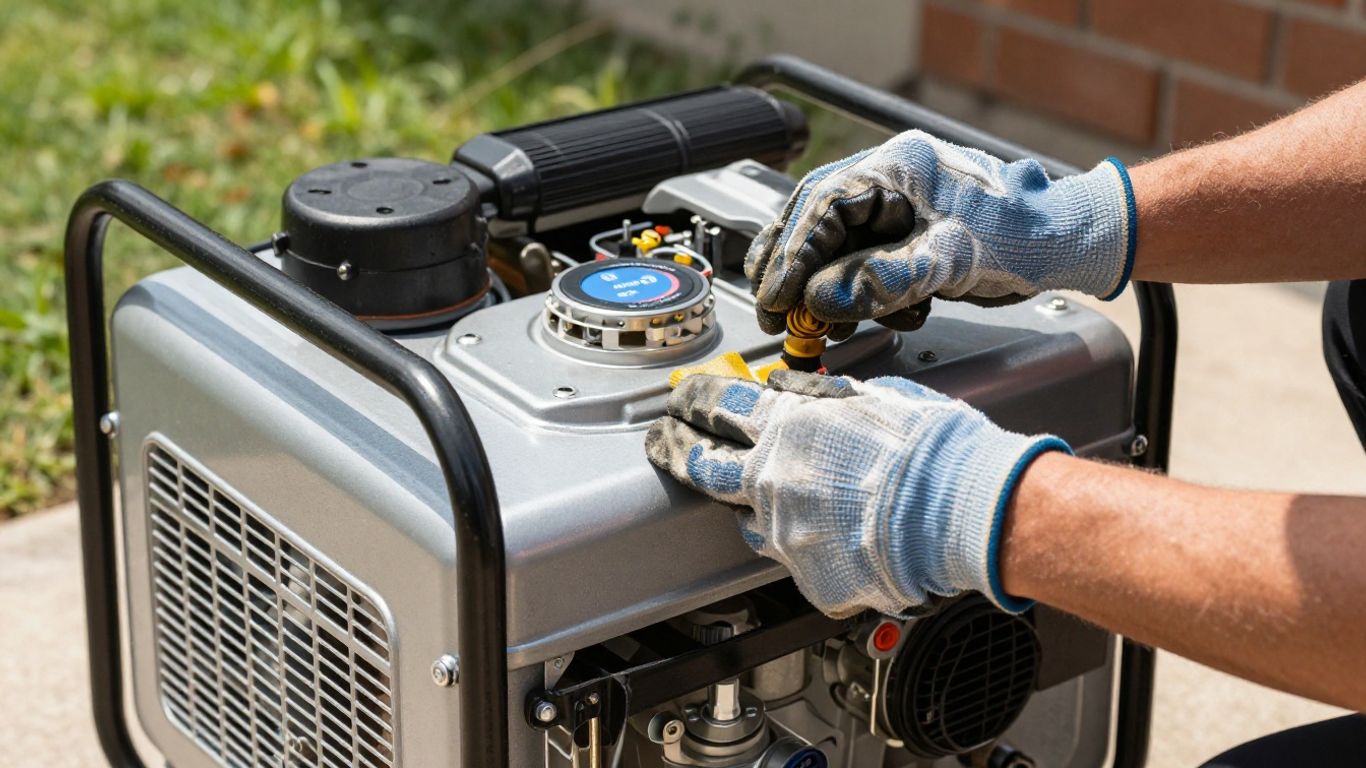
Keeping your generator in tip-top shape isn’t just about having power when the lights go out; it’s about making sure that machine lasts for years and works right when you need it. Think of it like taking care of a car – a little attention now saves a lot of headaches later. Regular checks and upkeep are the name of the game.
Tightening Bolts and Fasteners for Security
Generators vibrate a lot when they run, and over time, those vibrations can loosen things up. It might not seem like a big deal, but a loose bolt can lead to bigger problems. Imagine a critical part rattling around – it’s not good for the engine or your safety. It’s a good idea to give all the visible bolts and fasteners a once-over periodically. You don’t need to be a mechanic to spot something obviously loose. If you’re unsure, it’s a task best left to the pros during your annual service. They have the right tools and know the exact tightness needed for each part. This simple step helps prevent unexpected failures and keeps the whole unit stable.
Fuel System Maintenance for Storage
If your generator sits idle for long stretches, especially through seasons where outages are rare, the fuel can become a problem. Gasoline, in particular, can go bad, leaving behind gunk that clogs up the fuel lines and carburetor. This is a common reason why generators won’t start after months of sitting. To avoid this, use a fuel stabilizer if you know the generator will be stored for more than a month. You can pick these up at most hardware or auto parts stores. Just add it to the tank and run the generator for about 10-15 minutes to let the treated fuel circulate through the system. This simple step can save you a lot of trouble when you actually need the power. For more on keeping your fuel system in check, consider looking into generator fuel system maintenance.
Keeping the Engine Housing Clear of Debris
Your generator needs to breathe, just like any engine. The air intake vents and the area around the engine housing need to be kept clear. Over time, leaves, grass clippings, dust, and other yard debris can pile up. This blockage restricts airflow, making the engine run hotter than it should. Overheating can lead to all sorts of issues, from reduced performance to serious engine damage. A quick visual inspection and a simple sweep or brush-out of the housing and vents can make a big difference. Make it a habit to glance at it every few weeks, especially after windy days or if you’ve been doing yard work nearby. It’s a small effort that contributes significantly to the generator’s overall health and operational efficiency.
Conclusion
Keeping up with your backup generator’s upkeep is really important if you have a gas engine. A good schedule helps make sure your family stays safe and warm when the power goes out. Plan to spend around $200 to $600 each year for proper care. Always get a trained pro for the tough jobs! But if you’re looking for a simpler, quieter option, consider the Anker SOLIX E10. It provides plenty of clean power for your whole house without any annoying upkeep.
Frequently Asked Questions
How often do I need to service my backup generator?
You should take a quick look at your home generator every week. Then, run it for about 30 minutes each month. For a more thorough check-up, it’s a good idea to have a professional look at it once a year. If you have a generator for a business that gets used a lot, it might need expert service four times a year to stay compliant.
What are the main maintenance tasks for a backup generator?
Start with a monthly test run. After that, change the old oil and dirty filters every few months. Once a year, have a professional clean out the fuel system. It’s also smart to keep a logbook of all repairs to protect your warranty.
How much does it cost to maintain a backup generator each year?
A basic yearly check-up usually costs between $200 and $400. If you need more in-depth service, it might be closer to $600. Skipping these relatively small costs could lead to a repair bill of $2,000 or more, so taking care of it saves you money in the long run.
Is a generator maintenance contract a good idea?
Yes, it can be very helpful, especially if you live in an area prone to bad weather or depend on medical equipment. A contract can give you peace of mind and priority service if something goes wrong. If you’d rather avoid contracts, consider newer systems that require less upkeep.
How can I make my backup generator last longer with maintenance?
Change the oil every year and add a fuel stabilizer to keep the gas fresh. Replace old batteries every few years. Also, make sure to clear away leaves and other debris from around the engine housing to keep it dry.
What should I check weekly on my generator?
Just a quick look is usually enough. Check the oil level to make sure it’s not too low. Also, see if there are any warning lights on the display panel that say ‘service needed.’ It’s a simple check that can catch problems early.