How Much Does a Microgrid Cost per MW in 2026?
Key Takeaways
Understanding the financial landscape of distributed energy is essential for anyone planning a resilient power system. These points summarize the cost dynamics defining the 2026 market:
- Capital costs for microgrids vary significantly based on project scale, location, and the specific reliance on fossil versus renewable generation sources.
- Hardware acquisition is the primary driver of initial investment, often accounting for roughly three-quarters of the total budget.
- Site-specific challenges like environmental remediation and unique grid-interconnection requirements can elevate costs in brownfield developments.
- Financial modeling should distinguish between initial construction capital and long-term operating costs to ensure accurate 20-year budget planning.
- Tax credits and innovative PPA models remain some of the most effective strategies for balancing upfront expenses and maintaining project feasibility.
The current market averages for microgrid installations
Navigating the world of decentralized energy starts with acknowledging that typical pricing is rarely a flat rate. Projects fluctuate based on their specific hardware requirements and the local grid connectivity of the site. It is common to see costs oscillate wildly since every installation prioritizes different outcomes—some target simple efficiency, while others demand absolute reliability.
Establishing baseline pricing benchmarks for 2026
Benchmarks for current installations often hover around a range that reflects current material inflation and refined installation techniques. While some community-scale systems might see costs centered near $2.1 million per MW, large commercial deployments often scale higher depending on their specific technical complexity. It is helpful to view microgrid cost per MW as a loose figure rather than a firm price tag, as these numbers shift as components become more efficient over time.
Differentiating between generation-only and full-system costs
Distinguishing between individual components and a cohesive system is vital for accurate budgeting. A simple installation might focus on basic generation like diesel or solar, but a full-system cost accounts for the integration of intelligent controllers and secondary distribution wires. When planning, developers should consider if their quotes cover hardware alone or the entire commissioning process.
Analyzing the impact of project scale on per-MW economics
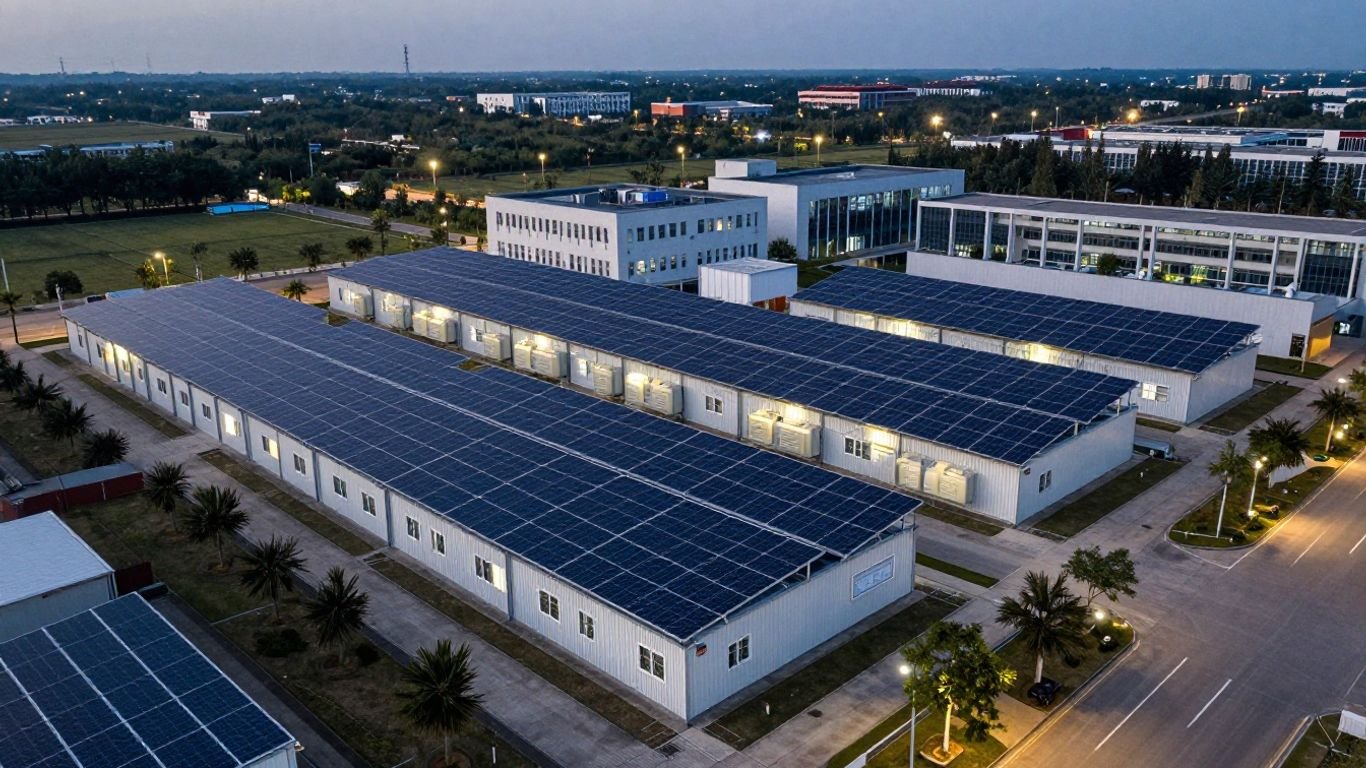
Scaling energy systems often leads to economies of scale that can significantly reduce the normalized expense per megawatt. Larger installations allow for the procurement of better equipment at wholesale rates and streamline the construction of the overall balance of system. Smaller projects, however, often face higher soft costs relative to their capacity which keeps their normalized pricing at a premium.
Comparing residential, commercial, and utility-scale expenditure
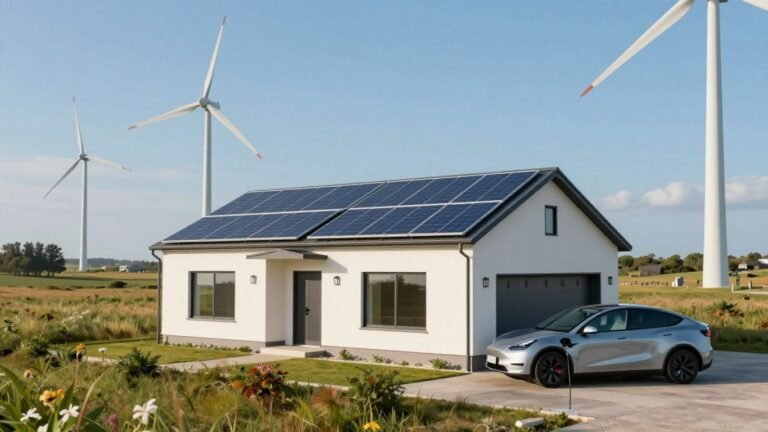
Different sectors face distinct hurdle rates and equipment grades that drive their total expenditure. A residential project might use simpler components, whereas a utility-scale microgrid requires high-voltage interconnection and advanced protection equipment. Researching how to effectively size your home microgrid can reveal just how much these individual equipment choices alter the baseline financial requirements compared to massive industrial grids.
Major cost drivers in microgrid hardware
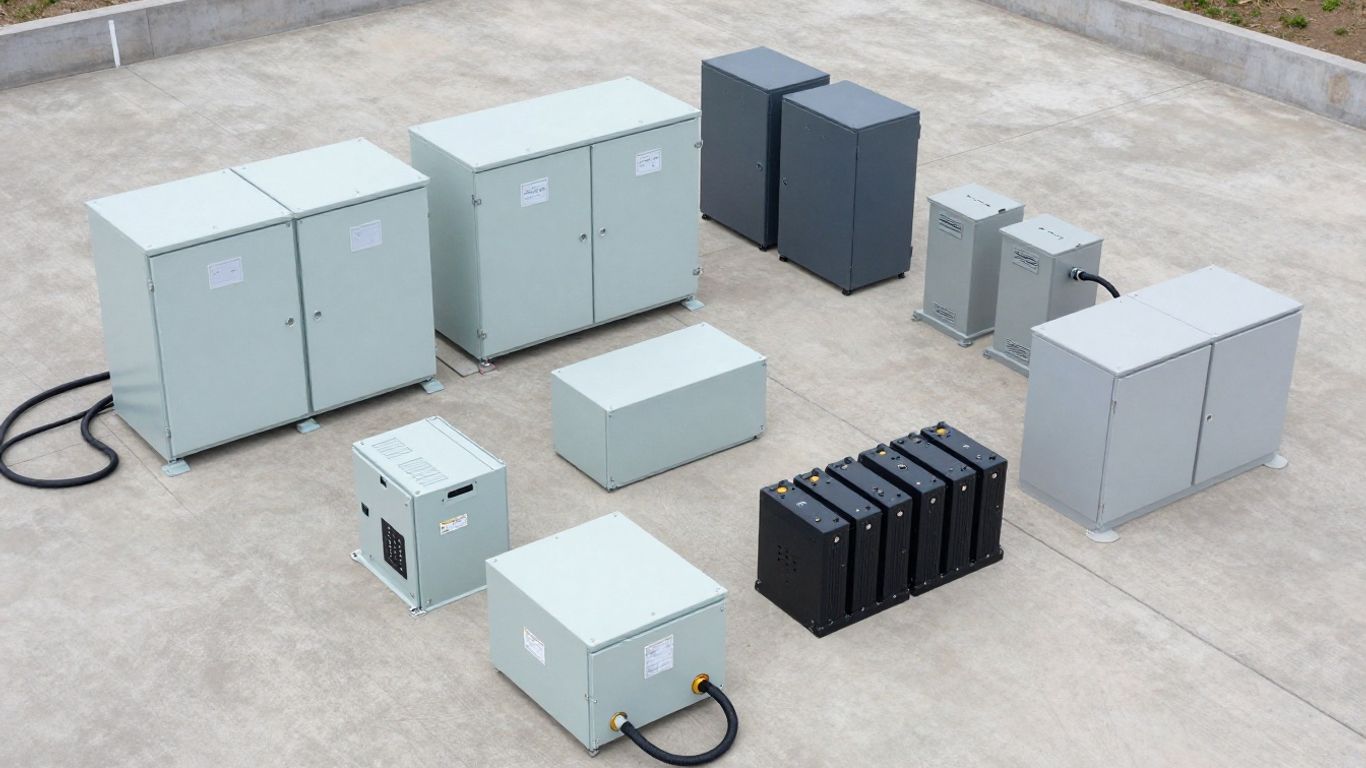
Hardware remains the most substantial portion of any installation, representing the bulk of the upfront capital. Beyond the raw price of energy equipment, shipping, specialized handling, and regional availability impact every budgetary line item. Sophisticated procurement allows teams to negotiate bulk rates, though the inherent volatility of energy component supply chains frequently forces updates to original financial plans.
Energy storage system procurement and installation
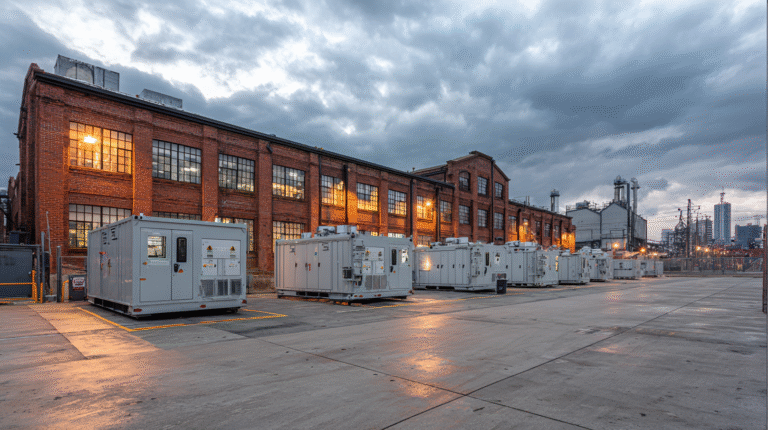
Battery storage units form the backbone of modern resiliency, making their acquisition a critical financial decision in the design phase. Costs are typically pegged to discharge capacity, meaning your power needs dictate your primary hardware expense. Choosing between lithium or flow battery chemistries further influences the long-term price profile since each requires distinct cooling and housing configurations.
Generation technologies including solar, wind, and diesel backups
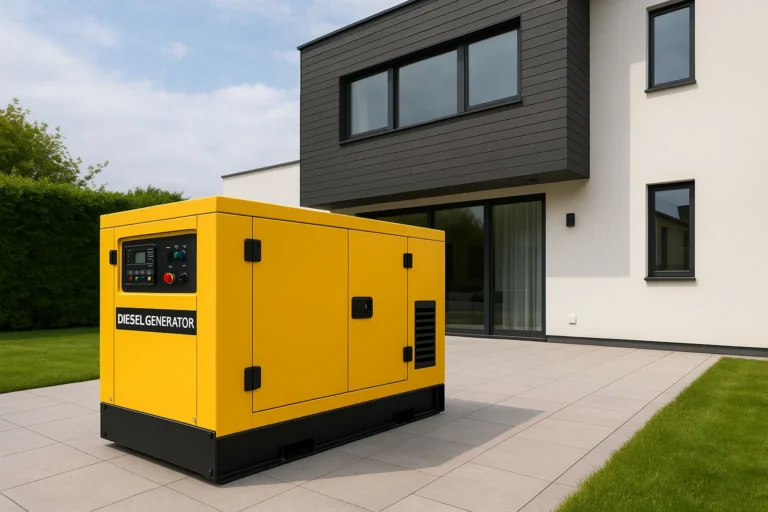
Integrating diverse generation sources allows for a balanced power profile, though each technology introduces its own price point. While solar photovoltaics benefit from declining prices, they must be balanced against the cost of diesel backups which are used for long-duration emergency support. Planning your project requires evaluating these generation mixes for cost-effectiveness as part of your overall energy strategy.
Controller systems and intelligent energy management software
Often called the "brain" of the installation, a reliable microgrid controller defines how well the system performs during high-demand events. It must harmonize inputs from various sources, making it a non-negotiable expense that can cost between $50,000 and $90,000 for standard systems. These software suites must be updated periodically, which impacts the total operating budget over the design life.
Balance of system costs for transmission and interconnection
Interconnection expenses cover everything from transformers to the physical wiring enabling communication with the main grid. These items are often underestimated but play a massive role in ensuring the system is safe and compliant with utility standards. The table below illustrates the relative cost distribution of common microgrid hardware components.
| Component Category | Estimated Budget Share | Key Cost Driver |
|---|---|---|
| Generators/Renewables | 40% | Capacity and Fuel Mix |
| Battery Storage | 30% | Discharge Duration |
| Smart Controls | 15% | Computational Complexity |
| Interconnection/Misc | 15% | Regulatory Compliance |
This breakdown helps teams prioritize exactly where their resources go to manage the total budget efficiently before construction begins.
The influence of site complexity on total investment
Every physical site possesses unique challenges that can either simplify or complicate the construction phase. Soil quality, pre-existing structural issues, and spatial constraints directly dictate how much labor is required to prepare the ground for a heavy installation. A thorough initial assessment prevents expensive mid-project adjustments that can otherwise balloon the total investment.
Evaluating brownfield development against greenfield challenges
Building on a brownfield site requires significant attention to existing infrastructure and potential hazards that don’t exist on a clean, greenfield site. While greenfield projects provide more flexibility for optimal solar orientation and battery housing, brownfield sites may benefit from existing transmission access. This trade-off between the ease of new construction and the logistics of retrofitting is a major factor in final cost estimates.
Geographical constraints on logistics and professional labor
The physical location of your project influences the cost of attracting and housing professional teams skilled in localized energy assembly. Remote sites, for instance, incur significant mobilization costs for transport and logistics that might not be necessary in urban centers. Labor costs in restricted regions also fluctuate based on local availability, frequently impacting the final bill for specialized electrical installation services.
Navigating site-specific regulatory and permitting overhead
Permitting is a notoriously inconsistent expense that varies entirely by county, city, or state regulations. Working in areas that have not established clear pathways for microgrid approval can lead to expensive delays and prolonged legal reviews. Understanding the specific local power networks in your target region is the best way to estimate how much administrative time and money to set aside.
Estimating costs for environmental remediation and preparation
Before any hardware arrives, the land must be ready, which may involve clearing obstacles or addressing sub-surface environmental concerns. This phase of development includes land surveys, geotechnical testing, and potentially cleaning contaminated soil which is a common occurrence on industrial brownfield sites. Ignoring these preparation costs often leads to severe budget overruns, which is exactly why thorough due diligence is recommended.
Architecture design and its effect on per-MW pricing
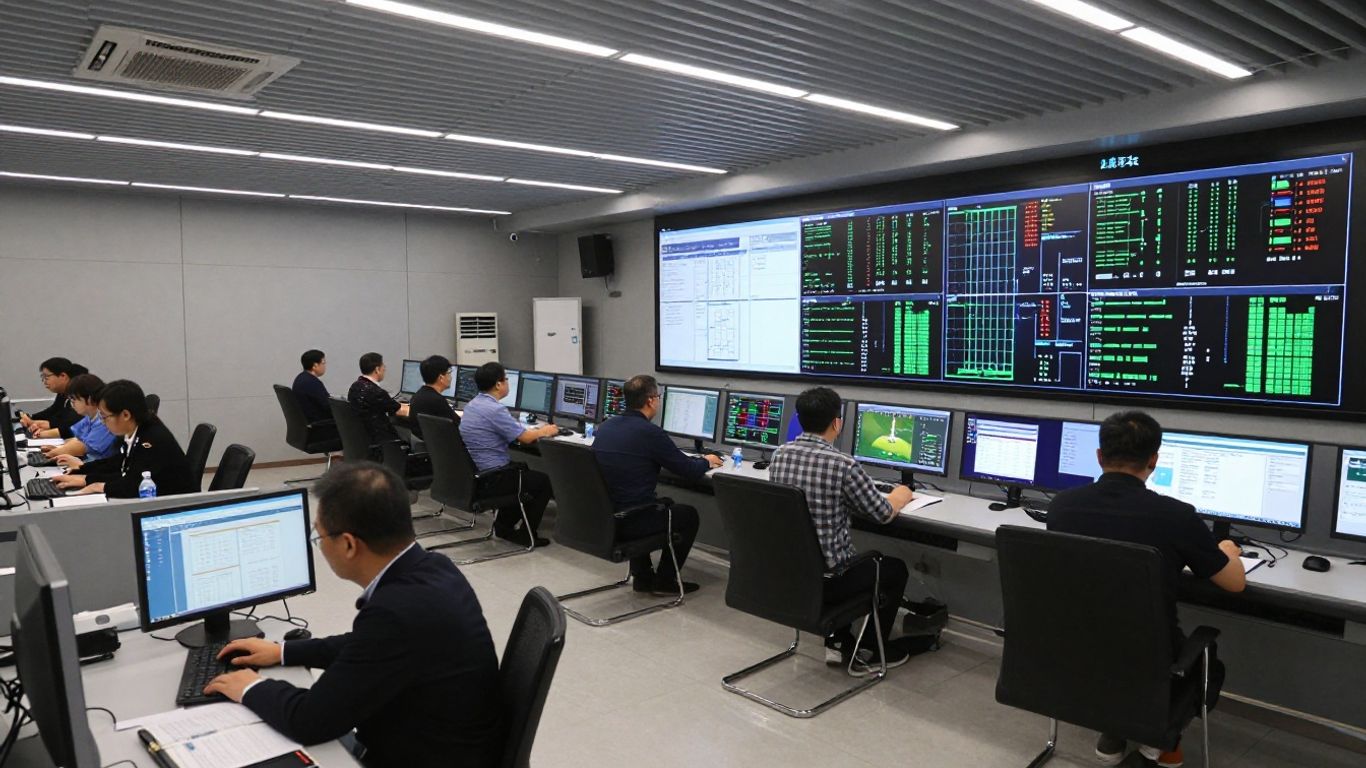
Designing for flexibility usually adds to the cost but provides long-term insurance against grid instability. The architectural decisions you make early in the planning phase, such as whether to prioritize continuous islanding over simple grid-tied operation, dictate the required switchgear and protection equipment. A design that is over-engineered for the current load will feel expensive today, but one that is too thin will be a financial burden tomorrow.
Designing for islanding capability versus grid-tied operation
True islanding capability provides the highest degree of resiliency, allowing a facility to function completely off-grid without any outside intervention. This often requires additional protection, faster switching gear, and sophisticated controllers that can manage phase synchronization. Most organizations find that the ability to sustain operations during a grid collapse justifies the added price tag relative to simpler systems.
Assessing the financial necessity of redundancy and resilience
Redundancy is the art of balancing cost against the potential financial impact of a power outage. Adding extra generation or storage capacity ensures that critical loads are always covered, even when hardware inevitably fails during extreme weather. Below is a list of factors to consider when determining how much resilience your infrastructure truly requires:
- Expected duration of power outages in your specific region.
- Financial value of lost operation time for your primary activities.
- Safety and environmental impacts of losing climate control systems.
- Future potential for expanding capacity based on business growth.
- Availability of tax incentives for building resilient community infrastructure.
These considerations help strike that narrow balance between cost efficiency and operational stability for your specific environment.
Managing integration complexity for hybrid multi-fuel sources
Multi-fuel systems require advanced plumbing and electrical arrangements to safely switch between sources without disrupting sensitive local loads. While this adds complexity, the ability to flip between solar, battery, and conventional fuel ensures a high level of reliability. Managing these systems often requires specialized operators who understand the technical nuance of shifting from one fuel to another seamlessly.
Engineering trade-offs between capacity and load management tools
Rather than simply building more generation capacity, smart engineering looks at managing current usage to prevent demand peaks. Investing in high-end intelligent energy management software can reduce the physical amount of battery and generator capacity needed to handle peak usage. This strategy shifts the financial focus from buying heavy metal assets to buying smart software, which can be easier on the balance sheet.
Financial strategies for managing project costs
There is no reason to carry the burden of a massive project alone when there are diverse funding models designed to share the cost. Federal and state incentives currently favor the transition toward resilient, decentralized power networks to support a cleaner energy future. These programs can effectively offset a substantial portion of your capital expenditure if you navigate the paperwork requirements correctly.
Leveraging federal tax credits and state-level renewable incentives
Federal tax credits frequently reduce the net cost of renewable assets like solar panels and large-scale battery storage by a significant percentage. State-level programs add a layer of support, often offering matching grants or performance-based incentives for projects that contribute positively to the local grid. Combining these sources of funding is a proven way to make large, resilient systems feel accessible for commercial applications.
Comparing upfront capital expenditure to long-term operational costs
Thinking purely in terms of "sticker price" can lead to poor long-term financial decisions. A system with low upfront costs might require expensive fuel or constant maintenance, whereas a slightly more expensive design might have lower lifetime costs through reduced energy rates. Experts often calculate the total cost of ownership by looking at a 20-year cycle to understand the true value of the technology.
The role of power purchase agreements and energy-as-a-service models
For those who want the functionality without the heavy lift of procurement, third-party companies now offer services where you pay for energy rather than ownership. This approach allows organizations to avoid the upfront investment entirely while retaining access to the backup power and reliability features of a full microgrid. It is an excellent way to maintain liquidity while still reaching your energy efficiency goals.
Analyzing maintenance and monitoring budget requirements over a 20-year cycle
Operating a system involves more than just utility payments; it requires a commitment to routine equipment checks and software updates. Batteries, in particular, eventually reach a point where they need augmentation or replacement, which must be planned for in the initial financial scope. Proper monitoring of your system helps predict these maintenance windows so that cash flow remains consistent over the lifetime of the installation.
Future projections for microgrid economics in 2026
Looking ahead, the market is maturing rapidly as more standardized equipment becomes available. Supply chains are stabilizing following years of global disruption, and technological breakthroughs are finally making high-capacity storage more affordable. The focus is shifting toward community-wide resilience, which encourages the development of larger, shared energy systems that benefit everyone.
Supply chain stabilization and its impact on hardware pricing
Increased competition for renewable energy components is helping to drive down prices through expanded manufacturing capacity globally. As companies scale their output, the price per MW will likely continue to trend downward for standard systems. This stabilization allows developers to have more confidence in their 2-5 year pricing projections, which is essential for projects with long lead times.
Technological breakthroughs reducing total balance-of-system costs
Innovation in power electronics is making it easier to integrate different energy sources without needing custom, expensive switchgear. These advancements allow for simpler, more predictable installations that take less time to commission on-site. As technical barriers shrink, the soft costs that often dominate a project’s budget will naturally decrease as well.
Rising demand for community-scale resilient infrastructure
Communities are increasingly looking for ways to protect their businesses and essential health facilities from weather-induced outages. This rising demand is pushing developers to propose larger microgrid designs that serve multiple entities, which inherently improves efficiency. Shared systems reduce the per-MW cost because they leverage economies of scale in ways that single-tenant systems simply cannot.
Evolving opportunities for grid monetization to offset depreciation
Forward-thinking owners are finding ways to turn their static energy assets into active revenue generators. Selling stored energy back to the grid during peak demand or participating in demand-response programs creates new cash flow that offsets the natural depreciation of the equipment. This evolution marks a transition from viewing microgrids as "safety equipment" to viewing them as "revenue-generating assets."
Conclusion
Investing in a microgrid involves a nuanced understanding of how technology, site conditions, and procurement strategies collide, but the long-term potential for reliability and cost-saving is undeniable. By focusing on smart design, clear financial modeling, and leveraging available incentives, organizations large and small can create resilient power networks that stand the test of time. While the upfront costs demand careful planning, the movement toward decentralized and sustainable energy is clearly setting a new standard for operational excellence in the modern era.
Frequently Asked Questions
What are the main cost components of a microgrid?
The primary expenses include the generation hardware like solar panels or generators, energy storage batteries, the intelligent controller system, and the balance-of-system infrastructure like wiring and interconnection gear.
Why does microgrid pricing differ so much between sites?
Costs vary based on the scale of the system, site preparation requirements like environmental remediation, and the specific level of resiliency or islanding duration required by the project owner.
Is a microgrid typically more expensive than a backup generator?
Yes, a microgrid is a much more complex system that provides intelligent energy management and integration of renewables, whereas a traditional generator is a single-purpose machine meant only for emergency support.
How does project scale affect the cost per megawatt?
Larger projects often enjoy significant economies of scale, allowing for bulk equipment purchasing and more efficient construction, which typically lowers the normalized cost compared to smaller, custom-engineered systems.
What is considered a soft cost in a microgrid installation?
Soft costs include non-hardware expenses such as professional engineering design, construction management, regulatory permitting, and the labor required for facility commissioning and environmental assessments.
How can federal tax credits help reduce the final investment?
Tax credits provide financial offsets that reduce the total capital expenditure of installing renewable and storage technologies, making it easier for commercial entities to justify the upfront investment in clean energy systems.
Are there options to access microgrid benefits without total ownership?
Yes, service models like power purchase agreements allow users to pay for clean, reliable power without funding the initial construction, shifting the burden of ownership to third-party developers.