Island Microgrids: Reducing Dependence on Imported Fuel
Key Takeaways
An island microgrid can combine local generation, energy storage, and controls to make power more dependable and reduce fuel use. Its design works best when it reflects the island’s resources, infrastructure, and priorities.
- A microgrid can operate alongside a larger grid or independently when its connection is unavailable.
- Imported fuel brings exposure to shipping delays, storage costs, and price changes.
- Renewable generation and batteries can reduce fuel consumption, while generators remain useful for backup.
- Planning should account for local demand, weather, land, critical services, and community needs.
- Regular testing and monitoring help operators maintain reliability and adapt as demand changes.
How an island microgrid works
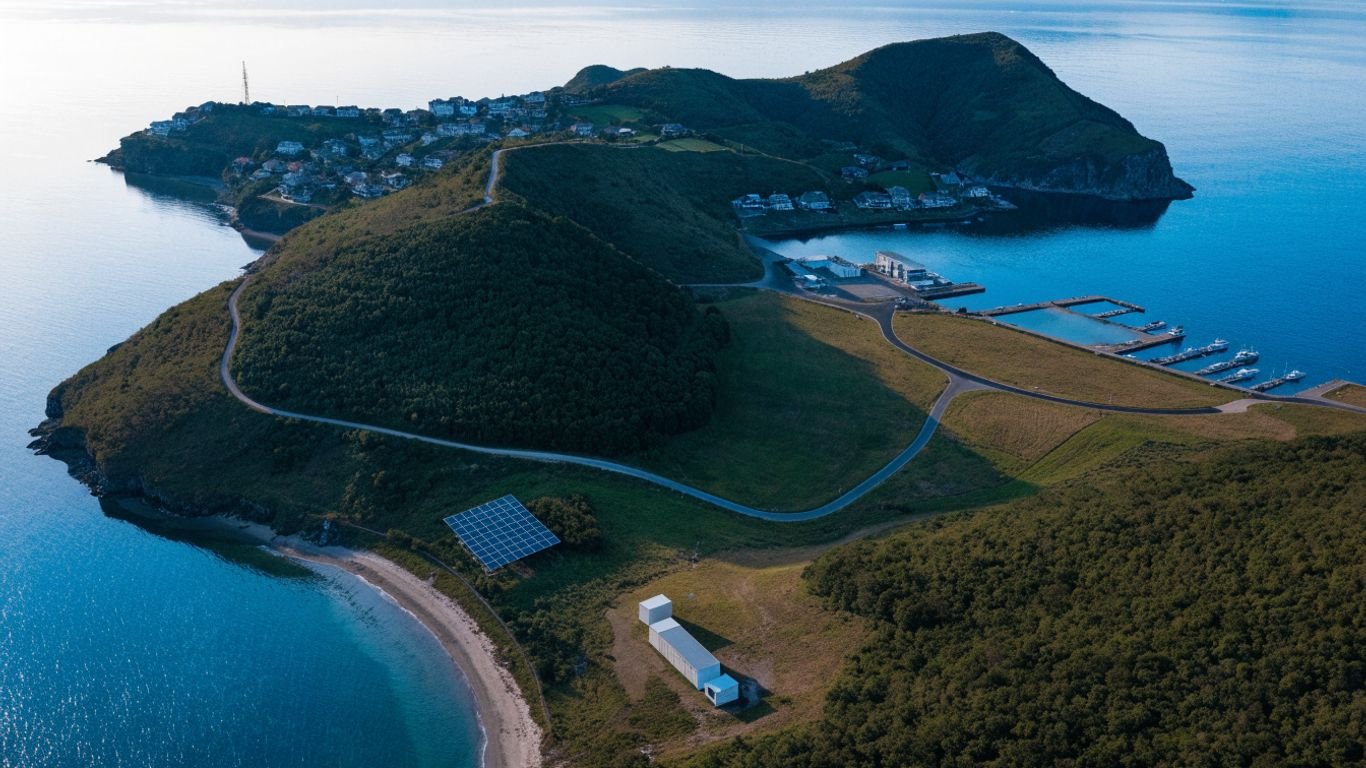
An island microgrid brings local electricity resources and controls together to serve a defined area. It may connect to a mainland grid, or operate separately if there is no interconnection. The point is not simply to install generation nearby, but to coordinate resources so they can meet local needs under different conditions.
What makes a microgrid different from a central grid
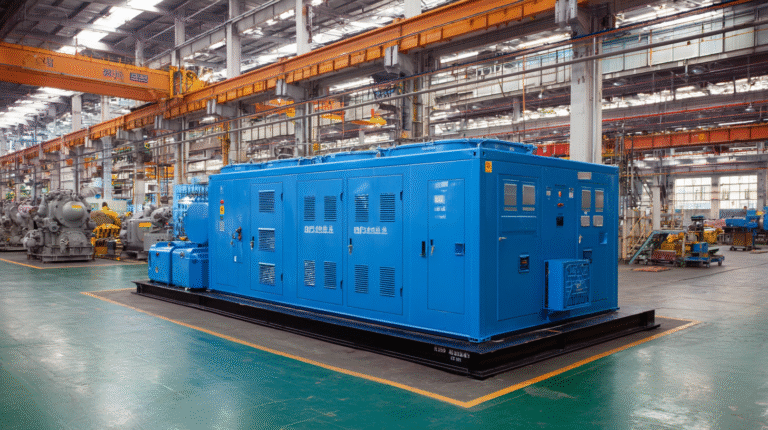
A central grid moves electricity over a broad network from large generators to many communities. A microgrid serves a smaller, defined area and can coordinate local sources such as solar panels, batteries, and generators. This local arrangement can give operators more options when an outside connection is constrained, though it still depends on careful design and operation. The mix of equipment varies by site; a useful overview of common microgrid components shows how generation, storage, inverters, and controls fit together.
How islanding keeps local power systems operating independently
Islanding is the process of separating a microgrid from the larger grid so that local resources can continue supplying selected loads. The transition must be managed safely: the system needs to recognize the loss of its connection, isolate itself, and balance local generation with demand. Not every microgrid can serve every load indefinitely while islanded, so operators define priorities in advance. That distinction matters most when an island depends on a limited mainland connection or faces extended outages.
The role of controls, inverters, and grid-forming equipment
Controls coordinate the parts of a microgrid, while inverters help connect many renewable and battery resources to the electrical system. Grid-forming equipment can establish the voltage and frequency reference needed for local operation; other equipment follows that reference. The exact arrangement depends on the system and its operating requirements, so the equipment should be planned as a coordinated whole rather than as isolated purchases. Communication links matter, too, and choices about business Wi-Fi are a reminder that network requirements vary with the setting and the job to be done.
How microgrids connect to the mainland grid when available
When a mainland connection is available, a microgrid can operate in coordination with it, subject to the site’s equipment and utility arrangements. A point of connection allows power to move between the two systems, while protection and controls manage safe operation. If the mainland supply fails, the system may disconnect and enter islanded operation; when the connection returns, reconnection needs to be controlled as well. These modes should be considered during design, not treated as an afterthought.
Why islands rely on imported fuel
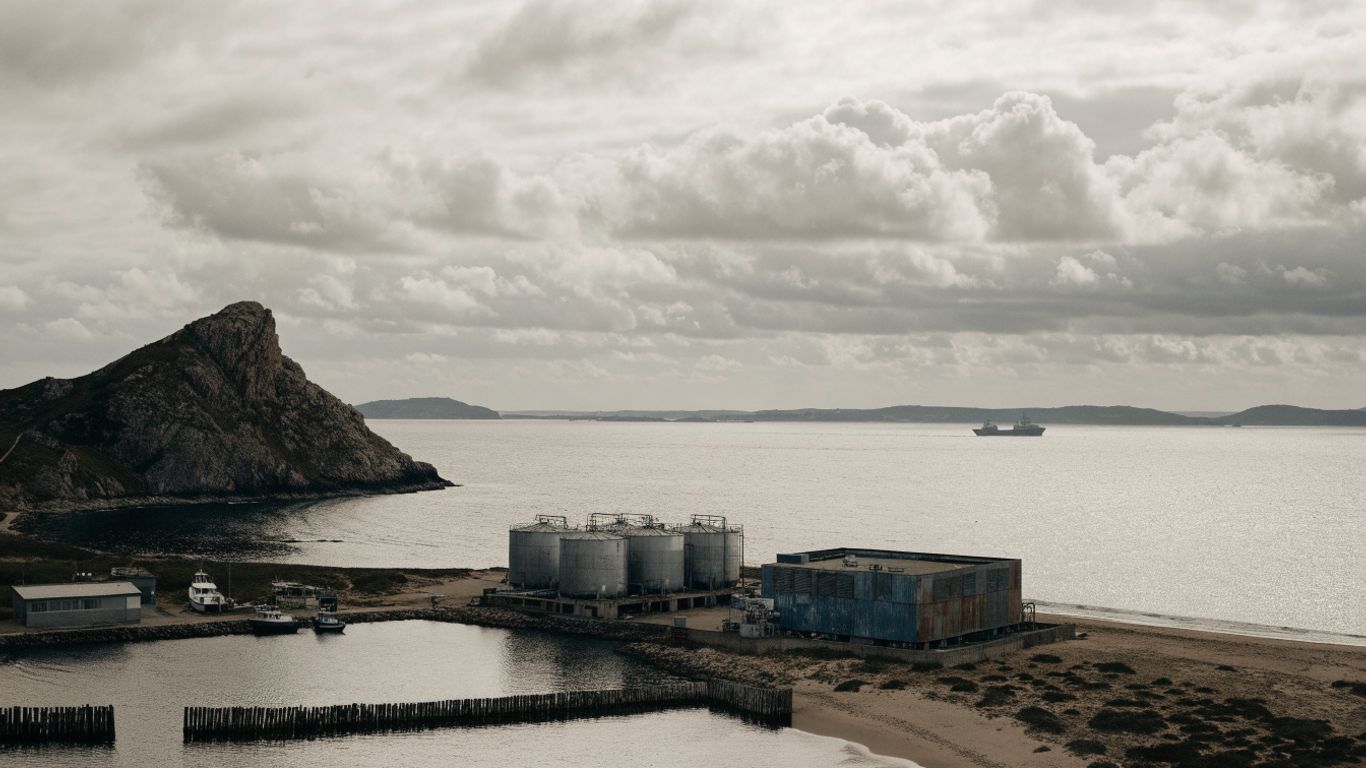
Many islands have limited local energy resources and rely on fuel brought in by ship to run generators. That dependence can shape electricity costs and expose communities to events well beyond the power system itself. The effects are not identical everywhere: local generation, port access, storage capacity, and demand all influence how much risk an island faces.
Exposure to fuel price swings and shipping disruptions
When generators depend on delivered fuel, a change in the fuel market can affect operating costs, and a delayed shipment can complicate supply planning. A microgrid does not remove those risks on its own; reducing exposure depends in part on how much local generation and storage can serve demand. Operators also need to understand the timing and uncertainty of deliveries, not just the annual quantity of fuel used. That planning helps distinguish a short delay from a more serious supply concern.
The added cost of transporting and storing fuel
Fuel delivered to an island carries costs beyond the fuel itself, including transport, handling, and safe storage. These costs may vary with distance, port facilities, delivery frequency, and local requirements. Comparing a few common parts of the supply chain can clarify why the delivered price may differ from a mainland benchmark.
| Cost or constraint | What it can affect | Planning question |
|---|---|---|
| Shipping and handling | Delivered fuel cost | How often can shipments arrive? |
| Storage capacity | Available operating reserves | How many days of supply are needed? |
| Port access | Delivery timing | What happens if access is interrupted? |
| Fuel quality and upkeep | Generator readiness | What inspection and maintenance are required? |
The table is a starting point, not a cost estimate: each island must use its own delivery arrangements and operating data. A broader energy plan can compare these recurring needs with investments in local resources while keeping backup requirements realistic.
Challenges posed by aging generators and limited grid capacity
Older generators may require more maintenance, and a small local network may have little spare capacity to accommodate peaks or equipment problems. Those constraints can make it harder to integrate new resources without first understanding the existing system. A site assessment should look at generator condition, distribution limits, and the loads that must remain available. That picture helps identify whether the main issue is generation, the network, or both.
How storms and port closures can threaten energy supplies
Severe weather can affect several parts of an island’s energy supply at once: ports may close, delivery schedules may slip, and electricity infrastructure may be damaged. A community may have to manage both a disrupted fuel supply and increased demand for essential services. Resilience planning therefore considers how long critical loads need support and what resources are available if replenishment is delayed. Local emergency procedures are as important as the equipment list.
Technologies that reduce fuel consumption
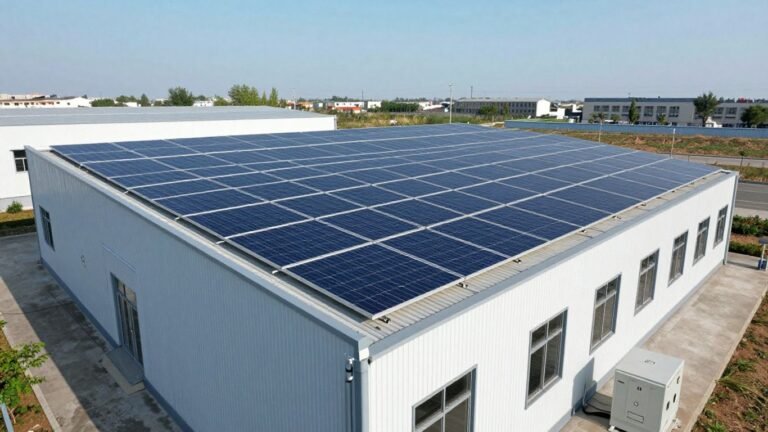
Reducing imported fuel use usually means combining several approaches rather than relying on one technology. Solar or wind generation can serve demand when resources are available, while batteries can shift some of that energy to other hours. Generators still have a role when renewable output is low or additional backup is needed. The practical mix depends on local weather, demand patterns, and the reliability target.
Pairing solar and wind power with local demand
Solar and wind can reduce the amount of electricity that must come from fuel-powered generation when their output is available. Their contribution depends on local resource conditions and how well output lines up with demand. Studying hourly demand alongside resource data can reveal when renewable generation is likely to be useful and when other resources will need to respond. This is especially relevant on islands where seasonal patterns can change both electricity use and energy production.
Using batteries to shift renewable power to peak hours
Batteries can store electricity and discharge it later, helping move some renewable energy from high-output periods to times when demand is greater. Their contribution depends on the system’s storage capacity, charging opportunities, and operating strategy. A battery is not a fuel supply, and its usefulness during a long outage depends on how it is charged and what loads it must serve. Those limits should be clear in the reliability plan.
Retaining generators for backup and low-renewable periods
Generators can remain important for backup and for periods when renewable resources are limited. A design that includes more local renewable energy does not necessarily mean removing every generator; the goal is to use available resources in a way that fits the system’s reliability needs. Operators need to understand generator condition, start-up requirements, and the loads that may call on them. A balanced approach can reduce fuel use without assuming that renewable output will always be available.
Managing flexible loads such as water pumps and cooling systems
Some electricity demand can be shifted in time without interrupting the underlying service. Water pumping or certain cooling tasks may offer flexibility, depending on the equipment and operating requirements. Any load management plan should be developed with the people responsible for those services, so that changes do not compromise safety, comfort, or water needs. Coordinating flexible demand with renewable availability can make better use of locally generated power.
Planning an island microgrid around local conditions
Good planning starts with a clear picture of the place the system must serve. Demand, available energy resources, existing equipment, land, weather, and the needs of residents all affect the design. Conditions vary from one island to the next, so a template can guide questions but should not substitute for site-specific assessment.
Assessing electricity demand, renewable resources, and existing assets
A demand assessment should distinguish ordinary use from seasonal peaks and identify which services cannot be interrupted. Resource assessments should use local information about solar or wind availability, while an inventory of existing assets can reveal what may be retained or upgraded. Building efficiency also influences how much electricity a community needs; for example, energy-smart roofing is one part of a wider conversation about how buildings affect energy use. Looking at both supply and demand keeps the system plan grounded in actual conditions.
Choosing a system size that balances reliability and cost
Sizing is a trade-off between meeting the chosen reliability target and keeping investment and operating costs manageable. A system built around peak demand alone may not reflect typical use, while one based only on averages can miss the needs of difficult periods. Planners can compare scenarios using demand, resource availability, storage, and backup assumptions. That makes the consequences of design choices easier for the community to discuss.
Accounting for land constraints, salt exposure, and extreme weather
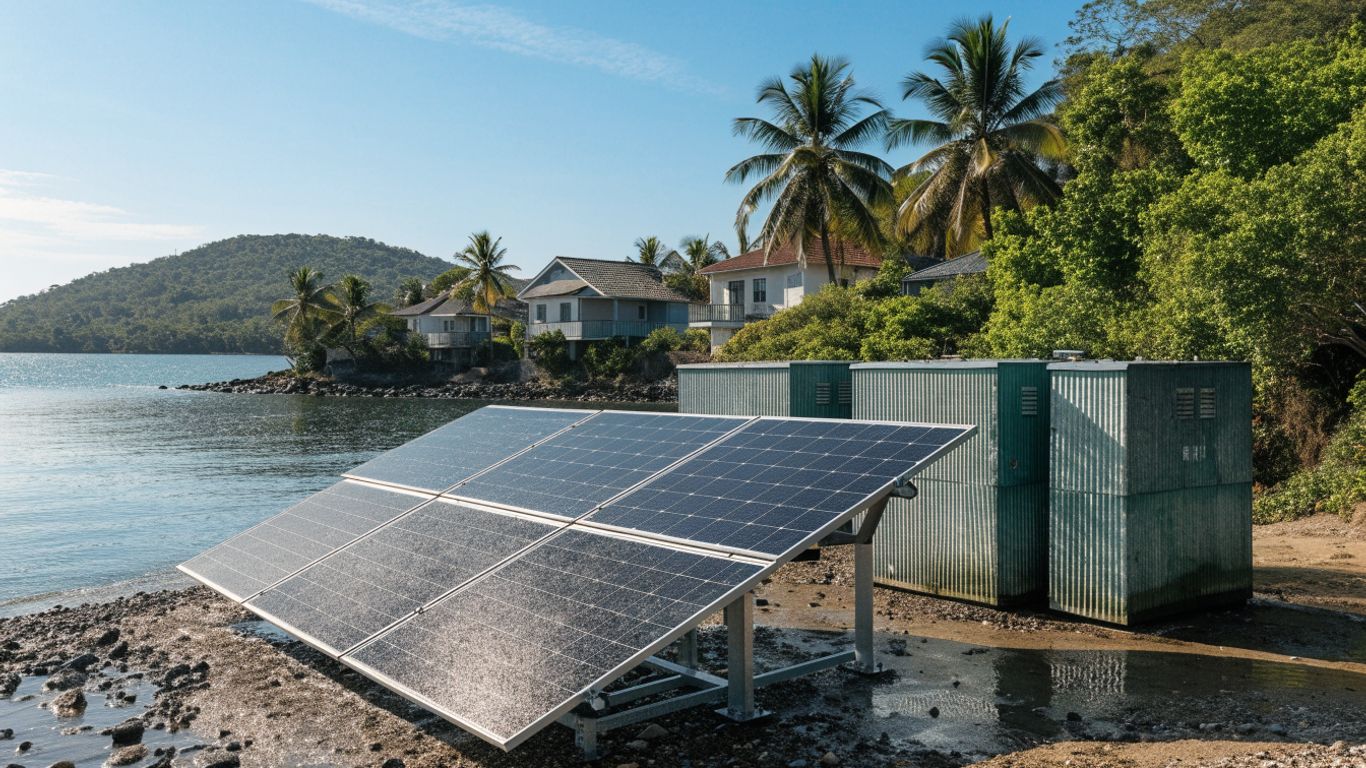
On an island, suitable land may be scarce, and equipment near the coast can face salt exposure and severe weather. These conditions influence where resources can be placed and what durability, access, and maintenance plans are needed. Early review of site constraints can avoid designing around space that is not available or equipment locations that are difficult to service. Such details are practical parts of reliability, not merely construction concerns.
Setting backup requirements for critical services
Backup planning begins by identifying services that must continue during an outage and how long they may need support. The priorities can include facilities such as clinics, communications, water systems, or emergency shelters, depending on local needs. A community can make those priorities more concrete by grouping loads according to their role:
- Essential loads that need continuous power.
- Important services that can tolerate brief interruptions.
- Flexible loads that can shift during constrained periods.
- Nonessential uses that may be curtailed in an emergency.
These categories help operators decide how to allocate limited generation and storage during an outage. They should be reviewed with service providers and residents so the plan reflects actual needs rather than assumptions.
Economics and community decisions
The economics of an island microgrid include more than equipment costs. A fair comparison considers continued fuel deliveries, maintenance, operations, financing, and the value a community places on dependable local power. Community priorities also influence what reliability means in practice and which costs are acceptable. The clearest decisions emerge when assumptions are visible and residents have a chance to question them.
Comparing microgrid costs with continued fuel imports
A comparison should set the cost of a proposed system against the ongoing costs and risks of the current approach. Fuel transport and storage, existing generator upkeep, and the timing of future investments all belong in that discussion. The Orcas Center microgrid project offers an example of a community resilience hub planned around local goals and site constraints; its details should be understood as a particular project, not a universal template. For other settings, even an as-is home sale illustrates how much a decision can depend on the terms and conditions specific to a property, rather than on a single headline number.
Estimating fuel savings, operating expenses, and long-term value
Fuel savings depend on how often local renewable resources displace generator output, while operating expenses include maintenance and system oversight. Long-term value is also affected by equipment life, replacement needs, and the cost of keeping backup available. Estimates should state their assumptions, including fuel prices and expected resource availability. That makes it easier to revisit the analysis when conditions change.
Selecting ownership, financing, and utility arrangements
Ownership and financing choices affect who makes operating decisions, who pays for maintenance, and how benefits are shared. Utility involvement and interconnection arrangements may also shape system operation when a mainland connection exists. There is no single arrangement that suits every island, so local institutions and legal requirements need to be part of the discussion. Clear responsibilities can prevent operational questions from becoming disputes later.
Engaging residents and businesses in project planning
Residents and businesses bring knowledge of local routines, service needs, and concerns that technical studies may not capture. Engagement can help clarify priorities and make trade-offs understandable before decisions are locked in. A listening process is most useful when it is practical and open to different perspectives, whether people are discussing energy or taking part in a guided Medellín fruit tour. Likewise, a broad guide to golf DFS basics shows how even a very different subject can involve comparing several kinds of information before making a choice. Those links are outside the energy topic, but the underlying point is simple: people benefit when complicated decisions are explained in accessible terms.
Operating and expanding the microgrid
A microgrid needs ongoing attention after installation. Operators coordinate resources as conditions change, test how the system responds to disruptions, and track whether it is meeting its goals. Regular review can reveal where operating practices or future investments should change. If population or electricity use grows, expansion should follow updated evidence rather than old assumptions.
Coordinating generation, storage, and demand in real time
Operators balance available generation, stored energy, and electricity use as conditions shift through the day. The task is more complicated when renewable output changes or demand rises quickly, so operating plans should set out how resources are expected to respond. The controls and procedures must fit the system’s equipment and local operating responsibilities. This coordination is what turns a collection of energy assets into a functioning microgrid.
Testing islanding, black start, and emergency procedures
Tests help verify that a system can separate safely from the mainland grid, support its intended loads, and follow emergency procedures. Black-start planning addresses how to restore a system when it has shut down and needs to restart without relying on a live external grid. Testing should be planned, documented, and coordinated with the relevant operators. It also gives staff a chance to find gaps before a real outage makes them harder to address.
Tracking fuel use, renewable output, and reliability
Tracking fuel consumption alongside renewable output helps operators see whether the system is reducing fuel use as expected. Reliability measures and records of interruptions provide another view of performance, particularly for critical services. Data are most useful when collected consistently and reviewed against clear goals. If results differ from expectations, the team can investigate whether the cause is resource availability, equipment condition, or operating practice.
Scaling capacity as population and electricity needs change
An island’s electricity needs can change as population, tourism, businesses, and services change. Periodic reviews can show whether existing resources remain adequate and whether planned expansion is justified. A staged approach may allow capacity to grow as demand and budgets become clearer, while keeping reliability requirements in view. The system should be designed so that future changes can be assessed without losing sight of the community’s original priorities.
Conclusion
An island microgrid can reduce dependence on imported fuel when local generation, storage, backup, and operating practices are planned together. The most useful design is not the largest or most technology-heavy one, but the one that fits local resources, critical services, and community choices—and can be tested and adapted over time.
Frequently Asked Questions
What is an island microgrid?
An island microgrid is a local electricity system that coordinates generation, storage, and controls to serve a defined area. Depending on its design, it may connect to a larger grid or operate independently.
Can an island microgrid work without a mainland connection?
Yes. A system can be designed to operate independently, but it needs sufficient local resources, controls, and operating plans to meet its intended loads. The level of service depends on the design and available energy.
Do island microgrids eliminate the need for fuel?
Not necessarily. Many systems retain generators for backup or periods when renewable output is low. Local renewable generation and batteries may reduce fuel use, but the result depends on site conditions and system operation.
What role do batteries play in an island microgrid?
Batteries store electricity for use at a later time and can help shift renewable energy to hours when demand is higher. Their contribution depends on storage capacity, charging opportunities, and the loads they are expected to serve.
How does an island microgrid help during a storm?
If designed and operated for islanding, a microgrid may continue supplying selected local loads when the mainland connection is unavailable. Its ability to do so depends on equipment, fuel and stored energy, system condition, and emergency procedures.
What should be considered when planning an island microgrid?
Planning should assess electricity demand, local renewable resources, existing equipment, land, weather, and critical services. It should also account for costs, backup needs, ownership, and input from the community.
How often should a microgrid’s emergency procedures be tested?
Testing should be scheduled regularly and coordinated with system operators and relevant service providers. The appropriate schedule depends on the system and local requirements, but procedures should be reviewed whenever equipment or operating conditions change.