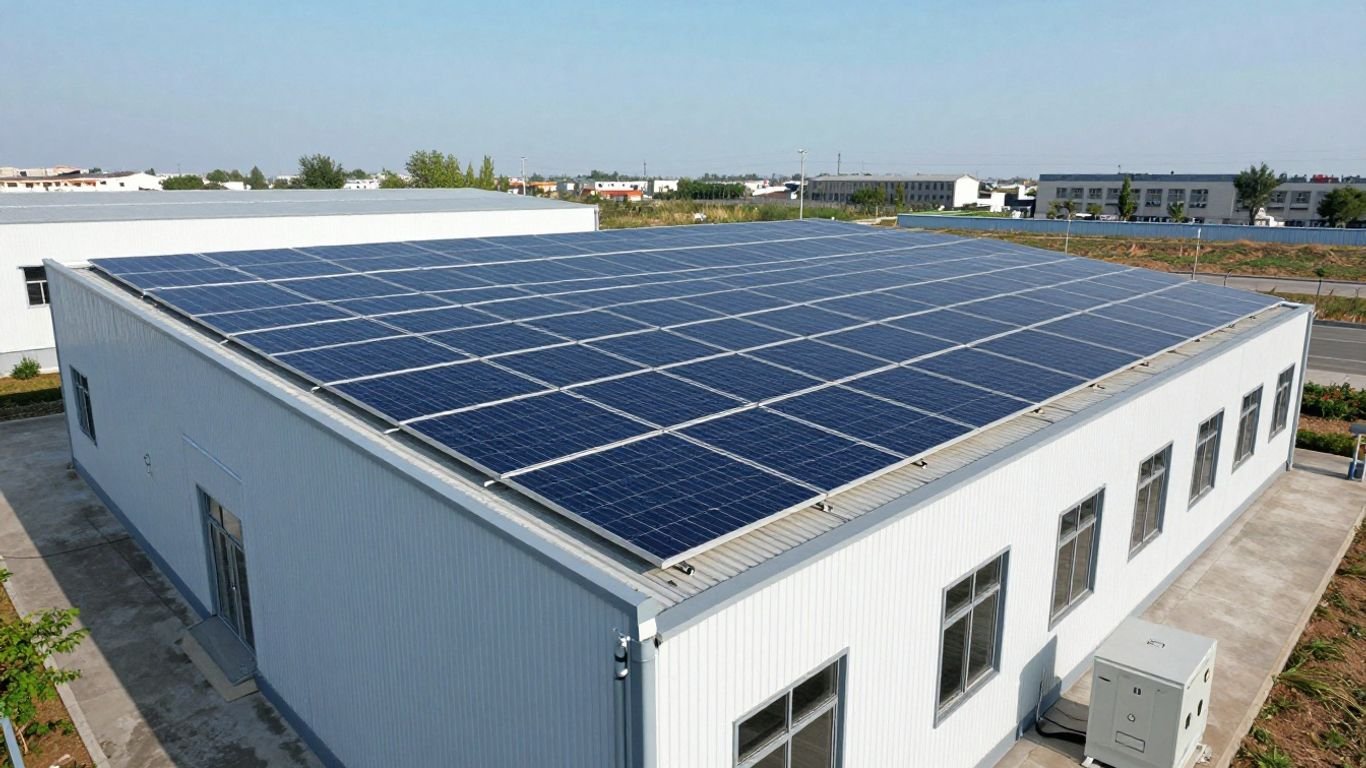
Microgrid-as-a-Service: Resilient Power Without the Upfront Cost
Key Takeaways
Microgrid-as-a-Service (MaaS) represents a shift in energy management by allowing organizations to gain resilience and cost predictability without a major upfront investment. The model relies on third-party design and maintenance to streamline adoption for critical facilities.
- MaaS removes the barrier of high capital expenditures for energy systems.
- Performance contracts ensure that the provider remains accountable for system uptime and efficiency output.
- Businesses leverage decentralized energy resources to buffer against fluctuating grid prices.
- Reliable energy security is critical for industries like manufacturing and healthcare.
- Scalable architectures allow for gradual expansion as business needs evolve over time.
Understanding the MaaS model
Defining microgrid as a service
Microgrid as a service is a delivery model where third-party providers take on the responsibility of financing, building, and operating localized energy systems. By treating power as an ongoing service rather than a static asset, businesses can tap into advanced capabilities like islanding and distributed generation. This approach simplifies the complexities of local site management while emphasizing reliability and efficiency as primary outcomes for the host facility.
Stakeholders in the MaaS ecosystem
The success of these projects depends on a collaborative environment involving site owners, technology vendors, and utility companies. Each participant brings a specific function to the deployment, ranging from the technical installation of hardware to the regulatory approval of grid connection points. Aligning these interests is essential for maintaining the operational life of the asset for all parties involved.
Differentiating MaaS from traditional utility models
Traditional utilities operate through a centralized network that often leaves the end user vulnerable to regional disruptions. In contrast, this service model provides enhanced energy sovereignty and control by creating an autonomous loop that works alongside or independently of the main grid. This separation allows site owners to dictate their own energy priorities without relying solely on large-scale infrastructure changes.
Core business structures and performance contracts
Contractual agreements function as the bedrock of every successful installation, ensuring risks are properly allocated between the provider and the host. By utilizing a Power Purchase Agreement, companies gain the ability to pay for actual electricity output while avoiding the initial funding hurdles associated with installing hardware. This financial clarity supports long-term planning and operational stability.
Financial benefits of the MaaS approach
Eliminating high upfront capital expenditure
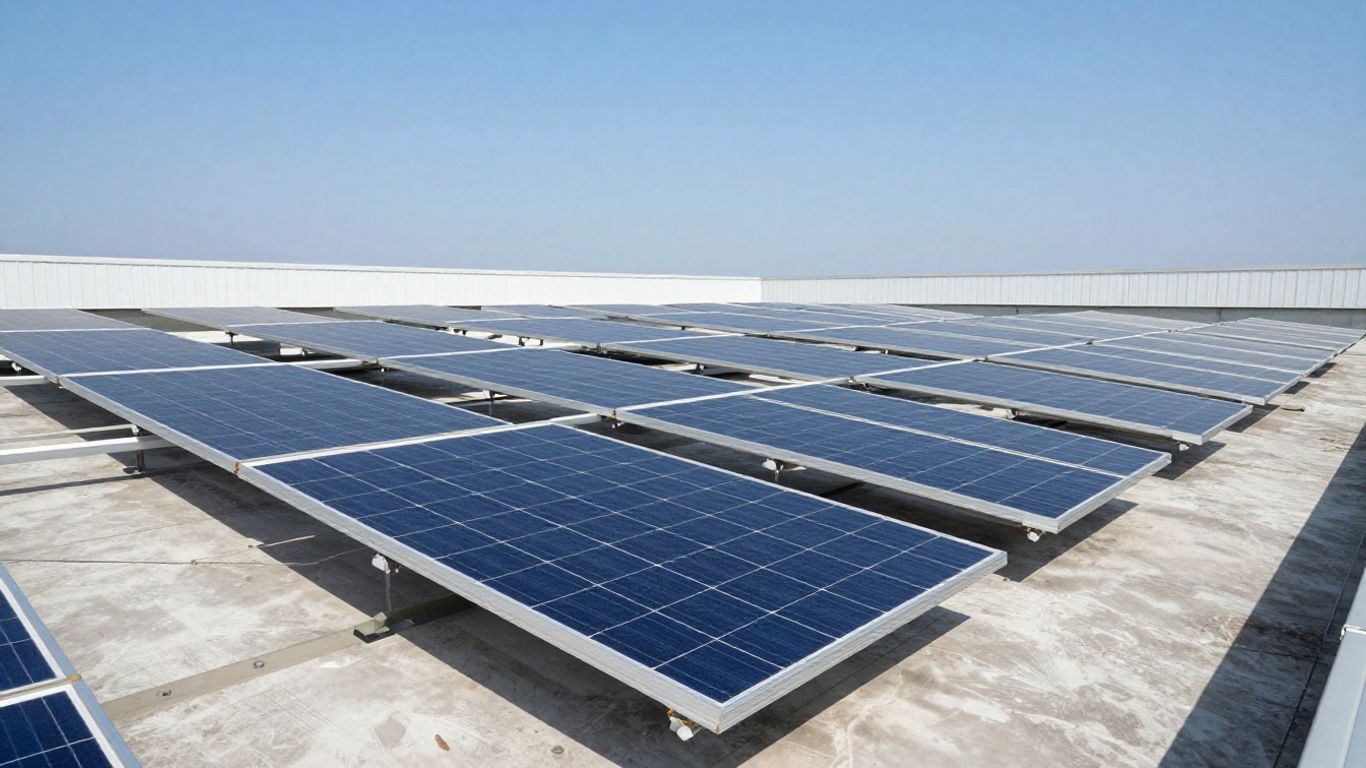
Removing the burden of ownership is often the primary driver for facilities looking to adopt renewable capacity. By avoiding heavy initial buy-ins, project leaders can preserve their working capital for other critical business investments while still enjoying the hardware benefits. This flexibility democratizes access to sophisticated power management tools even for budget-constrained projects.
Predictable operational expense patterns
Once the system is active, businesses benefit from having a clear view of their energy costs over decades. The following table illustrates the typical shift in focus when comparing conventional grid-dependency to a service-based microgrid arrangement.
| Feature | Traditional Utility | MaaS Model |
|---|---|---|
| Upfront Cost | High / Barrier | Minimal to Zero |
| Maintenance | Owner Responsibility | Vendor Responsibility |
| Price Stability | Subject to Market | Predictable / Fixed |
| Risk Exposure | High During Outage | Mitigated by Islanding |
Organizations often find that stability in monthly billing schedules outweighs the desire to own physical hardware assets directly.
Reducing long-term energy price volatility
By generating power on-site, a facility shields itself from the periodic price hikes and regional demand shifts that often affect public utility consumers. Catalyst Power provides this type of targeted energy management to help enterprises manage usage without the traditional ownership burdens. This insulation creates a stable economic environment for growth despite external energy market fluctuations.
Improving return on investment for site owners
Efficiency gains come from more than just generating current; they come from intelligent reduction and optimized usage. Using tools like the calculating microgrid ROI guide ensures that stakeholders understand every revenue stream and potential savings opportunity. When the system is sized correctly, the payback period becomes clear, demonstrating the long-term value of the energy infrastructure.
Core components and functionality
Distributed energy resources and generation
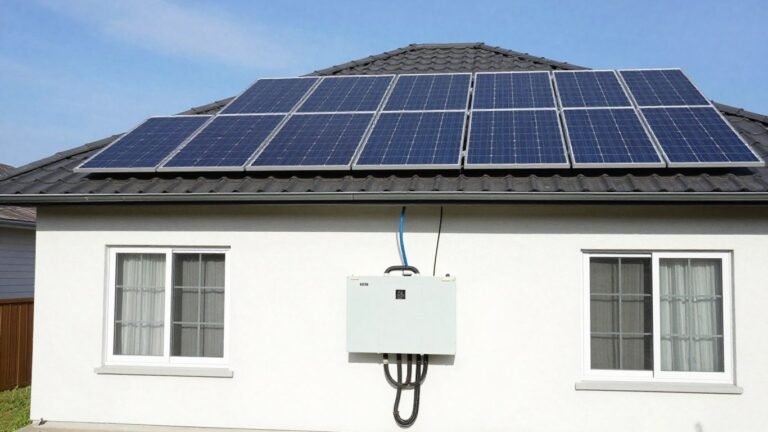
Modern sites thrive on a blend of local generation sources that work in tandem to meet peak demand. This mixture typically includes solar panels for clean energy and back-up systems that can bridge gaps during intermittent production periods. Integrating these diverse assets requires refined planning and high-grade electrical components.
Energy storage systems and battery arrays
Energy storage serves as the balance sheet for electricity, allowing sites to save excess production for later use. Advanced systems leverage lithium-based cells to provide a surge of power exactly when demand spikes occur throughout a facility.
Digital control systems and software layers
Sophisticated software acts as the central nervous system for the entire setup by balancing inputs from the grid and on-site generation. These controllers make thousands of adjustments per second to ensure voltage stability and peak efficiency. Microgrid controller tech remains the critical pivot point for balancing load and production in real time.
Grid interconnection and synchronization
Connecting a local microgrid to the public utility requires strict adherence to safety protocols and technical standards. A successful link allows for seamless movement between standard grid-connected mode and an independent islanded state. Effective integration is essential for meeting the strict safety and regulatory requirements that govern energy exports and imports.
Operational and resiliency advantages
Ensuring continuity during grid outages
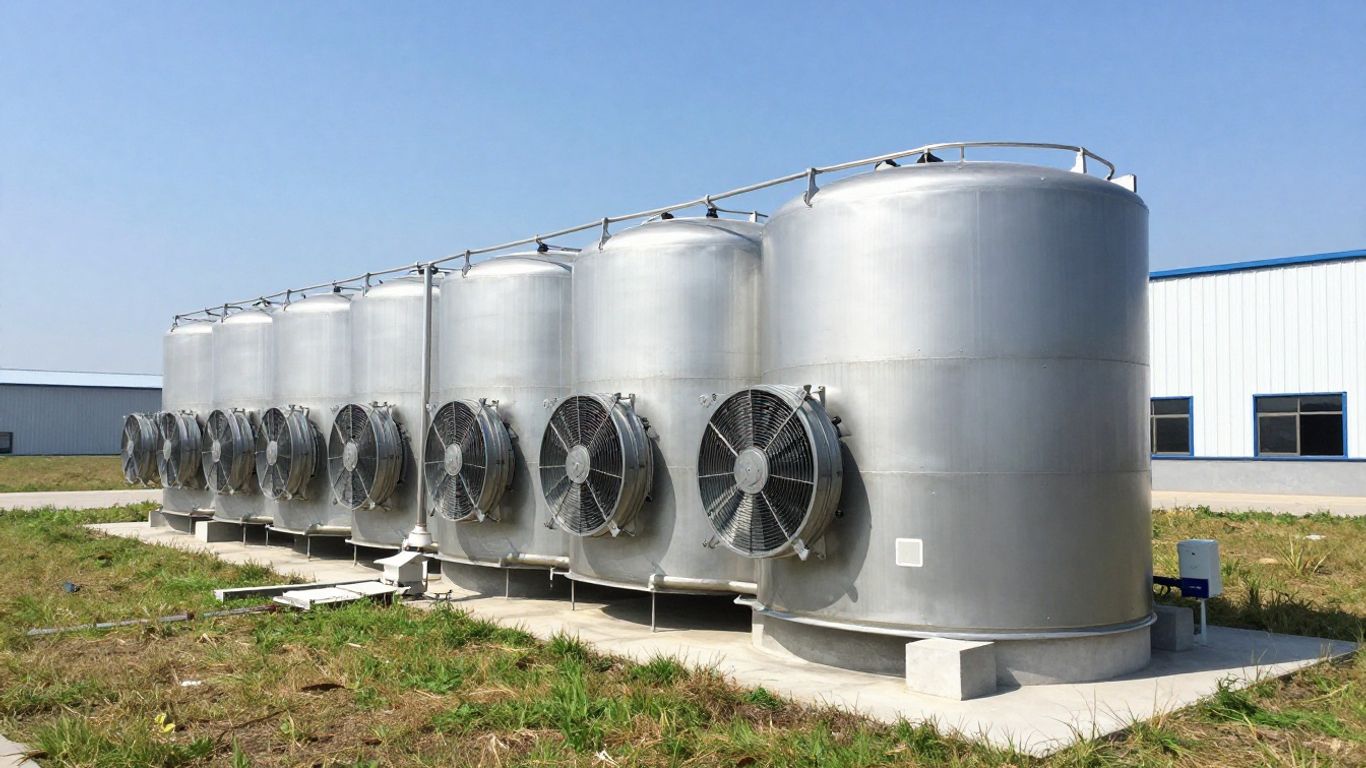
When weather events or technical failures strike the main network, the transition to local power must be instantaneous and invisible to users. This resilience acts as an essential insurance policy for operations that simply cannot afford downtime. By keeping the lights on when others go dark, these systems secure the continuity of business-critical facilities.
Peak shaving and demand response capabilities
Managing high-cost demand charges is a primary goal for many corporate facility managers who struggle with peak energy usage. The system identifies these spikes and draws from local batteries to keep the electricity bill from reaching prohibitive levels. This proactive strategy is a cornerstone of modern battery power management for enterprise sites.
Enhanced energy efficiency and optimization
Maximizing the utility of every kilowatt ensures that the total environmental footprint remains low while utility costs are minimized. Energy efficiency improvements often focus on better load management throughout the site’s footprint. Many organizations follow specific steps to ensure their setup remains efficient:
- Conduct regular audits of energy consumption patterns.
- Use AI-driven software to predict and manage load demand.
- Prioritize the use of locally generated renewable electricity.
- Integrate smart building management systems for lighting and thermal loads.
Implementing these measures helps the facility maintain lower operating costs and a reduced reliance on energy bought from the public grid.
Sustainability and renewable integration targets
Corporate social responsibility and net-zero goals are increasingly supported by the adoption of cleaner energy portfolios. By shifting away from diesel-heavy backups, companies move toward cleaner energy goals while simultaneously improving their local environmental impact. Schneider Electric helps these entities achieve these sustainability objectives through comprehensive energy-as-a-service programs.
Implementing a microgrid project
Assessing site feasibility and energy profiles
Before any project kicks off, teams must evaluate historical energy data and local site conditions. Understanding the physical layout enables engineers to determine the most effective placement for solar or storage modules. This foundational phase ensures that the final design matches the specific needs of the operation.
Navigating regulatory and utility frameworks
Interconnection involves dealing with local utility rules, which can vary significantly by jurisdiction. Engaging early with regulatory agencies prevents delays during the building phase by clarifying what permits and studies are required. Proper communication facilitates a smooth transition from a concept to a live energy asset.
Selecting appropriate technology vendors
Choosing partners who understand both the technical and financial needs of the project is vital for success. The right team brings experience in navigating the complex web of hardware compatibility and long-term maintenance cycles. A strong partnership ensures the Energy-as-a-Service model for microgrids supports the host’s long-term objectives without hidden pitfalls.
Managing the subscription or performance contract
Once the system is live, the focus turns to performance monitoring and consistent reporting on output gains. Regular check-ins ensure that the system continues to perform at its peak and that any deviations are corrected immediately. This transparent relationship is key to sustaining the value created by the initial deployment.
Overcoming deployment challenges
Addressing complex interconnection permitting
Permitting often represents the largest bottleneck for energy project timelines due to rigorous safety evaluations. Standardizing the documentation required for grid-tied systems helps reduce these timelines and build trust with utility companies. Success here allows projects to avoid the trap of waiting for bureaucratic approvals.
Managing multi-site portfolio risk
Rolling out energy systems across multiple locations requires a standardized approach to avoid excessive customization costs. By creating a unified design template, facility managers can streamline construction while maintaining safety and performance standards. This scaling strategy is crucial when looking at large-scale enterprise deployments.
Aligning stakeholder interests and site goals
Every project meets hurdles when different departments have conflicting priorities regarding timing or budget. Facilitating open communication helps ensure that technical goals meet operational needs without creating organizational friction. Success requires a shared vision for what the system will deliver over its operational lifespan.
Cybersecurity requirements for energy assets
Protecting the digital control layer is non-negotiable for modern utility-scale energy projects today. As these grids become increasingly connected, the risk of external interference necessitates robust authentication and network-level security. Ensuring the integrity of critical energy information systems shields the facility from potential digital threats throughout its life.
Conclusion
Adopting a service-based model for energy infrastructure enables modern enterprises to balance the need for reliable power with the requirement for fiscal discipline. By offloading ownership and maintenance responsibilities to experts, building owners can tap into continuous resilience and renewable optimization without the usual headaches. This path forward helps shift the focus away from energy management as a complex burden, turning it instead into a strategic and reliable asset that powers long-term growth for every facility.
Frequently Asked Questions
What is the primary difference between a microgrid and a backup generator?
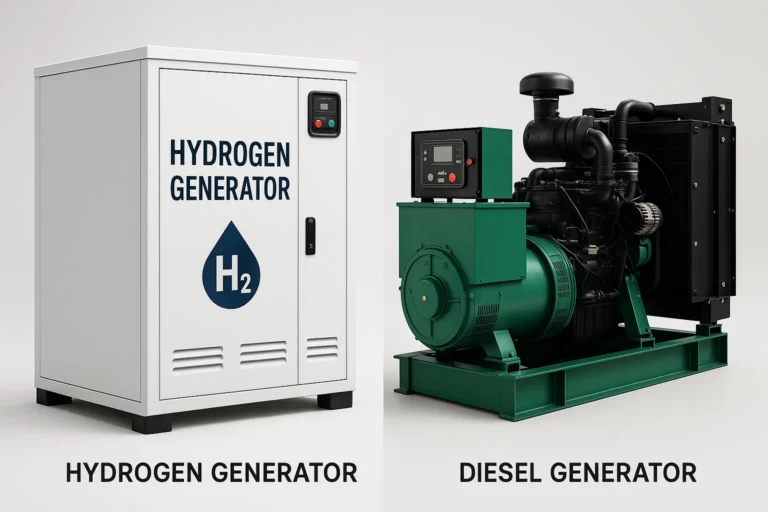
Backup generators are traditionally reactive, designed only to kick in during grid failures, while microgrids are proactive energy management systems capable of optimizing usage, reducing costs, and generating power continuously.
How does the service model affect maintenance responsibility?
Under a service agreement, the provider typically takes full responsibility for system maintenance, repairs, and performance optimization, which releases the site owner from the burden of day-to-day oversight.
Can existing buildings adopt these systems?
Yes, these solutions are highly customizable and can be integrated into existing infrastructure, often by starting with building optimization and then adding specific generation or storage assets as needed.
What happens if the service provider goes out of business?
The contract terms usually define protective language for the host, ensuring that the critical infrastructure remains operational or transferring ownership rights to the host under pre-agreed conditions.
Is this model suitable for small businesses?
While early installations were predominantly large-scale, the flexibility of the subscription model now allows for smaller commercial layouts, provided they have clear energy peaks that justify the investment.
How does a microgrid interact with the grid?
These systems are designed to synchronize with the public utility, allowing them to remain connected for normal operations and seamlessly switch to an independent state when the main utility becomes unavailable.
Will I save money every year?
Results depend on regional energy costs and local usage patterns, but most users see significant benefits through the reduction of demand charges and by locking in more predictable rates compared to standard market fluctuations.