Behind-the-Meter Microgrids for Commercial Buildings
Key Takeaways
Transitioning to localized energy management offers commercial buildings a path toward greater autonomy, cost reduction, and sustainability.
- Behind-the-meter systems allow facilities to generate and store power on-site, effectively bypassing traditional grid limitations during outages.
- Key assets include solar arrays, battery storage, and advanced software controllers that balance load in real-time.
- Integrating these microgrids optimizes peak shaving strategies, which significantly lowers monthly energy expenditures.
- Regulatory approval and utility interconnection define project feasibility, making early coordination with local providers vital.
- Financial viability is often improved by federal tax credits and innovative service-based models like Microgrid-as-a-Service.
Understanding the concept of behind the meter microgrids
Managing energy at a commercial site involves a shift from passive consumption to active, localized control. By installing behind the meter microgrid infrastructure, an organization can effectively treat its property as a self-contained energy node. This approach allows businesses to prioritize critical loads while decreasing their overall reliance on external providers for daily operations.
Defining behind-the-meter infrastructure
Behind-the-meter systems identify energy resources located on the customer side of a utility meter, meaning the power produced is consumed directly by the building before it hits the broader public grid. Unlike centralized power plants, these assets sit exactly where the demand is located. Organizations benefit by controlling how their energy is generated, stored, and distributed for internal use.
How microgrids differ from standard distributed generation
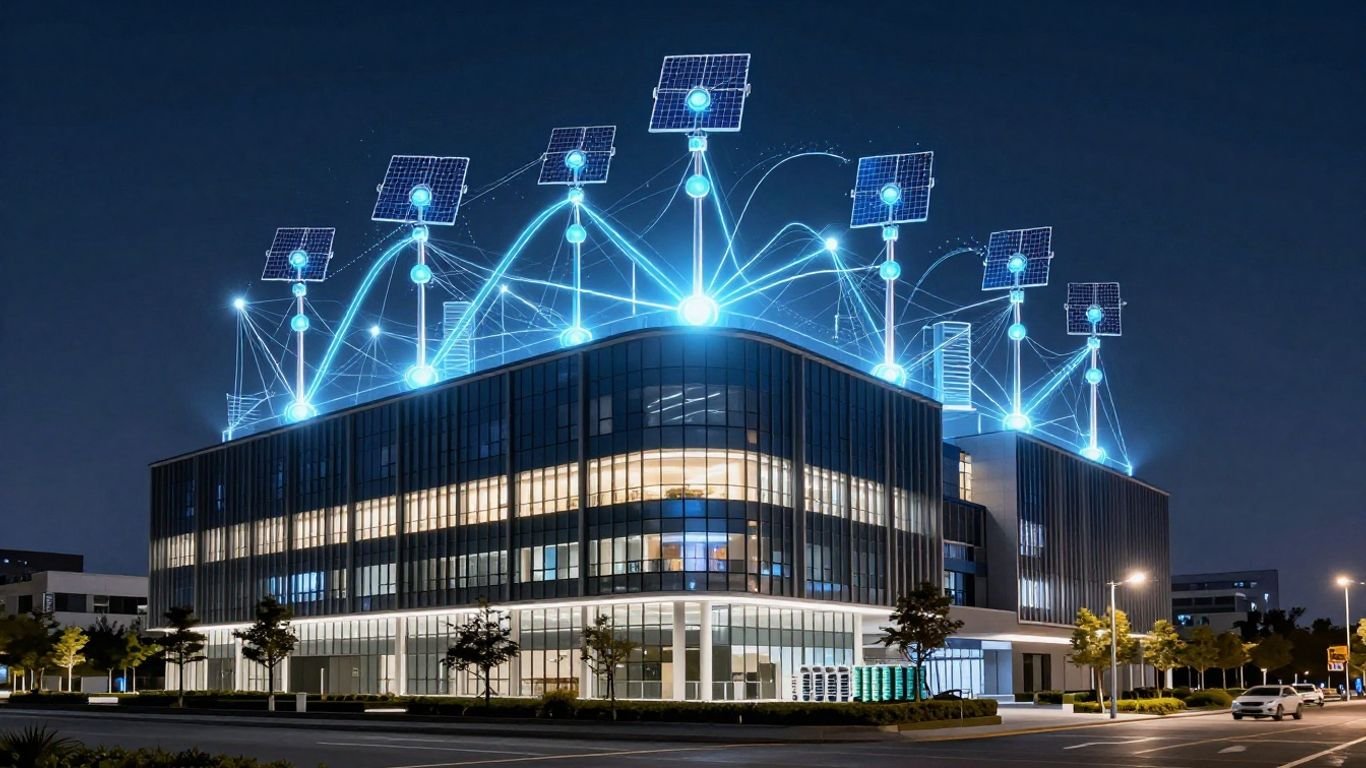
Standard distributed generation refers to isolated assets like a rooftop solar array that feeds into the building one-way. A microgrid takes this further by creating a networked environment where solar, battery energy storage, and backup systems communicate via central software. This synchronization allows for dynamic responses to grid fluctuations that standalone panels cannot manage.
Operational modes: grid-tied versus islanded
Most commercial microgrids operate in a grid-tied mode, working in tandem with the utility to optimize cost and performance during normal conditions. However, when the main grid falters, a sophisticated microgrid controller triggers an islanded state. This transition disconnects the facility from the larger grid, allowing the internal microgrid to sustain essential operations autonomously using stored energy.
Key components of a commercial microgrid architecture
Building a robust energy architecture requires more than just installing panels on a roof. A successful deployment relies on the seamless interaction between generation, storage, and intelligent command layers. This modular approach ensures that your facility maintains power stability even when the public infrastructure is stressed.
On-site energy generation assets
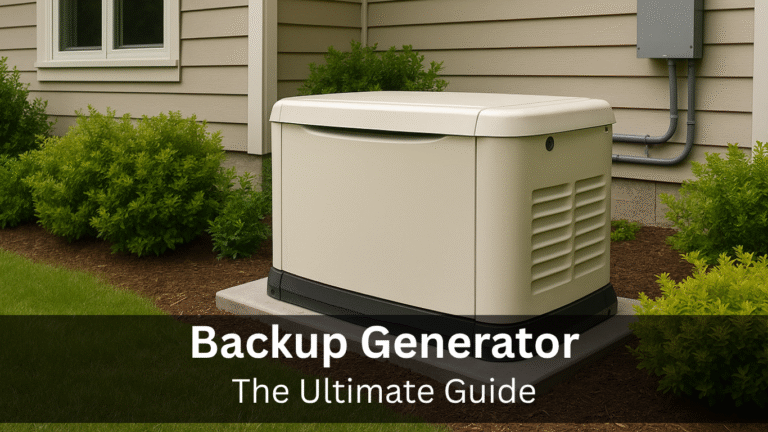
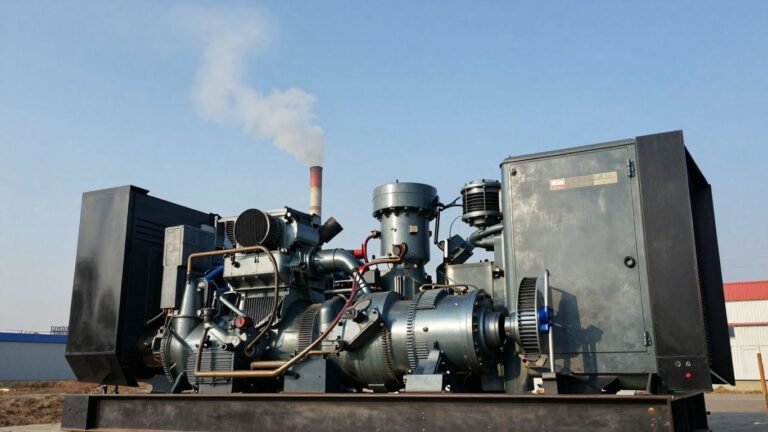
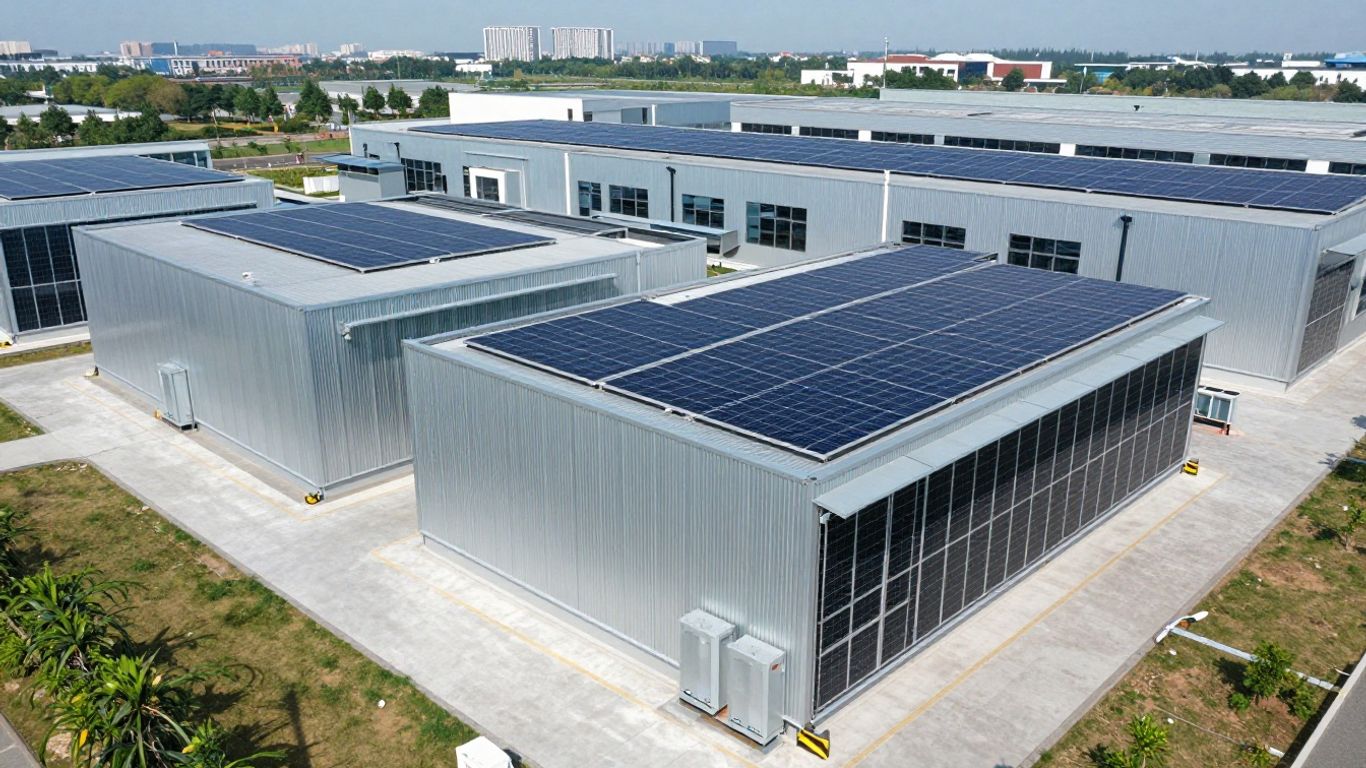
Primary generation usually begins with renewable sources, such as photovoltaic arrays or wind turbines, which harvest localized energy. These assets are often supplemented by traditional backup generators that provide high capacity during extended grid failures. By diversifying the generation mix, businesses can ensure they have consistent power production regardless of weather-related intermittency.
Energy storage system integration
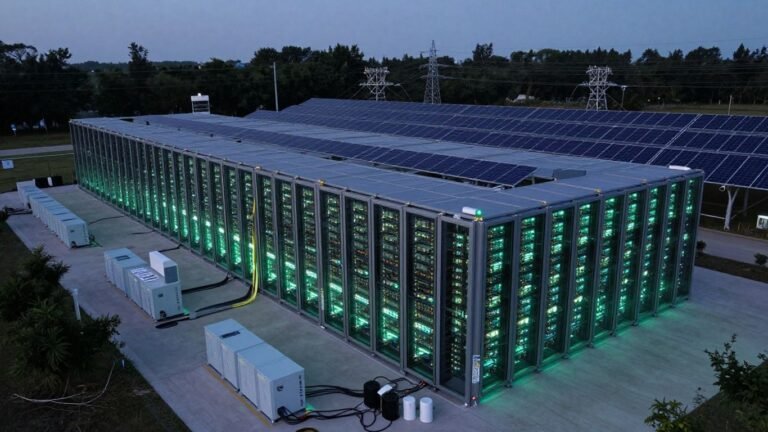
Storage acts as the shock absorber for the entire microgrid ecosystem. High-capacity battery racks allow for the capture of excess solar production during the day, which can then be deployed during evening hours or peak utility periods. The following table provides a snapshot of how typical storage technologies support various building scales.
| Facility Type | Storage Tech | Primary Function |
|---|---|---|
| Small Commercial | LiFePO4 | Peak Shaving |
| Industrial Warehouse | Flow Batteries | Load Leveling |
| Research Facility | Hybrid Battery | Critical Redundancy |
Selecting the right storage capacity is essential for maximizing both resilience and return on investment.
Intelligent controllers and software layers
Software serves as the cognitive heart of the operation. Modern management platforms track energy usage patterns, manage battery storage solutions discharge cycles, and adjust load shedding in real-time. This level of digital oversight ensures that the facility avoids unnecessary utility penalties and runs at peak electrical efficiency.
Interconnection and protection hardware
Safety hardware such as intelligent switchgear and circuit protection devices acts as the firewall for your microgrid. These components strictly manage the electrical flow, preventing back-feeds to utility lines and protecting sensitive building equipment during fault events. Proper installation and commissioning are crucial for system safety and utility agreement compliance.
Primary benefits for commercial facilities
Commercial facilities face increasing pressure to balance operational costs with environmental responsibility. A microgrid provides a structural solution to these challenges, transforming the building’s energy footprint into an economic and strategic asset. Organizations utilizing these systems often report improved baseline performance compared to traditional grid-dependent structures.
Enhancing power reliability and resilience
When a major storm or regional infrastructure failure occurs, grid-dependent businesses stop functioning. A microgrid operates as an emergency power lifesaver, keeping lights on and mission-critical systems running while others wait for utility repairs. For data centers or refrigerated warehouses, this continuous uptime is simply required to maintain basic inventory health.
Optimizing operational expenditures through peak shaving
Demand charges, which are based on the highest point of energy usage within a month, represent a massive portion of commercial utility invoices. By deploying a microgrid that uses stored energy to blunt these spikes, facilities can significantly lower their monthly bills. Many operators find that reducing these peaks provides an immediate and predictable flow of annual savings.
Meeting corporate sustainability and net-zero goals
Corporate mandates now require detailed tracking of carbon emissions, including Scopes 1 and 2. On-site microgrids move companies away from carbon-heavy utility mixes by allowing for increased renewable energy self-consumption. This helps businesses meet their net-zero targets while demonstrably reducing their reliance on fossil-fuel-based grid power.
Creating new revenue streams via demand response
Participating in local utility programs can turn an energy system into a revenue generator. During periods of high regional demand, facilities can temporarily reduce their grid draw or export excess stored power back to the public system. This proactive involvement essentially treats the building as a partner to the utility rather than a passive consumer.
Planning and design considerations
Designing a microgrid is a highly technical undertaking that demands careful site analysis. A one-size-fits-all approach typically fails to account for the unique energy rhythms of specific buildings. The development process requires identifying all critical bottlenecks and growth trajectories before physical construction begins.
Assessing site-specific load profiles
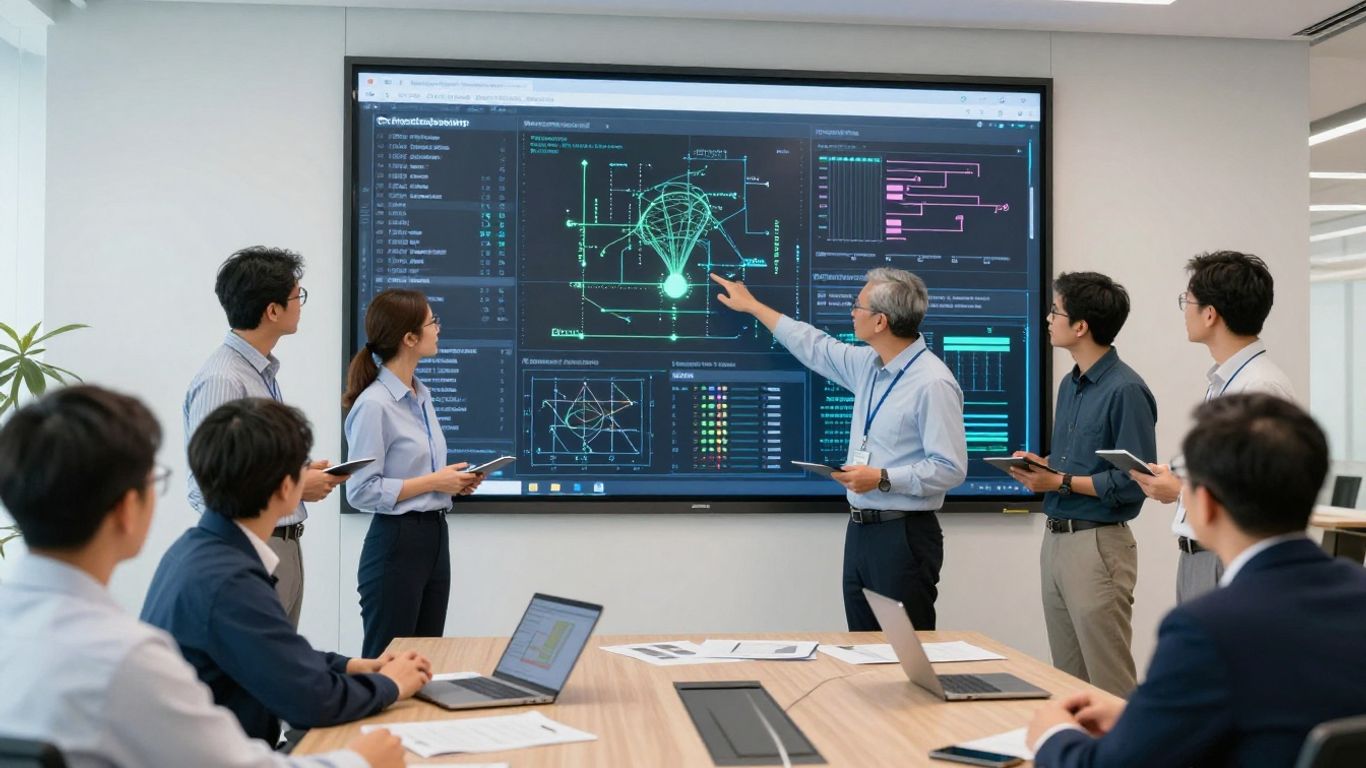
Before finalizing a design, project leads must perform a thorough audit of historical energy usage. This includes identifying daily demand patterns, potential load growth, and identifying existing energy inefficiencies. The goal is to design a system that is perfectly sized for actual needs rather than bloated with unnecessary capacity.
Balancing intermittent generation with storage capacity
Solar production is rarely consistent, which makes storage capacity sizing a delicate calculation. You must ensure that the battery bank can bridge the gap during periods of low sunlight to prevent power drops. This process frequently involves analyzing seasonal weather patterns to predict average generation performance.
Ensuring scalability for future electrification needs
Building out a microgrid today means keeping an eye on tomorrow’s demands, especially with the rise of widespread electric vehicle charging and HVAC electrification. A scalable design uses flexible, modular, or expandable hardware components that allow you to grow system capacity without requiring an entirely new grid integration.
Integration with existing building management systems
Modern microgrids do not function in a vacuum; they must talk to your existing heating, cooling, and security systems. By bridging the microgrid controller with the legacy building management network, operators gain holistic control over their total energy consumption. This interconnected visibility significantly simplifies the long-term maintenance of the entire site.
Regulatory and policy landscape
Navigating the bureaucratic side of energy production is often as complex as the engineering itself. Local and utility regulations determine what, when, and how you can export or share power across the public connection. Success relies on early, proactive engagement with all necessary stakeholders.
Navigating utility interconnection agreements
Connecting a private microgrid to a public grid requires a formal utility interconnection process that involves complex engineering studies. There are several critical factors to consider:
- Defining the total scope of the system and grid service interactions.
- Providing technical documentation on relay protections and fault current impacts.
- Managing timeline expectations for utility-side review and site inspection audits.
- Ensuring coordination with local fire and building departments for code adherence.
These steps ensure that your system remains safe and legally compliant once it enters the active operational phase.
Understanding local zoning and code compliance
Permitting requirements vary drastically by zip code, and missing a single requirement can delay a project by months. Developers must confirm that on-site storage containers and generation hardware align with local noise ordinances and structural safety codes. Engaging with local officials in the early design phase is the most reliable way to avoid mid-project hurdles.
Impact of net metering policies on behind the meter microgrid projects
Net metering policies govern how much credit a facility receives for returning energy to the utility. Some regions favor generous export rates, while others cap the potential for revenue, significantly shifting the project’s financial payback period. It is vital to model the specific utility tariff structure before committing to a multi-year investment plan.
Financial models and incentives
Upfront investment costs once acted as a barrier for many commercial projects, but evolving ownership and service models have fundamentally changed the landscape. Financial engineering is now as important as electrical engineering when determining the long-term viability of an energy project.
Evaluating the impact of federal tax credits
Federal tax incentives often cover a significant portion of project expenses for renewable and storage investments. By properly qualifying your microgrid components for these credits, you can drastically reduce the effective capital outlay and improve the project’s overall IRR. Working with tax professionals early allows you to structure the integration to maximize these benefits.
Exploring third-party ownership and microgrid-as-a-service
Not every business wants to own the asset or manage its operation. Service-based models allow companies to gain the benefits of localized energy without the large capital expenditure or the maintenance burden of a private microgrid. These providers typically fund the deployment, operate the system, and charge a predictable, stable operational fee in exchange for the power reliability provided.
Calculating return on investment and payback periods
Calculating total lifecycle savings requires viewing the microgrid as a multi-layered profit center. One must quantify the reduction in peak demand charges, the income from grid-support programs, and the avoided cost of power outages over a multi-decade horizon. These figures are then compared directly against the initial capital expenditure and ongoing operational costs to determine the break-even timeline.
Challenges and risk management
While the benefits are significant, the complexity of distributed systems introduces unique technical and operational risks. Robust management involves preparing for these contingencies through hardened security and redundant control mechanisms. Proactive maintenance is not optional—it is a baseline requirement for avoiding long-term failure.
Cybersecurity for distributed control systems
As you connect more site-level controllers to cloud-based monitoring networks, the surface area for potential cyber threats expands. Securing these pathways with encrypted transmission and isolated control networks is critical to preventing unauthorized system access. Relying on verified control platforms ensures that your microgrid remains both reliable and secure against external digital interference.
Maintenance and hardware lifecycle management
Battery systems lose effectiveness over time, and inverter hardware may eventually require firmware updates or component replacement. A comprehensive maintenance plan accounts for these lifecycle events, scheduling regular battery balancing and system diagnostics to protect the asset’s overall health. Managing these hardware expectations prevents sudden performance dips that could disrupt facility operations.
Managing performance risks during grid disruptions
When a major event occurs, the system must perform exactly as designed to shield critical operations. However, hardware malfunctions or software glitches during these critical moments can lead to unexpected downtime. Regularly testing the islanding functionality under controlled conditions is the only way to gain full confidence in the system’s performance during a real-world emergency.
Conclusion
Implementing a behind-the-meter microgrid represents a strategic shift toward modern energy autonomy for any commercial building. By integrating on-site solar, storage, and intelligent command software, organizations move away from external dependency and toward a predictable, efficient, and resilient energy future. Success requires a marriage of sound engineering, proactive regulatory engagement, and clever financial modeling, but the result is a facility that is better equipped to handle the demands of a changing energy landscape.
Frequently Asked Questions
What primary components make up a typical commercial microgrid?
A microgrid generally includes on-site power generation like solar, battery energy storage for reliability, and a centralized control system that manages the power flow between the building and the public grid.
How does a microgrid improve power resilience during a blackout?
During a grid outage, the control system enters an islanded mode, disconnecting from the failing external grid while keeping local energy resources active to power your critical building operations.
Are there tax incentives available for these projects in 2026?
Yes, various federal and local jurisdictions offer significant tax credits for renewable energy projects and energy storage hardware, which can help offset the initial investment and improve payback periods.
What is demand shaving and why is it important?
Demand shaving uses stored battery power during peak usage times to prevent your building from hitting new electrical max-usage records, which significantly lowers your monthly demand charges on your utility bill.
Can existing buildings be retrofitted for microgrids?
Most commercial buildings can be retrofitted with microgrid infrastructure, though the process requires a deep site audit to ensure that your existing electrical system can accommodate new storage and control hardware.
How often do microgrid batteries need replacement?
Typical commercial battery systems are designed to last for a set number of discharge cycles, and with proper software management and maintenance, they can often serve a facility for over a decade before replacements are required.
Why is software configuration essential to microgrid success?
The software controller acts as the brain of the system, automating complex decisions about when to pull from the grid, charge batteries, or export energy to ensure you always get the best financial and operational outcome.