Tame Your Electric Bill: Battery Storage for Demand Charge Savings
Key Takeaways
Optimizing electricity bills through strategic energy management is becoming essential for high-load commercial facilities. Understanding how to manage peak power usage can significantly improve your bottom line while supporting grid stability.
- Commercial demand charges often make up half of an electricity bill.
- Battery systems enable active control over peak energy consumption.
- Proper site assessment prevents expensive infrastructure oversizing.
- Smart software integration manages discharge without disrupting business activity.
- Financial incentives often accelerate the return on battery investments.
Understanding commercial demand charges
Commercial electrical billing is typically split between volumetric consumption and the peak load sustained during a specific, recurring window. While your total energy usage is important, the peak power draw—the maximum rate of electricity demand—drastically influences your utility costs. Managing these spikes is the key to achieving long-term predictability in overhead expenses.
What are demand charges?
Demand charges are effectively a reservation fee for the maximum amount of power your facility needs simultaneously. Utilities calculate this based on the highest kilowatt (kW) draw observed during a specific billing cycle, rather than the amount of kWh consumed over time. This structure incentivizes facilities to maintain a consistent load throughout the day, avoiding the expensive peaks that force utilities to fire up secondary power plants just to support your operations.
Calculating peak demand windows
Utilities typically define these peaks using fifteen-minute or thirty-minute time intervals across your monthly usage data. If your equipment fires up all at once, the utility identifies that moment as your peak for the entire month, locking in a higher charge. Knowing your specific peak load history and identifying which periods fall under these measurement windows helps determine the effectiveness of intervention strategies.
The financial impact of consumption spikes
When a facility hits a high peak, the resulting demand charge is applied for the whole month, creating an expensive ripple effect on your operational budget. These costs are often non-negotiable once registered, standing as one of the most volatile items on a facility’s monthly balance sheet. This makes reducing peak electricity costs with batteries a high priority for facility managers looking for consistent cost-saving measures.
Principles of battery energy storage for demand charge reduction
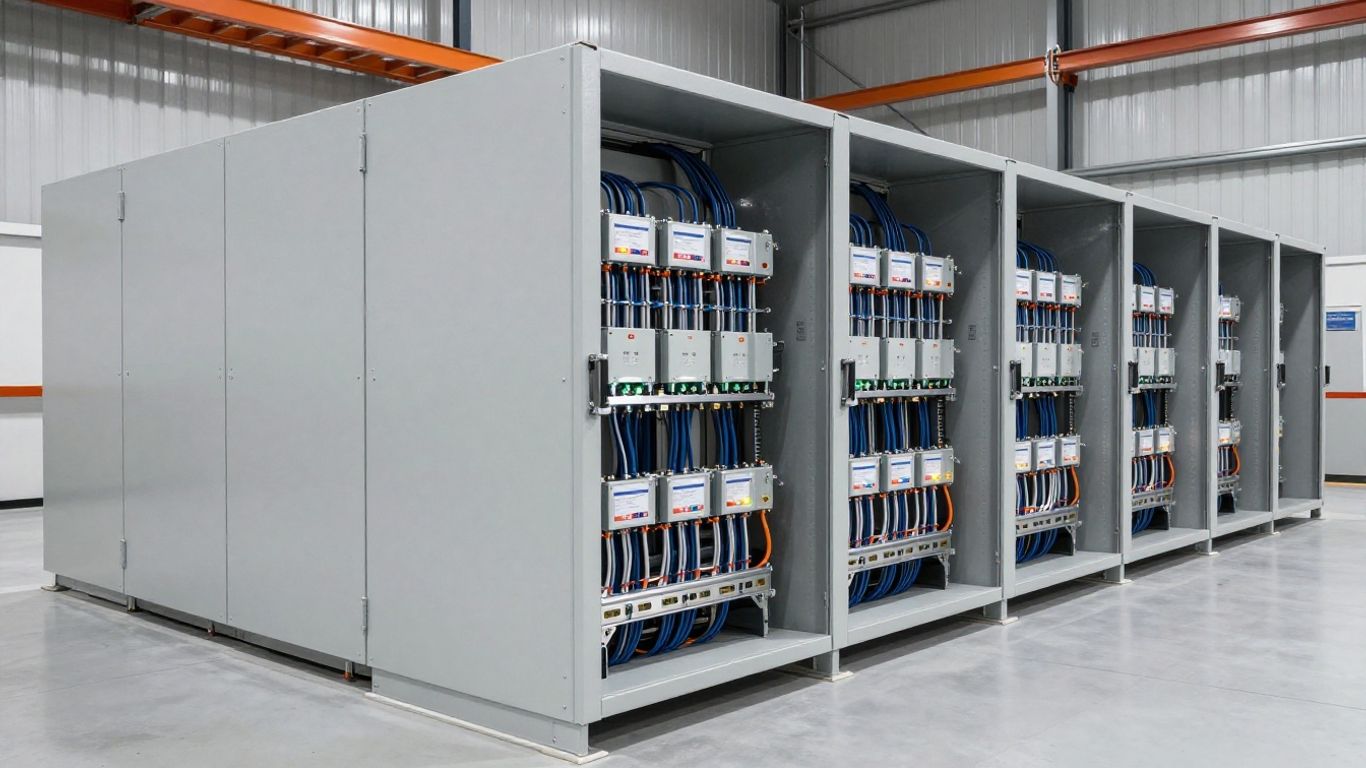
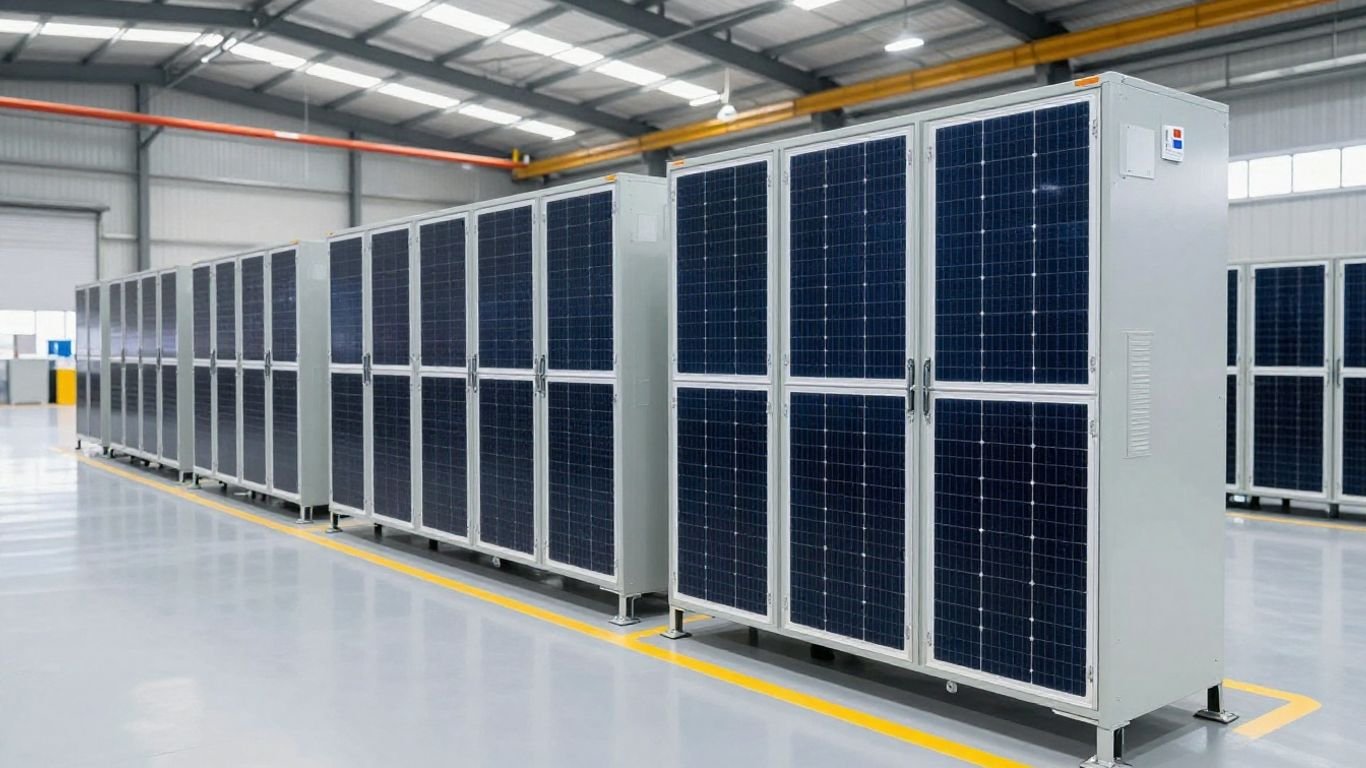
Deploying a battery energy storage system (BESS) allows a facility to store power when grid costs are at their lowest and discharge it exactly when onsite demand threatens to trigger a new peak. This shift in timing prevents the utility meter from registering a spike because the internal battery system covers the sudden high-power requirement. A, highly efficient load management strategy ensures that your incoming utility bills remain manageable even during heavy production cycles or intensive data processing windows.
Achieving peak shaving with energy storage
Peak shaving describes the process where energy is discharged from your storage system to supplement the grid when your internal load reaches a critical threshold. This keeps your utility-measured maximum draw beneath the pre-defined target value. For many facilities, especially those with variable, high-impact equipment, this is the most reliable way to avoid the surge pricing typical of industrial and commercial electricity rate plans.
Automated discharge protocols for load management
Modern commercial energy storage for demand response relies on intelligent controllers that monitor your site load in real-time. These systems use algorithmic responses to detect load increases before they register as a peak on your billing meter. By delegating the discharge control to an automated, persistent software agent, you remove the human error factor and ensure the system fires at the precise second required for optimal savings.
Balancing battery capacity versus power output
Successful implementation requires choosing the right balance between the battery’s total energy capacity and its maximum discharge power capability. Power output dictates how much of your spike you can cut off, while energy capacity determines how long you can sustain that shaving effort when the site remains busy. You have to consider these components carefully to ensure the backup system doesn’t deplete its reserves too quickly during sustained high-load events.
Assessing site suitability for battery deployment
Every site brings unique challenges, ranging from existing electrical infrastructure layout to the specific characteristics of your heaviest machinery. Evaluating your physical and electrical infrastructure before procurement prevents costly delays or sizing errors during installation. Establishing a clear site profile ensures that the resulting storage solution integrates naturally with your current operational workflow.
Analyzing facility load profiles
Your facility should begin by reviewing twelve months of utility interval data to visualize when and how your peaks occur. This analysis allows you to confirm that periodic industrial battery storage demand management strategies will align with your specific energy usage spikes. A thorough review often reveals surprising insights into which machines contribute most to your demand penalties, allowing for more precise software configuration.
Evaluating space and infrastructure constraints
Physical installation requires adequate ventilation, clearance, and proximity to the main service entrance to minimize costly cabling runs. If your current switchgear is aging, you might also need to factor in electrical service upgrades to accommodate the incoming power from the storage array. The physical footprint, while often compact, must support the weight of the cooling systems and lithium-ion packs.
Identifying high-demand equipment and processes
High-demand processes often originate from heavy motors, massive refrigeration units, or intensive EV charging stations that run simultaneously. You should list every piece of equipment that triggers a notable jump in your load monitor during start-up or heavy duty cycles. To keep your system design accurate, you may want to organize these items into a clear list for your project planning team.
- Identify equipment with high-torque, inductive-load startup spikes.
- Survey refrigeration units for cyclical defrost or cooling cycles.
- Analyze electric vehicle charging schedules for overlapping shifts.
- Review HVAC system air-handling units for synchronized startup events.
By categorizing these, you build a clear picture of what the battery system must offset. This granular approach ensures you aren’t paying for extra capacity that your specific business operations don’t actually require to meet its monthly targets.
Integration strategies for operational efficiency
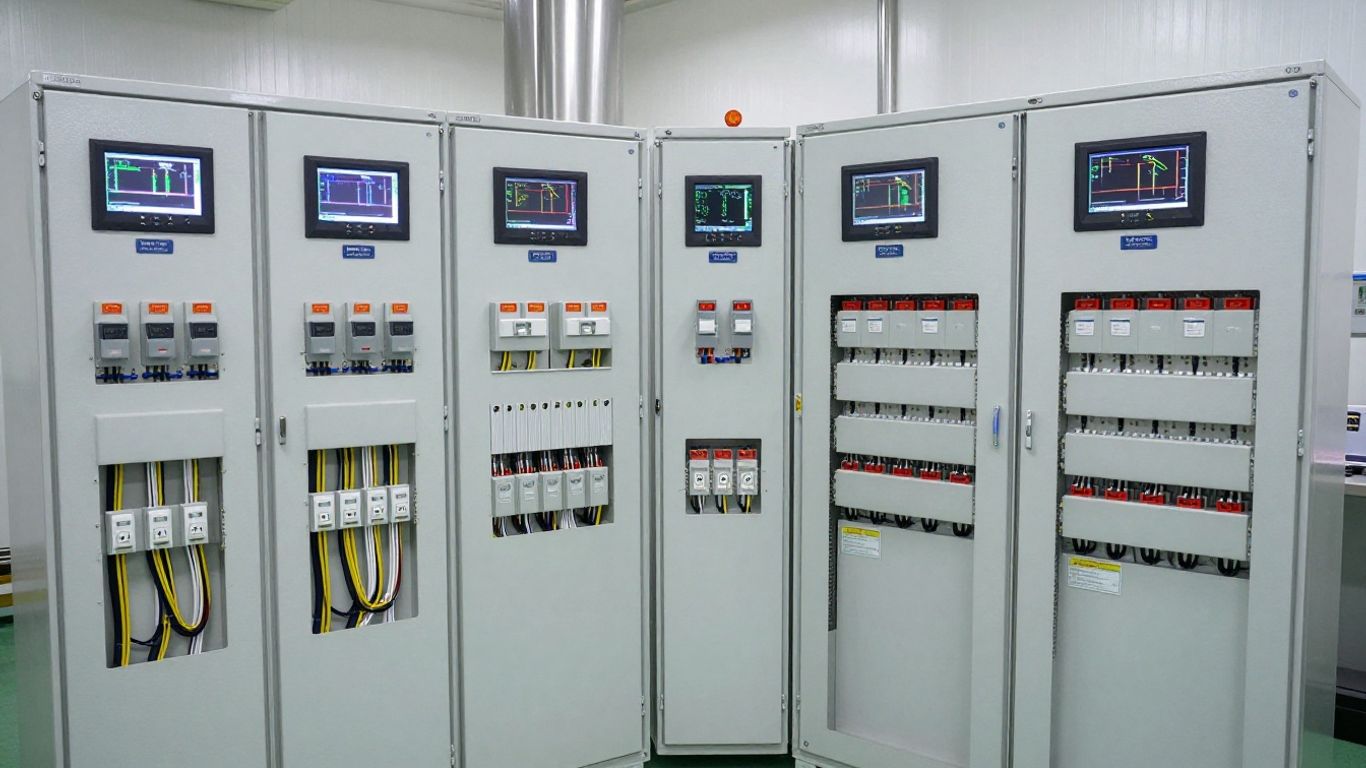
Integrating your BESS with existing onsite power generation, such as rooftop solar modules, creates a more self-reliant facility profile. This combination allows you to charge your batteries using your own renewable energy during non-peak hours, effectively shifting your usage cycle entirely. A, seamlessly coordinated power management system helps ensure that every piece of infrastructure communicates well during grid stress events.
Synchronizing BESS with onsite generation
When you pair storage with a renewable generation source, you treat the entire system as a single energy asset that feeds your microgrid. This setup allows for smarter optimizing electricity bills with battery systems, as you generate energy to fill your batteries when the sun shines and discharge it whenever grid demand hits a critical peak. By using your own power first, you further decouple your site performance from unpredictable utility pricing.
Utilizing smart energy management systems
Smart management systems act as the brain of your energy strategy, linking battery status, onsite generation output, and utility prices in one interface. These platforms allow for advanced adjustments to your discharge schedule based on weather forecasts, site production shifts, or even changes in regional grid pricing signals. They are designed to ensure your facility keeps working at full speed while the battery handles the complex balancing act.
Mitigating downtime through strategic discharge
Batteries provide an immediate source of backup power that allows your critical equipment to bridge the gap during transient grid fluctuations. This functionality prevents the minor equipment downtime that often happens during voltage dips or localized surges. It keeps your operations moving along smoothly even when external power conditions degrade, adding another layer of value to your original demand-shaving investment.
Economics of investing in battery storage
Evaluating the economics requires looking beyond the sticker price and considering the full lifecycle impact of the technology. Various financial vehicles and performance incentives currently available can shift the equation, making storage solutions viable for more businesses than ever before. Understanding the long-term cash flow benefits helps stakeholders justify the upfront investment in storage technology.
Analyzing the internal rate of return
Calculating the Internal Rate of Return (IRR) requires a look at your expected bill reductions, tax benefits, and avoided costs over the next decade. For organizations with high seasonal peaks, the payback period can be surprisingly short. The following table provides an estimated look at typical financial performance factors for a standard industrial commercial deployment.
| Incentive Factor | Impact Level | Strategy Type |
|---|---|---|
| Federal Tax Credit | High | Capex Reduction |
| Utility Demand Rebate | Medium | Operational Saving |
| Peak Shaving Yield | Very High | Recurring Revenue |
By monitoring these three areas, managers can visualize their path to project profitability while maintaining grid flexibility.
Leveraging incentives, tax credits, and grants
Many utilities and state agencies offer specific programs that financially reward organizations for adding storage to their facilities. These incentives often take the form of direct rebates based on installed capacity or performance-based payments for participating in grid-wide load response programs. Always check your local jurisdiction’s current offerings, as these programs frequently update their eligibility criteria and funding levels.
Accounting for long-term maintenance costs
While solid-state storage requires less attention than traditional mechanical power systems, it is not entirely maintenance-free. Budgeting for software updates, cell balancing, and occasional cooling component checks ensures the system performs reliably its entire life. These costs remain predictable, making it easier to forecast your return on investment over the first ten to fifteen years of operation.
Overcoming implementation challenges
Implementing new energy infrastructure is a significant project that touches on utility regulations and facility safety. Navigating these requirements demands early engagement with your local utility providers and specialized technical consultants. Ensuring your team is prepared for these steps early on makes for a much smoother, more predictable deployment phase.
Navigating utility interconnection agreements
Every utility has unique requirements for connecting behind-the-meter storage to their network, often involving detailed technical studies. Be prepared for a formal review of your proposed system’s impact on local distribution quality. Engaging with them as partners early in your planning ensures that you have all the necessary approvals signed long before the hardware arrives at your loading dock.
Ensuring local code and fire safety compliance
Safety is a top priority, and local building codes, fire codes, and electrical standards will be the foundation of your installation requirements. You must meet specific fire-suppression requirements, barrier distances, and emergency shut-off guidelines. Working with local inspectors during the design phase helps avoid costly rework later, as it ensures your configuration aligns with local fire safety expectations for lithium-ion deployments.
Managing data security and software updates
Connecting your energy system to the internet for real-time monitoring and dispatch creates a new point of access for your network security teams to review. Utilize professional-grade hardware that includes modern encryption and robust account authentication practices. Consistent, scheduled software updates provided by your vendor keep your system resilient against evolving digital threats while enabling access to newer, more efficient control features.
Conclusion
Building an energy-independent future for your facility starts with taking control of your consumption spikes and stabilizing your utility costs. By integrating battery energy storage for demand charge reduction, you transform a typically passive line item into a strategic asset that supports both long-term profitability and operational reliability. As technologies evolve and energy markets become more dynamic, sites that successfully deploy these storage strategies will find themselves better protected against rate volatility, better prepared for grid events, and significantly more efficient in their resource utilization.
Frequently Asked Questions
How does a battery system handle demand charges differently than a generator?
Batteries provide instantaneous response time with no fuel requirements, making them ideal for shaving short-duration spikes at a lower cost than operating thermal engines. Generators are usually reserved for longer-duration power outages, while batteries are designed to cycle regularly to optimize your load profile.
Will my utility company approve of me installing a battery system?
Most utility providers support behind-the-meter batteries because these units actually help reduce stress on the local grid infrastructure during peak times. However, you must engage them early to process the necessary interconnection paperwork and ensure your specific hardware meets their voltage and signaling standards.
How long does a typical BESS investment take to pay for itself?
Payback periods vary significantly based on your local utility rates, the severity of your demand charges, and your energy profile, but many commercial projects find a return on investment within three to seven years. Total savings depend on local incentives like tax credits that can significantly lower your initial capital expenditure.
Do I need to be an expert in electrical engineering to manage a BESS?
No, modern systems are designed for ease of use through automated smart interfaces that handle the heavy lifting for you. Once the system is installed and configured by your technical team, the software generally manages most routine discharge and charging events automatically.
Can battery systems help if my facility already has solar panels?
Adding a battery to a solar installation allows you to store excess daytime energy instead of exporting it back to the grid for a low return. This combination lets you use your own solar energy during high-demand nighttime or evening hours, essentially helping you eliminate expensive peaks that would otherwise hit your monthly bill.
What happens if the grid experiences a power outage while my battery is active?
Most systems are designed to transition immediately to islanding mode, providing your facility with a continuous power supply until the primary grid stabilizes. This automatic switchover happens in milliseconds, ensuring that sensitive data and critical processes continue operating without interruption.
Can my battery system participate in market-based demand response programs?
Yes, many commercial storage deployments are structured to stack value by participating in utility-run market programs when their internal capacity is not fully needed for peak shaving. These programs provide an additional revenue stream that further shortens the time it takes for your investment to pay off.