Sun’s Out, Water’s On: Solar Backup for Your Well Pump
Here are the main points to remember about setting up a solar powered well pump backup system for your home.
Key Takeaways
- A battery backup system is crucial for well pumps because losing power means losing water, which affects basic needs like flushing toilets and washing.
- Solar panels can recharge the batteries used in a well pump backup system, providing a sustainable power source.
- Sizing your system correctly involves understanding your pump’s power needs and calculating the energy required for other essential appliances.
- While solar panels work best in sunlight, battery backups and water storage tanks can help ensure water availability even on cloudy days.
- Professional electrical work is highly recommended for installing a safe and effective solar powered well pump backup system.
Understanding Your Well Pump Backup Needs
Why A Battery Backup Is Essential For Well Pumps
Living with a private well means you’re responsible for your own water supply. That’s usually fine, but when the power grid decides to take a break, your water stops flowing. For about 43 million Americans, this is a real problem. When the electricity cuts out, so does your well pump. This means no flushing toilets, no running faucets, and definitely no washing dishes. A battery backup system acts as your personal power grid, keeping your pump running even when the main lines are down. It’s the difference between a minor inconvenience and a major disruption, especially during extended outages caused by storms or grid issues. Having a reliable source of emergency well pump power is not just about comfort; it’s about maintaining basic hygiene and daily life.
The Downsides Of Traditional Backup Methods
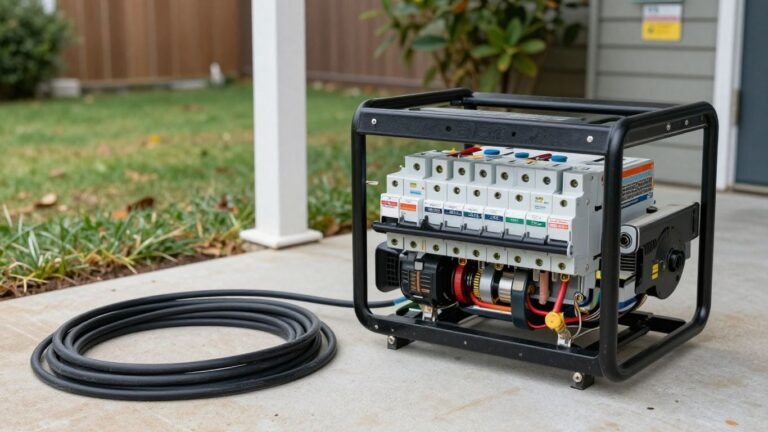
For a long time, the go-to solution for well pump backup was a gas generator. Sure, they can power your pump, but they come with a whole list of headaches. You have to store flammable fuel, which can be a real pain, especially in bad weather. Plus, they’re loud – really loud. Imagine trying to sleep or just relax while a generator is roaring outside during a storm. And let’s not forget the smell of exhaust fumes. You also have to go out in the elements, often in freezing temperatures or pouring rain, to get it started. It’s a lot of work and hassle when you’re already dealing with a power outage. Modern battery systems offer a much cleaner, quieter, and more automatic way to keep your water flowing.
How A Battery Backup System Operates
A battery backup system for your well pump is pretty straightforward, like a silent guardian waiting for its moment. It has three main parts. First, there’s the battery bank itself, which stores electricity, usually as DC power. Think of it as your energy reserve. Then, you have the inverter. Your well pump needs AC power, not DC, so the inverter acts like a translator, converting the battery’s DC power into the AC power the pump needs. This conversion is especially important because well pumps often require a big surge of power to start up. Finally, there’s an automatic switch. This smart device constantly monitors the main power supply. The second it detects an outage, it instantly disconnects your home from the dead grid and connects it to the battery backup system. This switch happens so fast that you often won’t even notice a dip in your water pressure. It’s a system designed for continuous water supply when you need it most.
The Mechanics Of A Solar Powered Well Pump Backup
So, you’ve got a well, and you’re thinking about what happens when the power grid decides to take a nap. It’s a common worry for folks with private wells. Unlike city water systems that might hold pressure for a bit, your well pump is the sole source of water. When it stops, everything stops – no flushing, no washing, nothing. That’s where a battery backup system comes in, acting like a silent guardian for your water supply. It’s a smart way to use alternative energy for water pumps and keep things flowing.
The Role Of The Battery Bank
Think of the battery bank as the heart of your backup system. It’s where the energy is stored, usually as Direct Current (DC). Modern systems often use lithium iron phosphate batteries because they’re tough, can handle lots of charges and discharges, and don’t get too hot. This battery bank is the reservoir that feeds power to your pump when the main electricity is out. It’s the first line of defense, holding the power needed to keep your water system running.
The Function Of The Inverter
Now, your well pump doesn’t run on the raw DC power stored in the batteries. It needs a specific type of power called Alternating Current (AC), and usually a hefty amount of it, especially to get started. That’s where the inverter shines. It’s like an electrical translator, taking the DC power from the battery bank and converting it into the AC power your pump needs. For a well pump, this often means a big surge of 240-volt AC power to kick that motor into gear. Without a properly sized inverter, the pump just won’t start, even if the battery is full.
The Importance Of The Automatic Switch
This is the brains of the operation. The automatic switch, sometimes called a transfer switch, constantly monitors the incoming power from the utility grid. The moment it detects that the grid power has failed, it instantly disconnects your home from the dead grid lines and connects your well pump (and any other critical loads you’ve designated) directly to the battery backup system. This switchover happens so fast that you often won’t even notice a dip in water pressure. It’s the key component that makes a battery backup for solar well systems truly automatic and reliable.
A well pump battery backup system is more than just a convenience; it’s a lifeline. It ensures that basic needs like hygiene and sanitation are met even when the main power is down for an extended period. Planning for this kind of resilience is smart for any well owner.
Here’s a quick look at the main components:
- Battery Bank: Stores DC energy.
- Inverter: Converts DC to AC power for the pump.
- Automatic Switch: Manages the power source, switching to battery when needed.
These parts work together to create a reliable off-grid water pump system that keeps water flowing. Regular solar well pump maintenance on these components will help ensure they’re ready when you need them.
Sizing Your Solar Backup System
Alright, so you’ve decided a solar backup for your well pump is the way to go. That’s smart! But before you start buying parts, we need to figure out exactly what you need. It’s not a one-size-fits-all deal, and getting the sizing right is super important. Get this wrong, and you might end up with no water when you need it most.
Determining Your Pump’s Power Requirements
First things first, let’s talk about your well pump itself. These things can be power-hungry, especially when they first kick on. You’ll need to find out its voltage, horsepower, and amperage. Usually, this info is on a metal tag right on the pump. Write it down! A typical 1-horsepower pump might use around 1,000 watts while it’s running, but that initial startup, or surge, can be way higher – sometimes 7,000 watts or more for a few seconds. This surge power is the biggest challenge for any backup system. You need a system that can handle that big jolt without blinking.
Calculating Energy Needs For Critical Loads
Your well pump isn’t the only thing that needs power during an outage, right? Think about what else you absolutely must have running. This is your "critical loads" list. Most people include:
- A refrigerator to keep food from spoiling.
- Your Wi-Fi router so you can stay connected.
- A few lights, especially in the kitchen or bathroom.
- Any medical equipment that needs constant power.
Add up the wattage of these items. Remember, your pump might only run for a couple of hours a day total, but your fridge runs on and off constantly. We need to account for both the pump’s surge and the continuous draw of other devices. It’s about making sure you have enough juice for everything that matters.
Choosing The Right Battery Capacity
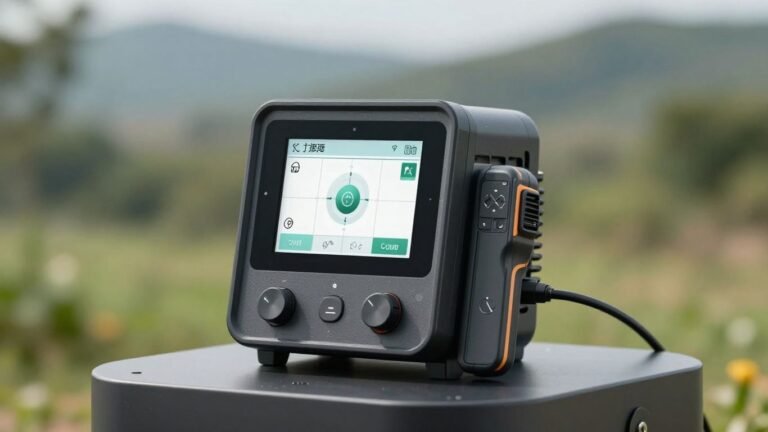
This is where the "size matters" part really comes in. Your battery bank is your energy storage. You need enough capacity to run your pump and critical loads for a specific amount of time. A single battery block, like the Anker SOLIX E10, can often cover a typical household’s needs for a full day. But what if the power is out for longer? You can stack these battery blocks to increase your storage capacity, maybe up to 90 kWh if you’re preparing for extended outages. The goal is to match your battery’s storage to your calculated daily energy needs plus a buffer. Don’t skimp here; an undersized battery will leave you high and dry. It’s better to have a bit more capacity than you think you’ll need. For many well pump owners, one or two battery blocks strike a good balance between cost and runtime. You can always add more later if your needs change or you want more peace of mind. This kind of planning helps prevent costly mistakes, similar to how careful record-keeping is vital when dealing with medical liens.
Solar Direct vs. Battery-Backed Pumping
It’s worth noting the difference between running your pump directly from solar panels versus using a battery backup. Solar direct means the pump only runs when the sun is shining brightly enough. This can be simple but unreliable, especially on cloudy days or at night. A battery-backed system, however, stores solar energy (or grid power) and makes it available whenever needed. This means your pump can run even when the sun isn’t out, providing consistent water access. For most homes relying on a well, a battery backup is the more practical and dependable solution, offering a reliable power source for your well pump regardless of weather conditions.
Integrating Solar Panels With Your Backup System
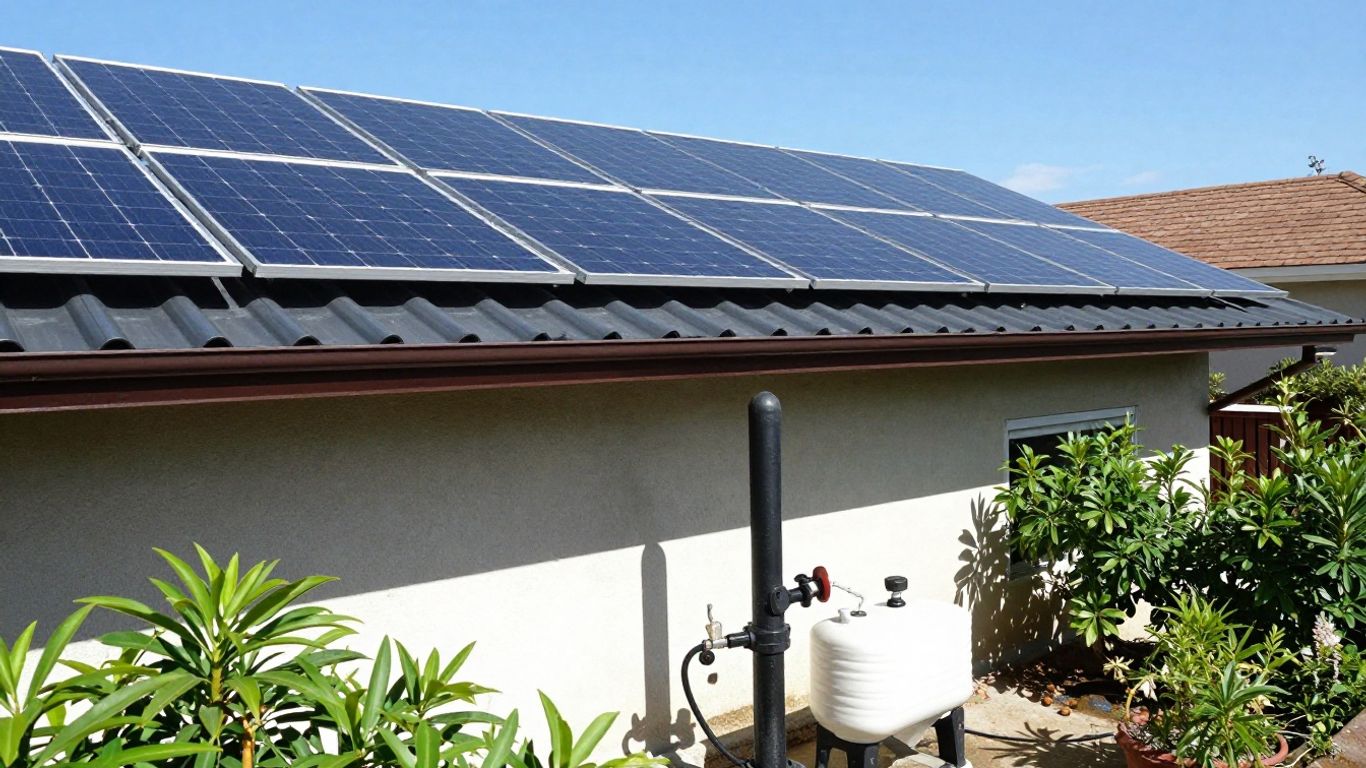
So, you’ve got your battery backup all set up for your well pump. That’s a huge step towards water security! But what happens when that battery needs a little juice? That’s where solar panels come in, turning your backup system into a self-sustaining powerhouse. It’s like giving your well pump its own personal, renewable energy source.
How Solar Panels Recharge Your Battery
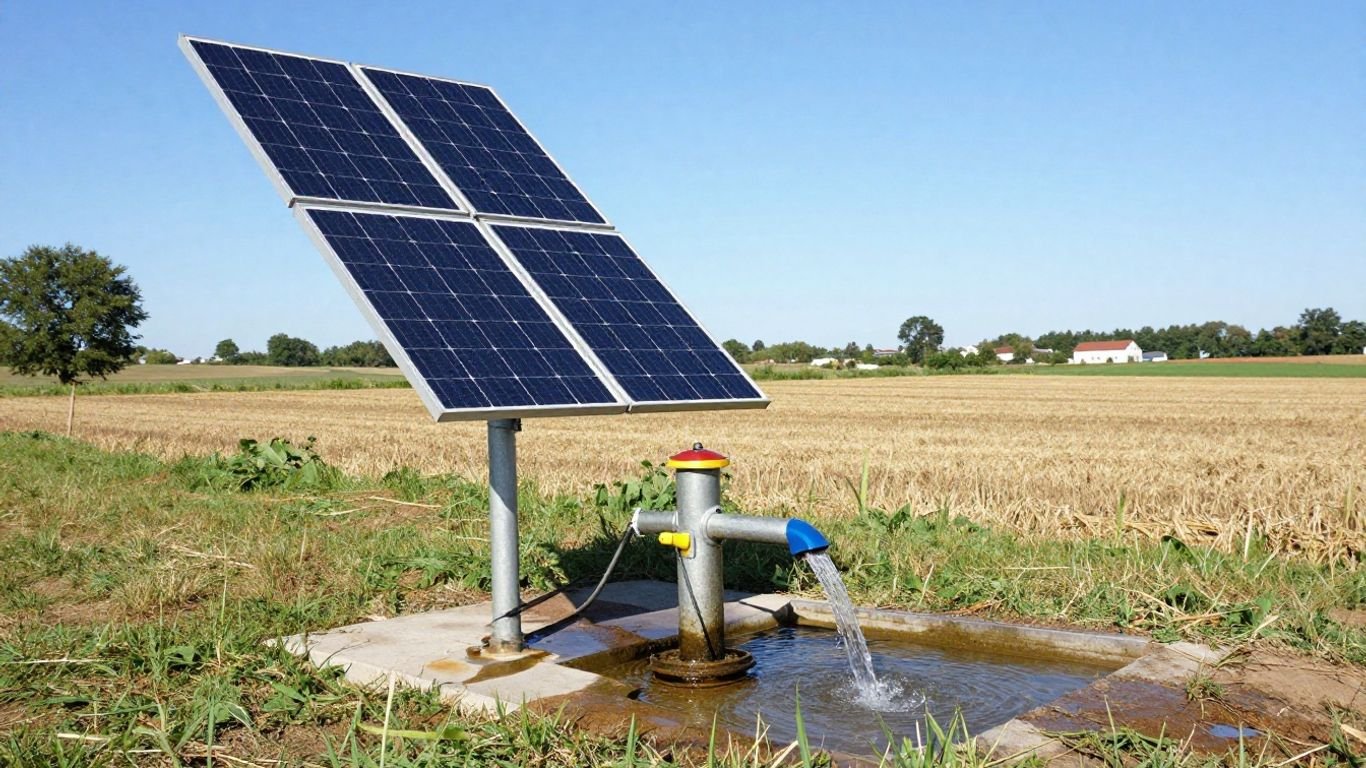
Think of your solar panels as the sun’s little helpers. On a sunny day, they soak up sunlight and convert it into electricity. This electricity is then sent to your battery bank, topping it off and getting it ready for action. It’s a pretty neat cycle: the sun powers the panels, the panels charge the battery, and the battery powers your pump when the grid goes dark. This continuous charging means your backup system is always ready when you need it. It’s a smart way to keep your water flowing without relying solely on the grid. You can even find pre-packaged solar kits designed for well pumps, though some older models are no longer available for new purchases [cfdf].
Ensuring Water Availability on Cloudy Days
Now, what about those gloomy, overcast days? It’s a fair question. If the sun isn’t shining brightly, your solar panels won’t be generating as much power. This is precisely why the battery bank is so important. It acts as a buffer. Even if the panels aren’t producing much, the battery still holds a significant charge. This stored energy is what keeps your pump running. For extended periods of bad weather, you might need a larger battery bank or even a way to supplement power. Some folks consider a small generator as a last resort, but the goal of a solar setup is to minimize that need. The key is proper sizing – making sure your battery can handle a few days without direct sun.
Benefits of a Solar Powered Well Pump Backup
Adding solar panels to your well pump backup system brings a whole lot of good stuff to the table. First off, you’re looking at serious savings on your electricity bill. Your well pump is a big energy user, and using free sunshine to power it, or at least charge the battery that powers it, really adds up. Plus, you get that peace of mind knowing you’re not completely at the mercy of the power company. Rolling blackouts? Storms? Doesn’t matter, your water keeps flowing. It’s also a greener choice, using a clean energy source. And if you ever need to return items, understanding the policies is important, as restocking fees and shipping costs can apply [e1fa].
Here are some of the main perks:
- Reduced electricity costs: Harnessing free solar energy means less money spent on grid power.
- Increased reliability: Your water supply stays on, even during grid failures.
- Environmental friendliness: You’re using a clean, renewable energy source.
- Energy independence: Less reliance on the utility company.
Ultimately, combining solar panels with a battery backup for your well pump creates a robust, reliable, and cost-effective water system. It’s an investment in your home’s comfort and security, especially if you live off the main grid or in an area prone to power outages.
Installation And Considerations For Your System
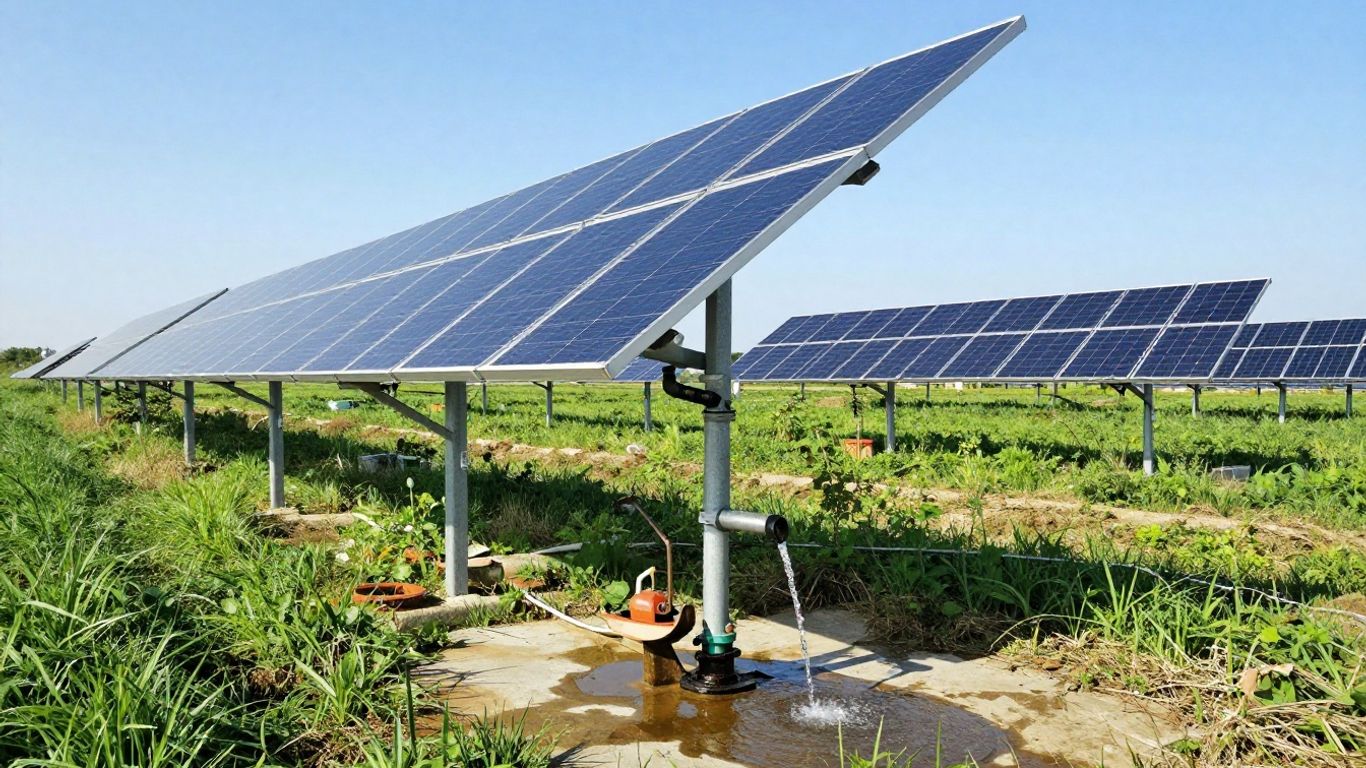
Putting together a solar backup for your well pump might sound like a big project, and honestly, it can be. But with the right planning and a little know-how, it’s totally doable. It’s not just about slapping some panels on the roof; there are a few key steps and things to think about to make sure it all works right when you really need it.
Essential Steps For Building A Backup System
Getting your solar backup up and running involves a few important stages. It’s like building anything else – you start with the basics and build up from there.
- Figure out your pump’s power needs: You’ll need to find the voltage, horsepower, and amps listed on your pump’s data tag. This is super important for the next steps.
- List your ‘must-have’ items: Beyond the pump, what else absolutely needs power during an outage? Think lights, your fridge, maybe the internet router. These are your critical loads.
- Choose the right battery size: Based on your pump and critical loads, you’ll pick a battery that can handle the demand. You don’t want to run out of juice too soon.
- Wire it up correctly: This is where things get technical. A professional will connect your pump and critical loads to a new sub-panel that links to your battery system.
- Add solar panels (optional but recommended): Once the battery backup is running, you can add solar panels to recharge the battery, making your system more sustainable.
- Test the system: Flip the switch and see how it performs. Monitoring it through an app can show you exactly how your home reacts when the grid goes down. This whole process helps you get a handle on your home’s energy resilience.
The Necessity Of Professional Electrical Work
Look, I get the urge to DIY everything, but when it comes to your well pump and a battery backup system, don’t skimp on hiring a licensed electrician. Seriously. Messing with high-voltage electrical systems without the proper training is a recipe for disaster. We’re talking about potential fires, damage to your equipment, or worse. An electrician knows how to safely connect everything, make sure your circuits are protected, and that your system meets all the local codes. They’ll wire your critical loads into a new sub-panel, which is a pretty standard part of setting up a backup system like this. It’s one of those things where paying a pro upfront saves you a lot of headaches and potential costs down the line.
Planning For Future System Expansion
When you’re setting up your solar backup, it’s smart to think ahead. Maybe right now, you’re just focused on keeping the water flowing. But what if you decide later you want to power more things? Or maybe you want to add more solar panels to fully charge your batteries faster?
- Scalability: Choose components that can be expanded. For example, some battery systems let you add more battery units later if you need more storage.
- Panel Capacity: If you plan to add solar panels, make sure your inverter and charge controller can handle the extra power.
- Future Needs: Consider what your energy needs might be in 5 or 10 years. Are you planning to add an electric vehicle charger? A hot tub? Thinking about this now can save you from having to completely re-do your system later.
It’s always a good idea to have a system that can grow with you. You don’t want to get stuck with a setup that’s too small for your future needs. Planning for expansion means your initial investment stays useful for longer. This is a key part of creating a robust grid-down survival plan.
Solar Direct vs. Battery-Backed Pumping
There are two main ways to use solar for your well pump: direct drive and battery-backed. With solar direct pumping, the pump only runs when the sun is shining brightly enough. It’s simpler and cheaper upfront, but you have no water when it’s cloudy or at night. A battery-backed system, on the other hand, stores solar energy in batteries. This stored power can then run your pump anytime, day or night, rain or shine. While it costs more initially due to the battery bank and inverter, it provides consistent water availability, which is usually the main goal for a backup system. For most people wanting reliable water during outages, the battery-backed approach is the way to go.
Conclusion
For anyone with a private well, having a backup power source for your pump isn’t just a nice idea; it’s a necessity. A solar powered well pump backup system offers a reliable, quiet, and clean way to keep your water flowing, even when the main power grid fails. Don’t wait for the next storm to leave you without water. Planning and installing a backup system today can save you from a lot of stress and inconvenience down the road, ensuring your family always has access to this vital resource.
Frequently Asked Questions
Do well pumps come with their own battery backup?
Nope, standard well pumps don’t have built-in batteries. They plug straight into your house’s main power. If the power grid goes down, your pump stops working. You need to set up a separate battery backup system just for the pump.
What’s the best way to get water when the power is out?
You’ve got a couple of main options. You could use a noisy gas generator that needs fuel and is a pain to start in bad weather. Or, you could go with a smart battery backup system. This kind of system kicks in silently, keeping your water flowing without bothering the neighbors or requiring you to go out in the rain.
How much solar power do I need for my well pump?
It really depends on how much power your pump uses and how much electricity your whole house uses daily. For a typical home using around 3 to 6 kilowatt-hours (kWh) a day, one good-sized battery block can handle the load. To keep that battery charged, you’d likely need about 4 to 6 large solar panels facing the sun.
Can a small battery power my well pump?
Not usually. A small 12-volt battery, like one from a car, just doesn’t have enough power. Your home’s well pump needs a big jolt of 240 volts to start up, and small batteries can’t provide that. You need a serious, whole-house battery system for a well pump.
Will my well pump still work if it’s cloudy?
Yes, it can! Solar pumps can still work when it’s cloudy, just not as powerfully. Some systems can even run on cloudy days without extra help. Plus, having a battery backup means stored power from sunny days can run the pump when it’s overcast. Storing water in a tank is also a good backup plan for those gloomy days.
Can a portable power station run a well pump?
Generally, no. Most portable power stations aren’t strong enough. They usually only provide 120 volts, but a deep well pump needs 240 volts and a big burst of energy to get going. You really need a heavy-duty battery backup system specifically designed for well pumps.