Peak Shaving vs. Load Shifting: What’s the Diff?
Key Takeaways
Effective power management relies on two primary strategies to lower utility expenses and stabilize operations. While both methods address high energy costs, they target different operational behaviors and infrastructure needs.
- Peak shaving focuses on lowering absolute power usage during brief, intensive demand windows.
- Load shifting reallocates energy-intensive tasks to periods where utility rates are significantly cheaper.
- Automated energy management systems provide the precision needed to manage these complex transition periods.
- Businesses often see the best results by creating a hybrid strategy that combines both techniques for maximum impact.
- Monitoring historical usage data is the essential first step before purchasing large-scale storage hardware.
Defining peak shaving and load shifting
The concept of utility demand charges
Utility billing often includes a specific fee structures that reward efficiency by penalizing sudden surges in consumption. These demand charges represent the highest power draw recorded during a short window each month, effectively forcing businesses to pay for the infrastructure required to support their worst-case power scenarios. Understanding how these fees fluctuate is the first step toward effective grid participation.
How peak shaving reduces power spikes
Peak shaving targets the highest points of your usage curve, typically during mid-day or heat waves when the grid is most strained. By engaging a Battery Energy Storage System (BESS) at the exact moments when your facility draws the most power, you can draw from stored energy rather than the utility, essentially flattening the spikes that trigger expensive monthly surcharges.
The logic behind load shifting
Instead of preventing consumption, load shifting focuses on timing the execution of heavy machinery or processing tasks to coincide with off-peak hours. This is the cornerstone of optimizing energy consumption patterns by utilizing the grid when rates are lower and infrastructure demand is non-critical. The strategy requires process flexibility, such as delaying heavy fabrication cycles until evening or overnight shifts.
Why vocabulary matters in energy management
Precision in technical language helps facility managers coordinate with utility providers to maximize incentives and compliance. Distinguishing between shaving a momentary spike and shifting a long-term load allows for better alignment with energy demand management strategies and broader sustainability targets.
Operational differences in implementation
Equipment and infrastructure requirements
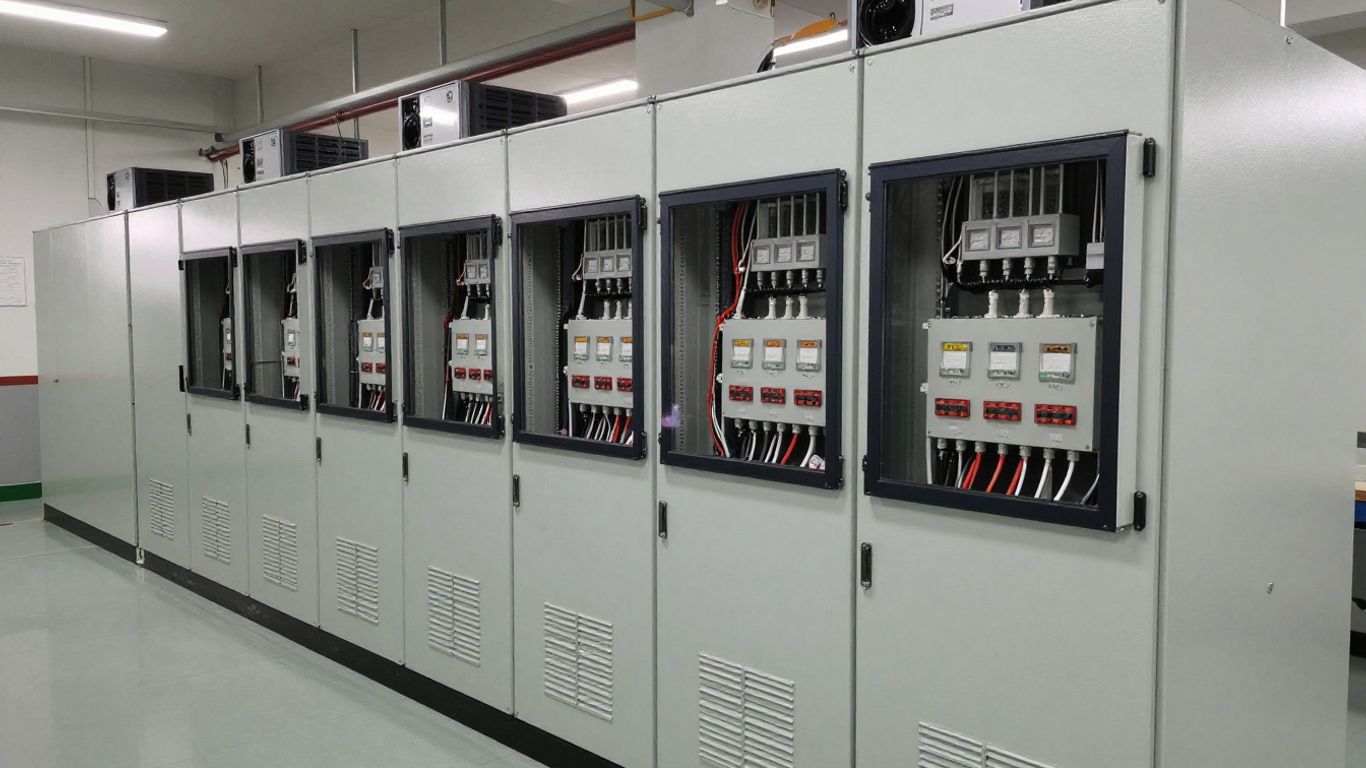
Upgrading electrical distribution centers often involves retrofitting switchgear to handle bidirectional power flows during discharge cycles. Implementing these changes requires a clear assessment of existing transformers and main service panels to ensure they can manage high-capacity transfers without tripping circuits.
Automated controls versus manual scheduling
Manual management can work for smaller facilities, but industrial sites rarely maintain enough oversight to hit the precise 15-minute windows required for peak shaving. Advanced automation serves as an integrated watchkeeper, ensuring that power transitions happen without operator intervention.
Integrating on-site solar and battery storage
| Strategy | Primary Mechanism | Best For | Typical Impact |
|---|---|---|---|
| Peak Shaving | Discharge during spikes | High demand charges | Lower monthly bills |
| Load Shifting | Delay until night | TOU price zones | Lower per-kWh costs |
| Peak Shaving | Grid-integrated storage | High grid volatility | Increased reliability |
Integrating solar assets requires a management layer that knows when to fill storage versus when to export it to the grid. This synchronization is crucial to avoid double-charging or inefficient depletion of battery assets before a peak demand event actually occurs.
Managing continuous versus periodic operations
- Continuous operations like smelting or chemical processing benefit most from consistent load shifting to avoid daily peaks.
- Periodic manufacturing lines utilize peak shaving to survive short bursts where several high-draw tools activate simultaneously.
- Facility labs with fluctuating daily patterns often use a combination approach to keep costs predictable.
- Cold storage facilities rely on thermal mass to shift cooling loads outside of peak hours while shaving only the extreme deviations.
Managing energy requires a nuanced understanding of these categories to prevent production downtime while keeping costs manageable.
Financial impact and ROI scenarios

Navigating utility time-of-use pricing
Time-of-use (TOU) rates transform the clock into a budget control tool by varying electricity prices based on grid availability. When rates climb in the mid-afternoon, facilities that have successfully moved their non-essential loads off-grid can avoid paying premium market prices.
Analyzing demand charge savings
Demand charges often make up a significant portion of industrial invoices, yet they are rarely scrutinized until after a penalty is incurred. By tracking the peak power demand metrics, facilities can identify exactly what equipment drives these costs and whether an investment in storage or internal capacity management will offer a clear return.
Calculating the payback for battery storage
Return on investment is calculated by layering utility bill savings with potential revenue from demand response programs. While the equipment cost represents a major capital expenditure, the lifespan of modern batteries allows for a decade or more of consistent avoidance of peak surcharges.
Incentive programs and demand response participation
Many utilities offer direct incentives for businesses that agree to reduce their load upon request during times of localized grid emergency. Participating in these programs transforms your load management techniques for businesses into an active revenue source rather than just a cost-reduction exercise.
Key benefits for industrial and commercial facilities
Improving electrical system reliability
Consistency remains the top priority for mission-critical operations where even a minor voltage dip can lead to damaged goods. By maintaining internal storage systems, like those monitored by Generator Watch, sites gain a secondary layer of protection against the fluctuations that lead to expensive, unplanned downtime.
Supporting long-term energy efficiency goals
Efficiency is no longer just about buying low-draw equipment but about managing the total ecosystem of how that equipment interacts with the grid. Aligning site operations with understanding grid load balancing contributes to a more predictable energy profile.
Reducing stress on ageing onsite infrastructure
Every time a large motor turns on, it impacts the local transformer health through simple physics-based surges. Shaving these peaks slows the degradation of the facility’s internal electrical network, essentially extending the life of existing panels.
Aligning consumption with corporate carbon targets
Corporate sustainability initiatives frequently demand reduced reliance on the grid during peak times when dirty, carbon-intensive peaker plants must be turned on to meet total demand. Shifting and shaving allow companies to report a smaller carbon footprint by smoothing their grid reliance.
Choosing the right strategy for your facility
Evaluating your historical load profile data
Before choosing a path, you must conduct a data audit to see exactly when your facility hits its highest consumption levels. A data-first approach avoids the trap of purchasing expensive infrastructure that doesn’t actually hit the specific usage cycles that drive your monthly demand charge.
Matching strategy to utility billing structures
Some utilities provide rebates for shifting, while others prioritize penalties for peaking; understanding your specific tariff is vital. If your utility offers favorable rates for overnight use, your strategy should lean heavily toward shift-heavy workflows.
Balancing operational comfort versus energy savings
True energy savings strategy often creates tension between facility managers who need performance and finance teams that need lower utility bills. Finding the middle ground involves ensuring that critical startup sequences are never delayed by load-shifting schedules.
Utilizing hybrid approaches for maximum efficiency
Most modern facilities find their best ROIs by mixing strategies, using automation to shave the dangerous peaks while shifting non-urgent tasks entirely off the peak schedule. This hybrid posture creates the most robust defense against rising utility fees.
Conclusion
Achieving control over energy costs requires more than just passive monitoring; it demands an active, hybrid approach that treats electricity as a resource to be dynamically managed. By choosing between peak shaving and load shifting based on your facility’s specific load profile, you turn uncontrollable utility charges into manageable variables that protect your operational bottom line.
Frequently Asked Questions
Is peak shaving only for large industrial manufacturers?
While industrial facilities feel the impact most acutely, large commercial buildings, data centers, and multi-facility campuses also benefit significantly from these strategies when their electricity bills include substantial demand charges.
How does a battery change the facility’s relationship with the utility?
It changes the utility from a constant, singular provider into an on-demand resource, allowing the facility to provide its own stability during expensive windows and rely on the grid when rates are favorable.
Do load shifting strategies force workers to change their schedules?
Not necessarily, as many load shifts can be handled by automated systems or by programming equipment to cycle during off-hours, ensuring that human workflow remains productive while energy consumption patterns improve.
What prevents a facility from using both strategies simultaneously?
Nothing prevents a dual strategy; in fact, it is often recommended. Peak shaving acts as a safety against unpredictable surges, while load shifting manages the predictable, recurring high-demand periods that occur as part of a standard business day.
Are demand charges avoidable in every electricity market?
Demand charges are a standard practice in most commercial and industrial utility tariffs across North America and Europe, though the specific calculations and penalties vary based on the local grid needs and utility management policies.
How frequently should a company update its energy strategy?
Facilities should review their load data and utility contracts at least annually, especially if they have installed new equipment or if regional grid capacity rates have recently changed.
Can renewable energy installations replace the need for these strategies?
Renewables integrate well with these strategies, but they rarely eliminate the need for them entirely, as peak demand often occurs during times when solar production is low or fluctuating, requiring storage or managed demand to keep costs controlled.