Meshtastic: Your Go-To for Emergency Chat
When the usual ways of talking to people go down, like after a big storm or during an emergency, it can be really stressful. You might be wondering how you’ll get in touch with family or get important information. Well, there’s this neat open-source thing called Meshtastic that’s popping up as a way to keep those lines of communication open, even when the cell towers are silent. It’s pretty cool because it doesn’t need the internet or cell service to work, relying instead on a network of devices talking to each other. This article is all about Meshtastic for emergency communication and why it’s becoming a go-to tool for preparedness.
Key Takeaways
- Meshtastic is an open-source, decentralized network that lets devices communicate directly without needing cell towers or the internet, making it great for emergencies.
- The devices used by Meshtastic are generally low-cost and use little power, so they’re easy to keep running when power grids fail.
- Using LoRa technology, Meshtastic can send messages over long distances, and it includes built-in encryption for private chats.
- It’s designed to be user-friendly, allowing people to send text messages and location data, and it’s been used in real-world situations like disaster recovery and search and rescue.
- The more people who use Meshtastic, the stronger and more reliable the network becomes, creating a community-supported communication system.
Understanding Meshtastic For Emergency Communication
When we talk about disaster preparedness communication, we’re really looking for ways to stay in touch when the usual methods fail. Think about what happens after a big storm or during an emergency – cell towers go down, internet is spotty at best, and suddenly, you can’t reach anyone. That’s where Meshtastic steps in as one of the most interesting off-grid messaging solutions out there.
What Is Meshtastic?
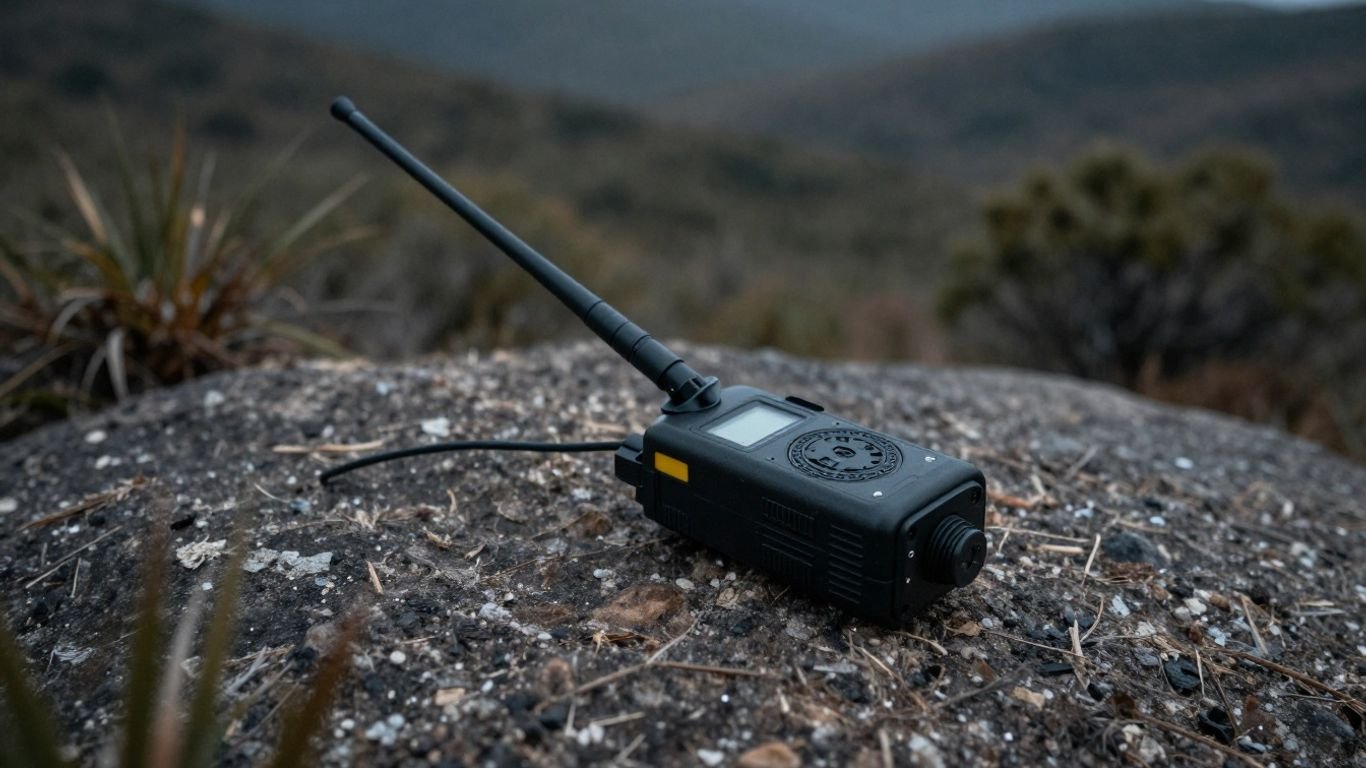
At its core, Meshtastic is an open-source project that creates a decentralized communication network. It uses low-power radio devices, often called ‘nodes,’ that talk to each other directly. This means no internet or cell service is needed for your messages to get through. It’s like building your own private communication system, independent of the big infrastructure that can easily be disrupted. It’s a fantastic example of alternative communication systems that put the power back in your hands.
Decentralized And Community-Powered
Unlike traditional networks that rely on central servers, Meshtastic works like a web. Each device (node) can act as a repeater, passing messages along to others. The more devices in an area, the stronger and more far-reaching the network becomes. This community-driven approach means the network grows organically, powered by the people who use it. It’s a pretty neat concept for building resilient communication.
Low Power Requirements For Reliability
One of the biggest advantages for emergency use is Meshtastic’s low power consumption. The devices are designed to run for a long time on batteries, making them ideal for situations where grid power is unavailable. You can even power them with portable solar chargers or power banks, keeping your communication line open when it matters most. This focus on efficiency is key for long-range radio chat in remote areas.
- Battery Life: Many nodes can last for days or even weeks on a single charge, depending on usage.
- Power Options: Easily rechargeable via USB, compatible with power banks and solar panels.
- Standby Mode: Devices consume minimal power when not actively transmitting or receiving.
The beauty of Meshtastic lies in its simplicity and independence. It’s a tool built by and for people who want reliable communication, no matter the circumstances. It’s a practical step for anyone serious about their disaster preparedness communication.
Long-Range Communication With LoRa
Meshtastic primarily uses LoRa (Long Range) radio technology. This allows devices to communicate over surprisingly long distances, often several miles between nodes, especially with clear line-of-sight or when placed at higher elevations. While it’s not for streaming video, it’s perfect for sending text messages and location data, which is exactly what you need in an emergency. This capability makes it a standout among off-grid messaging solutions.
Encrypted Messaging For Privacy
Your conversations are private. Meshtastic comes with built-in AES-256 encryption. This means that even if someone intercepts your message, they won’t be able to read it without the correct key. This is a huge plus for personal safety and ensuring sensitive information isn’t exposed during a crisis.
Offline Communication Without Infrastructure
This is the game-changer. Meshtastic doesn’t need any existing infrastructure like cell towers or Wi-Fi routers. It creates its own network. If you and your group have Meshtastic devices, you can communicate directly with each other, even if the entire outside world’s communication systems are down. It’s a truly independent way to stay connected.
Getting Started With Meshtastic
So, you’re thinking about Meshtastic for when things go sideways and the usual ways of talking to people just don’t work anymore. It sounds complicated, right? Like you need a degree in radio engineering or a small fortune. But honestly, getting started is way simpler than you might think, and it doesn’t have to cost a lot.
Affordable Entry-Level Devices
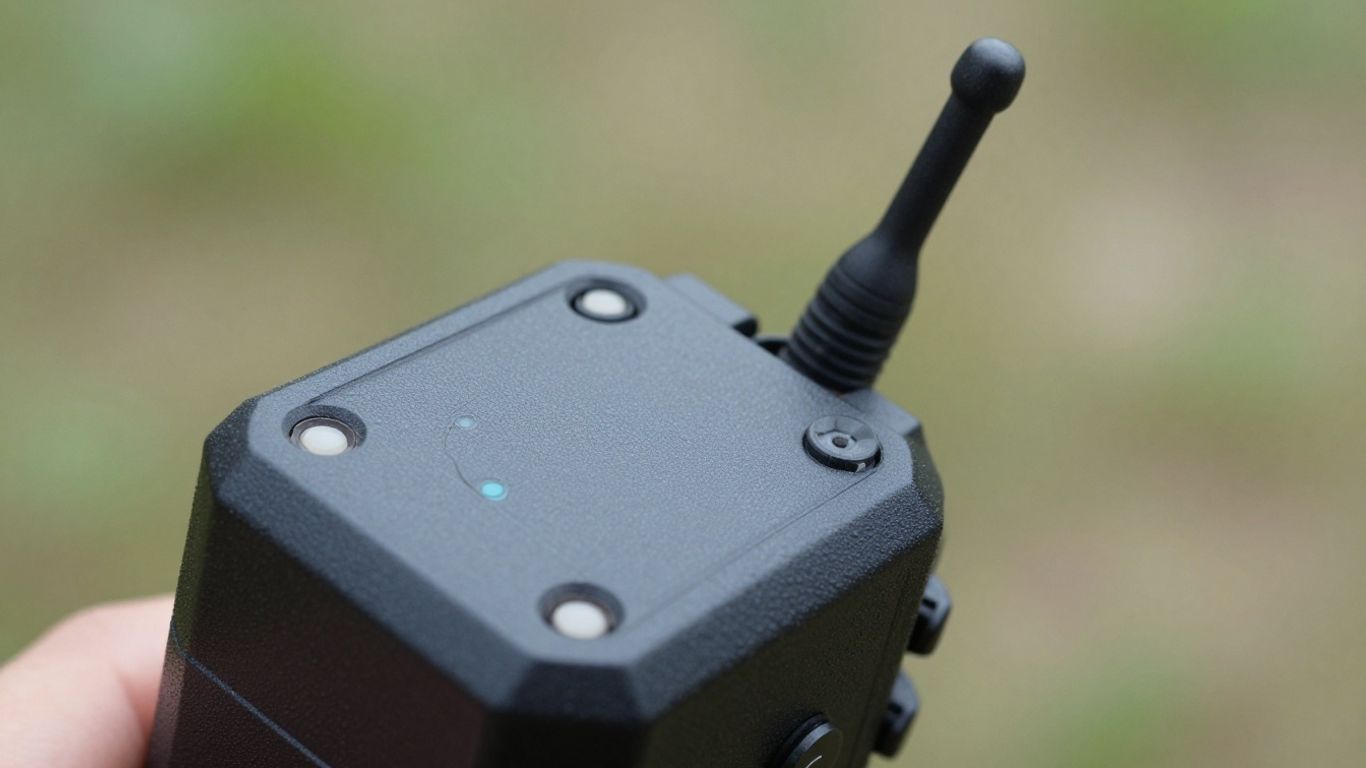
One of the best things about Meshtastic is that it doesn’t require super expensive gear. You can actually get started with devices that cost about the same as a decent pair of headphones. We’re talking about small, low-power radios that can talk to each other without needing any cell service or internet. This makes them perfect for keeping in touch when the power grid is down. The Lilygo T-Echo is a popular choice for beginners, often costing around $40-$50, and it’s pretty energy efficient too. You can even find other options that are quite budget-friendly.
License-Free Operation
Unlike some other radio communication methods, like ham radio, Meshtastic operates on license-free frequencies. This is a huge plus because it means you don’t have to go through the hassle of getting a license or passing tests. You just get your devices, set them up, and you’re good to go. This significantly lowers the barrier to entry, making it accessible for anyone interested in off-grid communication.
User-Friendly Interface
While the radios themselves are the core of Meshtastic, you’ll usually interact with them using a smartphone app. This makes sending and receiving messages feel a lot like using a regular text messaging app. You don’t need to be a tech wizard to figure it out. The app lets you see who’s on the network, send messages, and even view a map of nearby devices. Some newer devices are even becoming stand-alone, meaning you might not even need your phone to send a quick message, which is handy if your phone battery is low.
Setting up your first Meshtastic device usually involves a few simple steps: downloading the app, connecting to your device via Bluetooth or USB, and configuring your channel and desired settings. It’s designed to be straightforward, even if you’re new to this kind of technology. Don’t be afraid to experiment with the settings once you’re comfortable; that’s how you really learn what it can do.
Here’s a quick look at what you might need:
- Meshtastic Device: Like the Lilygo T-Echo or similar LoRa-based radios.
- Smartphone or Computer: To run the Meshtastic app and configure your device.
- Power Source: Even though the devices are low-power, you’ll need a way to keep them charged, like a portable power station or solar charger for extended off-grid use.
- Optional Antenna: An upgraded antenna can sometimes improve signal range and reliability.
Meshtastic’s Capabilities In Emergencies
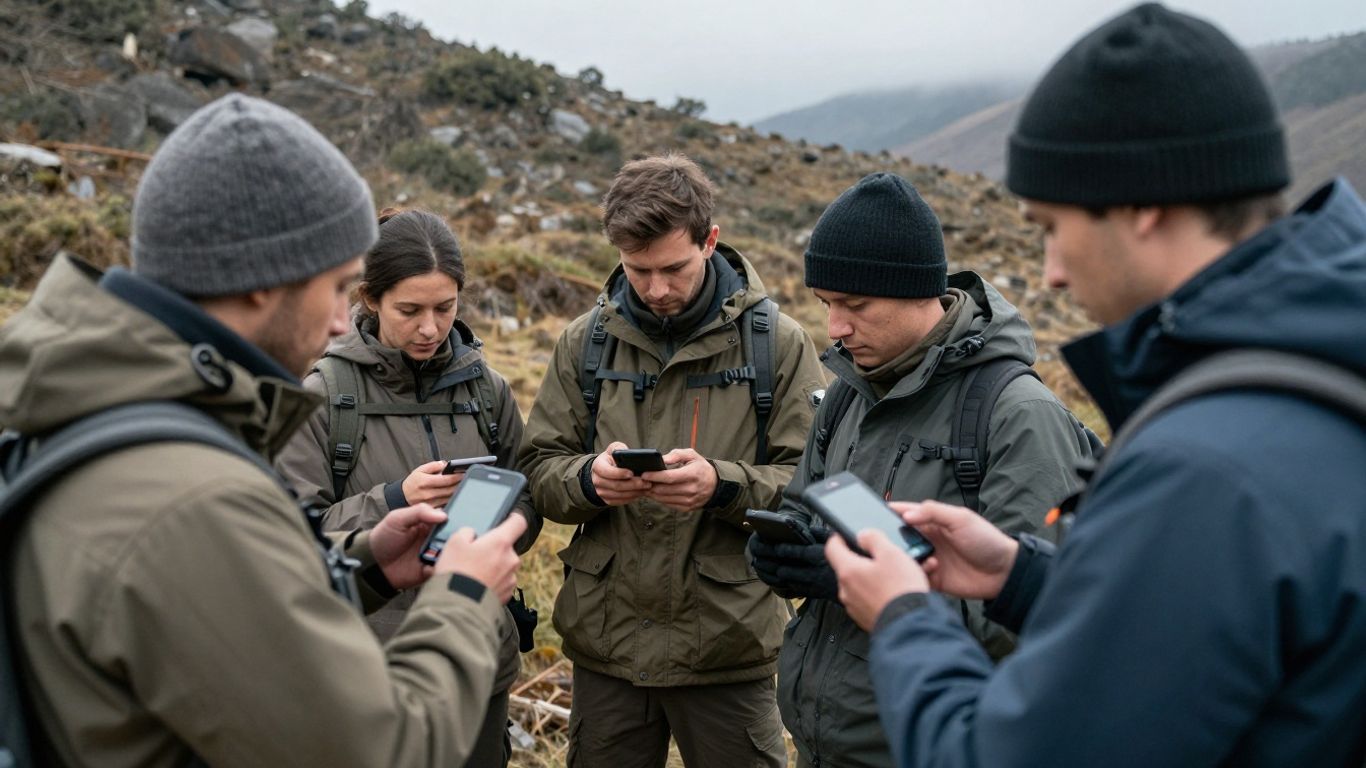
When the usual ways of communicating go dark – think cell service down after a storm or internet outages – Meshtastic steps in. It’s built for those moments when you absolutely need to get a message out, or get one in, without relying on big infrastructure.
Long-Range Communication With LoRa
Meshtastic uses a radio technology called LoRa, which stands for Long Range. This isn’t your typical Wi-Fi or Bluetooth. LoRa is designed to send small amounts of data over surprisingly long distances, even through obstacles like trees or buildings. This makes it ideal for reaching people when traditional cell towers are out of commission. Imagine needing to check on family in a neighboring town after a natural disaster; LoRa can bridge that gap where cell signals can’t. The range can vary a lot depending on the environment and the antennas used, but it’s not uncommon to see connections stretching for miles, sometimes even up to 100 miles in ideal conditions with the right setup. This kind of reach is a game-changer for off-grid communication.
Encrypted Messaging For Privacy
In an emergency, privacy is just as important as connectivity. Meshtastic messages are encrypted by default. This means that only the intended recipient can read your messages. It’s like sending a letter in a locked box that only the person with the key can open. This is a big deal because it keeps your communications private, even if someone else happens to pick up the signal. You don’t need to be a tech wizard to benefit from this; it’s built right in, giving you peace of mind when you need it most. You can even tweak settings to make it even more private if you want to go the extra mile.
Offline Communication Without Infrastructure
This is where Meshtastic really shines. It creates its own network, a mesh, using the devices themselves. When you send a message, it can hop from one Meshtastic device to another until it reaches its destination. This means you don’t need cell towers, internet routers, or any other kind of central service. It’s a decentralized system, meaning it doesn’t rely on a single point of failure. If one device goes offline, the network keeps going. This is incredibly important during widespread emergencies where infrastructure is damaged or overloaded. It’s a way to stay connected when everything else has failed, forming a resilient communication web powered by the community using it. You can find devices that work with Meshtastic, some costing around $40, making it an accessible option for many.
The beauty of Meshtastic is its independence. It doesn’t ask permission from big companies or governments to operate. It just works, powered by the people who use it, creating a communication lifeline when it’s needed most.
Real-World Applications Of Meshtastic
Disaster Recovery and Search and Rescue
When normal communication lines go down, Meshtastic can be a real lifesaver. Think about a major earthquake or a hurricane – cell towers might be overloaded or completely destroyed. In these situations, having a way to send messages and coordinate efforts is incredibly important. Meshtastic devices, because they don’t rely on any existing infrastructure, can form their own little communication networks. This means search and rescue teams could potentially use them to stay in touch, report findings, or request resources even when everything else is silent. It’s about having a backup plan when the worst happens.
Staying Connected During Natural Disasters
Natural disasters are a prime example of when Meshtastic shines. Imagine you’re in an area hit by a flood or a wildfire. Power might be out, and cell service could be spotty at best. Meshtastic nodes, with their low power needs, can keep running on batteries or small solar chargers for extended periods. This allows people to send simple text messages to each other, check on loved ones, or share critical information about safety or shelter. It’s not about high-speed internet; it’s about basic, reliable communication when you need it most. This kind of off-grid communication is vital for preparedness.
Personal Safety and Family Communication
Beyond large-scale emergencies, Meshtastic is also great for personal safety and keeping families connected. If you’re hiking in a remote area with no cell signal, or if your kids are out playing and you want a way to check in, a Meshtastic device can provide that peace of mind. You can send short messages and even location pings without needing any external network. This makes it a fantastic tool for families who want an extra layer of communication security. It’s a simple way to ensure you can reach each other when traditional methods fail, offering a direct line of communication between devices that are within range of each other. For those interested in exploring LoRa and Meshtastic for these scenarios, this article provides a good overview.
Expanding Your Meshtastic Network
Meshtastic As A Lifeline
Think of Meshtastic not just as a gadget, but as a potential lifeline when the usual ways of communicating go dark. It’s a powerful tool for building a resilient communication system, especially when you’re off the grid or during emergencies. The real strength of Meshtastic lies in its ability to create a decentralized mesh network for survival, meaning it doesn’t rely on cell towers or internet infrastructure. This makes it incredibly dependable when everything else fails. You can set up your own private network, or join existing ones, extending your reach and reliability.
Community Growth And Network Strength
Meshtastic thrives on community. The more people who join and set up nodes, the stronger and more far-reaching the network becomes. It’s like building a web of communication, where each new device adds another connection. This peer-to-peer system means messages can hop from one device to another, covering greater distances than a single device could manage alone. Getting involved means contributing to a network that can help everyone stay connected when it matters most. You can find out more about how to effectively expand your Meshtastic nodes and their roles.
Integrating With Other Platforms
While Meshtastic is fantastic on its own, its potential grows when you think about how it can work with other tools. For instance, you can connect Meshtastic devices to your computer or phone to make sending and receiving messages much easier. Some users even explore ways to link Meshtastic to other systems for more advanced uses, like sending data to a server. This flexibility means you can tailor your off-grid communication setup to your specific needs, whether it’s for personal safety, a small group, or a larger community effort.
Building out your Meshtastic network is an ongoing process. It’s about more than just having a device; it’s about being part of a connected community that prioritizes reliable communication, especially in challenging situations. Each node added strengthens the collective ability to communicate.
Here’s a quick look at how you might expand:
- Start Small: Begin with a couple of devices to understand the basics.
- Strategic Placement: Think about where to place nodes for best coverage, especially in rural or remote areas.
- Community Involvement: Encourage friends, family, or neighbors to join and set up their own nodes.
- Antenna Upgrades: Consider better antennas for improved range and signal strength.
- Power Solutions: Plan for long-term power, like solar chargers or battery banks, to keep your nodes running during power outages.
Wrapping Up
So, if you’re thinking about how to stay in touch when things get dicey, Meshtastic is definitely worth a look. It’s not some complicated piece of tech that only engineers can figure out. You can get started without needing a special license, and the devices aren’t going to break the bank. Plus, the fact that it’s community-driven means nobody can just shut it down. It’s a pretty neat way to build your own little communication network, whether you’re prepping for storms or just want a reliable way to chat with friends when you’re out and about. Give it a try; you might be surprised how useful it can be.
Frequently Asked Questions
What exactly is Meshtastic?
Meshtastic is a cool way to send messages without needing the internet or cell towers. It uses special little radios called ‘nodes’ that talk to each other, forming a network. Think of it like a secret walkie-talkie system that can reach pretty far, even when regular phone service is down. It’s great for emergencies or just staying in touch when you’re off the grid.
How does Meshtastic work without the internet?
Meshtastic uses a technology called LoRa, which is a type of radio signal. These signals can travel long distances, much farther than your phone’s Bluetooth. Each Meshtastic device, or ‘node,’ can act like a mini-repeater, passing messages along from one node to another. This creates a ‘mesh’ where messages can find a path even if some nodes aren’t directly connected to each other.
Is Meshtastic hard to set up?
Not at all! Setting up Meshtastic is pretty simple. You usually just need a small, affordable device (the node) and a smartphone app. You connect the node to your phone, and the app makes it easy to send and receive messages. Many users find it much easier to get started with than other radio systems.
Can I use Meshtastic if there’s a disaster?
Absolutely. Meshtastic is designed for situations just like that. When hurricanes, earthquakes, or other disasters knock out cell service and internet, Meshtastic can still let you communicate. People have used it to share important information, organize help, and stay connected with loved ones when traditional communication fails.
Are my messages private with Meshtastic?
Yes, Meshtastic has built-in security features. It uses encryption, which is like a secret code, to keep your messages private. This means that even if someone could intercept your message, they wouldn’t be able to read it without the right key. You can even make it more private with some settings.
How many people use Meshtastic?
The Meshtastic community is growing! While it’s not a giant commercial service, there are thousands of users across the United States and worldwide. The more people who use Meshtastic, the stronger and more widespread the network becomes, making it even more reliable for everyone.