Microgrid vs. Backup Generator: What’s the Diff?
So, you’re trying to figure out the difference between a microgrid and a backup generator? It’s a common question, especially when you need to make sure the lights stay on. Think of it like this: a backup generator is like a spare tire – it’s there for emergencies. A microgrid, though, is more like a whole new, independent road system. They both deal with power, but they do it in pretty different ways, and one is definitely more advanced than the other. Let’s break down the microgrid vs backup generator situation.
Key Takeaways
- Backup generators kick in only when the main power goes out, relying on fuel like diesel or natural gas. They’re a reactive solution.
- Microgrids are smarter, integrated systems that can use various energy sources, including renewables, and manage power flow all the time, not just during outages.
- While generators have lower upfront costs, microgrids often offer better long-term savings through reduced operational expenses and energy optimization.
- Microgrids provide more consistent uptime and reliability because they can draw from multiple energy sources, unlike a single-source generator.
- Microgrids are more environmentally friendly, especially when using renewable energy, and can help meet sustainability goals, whereas generators produce emissions.
Understanding The Core Differences: Microgrid vs Backup Generator
When we talk about keeping the lights on during an outage, two main players usually come up: backup generators and microgrids. They both aim to provide power when the main grid fails, but that’s pretty much where the similarities end. Thinking about a backup power generator comparison means looking at how they work, what they cost, and how reliable they really are. It’s not just about having power; it’s about having the right kind of power for your needs.
How Backup Generators Function
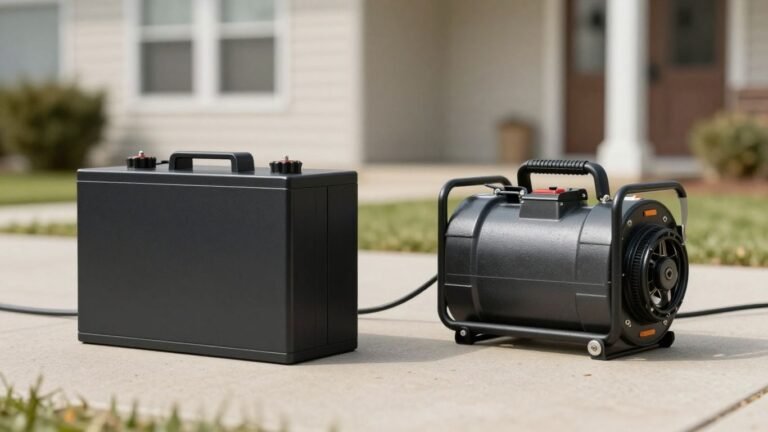
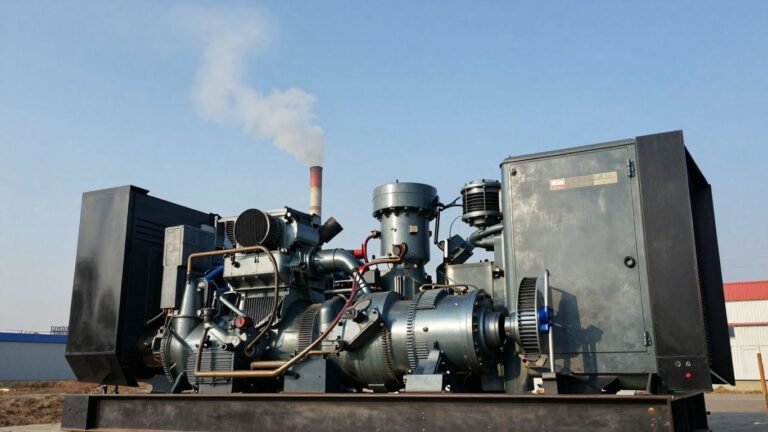
Backup generators are, well, for backup. They typically run on diesel or natural gas and sit idle most of the time. When the power goes out, a sensor detects the outage, and the generator kicks in. It’s a reactive system – it waits for a problem before it does anything. Electricity is generated through combustion, and a transfer switch moves your essential loads from the grid to the generator. Once the grid power is back, the generator shuts off. They’ve been around for ages and are a common sight, but they have their quirks.
- Fuel Dependency: They need a constant supply of fuel, which can be an issue during widespread or long-term outages.
- Maintenance: These are mechanical beasts that require regular servicing to be ready when needed.
- Response Time: There’s usually a short delay while the generator starts up and stabilizes, which might be too long for sensitive equipment.
How Microgrids Operate
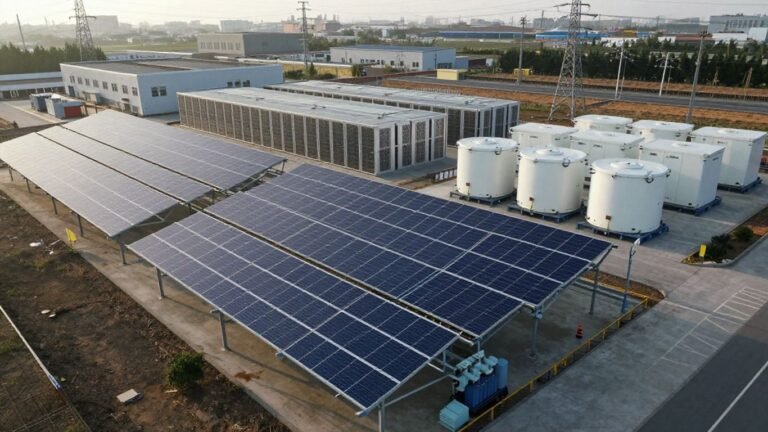
A microgrid is a whole different ballgame. Think of it as a localized energy system that can generate, store, and distribute electricity. It can connect to the main grid, but it can also disconnect and run on its own, in what’s called "island mode." This means it’s not just for emergencies; it can actively manage energy all the time. A microgrid integrates various energy sources, like solar panels or wind turbines, with battery storage and smart controls. This integration allows a microgrid to operate independently or connected to the main grid, providing enhanced reliability and flexibility.
Key Distinctions in Operation
The biggest difference is how they operate day-to-day. Backup generators are passive – they only work when there’s a failure. Microgrids, on the other hand, are active participants in your energy use. They can optimize energy consumption, potentially saving you money even when the grid is up and running. When an outage hits, a microgrid can seamlessly transition to island mode, often within milliseconds, without anyone noticing. This proactive approach is a major advantage. While generators are reactive, microgrids are designed for continuous, intelligent energy management, making them a more advanced option for microgrid energy solutions.
The core difference boils down to this: a backup generator is a single-purpose emergency device, while a microgrid is an integrated energy system that provides both everyday benefits and emergency backup. This distinction impacts everything from reliability to cost and environmental footprint.
Reliability: A Critical Comparison
When we talk about keeping the lights on, reliability is the name of the game. Both backup generators and microgrids aim to provide power when the main grid goes down, but they go about it in pretty different ways. It’s not just about whether they can supply power, but how consistently and effectively they do it.
Proactive vs. Reactive Power Supply
Think of a backup generator like a firefighter waiting for a call. It sits there, ready, but it only kicks in after there’s a problem. This reactive approach means there’s a startup sequence, a brief moment where things might be shaky before power is fully restored. Sometimes, these mechanical systems can even have trouble starting when you need them most. Microgrids, on the other hand, are designed to be proactive. They’re constantly managing energy from various sources, like solar and batteries, and can seamlessly switch to island mode, often within milliseconds, before an outage even fully impacts your operations. This means continuous power, not just a recovery after a failure. It’s like having a fire prevention system that stops fires before they start, rather than just putting them out.
Uptime and System Redundancy
Generators usually rely on a single fuel source, like diesel. If that fuel runs out or the generator itself has an issue, you’re out of luck. Microgrids, however, often have multiple energy sources. If one source, say solar, isn’t producing power because it’s cloudy, the system can instantly draw from battery storage or another available source. This built-in redundancy significantly boosts uptime. It’s a bit like having a backup plan for your backup plan. For critical facilities, this level of continuous operation is non-negotiable. While generators have been the standard for a long time, microgrids offer a more robust approach to keeping systems running without interruption.
Performance in Diverse Environments
Generators can be sensitive to their surroundings. Extreme cold can affect startup, and remote locations might have trouble with fuel delivery. Some generators might struggle to perform consistently in harsh weather conditions. Microgrids, especially those built with durable components and smart controls, are often designed to handle a wider range of environmental challenges. They can be configured to operate reliably in remote areas or in places with unpredictable weather patterns. This makes them a more adaptable solution for various locations and conditions, providing a stable power source no matter what the weather is doing. For instance, propane-powered microgrids can offer dependable electricity even in challenging climates [8497].
The core difference in reliability boils down to how the system is designed to operate. Generators are primarily for emergencies, while microgrids are active energy managers that also provide backup. This fundamental difference impacts everything from response time to overall uptime and resilience.
Economic Considerations: Cost and Efficiency
Total Cost of Ownership Analysis
Backup generators and microgrids seem pretty different when you actually break down what they’ll cost over their lifetime. Backup generators usually have a lower upfront price tag. They’re cheap to install, but that’s only part of the story. The catch is all the other expenses that pile up year after year: fuel, repairs, and regular maintenance. Over a decade or more, those costs can sneak up on you.
Microgrids, on the other hand, need a bigger initial investment, but they can save you money over the long run. They cut fuel dependency, slice energy bills, and even let you make money by selling extra power back to the grid. Here’s a really basic table that shows how the costs can play out over 20 years:
| Backup Generator | Microgrid | |
|---|---|---|
| Upfront Cost | Low | High |
| Annual Fuel | High | Low/None (if renew.) |
| Maintenance | High | Moderate |
| Useful Lifespan | 10-15 years | 20-30 years |
| Idle Most Year | Yes | No (active daily) |
| Ongoing Savings | None | Yes |
Operational Efficiency and Savings
Operating a backup generator is kind of like owning a car you only drive in emergencies – but you still have to keep it fueled up, inspected, and ready to go. Most of the time, it’s just sitting there not saving you anything. Microgrids are more active; they’re constantly managing energy use, charging batteries, and using renewables like solar. This ongoing optimization means you see steady savings on monthly energy bills, while generators only provide value in rare outages. Microgrids can also reduce expensive peak demand charges, which backup generators can’t do at all.
- Microgrids use intelligent controls to match generation with consumption, minimizing waste.
- They store energy in batteries when rates are low and use it when rates spike.
- Many microgrids can even earn revenue from excess energy by putting it back on the grid.
You can read more about how microgrids deliver everyday savings compared to backup generators through these economic advantages.
Long-Term Investment Value
If you plan to keep your system for a decade or more, it’s worth thinking about where your money goes over time. A new generator is usually replaced every 10–15 years. It doesn’t increase your property’s value and has little to no effect on monthly expenses. Contrast that with a microgrid that runs for 20–30 years, needs less fuel, and often qualifies for local and federal tax breaks thanks to its use of renewables.
When folks look back after 15 or 20 years, they often find that the upfront sticker shock of a microgrid was more than made up for by the steady day-to-day savings and the boost to property value, especially in regions enthusiastic about clean energy.
So, if you’re looking at long-term returns and ways to stretch each dollar as far as it’ll go, microgrids are starting to look like a pretty smart play for the future.
Environmental Impact and Sustainability
When we talk about power systems, the environmental side of things is getting more attention these days. It’s not just about keeping the lights on anymore; it’s also about how we’re impacting the planet.
Emissions and Regulatory Compliance
Backup generators, especially the older diesel models, can be pretty dirty. They spew out emissions that contribute to air pollution and, well, climate change. Because of this, regulations are getting tighter. You might find yourself facing more restrictions on when and how you can run them, and the costs associated with compliance can really add up. It’s becoming a real headache for businesses trying to stay on the right side of the law.
The push for cleaner air and reduced carbon footprints means that relying solely on fossil-fuel-burning generators is becoming less tenable for many organizations.
Integration of Renewable Energy Sources
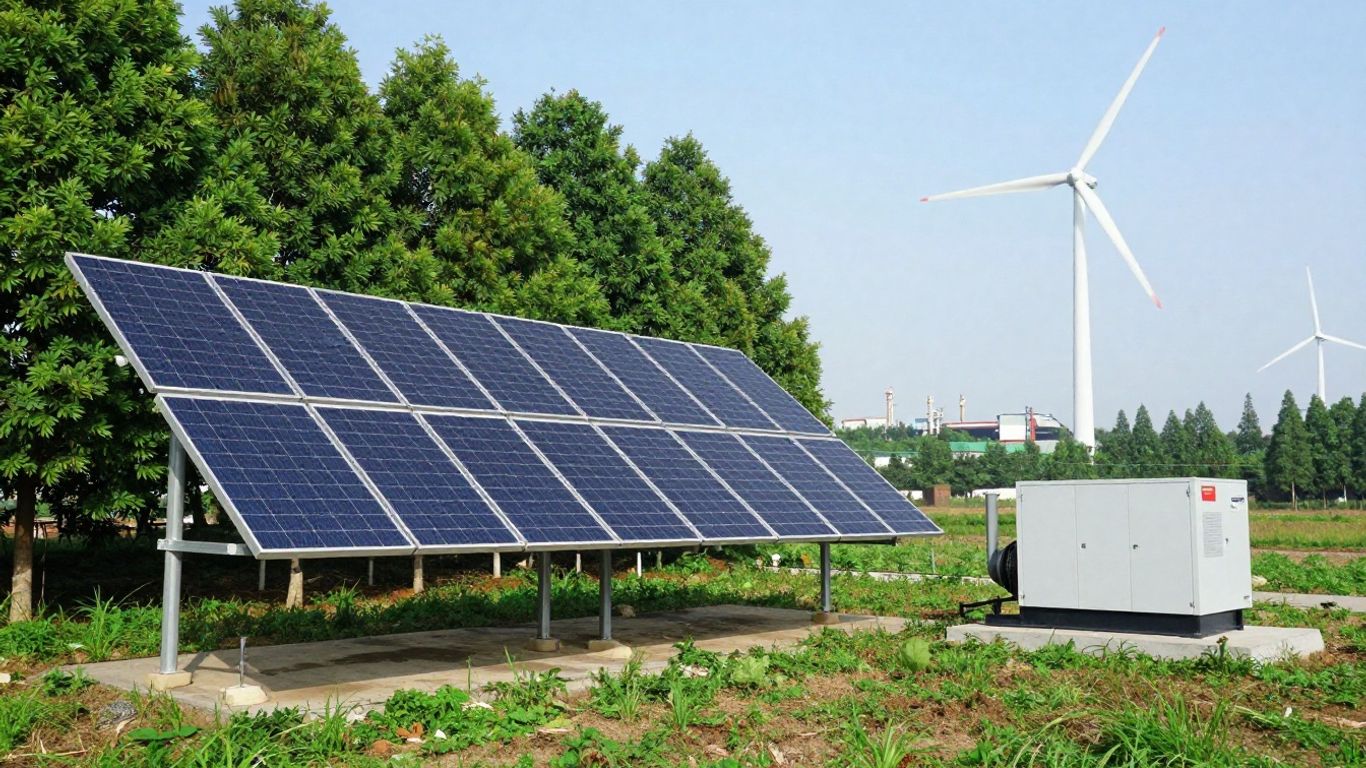
This is where microgrids really shine. They’re designed from the ground up to work with renewable energy sources like solar panels and wind turbines. Think about it: you can generate your own clean power right where you need it. This not only cuts down on emissions but also makes your energy supply more resilient. If the main grid goes down, you’re not just relying on a backup that might also be polluting; you’re tapping into cleaner, locally sourced energy. It’s a smart way to manage your energy needs while being kinder to the environment. This kind of distributed generation is a big deal for reducing our overall reliance on big, centralized power plants [9f52].
Meeting Sustainability Mandates
Many companies and organizations have their own sustainability goals these days. They’re looking for ways to reduce their carbon footprint and operate more responsibly. Microgrids make it much easier to meet these mandates. By incorporating renewables and managing energy more efficiently, you’re actively contributing to a greener future. It’s not just about avoiding penalties; it’s about aligning your operations with a more sustainable way of doing business. This proactive approach can also improve your public image and attract environmentally conscious customers or stakeholders.
Scalability and Application Suitability
When you’re looking at power solutions, it’s not a one-size-fits-all situation. What works for a small business might not cut it for a hospital, and vice-versa. This is where scalability and how well a system fits a specific job really come into play.
Matching Power Needs to System Capabilities
Backup generators are pretty straightforward. You pick one that can handle the load you need it to, and that’s usually that. If your needs grow, you might need a bigger generator or a second one. It’s a bit like buying a bigger water tank if you need more water – you just get a bigger tank.
Microgrids, on the other hand, are built with flexibility in mind. They’re designed to grow with you. Think of them as modular systems. You can add more solar panels, more battery storage, or even another small generator if your energy demands increase. This makes them a good choice if you’re not entirely sure what your future power needs will be. The ability to scale up or down without a complete system overhaul is a major advantage. It means you’re not stuck with an oversized system you paid too much for, or an undersized one that can’t keep up.
Suitability for Critical Facilities
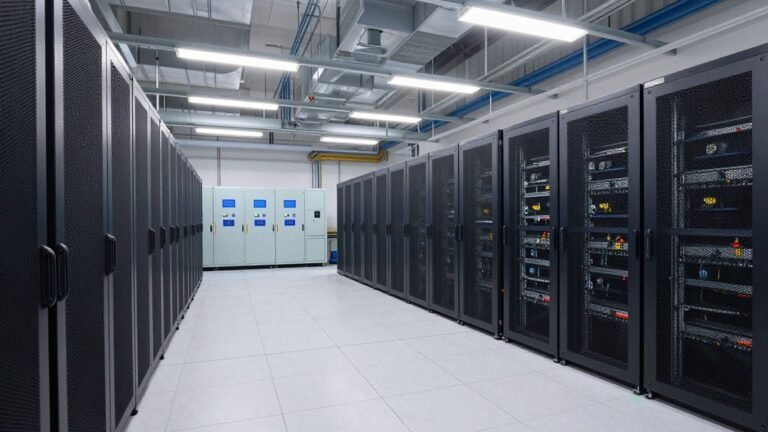
For places that absolutely cannot afford to lose power, like hospitals, data centers, or emergency response centers, the choice becomes clearer. While a backup generator can provide power, there’s often a delay while it starts up. For sensitive equipment or life support systems, even a few seconds of downtime can be catastrophic. Microgrids, with their integrated storage and smart controls, can often switch over instantaneously, providing uninterrupted power. They can also manage fluctuating loads more smoothly. This level of reliability is hard to beat when lives or critical operations are on the line. Many facilities are looking at microgrids to ensure they can keep running no matter what happens to the main grid.
Future-Proofing Energy Infrastructure
Thinking about the long haul is smart. The energy landscape is changing fast, with more renewables coming online and new technologies popping up. Backup generators, especially older diesel models, might face stricter emissions regulations down the road, making them more expensive to operate or even illegal in some places. Microgrids, by their nature, are designed to integrate various energy sources, including renewables. This makes them a more adaptable choice for the future. You can add new technologies as they become available without replacing the entire system. It’s about building an energy setup that can evolve, not one that becomes obsolete.
When considering power systems, think about not just today’s needs, but also tomorrow’s. A system that can adapt to changing energy sources and growing demands will save you headaches and money in the long run. It’s about building resilience and flexibility into your power supply from the start.
Maintenance and Operational Demands
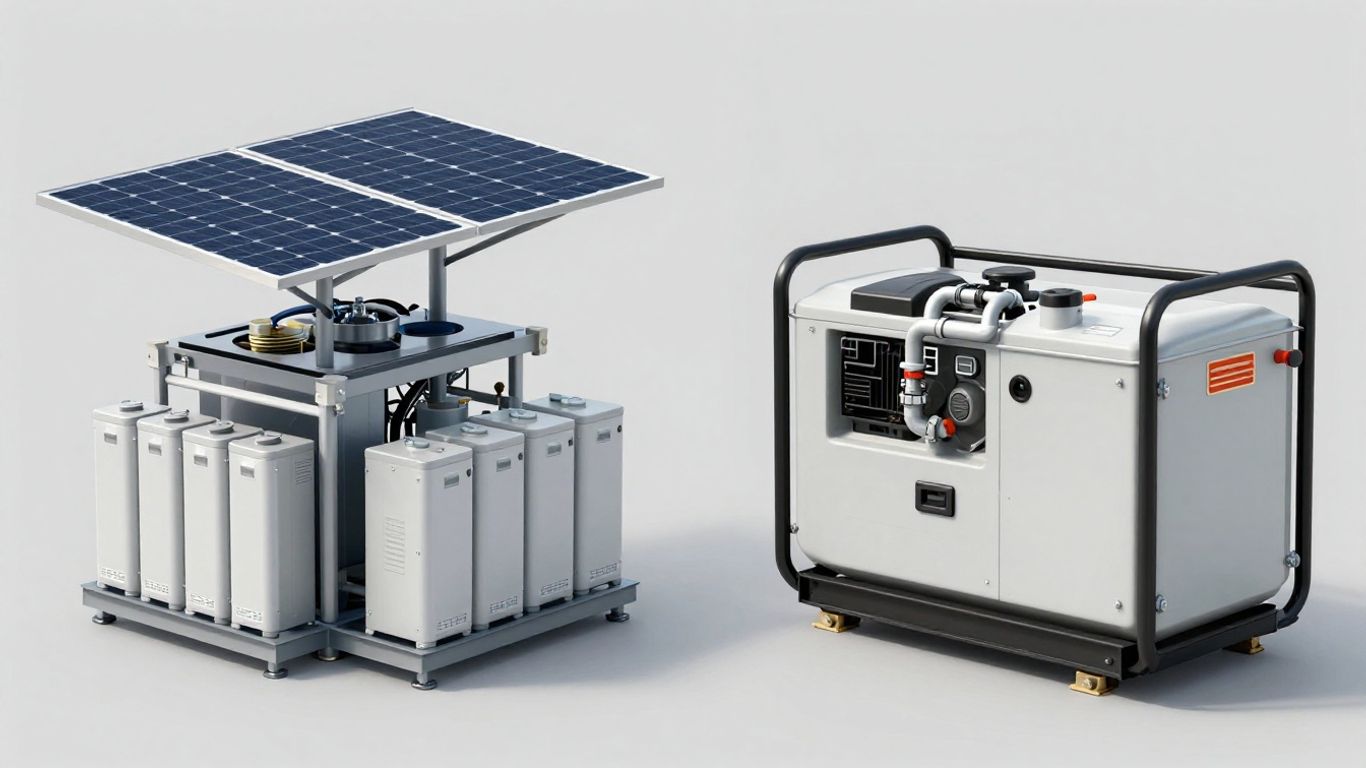
When you’re looking at keeping things running, whether it’s a backup generator or a microgrid, maintenance and how you operate it are big deals. It’s not just about flipping a switch when the power goes out; there’s ongoing work involved.
Fuel Dependency and Storage Challenges
Backup generators, especially the older diesel or natural gas models, have a pretty significant Achilles’ heel: they need fuel. This means you’ve got to keep a supply on hand, which brings its own set of headaches. Storing fuel requires specific tanks, safety protocols, and regular checks to make sure it hasn’t gone bad or contaminated. Plus, in a widespread outage, if fuel delivery services are also down, your generator might just become a very expensive paperweight. This reliance on a continuous fuel stream is a major operational hurdle. Microgrids, on the other hand, often minimize or completely eliminate this issue by using renewable sources like solar or wind, or by drawing from the grid when it’s stable. This removes the need for on-site fuel storage and the associated risks and costs.
Component Maintenance Requirements
Generators have a lot of moving parts – engines, alternators, fuel systems, exhaust systems. All these bits and pieces need regular check-ups. Think oil changes, filter replacements, battery checks, and testing the engine under load. It’s like owning an old car; you’ve got to stay on top of the scheduled maintenance to prevent breakdowns. Missing a service can lead to bigger, more expensive problems down the line. Microgrids, while they have components like inverters and batteries, often have fewer mechanical parts that require constant mechanical attention. Their maintenance tends to be more focused on software updates, system checks, and monitoring performance, which can often be done remotely. This shift can mean less hands-on work and fewer specialized technicians needed for day-to-day upkeep.
Minimizing Downtime Through Smart Design
Nobody wants their power system to go offline, especially when it’s supposed to be saving the day. Generators, despite their purpose, can experience downtime. This might be due to maintenance, unexpected mechanical failures, or, as mentioned, fuel shortages. The time it takes for a generator to start up and stabilize can also be a form of downtime for sensitive equipment. Microgrids are designed with redundancy in mind. They can often seamlessly switch between different power sources or operate in an ‘islanded’ mode without interruption. This built-in resilience means that even if one part of the system has an issue, others can pick up the slack. This proactive approach to system design is key to achieving near-constant uptime, which is a huge advantage for critical facilities that can’t afford any power interruptions. For facilities where uninterrupted operations are critical, a microgrid offers a smarter, long-term solution compared to traditional backup systems.
The operational demands of a system are directly tied to its complexity and its reliance on external resources. A system that requires frequent physical intervention, specialized parts, and a constant supply of consumables will naturally have higher ongoing costs and a greater potential for unexpected outages. Thinking about these day-to-day realities is just as important as considering the initial purchase price or the emergency performance.
Here’s a quick look at how they stack up:
- Backup Generators:
- Regular engine servicing (oil, filters, etc.)
- Fuel supply management and storage
- Battery maintenance
- Potential for mechanical failure
- Microgrids:
- Software updates and system monitoring
- Battery health checks
- Less reliance on mechanical components
- Potential for remote diagnostics and management
While generators have been the go-to for years, their operational demands can be quite substantial. Microgrids, with their focus on smart technology and often renewable energy, aim to simplify these demands, offering a more streamlined approach to maintaining a reliable power supply, especially when dealing with the intermittency of renewable energy sources.
Wrapping It Up: Microgrid vs. Generator
So, when it comes down to it, both microgrids and backup generators aim to keep the lights on when the main power goes out. Generators have been around for ages, and they do a job, but they’re kind of like a one-trick pony. They need fuel, they need regular check-ups, and sometimes they take a moment to get going. Microgrids, on the other hand, are a whole different ballgame. They’re smarter, using a mix of energy sources and storage to keep things running smoothly, not just during an outage, but all the time. While they might cost more to set up initially, they often save money in the long run and are way better for the environment. For places that absolutely can’t afford to lose power, like hospitals or data centers, a microgrid is really the way to go for reliable, everyday power and backup when you need it.
Frequently Asked Questions
What’s the main difference between a microgrid and a backup generator?
Think of it like this: a backup generator is like a spare tire – it only comes out when you have a flat (a power outage). A microgrid, on the other hand, is like a whole new, super-smart engine for your car. It can run your car all the time, using different fuel sources, and it can also take over smoothly if the main road (the power grid) has a problem.
How quickly does a microgrid provide power when the main grid goes out?
Microgrids are super fast! They can switch over to their own power source in just milliseconds, so you often won’t even notice that the main power went out. Backup generators can sometimes take a few seconds to start up and get going.
Can a microgrid use clean energy like solar power?
Absolutely! That’s one of the biggest advantages of microgrids. They can use energy from solar panels, wind turbines, and battery storage, along with other sources. Backup generators usually just run on diesel or natural gas.
Which one is more reliable during a power outage?
Microgrids are generally more reliable. Because they often have multiple ways to make power (like solar and batteries), if one source has an issue, others can keep things running. Backup generators rely on a single fuel source, and if that runs out or the generator itself has a problem, you’re out of luck.
Does a microgrid cost more than a backup generator?
Typically, a microgrid has a higher initial cost to set up. However, over the long run, microgrids can save you money because they can use cheaper energy sources, reduce your electricity bills by managing power use smartly, and require less fuel and maintenance than generators.
Can a microgrid help the environment?
Yes, microgrids can be much better for the environment! By using renewable energy sources like solar and wind, they produce fewer harmful emissions compared to backup generators that burn fossil fuels. This helps reduce pollution and fight climate change.