Battery Backup vs. Standby Generator: What’s the Diff?
When the lights go out, having a backup plan is a huge relief. But figuring out the best way to keep your power on can be a bit confusing. You’ve got battery backup systems and standby generators, and while they both do the same basic job – keeping things running – they work in totally different ways. It’s kind of like comparing a giant power bank for your house to a mini power plant. Understanding how each one operates is the first step to picking the right one for your home and your peace of mind. Your choice really depends on things like how long outages usually last where you live, what appliances you absolutely can’t live without, and, of course, your budget. Let’s break down the battery backup vs standby generator situation so you can make a smart decision.
Key Takeaways
- Standby generators create power by burning fuel (like natural gas or propane) and are good for long, multi-day outages, powering your whole house, but they can be noisy and need regular maintenance.
- Battery backup systems store electricity and provide instant, quiet, emission-free power, making them ideal for shorter outages or essential appliances, especially when paired with solar panels.
- Installation for standby generators is a bigger project involving outdoor pads, electrical work, and possibly gas lines, while battery systems can be more straightforward but might require specific electrical panel integration.
- In terms of cost, standby generators often have a higher initial price but can last longer (20-30 years) with maintenance, whereas battery systems might have a lower initial cost for smaller units but typically need replacement around the 10-year mark.
- The best choice between a battery backup vs standby generator depends on your specific needs: consider the typical length and frequency of your power outages, the essential appliances you need to run, your tolerance for noise, and your budget for both upfront and ongoing costs.
Understanding The Core Differences: Battery Backup vs. Standby Generator
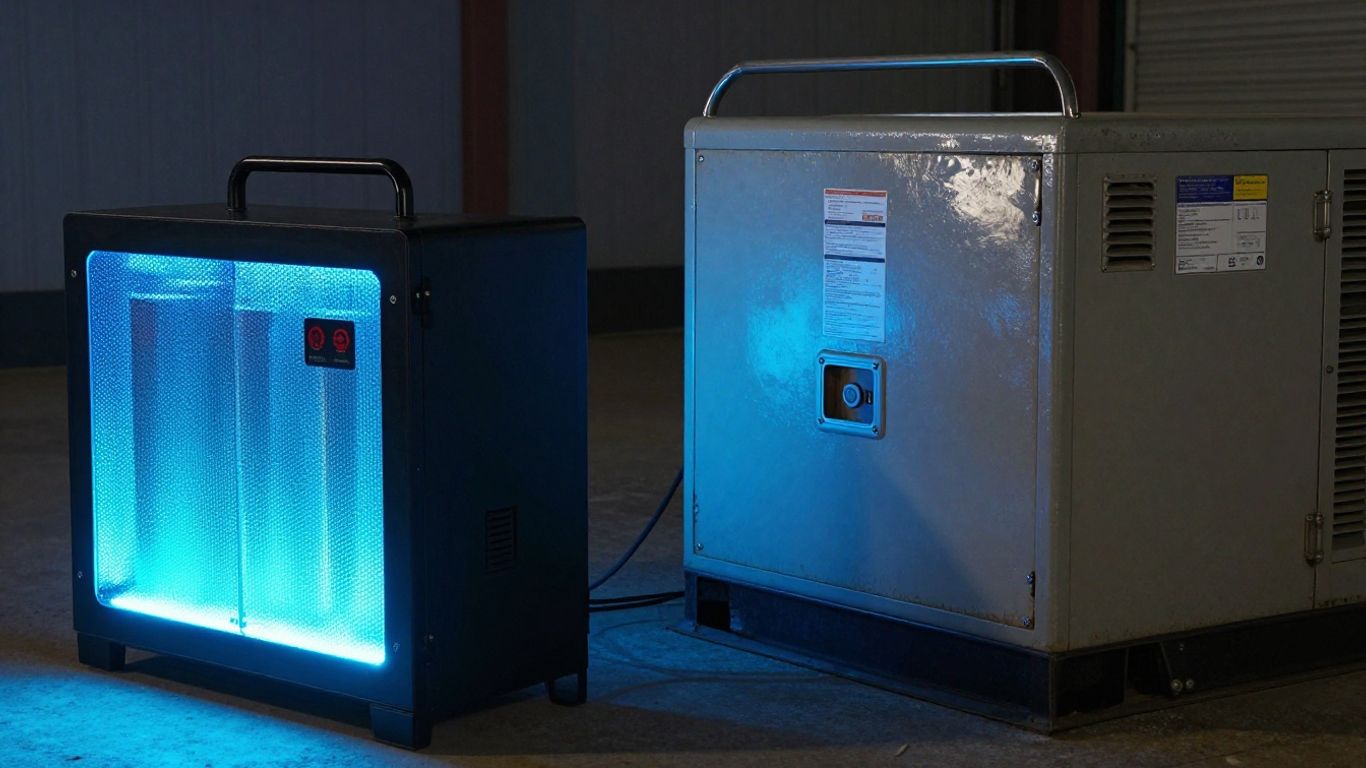
When the lights go out, you want to know your backup power solution is going to work. But not all backup power is created equal. The two main options homeowners consider are battery backup systems and standby generators, and they really do operate in fundamentally different ways. It’s not just a minor detail; it’s the core of how they keep your home powered during an outage. Think of it this way: one stores power, and the other creates it from scratch.
How Battery Backup Systems Operate
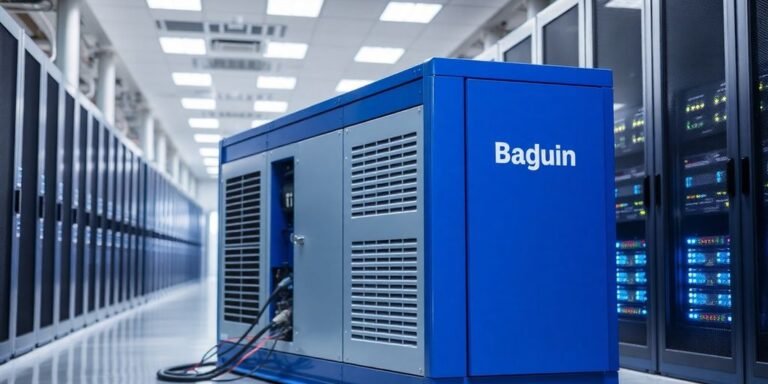
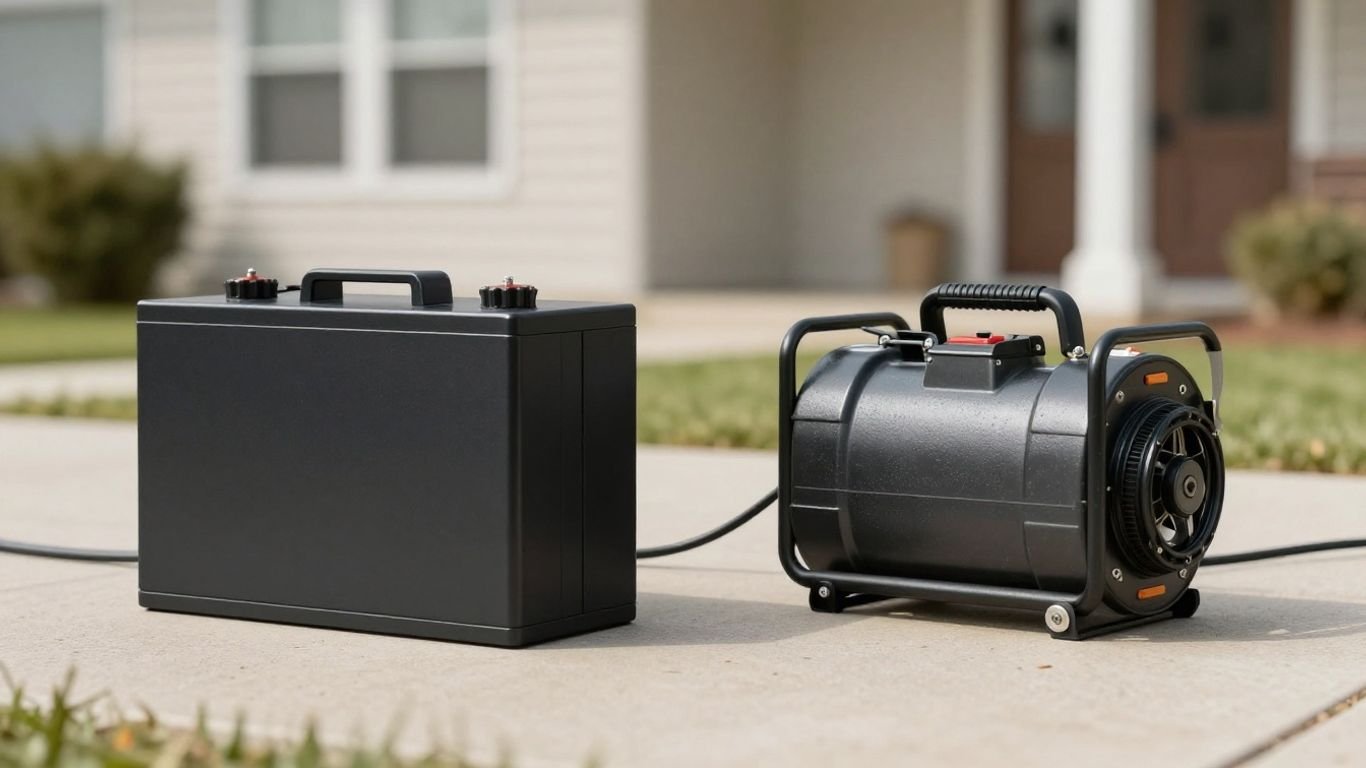
A battery backup system is essentially a giant, sophisticated power bank for your house. It stores electricity, usually from the grid when power is cheap or from solar panels if you have them. When the power grid fails, your home automatically switches to drawing power from this stored energy. Because they don’t burn anything to make electricity, these systems are silent and produce no exhaust fumes, making them a clean and quiet choice for keeping essential devices running. They provide instant power, so you might not even notice a brief flicker.
How Standby Generators Operate
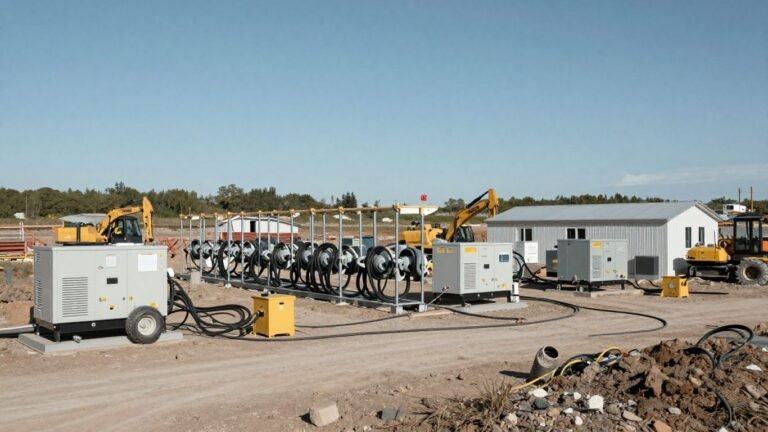
A standby generator is a permanently installed unit that sits outside your home. It’s like a small power plant that kicks in when it detects an outage. These generators run on fuel, typically natural gas or propane, and automatically start up when the power goes out. They generate electricity by burning fuel to run an engine connected to a generator. This process means they produce noise and exhaust, so proper placement and ventilation are important. They switch your home’s power source from the grid to the generator, keeping circuits running.
The Fundamental Distinction: Storing vs. Creating Power
The main difference between a generator vs battery system comes down to this: batteries store electricity, while generators create it. A battery system has a finite amount of stored energy. Once that runs out, it needs to be recharged, often by solar power or when the grid comes back on. A standby generator, on the other hand, can keep producing power as long as it has fuel. This means generators are generally better suited for longer outages, while batteries might be ideal for shorter disruptions or for powering specific, critical appliances. Choosing the right backup power involves looking at factors like how long outages typically last in your area and what you absolutely need to keep running. For instance, if you need to power your whole house, including air conditioning, for multiple days, a generator is likely the way to go. If you just need to keep your internet, lights, and a few key appliances running for a few hours, a battery system might be sufficient. Understanding this core difference is key to making an informed decision about backup power for your home.
The decision between a battery backup and a standby generator often hinges on the expected duration of power outages and the specific appliances you need to keep operational. Generators excel at providing sustained power for extended periods, provided they have a fuel source, while batteries offer immediate, silent power for shorter durations.
Powering Your Home: Key Operational Factors
When the lights go out, how your backup system performs really matters. It’s not just about having power, but how you get it and for how long. Let’s break down what makes these systems tick.
Power Output Capabilities
Standby generators are built to handle some serious electrical muscle. Think of running your central air conditioning, a well pump, or even your electric oven all at once. A properly sized generator can keep your whole house feeling pretty normal during an outage. They’re rated in kilowatts (kW), and whole-home systems often start around 20 kW and go up from there. This high output is their main strength.
Battery systems, on the other hand, use an inverter to convert stored DC power into the AC power your home uses. The inverter’s capacity is a hard limit on what you can run simultaneously. While you can add more batteries to increase storage, the inverter is still the bottleneck for simultaneous power draw. For truly whole-home backup with a battery, you’ll likely need multiple units and a smart plan for what you’re running.
Runtime and Fuel Dependency
This is where generators and batteries really diverge. For a home standby generator, runtime is all about fuel. If it’s connected to a natural gas line, it can theoretically run for days on end as long as the gas flows. Propane tanks offer similar extended runtimes, but you’re limited by the tank size and how quickly the generator uses fuel. You’ll need to keep an eye on your fuel levels, especially during long outages.
Batteries store a finite amount of energy. Once that stored energy is used up, the system stops providing power until it can recharge. Most modern battery systems can recharge from solar power during the day, but solar isn’t always consistent. This makes batteries generally better suited for shorter outages, lasting a few hours, or for keeping just your essential appliances running. If you have frequent, short power interruptions, a battery might be perfect. For those rare, multi-day blackouts, a generator’s fuel-dependent runtime is hard to beat.
Noise Levels and Environmental Impact
Generators have engines, and engines make noise and produce exhaust. That means carbon monoxide is a concern, so proper outdoor placement away from windows and vents is a must. You’ll definitely hear a generator running, which can be disruptive, especially at night or if you have close neighbors. It’s something to consider, particularly if you live in a densely populated area or have a strict homeowners’ association.
Batteries are silent operators. They don’t burn fuel, so there are no exhaust fumes to worry about around your home. This quiet, clean operation is a significant quality-of-life improvement during an outage. It means you can have backup power without adding noise pollution to an already stressful situation.
When thinking about your home’s power needs, it’s easy to underestimate how much electricity certain appliances use. Running a central air conditioner on a hot day, for instance, can be a huge energy draw. While battery systems can be expanded, powering high-demand items for extended periods often requires a very large and costly setup. A professional load calculation is the best way to get a clear picture of your home’s actual energy consumption before deciding on a system size.
Here’s a quick look at how they stack up:
| Feature | Standby Generator | Battery Backup System |
|---|---|---|
| Power Output | High, can run multiple heavy appliances | Limited by inverter, best for essentials or moderate loads |
| Runtime | Dependent on fuel supply (gas, propane) | Limited by stored energy, recharges from solar/grid |
| Noise | Noticeable engine noise | Silent operation |
| Emissions | Produces exhaust (CO, etc.) | None |
| Best For | Long, frequent outages; whole-home power needs | Short, occasional outages; essential circuits |
Choosing the right system often comes down to your local power grid’s reliability and how long outages typically last in your area. If your power goes out for days at a time, a generator’s ability to run as long as you have fuel is a major advantage. If outages are usually just a few hours, a battery system might be more than enough, offering a quieter and cleaner experience. Some homeowners even find a hybrid approach works best, using a battery for everyday reliability and a generator for those rare, extended emergencies. You can explore options for renewable energy technologies to complement your backup power strategy.
Installation, Maintenance, and Lifespan Considerations
When you’re looking at backup power, it’s not just about what it does during an outage, but also what it takes to get it running and keep it that way. Both battery backup systems and standby generators need professional installation, which can be a bit involved. Think of it like installing a major appliance – you don’t just plug it in and hope for the best.
Installation Complexity and Space Requirements
Getting either a battery backup or a standby generator set up involves a professional. For generators, you’re looking at connecting to your home’s fuel line (natural gas or propane) and electrical panel, plus a concrete pad for the unit itself. They also need good ventilation because, well, engines.
Battery systems, while quieter and cleaner, still need a dedicated space and a solid electrical connection. They can be quite large, especially if you’re looking at a whole-home solution, so you’ll need to figure out where they’ll fit.
- Generators: Require fuel line hookup, electrical panel connection, and outdoor space with ventilation.
- Battery Systems: Need indoor or outdoor space, a robust electrical connection, and often a dedicated area.
Ongoing Maintenance Needs
This is where things really start to differ. Generators need regular check-ups. They have moving parts, like any engine, and need to be run periodically to keep everything in working order. This usually means an annual service, costing a few hundred dollars, to make sure it’s ready when you need it. It’s kind of like taking your car in for an oil change.
Battery systems, on the other hand, are pretty low-maintenance. Once they’re installed, they mostly take care of themselves. System checks are often automatic, and you don’t have to worry about fuel or engine upkeep.
Battery systems generally require minimal upkeep after installation, unlike generators which need regular servicing to ensure reliability.
Long-Term Durability and Replacement Cycles
Here’s a big one: lifespan. Standby generators are built tough and can last a really long time, often 20 to 30 years with good care. They’re designed to be a long-term fixture in your home’s infrastructure. Battery backup systems, while advanced, have a shorter expected life, typically around 10 to 15 years. Manufacturers often guarantee a certain percentage of their original capacity will still be there after a decade. So, while a generator is more like a permanent home system, a battery is more akin to a major appliance that will eventually need replacing. This difference is important when you think about the total cost over many years. Battery backup systems are a significant investment, and knowing their lifespan helps in long-term financial planning.
Financial Investment: Upfront and Long-Term Costs
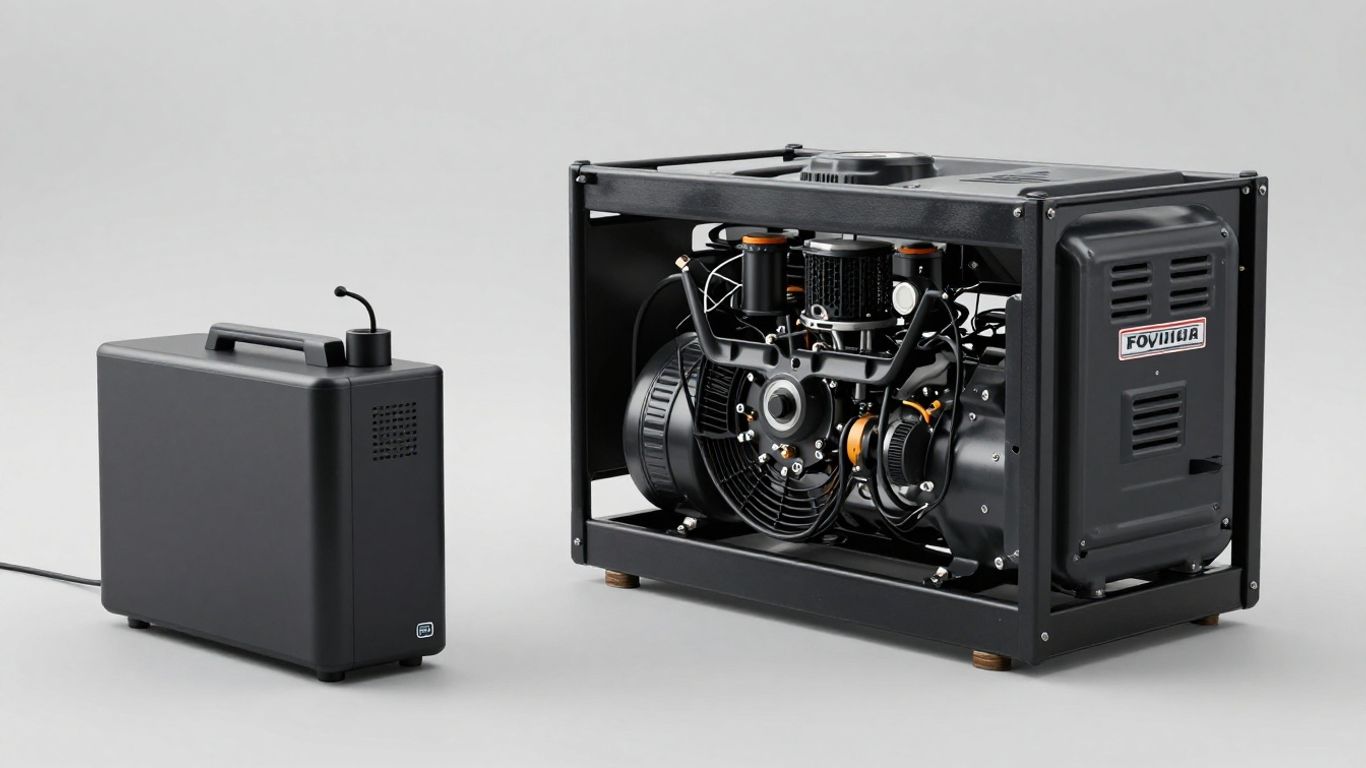
When you’re looking at backup power, the money side of things can get a little complicated. It’s not just about the sticker price when you buy it; you’ve got to think about what you’ll be spending over the years, too. This is where battery backup systems and standby generators really start to show their differences.
Initial Purchase and Installation Expenses
Generally speaking, standby generators tend to have a lower upfront cost compared to battery backup systems. Think of it this way: a generator installation might run you somewhere in the $5,000 to $25,000 range, depending on what you need and how complex the setup is. This involves things like pouring a concrete pad, running fuel lines, and hooking it up to your home’s electrical panel. Battery systems, on the other hand, can be pricier right out of the gate. The cost is often tied to how much storage you need, with prices sometimes discussed per kilowatt-hour (kWh). For whole-home coverage, you’re often looking at a higher initial investment than a generator.
Annual Operating and Maintenance Costs
This is where the tables can turn. Battery backup systems usually have very minimal ongoing costs. They don’t use fuel, and the maintenance is pretty light. Standby generators, however, need fuel – usually natural gas or propane – and require regular check-ups to make sure they’re ready to go. This means budgeting for fuel during outages and for routine service, like oil changes and filter replacements. While these costs add up over time, they are generally predictable and help ensure your generator runs reliably when you need it most. Some people find that incentives, like federal tax credits for battery systems, can help offset the initial purchase price, making the upfront cost more manageable. Exploring local and state rebates for batteries can also be a smart move.
Considering Backup Power as a Long-Term Investment
When you look at the big picture, over 10 or even 20 years, the total cost of ownership can look quite different. A generator, with proper maintenance, can last for 20 to 30 years, acting like a permanent fixture for your home’s safety. Battery systems, particularly lithium-ion ones, typically have a lifespan of around 10 years, meaning you’ll likely need to replace them sooner. This extended lifespan for generators means you might pay more in ongoing fuel and maintenance, but you avoid the significant cost of replacing the entire battery system multiple times over the generator’s life. It’s a trade-off between a higher initial cost for batteries versus more frequent, significant replacement costs down the line compared to the steady, predictable expenses of a generator. Choosing the right system depends heavily on your specific needs, budget, and how long you anticipate needing backup power.
The financial comparison isn’t just about the initial price tag. You need to factor in fuel, maintenance, and eventual replacement costs for both systems to get a true sense of the long-term investment. Generators have ongoing fuel and service expenses, while batteries might require a significant replacement cost after about a decade.
Here’s a quick look at some general cost comparisons:
| Category | Home Battery Backup System | Home Standby Generator |
|---|---|---|
| Upfront Cost | Higher | Lower |
| Runtime | Finite (stored energy) | Continuous (with fuel) |
| Long-Term Costs | Battery replacement | Fuel & maintenance |
| Lifespan | ~10 years | 20-30 years |
Choosing The Right Backup Power Solution For Your Needs
So, you’ve looked at how battery backups and standby generators work, and you’re trying to figure out which one is the better fit for your home. It’s not a one-size-fits-all situation, that’s for sure. The best choice really boils down to your specific needs, how often you lose power, and what you absolutely can’t live without when the lights go out. Let’s break down when each might be the smarter pick.
When A Standby Generator Is The Better Choice
If your area is prone to frequent and extended power outages, a standby generator might be your best bet. Think about those multi-day blackouts where you need to keep major appliances running, like your air conditioning or heating system, plus your fridge and freezer. Generators excel at providing high power output for long stretches, as long as you have a fuel source. They’re often a more budget-friendly option upfront compared to some battery systems, making them an attractive choice for those looking for robust power without the highest initial investment. If you’re looking for a straightforward way to power your entire home through almost any outage, and you don’t mind the noise or the maintenance, a generator is a solid contender. It’s one of the most common home power outage solutions for a reason.
When A Battery Backup System Is The Better Choice
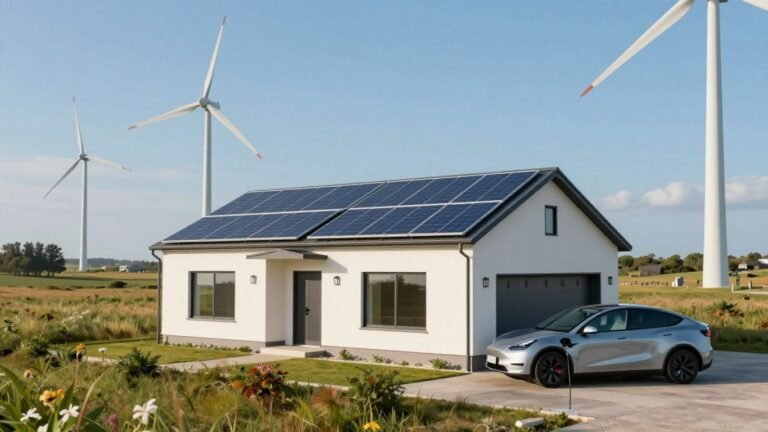
Battery backup systems shine when you prioritize quiet operation, minimal maintenance, and a cleaner energy source. These systems are fantastic for shorter, more common outages, keeping your essential devices running smoothly without a peep. They integrate well with solar panels, allowing you to store clean energy and potentially reduce your electricity bills when the grid is up and running. If you’re concerned about emissions or noise, or if you want a system that requires very little hands-on attention, a battery backup is likely the way to go. They also offer a unique benefit: they can provide power and potentially earn you money through grid services when not in use, unlike generators. For many, this makes them a more appealing backup power for home option.
Evaluating Your Specific Outage Scenarios
To really nail down your decision, think about these points:
- Frequency and Duration: How often does your power go out, and for how long? If it’s just a few hours here and there, a battery might be plenty. If you’re dealing with days-long outages regularly, you’ll need to consider fuel for a generator or a robust solar-plus-storage setup.
- Power Needs: What absolutely must stay on? List your essential appliances and electronics. Can a battery handle them, or do you need the raw power of a generator?
- Environmental Factors: Are you in a densely populated area where generator noise would be an issue? Do you have space for a generator’s exhaust to vent safely?
- Maintenance Tolerance: Are you comfortable with regular generator maintenance like oil changes and testing, or do you prefer a ‘set it and forget it’ approach with a battery?
Sometimes, the best approach isn’t choosing one over the other, but combining them. A hybrid system, using a battery for everyday reliability and a generator for those rare, extended outages, can offer the ultimate peace of mind. This way, you get the quiet, clean power of a battery for most situations and the brute force of a generator when you truly need it. It’s a smart way to cover all your bases when choosing home generator or battery options.
Ultimately, understanding your home’s specific energy habits and the reliability of your local grid is key to selecting the right emergency power options for your situation.
So, Which One Is For You?
Alright, so we’ve gone over how battery backups and standby generators work, and what they’re good for. It really boils down to what kind of power outages you usually deal with and what you absolutely need to keep running. If you’re looking for something quiet and clean for shorter power cuts, or if you’ve already got solar panels, a battery system might be your best bet. But if you’re in an area where the power goes out for days at a time, or you need to run the big stuff like your air conditioner, a standby generator is probably the way to go. Think about your budget, how often the power flickers out, and what you can’t live without when the grid goes down. Making that choice means you’ll be ready when the lights go out.
Frequently Asked Questions
What’s the main difference between a battery backup and a standby generator?
Think of it this way: a battery backup system stores electricity, like a giant power bank for your house. A standby generator, on the other hand, is like a mini power plant that creates electricity when you need it. Batteries are quiet and instant, while generators make noise and need fuel to run.
How long can each system keep my power on?
Standby generators can usually run for days or even weeks as long as they have fuel, making them great for long power outages. Battery backups have a set amount of stored energy, so they’re typically best for shorter outages lasting a few hours, though some can recharge with solar power.
Are standby generators noisy?
Yes, standby generators have engines that run, so they can be quite noisy. Battery backup systems, however, operate silently because they don’t have any moving parts or engines. This makes batteries a better choice if noise is a concern.
What about maintenance for each system?
Battery backup systems generally require very little maintenance. Standby generators, on the other hand, need regular check-ups, like oil changes and testing, similar to a car. This means generators have ongoing maintenance needs and costs.
Which is more expensive to buy and install?
Generally, standby generators can have a higher upfront cost for purchase and installation because they involve more complex setup with fuel lines and electrical connections. Battery systems can also be pricey, but their costs can vary widely depending on size and features.
Which system is better for running my whole house, including the air conditioner?
Standby generators are usually better equipped to handle large power demands, like running central air conditioning, well pumps, or electric heat, especially during long outages. While some large battery systems can power essentials, they might struggle with running everything in the house simultaneously for extended periods.