Power Up Your Home: Battery Backup Without Solar
Power outages seem to be happening more often these days, right? Between wild weather and an aging power grid, it’s getting harder to count on the lights staying on. While solar panels and batteries are often talked about together, you might be surprised to learn that you can get a whole house battery backup without solar panels. This setup acts like a big rechargeable battery that stores electricity from the grid, ready to power your home when the main power goes out. It’s a solid option for reliable backup power, even if solar isn’t in the cards for you right now.
Key Takeaways
- You can install and use a whole house battery backup without needing solar panels; it charges from the regular electric grid.
- These systems automatically switch to stored battery power during grid outages, keeping essential appliances running.
- A battery backup without solar offers a cleaner, quieter alternative to traditional gasoline-powered generators.
- Standalone battery systems can help manage electricity costs by storing cheaper off-peak grid power for use during expensive peak hours.
- While beneficial for backup power and cost savings, a battery without solar relies on the grid for recharging and doesn’t generate its own energy during an outage.
Understanding Whole House Battery Backup Without Solar
What Is A Home Battery Backup System?
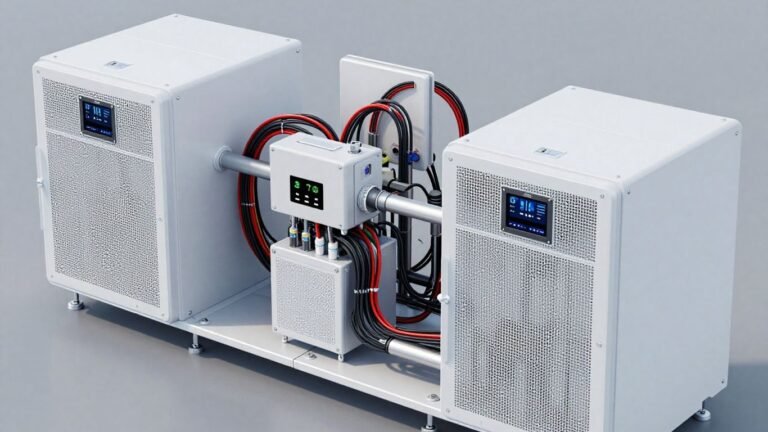
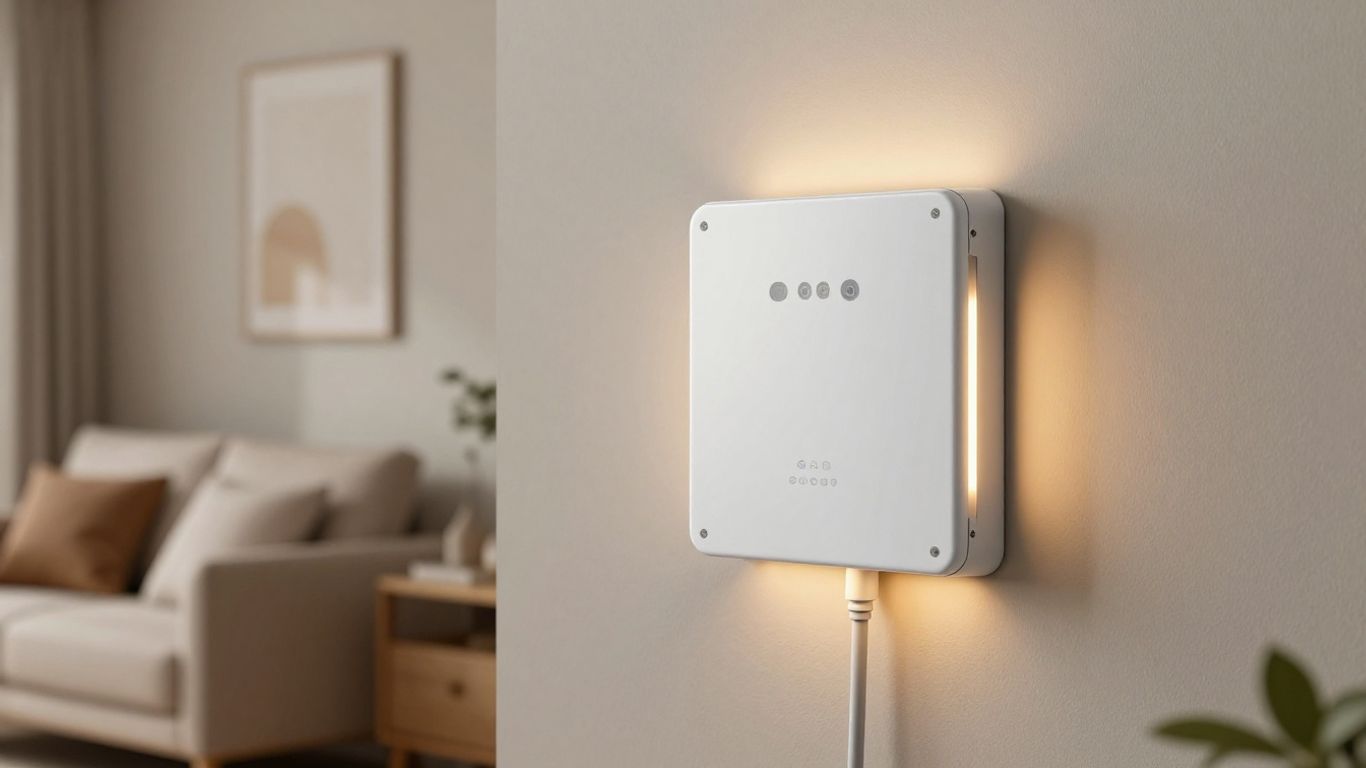
A home battery backup system is essentially a big rechargeable battery for your house. Think of it like a super-sized version of the UPS that keeps your computer running if the power flickers. It stores electricity, and when the grid goes down, it automatically kicks in to power your home. These systems are usually installed near your main electrical panel and can be set up to power just the important stuff, like your fridge and lights, or even your whole house. It’s a way to keep things running smoothly when the electricity from the utility company cuts out, offering a reliable home power interruption solution.
How Does A Battery Backup Work Without Solar Panels?
This is where things get interesting. You don’t actually need solar panels to have a battery backup system. A standalone battery backup charges directly from the utility grid, just like any other appliance in your home. When the power goes out, the system senses the interruption and switches over to the stored energy in the battery. It’s a pretty neat setup for emergency home electricity storage. Once the grid power is restored, the battery starts recharging itself from the grid again. This means you get backup power even if you can’t or don’t want to install solar panels. It’s a practical choice for many homeowners looking for electricity storage for home grid outage scenarios.
Key Benefits Of Grid-Charged Battery Systems
- Instant Power During Outages: When the grid fails, your battery system switches on automatically, often in less than a second. No more fumbling for flashlights or worrying about your food spoiling.
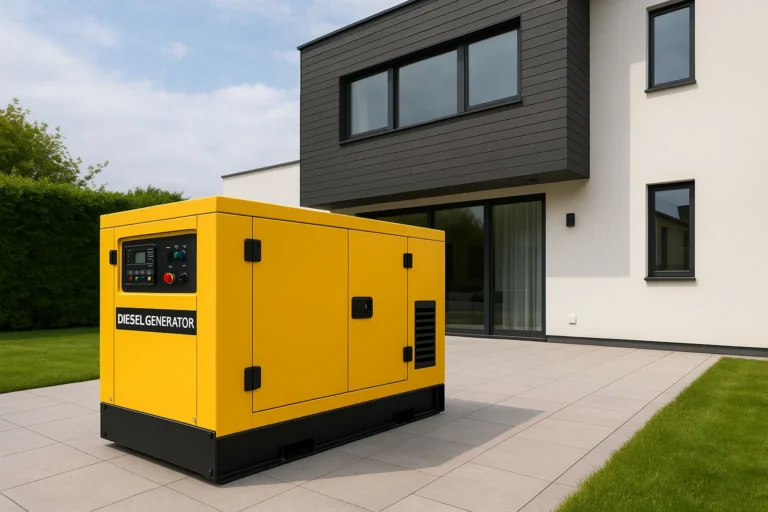
- Cleaner Than Generators: Unlike noisy, fume-spewing gas generators, battery backups are quiet and produce no emissions during operation. This makes them a much more pleasant and environmentally friendly option.
- Potential for Cost Savings: Some utility companies offer time-of-use (TOU) rates, where electricity is cheaper during off-peak hours. You can charge your battery when rates are low and use that stored energy during peak hours when rates are high, potentially lowering your monthly bills.
While a battery backup without solar is a fantastic way to ensure you have power during an outage, it’s important to remember that it relies on the grid for charging. Once the stored energy is used up during a prolonged outage, you’ll need the grid to come back online to recharge.
Many homeowners are looking for ways to secure their power supply, and a grid-charged battery system offers a solid option. It’s a step towards greater energy independence without the upfront commitment of solar panels. For those in areas prone to outages, this type of system provides significant peace of mind. If you’re considering options for off grid battery for house without panels, a grid-charged system is a great starting point. The initial investment for these systems can vary, with whole-home battery backup systems typically ranging from $25,000 to $50,000 or more, depending on your home’s energy needs and the system’s capacity [735c]. It’s a significant purchase, but one that can pay dividends in reliability and comfort.
Advantages Of Battery Backup Without Solar
So, you’re thinking about a battery backup but not quite ready for the whole solar panel setup? That’s totally fine! There are some pretty good reasons why a grid-charged battery system makes sense on its own.
Reliable Power During Outages
Let’s face it, power outages are a pain. Whether it’s a storm knocking out the grid or just a random blip, losing power means no lights, no internet, and potentially spoiled food. A battery backup system acts like a super-fast uninterruptible power supply for your whole house. When the grid goes down, it automatically switches over to battery power in seconds. This means your essential appliances, like the fridge, your Wi-Fi router, and even medical equipment, keep running without you having to do anything. It’s a real peace of mind knowing you won’t be left in the dark.
Cleaner Alternative To Gas Generators
Remember those noisy gas generators? They’re loud, they smell, and you have to keep a stash of fuel around. Battery backups are a much quieter and cleaner way to go. They don’t burn fossil fuels, so there are no exhaust fumes to worry about. This makes them safer to have around and better for the environment. Plus, no more trips to the gas station in the middle of a storm!
- Silent Operation: Unlike generators, batteries run almost silently.
- No Emissions: They don’t produce harmful fumes.
- Low Maintenance: Forget oil changes and fuel stabilizers.
Energy Cost Optimization Through Time-Of-Use Rates
This is where things get interesting, even without solar. Many utility companies now have what’s called Time-of-Use (TOU) rates. Basically, electricity costs more during peak hours (like late afternoon when everyone is home and using power) and less during off-peak hours (like overnight). A battery system can help you take advantage of this. It charges up when electricity is cheap, usually overnight, and then discharges that stored energy during those expensive peak hours. This can lead to noticeable savings on your electricity bill over time. It’s a smart way to manage your energy costs and reduce your reliance on expensive grid power when it’s most needed.
Using a battery backup without solar is a practical step towards energy resilience and cost management. It provides immediate benefits during outages and offers a way to optimize your electricity spending, even before you consider adding solar panels.
Limitations Of Standalone Battery Systems
While a battery backup system without solar panels offers some great perks, it’s not all sunshine and rainbows. You’ve got to be aware of what you’re getting into, so let’s talk about the downsides.
Limited Runtime Based On Stored Energy
Think of your battery like a gas tank. It can only hold so much. When the power goes out, your battery starts using up that stored energy. The more appliances you run and the longer you run them, the faster that stored energy disappears. If you’ve got a smaller battery or you’re powering a lot of things, you might find yourself running out of juice sooner than you’d like. It’s all about managing your usage to make the stored energy last.
Dependency On The Utility Grid For Charging
This is a big one. Without solar panels, your battery has to get its power from somewhere, and that somewhere is usually the utility grid. This means that if the grid goes down for an extended period, and your battery gets depleted, you’re out of luck until the grid power comes back on. You can’t generate your own power to keep the battery topped up. It’s a bit like having a phone that you can only charge from a wall outlet – if the power’s out, your phone (and your battery backup) is stuck.
No Energy Generation During Outages
This ties into the grid dependency. When the grid is down, solar panels keep making power, which can then charge your battery. A battery system without solar panels can’t do that. It’s a one-way street: it gives you power from its stored reserves, but it can’t make any new power. So, during a prolonged outage, you’re not generating any new energy for your home; you’re just using what you already have stored. This is a key difference compared to a solar-plus-battery setup, which offers more independence.
It’s important to remember that a battery backup without solar is primarily a way to bridge the gap during short-term outages or to manage your electricity costs using time-of-use rates. It’s not a path to complete energy independence on its own.
Choosing The Right Battery System
So, you’re thinking about getting a battery backup but aren’t going the solar route. That’s totally fine! Lots of folks are doing just that. The trick is picking the system that actually fits what you need. It’s not a one-size-fits-all deal, you know?
Assessing Your Home’s Energy Needs
First things first, you gotta figure out what you actually want this battery to do. Is it just for keeping the lights on and the fridge running during a blackout? Or are you hoping to power more of your house, maybe even your air conditioning for a bit? This is where you really need to be honest with yourself. Trying to power your whole house with a small battery is just going to lead to disappointment. You’ll need to add up the wattage of the things you absolutely can’t live without when the power goes out. Think about things like your router, essential medical equipment, some lights, and your refrigerator. Don’t forget to factor in how long you might need that power. A few hours? A whole day? This step is super important because it directly impacts the size and cost of the system you’ll end up buying.
Understanding Battery Capacity And Lifespan
Once you know what you need to power, you can look at battery specs. Capacity is usually measured in kilowatt-hours (kWh). A bigger number means more stored energy. But here’s the thing: a battery’s lifespan is just as important. Batteries degrade over time, meaning they hold less charge. You’ll see terms like ‘cycle life,’ which tells you how many times the battery can be fully charged and discharged before its capacity drops significantly. For a grid-charged system, where you’re relying on the utility for charging, you want a battery that can handle frequent charging and discharging without wearing out too quickly. It’s a bit of a balancing act between upfront cost and how long you expect the battery to last.
Here’s a rough idea of what different capacities might cover:
| Battery Capacity (kWh) | Potential Usage During Outage |
|---|---|
| 5-10 kWh | Essential circuits (lights, fridge, router) for 12-24 hours |
| 10-20 kWh | More circuits, maybe a few hours of AC or well pump |
| 20+ kWh | Significant portion of home, longer duration backup |
Remember, these are just estimates. Your actual usage will depend on the specific appliances you run and how long you run them. It’s always better to have a little extra capacity than not enough.
Considering System Scalability For Future Needs
Think about the future, too. Maybe right now, you’re okay with just backing up your essentials. But what if your needs change? Perhaps you decide later you want to add more circuits, or maybe you even reconsider adding solar panels down the line. It’s smart to choose a system that can be expanded. Many battery systems are modular, meaning you can add more battery units later if you need more power or longer backup times. This flexibility can save you money in the long run and prevent you from having to replace your entire system if your requirements evolve. When looking at different brands, ask your installer about expansion options. You don’t want to get locked into a system that can’t grow with you. This is especially true if you’re considering a future upgrade to a solar-plus-battery setup.
Installation And Maintenance Considerations
Getting a whole-house battery backup system set up and keeping it running smoothly is pretty straightforward, especially when you’re not dealing with solar panels. Think of it as a smart appliance for your home’s electrical system.
Professional Installation For Safety And Efficiency
While some folks might be tempted to DIY, professional installation is highly recommended for battery backup systems. These systems involve working with your home’s main electrical panel, and getting it wrong can be dangerous. A qualified electrician or a certified installer will make sure everything is wired correctly, meets local codes, and is set up for optimal performance. They’ll also know how to properly ground the system and connect it to your utility feed. This isn’t just about safety; it’s about making sure your system works as intended from day one. You can find resources to help you understand the technical planning and safety codes involved in a home battery system here.
Low Maintenance Requirements Compared To Generators
One of the big pluses of a battery backup, especially compared to a gas generator, is how little upkeep it needs. You don’t have to worry about changing oil, topping up fuel, or dealing with exhaust fumes. The main components, like the battery itself and the inverter, are designed to last for many years with minimal intervention. The system is mostly sealed and operates automatically. The most you might need to do is keep the area around the unit clean and free of dust. It’s a pretty set-it-and-forget-it kind of deal, which is a nice change of pace.
Understanding System Monitoring And Controls
Most modern battery backup systems come with user-friendly monitoring tools. These are usually accessible via a smartphone app or a web portal. Through these interfaces, you can check the battery’s charge level, see how much power your home is using, and monitor if the system is actively charging or discharging. Some systems even let you set preferences, like prioritizing backup power or optimizing for time-of-use electricity rates. This visibility helps you understand your home’s energy habits and gives you peace of mind knowing exactly what your system is doing. It’s also how you’ll know if the system is performing as expected or if there’s an issue that needs attention. For those looking at integrated energy solutions, understanding how these systems work with other components is key [e7a8].
Here’s a quick look at what you might monitor:
- Battery State of Charge: How full the battery is.
- Home Energy Consumption: How much power your appliances are drawing.
- Grid Status: Whether the grid is providing power or if the battery is active.
- System Health: Alerts or notifications about the system’s operational status.
The convenience of a battery backup without solar is that it’s designed to integrate smoothly into your existing electrical setup. It acts as a buffer, taking power from the grid when it’s cheap and available, and then supplying it back to your home when the grid goes down or when electricity prices are high. This means you get reliable power without needing to manage fuel or perform complex maintenance tasks.
Is A Whole House Battery Backup Without Solar Worth It?
So, you’re thinking about getting a battery backup for your home, but solar panels just aren’t in the cards right now. Maybe your roof isn’t sunny enough, or perhaps you’re renting. The big question is: is it actually worth the investment?
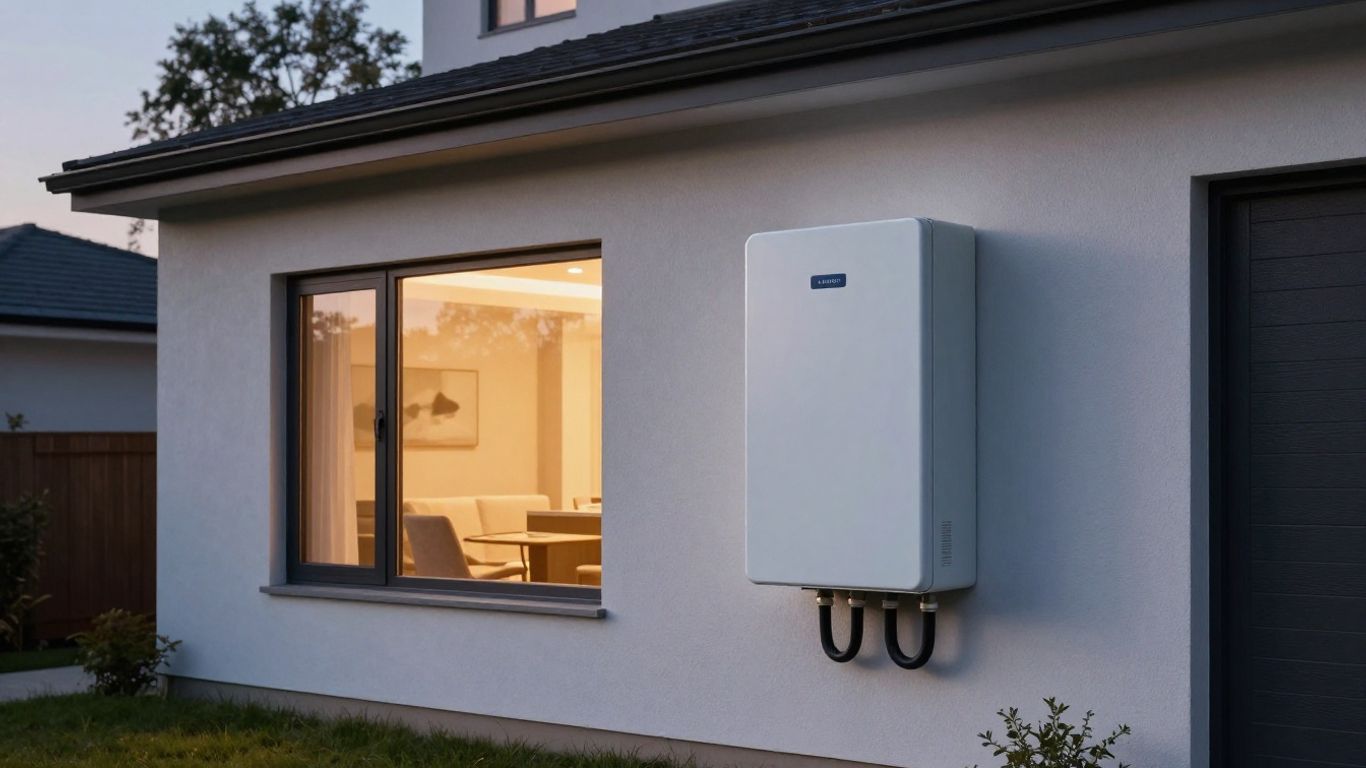
A grid-charged battery backup without solar is definitely worth considering if your main concern is reliable power during outages. Think about it – those times when the lights go out, and everything grinds to a halt. A battery system can keep your essentials running, like your fridge, lights, and maybe even your Wi-Fi, without the noise and fumes of a gas generator. It’s like having a personal power reserve ready to go at a moment’s notice.
Beyond just outage protection, these systems can also help you save money. If your utility company offers time-of-use rates, meaning electricity costs more during peak hours and less during off-peak times, a battery can be a smart financial tool. You can charge the battery when electricity is cheap and then use that stored power during those expensive peak hours, cutting down your monthly bill. It’s a way to manage your energy costs more effectively, even without generating your own power.
Here’s a quick look at what you can expect:
- Power Outage Coverage: Keeps essential appliances running for a set period, depending on battery size.
- Peak Shaving: Reduces reliance on expensive grid power during peak demand times.
- Generator Alternative: Offers a cleaner, quieter, and lower-maintenance backup solution.
However, it’s important to be realistic. A battery without solar is essentially a reserve tank. Once it’s used up during a prolonged outage, you’re back to waiting for the grid to come back online, just like everyone else. It doesn’t generate its own power, so it’s not a path to energy independence in the same way a solar-plus-battery setup is. But, it’s a solid step towards greater energy resilience and can be a stepping stone if you decide to add solar down the line. For many, the peace of mind during unpredictable weather events and the potential cost savings make it a worthwhile investment on its own. It’s about having that safety net when you need it most, and that’s a pretty big deal.
Wrapping Up
So, there you have it. You don’t actually need solar panels to get a home battery backup system up and running. These units can charge right from your regular power outlet, acting like a big rechargeable battery for your house. When the power goes out, it just switches over automatically, keeping your essential stuff running without any fuss. It’s a solid way to get some peace of mind during outages, especially if solar isn’t in the cards for you right now. Plus, you can always add solar later if you decide to go that route down the road. It’s a flexible option for making sure your home stays powered when it matters most.
Frequently Asked Questions
Can I really have a battery backup without solar panels?
Absolutely! You don’t need solar panels to have a battery backup. These systems can charge up using electricity from your regular power company, just like any other appliance. When the power goes out, the battery steps in automatically to keep your essential devices running.
How does a battery backup charge without solar?
It’s pretty simple. When your home has electricity from the power company, the battery charges itself up. Think of it like charging your phone – it just uses the available power. This stored energy is ready for when you need it most, like during a blackout.
What happens when the power goes out and my battery runs out of charge?
Once your battery uses up all its stored power during an outage, it will need the main power to come back on to recharge. Unlike solar, which can generate power even during the day, a grid-charged battery waits for the utility company to restore electricity before it can fill up again.
Is a battery backup without solar worth the cost?
It can be! While it might not save you as much money on electricity bills as a solar setup, it offers peace of mind during power outages. It’s also a great way to avoid the noise and fuel hassle of gas generators. Plus, you can always add solar later if you decide to.
How long can a battery backup power my home?
The amount of time your battery can power your home depends on how big the battery is and how much electricity you use. Most home batteries can keep essential things like your fridge, lights, and Wi-Fi running for a day or two. You’ll need to be mindful of what you’re running to make the stored power last longer.
Can I use a battery backup to save money on my electricity bill?
Yes, you can! Many power companies have different prices for electricity at different times of the day. You can charge your battery when electricity is cheap (off-peak hours) and then use that stored power when electricity is expensive (peak hours). This helps lower your overall electricity costs.