Powering Up Remote Builds: Microgrids on the Job
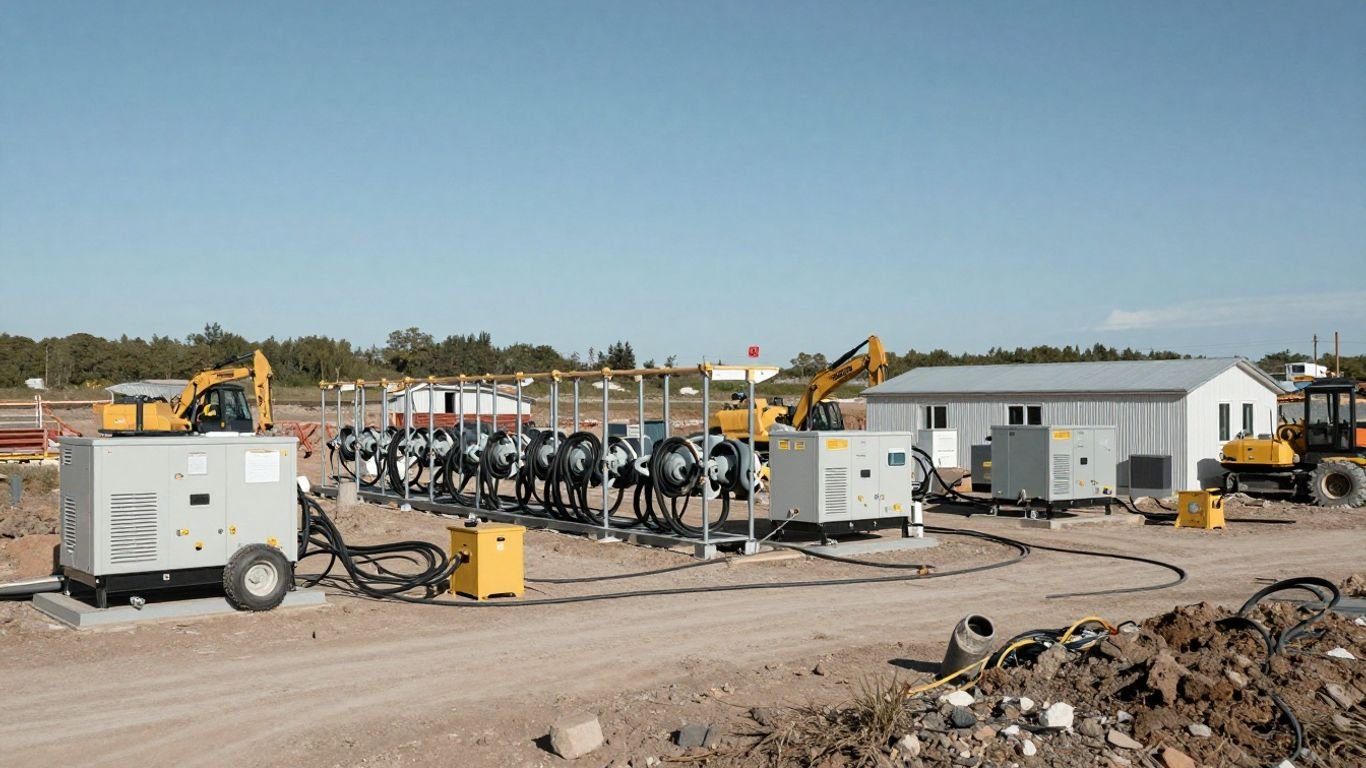
Building things out in the middle of nowhere can be a real headache when it comes to power. You’ve got generators chugging away, using up fuel and making noise, and hoping they don’t break down. But there’s a smarter way to keep the lights on and the tools running: microgrids. Think of a microgrid for a remote construction site as its own little power system, often mixing renewables with other sources. It’s changing how we get things done when we’re far from the main grid.
Key Takeaways
- Microgrids offer steady power for remote building projects, cutting down on downtime and saving money on fuel and maintenance compared to just using diesel generators.
- These systems often combine solar panels and battery storage with backup generators, making them more reliable and eco-friendly.
- Setting up a microgrid involves checking the specific site to figure out the best mix of power sources and storage, sometimes using pre-built ‘hybrid energy containers’.
- Remote monitoring is a big deal, letting operators keep an eye on the system and fix issues before they become major problems.
- Real-world projects, like those in remote communities or for environmental cleanups, show that microgrids are a practical solution for powering tough locations.
The Advantages of Microgrids for Remote Construction Sites
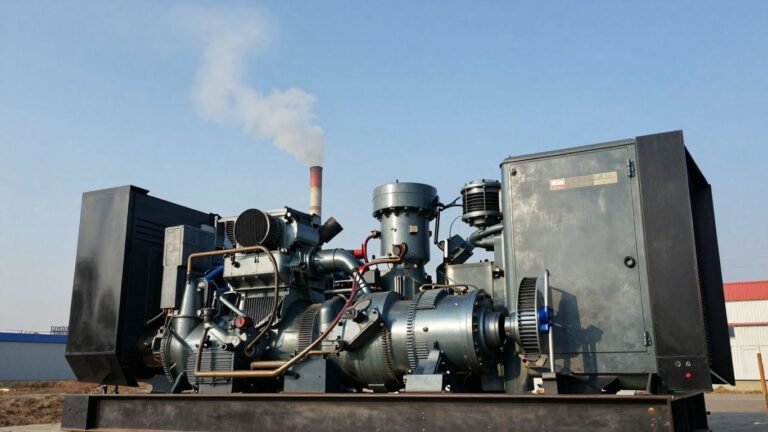
Setting up a construction site in a remote location presents a unique set of challenges, especially when it comes to power. Traditional methods often rely heavily on diesel generators, which can be noisy, polluting, and expensive to fuel and maintain over long periods. This is where microgrids really shine, offering a smarter way to provide temporary power for remote projects. They are designed to be self-sufficient, meaning they can operate independently of the main power grid, which is often non-existent or unreliable in far-flung areas. This independence is a game-changer for construction projects.
Enhanced Reliability and Uptime
One of the biggest headaches on any construction site is unexpected downtime. When the power goes out, everything grinds to a halt – equipment stops, workers are idled, and deadlines start to slip. Microgrids, especially those incorporating renewable energy sources and battery storage, offer a much more stable and consistent power supply. They can smooth out fluctuations and provide backup power automatically if one component fails. This means your project keeps moving forward, day in and day out. Think of it as having your own dedicated power plant that’s built to keep running, no matter what. This level of reliability is key for maintaining project schedules and avoiding costly delays. It’s about achieving true energy independence for construction infrastructure.
Reduced Operational Costs
While the initial setup of a microgrid might seem like an investment, the long-term savings can be substantial. Relying less on diesel fuel means cutting down on fuel delivery costs, which can be astronomical in remote areas. Plus, the maintenance associated with diesel generators – like oil changes and repairs – adds up. Microgrids, particularly those with a significant renewable component like solar, have fewer moving parts and require less frequent, less intensive maintenance. Over the lifespan of a project, these savings can be quite significant, making them a more economical choice for sustainable energy for building sites.
Environmental Benefits
Construction sites have a reputation for being noisy and polluting, but microgrids offer a path toward cleaner operations. By integrating solar panels, wind turbines, or other renewable sources, you can significantly reduce your site’s carbon footprint. This not only helps meet environmental regulations and corporate sustainability goals but also improves the local environment around the worksite. Less noise pollution from generators and fewer emissions contribute to a better working atmosphere and a more positive community impact. It’s a win-win for the project and the planet.
Microgrids provide a robust and adaptable power solution for construction projects in challenging locations. They move beyond the limitations of traditional power sources, offering a more dependable, cost-effective, and environmentally sound alternative that keeps operations running smoothly and efficiently.
Key Components of a Remote Construction Site Microgrid
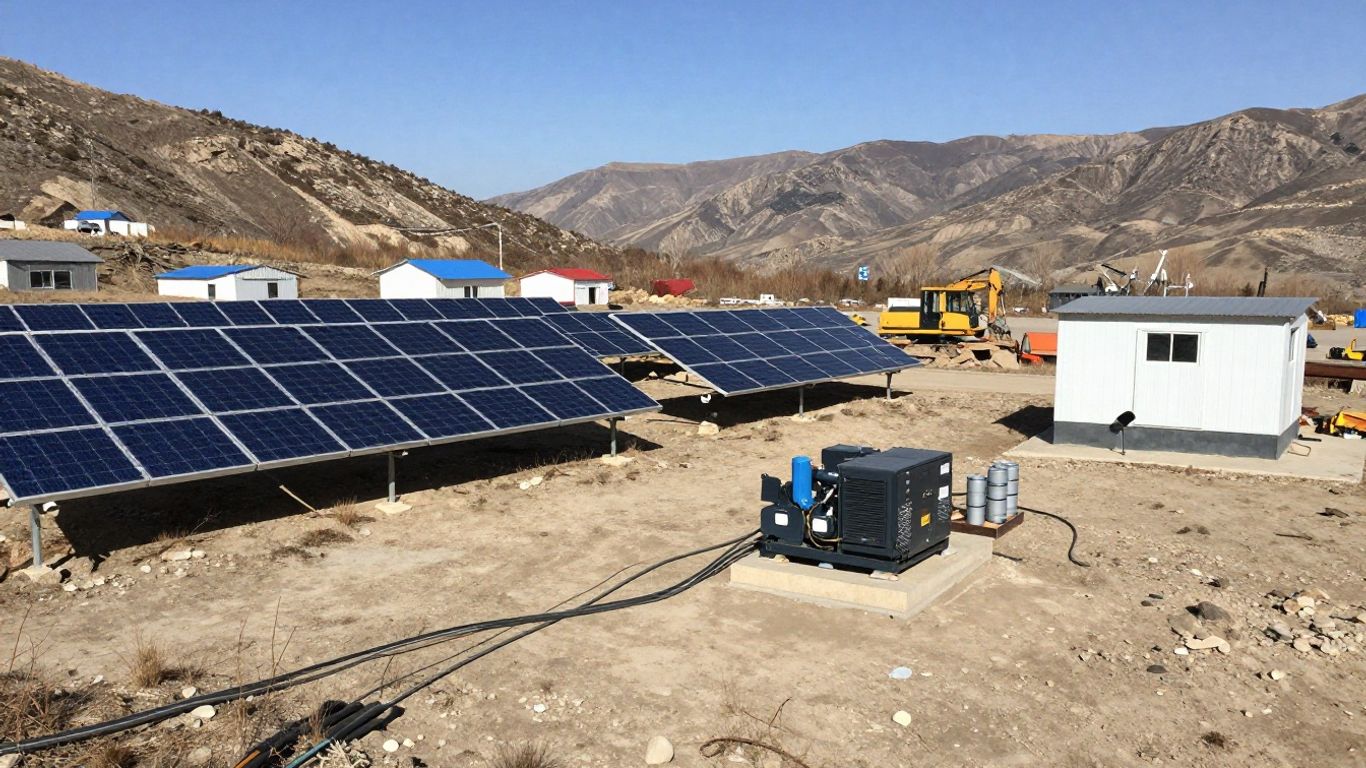
Setting up a construction site far from the main power grid presents some unique challenges. You can’t just plug into the wall, right? That’s where a microgrid comes in. Think of it as a self-sufficient power system tailored for your specific needs. It’s not just about having electricity; it’s about having reliable, consistent power so your project stays on track.
Renewable Energy Sources
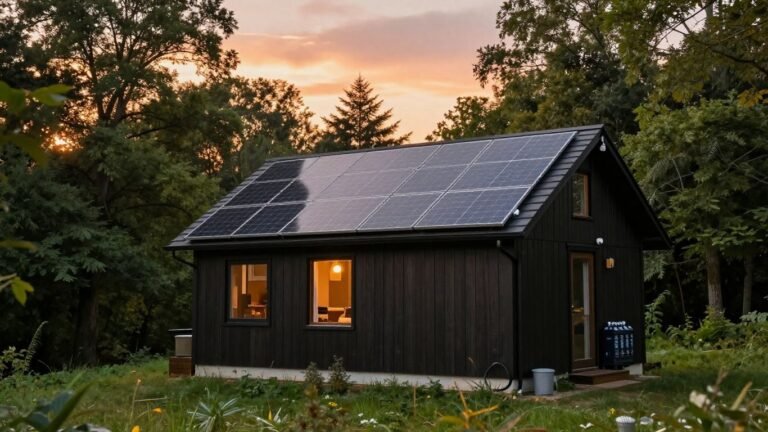
These are the backbone of a modern microgrid. We’re talking about harnessing the sun and wind, if possible. Solar panels are a common sight, converting sunlight directly into electricity. They’re quiet, produce no emissions while running, and the fuel (sunlight) is free. The amount of power you can get depends on the panel size and how much sun you get, of course. It’s a smart way to start reducing your reliance on traditional fuels right from the get-go.
Energy Storage Solutions
Renewables are great, but the sun doesn’t always shine, and the wind doesn’t always blow. That’s where energy storage comes into play. Batteries are the most common solution here. They store the excess energy generated by solar panels or other sources, so you can use it when you need it most – like at night or during cloudy spells. These aren’t your car batteries; they’re robust systems designed for industrial use. The size and type of battery bank will depend on how much energy you need to store and for how long. This storage capability is what makes a microgrid truly resilient.
Backup Power Generation
Even with renewables and storage, there might be times when you need a little extra oomph, or a completely different power source. This is where backup generators come in. Traditionally, this meant diesel generators. However, the trend is shifting towards hybrid systems. These combine traditional generators with renewable sources and storage, offering a more flexible and often cleaner solution. A well-designed backup system ensures that your operations never skip a beat, even during peak demand or unexpected drops in renewable energy supply. The goal is to have multiple layers of power available.
A hybrid energy container is a smart way to package these different power sources and storage into a single, transportable unit. It can be customized to fit the specific needs of a remote site, combining solar, batteries, and even a generator in one robust package. This makes deployment much simpler and more efficient for construction projects.
Designing and Implementing Microgrids for Construction
Site-Specific Feasibility Studies
Before you even think about ordering equipment, you need to figure out if a microgrid makes sense for your specific construction site. This means doing a thorough study of the location. You’ll want to look at things like how much power you’ll actually need, when you’ll need it, and what the local conditions are like. Is it a really remote spot with no grid connection at all? Or is there a grid, but it’s not very reliable? Understanding these details is key to designing a system that works. A good feasibility study is the foundation for a successful microgrid project. It helps avoid costly mistakes down the road and makes sure you’re not over or under-speccing your power needs. This is where you start to figure out the best mix of renewable sources, storage, and backup power for your unique situation, laying the groundwork for effective off-grid power solutions for construction.
Hybrid Energy Container Solutions
For many construction projects, especially those that are temporary or need to be set up quickly, pre-fabricated solutions are a game-changer. That’s where hybrid energy containers come in. Think of them as self-contained power plants that can be shipped to your site and plugged in. These containers typically house a combination of energy sources, like solar panels, battery storage, and a backup generator, all integrated into one unit. They’re designed to be rugged and adaptable, making them perfect for the tough conditions often found on construction sites. This approach simplifies logistics and speeds up deployment, offering reliable mobile power generation for field operations. They can be customized too, so you get exactly the power mix you need.
Remote Monitoring and Control
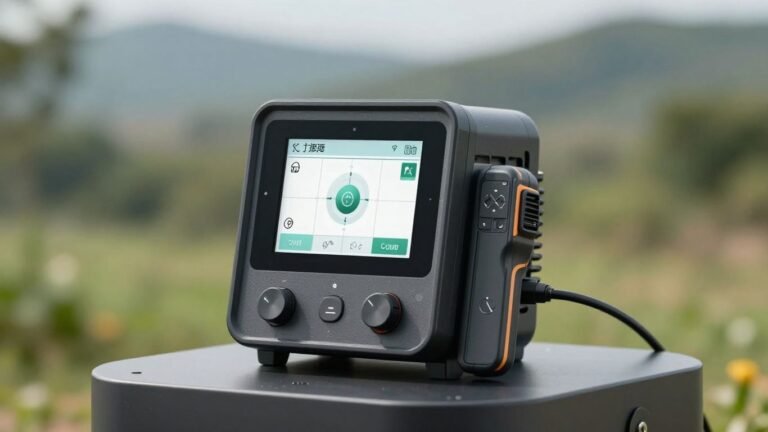
Once your microgrid is up and running, you can’t just forget about it. Especially on a remote site, you need a way to keep an eye on things and make adjustments without having to send someone out there all the time. That’s where remote monitoring and control systems come in. These systems use sensors and software to track the performance of your solar panels, batteries, and generators. You can see how much power is being generated, how much is being used, and if everything is operating within normal parameters. If something goes wrong, the system can alert you immediately, often allowing you to troubleshoot or even fix the issue remotely. This keeps your operations running smoothly and reduces the need for on-site technical staff, saving time and money.
Implementing a microgrid isn’t just about installing hardware; it’s about creating an intelligent energy ecosystem. This ecosystem needs to be monitored constantly to adapt to changing demands and environmental conditions. Remote access allows for proactive maintenance and quick responses to any disruptions, which is vital for maintaining continuous operations on a busy construction site.
Case Studies: Microgrids in Action
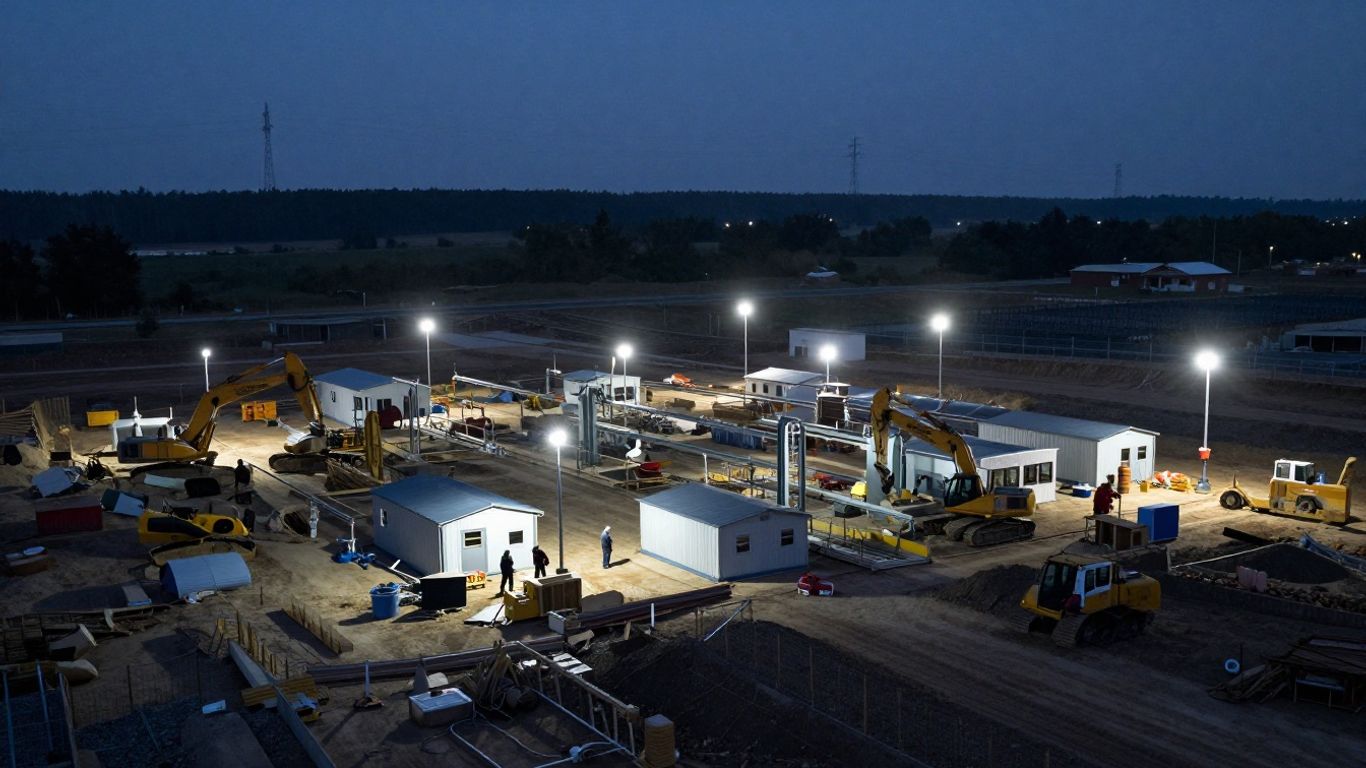
Descharme Lake Community Microgrid
Remote communities often face the challenge of aging power infrastructure. The Descharme Lake community, north of La Loche, Saskatchewan, was no different. A 60-year-old power line was nearing its end, and replacing it would have been costly and environmentally impactful due to the surrounding forests. Instead of rebuilding, they opted for a modern solution: a microgrid. This project, a collaboration between SRC and SaskPower, replaced the old line with a system combining solar panels, battery storage, and backup diesel generators, all housed in a specialized Hybrid Energy Container. This approach not only provided a more reliable power source but also demonstrated the potential for similar remote communities to adopt cleaner, more resilient energy systems. It’s a great example of how microgrids can offer a better alternative to traditional grid extensions in challenging locations.
Gunnar Mine Remediation Site
Cleaning up abandoned industrial sites, especially in remote areas, requires dependable power. At the former Gunnar Mine and Mill Site in northern Saskatchewan, a microgrid solution was implemented as part of Project CLEANS. SRC utilized their experience with Hybrid Energy Containers to provide a power system for this multi-year remediation effort. This wasn’t just about having electricity; it was about having consistent and reliable power for critical cleanup operations in a difficult-to-access location. The containerized solution minimized the physical footprint on the site and included noise mitigation, showing that even complex industrial needs can be met with thoughtful microgrid design.
Powering Data Centers with Microgrids
While often thought of for remote or community use, microgrids are also becoming vital for industries that demand absolute uptime, like data centers. These facilities can’t afford any power interruptions. Integrating microgrids, often alongside existing grid connections, provides a layered approach to reliability. This can involve a mix of renewable sources, substantial battery storage, and backup generators. The goal is to create a system that can seamlessly switch power sources or operate independently if the main grid fails. This level of control and resilience is key for businesses where continuous operation is non-negotiable. For sites needing robust, off-grid security, understanding power consumption is key [0b57].
Here’s a look at some key benefits seen in these types of applications:
- Uninterrupted Operations: Minimizing downtime is paramount, especially for critical infrastructure.
- Cost Management: While initial investment can be high, long-term operational savings and reduced reliance on expensive grid power can be significant.
- Environmental Responsibility: Integrating renewables reduces the carbon footprint compared to solely relying on fossil fuels.
- Grid Independence: Provides a buffer against external grid failures, whether from weather or other disruptions.
The shift towards microgrids in various sectors highlights a growing need for energy independence and resilience. From powering small communities to supporting critical industrial operations, these systems offer a flexible and increasingly sustainable path forward.
Future-Forward Energy Solutions for Industry
Distributed Energy Infrastructure
Businesses today need more than just basic power. They need energy systems that are efficient, clean, and tough enough to handle whatever comes their way. This is where distributed energy infrastructure shines. Think of it as a network of smaller power sources spread out, rather than relying on one big central plant. This includes things like solar panels, fuel cells, and battery storage, all working together. It’s about creating a more resilient and adaptable power setup. Companies are looking for ways to manage costs better and ensure their operations keep running, no matter the circumstances. This approach helps achieve that by providing reliable, dedicated power resources.
Energy Efficiency Integration
Making sure your energy use is as lean as possible is a big part of future-proofing. It’s not just about having power, but using it wisely. Integrating energy efficiency measures means looking at your whole operation and finding ways to cut down on waste. This could involve upgrading old equipment, optimizing how systems run, or even using smart technology to manage power consumption. The goal is to get the most out of every watt. This focus on efficiency not only lowers your energy bills but also reduces your environmental footprint. It’s a smart move for both your bottom line and the planet.
24/7 PowerControl Monitoring
Knowing what’s happening with your power, all the time, is key. This is where advanced monitoring systems come in. They keep a constant eye on your energy assets, providing real-time updates and spotting any issues before they become big problems. If there’s an unexpected interruption, these systems can quickly react, often switching to backup power sources automatically. This kind of continuous oversight means your operations can keep going without missing a beat. It’s about having peace of mind, knowing your power supply is being managed proactively. This level of control is vital for industries that can’t afford downtime, like data centers or critical manufacturing facilities. Having a system that can monitor your power 24/7 is becoming less of a luxury and more of a necessity.
The Future is Here
So, what does all this mean for powering remote spots? It’s pretty clear that microgrids are stepping up. We’ve seen how they can replace old, unreliable power lines, like in Descharme Lake, offering a much steadier and cleaner way to get electricity. These systems, often mixing solar, batteries, and sometimes a backup generator, are built tough for tough places. They can be watched and managed from afar, which cuts down on the need for people to be on-site all the time. It’s not just about keeping the lights on; it’s about making sure communities and businesses can count on their power, no matter what’s happening outside. This technology is really changing the game for places that used to be hard to reach.
Frequently Asked Questions
What exactly is a microgrid for a construction site?
Think of a microgrid as its own mini power system. For a construction site, it’s a way to make sure there’s always electricity, even if the main power lines go down. It uses a mix of power sources, like solar panels, batteries, and backup generators, to keep everything running smoothly.
Why would a remote construction site need a microgrid instead of just using generators?
Remote sites often have trouble getting reliable power. Microgrids are much more dependable because they have multiple ways to generate electricity. This means less downtime for your equipment, which saves time and money. Plus, using things like solar power can cut down on fuel costs and be better for the environment.
What are the main parts of a microgrid system for building projects?
The key parts are renewable energy sources like solar panels, energy storage systems (like big batteries) to save power for later, and backup generators that kick in if needed. These all work together to create a stable power supply.
How do you figure out if a microgrid is a good idea for a specific construction site?
Before building one, experts study the site. They look at things like how much power is needed, what the weather is like, and the best places to put solar panels or batteries. This helps them design the perfect microgrid for that specific job.
Can a microgrid help save money on a construction project?
Yes! By using renewable energy and storing power, microgrids can lower the amount of expensive diesel fuel needed. Also, having reliable power means fewer delays, which keeps the project on schedule and within budget.
Are microgrids good for the environment?
They can be! By using more solar and battery power and less diesel, microgrids help reduce pollution and greenhouse gas emissions. This makes them a cleaner choice for powering construction projects, especially in sensitive or remote areas.