Gas vs. Propane Generators: What’s the Diff?
When the power goes out, having a reliable generator is a lifesaver. But what kind of generator should you get? The fuel it uses makes a big difference. We’re going to look at gas versus propane generators, and also touch on natural gas for standby units. It’s not just about what’s easier to find, but also how they perform, how long they last, and what they cost. Let’s figure out which fuel is best for your backup power needs.
Key Takeaways
- Propane burns cleaner than gasoline, leading to less engine buildup and potentially longer generator life, but it can be harder to start in cold weather.
- Gasoline is readily available and offers higher energy density, meaning more power per gallon, but it degrades over time and produces more emissions.
- Propane has an indefinite shelf life when stored properly, making it ideal for emergency preparedness, while gasoline needs stabilizers and degrades within months.
- Natural gas is a common fuel for homes, but standby generators often rate their output using propane due to higher energy density; technologies like NGMax™ can equalize this.
- Choosing between natural gas vs propane standby generator depends on factors like home fuel line availability, desired power output, storage needs, and long-term cost considerations.
Understanding Fuel Types: Propane Versus Gasoline
When you’re looking at generators, two fuel types pop up a lot: propane and gasoline. They both get the job done, but they do it in different ways, and knowing those differences can really help you pick the right one for your needs. It’s not just about which one is easier to find; it’s about how they perform, how long they last, and what they do to the environment.
Propane’s Advantages for Generators
Propane is a pretty neat fuel for generators. For starters, it burns cleaner than gasoline. This means less gunk builds up inside your generator’s engine, which can lead to fewer repairs and a longer life for the machine. Plus, propane has an almost indefinite shelf life. You can fill up a tank and know that it’ll be ready to go years down the line, which is a big deal if you’re preparing for emergencies. It also tends to handle cold weather pretty well, so you’re less likely to have starting issues when it’s freezing outside. Many people like it because it’s a bit more environmentally friendly, too.
Gasoline’s Strengths for Power Generation
Gasoline is what most people think of when they picture a portable generator. It’s readily available pretty much everywhere – gas stations are on almost every corner. This makes refueling on the go super simple. Gasoline also packs a bit more punch in terms of energy density, meaning you get more power out of each gallon compared to propane. This can be a big plus if you need a lot of power quickly or for extended periods. For portable units, the ease of finding fuel is a major selling point.
Key Differences in Fuel Characteristics
So, what’s the real scoop on how these fuels stack up?
- Storage: Propane tanks are sealed and don’t degrade over time. Gasoline, on the other hand, can go bad if it sits too long, leading to engine problems. You might need to add stabilizers to gasoline if you plan to store it.
- Emissions: Propane burns cleaner, producing fewer harmful emissions and less carbon buildup. Gasoline combustion releases more pollutants.
- Energy Density: Gasoline generally offers more energy per volume, meaning you might get slightly longer runtimes from a gallon of gas compared to a gallon-equivalent of propane, depending on the generator’s efficiency.
- Availability: Gasoline is ubiquitous. Propane is widely available, especially in tanks, but might require a bit more planning to get large quantities, though tank exchange programs make it easier. Propane availability is often better for longer-term storage needs.
When you’re thinking about fuel, consider not just the immediate cost but also the long-term implications. How easy is it to get more fuel when you need it? How long will the fuel you have on hand remain usable? These factors can make a big difference, especially during extended power outages.
| Feature | Propane | Gasoline |
|---|---|---|
| Shelf Life | Indefinite | Degrades over time (months to a year) |
| Engine Cleanliness | Burns cleaner, less buildup | More carbon buildup, potential for deposits |
| Cold Weather | Generally performs well | Can be more challenging to start |
| Availability | Widely available in tanks, exchange programs | Ubiquitous at gas stations |
| Energy Density | Lower | Higher |
Fuel Availability and Storage Considerations
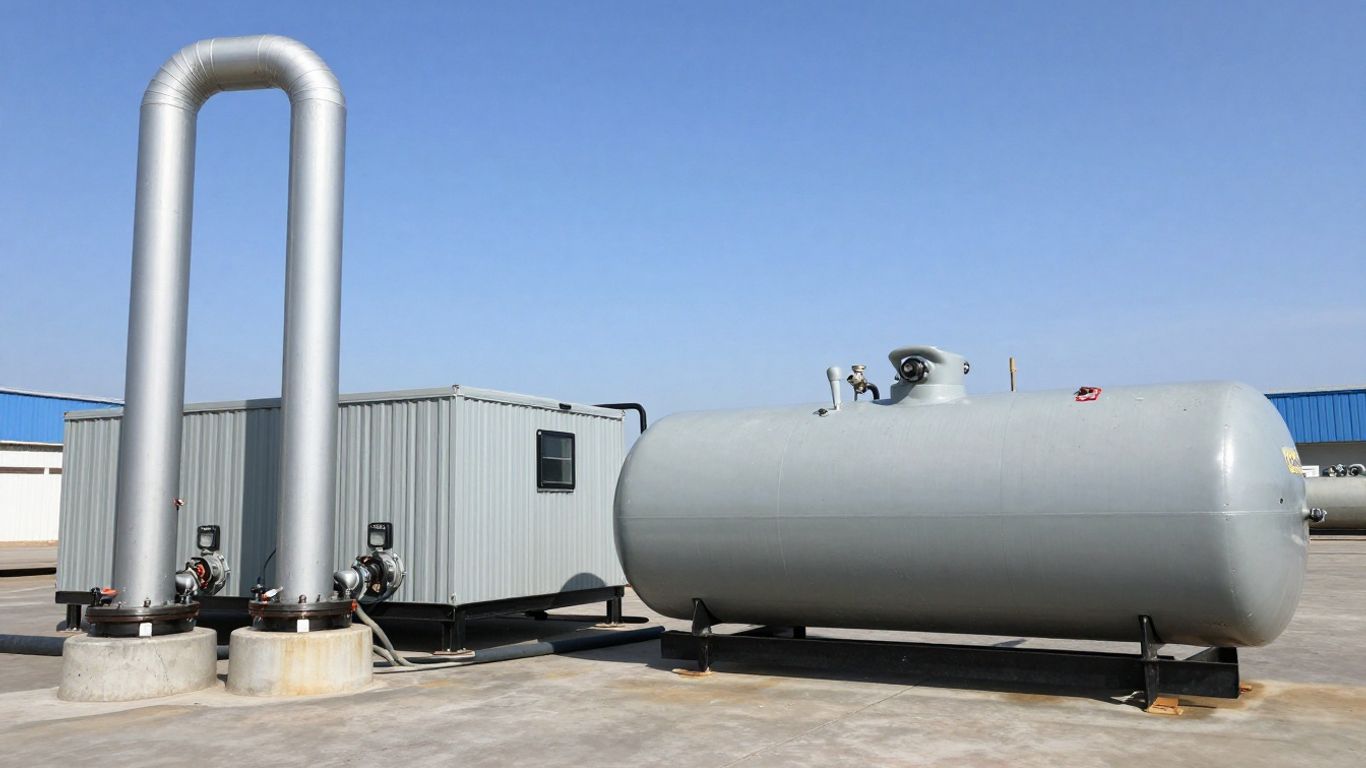
When folks start figuring out which generator to buy, fuel availability and how you can store it are two big things that come up. Not just for the everyday stuff, but especially if you’re staring down a storm, long outages, or just want peace of mind at home or on the road. Let’s dig into exactly what makes propane and gasoline different from a fuel-handling perspective, and why it could make or break your generator setup when the lights go out.
Propane Storage and Shelf Life
Propane has a reputation for being a go-to fuel for generators, and for good reason. Propane doesn’t really go bad over time, so you can store it for years without worrying about shelf life. Tanks come in all sizes, from small canisters for camping to monster tanks for whole-house generators. You just stash it outside (never indoors—safety first) and it’s ready to go. Plus, propane doesn’t gum up or leave nasty residues in the generator’s engine. Here are a few points to keep in mind:
- Propane tanks are tough and built with features that help prevent leaks.
- No special additives are needed—you just keep it filled up.
- Many hardware stores and gas stations offer quick propane swaps, making refills easy.
- Initial setup can be pricier; you’ll need tanks and maybe installation.
If you want fuel that will always start your generator, even if it sits for years, propane is hard to beat.
Gasoline Storage and Degradation
Gasoline is easy to get and works in lots of different generators, but it’s not so simple when you’re storing it. Gasoline starts to break down after just a few months unless you add stabilizer, so planning ahead gets tricky. Here’s how gasoline stacks up:
- Lasts about 3-6 months before it starts to degrade (with a stabilizer, maybe up to a year).
- Can be stored in approved containers, but always outside and away from any ignition source.
- Easy to find and refill at countless gas stations, unless the power goes out in your town—then you’re out of luck, since pumps need electricity.
Keeping gasoline on hand for emergencies means rotating your stock and treating old gas—otherwise, your generator might not start when you need it. For some extra tips on dealing with power outages and keeping fuel ready, check out this short advice on safe generator prep in winter.
Availability of Propane vs. Gasoline
Both fuels are widely available in the US, but there are some tradeoffs, especially if you live far from cities or in storm-prone areas. Here’s a quick breakdown:
| Factor | Propane | Gasoline |
|---|---|---|
| Shelf Life | Indefinite | 3–6 months (up to 12 w/ stabilizer) |
| Ease of Purchase | Hardware stores, tank exchanges | Virtually all gas stations |
| Refilling During Outage | Possible with spare tanks | Difficult if pumps off-line |
| Storage | Outdoor tanks, regulated | Outdoor cans, regulated |
| Initial Setup Cost | Higher (tanks, install) | Low (just gas cans needed) |
Some quick points to consider:
- Gasoline can be siphoned from vehicles if you’re truly in a pinch.
- Propane delivery could get delayed in disasters, but having a full tank or two on hand covers this risk.
- Gas prices can spike during a crisis, while propane prices are usually more stable.
If resilience in outages is what you’re after, propane often comes out on top, provided you’ve stocked up before storms hit. Gasoline might be handier for those short, small outages or if you need to refuel on the go.
Think about both what’s easiest to store at your home and what will actually be available when you most need power. The best choice could even be a mix—some folks keep both fuels handy, especially when they have a dual-fuel generator.
Performance and Operational Differences
When you’re looking at generators, how they run and how long they last is a big deal. It’s not just about the power they put out, but also how they handle the job over time.
Engine Longevity and Maintenance
One of the biggest pluses for propane is how clean it burns. Because propane leaves less gunk and carbon buildup inside the engine compared to gasoline, the engine generally lasts longer. This means fewer headaches with repairs and potentially more years of service from your generator. Gasoline, on the other hand, can leave more residue, which means you’ll likely need to do more frequent maintenance to keep things running smoothly. Think of it like this: propane is like a gentle cleaner, while gasoline can be a bit harsher on the engine’s insides.
- Propane: Burns cleaner, leading to less engine wear and longer lifespan.
- Gasoline: Burns dirtier, requiring more frequent maintenance and potentially reducing engine life.
Cold Weather Starting Capabilities
Starting up in the cold can be a real pain, and here’s where gasoline often has a slight edge. Gasoline tends to vaporize more easily in colder temperatures, making it generally easier to get a gasoline generator going when it’s freezing outside. Propane, being a liquid under pressure, can sometimes struggle to vaporize properly in very low temperatures, which might make starting a propane generator a bit trickier. If you live somewhere with brutal winters, this is definitely something to think about.
Noise Levels During Operation
Nobody likes a noisy generator, especially if you’re trying to sleep or just want some peace and quiet. Generally speaking, propane generators tend to run a bit quieter than their gasoline counterparts. The combustion process in propane engines can be smoother, resulting in less noise. While both types can be loud, if noise is a major concern for you, propane might be the better choice. It’s worth checking specific model decibel ratings, though, as designs vary.
The choice between propane and gasoline isn’t just about which fuel is easier to find; it’s about how the generator itself will perform and hold up over time. Considering the engine’s lifespan, how it handles the cold, and how much noise it makes can save you trouble down the road. It’s about picking the right tool for your specific situation, not just the most common one.
Fuel consumption is another performance factor to consider. While propane burns cleaner, gasoline generators might offer a bit more wattage for their size, which can be important for high-demand situations. Understanding your generator’s fuel consumption patterns based on load is key to managing runtime and fuel costs effectively.
Environmental and Cost Implications
Environmental Impact of Each Fuel Type
When you’re thinking about generators, it’s not just about the power they put out; it’s also about what they put out into the air. Propane definitely has an edge here. It burns a lot cleaner than gasoline, meaning fewer nasty emissions floating around. This is good for the planet and also means less gunk building up inside your generator’s engine. Gasoline, on the other hand, is a bit dirtier. While newer engines have gotten better, it still contributes more to air pollution. If you’re trying to be a bit greener, propane is the way to go. It’s a lower-emissions energy source compared to its gasoline counterpart. Propane burns cleaner.
Fuel Costs and Predictability
Okay, let’s talk money. Gasoline often seems cheaper when you first look at the price per gallon. It’s readily available and usually the go-to for many. However, gas prices can be pretty wild, jumping up and down depending on what’s happening in the world. This makes budgeting for fuel a bit of a guessing game. Propane might cost a little more upfront per gallon, but its price tends to be more stable. Plus, since it burns more efficiently and doesn’t go bad like gasoline can, you might end up saving money in the long run by not wasting fuel. For high-usage scenarios, natural gas generators can offer lower total costs because of stable pricing and no need for storage, though propane remains competitive for lighter use. Natural gas generators offer lower total ownership costs.
Maintenance Costs Over Time
This is where propane really shines. Because it burns so cleanly, there’s less carbon buildup and fewer deposits left behind in the engine. What does that mean for you? Less frequent maintenance. You won’t have to clean out as much gunk, and your generator’s engine will likely last longer. Gasoline engines, because they burn less cleanly, tend to accumulate more carbon. This means more regular tune-ups, potentially more repairs down the line, and possibly a shorter overall lifespan for the generator. So, while the initial fuel cost might be a factor, the reduced maintenance with propane can really add up over the years.
Choosing between propane and gasoline often comes down to balancing upfront costs with long-term expenses and environmental concerns. While gasoline might seem more accessible and cheaper initially, propane’s cleaner burn, longer shelf life, and reduced maintenance needs can make it a more economical and eco-friendly choice over time, especially if you value predictability in fuel costs and generator longevity.
Standby Generator Specifics: Natural Gas Versus Propane
When you’re looking at standby generators, the fuel source is a big deal, and it often comes down to natural gas versus propane. It’s not just about what’s easier to get; there are real differences in how they perform and what they cost.
Energy Density and Power Output Ratings
One of the first things you’ll notice is how manufacturers often rate generators based on propane. This is because propane has a higher energy density – meaning more power packed into the same amount of space compared to natural gas. For example, one cubic foot of propane offers about 2,516 BTUs, while natural gas is around 1,030 BTUs. This means a generator might show a higher maximum output when running on propane. However, technologies like NGMax™ are changing this, allowing natural gas generators to match propane’s power output, leveling the playing field for natural gas vs propane for generators. This is a big deal if you’re concerned about getting enough juice from your generator, especially during extended outages.
Natural Gas Availability for Homes
For a lot of folks, especially in more developed areas, natural gas is already piped right to their homes. About 70% of U.S. households have access to natural gas lines. This makes it super convenient because you don’t need to worry about storing fuel or getting it delivered. Propane, on the other hand, usually comes in tanks that need refilling or swapping out. While propane is great for remote locations where gas lines aren’t an option, the widespread availability of natural gas is a major plus for many homeowners considering standby generator fuel comparison.
Technologies Enhancing Natural Gas Performance
Historically, the lower energy density of natural gas meant generators might not perform as powerfully when running on it compared to propane. But that’s changing. Innovations like NGMax™ technology are designed to boost the performance of natural gas generators, ensuring they can deliver the same power output as their propane counterparts. This is important because it means you can potentially get robust power from the more readily available natural gas. When weighing the pros and cons of gas vs propane generators, these technological advancements are definitely worth considering for choosing between natural gas and propane generators.
Fuel availability, storage, outage resilience, and installation tradeoffs are key factors. While natural gas offers convenience if you have a line, propane provides more flexibility and is often preferred in areas without gas infrastructure. Consider your specific location and potential for fuel delivery disruptions during severe weather when making your decision.
Choosing the Right Fuel for Your Generator Needs
Generator Size and Fuel Consumption Patterns
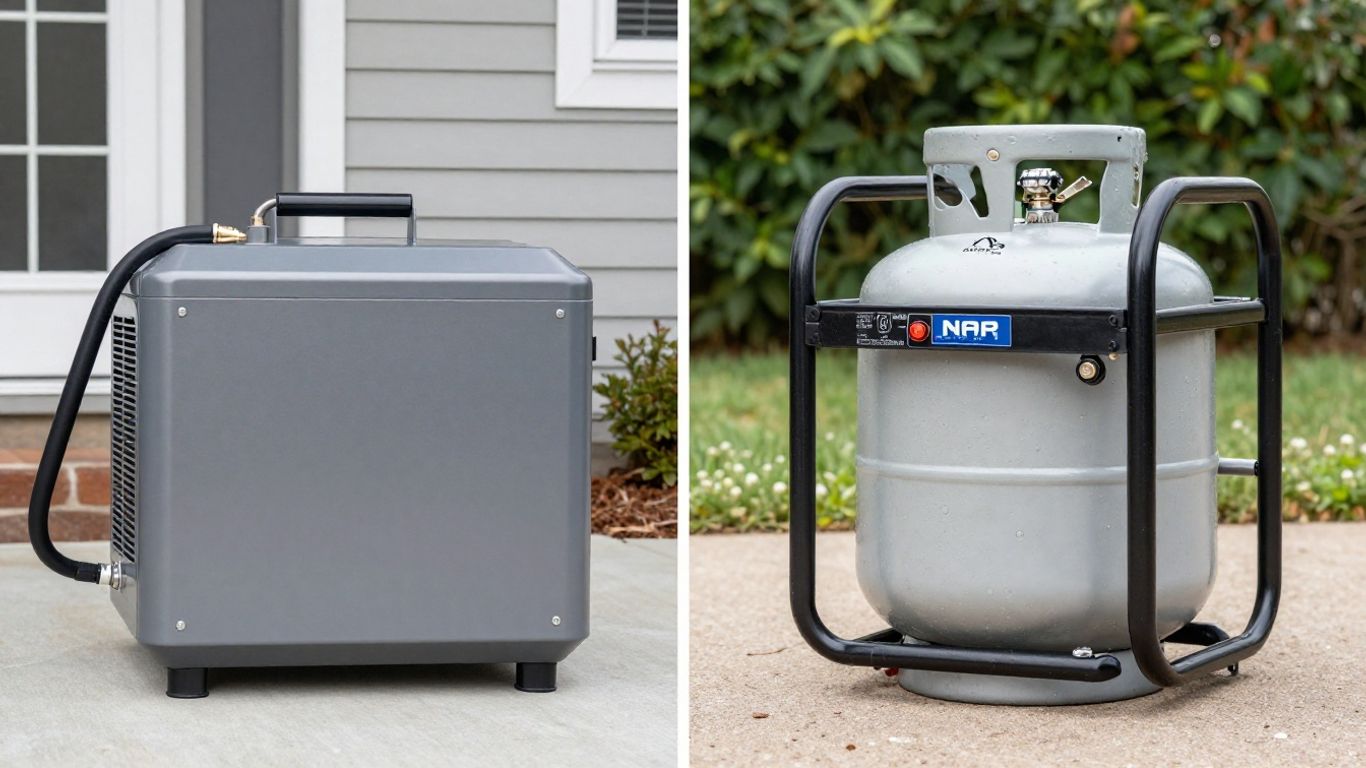
When you’re figuring out which generator fuel option is best for your home, think about how much power you actually need and how often you’ll be using it. It’s not a one-size-fits-all situation, you know? A small portable unit for occasional camping trips will have totally different fuel needs than a big standby generator that kicks in during a week-long blackout. For instance, a 10-kilowatt generator might sip about 2.2 gallons of propane per hour, but that number can change quite a bit depending on the load. Understanding these consumption patterns helps you estimate how much fuel you’ll need to store and how often you’ll be refilling or swapping tanks. It’s all about matching the generator’s appetite to your power demands.
Portability Versus Stationary Power Needs
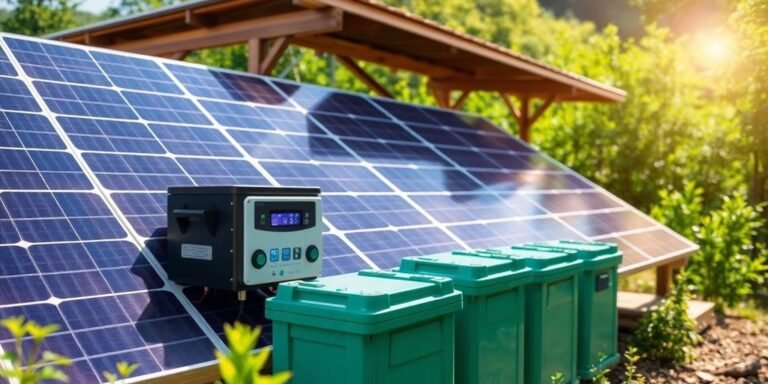
This is where the rubber meets the road, or rather, where the generator sits. If you need a generator you can haul to a job site or take camping, gasoline often wins because it’s readily available at almost any gas station. You can just top it off and go. But if you’re setting up a permanent standby generator for your house, propane or even natural gas might be a better fit. Propane tanks can be refilled or exchanged, and they store well for long periods without degrading. Natural gas, if you have a line to your home, is incredibly convenient because you don’t have to worry about fuel storage at all. It’s about convenience versus mobility. For those looking to maximize renewable energy, combining solar panels with a generator can be a smart move, reducing reliance on fossil fuels [9ad2].
Considering Dual Fuel Generator Options
What if you can’t quite decide? Well, you’re in luck! Many modern generators are built as dual-fuel models. This means they can run on either gasoline or propane. This gives you a lot of flexibility. If gas stations are open and you need power fast, you can use gasoline. If you’ve stored propane for emergencies and want to keep your generator running cleanly for longer, you can switch to propane. It’s like having a backup for your backup fuel. This kind of adaptability is super useful, especially when you’re not sure what the situation will be during an outage. It really covers your bases when looking at different [home generator fuel options].
Choosing the right fuel isn’t just about the generator itself; it’s about your lifestyle, your location, and your peace of mind during unexpected events. Think about how easy it is to get fuel where you live, how much space you have for storage, and how much maintenance you’re willing to do. Sometimes, the most obvious choice isn’t the best one for your specific circumstances.
Here’s a quick rundown to help you decide:
- Portability: Gasoline is king for easy transport and quick refueling on the go.
- Long-Term Storage: Propane wins here, as it doesn’t degrade over time like gasoline.
- Convenience (Standby): Natural gas offers a continuous supply if your home is connected to a pipeline.
- Flexibility: Dual-fuel generators give you the best of both worlds.
- Environmental Impact: Propane generally burns cleaner than gasoline.
Conclusion
So, when it comes down to picking between a gas or propane generator, there’s no one-size-fits-all answer. Each has its own set of pros and cons. Gas generators are easy to refuel and you can find gas almost anywhere, which is super handy if you’re in a pinch. But, you’ll have to deal with more maintenance and the fuel doesn’t last as long in storage. Propane, on the other hand, burns cleaner and stores pretty much forever, making it great for emergencies or if you don’t want to worry about your fuel going bad. The tradeoff is that propane can be a bit trickier to find and set up, and it might not work as well in really cold weather. Some folks even go for dual fuel generators just to keep their options open. At the end of the day, it really comes down to what’s most important for you—convenience, cost, storage, or just peace of mind. Take a look at your needs and what’s available in your area, and you’ll be able to make the right call for your situation.
Frequently Asked Questions
Which is safer to store, propane or gasoline?
Propane is generally safer to store than gasoline. Propane is kept in strong, sealed tanks that are less likely to leak or catch fire. Gasoline, on the other hand, is very flammable and can go bad after a few months, making it riskier to keep around for long periods.
Does propane or gas last longer in storage?
Propane lasts much longer in storage than gasoline. If stored properly, propane can last almost forever without going bad. Gasoline starts to break down after about 3 to 6 months unless you add a special stabilizer to it.
Which generator is better for cold weather, propane or gas?
Gasoline generators usually start more easily in cold weather compared to propane generators. Propane can have trouble flowing when it’s really cold, which can make it harder to get your generator running.
Are propane generators quieter than gas generators?
Yes, propane generators are often quieter than gas generators. This is because propane burns cleaner and doesn’t cause as much engine noise or vibration during use.
Is it cheaper to run a generator on propane or gasoline?
The cost depends on where you live and current fuel prices. Gasoline is usually cheaper to buy at first, but its price can change a lot. Propane might cost a bit more per gallon, but it burns cleaner, so your generator may last longer and need less maintenance, which could save you money over time.
Can I get a generator that uses both propane and gasoline?
Yes, you can! These are called dual-fuel generators. They let you switch between propane and gasoline, giving you more flexibility if one type of fuel is hard to find. Dual-fuel generators are great for emergencies or travel because you can use whatever fuel is available.