Propane vs. Diesel Generators: Which is Best for Your Power Outage?
The lights go out, and suddenly everything stops. It’s a familiar feeling for many of us, especially when severe weather hits. Having a backup generator can make a huge difference, keeping your home running smoothly. But with different fuel types out there, like propane and diesel, picking the right one can feel a bit confusing. Let’s break down the propane vs. diesel generator for emergency power debate to help you make a smart choice for your home.
Key Takeaways
- Propane generators are often better for home use because they burn cleaner, run quieter, and have an unlimited shelf life. Plus, propane suppliers can usually deliver fuel even when the power is out.
- Diesel generators offer higher energy density and their engines tend to be more durable, potentially lasting longer with proper maintenance.
- When comparing fuel costs, diesel might seem cheaper per unit, but propane can be more cost-effective over time due to less maintenance and better storage.
- Safety is a consideration for both; propane carries an explosion risk if leaked, while diesel is less flammable but has hazardous exhaust fumes.
- Dual-fuel generators offer flexibility, allowing you to switch between fuels like propane and gasoline, which can be a good option for areas with unpredictable outages.
Understanding Your Generator Fuel Options
When the power goes out, having a reliable backup generator is a lifesaver. But not all generators are created equal, and a big part of that difference comes down to the fuel they use. We’re going to look at propane versus diesel, which are the most common choices for serious backup power. It’s not just about picking one; it’s about figuring out which fuel makes the most sense for your specific situation. This decision impacts everything from how much power you get to how much maintenance you’ll be doing.
Propane vs. Diesel Generator For Emergency Power
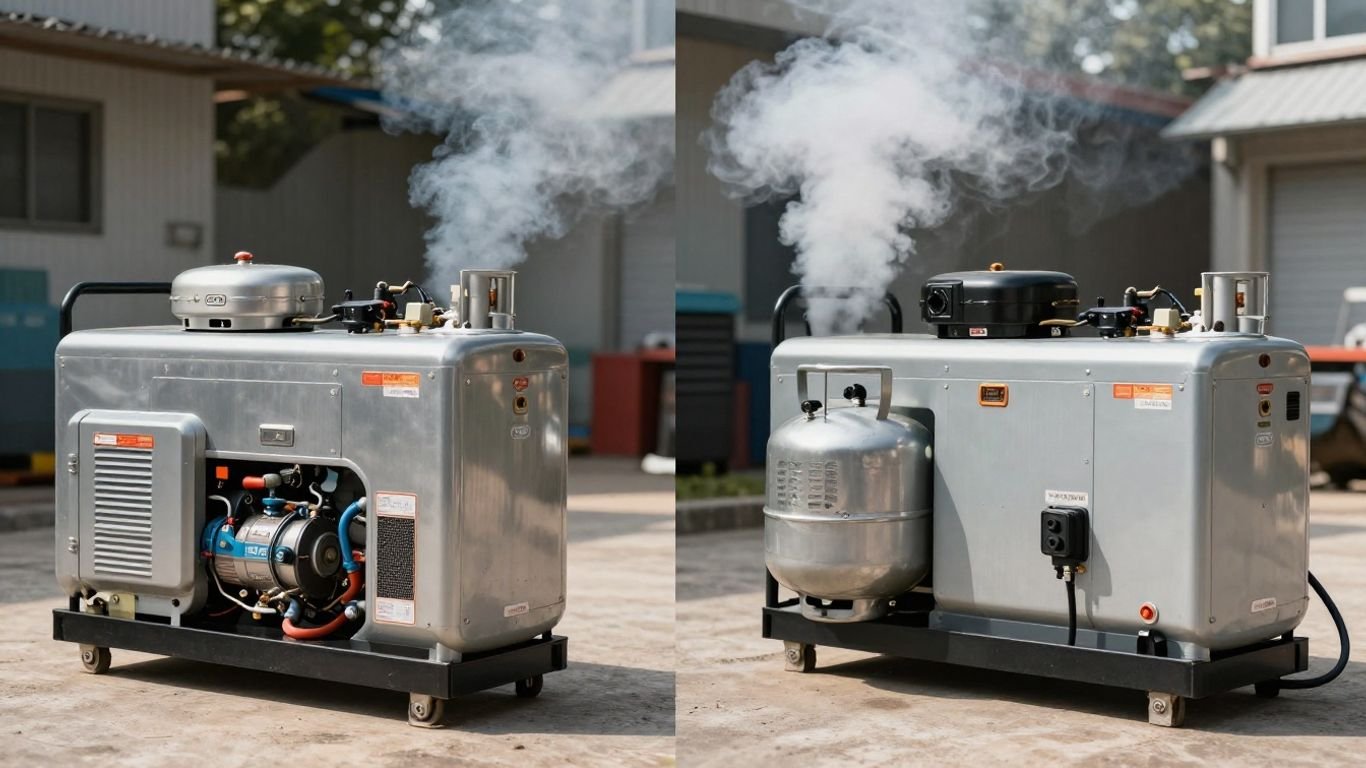
Choosing the best fuel for backup generator needs can feel a bit overwhelming at first. You’ve got propane and diesel, and both have their fans. Think about it like this: propane is like a clean-burning, easy-to-store option, while diesel is often seen as the heavy-duty workhorse. For emergency generator fuel comparison, it’s important to know that diesel generally packs more energy per gallon than propane. This means a diesel generator might run longer on the same amount of fuel, or produce more power. On the flip side, propane burns a lot cleaner and doesn’t degrade over time like diesel can.
Key Considerations for Fuel Selection
So, what really matters when you’re trying to decide? A few things come to mind.
- Energy Content: How much power can you get from a gallon of fuel? Diesel usually wins here.
- Storage: How long does the fuel last, and how easy is it to keep on hand? Propane stores practically forever, which is a big plus.
- Availability: Can you get more fuel when you need it, especially during a widespread outage? This can vary by location.
- Environmental Impact: Which fuel is better for the air and ground? Propane is generally considered cleaner.
- Cost: This isn’t just about the price per gallon, but also how much fuel you use over time. Diesel generators are often more fuel-efficient.
The choice between propane and diesel isn’t a one-size-fits-all answer. It really depends on your priorities, like long-term cost, environmental concerns, or simply having fuel readily available when the grid goes down.
Homeowner vs. Business Needs
For homeowners, the decision might lean towards propane. It’s often easier to store in tanks connected to your home’s heating system, and it burns cleaner, which is nice if your generator is close to the house. Plus, propane doesn’t go bad, so you don’t have to worry about fuel degrading over years of sitting in a tank. Businesses, especially those with large operations or a constant need for power, might find diesel more appealing. The higher energy density means potentially longer run times and less frequent refueling for heavy-duty use. Also, diesel engines are known for their durability and longer lifespans, which can be a significant factor for commercial operations where downtime is costly.
Propane Generator Advantages
When you’re thinking about backup power, propane generators bring a few things to the table that are pretty appealing. For starters, they’re known for being cleaner. The way propane burns means fewer nasty emissions compared to other fuels. This is good for the air around your home and can be a big deal if you live in an area with strict air quality rules. It’s a definite plus if you’re trying to be a bit more eco-conscious.
Cleaner Emissions and Environmental Impact
Propane is one of the cleanest burning fuels out there. When it combusts, it produces significantly less carbon monoxide and particulate matter than diesel or gasoline. This means less pollution in the air, which is better for everyone’s health and the environment. In places where diesel engines might be restricted due to emissions, a propane generator can often keep running without issue. It’s a solid choice for reducing your carbon footprint.
Extended Shelf Life and Storage
One of the really convenient things about propane is how long it lasts. Unlike gasoline, which can go bad over time, propane doesn’t degrade. You can store it in tanks for ages, and it’ll still be ready to go when you need it. This means you can fill up a tank and not worry about it going stale, even if you only use your generator once a year. You can get propane in various tank sizes, from small portable ones to larger stationary tanks, making storage pretty flexible. This long shelf life is a big part of the propane generator pros and cons discussion.
Availability During Power Outages
Propane has a distinct advantage when the power grid goes down. While diesel and gasoline often rely on electrical pumps at gas stations, which won’t work during an outage, propane can still be accessed. Propane suppliers can often deliver fuel even when electricity is out, and you can keep tanks on your property. This makes it a reliable option when you can’t get to a traditional fuel source. It’s a key difference when comparing natural gas vs propane generator options for emergency preparedness.
Diesel Generator Advantages
Higher Energy Density and Fuel Efficiency
Diesel generators often get the nod when it comes to raw power and how long they can run on a tank of fuel. Diesel fuel packs more energy per gallon than propane. This means, generally speaking, a diesel generator can run longer and produce more power for the same amount of fuel compared to a propane unit. For folks needing a robust diesel generator for home backup, this fuel efficiency can translate into significant savings over time, especially during extended power outages. It’s a big reason why many businesses and larger operations lean towards diesel.
Engine Longevity and Durability
Diesel engines are built tough. They’re known for their robust construction and ability to withstand heavy use. This often means a longer overall lifespan for the engine compared to its propane counterparts. While they might need regular maintenance, a well-cared-for diesel engine can keep chugging along for many years, making it a reliable workhorse. This durability is a major plus if you’re looking for a generator that can handle demanding tasks or frequent use.
Availability and Ease of Access
Diesel fuel is pretty common. You can find it at most gas stations, making it relatively easy to refuel your generator. In many areas, diesel is widely distributed, which can be a big advantage, especially if you’re in a more remote location. While propane is also generally available, diesel’s widespread use means you’re less likely to run into a situation where you simply can’t find any. This accessibility is a key factor for many when choosing a backup power source, especially for a reliable diesel generator for home backup.
When considering a generator, think about where you’ll be getting your fuel, especially during an emergency. While both propane and diesel have their supply chains, diesel’s commonality at fueling stations can be a significant advantage if widespread power outages affect fuel pumping capabilities at some locations.
Comparing Performance and Maintenance
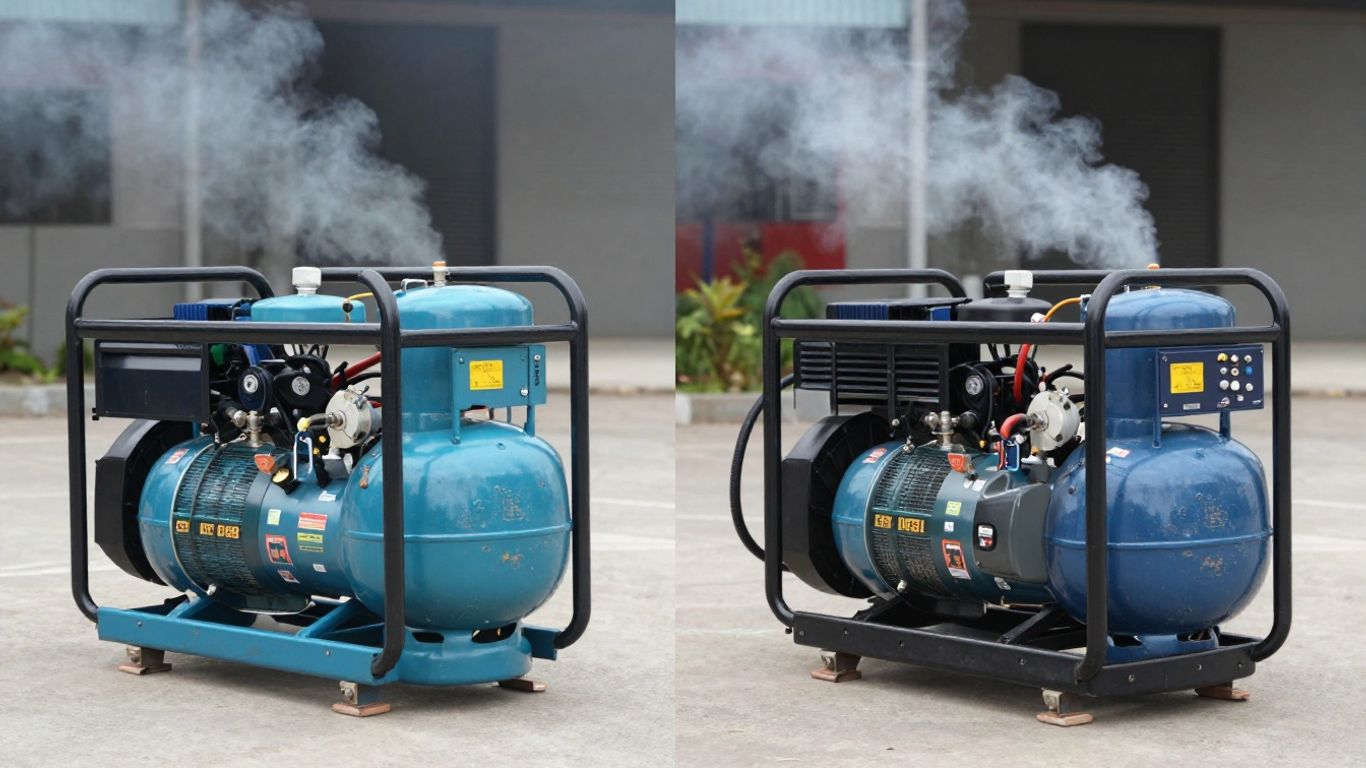
Choosing between propane and diesel generators comes down to more than just picking a fuel source. Let’s break down the main points that actually make a difference in performance, ongoing costs, and how much work is needed to keep these machines running.
Fuel Consumption and Cost-Effectiveness
Diesel generators squeeze out more power for each gallon of fuel compared to propane. This higher energy density means you’ll often spend less on diesel to get the same run time and output, especially during long or intense outages.
Here’s a quick table based on average outputs and prices:
| Fuel Type | kWh Produced per Gallon | Typical Price per Gallon | Cost per kWh (approx.) |
|---|---|---|---|
| Diesel | 33 | $2.40 | $0.073 |
| Propane | 27 | $2.40 | $0.088 |
- Diesel is about 20% cheaper per kWh produced, but actual savings depend a lot on current local fuel prices and delivery logistics.
- For farms and remote work sites, where fuel deliveries can be costly or complicated, the lower consumption of diesel adds up over time.
- Homeowners may notice the higher fuel costs with propane during extended blackouts.
Maintenance Schedules and Engine Lifespan
If you hate frequent maintenance, diesel might win you over—oil changes are needed every 500 hours (compared to every 100 hours on most propane units). Fewer moving parts mean less can break, and there are no spark plugs or carburetors to worry about with diesel.
But, propane engines do have some perks:
- They run much cleaner, so less soot and grime build up over time.
- There’s no risk of fuel gumming up the system after long storage gaps.
- Propane isn’t as hard on mechanical parts, but the engines don’t typically last as long as diesel ones.
When you add up maintenance costs, downtime, and repairs, the diesel engine’s longer lifespan and less frequent servicing make it the favorite for businesses and large sites that need steady backup power for years.
Noise Levels and Operational Sound
- Diesel generators are known to be louder, but newer models have improved mufflers and run at lower RPMs—many around 1,800 RPM, which helps dial down the sound. Still, you’ll notice the rumble, especially on a quiet night.
- Propane models tend to hum along quietly. This can be important if you’re using the generator near bedrooms, offices, or livestock areas.
For a detailed breakdown on how noise level, efficiency, and other factors compare, check out this cost, efficiency, and maintenance comparison.
Real-World Scenarios
For Homes:
- Most homeowners pick propane for quieter operation, cleaner emissions, and easier long-term storage.
- Regular maintenance is a must, since shorter intervals can add up over the years.
For Farms:
- Diesel is common where big, industrial-sized generators are necessary. Fuel efficiency and engine toughness matter most when running equipment and climate controls during long outages.
For Remote Sites:
- Diesel’s long engine life and less delicate storage needs make it the go-to on job sites far from town.
- Propane isn’t a bad choice if delivery is simple, but fuel costs can be higher and require more frequent refill trips.
When prepping for the next outage, think about how often you’ll need backup power, what you’ll be running, and how much tinkering you’re willing to do. The right choice depends on your setting and how you balance noise, price, and effort.
Safety and Storage Considerations
When you’re thinking about generators, safety and how you’ll store the fuel are big deals. It’s not just about having power when the lights go out; it’s about doing it without causing a fire or breathing in nasty fumes.
Flammability Risks and Safety Precautions
Both propane and diesel have their own safety quirks. Propane, being a gas, can be a fire hazard if it leaks and ignites. You always want to run these generators outside, far away from windows and doors, to keep carbon monoxide from building up inside your home. Never, ever run a generator in an enclosed space like a garage or basement. Diesel, while less prone to explosion, still produces hazardous exhaust. Proper ventilation is key for both fuel types.
Here are some basic safety tips:
- Always operate generators outdoors and at least 20 feet away from any structure.
- Keep generators away from flammable materials.
- Ensure the generator is on a level surface to prevent tipping.
- Store fuel in approved containers and away from heat sources.
Storage Tank Requirements
How you store your fuel depends on the type. Propane is usually stored in tanks, ranging from small portable ones to larger, permanently installed tanks. If you’re going with a big tank, it’s a good idea to have it installed by a professional to avoid leaks. Diesel fuel is typically stored in dedicated tanks, which can also be above or below ground. For homes, especially those in more remote areas, having a reliable fuel supply is important. For farms or businesses with large equipment, existing diesel tanks might already be in place, simplifying things. For those looking at off-grid living, securing a consistent fuel source is a major part of the plan.
Cold Weather Performance
This is where propane and diesel can act differently. Propane can sometimes be a bit sluggish to start in really cold weather, though modern generators handle this much better than they used to. Diesel engines are also known to have starting issues in the cold, and the fuel itself can gel up, making it hard to pump. If you live somewhere with harsh winters, you’ll want to look into generators specifically designed for cold climates or consider fuel additives for diesel. For propane, ensuring you have the right tank size and pressure can help with cold-weather performance. It’s worth checking the manufacturer’s specs for cold-weather operation, especially if you’re relying on it for critical backup power.
When planning for power outages, especially in areas prone to extreme weather, consider the fuel’s behavior in different temperatures. What works perfectly in summer might need extra attention when winter arrives. Thinking ahead about fuel storage and generator operation in cold conditions can save a lot of hassle when you need power the most.
Choosing the Right Generator for Your Needs
Every situation calls for a different backup power setup, especially when the stakes (and needs) keep changing depending on whether you’re at home, running a farm, or trying to keep a remote site humming along. Let’s compare how propane and diesel generators actually stack up in these different real-world scenarios, and weigh a few important points before you decide.
Scenario-Based Comparisons
Different settings have different priorities. Here’s a quick rundown of which type of generator may fit best depending on where (and how) you’ll use it:
| Setting | Propane Generator | Diesel Generator |
|---|---|---|
| Home | Cleaner, quieter, safer for indoor/nearby use. Great for periodic outages where shelf life matters. | Runs longer, slightly noisier, requires careful storage; best for homes with lots of power needs/routine long outages. |
| Farm | Flexible fuel, decent shelf life, good for intermittent power. | Preferable for irrigation, well pumps, and larger equipment that need heavy-duty, reliable power. |
| Remote Site | Easy to store fuel, works in cold; easy deliveries. | Superior runtime, less frequent refueling, durable for continuous power in tough conditions. |
Homeowners – Go Propane for Peace of Mind
- Propane wins for most homes: it’s quieter, the fuel never expires, and it’s safer to store close by.
- No power? Propane can be delivered even during an outage.
- Modern propane generators have gotten faster to start too—important in cold climates. See more about quick starts on propane generator options.
Farms and Ranches – Balance Fuel Access With Output
- Farms often have large diesel tanks already for tractors, making diesel a logical and efficient choice.
- Propane is an easy backup, especially if you use it for other equipment.
- Diesel’s higher energy density means less frequent refilling—big plus for pumping and big electrical loads.
Remote or Off-Grid Applications – Storage Is King
- Propane tanks can sit for years without degradation. If you visit only occasionally, this matters.
- Diesel runs longer, but the fuel goes bad after a year or two unless carefully maintained.
- Both types need external tanks, but for extended stays or critical use, diesel is tough to beat for duration—unless you’re worried about maintenance.
If you’re not sure how often you’ll need backup power, propane is a set-it-and-forget-it option—but for nonstop, heavy-duty jobs, diesel is still the workhorse.
Long-Term Serviceability
- Diesel engines generally outlast propane and require less frequent oil changes (every 500 hours vs. about 100 for propane). There’s less to break: no spark plugs or carburetor to worry about.
- Maintenance costs for propane are lower, but you’ll have to do it more frequently.
- Both can last for decades with routine care, especially in standby setups.
Dual-Fuel Generator Capabilities
Sometimes, the sweet spot is a blend. Dual-fuel models let you switch between propane and gasoline or sometimes diesel. Handy if:
- Fuel delivery is unpredictable (for example, during natural disasters).
- Long outages are possible and you don’t want to run out of one type too soon.
- You want flexibility—propane when it’s available, diesel or gas when it isn’t.
These units work especially well for homeowners and small businesses that need options during long blackouts. If fuel availability is even a little uncertain, dual-fuel makes sense. Here’s a good comparison of runtimes and maintenance intervals if you’re weighing multi-fuel choices.
The right generator depends on your power needs, fuel storage situation, and how often you expect to lose electricity. If you prioritize clean storage, go propane. If total runtime is your worry, diesel might serve you better. If you want some assurance no matter what, dual-fuel units give you both peace of mind and flexibility.
So, Which Generator Wins?
Alright, so we’ve looked at both propane and diesel generators. For most folks just trying to keep the lights on at home during a storm, propane seems like the way to go. It’s cleaner, quieter, and you don’t have to worry about the fuel going bad. Plus, getting propane delivered when the power’s out is usually easier. Diesel generators are tough and can run for a long time, making them great for big jobs or places that need power constantly, but they can be noisy, smellier, and a bit trickier to get fuel for when things get rough. Think about what you need most – convenience and a cleaner burn, or raw power and longevity – and that should point you to the right choice for your situation.
Frequently Asked Questions
Which generator fuel is better for a home during a power outage: propane or diesel?
For most homes, propane is often the better choice. It burns cleaner, which means less pollution. Plus, propane doesn’t go bad over time, so you can store it for a long time without worrying about it spoiling. Another big plus is that propane suppliers can still deliver fuel even if the power is out, unlike diesel which needs electricity to be pumped.
How long can I store propane and diesel fuel?
Propane can be stored for a very long time, basically forever, as long as it’s kept in a proper tank. Diesel fuel, on the other hand, has a shorter shelf life. It typically lasts about 18 to 24 months before it starts to break down, especially if it’s not stored with special additives.
Are propane generators or diesel generators easier to get fuel for during an emergency?
Propane is generally easier to get during a widespread power outage. Propane delivery services can still operate because they don’t rely on the electrical grid to pump fuel. Diesel, however, often requires electricity to power the pumps at gas stations, making it harder to get when the power is down.
Which type of generator is more environmentally friendly?
Propane generators are considered more environmentally friendly because propane burns much cleaner than diesel. This means they produce fewer harmful emissions and less pollution, which is better for the air quality around your home or business.
Do diesel generators last longer than propane generators?
Diesel engines are known for their toughness and can often last for a very long time, sometimes for decades, with proper care. They have fewer parts that can wear out compared to some propane engines. However, propane generators also offer a long lifespan and may require less frequent maintenance in certain situations.
What about noise levels? Are propane or diesel generators quieter?
Propane generators are generally quieter than diesel generators. If you’re looking for a backup power source that won’t disturb your neighbors or your own peace, a propane generator might be the better option. Diesel generators tend to have a more noticeable and continuous rumble.