Homeowner’s Grid Down Survival Guide
So, the power’s out. For a few hours, maybe a few days. It happens. And when it does, you don’t want to be caught off guard. Having a solid plan and the right stuff ready can make all the difference between a stressful mess and just a minor inconvenience. We’re talking about being ready for when the lights go out, whether it’s a quick blip or something longer. This guide is all about getting your home ready, so you can stay safe and comfortable, no matter what.
Key Takeaways
- Make a list of what you’ll need for a grid down situation. Think water, food, lights, and ways to stay warm or cool.
- Figure out how you’ll get power if the grid goes down, like with a generator or solar setup.
- Stock up on water and know how to clean it if you need to.
- Keep a good supply of non-perishable food and think about how you’ll cook it without electricity.
- Have ways to get news and talk to family when regular phones might not work.
Creating a Comprehensive Grid Down Checklist for Homeowners
When the lights go out and stay out, having a solid plan and the right gear makes all the difference. It’s not about being a survival expert; it’s about being smart and prepared. Think of this checklist as your starting point for building an off-grid living supplies list that fits your household. We’ll break down what you need to think about, from the basics to more specific items.
Identifying Essential Supplies and Equipment
This is where you start gathering the building blocks for your grid-down readiness. It’s easy to get overwhelmed, so let’s focus on categories. You’ll want to think about water, food, first aid, power, and communication. Don’t forget things like sanitation and tools, too. A good way to start is by looking at what you use every day and figuring out how you’d manage without it.
- Water: Stored water, purification tablets, filters.
- Food: Non-perishable items, manual can opener, cooking supplies.
- First Aid: A well-stocked kit, any personal medications.
- Power: Flashlights, batteries, candles, generator fuel (if applicable).
- Communication: Battery-powered or hand-crank radio.
- Sanitation: Toilet paper, trash bags, hand sanitizer.
- Tools: Basic repair kit, multi-tool.
Developing Household Emergency Plans
A checklist is great, but a plan is what makes it work. Who does what? Where do you meet if you get separated? How do you communicate if cell towers are down? These are questions you need to answer before an emergency strikes. Sit down with everyone in your household and talk through different scenarios. Make sure everyone knows their role and understands the plan. Having a printed copy of your plan, stored somewhere accessible, is a good idea.
Having a clear, practiced plan reduces panic and confusion when stress levels are high. It gives everyone a sense of purpose and direction.
Prioritizing Needs for Short-Term and Long-Term Outages
Not all grid-down situations are the same. A brief power flicker is different from a weeks-long outage. Your checklist and plan should account for both. For short-term needs, focus on immediate comfort and safety: light, basic communication, and keeping essential devices charged. For longer outages, you’ll need to think about sustained water, food, sanitation, and potentially heating or cooling. Consider what your absolute must-haves are for 72 hours, then for a week, and then for longer periods. This helps you budget your supplies and focus your efforts.
| Duration | Priority Needs |
|---|---|
| 1-3 Days | Water, food, light, basic first aid, communication |
| 3-7 Days | Sustained water, more food, sanitation, power |
| 1 Week+ | Long-term food, water purification, medical needs |
Thinking through these different scenarios will help you build a truly robust off-grid living supplies list. It’s about being ready for what might happen, not just what you hope will happen. Remember, preparation is an ongoing process, not a one-time event. You might also want to look into reliable generators and fuel storage as part of your long-term power strategy.
Securing Power and Backup Energy Solutions
When the lights go out and stay out, having a plan for power is pretty important. It’s not just about keeping the TV on; it’s about keeping your fridge cold, your medical equipment running, and your home safe. Thinking about backup power before you need it can make a huge difference.
Choosing Reliable Generators and Fuel Storage
Generators are a common choice for backup power. They can run on gasoline, propane, or diesel. When picking one, think about what you need to power. A small generator might run a few lights and a fridge, while a larger one could power your whole house. Don’t forget to factor in fuel storage. You’ll need a safe place to keep extra fuel, and you’ll need to rotate it out because gasoline can go bad over time. Propane stores longer and is generally cleaner burning. Always follow safety guidelines when operating a generator – never run it indoors or in an attached garage due to carbon monoxide risks.
- Generator Sizing: Calculate your wattage needs for essential appliances.
- Fuel Type: Consider availability, storage, and burn time (gasoline, propane, diesel).
- Maintenance: Regular checks and run-time are key to reliability.
- Safety: Proper ventilation and grounding are non-negotiable.
Implementing Solar Panels and Battery Banks
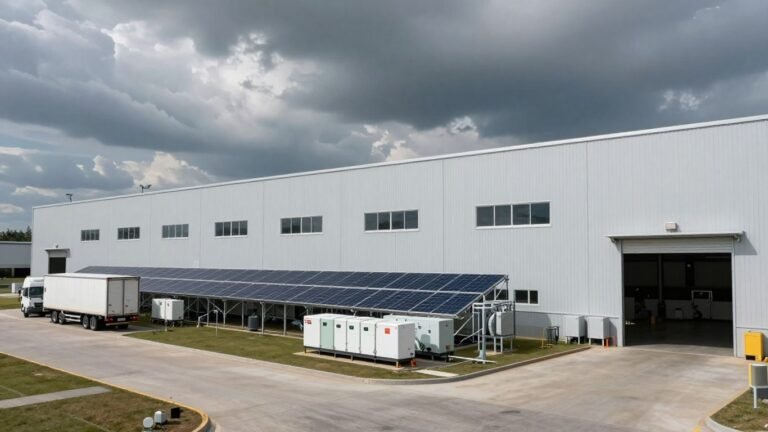
Solar power is another great option, especially for longer-term preparedness. You can set up solar panels to charge a battery bank. This way, you generate your own electricity. Even without direct sunlight, a good battery system can store power for use at night or during cloudy spells. You can get systems that are just for backup, or you can integrate them with your home’s grid connection. A whole-house battery backup system can keep your lights on and appliances running without needing solar panels to recharge, but they do rely on the grid for power during extended outages [9f74].
- System Size: Match panel output and battery capacity to your energy needs.
- Installation: Professional installation is often recommended for safety and efficiency.
- Maintenance: Panels need cleaning, and batteries have a lifespan.
Safe Use of Alternative Heating and Lighting Sources
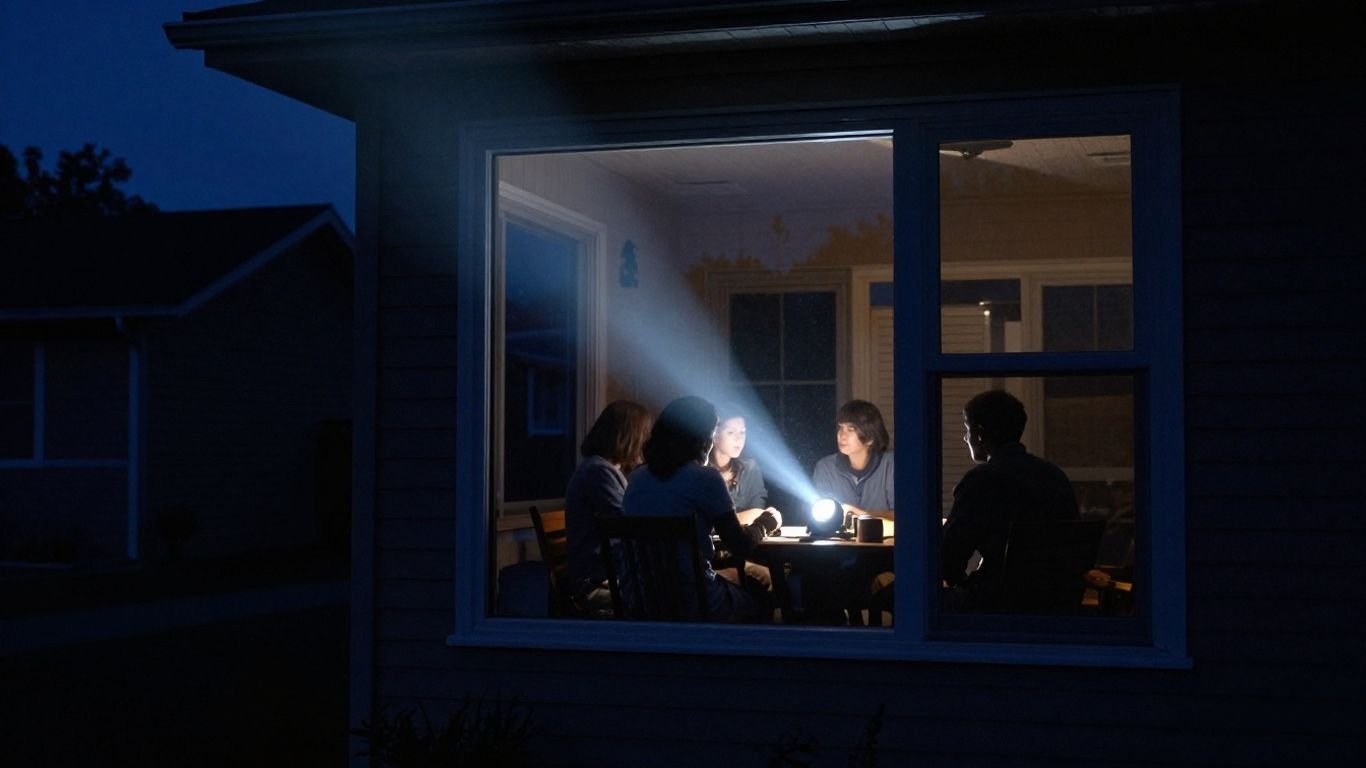
When the power is out, you’ll need ways to stay warm and see. Kerosene heaters or propane heaters can provide heat, but they require good ventilation to prevent carbon monoxide buildup. Always have working carbon monoxide detectors. For lighting, LED flashlights and battery-powered lanterns are good choices. Candles can work, but they are a fire hazard, so use them with extreme caution and never leave them unattended. Having a good stock of extra batteries for all your devices is also a smart move.
When considering alternative heating, prioritize safety above all else. Ensure adequate ventilation and always use detectors for carbon monoxide and smoke. Never use outdoor heating devices indoors.
Having a plan for power outages is a big part of being ready. It gives you a sense of control when things feel out of control. Exploring these options now can save a lot of stress later [1d17].
Water Safety and Emergency Storage Preparation
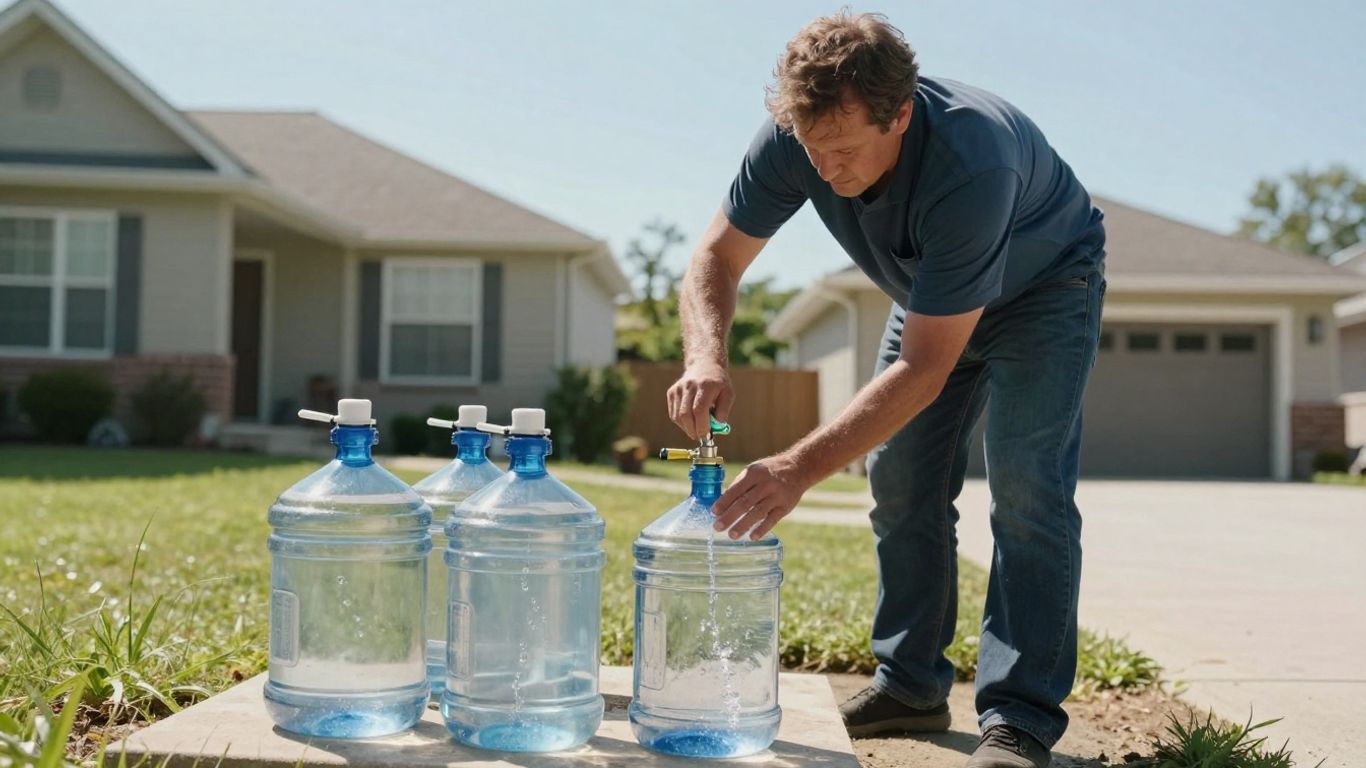
When the power goes out, keeping your household supplied with safe drinking water becomes a top priority. It’s not just about having a few bottles on hand; it’s about a solid plan for both short-term needs and longer grid-down scenarios. This is a key part of your overall home survival kit essentials.
Storing and Rotating Drinking Water Supplies
For basic emergency preparedness for home, aim to store at least one gallon of water per person, per day, for a minimum of three days. For longer outages, you’ll want much more. Use food-grade plastic containers, or even specialized water barrels. Make sure to label each container clearly with the date it was filled. It’s really important to rotate this supply every six months to keep it fresh. Store containers in a cool, dark place, ideally between 50°F and 70°F. This helps maintain water quality and prevents plastic from degrading too quickly.
Water Filtration and Purification Methods
What if you run out of stored water? You’ll need ways to make found water safe. Simple water filters, like those used for camping, can remove sediment and some contaminants. For more thorough purification, boiling water for at least one minute is a reliable method. Chemical treatments, such as iodine tablets or unscented household bleach (use about 8 drops per gallon, stir, and let sit for 30 minutes), can also kill most harmful microorganisms. Having a few different methods in your disaster readiness for families plan gives you options.
Managing Wastewater During Power Outages
Don’t forget about wastewater. Toilets won’t flush without power, and sinks might back up. Keep a supply of disposable wipes and hand sanitizer for hygiene. For toilet needs, you can use a bucket with a tight-fitting lid, lined with a heavy-duty trash bag. Adding some kitty litter or sawdust to the bag can help absorb odors and liquids. Proper disposal of this waste is important to prevent health hazards.
Dealing with water during an emergency requires foresight. Storing enough, knowing how to clean questionable sources, and managing waste are all critical steps to keeping your household healthy and safe when the grid fails.
Food Storage and Preparation Without Power
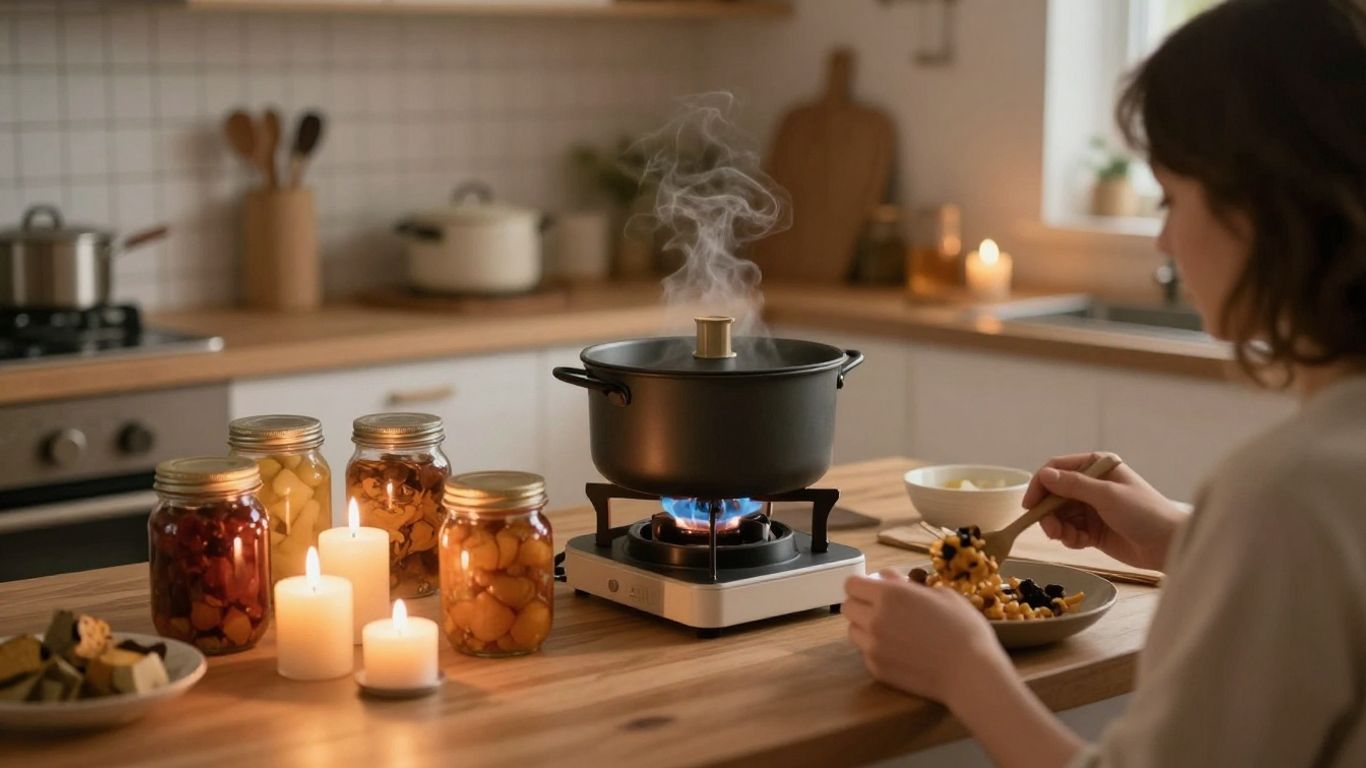
When the lights go out, keeping your family fed becomes a top priority. Thinking ahead about food storage and how you’ll cook without electricity is a big part of preparing for power outages. It’s not just about having cans of beans; it’s about having a plan.
Building a Non-Perishable Food Pantry
Start by stocking up on foods that don’t need refrigeration and have a long shelf life. Think canned goods like fruits, vegetables, soups, and meats. Also, consider dried goods such as pasta, rice, beans, and oats. Don’t forget items like peanut butter, honey, and jerky. It’s a good idea to rotate your stock, using older items first and replacing them. This way, you always have fresh supplies. Aim for at least a three-day supply for everyone in your household, but longer is better if you have the space.
- Canned meats, fish, and poultry
- Canned fruits and vegetables
- Canned soups and stews
- Peanut butter and jelly
- Rice, pasta, and dried beans
- Oatmeal and other breakfast cereals
- Crackers and hardtack
- Energy bars and trail mix
- Powdered milk and juice
Safe Cooking Options During Grid Failure
Cooking without power means looking at alternative methods. A propane camp stove or a charcoal grill can be lifesavers. Make sure you have plenty of fuel for these. If you have a fireplace or wood-burning stove, these can also be used for cooking, but be mindful of ventilation. Always cook in a well-ventilated area to avoid carbon monoxide poisoning. Grilling outside is a safe bet, but remember to keep a fire extinguisher handy.
Using a generator for cooking appliances is an option, but it’s often more practical and safer to use dedicated cooking devices that don’t rely on your home’s electrical system. This also conserves generator fuel for other critical needs.
Maintaining Food Safety Without Refrigeration
Keeping food safe when the fridge is off is tricky. For refrigerators, food stays safe for about four hours if the doors stay closed. Freezers can keep food frozen for about 48 hours if they are full, or 24 hours if only half-full. Once food temperatures rise above 40°F (4°C), bacteria can multiply rapidly. Discard any perishable food that has been above this temperature for more than two hours. When in doubt, throw it out. This is why having a good stock of non-perishable items is so important for preparing for power outages.
Communication Tools and Information Gathering
When the power goes out, especially for an extended period, staying connected and informed becomes a real challenge. Traditional cell towers and internet services rely on electricity, so they might not be available. Having a plan for communication is just as important as having food and water.
Staying Informed with Emergency Radios and Scanners
Forget about scrolling through social media. When the grid is down, your best bet for reliable news and updates is a good old-fashioned radio. Look for a battery-powered or hand-crank emergency radio. Many of these also come with NOAA weather alerts, which can be a lifesaver if severe weather is part of the reason for the outage. A scanner can also be useful, allowing you to listen in on local emergency services like police and fire departments. This can give you a real-time picture of what’s happening in your area, though remember that information might be fragmented or require some interpretation.
- Battery-powered AM/FM/NOAA radio: For general news and weather.
- Hand-crank radio: A backup power source if batteries die.
- Emergency scanner: To monitor local public safety communications.
Establishing Family Communication Protocols
It’s not just about having the tools; it’s about knowing how to use them to reach your family. Cell service might be spotty or completely gone. Think about setting up a communication plan before an emergency happens. This could involve designating an out-of-town contact person that everyone can check in with, as cell networks might be overloaded locally but still functional for longer distances. You might also agree on specific meeting points if you get separated and can’t communicate directly. Simple, clear protocols are key.
When planning, consider how you’ll communicate with different family members, including children or elderly relatives who might have specific needs or limitations.
Utilizing Mobile Apps and Offline Guides
Even without cell service, your smartphone can still be a powerful tool. Many apps are designed to work offline. You can download guides for first aid, survival skills, or even local maps beforehand. Some apps can even help you monitor emergency alerts if they use alternative communication methods or broadcast signals. Think of your phone as a digital library of preparedness knowledge that you can access even when you’re off the grid. Watchtower Survival Pro is one example of an app that offers offline guides and alerts.
- Download offline maps of your area.
- Store digital copies of important documents.
- Install survival and first-aid guide apps.
Home Security and Structural Safety During Outages
When the power goes out, your home’s defenses can change in an instant. It’s not just about staying warm or having light; it’s also about keeping your property secure. A grid-down scenario can unfortunately attract unwanted attention, so thinking about your home’s physical security is a smart move.
Securing Doors, Windows, and Entry Points
Start with the basics. Make sure all your doors have solid deadbolts. If you have older windows, consider adding extra locks or even security film. For sliding doors, a simple wooden dowel or metal bar placed in the track can stop them from being forced open. Think about reinforcing door frames, too, as they can be a weak point. It’s about making it harder for anyone to get in, buying you time and peace of mind.
- Check and reinforce door frames.
- Install secondary locks on windows.
- Use security bars for sliding doors.
Preventing Damage from Weather and Intruders
Beyond just keeping people out, you need to think about protecting your home from the elements and potential damage. During a prolonged outage, things like frozen pipes can become a real problem. Make sure you know how to shut off your main water valve. For intruders, visible security measures can be a deterrent. This could be as simple as keeping your yard tidy, trimming bushes near windows, and ensuring outdoor lighting (even battery-powered) is functional. If you have a security system, check its backup power capabilities. Many commercial systems can remain operational during power outages by utilizing backup power solutions like UPS units or battery backups [19ee].
Fire Safety and Smoke Detection Without Power
This is a big one. Smoke detectors and carbon monoxide detectors rely on electricity. During a grid-down event, you’ll need alternative ways to stay safe. Battery-powered smoke detectors are a must, and you should check their batteries regularly. Keep fire extinguishers accessible and know how to use them. If you’re using alternative heating or cooking methods, like a generator or a propane stove indoors, ventilation is absolutely key to prevent carbon monoxide buildup. Never use a generator inside your home or garage, and always follow the manufacturer’s instructions. Having a plan for how your family will exit the house quickly in case of a fire is also important.
When the grid fails, your home’s vulnerabilities can increase. Proactive steps to secure entry points and maintain safety systems are not just about comfort, but about protection.
Remember, preparedness is about covering all the bases. Thinking about security and structural safety is just as important as having food and water. You can find more general information on preparing for power cuts to help you stay informed and safe [61d4].
Staying Healthy and Managing Medical Needs
When the power goes out for an extended period, keeping yourself and your family healthy becomes a top priority. This isn’t just about having bandages; it’s about thinking through how you’ll manage ongoing medical conditions and maintain basic hygiene without modern conveniences.
Maintaining First Aid Supplies and Medications
Your regular first aid kit is a good start, but a grid-down situation calls for a more robust approach. Think about what you use regularly and what you might need if getting to a pharmacy is impossible. Stocking up on prescription medications is one of the most critical steps you can take.
- Prescriptions: Talk to your doctor about getting extra refills for any regular medications. Understand how to store them properly if refrigeration is needed and they lose power.
- Over-the-Counter (OTC) Meds: Include pain relievers, allergy meds, antacids, anti-diarrhea medication, and any personal remedies you rely on.
- First Aid Basics: Go beyond basic bandages. Include sterile gauze pads, medical tape, antiseptic wipes, antibiotic ointment, instant cold packs, tweezers, and scissors.
- Specialty Items: Consider items like burn cream, eye wash solution, and any specific medical supplies for family members (e.g., diabetic supplies, asthma inhalers).
It’s also a good idea to keep an up-to-date list of all medications, dosages, and allergies for each family member. This information is invaluable if you need to seek medical help or if someone else needs to administer care.
Caring for Vulnerable Family Members
If you have infants, elderly individuals, or people with chronic health conditions in your household, their needs will be amplified during a power outage. Planning for them requires extra attention.
- Infants: Ensure you have enough diapers, wipes, formula, and any necessary medications. Consider manual breast pumps if applicable. Keeping babies warm and clean without power can be challenging.
- Elderly: They may require specific medications, mobility aids, or special dietary needs. Think about how to keep them comfortable and safe, especially if they rely on medical equipment that needs power.
- Chronic Conditions: Individuals with conditions like diabetes, heart disease, or respiratory issues may need specialized care. This could include managing refrigerated medications, ensuring access to medical devices (like CPAP machines), or having a plan for emergency medical attention.
Planning for vulnerable family members means anticipating their unique challenges and having specific supplies and procedures in place to meet those needs. Don’t overlook the emotional support they might require as well.
Sanitation and Hygiene Solutions for Grid Down Events
Maintaining good hygiene is paramount to preventing the spread of illness, especially when water and power are scarce. This is where creative solutions come into play.
- Water Conservation: Designate water for drinking, cooking, and hygiene. Use hand sanitizer liberally when soap and water aren’t readily available. Consider using wipes for quick clean-ups.
- Waste Management: Without running water, flushing toilets becomes impossible. Set up a system for managing human waste, such as a bucket toilet with a tight-fitting lid, using absorbent material like sawdust or cat litter, and disposing of it safely away from your home. Proper disposal is key to preventing disease.
- Bathing: Sponge baths using minimal water and biodegradable soap can help maintain cleanliness. Consider collecting rainwater or using stored water for this purpose.
Having a plan for sanitation and hygiene can significantly reduce the risk of sickness during a prolonged outage, helping your family stay healthier overall. You can find helpful checklists and guides for emergency preparedness on apps like Watchtower Survival Pro.
Ready for What’s Next
So, we’ve gone over a lot of stuff, from fixing leaky pipes to making sure you have enough water and food if the power goes out for a while. It might seem like a lot, but remember, it’s not about being perfect. It’s about taking small steps to feel more secure in your own home. Think of it like getting your car ready for a long trip – you check the tires, the oil, and pack a few things. Doing a little bit now means you won’t have to panic later if something unexpected happens. Your home is your biggest investment, and keeping it running smoothly, especially when things get tough, is a smart move for you and your family. Start small, stay organized, and you’ll be much better off.
Frequently Asked Questions
What are the most important things to have ready for a power outage?
When the lights go out, having basic supplies makes a big difference. Think about things like water – a gallon per person per day is a good rule of thumb. Also, non-perishable food that doesn’t need cooking is key. Don’t forget a flashlight with extra batteries, a first-aid kit, and any necessary medications. A battery-powered radio is also super helpful to get news updates.
How can I keep my family safe and informed if the power is out for a long time?
For longer outages, it’s smart to have a plan. Talk with your family about where to meet if you get separated and how you’ll communicate if phones don’t work. Having extra batteries, a way to charge devices like a portable power bank or solar charger, and a weather radio are crucial for staying informed and connected.
What are the best ways to cook food without electricity?
There are several safe ways to cook without power. A portable camping stove that uses propane or butane is a popular choice. Grilling outside is another option, but make sure to do it safely away from the house. Even a well-ventilated fireplace can be used with proper precautions. Always prioritize safety and good airflow when cooking indoors without electricity.
How should I store water for emergencies?
Storing water is pretty straightforward. You can buy pre-packaged emergency water or fill clean plastic containers yourself. Aim for at least one gallon of water per person each day, and store it in a cool, dark place. Remember to rotate your stored water every six months to keep it fresh.
What should I do about heating and lighting if the power goes out in winter?
Staying warm is vital in colder months. Portable propane heaters designed for indoor use can be a lifesaver, but always use them with plenty of ventilation to avoid carbon monoxide buildup. Battery-powered lanterns or LED lights are safer than candles, which can be a fire hazard. Layering clothing is also a great way to stay warm inside.
Is it important to have a backup power source like a generator or solar panels?
Having a backup power source can significantly improve your comfort and safety during an outage. Generators provide electricity but require fuel and careful operation. Solar panels with battery storage offer a renewable option that can power essential devices. Both require an investment but can be invaluable for extended power disruptions.