Sump Pump Backup: Don’t Get Flooded!
Basements can be great for storage or extra living space, but they also come with a big risk: flooding. That little pump in the corner, the sump pump, is your basement’s best friend. It works hard to keep water out. But what happens when it quits? Power outages during storms are common, and pumps can just up and die. That’s where a backup plan comes in. We’re talking about making sure your basement stays dry, no matter what nature throws your way. Let’s look at why a sump pump backup is so important.
Key Takeaways
- Your main sump pump relies on electricity, so when the power goes out during a storm, it stops working, leaving your basement vulnerable.
- A battery backup for sump pump automatically kicks in when the power fails, keeping your pump running and your basement dry.
- Water-powered backup pumps are another option, but they use a lot of water and aren’t suitable if your home uses a well.
- Regularly testing your backup system and replacing the battery every few years are vital steps to ensure it’s ready when you need it.
- The cost of a basement flood can be huge, often far exceeding the price of a reliable battery backup system for your sump pump.
Understanding Sump Pump Failure Risks
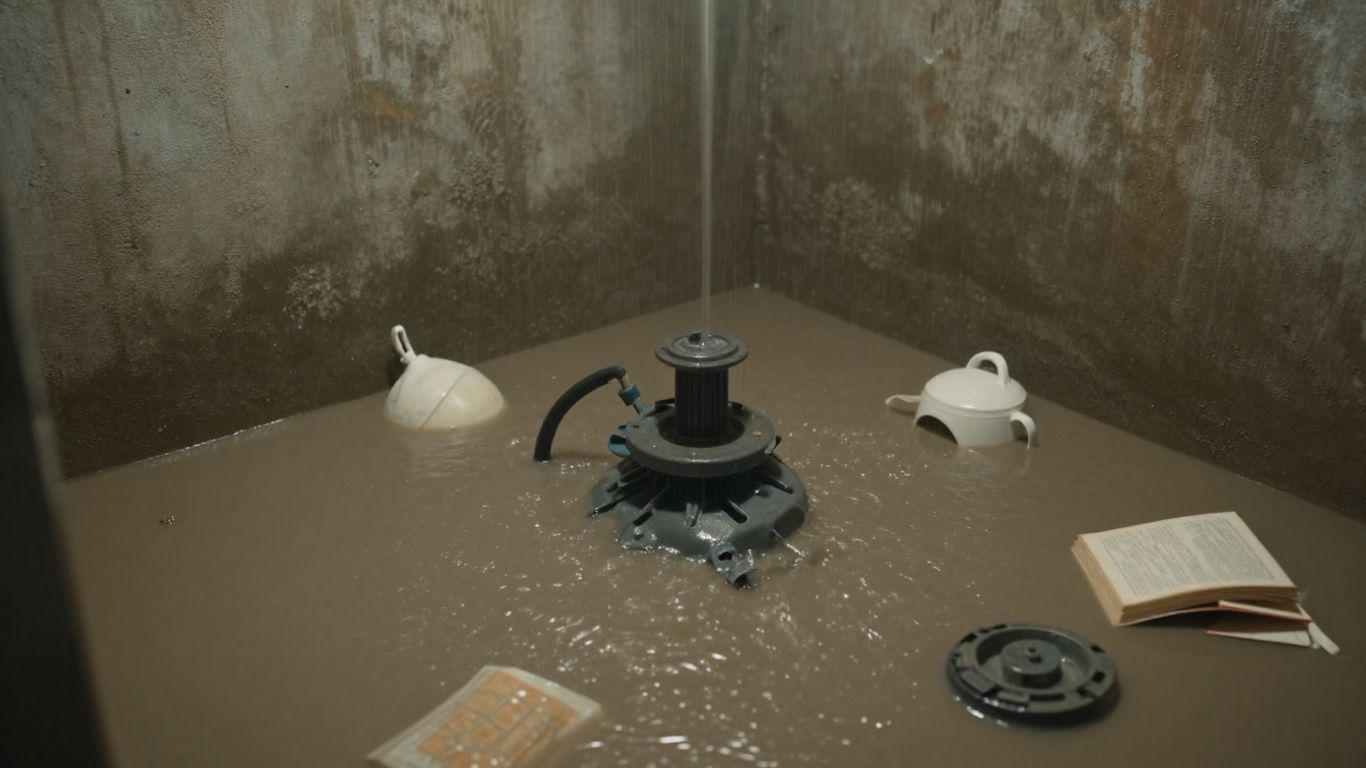
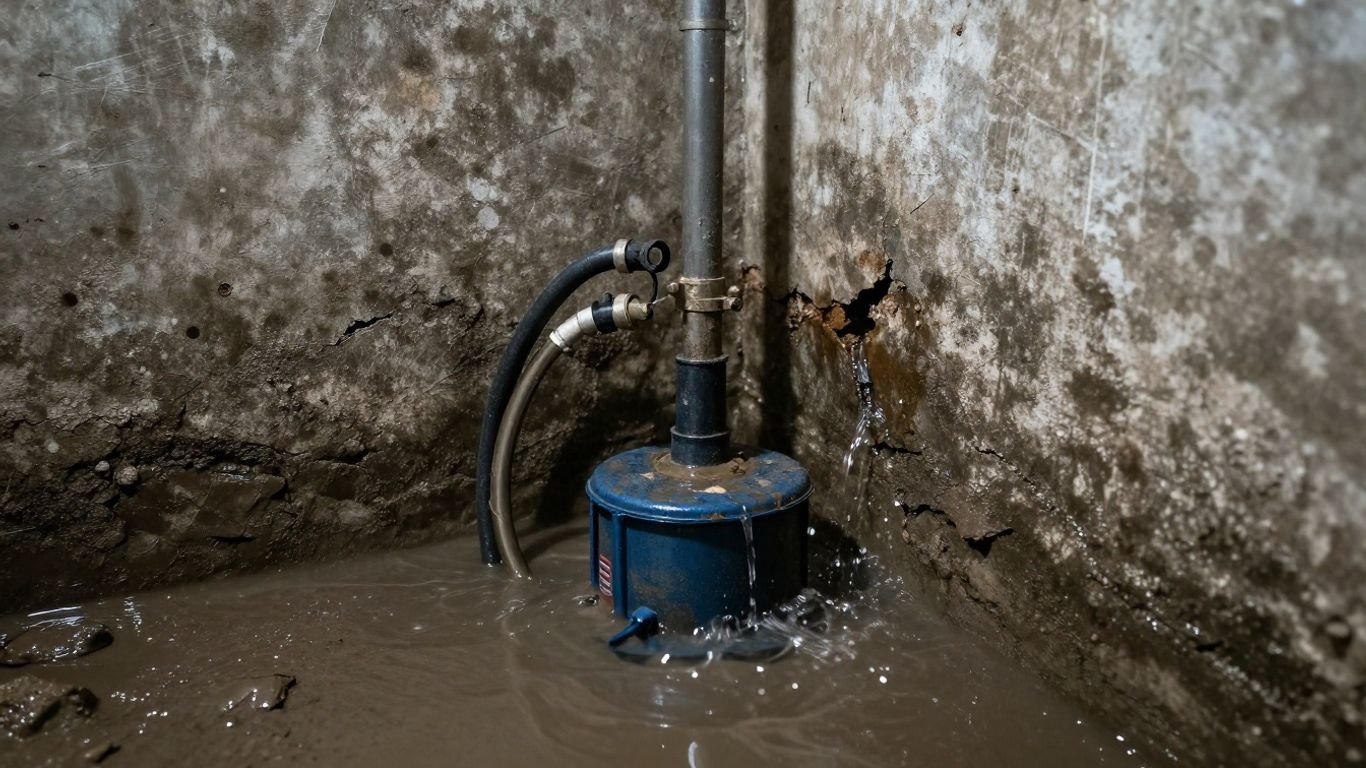
Your primary sump pump is your first line of defense against a wet basement, but it’s not invincible. Thinking it’ll run forever without a hitch is a risky assumption. Many things can go wrong, and often, they happen at the worst possible moment – like during a massive storm when you need it most.
Why Primary Sump Pumps Aren’t Enough
Even a perfectly functioning sump pump can be overwhelmed. Heavy rainfall or rapid snowmelt can dump more water into your sump pit than the pump can handle. If the water level rises faster than the pump can discharge it, you’re still looking at a flooded basement. This is especially true for pumps that might not be adequately sized for your home’s specific water drainage needs. A backup system, ideally with its own discharge pipe, can significantly increase your pumping capacity when it really counts.
The Danger of Power Outages During Storms
This is the big one. Storms often bring power outages, and guess what? Your sump pump needs electricity to run. If the power goes out while it’s raining hard, your pump stops working, and water starts to rise. It’s a simple cause-and-effect that can lead to major headaches. Relying solely on your main pump during a storm is like driving without a spare tire – you hope you won’t need it, but you’ll really regret it if you do.
Unexpected Pump Failures and Their Causes
Beyond power issues, pumps can just stop working. The switch might fail, or the float mechanism could get stuck, preventing the pump from turning on. Debris can clog the discharge line, stopping water from getting out. Sometimes, it’s just normal wear and tear; pumps don’t last forever. Regular maintenance is key to catching these issues early, but even with care, mechanical failures happen. A lack of proper maintenance is a leading cause of these unexpected breakdowns [b662].
Here are some common culprits:
- Mechanical Failure: Worn-out parts, a faulty switch, or a jammed float.
- Clogged Discharge Line: Debris, leaves, or even ice can block the pipe.
- Overload: Extreme water flow can simply be too much for the pump.
- Age: Like any appliance, pumps have a lifespan.
Ignoring these potential failure points is a gamble. The cost of a flooded basement – damaged belongings, structural issues, mold – far outweighs the investment in a reliable backup system. It’s not a matter of if your pump will face a challenge, but when.
The Crucial Role of a Battery Backup for Sump Pump
So, your primary sump pump is humming along, doing its job. But what happens when the sky opens up, the wind howls, and suddenly, your power goes out? That’s precisely when your sump pump needs to work the hardest, and without a backup, it just stops. This is where a sump pump battery system becomes your home’s silent guardian. It’s the ultimate sump pump power outage solution, providing emergency sump pump power when you need it most.
How a Battery Backup System Works
A sump pump battery system is pretty straightforward. It’s essentially a secondary power source, usually a deep-cycle battery, connected to your existing sump pump. When the main power fails, the system automatically detects the outage and switches over to battery power. This means your pump keeps working, pushing water away from your foundation even when the rest of the house is dark. It’s a smart way of keeping sump pump running without electricity.
Automatic Transition During Power Loss
One of the best things about these systems is their automatic nature. You don’t need to be home, and you don’t need to flip any switches. The moment your primary power source cuts out, the battery backup kicks in. This transition is usually so quick that the pump barely misses a beat. It’s a lifesaver during those frantic moments of a storm, offering a reliable sump pump during power failure.
Peace of Mind When You’re Away
Think about it: what happens if you’re on vacation and a big storm hits? Without a backup, your basement could be filling with water while you’re miles away. A battery backup system provides that peace of mind, knowing your home is protected even when no one is there to monitor it. It’s a small investment that can prevent tens of thousands of dollars in damage. For many homeowners, a battery backup is a non-negotiable part of protecting their property, acting as a vital sump pump battery backup.
Here’s a quick look at what a battery backup system offers:
- Automatic Operation: No manual intervention needed during an outage.
- Continuous Protection: Keeps your pump running during storms and power failures.
- Prevents Flooding: Safeguards your basement and belongings from water damage.
- Cost-Effective: Significantly cheaper than dealing with a flooded basement.
The real cost of skipping a battery backup isn’t just the potential damage from a flood. It’s the stress, the ruined possessions, the potential for mold, and the long-term impact on your home’s value. A battery backup is a proactive measure that pays for itself many times over.
Choosing the Right Battery Backup System
So, you’ve decided a battery backup is the way to go for your sump pump. Smart move. But not all systems are created equal, and picking the right one can feel a bit overwhelming. Let’s break down what really matters.
Battery Type and Longevity
When you’re looking at battery backups, the type of battery is a big deal. You’ll mostly see deep-cycle AGM (Absorbent Glass Mat) batteries. These are generally better than standard lead-acid batteries because they handle being charged and discharged repeatedly without complaining too much. They also don’t need that messy maintenance like topping off water levels. A good quality battery should last you a good few years, typically three to five, but it’s wise to plan for replacement around that mark, even if it seems to be working fine. Batteries don’t usually die suddenly; they fade, and you don’t want to find out yours is fading when the water’s rising.
Ensuring Adequate Runtime
This is where you really need to think about your specific situation. How long does your sump pump usually run when it’s active? How often does it kick on? A decent battery backup system should be able to keep your pump running intermittently for at least 24 hours on a full charge. This covers most typical power outages. You can find systems that offer even longer runtimes, which might be worth considering if you live in an area prone to extended power losses. It’s all about matching the backup’s capacity to your pump’s needs during a storm.
Here’s a quick look at what influences runtime:
- Pump Amperage: Higher amperage pumps use more power.
- Frequency of Pumping: How often does the pump cycle on and off?
- Duration of Pumping: How long does each cycle last?
- Battery Capacity (Ah): Measured in Amp-hours, this is the battery’s total energy storage.
Smart Features for Early Warnings
Beyond just keeping the pump running, modern battery backup systems come with some pretty neat smart features. Look for systems that have audible alarms. That way, you’ll hear if the backup kicks in or if the battery level is getting low. Even better are systems that can send alerts directly to your smartphone. Getting that notification the moment the power goes out or the battery starts to drain can make a huge difference. It gives you a heads-up, allowing you to check on things or make arrangements if you’re going to be away. These early warnings are often the difference between a minor inconvenience and a costly basement flood. A system that can alert you to potential issues is a smart investment for your home’s protection during storms.
Don’t forget to check if the system is properly sized for your specific sump pump. An undersized backup is really no better than having no backup at all. It needs to be able to handle the load your pump demands.
Beyond Battery: Other Backup Options
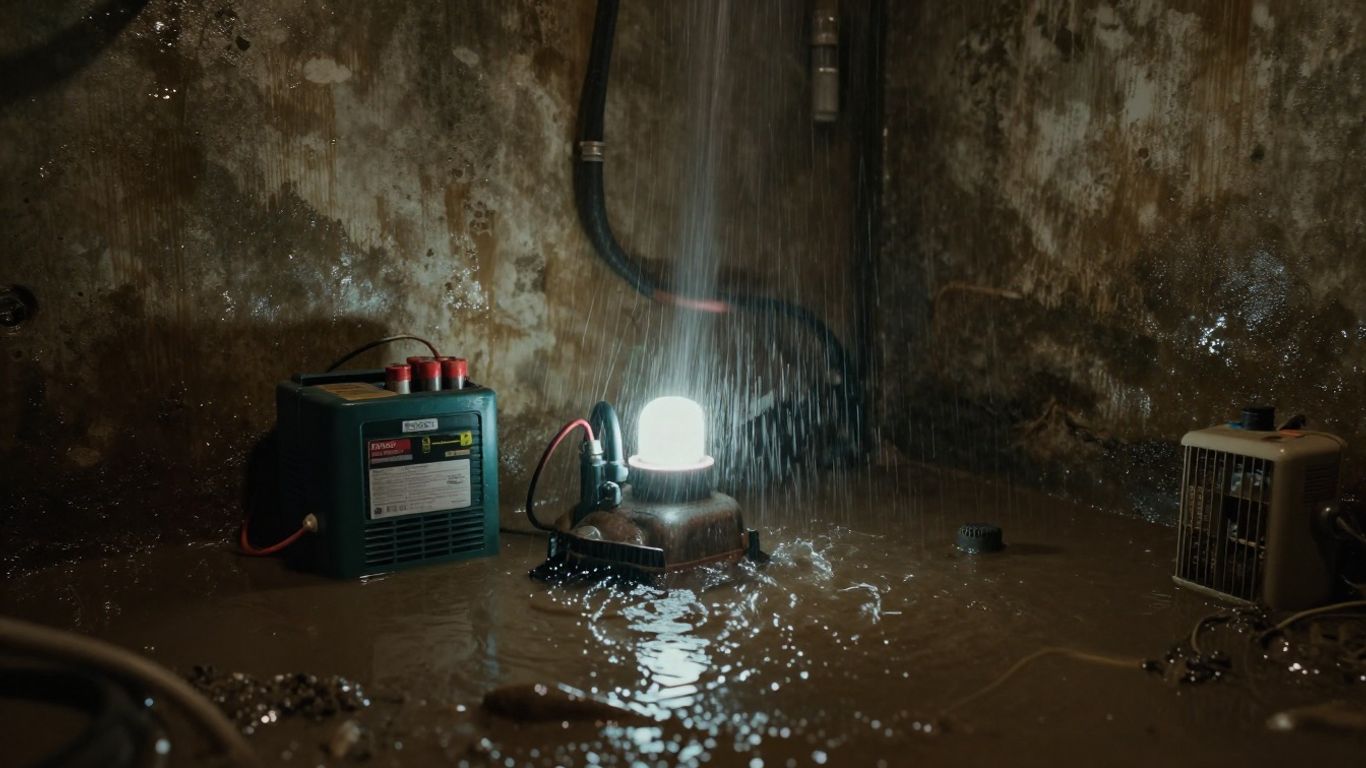
While battery backups are a solid choice for keeping your sump pump running when the power goes out, they aren’t the only game in town. Sometimes, you might need to look at other solutions, especially if you’re concerned about extended power outages or want a system that doesn’t rely on electricity at all.
Water-Powered Sump Pump Systems
These systems are pretty neat because they use your home’s municipal water supply to create suction and push water out of your basement. They don’t need electricity or batteries to operate, which is a big plus during storms when power is most likely to fail. Think of it like a siphon effect, but powered by your water pressure.
Here’s a quick rundown of how they generally work:
- Water Inlet: Connects to your home’s cold water line.
- Venturi Effect: As water flows through a special nozzle, it creates a vacuum.
- Suction: This vacuum pulls water from the sump pit.
- Discharge: The incoming water and the pumped water are then expelled outside.
Limitations of Water-Powered Pumps
Now, they aren’t perfect. The biggest drawback is that they use your treated, potable water to do their job. This means you’re essentially flushing clean water down the drain every time the pump activates. Over time, this can really add up on your water bill. Plus, the effectiveness of the pump depends on your home’s water pressure. If your water pressure is low, the pump won’t be as strong.
When Water-Powered Pumps Are Not Ideal
If you live in an area with frequent or long-lasting power outages, a water-powered pump might seem like a good idea. However, consider these points:
- High Water Usage: If your sump pump runs a lot, you’ll be using a significant amount of water. This can get expensive quickly.
- Low Water Pressure: Homes with inconsistent or low municipal water pressure might not get adequate pumping action.
- Municipal Water Dependence: If your town’s water supply is also affected by a major storm (e.g., a boil water advisory), your water-powered pump won’t work.
For many, a battery backup system offers a good balance of protection and efficiency. However, if you’re looking for a completely independent system and are okay with the water usage, a water-powered pump is definitely something to consider as a backup. It’s a different approach to the same problem, and for some homes, it might be the better fit. You can find various models, like the Water Commander™, that are designed for reliable operation without electricity.
The cost of a basement flood can be staggering, often running into the tens of thousands of dollars for repairs and damaged belongings. While homeowners insurance might cover some aspects, specific riders for sump pump failure are often needed, and even then, there are limits. A backup system, whether battery or water-powered, is a much smaller investment that can prevent a catastrophic financial loss.
Protecting Your Home from Flooding
A flooded basement is a homeowner’s worst nightmare. It can happen fast, and the damage can be extensive, affecting everything from your flooring and drywall to your home’s structure. The cost of dealing with a basement flood can be staggering, often running into thousands of dollars. Beyond the immediate cleanup, there are lingering issues like mold growth and potential damage to your plumbing systems that can cause headaches for years.
The High Cost of Basement Floods
When water invades your basement, it doesn’t just sit there. It seeps into porous materials, warps wood, and can ruin appliances. Think about your furnace, water heater, washer, and dryer – these are often located in basements and are expensive to replace. Then there’s the flooring, furniture, and stored items. The longer water sits, the more damage it does. Plus, the drying process itself can be lengthy and costly, requiring fans, dehumidifiers, and sometimes professional services to prevent mold.
Insurance Coverage for Sump Pump Failure
It’s a common question: does my homeowner’s insurance cover damage from a sump pump failure? The answer is usually not as straightforward as you’d hope. Standard policies often don’t cover damage caused by a sump pump malfunctioning or a power outage that leads to flooding. You might need a separate flood insurance policy, or an endorsement on your existing policy, to get coverage. It’s really worth checking the specifics of your policy or talking to your insurance agent to understand what’s covered and what’s not. Don’t assume you’re covered; verify it.
Preventing Mold and Electrical Hazards
Standing water is a breeding ground for mold and mildew. Mold can start growing within 24 to 48 hours in damp conditions, and it’s not just unsightly – it can cause serious health problems and is expensive to remediate. Beyond mold, water and electricity are a dangerous mix. If water gets near outlets, appliances, or wiring, it creates a significant risk of electrocution or fire. Always shut off power at the main breaker if you see water near electrical components. For any significant flooding, it’s wise to have a professional inspect your plumbing and electrical systems after the water is gone. A properly functioning sump pump system, including a backup, is your first line of defense against these issues. If you’re looking for a reliable system, consider professional sump pump installation [de39].
Dealing with a flooded basement is stressful. Quick action is key to minimizing damage. If water is near electrical outlets, turn off the main power breaker immediately. Then, try to stop any additional water sources if possible. Removing the water as quickly as you can with a wet/dry vacuum or pump is the next priority. After the water is out, focus on drying the area thoroughly with fans and dehumidifiers to prevent mold.
Maintaining Your Backup System
So you’ve got a backup sump pump system in place – that’s great! But just like your car or any other important piece of equipment, it needs a little attention now and then to make sure it’s ready when you need it most. Ignoring maintenance is like buying a fire extinguisher and never checking if it’s charged. You don’t want to find out it doesn’t work during an actual emergency, right?
Regular Testing of Your Backup
You should test your backup system at least twice a year. It’s not complicated. The easiest way is to simulate a power outage. Just unplug your primary sump pump and listen. You should hear the backup pump kick on. Let it run for a minute or two to make sure it’s moving water like it should. This simple test can give you a lot of peace of mind. If you’re not comfortable doing this yourself, have a plumber or an electrician do it for you during their regular service calls. It’s a small price to pay for knowing your basement is protected.
Battery Lifespan and Replacement
Batteries don’t last forever, and that includes the deep-cycle battery in your backup sump pump system. Most manufacturers recommend replacing them every three to five years, depending on the type and how often it’s used. Even if the battery still seems to be holding a charge, its capacity can degrade over time. You don’t want to be caught with a weak battery when a storm hits. Keep a record of when you installed the battery so you know when it’s due for a swap. Replacing the battery proactively is way cheaper than dealing with a flooded basement.
Importance of Proper Sizing
When you first set up your backup system, making sure it was sized correctly for your primary pump and your home’s needs was key. But it’s worth a quick mention here too. An undersized battery backup might not have the juice to run your pump for long enough during an extended power outage. If you’ve upgraded your primary pump or made changes to your basement’s water management, it might be a good time to re-evaluate if your backup system is still up to the task. Getting the right setup means your backup can handle the job, even during the worst weather.
A well-maintained backup system is your best defense against unexpected flooding. Don’t wait for disaster to strike; make regular checks and proactive replacements part of your home maintenance routine.
Here’s a quick rundown of what to check:
- Battery Charge: Ensure the battery is showing a full charge. Some systems have indicator lights.
- Connections: Look for any signs of corrosion on the battery terminals or wiring.
- Pump Operation: During your test, confirm the backup pump activates and runs smoothly.
- Alarm Function: If your system has an audible or remote alarm, test that it sounds when it should.
For homes that rely heavily on sump pumps, understanding your home’s energy needs is also important. An energy audit can help identify areas where you might be using more power than necessary, which could indirectly affect your backup system’s performance during an outage.
Don’t Wait for the Water!
Look, nobody wants to deal with a flooded basement. It’s a mess, it’s expensive, and it can happen when you least expect it, usually during a big storm when the power goes out. That’s exactly why having a backup sump pump isn’t really a luxury, it’s just smart homeownership. Whether you go with a battery system, a water-powered one, or even just a loud water alarm, taking a step to protect your home is a good idea. Don’t wait until you’re standing ankle-deep in water to wish you had. Get a backup system in place now, and save yourself a whole lot of trouble later.
Frequently Asked Questions
Why do I need a backup sump pump if I already have one?
Your main sump pump relies on electricity. During storms, which cause heavy rain, power outages are common. If the power goes out, your main pump stops working, and that’s exactly when you need it most. A backup pump provides power when the main one can’t, keeping your basement dry.
How does a battery backup for a sump pump work?
A battery backup system includes a large battery and often a secondary pump. When the power goes out, the system automatically switches to the battery power, keeping the pump running. It’s like having a backup engine for your sump pump, ready to go the second the main power fails.
What’s the difference between a battery backup and a water-powered backup?
A battery backup uses a large battery to power your existing pump or a secondary one during an outage. A water-powered backup uses the pressure from your home’s water supply to push water out of the pit. Water-powered pumps don’t need batteries or electricity, but they can use a lot of water and might not be suitable if you have a well.
How long can a battery backup system run my sump pump?
A good battery backup system can usually run your sump pump for many hours, often long enough to get through most power outages. The exact time depends on the battery’s size and how often the pump needs to run. It’s designed to handle those crucial hours when the main power is out.
How often should I test my backup sump pump system?
It’s a good idea to test your backup system at least twice a year. You can do this by unplugging your main sump pump and seeing if the backup kicks in. This ensures it’s ready to go when you really need it. Also, remember that batteries don’t last forever and need to be replaced every few years.
What are the risks of not having a backup sump pump?
Without a backup, a sump pump failure during a storm can lead to a flooded basement. This can ruin flooring, drywall, appliances, and even damage your home’s structure. It can also create health hazards like mold and dangerous electrical situations. The cost of fixing flood damage can be very high.