Power Out? How to Stay Warm!
When the power goes out, staying warm is a top priority. Here are the most important things to remember to keep your home cozy and your family safe.
Key Takeaways
- Seal up your home by blocking drafts around doors and windows and keeping interior doors closed to trap heat.
- Dress in many layers of clothing and use blankets or sleeping bags to keep your body heat close.
- Conserve energy by gathering in one smaller, well-insulated room to concentrate warmth.
- Use safe, alternative heating sources like fireplaces or wood stoves with proper ventilation and caution.
- Prepare ahead by stocking emergency supplies, including non-perishable food, water, and lighting.
Conserving Heat Within Your Home
When the power goes out, especially during the colder months, keeping your home warm becomes a top priority. Your house can lose a significant amount of heat surprisingly quickly, sometimes dropping to unsafe temperatures within a day or two, depending on outside conditions and your home’s structure. Fortunately, there are several straightforward ways to keep the warmth inside where you need it.
Seal Drafts Around Doors and Windows
Think of drafts as tiny escape routes for your precious heat. Cold air seeps in, and warm air leaks out through any small opening. It’s a good idea to walk around your home and feel for any noticeable air movement near windows and doors. You can use rolled-up towels, blankets, or even old newspapers to stuff into gaps under doors or around window frames. This simple step can make a big difference in keeping house warm without electricity.
Close Interior Doors
Don’t forget about the doors inside your house. Closing off rooms you aren’t using helps to concentrate the heat in the areas where you are spending your time. This means you’re not wasting energy trying to warm up empty spaces. It’s a bit like closing off unused rooms in the summer to keep the cool air in, but for warmth in the winter.
Keep Curtains Shut
While you might want to let in sunlight on a bright, cold day for a bit of passive solar heating, keeping your curtains shut, especially at night, acts as an extra layer of insulation. Heavy curtains or drapes are particularly effective at trapping heat and preventing it from escaping through the windows. If you have bubble wrap, you can even temporarily stick it to the glass for an added insulation boost.
The speed at which your home loses heat isn’t just about the weather outside. Factors like how well your home is insulated, the quality of your windows, and even the age of the building play a big role. A newer, well-sealed house will hold onto warmth much longer than an older, drafty one.
Maximizing Body Heat
When the power goes out, especially when it’s cold outside, your own body is your best heater. It sounds simple, but focusing on how to keep your internal furnace running efficiently can make a big difference. Don’t underestimate the power of your own warmth.
Dress in Layers
Forget piling on one giant, bulky sweater. The real trick is to wear multiple thin layers. Think long-sleeved shirts, maybe a fleece vest, and then a jacket. Each layer traps a bit of air, and that trapped air acts as insulation. It’s like building your own personal thermos. Plus, if you start to feel too warm, you can just peel off a layer instead of getting sweaty, which can actually make you feel colder later on. Materials that wick moisture, like synthetics or wool, are better than cotton, especially if you’re doing any kind of activity. You can find great base layers designed for cold weather that aren’t too bulky here.
Utilize Blankets and Sleeping Bags
This is where things get cozy. Blankets and sleeping bags are fantastic for trapping heat. If you have them, use them! Think of them as portable, personal heat zones. You can even build a little fort or tent out of blankets to create a smaller, warmer space to sleep in. This works because your body heat warms up the air inside the enclosed space. If you have multiple people, zipping two sleeping bags together or just snuggling up close can generate even more warmth. Don’t forget to cover your extremities, too; a warm hat and wool socks are key, even when you’re trying to sleep [aaa1].
Stay Active Indoors
Movement creates heat. Even simple activities can get your blood flowing and warm you up. Try walking around the house, doing some light stretches, or even tidying up a bit. Just be mindful of how long the outage might last, so don’t overexert yourself. The goal is to generate a steady, comfortable warmth, not to work up a major sweat. Think of it as keeping your personal engine running.
Keeping your core temperature up is the main goal. If you can keep your middle warm, your body will do a better job of circulating that warmth to your arms and legs. Focus on keeping your torso protected and insulated.
Here are a few ideas for staying active:
- Walk laps around the main living area.
- Do some simple calisthenics like jumping jacks or squats.
- Play active games with children, like charades or indoor obstacle courses.
- Tackle small household chores that require movement, like organizing a closet.
Safe Alternative Heating Options
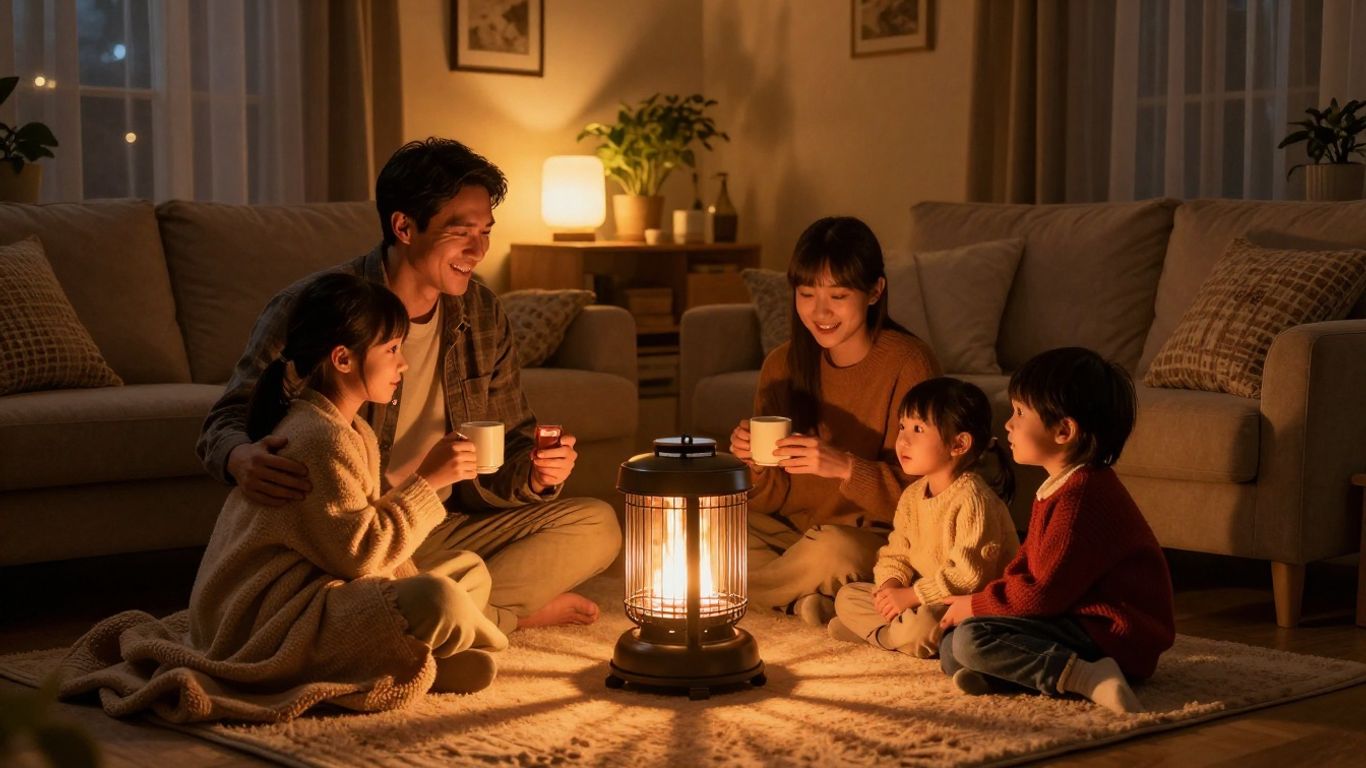
When the power grid fails, especially in winter, finding safe ways to stay warm is a top priority. Relying on your home’s usual heating system is out, so we need to look at alternative heating methods for power outages. Never use appliances designed for outdoor use inside your home. This includes things like charcoal grills, camp stoves, or even your gas oven for heat. They produce carbon monoxide, a dangerous gas you can’t see or smell, which can be deadly in enclosed spaces. Always make sure any heating device you use indoors is specifically designed for that purpose and has proper ventilation.
Using Fireplaces and Wood Stoves Safely
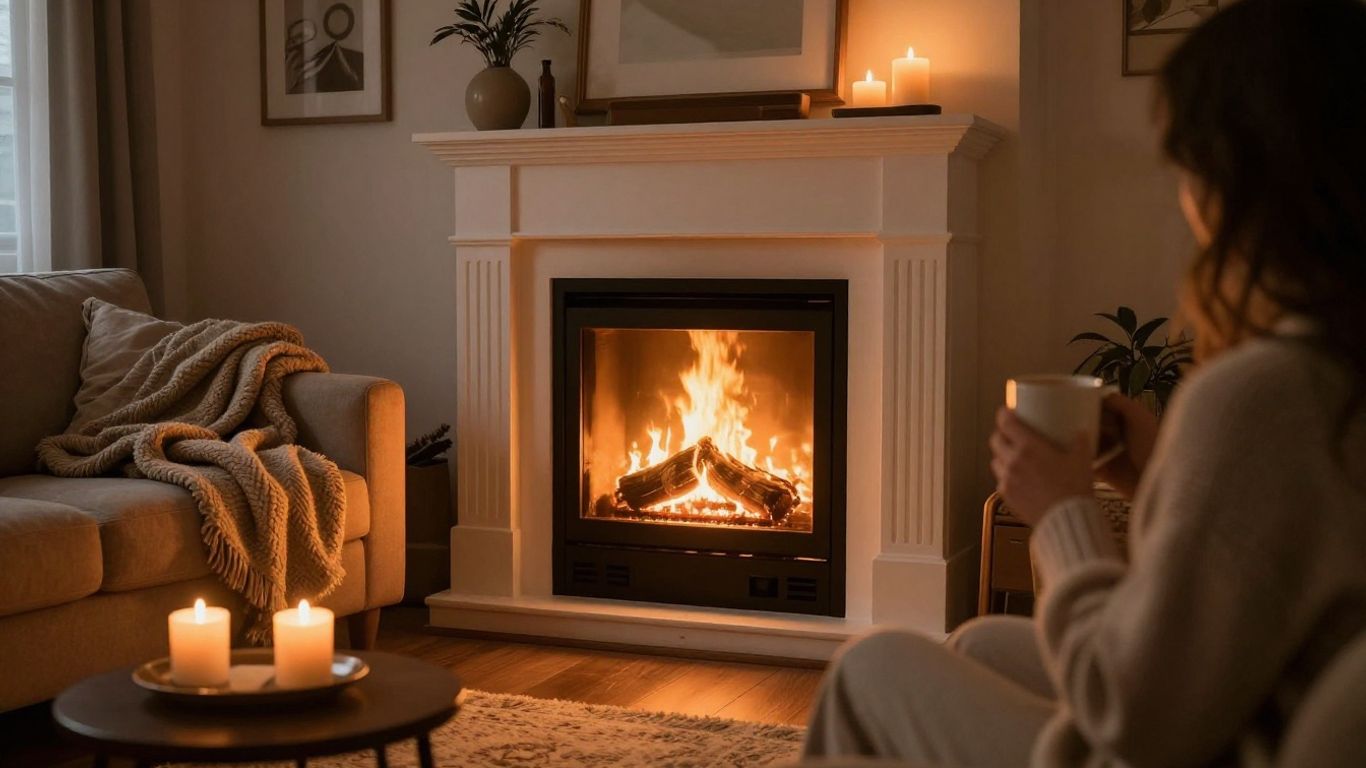
If you’re lucky enough to have a fireplace or wood stove, these can be great heat sources. Just be sure you have a good supply of dry wood, kindling, and a way to light it. Keep the flue clean and, most importantly, never leave a fire burning unattended. It’s also a good idea to have a working carbon monoxide detector nearby.
Understanding Generator Safety
Generators can keep your furnace running, which is a big plus. However, they run on gasoline, which might be hard to get during an outage. Generators are also loud and must be operated outdoors, far away from any windows or doors. Figure out how much fuel you’ll need beforehand and have a plan for storing it safely. You can find more information on generator use at home improvement stores.
Avoiding Indoor Use of Gas Appliances for Heat
Your gas stove or oven is for cooking, not for heating your house. Running them for extended periods to warm up a room is a fire hazard and can lead to carbon monoxide buildup. Similarly, never run your car in the garage to use its heater; the exhaust fumes are incredibly dangerous indoors.
When using any non-electric heater, always keep it at least three feet away from anything that can catch fire, like curtains or furniture. Also, make sure to plug space heaters directly into a wall outlet, not an extension cord, as they draw a lot of power.
Strategic Room Usage
When the power goes out, especially during cold weather, it’s smart to think about where you’re spending your time in the house. Trying to heat the whole place is a losing battle. Instead, focus your efforts on a smaller, more manageable area.
Gather in a Single, Smaller Room
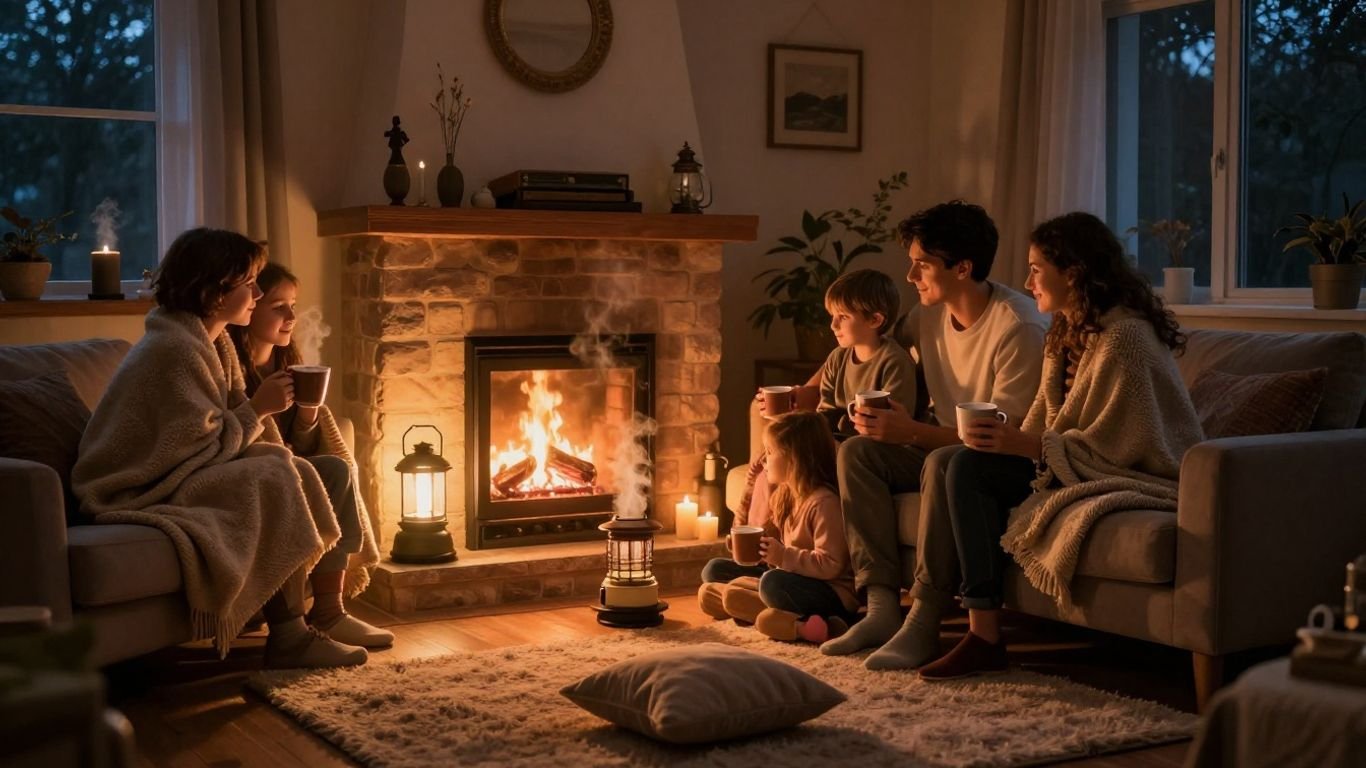
Consolidating your family into one room is one of the most effective ways to stay warm. This strategy works on two fronts: it concentrates the body heat generated by everyone present, and it minimizes the amount of space you need to keep warm. Think of it like a mini-shelter within your home. Choose a room that’s naturally warmer or better insulated if possible. Close all the doors leading to other parts of the house to prevent warm air from escaping and cold air from creeping in. This also helps keep drafts out, which can make a big difference.
Utilize Below-Ground Spaces
Basements and other below-ground areas can be surprisingly good places to shelter during a power outage. They tend to be cooler in the summer, but in the winter, the earth surrounding them acts as a natural insulator. This means they often stay warmer than upper levels of the house when the heating system isn’t running. Make sure these spaces are safe and accessible, and consider bringing blankets and extra layers down with you. If you have a fireplace or wood stove in a basement area, that’s an added bonus for warmth, but always follow safety guidelines for alternative heating. Preparing these spaces beforehand, perhaps by ensuring you have some basic supplies stored there, can make them more comfortable if an outage strikes unexpectedly. You might even want to look into building emergency backup systems if you live in an area prone to long outages.
Remember that even a well-insulated house will lose heat over time without power. The goal is to slow that process down as much as possible and to keep your immediate living space as comfortable as you can. Focusing on one area makes this much more achievable than trying to maintain warmth throughout the entire structure.
Preparing Your Home for Outages
When the power grid goes down, especially in winter, your home’s structure plays a big role in how comfortable and safe you’ll be. Thinking ahead about your house itself can make a huge difference. It’s not just about having candles; it’s about making sure your home is a better insulator.
Improve Home Insulation
Good insulation is your first line of defense against the cold. It acts like a blanket for your house, keeping the warmth in when it’s cold out. If your attic or walls are lacking insulation, adding more can really help. This isn’t just for comfort during an outage; it can lower your heating bills year-round. Think of it as a long-term investment in your home’s ability to stay warm, whether the power is on or off. It’s one of the most effective ways to prepare for potential blackouts.
Consider Home Size and Structure
Smaller, well-insulated rooms are easier to keep warm. If you know a storm is coming, or even just as a general preparedness step, identify the smallest, most insulated room in your house. This is where you’ll want to gather if the power goes out. Closing off unused rooms helps concentrate any heat you can generate, whether from body heat or alternative sources. Basements can also be surprisingly good at retaining heat because they are below ground.
Prepare Emergency Supplies
Beyond the structure of your home, having the right supplies is key. This includes things like extra blankets and sleeping bags to help trap body heat. Make sure you have flashlights and batteries ready, as well as a way to charge your phone, like a portable power bank. Having a plan for backup heat sources during blackout situations, such as a fireplace or wood stove (and the fuel to run them safely), is also important. Remember to also stock up on non-perishable food and water, and keep your first-aid kit up-to-date. These preparations are vital for understanding safe ways to heat home during blackout periods.
Preparing your home involves both structural improvements and stocking up on necessary items. It’s about creating a resilient living space that can withstand the challenges of a power outage, ensuring your family’s safety and comfort.
- Charge electronics and backup batteries before a storm hits. This ensures you can stay connected and informed. Charge devices.
- Store at least one gallon of water per person per day. Having a sufficient water supply is critical for drinking, cooking, and sanitation.
- Have a plan for alternative heating. This could include a fireplace, wood stove, or even safe portable heaters, but always prioritize safety and ventilation.
Essential Preparations for Power Outages
When the lights go out, especially during cold weather, having a plan is key. It’s not just about staying warm; it’s about staying safe and comfortable until the power comes back on. Thinking ahead can make a big difference.
Stock Non-Perishable Food and Water
Make sure you have enough food and water for everyone in your household. The Red Cross suggests having at least a two-week supply. Think about items that don’t need cooking or refrigeration, like canned goods, granola bars, and dried fruit. Don’t forget a manual can opener! Having these supplies ready means you won’t have to worry about meals when you’re already dealing with an outage. It’s also a good idea to have some juice boxes or other drinks on hand.
Maintain First-Aid and Medication Supplies
Your regular first-aid kit might need a refresh. Check expiration dates on any medications you have and make sure you have enough to last. It’s also wise to have extra batteries for any medical devices that need them. If you rely on electricity for any medical equipment, talk to your doctor about backup plans. Having a well-stocked kit can help you handle minor injuries or health issues without needing to go out in bad weather.
Ensure Adequate Lighting Sources
Candles can provide light, but they also pose a fire risk. Always blow them out before sleeping or leaving a room. Flashlights are a safer bet. Make sure you have plenty of them, along with extra batteries. Consider battery-powered lanterns for more general light. Having reliable lighting means you can move around your home safely and continue with basic tasks even in complete darkness. It’s also important to know about emergency heating solutions for power loss and how to use them safely.
Conclusion
Dealing with a power outage in cold weather can be stressful, but with a little preparation and by following these tips, you can stay warm and safe. Remember to focus on conserving the heat you have, maximizing your body’s natural warmth, and using alternative heating methods cautiously. Being prepared beforehand with supplies and a plan makes a huge difference when the lights go out.
Frequently Asked Questions
What’s the best way to keep my house warm if the power goes out?
The best approach is to keep the heat you have inside. Close all outside doors and windows tightly. Use towels or blankets to stuff any gaps where cold air can get in, especially under doors. Also, keep curtains shut to help keep the warmth in.
How can I generate heat without electricity?
You can use safe alternative heat sources like a fireplace or a wood-burning stove if you have one. Make sure they are cleaned and used properly. Never use generators, gas stoves, or outdoor grills inside your home, as they can create dangerous gases.
Why is dressing in layers important during a power outage?
Wearing multiple layers of loose clothing traps air between the layers. This trapped air acts as insulation, keeping your body heat closer to you and making you feel warmer. It’s like giving yourself a personal heating system.
Should I stay in one room if the power is out?
Yes, it’s a good idea. By gathering everyone in a single, smaller room, you can concentrate the body heat from everyone in one place. This makes it easier to keep that one area warm and limits the space that needs heating.
What are some safe heating options for a power outage?
Safe options include using a fireplace or wood stove that’s in good condition and properly vented. You can also use blankets and layered clothing. If you have a generator, always use it outside, far from any windows or doors.
What should I do if I don’t have a fireplace or wood stove?
If you don’t have those options, focus on conserving heat. Seal drafts, close interior doors, and gather in one room. Layering up with clothes and using blankets and sleeping bags will help you stay warm. Staying active indoors also generates body heat.