Keeping the Signal Strong: Telecom Tower Backup Power
To keep your telecom tower running smoothly, especially during power outages, focus on these main points. Having a solid backup plan is key to maintaining constant service and protecting your equipment.
Key Takeaways
- Use lithium-ion batteries for longer life and faster charging compared to older types.
- Design modular and scalable systems that can grow with your needs and are easy to fix.
- Implement redundant power paths to avoid single points of failure.
- Protect your equipment from harsh weather with strong enclosures and smart power management.
- Regular monitoring and maintenance are vital for catching problems early and extending system life.
Understanding The Critical Need For Telecom Tower Backup Power
The Indispensable Role Of Stable Power In Telecommunications
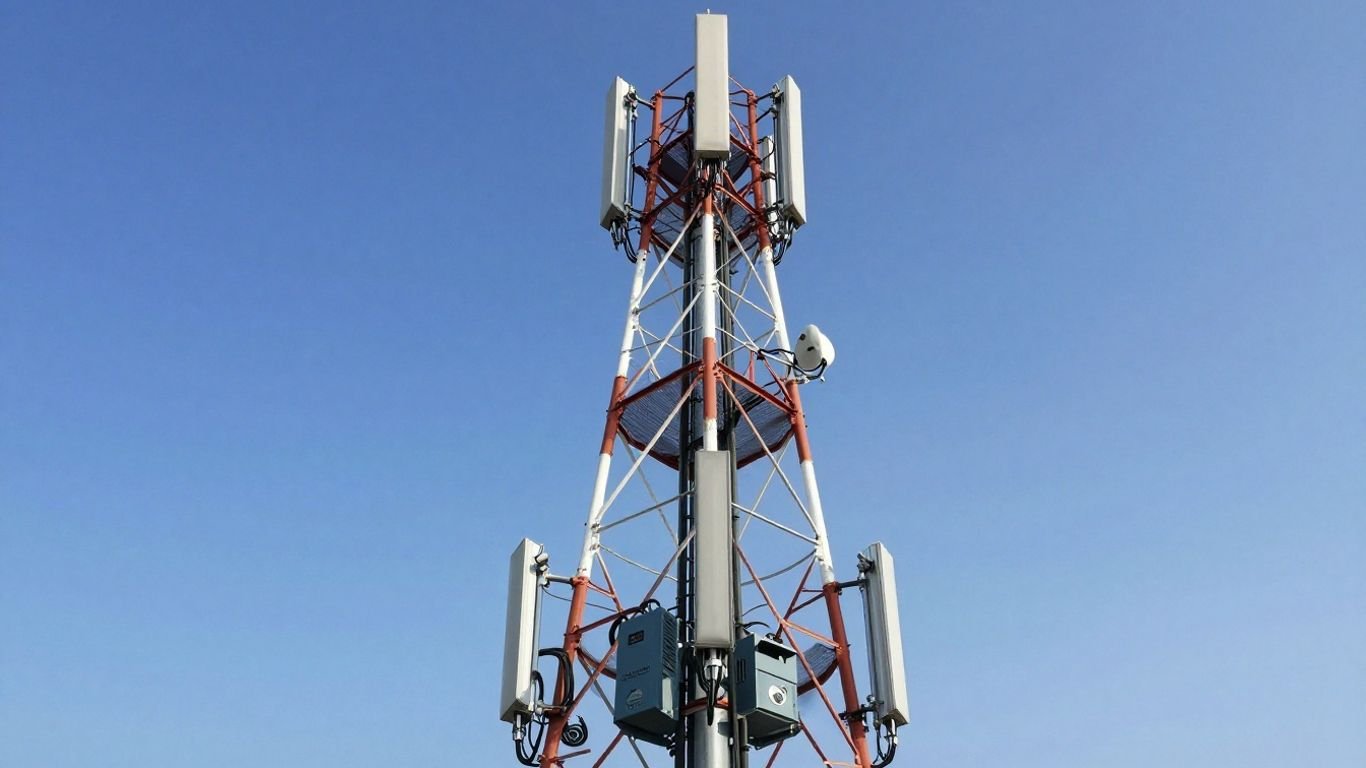
Think about your phone. It’s pretty much glued to your hand, right? That little device connects you to everything – friends, family, work, and even emergency services. All of that relies on a vast network of telecom towers humming along, day and night. But what happens when the lights go out? Stable electrical power isn’t just a nice-to-have for these towers; it’s the absolute lifeblood. Without it, signals drop, data stops flowing, and entire communities can lose their connection. This isn’t just about convenience; it’s about keeping essential services running.
Consequences Of Power Disruptions On Network Uptime
When the main power grid falters, even for a short while, the impact on telecom networks can be immediate and widespread. Dropped calls are just the beginning. We’re talking about disrupted internet access, failed emergency communications, and potential chaos for businesses that depend on constant connectivity. For remote tower energy systems, a power interruption means a loss of service, which can take a significant financial and reputational toll. It’s a domino effect that starts with a simple power failure.
Essential Components Requiring Continuous Power Supply
Telecom towers are complex beasts, and many parts need constant juice to keep things running smoothly. This includes:
- Radio Transmitters and Receivers: These are the workhorses that send and receive signals. They need uninterrupted power to function.
- Switching Equipment: This directs traffic across the network. If it goes down, data can’t get where it needs to go.
- Cooling Systems (HVAC): All that electronic gear generates heat. Without cooling, equipment can overheat and fail, especially in warmer climates. This is a big deal for telecom batteries.
- Monitoring and Control Systems: These keep an eye on everything, alerting operators to problems. They need power to report issues.
Keeping these components powered during an outage is why robust backup solutions are so important. It’s not just about keeping the lights on; it’s about keeping the entire communication infrastructure operational.
Evaluating Backup Power Solutions For Telecom Sites
When the main power grid decides to take a break, your telecom site needs a reliable backup. We’re talking about keeping those cell towers and communication hubs humming along, no matter what. There are a few main ways to handle this, and picking the right one depends on your specific needs and location. It’s all about ensuring uninterruptible power for cell sites.
Diesel Generators: A Robust On-Site Fuel Solution
Diesel generators have been a go-to for a long time. They’re pretty straightforward: you store fuel right there at the site. This is a big plus because during a storm or other widespread outage, you don’t have to worry about whether the gas lines are still working. They’re known for being tough and able to put out a lot of power when needed. However, they do require regular maintenance, and you have to keep an eye on fuel levels.
- Pros: Reliable, high power output, fuel stored on-site.
- Cons: Requires fuel storage, regular maintenance, can be noisy, emissions.
Natural Gas Generators: An Alternative For Specific Environments
If your telecom site has a dependable natural gas line, a natural gas generator is another option. These tend to be cleaner and quieter than diesel generators. They also don’t require on-site fuel storage, which can simplify things. The main catch is that you’re dependent on the natural gas utility staying operational, which might not always be the case during major disasters. They’re a good fit for locations where the gas supply is stable and emissions are a bigger concern.
Battery Backup Systems: Short-Term Support And Integration
Battery backup systems, often using lithium-ion technology these days, are fantastic for providing immediate power when the grid goes down. They kick in instantly, giving you that crucial buffer time. While they can’t typically run a site indefinitely on their own, they are vital for bridging the gap until a generator can start up or for shorter outages. They’re also becoming increasingly important as part of a larger, integrated system, sometimes even paired with solar power. Many sites are looking at modular battery packs for future growth.
Battery systems are key for immediate power needs. They prevent those first few minutes of silence when the power flickers out, which can be critical for emergency communications infrastructure. Integrating them with other power sources makes the whole setup much more resilient.
| Solution Type | Typical Runtime (Full Load) | Fuel Source | Notes |
|---|---|---|---|
| Diesel Generator | Hours to Days | On-site Diesel | Robust, but needs fuel and maintenance. |
| Natural Gas Generator | Hours to Days | Natural Gas Line | Cleaner, quieter, needs utility supply. |
| Battery System | Minutes to Hours | Stored Energy | Instantaneous, bridges to other sources. |
Choosing the right mix of these telecom site power solutions is key to keeping your network up and running. It’s not just about having power; it’s about having the right power, at the right time.
Designing Scalable And Modular Backup Energy Systems
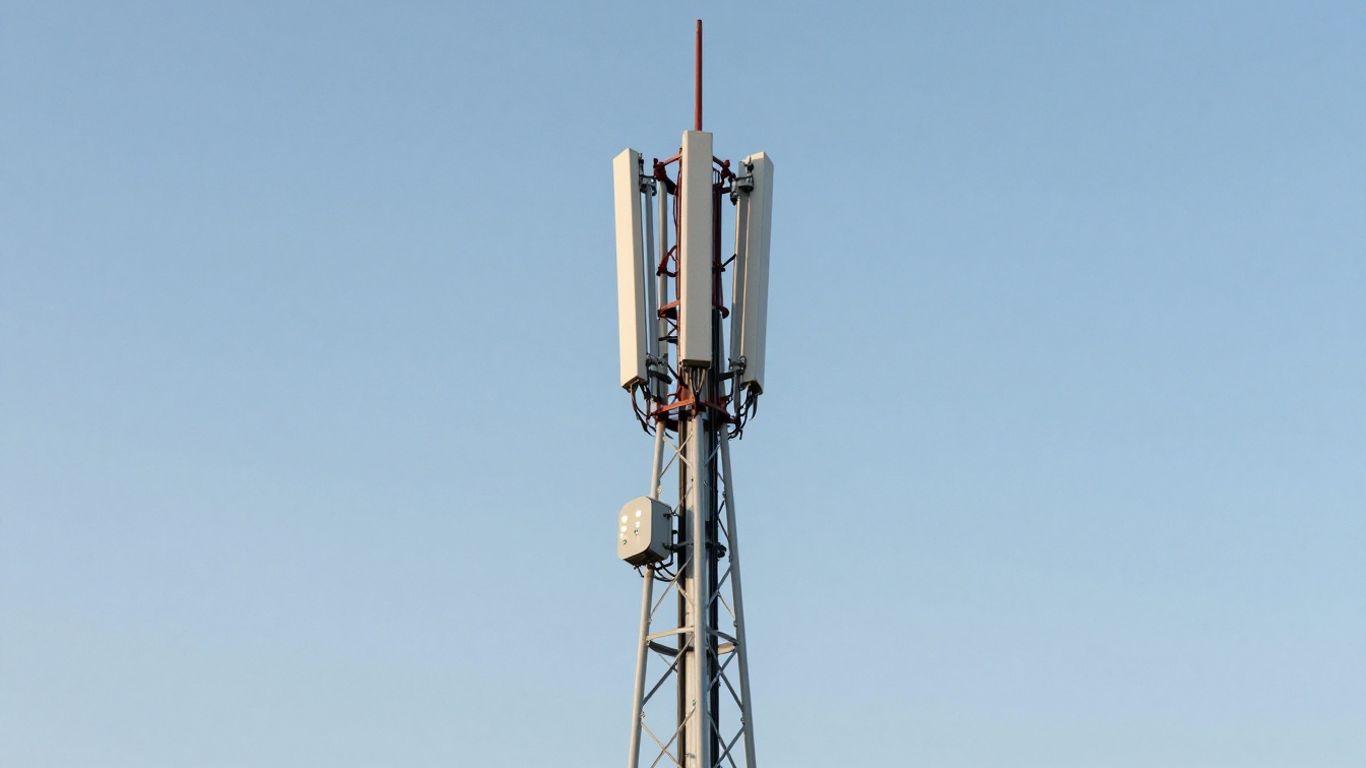
When setting up backup power for telecom towers, you can’t just guess what you’ll need. Things change, technology advances, and usage patterns shift. That’s why building a system that can grow with your needs is so important. Think modular and scalable.
Load Analysis For Accurate System Sizing
Before you buy anything, you’ve got to figure out exactly how much power your tower uses. This isn’t just about the average usage; you need to know the peak demand. When are the busiest times? What equipment is running? Doing a thorough load analysis helps you pick the right batteries, charge controllers, and inverters. It stops you from overspending on a system that’s way too big or, worse, underspending and facing power issues when you need the most energy. If your site experiences extreme temperatures, you might need to factor that into your battery sizing too, as heat and cold can affect performance.
Modular Battery Packs For Future Growth
This is where modularity really shines. Instead of installing a massive battery bank upfront that might be overkill for years, you can start with what you need now and add more later. Stackable battery packs, like those found in some modern systems, let you expand your capacity by simply adding more units. This approach saves money and makes sure you’re not stuck with outdated or insufficient power as your network grows or new technologies are rolled out. It also makes repairs easier; if one module fails, you can swap it out without taking the whole system offline. This flexibility is key for keeping your telecom service running without interruption. You can even integrate solar charging options to make your backup system greener and more self-sufficient.
Ensuring Adequate Space And Weight Capacity
As you plan for scalability, don’t forget the practicalities. Where will these extra battery packs go? You need to make sure there’s enough physical space to add more modules later. Also, consider the weight. Batteries, especially multiple units, can be heavy. You’ll need to confirm that the flooring or mounting structures at the telecom site can support the total weight, both now and in the future as you expand the system. Planning for this early prevents costly structural modifications down the line. It’s also a good idea to think about airflow; batteries need space to breathe to prevent overheating, which can shorten their lifespan and pose safety risks. Keeping the air around batteries at the right temperature is vital for their performance and longevity. You can find more information on managing these environmental factors in different backup power solutions.
Building a backup power system that’s both modular and scalable means you’re investing wisely. It allows you to adapt to changing demands, manage costs effectively, and maintain network uptime, even as technology evolves. This forward-thinking approach is what keeps the signal strong.
Implementing Redundancy For Uninterrupted Service
The Principle Of Redundant Power Paths
When you’re running a telecom tower, the last thing you want is for a single point of failure to take everything down. That’s where redundancy comes in. It’s all about having backup plans for your backup plans. Think of it like having multiple lanes on a highway; if one lane closes, traffic can still flow through the others. For telecom sites, this means designing your power system so that if one power source or path stops working, another one immediately picks up the slack without anyone noticing. This keeps your network up and running, no matter what.
We’re talking about setting up at least two separate power paths. The goal is for each of these paths to be capable of handling the entire power load of the tower on its own. This is often referred to as 2N redundancy. It sounds like a lot, but it’s what keeps critical services online when the grid goes out or when equipment needs maintenance.
Utilizing Power Distribution Units For Load Balancing
Power Distribution Units, or PDUs, are pretty important in managing all this. They help split the power coming from your different sources and distribute it to your equipment. Smart PDUs can also give you real-time data on power usage. This is super helpful for load balancing, making sure no single circuit or piece of equipment is overloaded. It’s a good rule of thumb to never push a PDU beyond 80% of its capacity, and ideally, keep it below 40% during normal operations. This prevents overheating and premature wear. Some gear has built-in dual power supplies, but if yours doesn’t, PDUs can work with automatic transfer switches to switch power sources quickly.
- Monitor power consumption closely.
- Avoid exceeding PDU limits.
- Use smart PDUs for better control.
Automatic Transfer Switches For Seamless Transitions
Automatic Transfer Switches (ATS) are the unsung heroes of redundancy. When the primary power source fails, the ATS detects this and instantly switches the load to the backup power source. This transition needs to be quick and smooth to avoid any interruption to your telecom services. Think about it: dropped calls or lost data connections are bad news. An ATS makes sure that switchover happens so fast, your network barely registers that the grid power went down. They are key components when you’re setting up multiple power paths to keep everything running without a hitch. You can find these as part of specialized PDUs or as standalone units, all working to keep that signal strong.
Redundant power paths and modular design go hand-in-hand. If you need to service or upgrade one part of your system, the other path keeps your tower operational. This combination makes your backup energy system robust, easy to maintain, and ready for future demands. Telecom backup power solutions are designed with this in mind.
When you combine redundant power paths with smart load balancing via PDUs and the quick switching capabilities of ATS, you create a highly reliable system. This setup minimizes downtime and protects against the unpredictable nature of power supply issues, which is exactly what you need for critical telecom infrastructure. It’s about building a system that’s not just functional, but resilient.
Adapting Backup Power To Environmental Challenges
Telecom towers often sit in places where the weather can be pretty rough. We’re talking about extreme heat, freezing cold, and sometimes a lot of dust or moisture. These conditions can really mess with backup power systems, especially batteries. Keeping your equipment protected from the elements is key to making sure your tower stays online.
Protecting Equipment From Extreme Temperatures And Dust
Batteries don’t like it too hot or too cold. The sweet spot for most batteries is around room temperature, say 68°F to 77°F (20°C to 25°C). When it gets hotter than that, batteries wear out faster and can even become a safety risk. If it gets too cold, they lose power and might not be able to do their job when you need them most. Dust is another problem; it can get into vents and cause overheating or short circuits. You need to make sure your battery enclosures have good airflow and maybe even some cooling systems to keep things stable. This helps your backup system last longer and work better.
Weather-Proof Enclosures And Robust Power Management
To handle these tough conditions, you’ll want to use equipment housed in weather-proof enclosures. These are basically tough boxes that keep rain, snow, and dust out. They often have built-in fans or other climate control features. Beyond just the enclosure, robust power management is important. This means having things like surge protectors to handle power spikes and making sure your system can handle fluctuations. Sometimes, using a hybrid energy solution that combines different power sources can make your system more resilient to environmental issues.
Leveraging Solar Energy For Greener Operations
Using solar power is a smart move for telecom sites, especially in remote areas. It’s not just about being green, though that’s a nice bonus. Solar panels can help reduce your reliance on generators, which are noisy, expensive to run, and polluting. Solar batteries can store energy generated during the day for use at night or during cloudy spells. This can significantly cut down on operational costs and improve the overall reliability of your backup power. Plus, with advancements in battery technology, solar solutions are becoming more practical and cost-effective for telecom infrastructure.
Optimizing Battery Technology For Telecom Backup
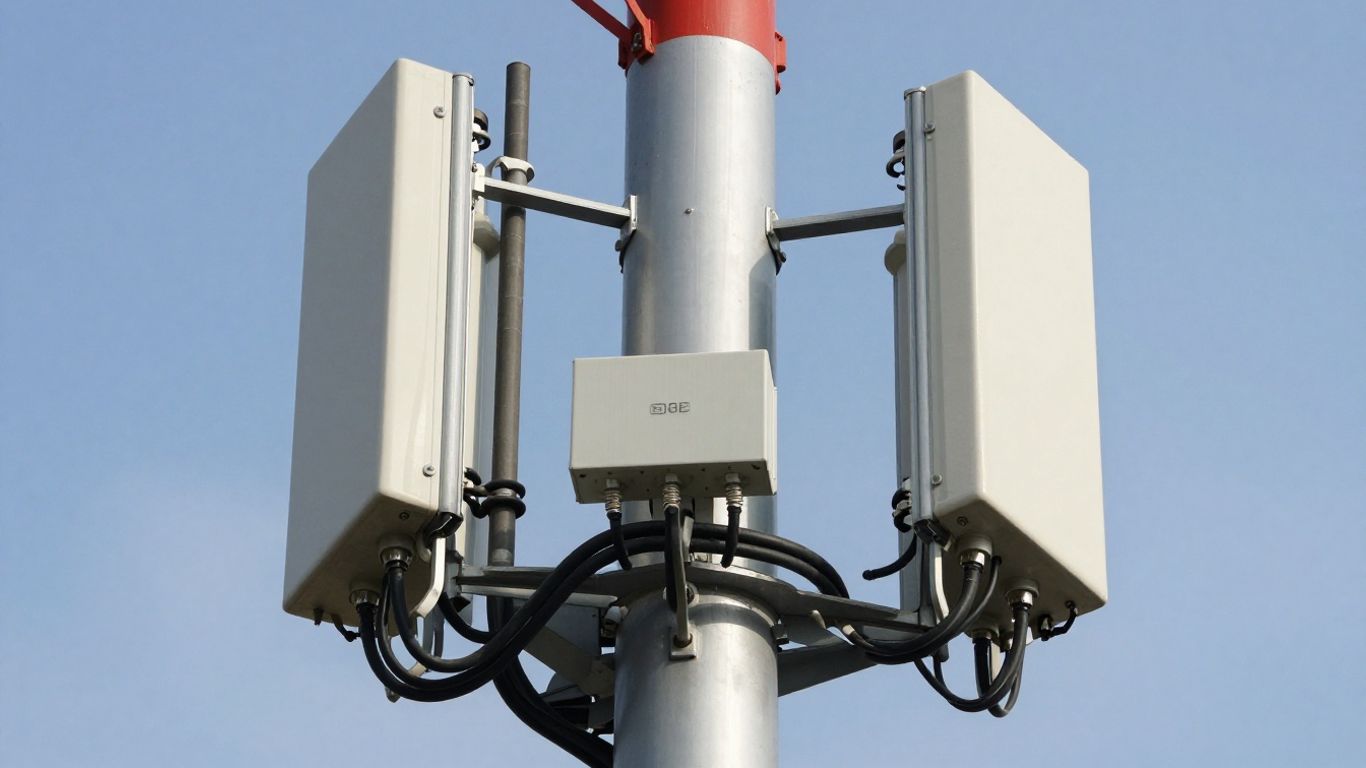
When we talk about keeping telecom towers running, the batteries are a big deal. They’re the heart of the backup power system, and picking the right kind makes a huge difference. It’s not just about having something there; it’s about having something that works reliably for a long time.
Lithium-Ion Batteries: Longevity And Performance Advantages
These days, lithium-ion batteries are really taking over for battery backup for cell towers. They just last way longer than the older lead-acid types. We’re talking maybe 10 to 20 years for lithium-ion, compared to 3 to 8 years for lead-acid. Plus, they can handle way more charge cycles – thousands more. This means you’re not swapping them out nearly as often, which saves a lot of hassle and money over time. They also charge up faster and hold their charge better, which is pretty handy when the power goes out unexpectedly. Because they’re more energy-dense, they’re also usually smaller and lighter, which is a big plus when space is tight at a tower site.
Lead-Acid Batteries: Cost Considerations And Limitations
Okay, so lead-acid batteries are still around, and they have their place. The main draw is that they’re cheaper upfront. If you’re on a really tight budget and don’t need super high performance, they might seem like a good idea. But, you’ve got to think about the total cost of ownership. Because they don’t last as long and need more maintenance, they can end up costing you more in the long run. They’re also less efficient, especially when it comes to charging, and they can be a bit finicky about temperature. Plus, there’s always the risk of acid leaks or gas buildup, which you don’t really get with modern lithium-ion tech. For most serious telecom backup needs, the limitations of lead-acid are pretty clear.
Battery Lifespan And Safety Considerations
How long a battery lasts and how safe it is are super important. You want a battery that’s going to keep your cell towers powered through outages for years, not months. Lithium-ion batteries, especially the LiFePO₄ kind, are built for the long haul. They can handle thousands of charge cycles and often last well over a decade. Lead-acid batteries just can’t compete on that front. Safety is another big one. Modern lithium-ion batteries come with built-in Battery Management Systems (BMS) that monitor temperature, voltage, and current. This helps prevent overheating and other issues. It’s a good idea to keep batteries in a place where the temperature is steady, ideally between 68°F and 77°F (20°C to 25°C). Too hot, and they degrade faster; too cold, and they lose power. Choosing a reliable battery solution is key for uninterrupted service, and companies like Critical Power Battery Solutions can help with expert sizing services.
When selecting battery technology for telecom backup, it’s easy to get caught up in the initial price tag. However, a deeper look at lifespan, maintenance needs, charging efficiency, and safety features reveals that lithium-ion batteries often present a more cost-effective and reliable long-term solution for maintaining network uptime.
Ensuring Compliance And Vendor Reliability
When setting up backup power for telecom towers, it’s not just about picking the latest tech. You also have to make sure everything meets the rules and that you’re working with folks you can count on. This part can feel like a maze, but it’s super important for keeping your network running smoothly and safely.
Adhering To National And International Safety Standards
Safety rules are there for a reason, and telecom power systems are no exception. In many places, like China, there are strict national standards, such as the CCC certification, that electrical products must meet. This checks for safety and electromagnetic compatibility. Beyond that, international standards like IEC 62368-1 and UL certifications are widely recognized. They confirm that your power supply is built to be safe and reliable.
It’s also about being green. Rules like RoHS help limit the use of hazardous materials, which is good for the environment and aligns with global efforts. Getting the right certifications means your equipment is protected, you avoid legal headaches, and you contribute to a safer planet.
Certification Requirements For Telecom Equipment
Not just any power backup will do for a telecom site. The equipment needs specific certifications that prove it’s ready for the job. Think about marks like CE, RoHS, IEC 62133, UL, and FCC. These aren’t just stickers; they show that the gear has passed tough tests for safety and how well it holds up over time. For instance, certified solar generators often come with advanced battery management systems and can be expanded, making them a solid choice for remote locations.
Selecting Trusted Vendors For Quality And Support
Finding a reliable supplier is just as critical as the technology itself. You need a vendor who stands behind their products and offers solid support. When you’re looking, check their certifications, quality control processes, and track record. Do they have a good reputation? Can they provide case studies or customer reviews showing their gear works well in real-world telecom towers?
Look for vendors that offer strong technical support and a good warranty. This might include remote assistance, readily available spare parts, and help with system planning. A vendor with a global support network can be a big plus, especially if your towers are spread out. They should be able to help with setup, repairs, and even future upgrades. It’s about building a partnership that keeps your telecom tower powered and protected for the long haul.
Choosing the right backup power solution involves more than just technical specs. It requires careful attention to regulatory compliance and a commitment to partnering with reputable vendors. This dual focus ensures not only the operational integrity of your telecom network but also the safety and longevity of your infrastructure.
Proactive Monitoring And Maintenance Strategies
Keeping your telecom tower powered up means more than just installing backup systems; it requires constant attention. Regular checks and smart monitoring are key to making sure your backup power is ready when you need it. Think of it like taking care of a car – you wouldn’t just drive it until it breaks down, right? The same applies here.
Real-Time Monitoring For Early Issue Detection
This is where technology really helps. You need to know what’s happening with your backup power system right now. Real-time monitoring tools keep an eye on things like battery voltage, temperature, and current. You can often see this data on a dashboard, and importantly, get alerts if something looks off. This means you can catch a problem, like a battery starting to overheat, before it causes a full outage. Using protocols like SNMP allows you to watch your system from afar, getting updates and warnings instantly. This kind of oversight helps keep your network online during unexpected power cuts.
Preventive Maintenance For Extended Battery Life
Batteries don’t last forever, but you can certainly help them last longer. Preventive maintenance is all about taking care of your batteries before they start to fail. This includes keeping the battery area cool and dry – extreme heat is a real battery killer. It also means training your team to do regular checks, like cleaning terminals and looking for any signs of damage. Testing the batteries every few months and using sensors to track their health are good steps. Proper charging practices are also vital; you don’t want to overcharge or undercharge them.
Site Security And Environmental Monitoring
It’s not just about the batteries themselves. You also need to think about the environment they’re in and the security of the site. Keeping the air circulating well around batteries helps prevent them from getting too hot and stops bad gases from building up. This makes them work better and safer. And, of course, you need to protect your equipment from theft or vandalism. Fences, locked cabinets, and cameras are standard, but alarms and monitors that alert you to any unauthorized access are also smart additions. Keeping an eye on the weather and making sure your equipment is protected from extreme temperatures, dust, and water is also part of the plan. This might involve using specialized enclosures or robust power management systems. For sites looking to be more eco-friendly, integrating solar energy can be a great way to supplement power needs and reduce reliance on traditional sources. You can find more information on strategized backup power management for telecom infrastructure here.
A well-maintained backup power system is a reliable backup power system. Ignoring routine checks and monitoring is a gamble you don’t want to take with critical network uptime. Planning and executing a solid maintenance schedule, informed by real-time data, is the best way to avoid costly failures and keep your services running smoothly. This proactive approach is built upon detailed plans that leverage historical data, prioritizing assets based on their criticality to prevent failures and optimize performance. Effective proactive maintenance strategies focus on anticipating and addressing potential issues before they impact operations.
Here’s a quick look at what to check:
- Battery Health: Monitor voltage, temperature, and cell resistance.
- Connections: Check for corrosion or loose wires.
- Environment: Ensure proper ventilation and temperature control.
- Security: Verify fences, locks, and camera functionality.
- Airflow: Make sure cooling fans and systems are operational.
Conclusion
Keeping telecom towers powered up is a big job, but it’s super important for staying connected. By picking the right backup power stuff, like smart batteries and generators, and by keeping everything well-maintained, we can make sure our cell signals and internet stay strong, even when the main power goes out. It’s all about being prepared so that when you need to make that call or send that message, it just works.
Frequently Asked Questions
Why is backup power so important for cell towers?
Cell towers need constant power to send and receive signals. If the power goes out, even for a little bit, you could lose service in a whole area. Backup power, like generators or batteries, keeps the tower running so you don’t drop calls or lose internet.
What’s the difference between battery backup and generators?
Battery backup is good for short power outages, like a few minutes or hours. Generators, especially diesel ones, can provide power for much longer periods, days even, which is important if the main power is out for a long time.
Are solar panels a good option for backup power?
Yes, solar panels can be a great addition! They can help charge batteries, making your backup system greener and cheaper to run over time. They work well in sunny areas and can reduce how much you rely on other power sources.
How do I know what size backup system I need?
You need to figure out how much power your tower uses, especially during busy times. This is called load analysis. Getting this right helps you choose batteries and generators that are strong enough without being too big or expensive.
What does ‘redundancy’ mean for backup power?
Redundancy means having more than one way to power your tower. If one power source or path breaks, another one can take over right away. This makes sure your service stays on without interruption, even if something goes wrong.
How often should I check my backup power system?
It’s a good idea to check your system at least once a month. Look for any visible problems, clean things up, and maybe test the batteries. Doing this regularly helps you catch small issues before they become big problems that could cause an outage.