Transfer Switch vs. Interlock Kit: What’s the Diff?
When the power goes out, how you connect your generator matters a lot for safety and function. Here are the main things to remember when comparing a transfer switch and an interlock kit.
Key Takeaways
- An interlock kit is a simple metal plate that physically stops you from turning on both your main power and generator power at the same time, preventing dangerous backfeeding.
- A transfer switch is a dedicated electrical device that safely separates utility power from generator power, either manually or automatically.
- Interlock kits are usually cheaper and easier to install on your existing panel, offering flexibility in powering any circuit.
- Transfer switches, especially automatic ones, offer convenience and reliability by switching power without manual intervention, but they cost more and might need maintenance.
- Both methods prevent backfeeding, but transfer switches offer a higher level of safety and code compliance, especially for larger homes or those with future energy upgrades.
Core Functionality of Transfer Switches and Interlock Kits
When the power goes out, you want to know your backup generator is ready to go, and more importantly, that it’s connected safely. This is where transfer switches and generator interlock kits come into play. They both serve the same basic goal: to let you safely power your home with a generator without messing up your electrical panel or, worse, sending power back out to the grid where utility workers might be. But how they do it, and the level of control you get, is where the difference between interlock and transfer switch really shows.
How Each Device Connects Your Generator
Think of your electrical panel as the central hub for all the power in your house. When the grid is up, that’s where the power comes from. When the grid goes down, you want your generator to take over. Both an interlock kit and a transfer switch manage this switchover, but they go about it differently.
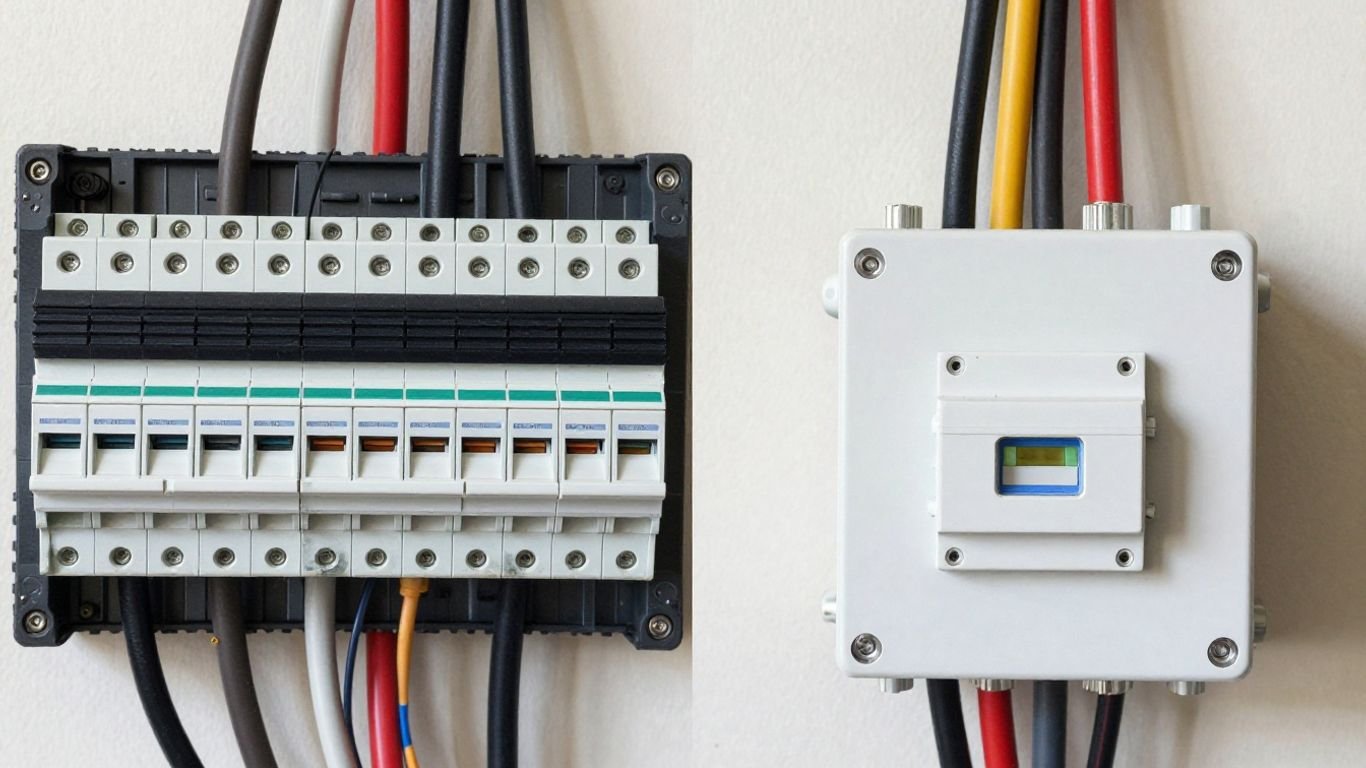
- Interlock Kits: These are essentially a mechanical safety device. A standby generator interlock setup involves installing a special breaker and a metal plate (the interlock) onto your existing electrical panel. This plate physically prevents the main utility breaker and the generator breaker from being switched on at the same time. It’s a clever, direct way to ensure only one power source is active.
- Transfer Switches: These are more like a dedicated switchbox. They can be installed next to your main panel or as a subpanel. A transfer switch actively reroutes power from either the utility grid or your generator to your home’s circuits. They can be manual, where you flip a switch, or automatic, which senses an outage and makes the switch on their own.
Preventing Backfeeding and Ensuring Safety
Safety is the number one reason you need one of these devices. Sending generator power back into the utility grid is incredibly dangerous. It can injure or even kill utility workers who are trying to restore power, and it can also fry your generator and home appliances.
- Interlock Kits: They prevent backfeeding through a simple mechanical lock. You can’t turn on the generator power and the main power simultaneously. This makes them a very reliable safety feature.
- Transfer Switches: These devices are designed from the ground up to manage the power source. By design, they isolate the generator from the grid when it’s active, stopping any chance of backfeed. This is a core function of any transfer switch.
Limitations and Flexibility of Circuit Access
When it comes to deciding which circuits get power from your generator, there are some key differences.
- Interlock Kits: One of the big draws of an interlock kit is flexibility. Once installed, you can choose which circuits you want to power. You can cycle through them as needed, allowing you to power larger appliances one at a time or prioritize essential circuits. You’re not limited to a pre-set number of circuits.
- Transfer Switches: These often come with a set number of circuits they can manage, typically between 6 to 10. This is great because it prevents you from accidentally overloading your generator by trying to power too many things at once. However, it means you have to carefully select which circuits are most important during an outage.
The choice between a generator interlock vs transfer switch often comes down to how much control you want over individual circuits versus the convenience of a pre-set system. Both achieve the critical goal of safe generator connection, but the user experience and flexibility differ significantly.
Safety Standards and Regulatory Compliance
When you’re thinking about hooking up a generator, safety and following the rules are super important. It’s not just about keeping your lights on; it’s about protecting your home, your family, and the folks who work on the power lines.
Meeting National Electrical Code Requirements
The National Electrical Code (NEC) has specific rules for how generators should be connected to your home’s electrical system. For the most part, these codes are designed to prevent dangerous situations. While interlock kits are allowed in some places, they often require careful user management to stay compliant. A transfer switch, on the other hand, is generally seen as the more robust solution for meeting these code requirements. It’s built to physically prevent unsafe connections, which is a big deal when you’re dealing with electricity.
Risks Associated with Improper Installations
Getting this wrong can lead to some serious problems. The biggest worry is something called "backfeeding." This is when power from your generator accidentally flows back into the utility grid. If an interlock kit isn’t installed perfectly or if someone messes with it, that backfeed can happen. This can be deadly for utility workers who are out there trying to fix the lines, thinking they’re dead.
Here are some common risks:
- Electrocution: Backfeeding can energize power lines that workers believe are de-energized.
- Equipment Damage: Incorrect connections can fry your generator or damage your home’s electrical system.
- Fire Hazards: Overloaded circuits or faulty wiring can create fire risks.
Utility Worker Protection and Legal Implications
Protecting utility workers is a major reason why codes are so strict. A transfer switch provides a physical barrier, electrically isolating your generator from the grid. This makes backfeeding virtually impossible. Using a system that doesn’t meet these safety standards, even if it’s cheaper upfront, could lead to legal trouble if something goes wrong. It’s really about making sure the system is safe by design, not just by how carefully you operate it. For peace of mind and to avoid potential headaches down the road, sticking to code-compliant solutions is the way to go. Regular maintenance is also key to keeping your generator reliable and safe.
Installation Complexity and Maintenance Needs
Professional Installation vs. DIY Options
When it comes to getting your generator hooked up safely, the big question is whether to tackle it yourself or call in a pro. For an interlock kit, some folks with a good grasp of electrical work might consider it a DIY project. It involves adding a breaker and a special plate to your electrical panel. However, messing with your main panel can be tricky and, frankly, dangerous if you don’t know exactly what you’re doing. A mistake here could lead to serious electrical shock or damage to your equipment. Transfer switches, especially automatic ones, are generally more complex. They often involve more wiring and integration with your home’s systems. For both options, hiring a qualified electrician is usually the safest bet. They have the training and tools to do the job right, meeting all the necessary codes and regulations. This peace of mind is often worth the extra cost, especially when dealing with something as critical as your home’s power supply.
Typical Upkeep for Each Solution
Once installed, the maintenance needs for these systems differ. An interlock kit, once properly installed, typically requires very little ongoing maintenance. It’s essentially a mechanical lock that prevents two breakers from being on at the same time. You’ll want to periodically check that the physical components are secure, but that’s about it. Transfer switches, on the other hand, especially automatic ones, have more moving parts and electronics. They need regular testing and checks to make sure they’ll switch over correctly when the power goes out. This might involve running the generator periodically to test the switch’s function. Think of it like getting an oil change for your car; it’s necessary upkeep to keep things running smoothly. Some sources suggest that transfer switches require regular maintenance and testing to function correctly during an outage, adding an ongoing responsibility.
Modifications to Your Electrical Panel
Both systems will involve some work on your main electrical panel, but the extent varies. An interlock kit requires modifying the panel cover by drilling holes for the interlock mechanism and adding a new breaker. This is a direct alteration to the existing panel. A manual transfer switch might require adding a subpanel or significant rewiring within the main panel to accommodate the switch and dedicated circuits. Automatic transfer switches can be installed either inside or outside the main panel, but they still need to be wired into your home’s circuits. This often means running new wires from the switch to the panel. It’s important to remember that any work done on your electrical panel needs to be done by someone who understands the system thoroughly to avoid creating new hazards. For example, improper wiring could lead to issues with your telecom services if they rely on your home’s power.
Working inside your electrical panel is not a task to be taken lightly. It’s the heart of your home’s electrical system, and any misstep can have serious consequences, from minor annoyances like tripped breakers to major dangers like electrical fires or electrocution. Always prioritize safety and consult with a professional if you have any doubts about your ability to perform the work correctly.
| Feature | Interlock Kit | Transfer Switch (Manual/Automatic) |
|---|---|---|
| Panel Modification | Drilling holes, adding breaker | May require subpanel, extensive wiring |
| Complexity | Moderate (DIY possible for some) | High (Professional installation recommended) |
| Ongoing Maintenance | Minimal | Regular testing and checks required |
| Potential DIY Risk | Moderate to High | High |
| Professional Install Cost | Lower (for kit itself) | Higher (for device and labor) |
Manual vs. Automatic Power Switching
When the lights go out, you’ve got a couple of main ways to get your generator up and running to power your home: manual or automatic. It really comes down to how much you want to be involved and what level of convenience you’re looking for.
How Manual Interlock Kits Operate
Manual transfer switches, often in the form of an interlock kit, are pretty straightforward. You’ve got to be physically present to make the switch happen. When the power grid goes down, you’ll need to turn off your main utility breaker, then flip the interlock mechanism to connect to your generator’s breaker. After that, you can turn your generator on and then turn on the individual circuits you need. It’s a hands-on approach, giving you direct control. The main benefit here is simplicity and often a lower upfront cost compared to automatic systems. However, it requires you to be home and aware of the outage to get power flowing.
Here are some of the manual transfer switch pros and cons:
- Pros:
- Generally less expensive than automatic options.
- Provides direct control over power source switching.
- Simpler design, potentially easier to troubleshoot.
- Cons:
- Requires manual operation during an outage.
- You must be present to activate it.
- Risk of overloading the generator if not managed carefully.
Benefits of Automatic Transfer Switches
Automatic Transfer Switches (ATS) are the set-it-and-forget-it option. These smart devices constantly monitor your home’s power. The moment they detect a utility outage, they automatically signal your generator to start up and then seamlessly switch your home’s power supply over to the generator. When utility power is restored and stable, the ATS switches you back to the grid. This is fantastic if you’re away from home, have mobility issues, or simply want the most convenient backup power experience. It’s especially good for critical systems that can’t afford any downtime, like medical equipment or sump pumps. You can find automatic transfer switches designed for various home needs.
Choosing the Right Level of Automation for Your Home
So, which is best for you? If you’re on a tighter budget, don’t mind a little manual work during an outage, and are usually home when storms hit, a manual system might be perfectly fine. It’s a reliable way to get generator power safely to your home. On the other hand, if you travel frequently, have critical loads that need constant power, or just value the peace of mind that comes with hands-off operation, an automatic transfer switch is likely the way to go. It offers a higher level of comfort and protection, especially during extended or unexpected outages.
When deciding, think about who will be home during an outage and what your priorities are. For many, the added cost of an automatic system is well worth the convenience and safety it provides, especially if you have a large property or specific needs.
Ultimately, both systems are designed to prevent dangerous backfeeding, a critical safety feature that protects utility workers and your home’s electrical system. The choice really boils down to your personal circumstances and how much you’re willing to invest in convenience and automation. A manual transfer switch is a solid, safe choice for many homeowners.
Cost Considerations for Backup Power Solutions
When you’re thinking about getting a generator ready for power outages, the cost is definitely a big part of the puzzle. It’s not just about the price tag on the generator itself; you also have to factor in how you’ll safely connect it to your home’s electrical system. This is where transfer switches and interlock kits come into play, and they have pretty different price points.
Upfront Investment and Long-Term Value
Let’s talk numbers. An interlock kit is generally the more budget-friendly option. You can often find basic kits for under $200. They’re designed to work with your existing electrical panel, which cuts down on installation costs and complexity. On the other hand, a transfer switch is a more significant investment. The price for a transfer switch itself can range from $400 to $2,000 or more, depending on whether it’s manual or automatic and its capacity. Installation costs for transfer switches can also add up, often pushing the total project cost between $400 and $2,500. While the upfront cost for an interlock kit is lower, a transfer switch might offer more convenience, especially automatic models, which could be worth the extra money for some people.
Hidden Costs: Labor and Maintenance
Don’t forget about the labor involved. Installing an interlock kit is usually a quicker job for an electrician, sometimes taking just a few hours. A transfer switch, especially an automatic one, can be more involved to wire up, potentially taking longer and costing more in labor. Think about maintenance too. Interlock kits are pretty low-maintenance; they’re simple mechanical devices. Transfer switches, particularly automatic ones with more complex circuitry, might require occasional checks or service over their lifespan. It’s wise to get quotes from a few electricians to understand the full installation cost for both options in your specific situation.
Emergency Preparedness vs. Budget Restraints
Ultimately, the choice often comes down to balancing your budget with your need for preparedness. If you’re looking for a cost-effective way to safely connect a generator and are comfortable manually switching power, an interlock kit is a solid choice. It provides the necessary safety features without breaking the bank. If you have a larger budget and prioritize convenience, especially the ability to have power automatically switch over during an outage, a transfer switch might be the better fit. It’s about finding that sweet spot between what you can afford and the level of backup power security you want for your home. For many, the peace of mind that comes with a properly installed system, regardless of the type, is well worth the investment. You can find interlock kits that are designed for straightforward installation, while transfer switches offer a range of features and price points.
System Flexibility and Usability During Outages
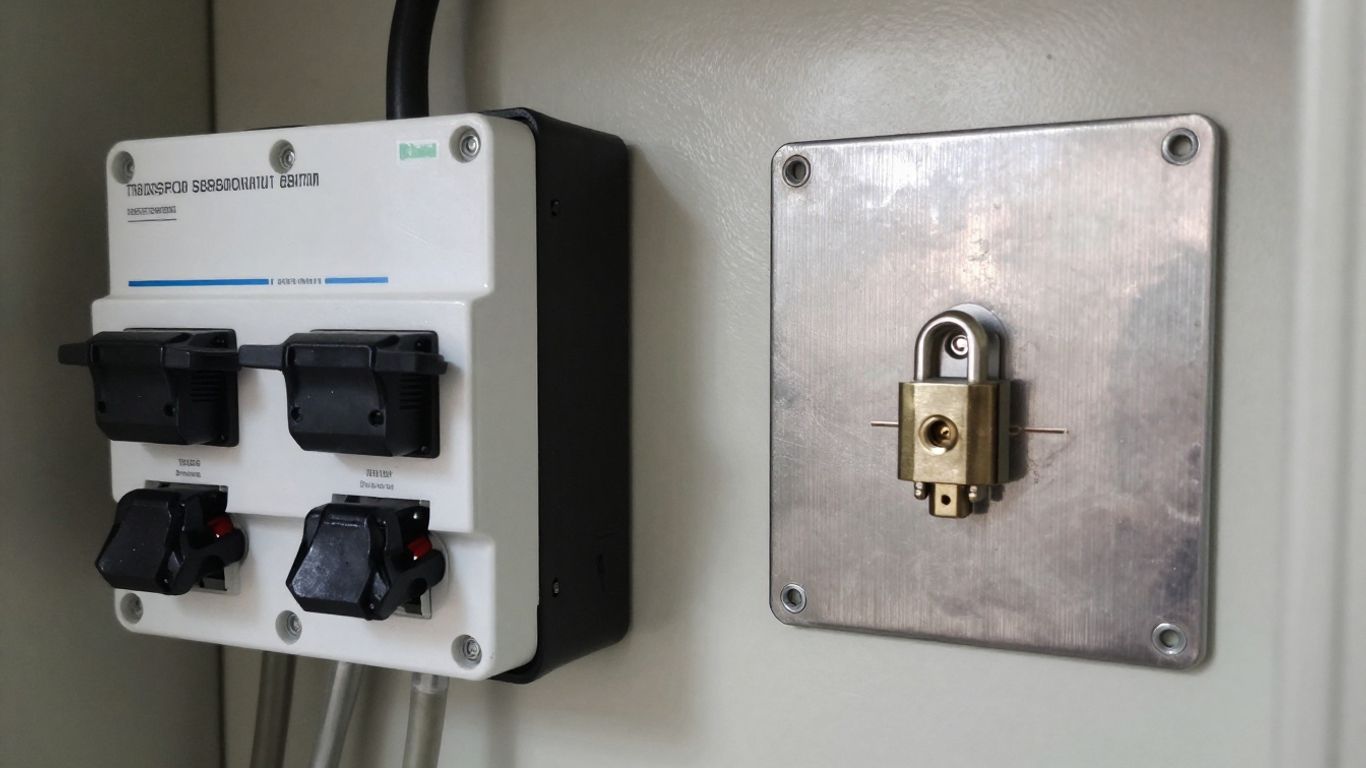
When the lights go out, how much control do you really have over what stays powered? This is where the flexibility of your backup power setup really shines, or doesn’t. It’s not just about getting some power back; it’s about getting the right power to the right places, and doing it without a headache.
Selecting and Managing Household Circuits
With an interlock kit, you’re essentially the conductor of your home’s electrical orchestra during an outage. You get to decide which circuits get juice. This means you can prioritize what’s most important – maybe the fridge, a few lights, and the Wi-Fi router. It requires a bit of planning, though. You need to know what your generator can handle and actively manage which breakers you flip on. This hands-on approach gives you granular control over your power usage. For instance, if you know your generator can only handle 3000 watts, you’ll want to keep an eye on things like your microwave or electric heater – they can quickly overload the system if you’re not careful.
- Prioritize essential circuits: Lights, refrigerator, medical equipment, sump pump.
- Monitor high-draw appliances: Avoid running microwaves, electric heaters, or air conditioners simultaneously.
- Understand your generator’s capacity: Match your circuit choices to its wattage output.
Automatic transfer switches, on the other hand, often come with pre-selected circuits. While this simplifies things immensely, it means you have a fixed list of what will power up. If you need to power something not on that list, you’re out of luck unless the system is specifically configured for more options. It’s a trade-off between convenience and customizability. For many, especially those with simpler needs, this pre-set approach is perfectly fine, offering peace of mind without requiring constant attention. It’s a bit like setting it and forgetting it, which can be a real blessing when you’re stressed about a storm.
Handling Larger Properties and High Loads
For bigger homes or properties with significant power demands, like multiple HVAC units or electric vehicle charging stations, the choice becomes even more critical. An interlock kit can still work, but it might mean you have to be very strategic about which circuits you enable at any given time. You might only be able to run one major appliance at a time. This is where a more robust system, like a manual or automatic transfer switch designed for higher loads, might be a better fit. These systems are built to handle more complex electrical setups and can often manage larger generators more effectively. They can be configured to power a wider range of circuits, making them suitable for larger families or businesses that can’t afford to have large sections of their operations offline. It’s about matching the solution to the scale of the problem.
Adapting to Dynamic Power Needs
Life happens, and power needs can change. Maybe you’ve added a new appliance, or perhaps during an extended outage, you realize you really need to run the washing machine. With an interlock kit, you have the flexibility to adjust your circuit selections on the fly, provided you have the generator capacity. You can turn off one non-essential circuit to power another. This adaptability is a big plus for people who like to tinker or have evolving energy requirements. A transfer switch, especially an automatic one, is less dynamic. While some advanced models offer more customization, generally, you’re working within the parameters set during installation. If your needs change significantly, you might find yourself needing an upgrade or a different solution altogether. It’s worth thinking about your future plans when making this decision, not just your current setup. For example, if you’re considering adding a hot tub or a home addition down the line, that might influence whether an interlock kit or a more scalable transfer switch is the right initial investment.
The ability to manage your power during an outage isn’t just about convenience; it’s about safety and making sure your most critical systems stay online. Whether you’re manually selecting circuits with an interlock or relying on an automatic switch, understanding your system’s limits and capabilities is key to weathering the storm.
Compatibility with Future Energy Upgrades
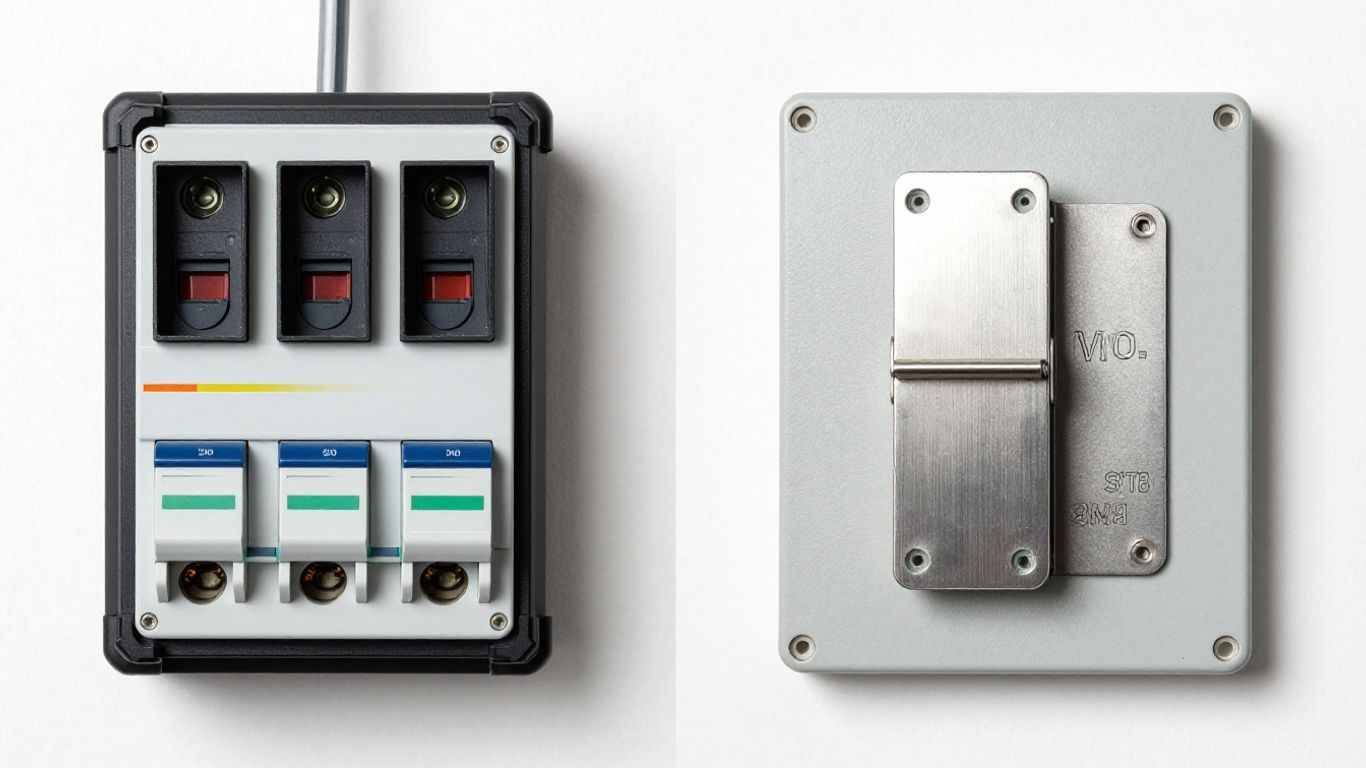
Thinking about the future is smart, especially when it comes to your home’s electrical setup. As we see more solar panels, battery storage, and even electric vehicle chargers becoming common, your backup power system needs to keep up. This is where understanding how transfer switches and interlock kits play into future upgrades really matters.
Integrating with Solar Panels and Battery Systems
When you’re looking at adding solar panels or a battery backup, the way your generator connects becomes a big deal. An interlock kit is a pretty straightforward mechanical device. It physically stops your main utility breaker and your generator breaker from being on at the same time. This is great for safety, but it doesn’t inherently manage power flow from multiple sources like solar and a generator simultaneously. You’d typically need to manually switch between your generator and your solar system, or have a more complex setup.
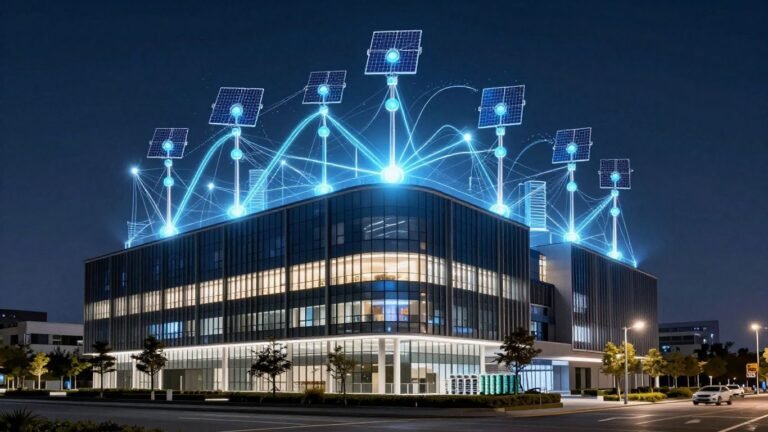
Automatic transfer switches (ATS), on the other hand, are designed to manage power sources. A more advanced ATS can be configured to switch between utility power, generator power, and even integrate with solar and battery systems. This allows for a more seamless transition and potentially lets you use your solar power even when the grid is down, with the generator kicking in only when needed. Some systems can even prioritize solar and battery power before drawing from the generator, saving fuel and reducing wear on the generator. It’s a bit more complex upfront, but it offers a lot more flexibility down the road if you’re planning on a hybrid energy system. For example, some systems can manage up to 10 circuits, which might be enough for essentials, but if you’re adding significant loads like an EV charger, you’ll want to plan carefully. Learn more about generator integration.
Home Value and Inspection Considerations
Upgrading your home’s electrical system with a generator connection is a significant improvement. When it comes time to sell, potential buyers and home inspectors will look closely at how this is done. A professionally installed interlock kit or transfer switch, properly permitted and inspected, adds value and peace of mind. It shows that safety and reliability were prioritized. An interlock kit, being a simpler modification to your existing panel, might be seen as less intrusive than a full transfer switch installation. However, a well-integrated automatic transfer switch that can handle multiple power sources might be viewed as a more modern and forward-thinking upgrade, especially if it’s part of a larger smart home or renewable energy setup. The key is always proper installation and adherence to electrical codes. A messy or improperly wired setup, regardless of the device, can be a red flag during an inspection and could even lower your home’s value.
Scalability for Expanding Needs
Your power needs can change over time. Maybe you start with just powering a few essentials during an outage, but then you decide you want to run your refrigerator, a few lights, and the Wi-Fi. Later, you might want to add a sump pump, a well pump, or even an electric vehicle charger. This is where scalability comes in.
- Interlock Kits: These typically allow you to power a specific number of circuits, often limited by the physical space on your breaker panel and the amperage of your generator. While you can choose which circuits are powered, you’re generally limited to the number of breakers the kit is designed for. If your needs grow significantly, you might find yourself outgrowing the capacity.
- Transfer Switches: Manual transfer switches come in various circuit counts, similar to interlock kits, but automatic transfer switches (ATS) can often handle larger loads and more circuits. Some advanced ATS units can be configured to manage a wider range of circuits or even integrate with sub-panels, offering more room for expansion. If you anticipate significant increases in your power demands, an ATS might provide a more scalable solution from the outset.
When planning for backup power, think beyond just today’s needs. Consider how your energy consumption might evolve with new appliances, home additions, or the adoption of technologies like electric vehicles. Choosing a system that can adapt or be expanded upon will save you hassle and money in the long run. A system that’s too limited now might require a costly replacement later if your requirements increase.
Conclusion
So, you’ve got the lowdown on transfer switches and interlock kits. Both are designed to keep your generator connected safely, but they go about it differently. An interlock kit is a simpler, often cheaper way to physically block your main power from the generator power. It’s good if you’re handy and on a budget. A transfer switch, on the other hand, is a more robust device, especially the automatic ones, which can switch power over without you lifting a finger. They’re generally more expensive and might need more upkeep, but they offer that extra peace of mind and often handle bigger loads or integrate better with new tech like solar. The main thing is to pick the one that fits your wallet, your skills, and how much you need that backup power to just work when the lights go out. Either way, safety first!
Frequently Asked Questions
What’s the main job of an interlock kit and a transfer switch?
Both devices are like gatekeepers for your electricity. Their main job is to make sure your generator can power your house safely during an outage without sending power back into the main power lines. This protects utility workers and your own equipment.
Is an interlock kit hard to install?
Generally, interlock kits are simpler to put in. They usually attach right to your main electrical panel. Think of it like adding a special lock to your existing breaker box. It doesn’t usually need a whole new setup.
What’s the big deal with ‘backfeeding’?
Backfeeding is when your generator’s power goes the wrong way, back into the utility lines. This is super dangerous because it can shock people working on the lines or mess up your home’s electrical stuff. Both interlocks and transfer switches stop this from happening.
Can an interlock kit power my whole house?
With an interlock kit, you have the flexibility to power pretty much any circuit in your house. You just have to be careful not to turn on too many high-power things at once, or you could overload your generator. It’s all about managing the load yourself.
What’s the difference between a manual and automatic transfer switch?
A manual transfer switch means you have to go flip a switch yourself when the power goes out. An automatic transfer switch is smarter – it senses the outage and switches over to generator power all by itself, even if you’re not home. Pretty neat, right?
Which one is better for my home: an interlock kit or a transfer switch?
It really depends on what you need! If you’re on a tighter budget and don’t mind flipping a few switches, an interlock kit is a solid choice. If you want the convenience of automatic power, can handle a higher cost, and maybe want to connect to things like solar panels later, a transfer switch might be your best bet.