200 Amp Service: What Generator Size Do You Need?
Choosing the right generator for your 200-amp service involves more than just checking the panel size. It’s about understanding your home’s specific power needs. Here are the main points to remember:
Key Takeaways
- Generator size for a 200-amp service is based on actual power usage, not the panel’s maximum rating.
- Always account for the extra power needed when appliances with motors start up.
- Whole-house generators typically range from 22 kW to 26 kW, but your specific needs might vary.
- Portable generators are suitable for essential circuits only; they cannot power a whole 200-amp panel.
- Consulting a professional electrician is the best way to get an accurate generator size recommendation.
Understanding Your Home’s Electrical Demand
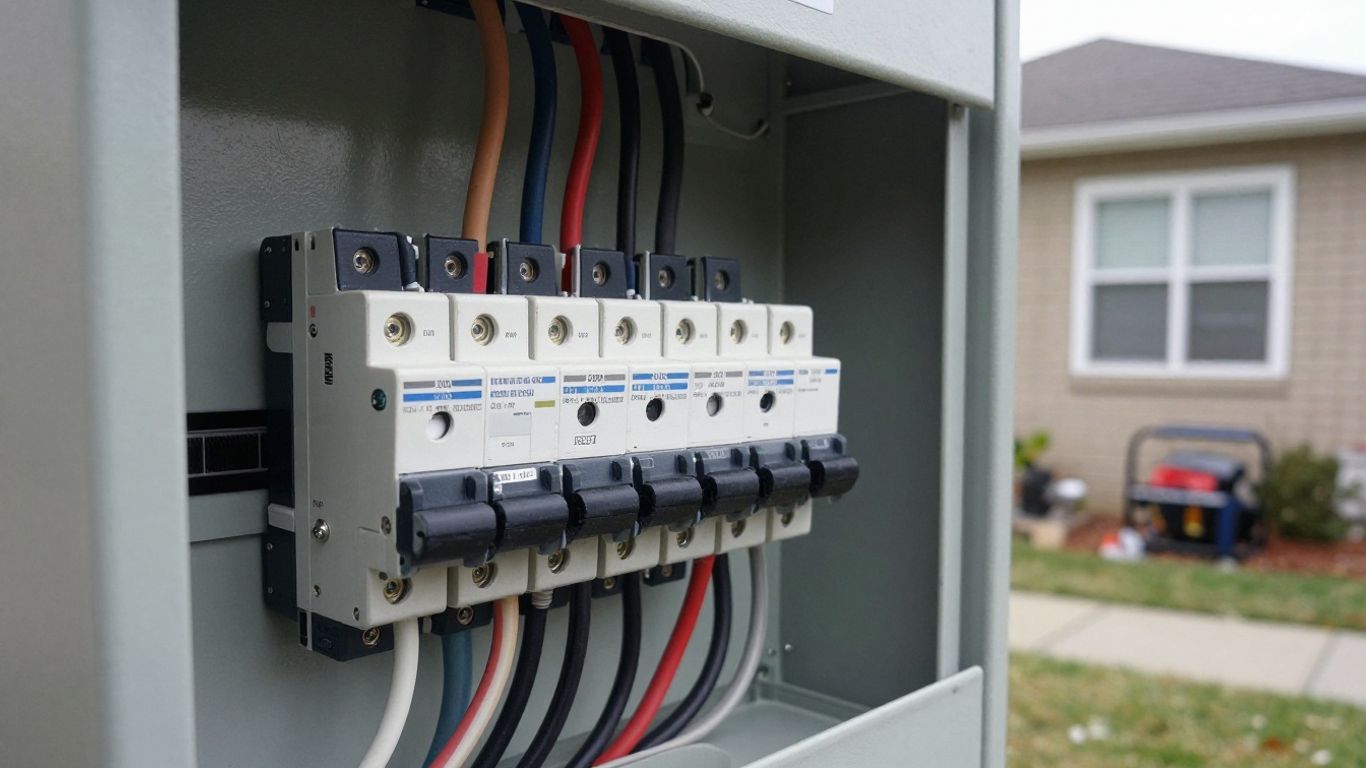
When you’re thinking about a generator for your 200-amp service, the first thing to get straight is that your panel’s size isn’t the whole story. It’s like looking at your car’s gas tank size and assuming that’s how far you can drive without stopping. Your home’s actual electrical needs are what really matter.
Why Panel Size Does Not Equal Generator Size
Your 200-amp panel is essentially the main distribution hub for your home’s electricity. It’s designed to handle a maximum capacity, but that doesn’t mean you’re constantly using all of it. Think of it as the maximum speed your car can go, not the speed you drive it at every day. A generator needs to match your actual usage, plus a little extra for those times when things kick on all at once, not just the theoretical maximum your panel can handle. Relying solely on the panel rating can lead to either buying a generator that’s way too big and expensive, or worse, one that’s too small and can’t keep up when you need it most.
Calculating Your Home’s Actual Load
So, how do you figure out what you actually use? It’s a bit of detective work. You need to list out all the appliances and circuits you absolutely want powered during an outage. This isn’t just about the big stuff; it’s also the little things that add up.
Here’s a basic way to start:
- List essential circuits: Think about what keeps your house running safely and comfortably. This usually includes your HVAC blower, refrigerator, sump pump (if you have one), some key lighting, and maybe your internet router.
- Find running watts: For each item on your list, find its running wattage. This is the power it uses continuously. You can often find this on a sticker on the appliance itself or in its manual. If you’re unsure, a quick online search for your appliance model usually helps.
- Consider startup watts: This is a big one. Motors in things like refrigerators, air conditioners, and pumps need a significant surge of power just to start up. This surge can be two or three times their normal running wattage. You must account for this.
A common mistake is forgetting that some appliances, especially those with motors, require a much higher wattage to start than they do to run. This ‘startup surge’ can easily overload a generator if not properly calculated. For example, a central air conditioner might run at 1,500 watts but need 4,500 watts to kick on.
To get a clearer picture, you can use resources that list typical appliance wattages, but remember these are just averages. Your specific models might differ. For a precise calculation, a professional load calculation is the best route. This process helps determine the minimum generator size needed for your home’s specific setup, avoiding guesswork and potential issues.
Essential Circuits and Appliances to Consider
When you’re making your list, really think about what’s non-negotiable. For most people, this includes:
- Heating and Cooling: The blower for your furnace or air handler is usually a must. If you have electric heat or a large central AC unit, these are major power draws that need careful consideration.
- Refrigeration: Keeping your fridge and freezer running is high on most lists to prevent food spoilage.
- Water and Waste: Sump pumps are critical in basements prone to flooding. Well pumps are obviously essential if you rely on well water.
- Lighting and Communication: Basic lighting in key areas and keeping your internet and phone chargers working are usually priorities.
- Medical Equipment: If anyone in the household relies on medical devices, these become top priorities.
It’s also wise to think about future needs. Are you planning any renovations or adding major appliances soon? It’s often more cost-effective to size your generator with a little headroom for future additions rather than having to upgrade later. Remember, the goal is to power what you need, not necessarily everything you own.
Determining Standby Generator Capacity
So, you’ve got a 200-amp service, but that number on your panel doesn’t tell the whole story when it comes to picking a generator. It’s more about what you actually use at any given moment. Think of your panel as a big highway, and your generator needs to be able to handle the traffic, not just the highway’s maximum speed limit. The real key is calculating your home’s actual electrical load.
Typical Generator Size Ranges for 200 Amp Service
For a standard 200-amp home, most standby generators fall into a specific range, usually between 20 kW and 26 kW. This range is a good starting point, but it’s not a one-size-fits-all answer. Homes with big energy users like central air conditioning or electric heating systems might need a bit more juice. It’s all about matching the generator to what you need to run during an outage.
Here’s a general idea:
- Small Home (Gas Heat): If you’re mostly running lights, the fridge, and outlets, you might be okay with an 18 kW to 20 kW unit.
- Average Home (with AC): For homes with central air conditioning and typical appliances, a 22 kW to 26 kW generator is often the sweet spot.
- Large or All-Electric Home: If you have electric heating, a large electric range, or other high-demand appliances, you could be looking at 28 kW to 30 kW or even more.
Remember, these are just guidelines. A professional assessment is always best.
Accounting for Startup Surges and Heavy Loads
This is where things get a little tricky. Many appliances, especially those with motors like refrigerators, air conditioners, or well pumps, need a big jolt of power just to get started. This startup surge can be two or even three times the normal running wattage. If your generator can’t handle these surges, you’ll likely trip breakers or shut the generator down. It’s why simply adding up the running watts of everything you own won’t cut it. You need to factor in the biggest startup loads. For example, a 3-ton air conditioner might only draw 5000 watts when running, but its startup surge could be much higher.
When sizing, always consider the biggest motor loads in your home. These are the appliances that demand the most power for a brief moment when they first kick on. Failing to account for this initial power spike is a common reason generators seem too small, even if they meet the running wattage requirements.
The Role of Power Management Systems
Power management systems, sometimes called load management, are like a smart traffic controller for your generator. They help a smaller generator handle the needs of a larger home by prioritizing which appliances get power and when. For instance, if your electric heater and your air conditioner both want to run at the same time, a power management system can prevent them from both starting up simultaneously. It might let the heater run, then turn it off so the air conditioner can start, and then turn the heater back on. This process, known as load shedding, allows you to power more of your home with a generator that might otherwise be too small. It’s a smart way to get whole-house coverage without necessarily buying the biggest, most expensive unit. You’ll work with your electrician to decide which circuits are most important. Regular maintenance is also key to making sure these systems work when you need them.
Factors Influencing Generator Selection
Fuel Type Considerations: Natural Gas vs. Diesel
When you’re looking at generators, one of the first big decisions is what kind of fuel it’s going to run on. You’ve got your natural gas options, which hook right up to your home’s gas line, meaning you don’t have to worry about refueling. Then there are diesel generators. These usually need a fuel tank on-site, but they can be really robust and offer strong power output. Both types can definitely handle a 200-amp service if they’re sized right for your needs. Modern generators are pretty good on fuel efficiency, especially when they’re not working harder than they need to. So, think about what’s available in your area and what makes the most sense for your situation.
Transfer Switch Capacity and Its Impact
Don’t forget about the transfer switch! This is the piece of equipment that safely connects your generator to your home’s electrical system. Its capacity is super important because it dictates how much power can actually flow. Even if you have a beefy generator, an undersized transfer switch can really limit what you can power. It’s like having a big water pipe but a tiny faucet – you won’t get much water through. A properly sized switch is key to managing those heavy loads safely and making sure your generator can do its job without getting overloaded. For more on how these work, you can check out transfer switches and interlock kits.
Wire Size and Electrical Safety Compliance
Safety is obviously a huge deal, and that includes making sure the wiring is up to snuff. The generator’s output needs to be compatible with the wires running from it to your panel. This means the wire size, the breaker ratings, and the load all have to work together. It’s not just about getting power; it’s about getting it safely. Plus, standby generators have to meet national electrical codes. These codes cover things like grounding and how everything is installed to cut down on shock and fire risks. It’s always best to have a professional confirm that your wire size is suitable for the generator you choose and that everything meets local codes.
Sizing a generator isn’t just about picking the biggest number. It’s about matching the generator’s capability to your home’s actual power needs, including those tricky startup surges from appliances. Overlooking details like fuel type, transfer switch capacity, and electrical safety compliance can lead to a system that’s either too small to be useful or unnecessarily expensive. A professional load calculation is the best way to get it right.
When you’re trying to figure out the right generator size, remember that your home’s actual electrical demand is what matters most, not just the size of your electrical panel. A 200-amp panel is just the maximum capacity, not what you actually use. Getting a clear picture of your home’s load helps prevent overspending and ensures you have reliable backup power. For a better idea of what might work for you, consider determining the right size for a home backup generator.
Evaluating Generator Options for Whole-House Power
So, you’re thinking about a whole-house generator for your 200 amp service? That’s a big step towards keeping things running when the power goes out. It’s not just about picking the biggest one you can find, though. Getting the right size is key to avoiding problems and making sure you’re not wasting money. We need to look at what your home actually uses, not just what your electrical panel can handle.
Whole House Generator Sizing for Full Backup
When we talk about whole-house backup, we mean powering most, if not all, of your home’s circuits. This usually involves an automatic transfer switch that handles switching power from the utility to the generator. For a typical 200 amp home, the generator size you’ll need often falls into a specific range. It’s not a one-size-fits-all situation, though. Homes with electric heating, big air conditioning units, or lots of electric appliances will naturally need more power than a smaller home with gas heating.
Here’s a general idea of what you might be looking at:
| Home Setup | Typical Loads Included | Common Generator Range |
|---|---|---|
| Small Home, Gas Heat | Lights, fridge, outlets | 18 kW – 20 kW |
| Average Home | HVAC, air conditioning | 22 kW – 26 kW |
| Large Or All-Electric Home | Electric HVAC, range, multiple high-demand appliances | 28 kW – 30 kW+ |
Remember, these are just starting points. The actual how much generator power for 200 amp service depends on your specific needs.
High-Demand Equipment and Special Load Risks
Some appliances and systems in your home are real power hogs, especially when they first kick on. Think about your central air conditioner, electric water heater, or even a well pump. These items can draw a lot more power for a few seconds than they do when they’re just running. If your generator can’t handle that initial surge, it might shut down or trip breakers. This is where understanding startup watts versus running watts becomes really important when choosing a backup generator for 200 amp electrical system.
Some homes have unique equipment that requires extra attention. For instance, electric vehicle charging stations or large workshop tools can significantly increase your power needs. It’s vital to identify these loads early in the planning process to prevent unexpected issues.
Professional Assessment for Accurate Sizing
Trying to guess the right generator size can lead to headaches later. You might end up with a unit that’s too small and can’t keep up, or one that’s way too big and wastes fuel. The best way to figure out the best generator wattage for 200 amp service is to get a professional assessment. A qualified electrician or generator installer will perform a detailed load calculation for your home. They’ll look at all your appliances, your heating and cooling systems, and any other high-demand items. This calculation is the most reliable way to determine the correct size for your specific situation, helping you make the right choice for choosing generator for 200 amp home.
Limitations of Portable Generators
When the power goes out, a portable generator can seem like a lifesaver. They’re often the first thing people think of for backup power. But it’s important to understand what they can and can’t do, especially when you’re used to a 200-amp service. Portable generators are not a whole-house solution for most homes. They have significant limitations compared to standby units.
What Portable Generators Can Realistically Power
Think of a portable generator as a way to keep a few key things running, not your entire home. You’ll need to pick and choose your essential circuits. Usually, this means powering things like your refrigerator, some lights, your internet router, and maybe a small appliance or two. You might be able to run a well pump or a furnace blower, but that’s pushing it for many models. High-demand items like central air conditioners, electric ovens, or electric dryers are almost always out of the question. It’s about survival power, not comfort power.
Here’s a general idea of what you might be able to power:
- Lights (a few rooms)
- Refrigerator/Freezer
- Internet modem and router
- Phone chargers
- Small medical equipment
- Furnace fan (gas or oil heat)
Understanding Portable Generator Output Limits
Portable generators are rated in watts, usually with a
Common Pitfalls in Generator Sizing
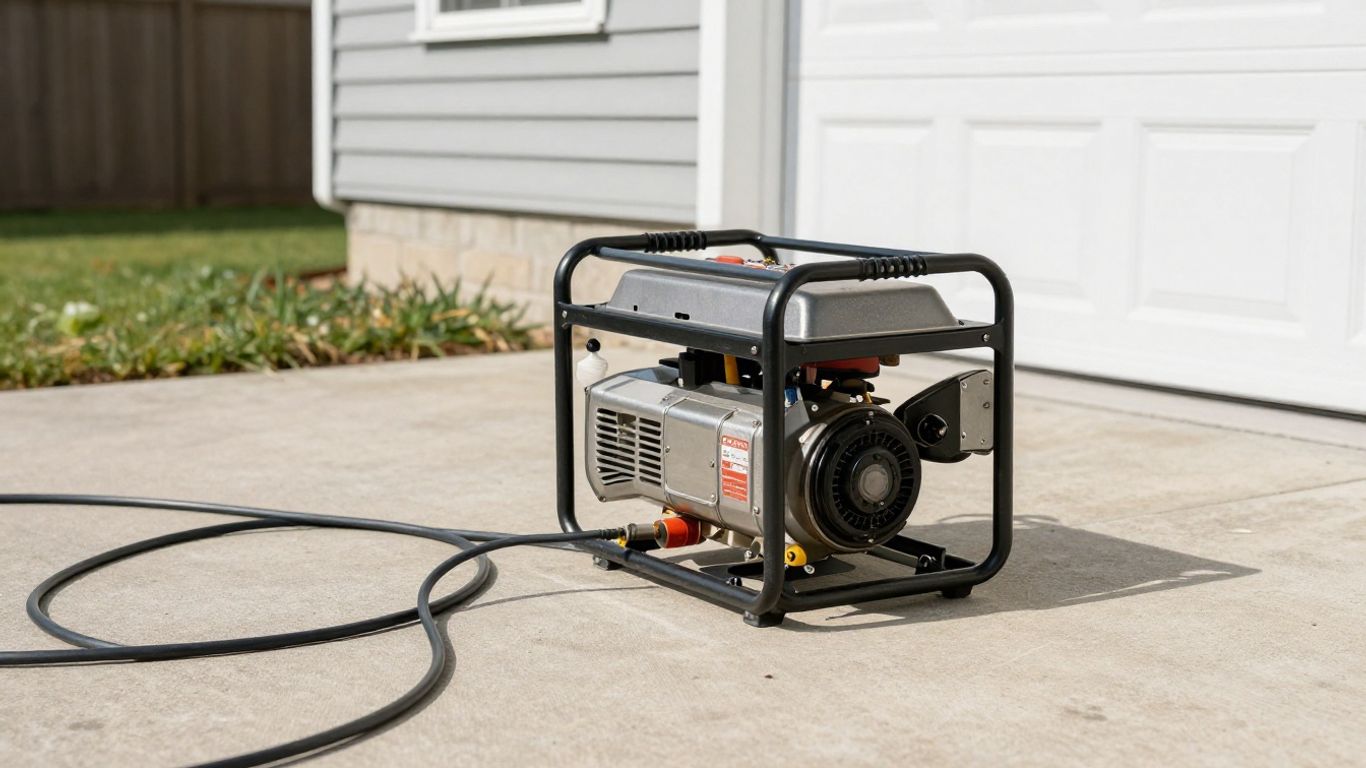
When you’re looking at generator sizing for a 200 amp panel, it’s easy to get tripped up. People often make a few common mistakes that can lead to a generator that’s either too small or unnecessarily large.
Mistakes in Sizing Based on Panel Rating
One of the biggest errors is thinking that because your home has a 200-amp electrical panel, you need a generator that can handle exactly 200 amps. That’s not how it works. Your panel’s rating is its maximum capacity, not what you actually use at any given moment. It’s like having a big gas tank in your car; you don’t always drive with it completely full. Focusing on the panel size instead of your home’s actual electrical load can lead to buying a generator that’s way more powerful (and expensive) than you need, or worse, one that can’t keep up when you actually need it.
Ignoring Startup Surges and Future Additions
Another common oversight is forgetting about startup surges. Appliances with motors, like your refrigerator, air conditioner, or well pump, need a big jolt of power just to get going. This initial surge can be two or three times their normal running wattage. If your generator can’t handle these spikes, it might shut down, trip breakers, or even get damaged. It’s also wise to think about the future. Are you planning to add a hot tub, a new electric car charger, or maybe a bigger kitchen appliance down the line? If you don’t factor these potential future additions into your generator size calculation now, you might find yourself needing a new, larger generator sooner than you think.
Over-Recommending Oversized Units
Sometimes, in an effort to be safe, people recommend generators that are much larger than necessary. While it’s good to have enough power, an oversized generator can be inefficient. It might run at a lower load than it’s designed for, which can actually reduce its lifespan and increase fuel consumption. It’s a balancing act. You want enough power for your needs, including those startup surges, but not so much that it’s wasteful. For a more accurate assessment, consider having a professional electrician perform a load calculation. They can help you figure out the right size for your specific home and needs, avoiding both undersizing and the pitfalls of oversizing. This is especially important when considering whole-house generator options for 200 amp service.
A generator’s job is to provide reliable power when the grid goes down. Getting the size wrong can mean frustration, unexpected costs, or not having the power you expect. It’s better to spend a little time upfront understanding your actual needs than to deal with the consequences of a poorly sized unit later.
Conclusion
Figuring out what size generator you need for a 200-amp service isn’t just about looking at the panel. It’s about understanding what you actually use power for and when. By calculating your home’s real electrical demands, considering startup surges, and thinking about fuel types and transfer switches, you can make a smart choice. Don’t forget that portable generators have their limits, and professional advice is often the best way to avoid costly mistakes. Getting this right means you’ll have reliable power when you need it most, without overspending or ending up with a system that can’t keep up.
Frequently Asked Questions
Does a 200-amp service mean I need a 200-amp generator?
Not at all! Your 200-amp panel just shows the most power your home *could* use. Most homes use much less than that at any given time. The generator size depends on what you actually run, like lights, the fridge, and maybe your air conditioner, not the panel’s limit.
What’s the difference between starting watts and running watts?
Think of it like this: running watts are what an appliance uses while it’s just on, like a light bulb. Starting watts are the extra burst of power needed to get something with a motor going, like your air conditioner or a refrigerator. This surge can be two or three times the normal running amount, and your generator needs to handle it.
Can a portable generator power my whole house with a 200-amp service?
Generally, no. Portable generators are great for running a few important things like your fridge, some lights, and maybe your internet. They don’t have enough power to run everything on a 200-amp panel, especially big items like central air. You’d typically need a standby generator for that.
How do I figure out my home’s actual electrical load?
The best way is to make a list of all the appliances and circuits you absolutely want to have power during an outage. Then, find out how many watts each one uses when running. Add those numbers up, and don’t forget to consider the starting watts for things with motors. A professional can help you do this accurately.
What are the typical generator sizes for a 200-amp home?
For many average homes with a 200-amp service, a standby generator between 22 kW and 26 kW is often a good fit. Smaller homes might get by with 18 kW to 20 kW, while larger homes with all-electric appliances might need 28 kW or more. It really depends on your specific needs.
Why is professional assessment important for generator sizing?
Professionals can look at your specific home, identify all the loads, calculate startup surges accurately, and check things like transfer switch capacity and local rules. This prevents you from buying a generator that’s too small and won’t power what you need, or one that’s way too big and costs a fortune to run.