Tough Stuff: Keeping Remote Places Connected
Key Takeaways
Building dependable systems for distant regions requires rethinking traditional engineering models to accommodate physical and economic constraints.
- Prioritizing decentralized power systems ensures local energy autonomy.
- Modular designs allow for faster maintenance and facility scaling.
- Local community engagement is critical for long-term project maintenance.
- Digital redundancy is essential for survival during extreme weather events.
- Integrating real-time environmental data helps in predictive system upkeep.
The unique challenges of remote infrastructure
Establishing and maintaining stable operational networks in far-flung regions requires navigating a distinct set of hurdles. Engineers must account for vast distances, lack of standardized supply chains, and the harsh realities of unpopulated terrain. Without proactive planning, these regions risk falling further behind in basic services, making the task of connecting remote populations a fundamental obligation for modern development.
Geographical isolation and physical access barriers
Transportation remains the primary bottleneck for delivering heavy equipment to sites hundreds of miles from paved roads. Physical barriers such as mountain ranges or dense forests often force reliance on seasonal transport windows, meaning that a simple part replacement can take months if the supply link is broken. This reality necessitates a strategic approach to stockpiling critical components ahead of time.
Economic hurdles to centralized grid expansion
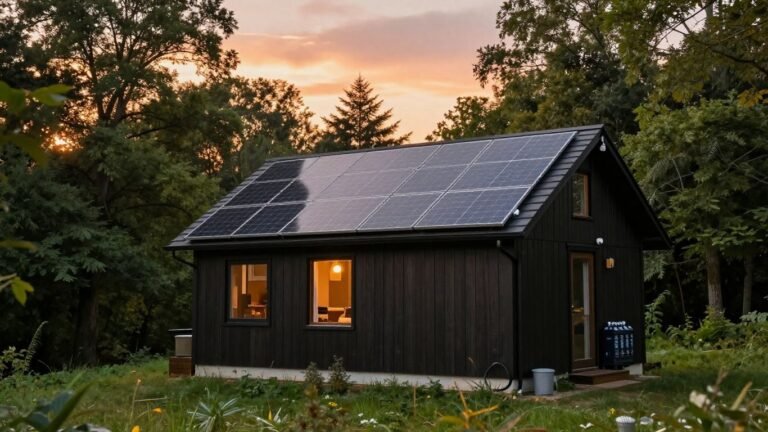
Extending traditional electrical grids to small, disparate communities is often cost-prohibitive due to the low density of end-users. The infrastructure investment required to string lines across hundreds of miles rarely yields an acceptable return for state-run utilities. As a result, sustainable technology for off-grid communities offers a more practical pathway for achieving electrification without bank-breaking capital expenses.
High maintenance costs in extreme environments
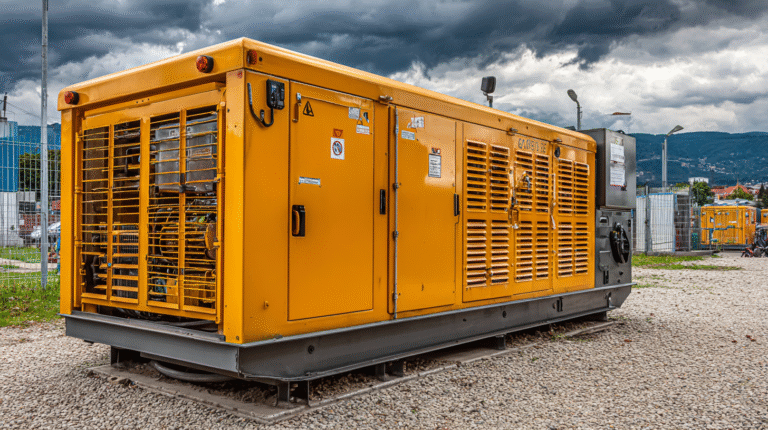
When sites are situated in regions characterized by intense heat, freezing temperatures, or high wind loads, the equipment takes a severe beating. Regular upkeep is difficult to schedule when site visits are logistically complex, and downtime often stretches for weeks. Utilizing robust backup power solutions creates a buffer during these periods of inevitable service disconnects.
Designing resilient infrastructure for remote communities
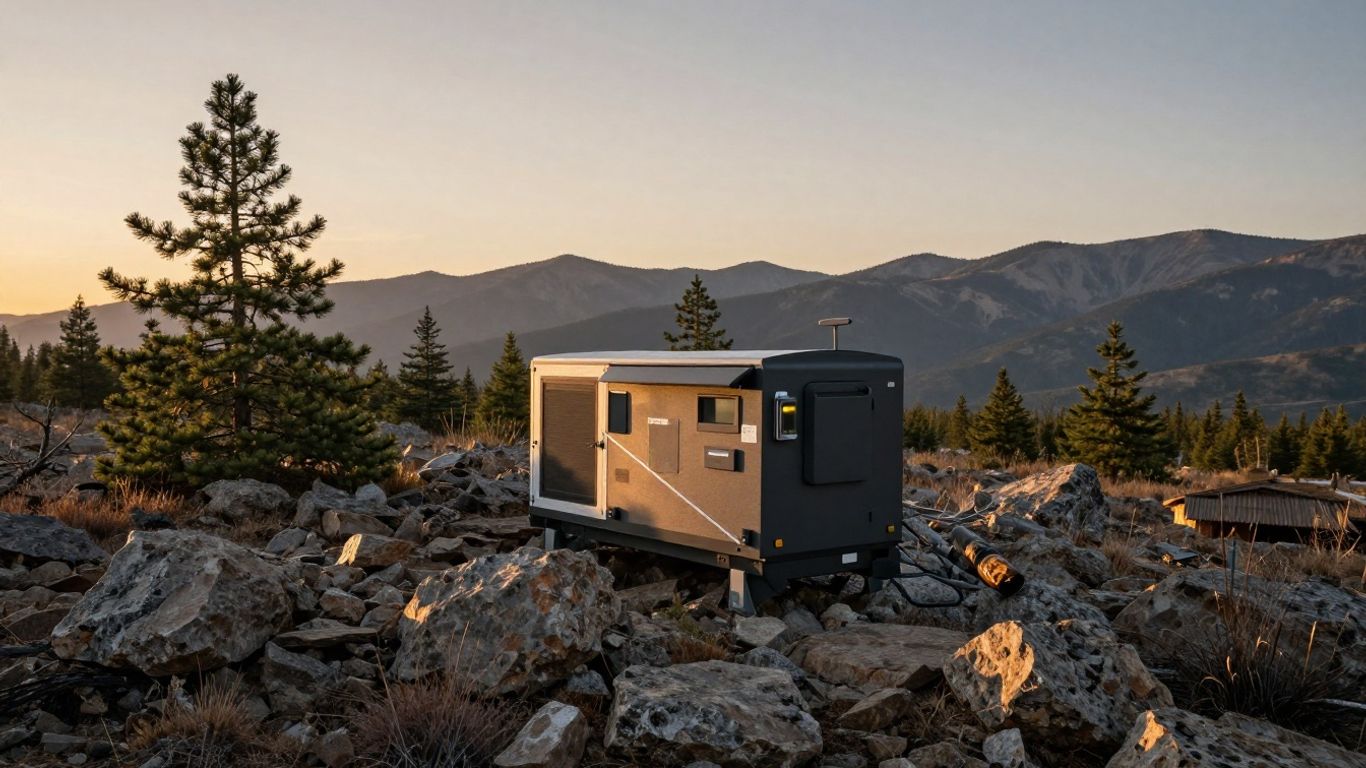
Developing systems that stand the test of time requires a departure from rigid, top-down engineering approaches. Teams must focus on local resilience, ensuring that site failures in one area do not cause cascading outages elsewhere. Designing resilient infrastructure for remote communities hinges on pre-emptive integration rather than reactive patchworks.
Leveraging modular and scalable technology designs
Modern installations are shifting toward pre-fabricated units that can be transported in standard shipping containers. By using these modular shells, technicians spend less time constructing custom frameworks in the field and more time installing functional hardware. This flexibility is vital when project budgets are tight and specialized labor is scarce.
Prioritizing localized supply chains and materials
Communities that rely on materials imported from outside the region are uniquely vulnerable to port closures and delivery failures. A more resilient model involves sourcing sturdy, native stone and timber for structural support, while reserving external shipping capacity for advanced electronics. This hybrid approach mimics the way historic architecture protected its foundations against the elements.
Integrating redundant systems for mission-critical reliability
Establishing a system that supports itself requires thinking about failure points before they become active threats. A reliable deployment often includes specific hardware backups and power pathways to ensure the lights stay on regardless of local conditions.
- Primary renewable sources provide day-to-day energy needs.
- Specialized storage banks hold excess power for peak usage.
- Secondary generators automatically trigger when supply drops below thresholds.
- Local telemetry modules report status changes in real-time.
These automated sequences act as the primary safeguard for uptime in isolated locations where support personnel are days away. By removing manual operator error, the system stabilizes its own performance cycle.
The role of microgrids in ensuring energy stability
Local energy management has moved to the forefront of planning, especially when trying to ensure that isolated energy networks do not buckle under pressure. Microgrids serve as the backbone for regional independence, moving away from centralized reliance. This is where MicroCityGrid excels, providing independent backup solutions that keep essential facilities running when the main lines fail.
Balancing distributed energy resources for local uptime
Effective microgrids do not just generate electricity; they act as intelligent traffic control systems for the local energy environment. By balancing input from solar panels, wind turbines, and small-scale generators, they create a steady flow of current that avoids the surges associated with single-source power. Site operators must prioritize stability by maintaining a mix of generation profiles.
| Energy Component | Typical Lifetime | Reliability Impact |
|---|---|---|
| Solar Photovoltaics | 25 Years | High |
| Battery Storage | 10-15 Years | Moderate |
| Backup Diesel Gen | 15,000 Hours | Critical |
This table illustrates why a diversified approach is needed for long-term project viability. By balancing the lifespan of each component, managers can avoid a total system collapse at the same time.
Transitioning from fuel-heavy generation to renewable microgrids
Replacing fuel-intensive generation is a goal for cost reduction and environmental health. Moving to renewable arrays allows communities to stop worrying about fuel supply chains, which are often the first thing to fail when a storm hits. This transition also lowers the operational burden on site managers who no longer need to manage complex fuel logs.
Implementing intelligent energy storage systems for demand fluctuations
Storage acts as the shock absorber for the entire grid. Without advanced battery management, the system would remain fragile during periods of peak load or low renewable output. By fine-tuning these systems, engineers can ensure that the infrastructure remains flexible enough to grow alongside the community it serves.
Securing digital connectivity and communication lines
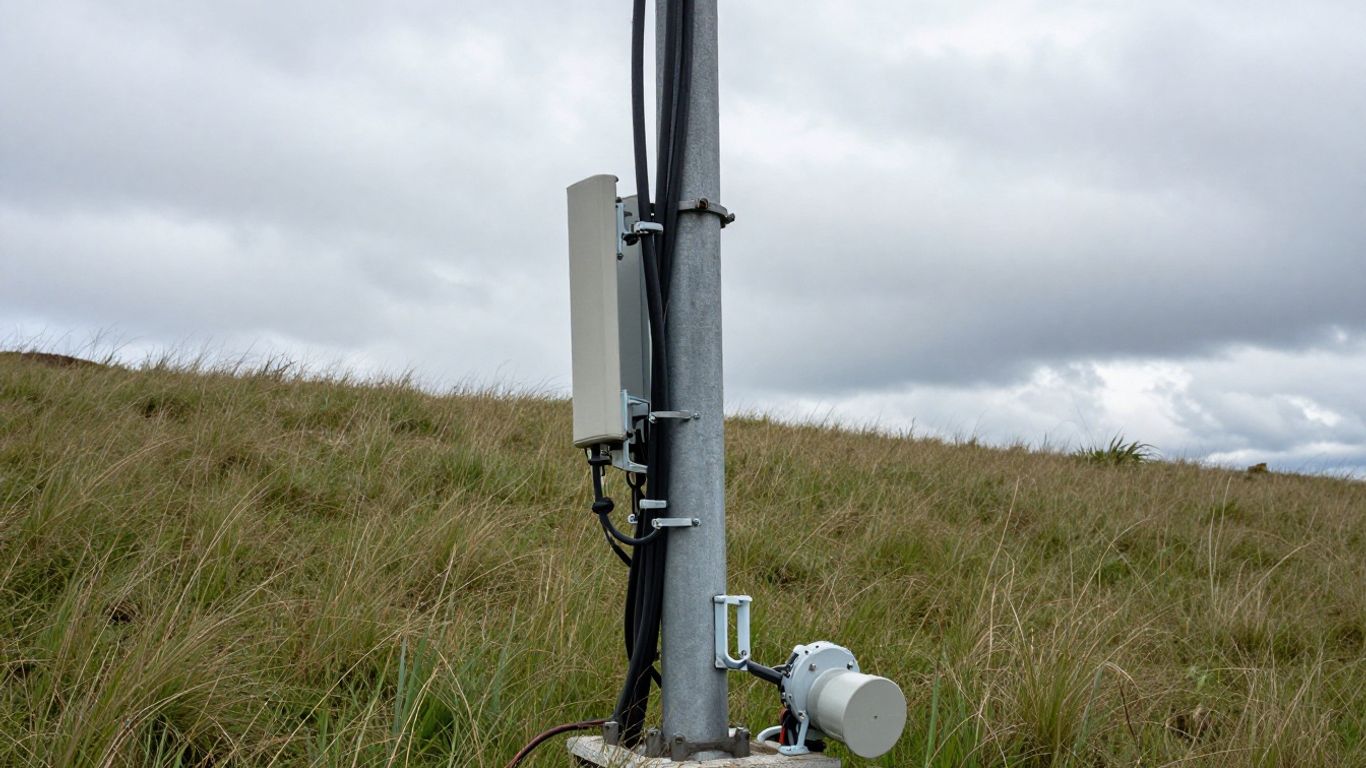
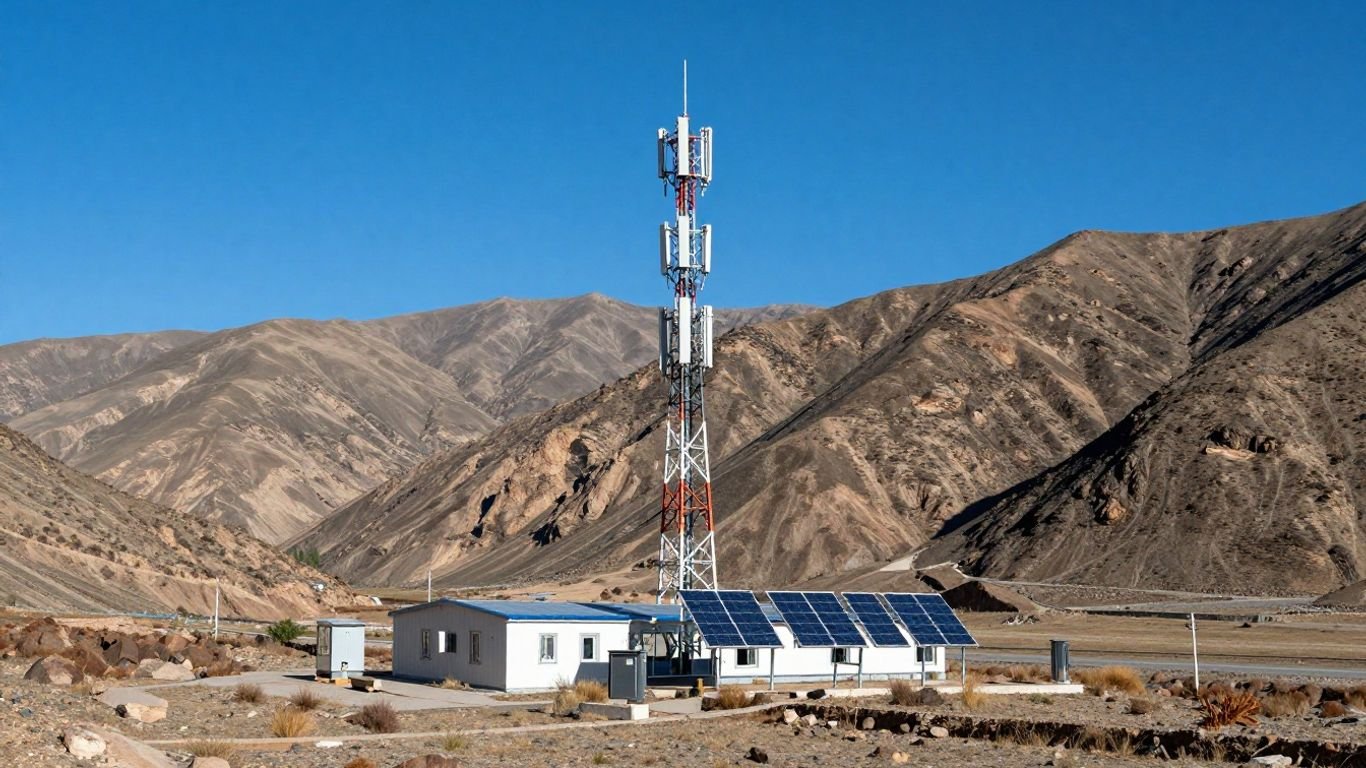
Keeping a remote area online is just as difficult as keeping it powered. Because these areas deal with limited terrestrial options, ensuring that infrastructure solutions for isolated towns exist requires a heavy dose of creative network engineering. When fiber lines are impossible to trench, engineers turn to a mix of airborne and satellite relay systems to maintain reliable internet for rural areas.
Designing communication backbones to survive extreme weather
Infrastructure designed for high-wind or flood zones must prioritize physical hardening of all signal transmission poles. This involves deep-set concrete footings and structural guying that exceeds standard building requirements. Ensuring the tower signals stay strong depends on these structural reinforcements, which minimize the vibration-related fatigue that often plagues thin-profile masts.
Deploying satellite and mesh network alternatives for isolated nodes
Mesh networking is essentially a redundant safety net. By letting individual sensor nodes talk to one another rather than just one central hub, the network gains the ability to route around failed hardware. Satellite backhaul adds another layer, ensuring that even if local connections are severed, the node retains a link to the wider world.
Managing cybersecurity risks in distributed network architectures
Distributed systems present a wide attack surface that hackers can exploit from anywhere in the world. As these grids become more autonomous, they necessitate strict hardware-level encryption to ensure that remote commands for energy diversion or connection reset cannot be hijacked. Securing the connection is just as important as building the physical lines themselves.
Climate adaptation and environmental stewardship
Resilience is not just about human build-outs; it is about creating infrastructure that works with the local environment rather than fighting it. When architects build climate-resilient infrastructure, they look for ways to harmonize their designs with ecological thresholds that have been set by centuries of local climate patterns.
Assessing site-specific disaster risks such as flooding or wildfires
The evaluation phase is the most critical part of an install. Engineers often create digital terrain models to simulate how water flows during a flash flood or how fire reaches a ridge line. By mapping these risks before construction starts, builders can avoid the most dangerous zones entirely.
Building infrastructure that harmonizes with local ecological thresholds
Integrating the design into the landscape allows the environment to act as a buffer. For instance, maintaining natural drainage swales around a site can mitigate flooding better than installing concrete barriers, which often create erosion problems further downstream. This sensitivity is part of the Beverly Hills Bed approach to environmental consideration across all project types.
Utilizing real-time monitoring for preventative maintenance cycles
Instead of waiting for a break, MicroCityGrid keeps a constant watch on every critical part of the system. This allows operators to spot a degrading battery or a wind-damaged sensor long before the component actually fails during a storm. This shift to proactive care is a milestone in keeping remote sites functional.
Strategies for long-term project viability
Success in remote settings is rarely defined by the initial construction date. True success is marked by whether the infrastructure is still functional and maintained a decade later. Achieving this requires that MicroCityGrid continues to facilitate training for local teams who handle the day-to-day work of withstanding extreme weather infrastructure.
Building community ownership and inclusive governance models
Governance often decides if a project dies after the initial funding dries up. When a community feels they own the energy or communication system, they are significantly more motivated to protect it. Including local voices in the planning process prevents misunderstandings that eventually lead to social friction or neglect.
Navigating private-public partnerships to secure lasting funding
Government grants are great for getting a shovel in the ground, but private partnership models are essential for the maintenance phase. By aligning the incentives of utility firms, local governments, and technology vendors, projects can develop a self-sustaining revenue stream that keeps operations moving regardless of volatile political climates.
Investing in local workforce training for autonomous system management
Education is the ultimate force multiplier for remote sites. By training technicians who already live in the area, developers eliminate the need for expensive, time-consuming fly-in support. This investment fosters a local knowledge base that is capable of managing autonomous system components and responding to complex failure modes safely.
Conclusion
Building out the physical and digital foundations for remote communities is a complex balancing act that requires heavy technical foresight. By using modular technology, respecting ecological thresholds, and ensuring deep local involvement, we can successfully support the development of these essential sites, ensuring they remain connected, energized, and capable of weathering any storm.
Frequently Asked Questions
What makes remote infrastructure different from urban builds?
Remote infrastructure must be entirely self-reliant because it does not have easy access to grid power, emergency services, or skilled repair experts who can reach the site in minutes.
Why are microgrids better for off-grid communities than diesel generators?
Microgrids allow communities to integrate renewable sources like sun and wind, which reduces dependence on expensive and difficult-to-transport liquid fuels while ensuring a more stable, diversified energy supply.
How can community involvement improve the lifespan of a project?
When local people understand and maintain the systems themselves, they develop a sense of ownership that transforms these assets from external installations into essential, protected parts of their community life.
What does decentralized digital connectivity mean?
It refers to network designs where data is relayed between local nodes in a mesh configuration, rather than relying exclusively on a single central tower that could fail during a crisis.
Which environmental risks should planners look for first?
Planners must prioritize site-specific hazards like storm surges, historical flood plains, high-wildfire-risk vegetation, and major wind corridors to ensure the physical facility remains safe during extreme weather.
Why is preventative maintenance more important in remote areas?
Preventative maintenance is critical because logistically difficult access means that fixing a small, manageable issue today is infinitely cheaper and safer than trying to address a total system failure later.
How do private-public partnerships help long-term funding?
These partnerships combine the initial capital from public sources with the efficient operational management of private firms, creating a stable, long-term operational budget that a single entity might not be able to sustain alone.