Arctic Microgrids: Power Systems for Extreme Cold
Key Takeaways
An arctic microgrid is more than a collection of generators: it is a locally coordinated power system designed around weather, logistics, and the needs of the people who depend on it. The strongest plans account for both the equipment and the community that will operate it.
- Local generation, storage, and controls can help remote communities manage power independently.
- Cold, darkness, snow, and difficult access shape equipment choices and maintenance plans.
- A mix of dispatchable generation, renewables, and storage can balance reliability with fuel and emissions goals.
- Operators need clear plans for power quality, black starts, equipment failures, and fuel interruptions.
- Local participation, training, lifecycle budgeting, and performance tracking support lasting resilience.
What an arctic microgrid is and why it matters
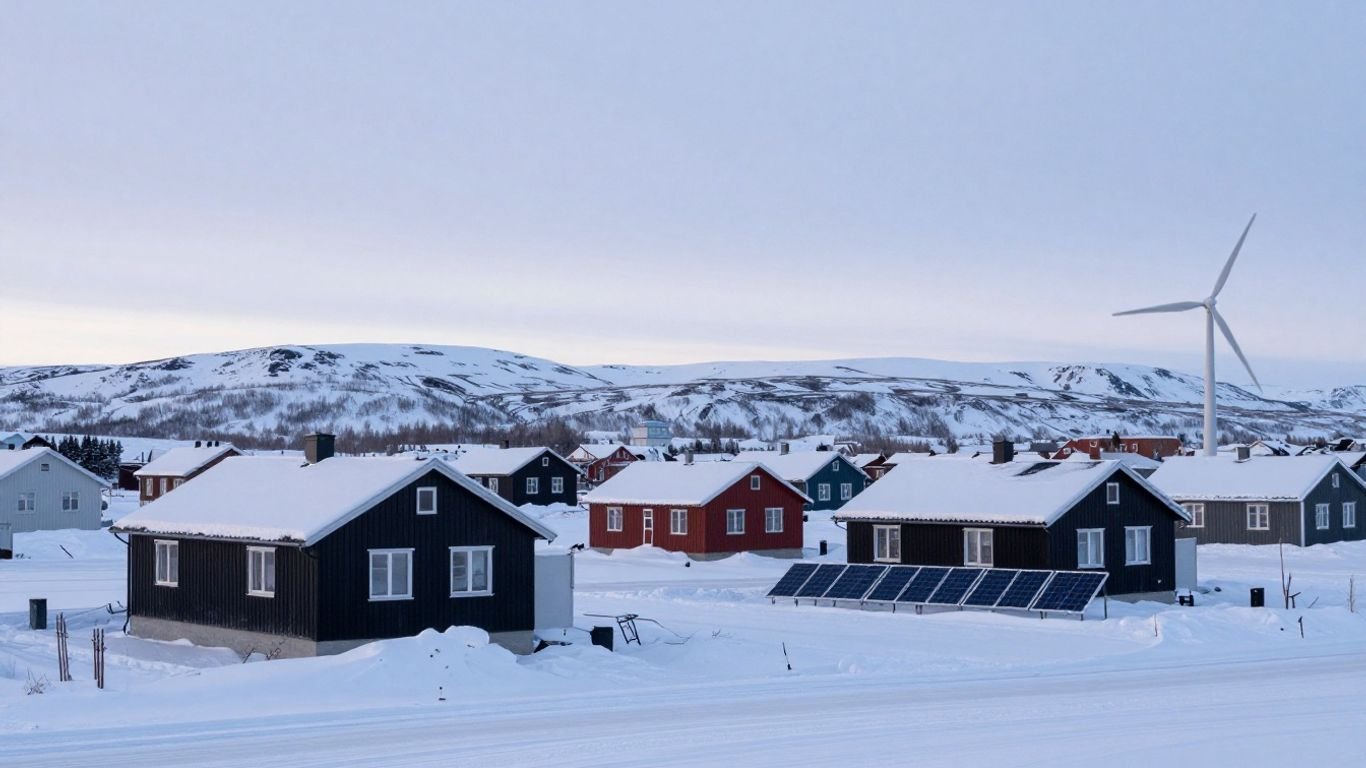
In places where long transmission lines are impractical or vulnerable, an arctic microgrid can bring generation, storage, and power management closer to the loads they serve. Its design is shaped not only by electrical engineering, but by climate, supply routes, and local priorities. The basic idea is straightforward; making it dependable through a long winter takes careful coordination.
How local generation, storage, and controls work together
A microgrid coordinates local power sources with the demands of homes, public buildings, and other facilities. Generators can provide dispatchable electricity, while wind or solar may contribute when conditions allow; storage can help balance short-term changes. Controls oversee how these resources operate together, and local coordination matters because the system must respond to both changing supply and changing demand.
Why remote communities rely on islanded power systems
Some remote communities have no connection to a larger utility grid, while others depend on infrastructure with limited redundancy. In either case, a local system can reduce reliance on a single distant supply route or point of failure. Islanded operation also brings responsibility close to home: fuel, maintenance, trained operators, and practical contingency plans all become part of keeping the lights on.
How microgrids connect to existing grids or operate independently
A microgrid may run alongside a larger grid and draw power from it, or it may operate independently where no suitable connection exists. A grid-connected system can be designed to separate from the utility supply when needed, then reconnect when conditions permit. The particular equipment and operating rules depend on the interconnection and on whether the community expects to operate islanded routinely or only during an interruption.
Where arctic microgrids serve communities, industry, and research sites
The same broad concept can support a village, a remote industrial site, or a research station, but the load profile and consequences of an outage differ. A community may prioritize homes, water services, and public facilities; an industrial operation may need to protect production processes. Arctic research also explores designs shaped by local needs and collaboration, as described in work on community-research partnerships.
How extreme cold affects power system design
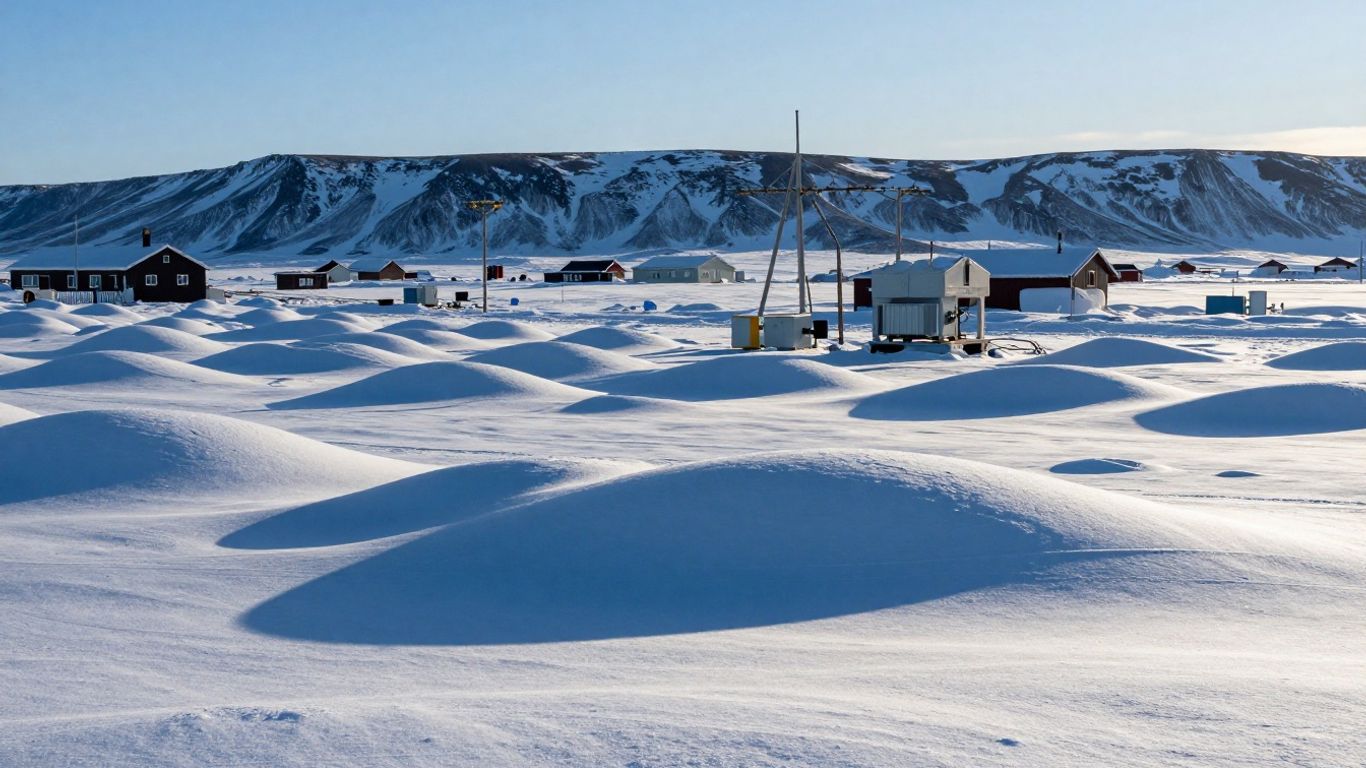
Cold-region design starts with the conditions equipment will actually face, not just its rated output in a mild environment. Low temperatures can affect materials and storage, while snow, wind, and darkness complicate both generation and repair. These conditions shape the system’s physical layout as much as its electrical plan.
What low temperatures do to batteries and electrical components
Battery performance and charging behavior can change in low temperatures, so designers need to follow the selected equipment’s operating limits and plan appropriate thermal management. Cables, enclosures, connectors, and power electronics also need to be specified for the site’s temperature range and exposure. A design that works on paper may still fail if routine inspection or replacement is difficult in winter conditions.
How snow, ice, wind, and darkness affect equipment and access
Snow can cover panels, obscure walkways, and make equipment hard to reach; ice and wind place additional demands on structures and exposed components. Darkness shortens the available daylight for inspection and can limit solar output during the season when demand may be high. Access planning should account for snow clearing, safe routes, visibility, and the time needed to move people and parts to a fault.
Why heating demand can drive winter peak loads
Electric heating and heat-tracing loads can rise during severe cold, sometimes at the same time that renewable output is limited. That coincidence matters: a system sized only around annual average demand may not have enough capacity for the coldest periods. Load records, seasonal patterns, and conversations with residents and facility managers help distinguish essential winter demand from flexible uses.
How permafrost and sensitive ecosystems shape construction
In permafrost regions, construction choices can affect ground stability and long-term maintenance. Foundations, buried cables, drainage, and access roads all need site-specific review, since local ground and ecological conditions vary. Careful siting can reduce disturbance and make inspection easier, while leaving room for future repairs without unnecessary excavation.
Choosing generation and storage for Arctic conditions
No single resource fits every Arctic site. A dependable design weighs fuel availability, seasonal renewable conditions, load shape, maintenance capacity, and the consequences of an outage. Often, the practical question is how several resources can complement one another rather than which one can replace all the rest.
Comparing diesel, natural gas, and other dispatchable generators
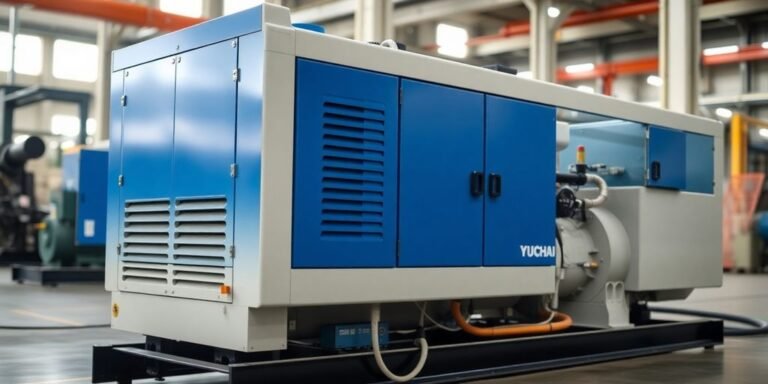
Dispatchable generators can supply power when renewable output is low, but each option brings distinct fuel, servicing, and emissions considerations. Diesel may be familiar in isolated settings, while natural gas depends on a reliable local supply or delivery arrangement. The comparison below is a starting point, not a substitute for site-specific engineering and fuel planning.
| Resource | Potential role | Planning consideration |
|---|---|---|
| Diesel generator | Dispatchable power and backup | Fuel storage, delivery access, and servicing |
| Natural gas generator | Dispatchable power where fuel is available | Supply continuity and emissions requirements |
| Other dispatchable source | Additional firm generation where suitable | Technology fit, operating expertise, and logistics |
The table makes one point clear: a generator’s nameplate capacity is only part of the decision. The team also needs to understand how fuel reaches the site, who can maintain the equipment, and what happens if a delivery is delayed.
Integrating wind and solar around seasonal variability
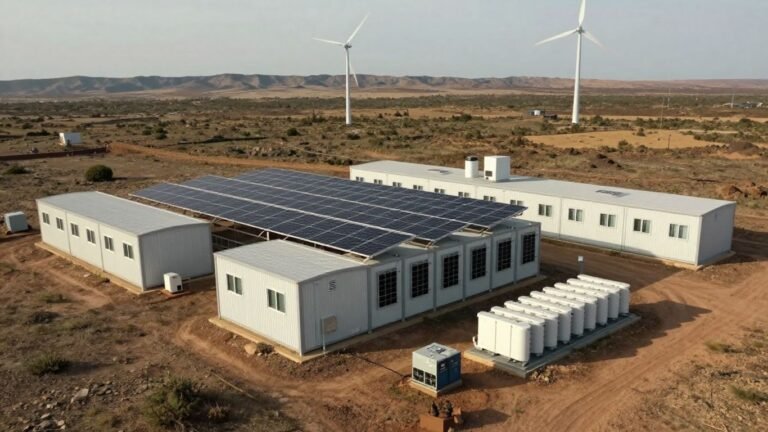
Wind and solar can reduce dependence on fuel when resources are available, but output varies with weather and season. Solar production may be limited by winter darkness or snow cover, while wind performance depends on local conditions and equipment access. A useful design studies multiple years of resource and load data where available, then plans dispatchable generation and storage around periods of lower renewable output.
Selecting batteries and other energy storage for cold climates
Storage can smooth short-term mismatches between generation and demand, support transitions between operating modes, or provide reserve capacity. In a cold climate, selection should consider temperature limits, enclosure and thermal needs, usable capacity, charging strategy, and replacement logistics. Batteries are not the only form of storage, but any option must fit the system’s response time and the community’s ability to operate it.
Using waste heat and combined heat and power to improve efficiency
Where a generator produces usable heat, recovering some of it can support nearby buildings or processes and make better use of fuel. Combined heat and power is most relevant when electrical and thermal demands occur in compatible locations and seasons. The design still needs a plan for periods when heat demand and electrical generation do not line up, so that heat recovery complements rather than constrains power operations.
Designing controls and operations for reliability
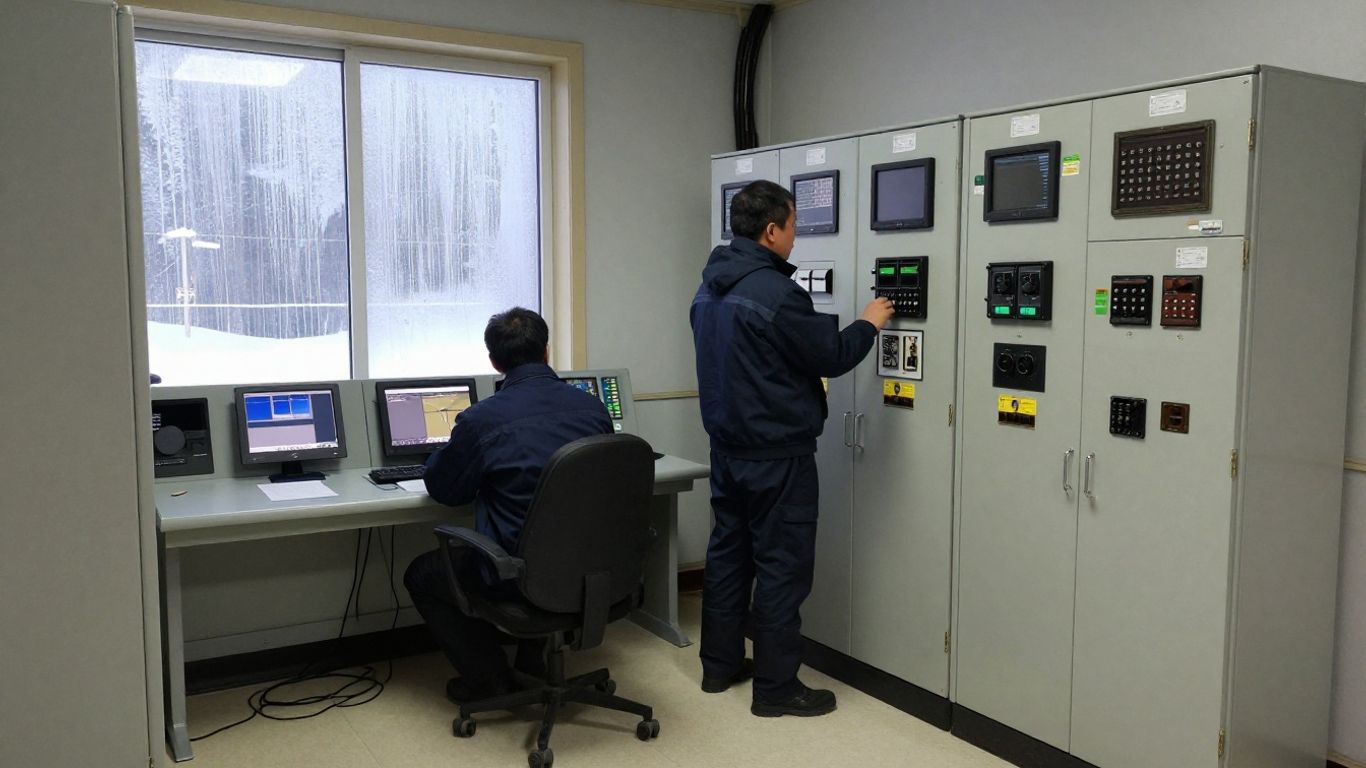
Hardware alone does not determine whether a microgrid will remain stable through a disruption. Controls need to coordinate resources, protect power quality, and support operators making decisions under pressure. Those operating practices should be developed and tested before a severe-weather event makes them urgent.
Balancing generation, storage, and changing community demand
Demand changes through the day and across the seasons, while renewable supply can shift quickly with weather. Controllers and operating procedures help coordinate generation, storage, and loads in response to those changes. Operators also need a shared understanding of which loads are essential, which can be shifted, and what conditions call for conservation.
A short operating checklist can turn that shared understanding into practical routines:
- Review expected demand and available generation before major seasonal transitions.
- Confirm which critical loads receive priority during constrained operation.
- Check fuel, storage status, and equipment alarms at defined intervals.
- Record unusual events and update procedures after drills or real interruptions.
These steps do not replace automated controls or maintenance. They give local teams a common basis for responding and help ensure that the system’s priorities are clear before a difficult operating day.
Maintaining power quality during islanded operation
When disconnected from a larger grid, a microgrid must manage its own voltage and frequency within the limits of connected equipment. Sudden changes in generation or large motor starts can challenge that balance. Protection settings, control strategies, and load sequencing should therefore be reviewed together, with testing that reflects the actual mix of local equipment.
Planning for black starts, equipment failures, and fuel interruptions
A black-start plan sets out how to restore power when the system is fully de-energized, including the order in which equipment and loads return. Separate procedures should cover generator failures, storage limitations, and delayed fuel deliveries. Regular drills reveal whether staff can carry out each step with the tools, communications, and spare parts that will really be available.
Securing control systems while enabling remote monitoring
Remote monitoring can help technical staff see equipment status when travel is difficult, but it should be paired with clear access controls and response procedures. Teams need to know who can change settings, how access is managed, and what to do if communications fail. Local operators should still be able to follow safe procedures when a remote connection is unavailable.
Planning deployment with local needs in mind
A project is more likely to fit its setting when planning begins with local energy use and operational realities. Technical studies matter, but they cannot answer every question about acceptable trade-offs, staffing, or daily routines. Early involvement helps surface those questions while there is still time to adjust the design.
Assessing energy use, fuel logistics, and existing infrastructure
Start with available load data, seasonal demand, and a clear inventory of existing generators, distribution equipment, and buildings. Then map how fuel and replacement parts reach the site, including the effect of weather and shipping windows. Remote industrial projects face similar questions about operating conditions and supply routes; a guide to remote construction microgrids covers that adjacent planning context.
Involving residents and local operators in project decisions
Residents and local operators understand routines that may be invisible in a consultant’s load model: when demand shifts, which services cannot pause, and what maintenance can realistically be performed. Their input can inform priorities, siting, communications, and the kind of training that will be useful. Research on Arctic energy planning likewise highlights the value of working with communities when developing design approaches.
Some process resources address fields outside power engineering, so they should not be treated as technical guidance for an Arctic microgrid. For example, the HVAC Website Playbook concerns emergency-service communication, a tech finance community concerns peer decision-making, Mental Health First Aid concerns workplace support, Falco Outdoors sets out sales terms, and a service-focused CRM covers service operations. Their topics differ, but the distinction is a useful reminder to evaluate a resource for what it actually addresses.
Training teams to operate and maintain specialized equipment
Training should match the installed system and the responsibilities assigned to local staff. That may include safe startup and shutdown, alarm response, routine inspection, fuel handling, and escalation when a fault is beyond local repair. Hands-on practice, clear documentation, and refresher sessions can make operating procedures more usable than a manual delivered once at commissioning.
Coordinating permits, shipping windows, and construction schedules
Permits, freight, seasonal access, and construction conditions can determine when a project is feasible. Equipment arrival should be coordinated with trained crews, suitable storage, and access to tools; a missed shipping window can affect the whole schedule. Keeping a realistic contingency for weather and transport delays is not wasted time—it is part of planning for the site as it exists.
Measuring costs, resilience, and long-term performance
The initial equipment price is only one part of a microgrid’s cost. Fuel, routine service, replacement parts, training, and eventual equipment renewal affect long-term affordability. Measuring performance from the start helps communities see whether the system is meeting the goals they chose.
Comparing upfront investment with fuel and maintenance costs
A lifecycle comparison should include construction and interconnection costs alongside expected fuel use, service needs, and component replacements. Delivery uncertainty and the cost of maintaining specialized equipment can matter as much as the purchase price. Scenario analysis—such as comparing ordinary operations with a delayed delivery or a major repair—can reveal costs that a simple annual estimate misses.
Evaluating emissions reductions and energy independence
Renewable generation may reduce fuel use when it produces power that the system can use, but the outcome depends on the resource mix and operating patterns. Energy independence is also not a single measure: a community might value fewer fuel deliveries, local control, or a stronger ability to serve critical loads during interruptions. Set those objectives explicitly and measure them with data the project can collect consistently.
Tracking reliability, renewable output, and avoided outages
Useful measures may include interruption frequency and duration, renewable generation, fuel consumption, and the time required to restore service after a fault. Baselines make it possible to distinguish genuine change from seasonal variation. Reporting should also explain what was counted, since an avoided outage is difficult to quantify without a defined comparison.
Planning spare parts, lifecycle replacements, and system expansion
A reliable long-term plan identifies which parts are critical, how quickly they can be obtained, and whether local staff can replace them safely. Batteries, generators, controls, and distribution equipment have different maintenance and replacement schedules. The design should leave a practical path for adding capacity or new loads, while avoiding expansion that the community cannot maintain.
Conclusion
An arctic microgrid succeeds when its equipment, operating plans, and local priorities fit together. Cold-weather performance depends on realistic assumptions about generation, storage, fuel, access, and people’s ability to maintain the system. With community participation and steady performance tracking, a microgrid can be planned as long-term infrastructure rather than a collection of isolated components.
Frequently Asked Questions
What is an arctic microgrid?
An arctic microgrid is a local electricity system that coordinates generation, storage, and controls to serve nearby loads. Depending on its design and connection, it may operate with a larger grid or independently.
Why do remote Arctic communities use microgrids?
Remote locations may lack a connection to a larger grid or depend on long, difficult supply routes. Local systems can provide a way to coordinate power closer to the people and facilities that need it.
Can renewable energy work in an Arctic microgrid?
Wind and solar can contribute where local conditions support them, but their output varies by season and weather. Designers typically consider how storage and dispatchable generation can support periods of lower renewable production.
How does extreme cold affect batteries?
Low temperatures can affect battery performance and charging behavior. Equipment limits, thermal management, usable capacity, and maintenance access all need to be considered in the design.
What happens when an Arctic microgrid loses its main generator?
The response depends on the system’s available generation, storage, protection, and operating procedures. A contingency plan should explain how to prioritize loads, restore equipment, and respond if fuel or repair parts are unavailable.
What is a black start?
A black start is the process of restoring a power system from a fully de-energized state without relying on an already operating external grid. The plan typically defines a safe sequence for restarting equipment and reconnecting loads.
How can a community evaluate microgrid performance?
A community can track reliability, fuel use, renewable output, maintenance needs, and restoration time against a clear baseline. The measures should reflect local priorities and be collected consistently over time.