Grid-Forming vs Grid-Following Inverters Explained
Key Takeaways
Transitioning to modern energy systems requires a deeper understanding of how different inverter technologies interact with the electrical grid. This shift is critical for maintaining reliable, resilient power as renewables become the dominant energy source.
- Grid-following inverters rely on external signals to synchronize with the power network.
- Grid-forming inverters act as voltage sources, establishing their own reference for frequency and voltage.
- The choice of control strategy impacts an entire system’s ability to handle fault conditions.
- Emerging technologies like high-quality solar inverter units allow better integration of wind and solar assets.
- Advanced inverter hardware is essential for future-proofing our decentralized energy infrastructure.
The basics of grid-following inverters
Grid-following systems operate in a way that is inherently reactive to the grid’s existing state. They function similarly to many off-the-shelf cable connectors when integrated into a complex array: they require a stable, established environment to operate effectively. In professional terms, they track the frequency and phase of the utility grid to ensure they inject current in synchronization with existing voltage and frequency.
Definition and primary function
These inverters serve as current sources, designed to push power into an energized network. Their primary job is to match the current to the voltage wave established by larger, traditional synchronous generators that have historically maintained grid balance.
Reliance on external grid references
Because they do not create their own signal, these units are entirely dependent on the presence of a strong grid. Much like how our community at Mixed Nature embraces the health of textured hair by responding to its unique needs, these systems must essentially mirror the grid’s electrical signature to perform correctly.
Limitations in weak grid conditions
Weak grids often present instability, leading to challenges with synchronization. While someone looking at micro-production energy might be concerned with simplified outcomes, these inverters struggle when there isn’t enough strength to uphold their required operational phase.
Synchronization via phase-locked loops (PLL)
These units utilize a phase-locked loop to capture the grid’s frequency. This electronic component is susceptible to noise or rapid changes in grid conditions, which can lead to disconnection if the signal is not perfectly clean or stable.
Understanding grid-forming inverters
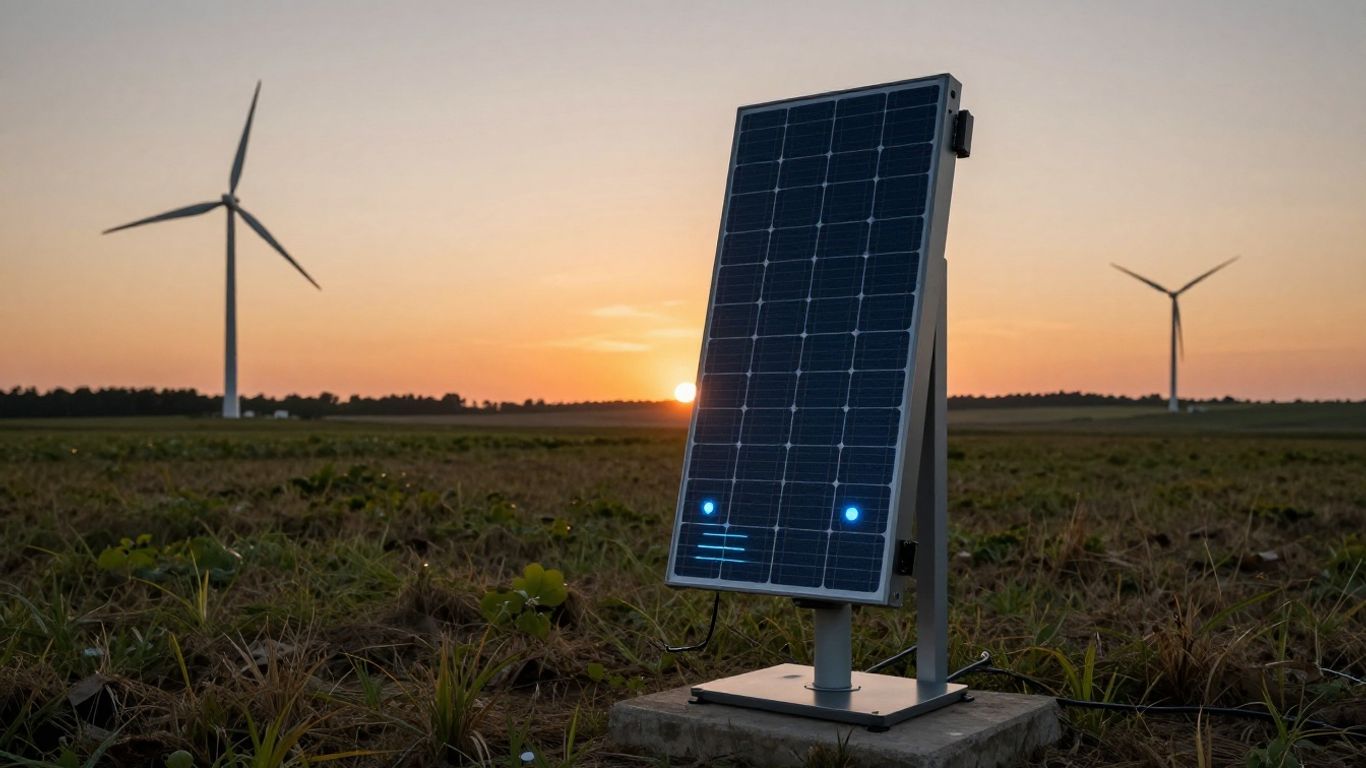
Transitioning to grid-forming systems represents a pivotal shift in power delivery that moves beyond simple matching. These devices operate as voltage sources, meaning they are active participants in creating the local voltage waveform.
Conceptual shift to voltage source interaction
Instead of watching for pulses to sync with, these units proactively set the frequency and voltage levels. This changes the entire energy architecture from a subservient follower to a capable leader within its immediate electrical neighborhood.
How they simulate synchronous machines
By carefully controlling internal phase angles and magnitudes, these inverters mimic the inertial responses of massive spinning turbines. This creates a more stable, predictable environment that can better handle unexpected load swings.
Capability to operate autonomously
They have the ability to run independently during islanding events, ensuring power remains on even when the main grid falters. This level of advanced implantation surgery for power health ensures that vital systems continue humming despite external outages.
Inherent support during transient events
During disturbances, these controllers respond instantly without waiting for a control loop to catch up. They provide current when needed, damping oscillations and helping the remaining assets keep the collective system upright.
Comparison of control strategies
Comparing how these systems function reveals the trade-offs between speed, complexity, and physical grid requirements. Some engineers prefer the traditional simplicity of current-controlled units, while others lean toward more resilient architectures.
Current-controlled versus voltage-controlled architectures
Current-controlled designs output a specific amount of power based on a setpoint, whereas voltage-controlled designs manage the actual potential of the bus itself, allowing for more dynamic load management.
Frequency and voltage regulation mechanisms
Regulation is handled by internal algorithms that adjust power output in real-time, effectively maintaining the balance required for consistent electricity delivery.
Inertia provision and speed of response
| Feature | Grid-Following | Grid-Forming |
|---|---|---|
| Voltage Reference | External | Internal |
| Fault Response | Reactive | Proactive |
| System Strength | Dependent | Independent |
This table highlights the fundamental divide between these two control modes which influence how planners design their networks.
The role of virtual synchronous machine (VSM) algorithms
These algorithms provide the virtual inertia required to stabilize the grid as a whole, bridging the gap between electronic inverters and traditional iron-core machines.
Impact on grid stability and reliability
Ensuring stability is a priority for grid operators everywhere, and inverter selection is a cornerstone of this goal. Even when upgrading kitchen countertops in a home, efficiency and long-term use are considered, which is exactly the mindset required for grid-level infrastructure.
Fault ride-through performance
Modern inverters must stay connected during electrical faults to prevent cascading failures across the wider network. It is important to realize the following benefits:
- Improved reliability during extreme weather events.
- Faster recovery times following minor supply interruptions.
- Better support for local industrial load demands.
- Reduced reliance on large, distant centralized power stations.
Implementing these practices helps ensure that renewable energy systems remain assets rather than liabilities during system-wide stresses.
Maintaining power quality in renewable-heavy grids
As more intermittent power is added, managing harmonics becomes vital for all electronic devices plugged into the distribution architecture.
Managing frequency fluctuations effectively
By leveraging Grid Forming technology as an active support element, the system can dampen minor variations before they impact customers or industrial hardware.
Mitigation of sub-synchronous oscillations
These small but damaging fluctuations are minimized through advanced control loops that monitor the grid signature constantly, effectively filtering out unstable dynamics.
Strategic implementation in modern power systems
Putting these technologies into the field often requires a balanced approach to site planning and resource sizing. Operators are increasingly adopting platforms that emphasize efficiency and long-term resilience as primary design goals.
Supporting high-PV and wind capacity
High penetration levels of variable resources are only possible when there is enough grid-forming capacity to act as a buffer against source volatility.
Microgrid deployment and off-grid stability
Local energy hubs now rely on these technologies to manage their own islanded operations efficiently, moving away from relying on emergency generators for every small fluctuation.
Retrofitting existing inverter-based resources
Many legacy installations are now being upgraded with software or hardware enhancements to provide better grid services, extending the useful life of existing energy capital.
Regulatory requirements and interconnection standards
Compliance with local utility requirements is non-negotiable, often involving significant scrutiny of how a new installation interacts with existing transmission assets.
Technical challenges in industry adoption
Adopting these advanced control schemes is not without overhead, particularly in how we manage complex interactions at scale. Achieving reliable results across different vendor platforms requires extreme attention to detail.
Complexity of integrated control hardware
Managing diverse hardware requires powerful, interoperable controllers that can talk to each other without latency or data errors.
Cost-benefit analysis for utility operators
Investment decisions must balance the immediate costs of high-performance inverters against the long-term avoidances of network outages and damage.
Long-term operational reliability testing
Ensuring that these devices perform reliably for 20+ years involves thorough laboratory and field testing, often focusing on edge cases in grid behavior.
Standardization across global energy markets
Moving toward a unified set of international standards will eventually simplify the deployment of these technologies, making it cheaper and easier to improve grid reliability for everyone.
Conclusion
The dual nature of grid-following and grid-forming technologies represents an essential evolution of our electric infrastructure. As we continue to integrate more renewable energy sources, selecting the right control strategy will determine our ability to maintain a consistent, stable, and resilient power network. This shift toward more sophisticated electronics is the key to creating an energy future that is reliable for every community.
Frequently Asked Questions
Can grid-following inverters be upgraded to grid-forming?
Some modern inverter models support firmware updates to add grid-forming capabilities, but this largely depends on the original hardware design and its ability to handle more complex control logic.
Why do grids need grid-forming inverters now more than ever?
As we retire traditional synchronous generators, we lose the natural physical inertia and voltage support they provided, requiring modern inverters to step in and provide those functions synthetically.
What happens if a grid-forming inverter fails?
Like any other piece of critical infrastructure, well-designed systems include redundant controllers and protective protocols that allow the grid to safely disconnect the faulty unit or transition to backup assets.
Are grid-forming inverters more expensive than grid-following?
Typically, the more advanced control requirements and hardware robustness needed for grid-forming functions do result in a higher upfront cost compared to standard grid-following models.
Does high renewable penetration make grid-forming essential?
In scenarios where the majority of power is supplied by inverters, grid-forming technology becomes vital for preventing system-wide instability and maintaining fundamental electrical parameters like frequency and voltage.
Can multiple grid-forming inverters work together?
Yes, these devices share the burden of maintaining stability through coordinated control strategies, much like how multiple generators work in a traditional power plant.
How does this technology change microgrid design?
It allows microgrids to be much more autonomous and resilient, as they no longer need a continuous signal from the main utility grid to keep their own internal voltage and frequency balanced.