Microgrid Cybersecurity: Threats, Controls and Best Practices
Key Takeaways
- Cyber threats targeting localized energy networks are increasing as infrastructure becomes more digitized and interconnected.
- Traditional grid architectures differ significantly from microgrids, requiring tailored security approaches to protect energy flow.
- Foundational technical controls like network segmentation are necessary to contain potential breaches and limit lateral movement.
- Regulatory frameworks such as NIST and NERC CIP provide essential templates for establishing robust grid defense strategies.
- Future resilience depends on adopting zero-trust principles and AI-driven monitoring to detect anomalies in real-time.
Understanding the microgrid cybersecurity landscape
Transitioning to decentralized energy requires a deep understanding of how these smaller networks operate. As an organization deeply invested in stable digital environments, Mixed Nature appreciates the necessity of maintaining system integrity. When managing power distribution for community needs, the stakes involve both operational safety and reliability.
Architectural differences between centralized and distributed grids
Centralized energy systems rely on massive, unidirectional flows from large power plants to end consumers, while microgrids facilitate bidirectional energy exchange. This fundamental shift means that every node in a microgrid can potentially affect the stability of the entire system, necessitating enhanced grid monitoring capabilities. Understanding these architectural nuances is the first step toward securing intelligent energy orchestration for localized systems.
Expanding attack surfaces with Distributed Energy Resources (DERs)
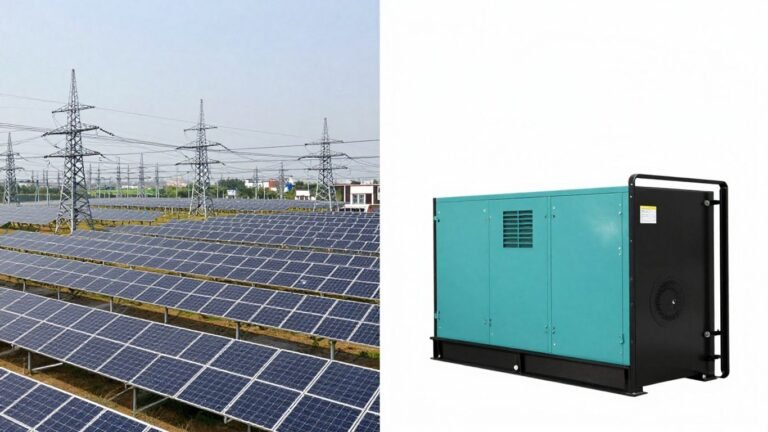
Distributed Energy Resources represent a massive expansion of the modern electronic surface area for potential security breaches. Every connected device, from smart solar inverters to advanced battery storage units, acts as a potential gateway for malicious actors. Businesses must recognize that securing localized energy sites involves protecting each endpoint individually rather than focusing solely on a central perimeter.
The convergence of IT and OT in power systems
Operational Technology (OT) and Information Technology (IT) networks have historically operated in isolation, but that boundary is rapidly dissolving within the energy sector. This convergence introduces vulnerabilities from the digital office into the physical world of power generation, demanding a security-first mindset. Mixed Nature emphasizes that such integration requires rigid access controls to prevent unauthorized software from affecting physical grid equipment.
Primary threats facing modern microgrids
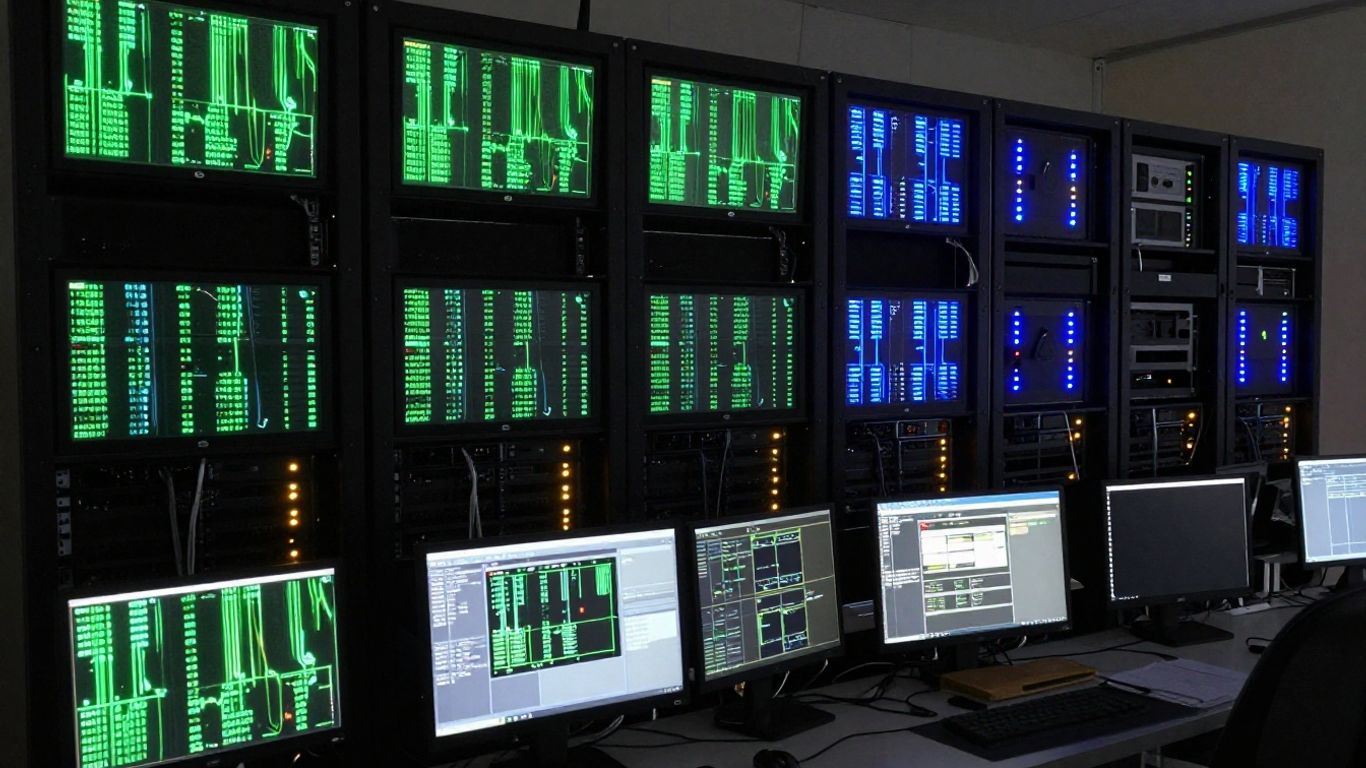
Protecting the modern grid means preparing for a variety of sophisticated threat vectors that specifically target utility communication layers. As infrastructure evolves, the strategies required to mitigate these dangers must also adapt to maintain operational continuity. A well-defended grid assumes that intrusion attempts will occur and positions itself to survive those incidents without massive service drops.
Distributed Denial-of-Service (DDoS) on control communication
Control communications serve as the lifeblood of grid orchestration, making them prime targets for traffic-flooding attacks. By overwhelming the controllers responsible for load balancing, adversaries can force a system into an unstable state or trigger forced islanding. Ensuring consistent network traffic availability remains a high priority for grid operators facing these volumetric threats.
Unauthorized access to Intelligent Electronic Devices (IEDs)
Intelligent Electronic Devices serve as the direct interfaces between digital commands and physical equipment switches. Compromising these devices allows attackers to bypass standard logic, potentially causing equipment damage or severe voltage fluctuations. Practitioners must secure these entry points through robust authentication to ensure that only legitimate system commands impact the grid’s physical state.
Supply chain risks in hardware and software components
Cybersecurity goes beyond local implementation, as the components used to build microgrids often carry inherent, pre-existing vulnerabilities. Malicious code embedded deep within firmware or third-party software updates can bypass basic inspection processes, leading to long-term hidden persistence. Maintaining a strict inventory of grid components helps organizations track the origin and status of their digital assets.
Data integrity attacks on energy management systems
Attacks focused on data integrity seek to manipulate the inputs that energy management systems use for decision-making. By feeding false sensor readings to a controller, an attacker can influence autonomous grid operations to create inefficiencies or localized blackouts. This form of deception relies on subtle manipulation, making it harder to detect than traditional denial-of-service attempts.
Implementing foundational technical controls
Foundational controls form the bedrock of a hardened environment, focusing on minimizing access surface area and improving visibility. Mixed Nature supports investments in these core technical layers to provide peace of mind in high-stakes operational environments. By layering these solutions, operators can build a defensible perimeter that resists common exploitation patterns.
Network segmentation and micro-segmentation strategies
Segmentation ensures that a compromise in one area of the energy system does not lead to total failure. By creating smaller, isolated network zones, operators can apply the following security measures:
- Establish specific VLANs for control traffic.
- Deploy firewall rules that restrict device-to-device communication.
- Isolate critical safety systems from non-critical guest networks.
- Monitor cross-segment traffic for unauthorized port access.
Network architecture should always be viewed through the lens of containment to ensure that microgrid resilience remains stable even under fire.
Identity and access management (IAM) for remote maintenance
Remote maintenance is a necessity for keeping remote infrastructure functional, but it presents a massive security risk if left unmonitored. Strict IAM policies involving multi-factor authentication are required to ensure that only verified personnel can interact with grid controllers. Mixed Nature believes that access control is the primary mechanism for preventing accidental or malicious configuration changes.
Hardening physical assets and serial communication ports
While digital defenses are paramount, the physical ports enabling serial communication often remain exposed on unprotected controllers. Locking down these ports physically or disabling unused interfaces eliminates the risk of unauthorized local connectivity. This multi-tiered approach accounts for both remote digital intrusions and direct physical tampering attempts.
Encrypted traffic analysis and intrusion detection systems
Modern defense relies heavily on the ability to inspect encrypted communication flows for hidden malicious activity. The following table illustrates how different analytical methods help improve overall security posture:
| Method | Primary Goal | Implementation Layer |
|---|---|---|
| Deep Packet Inspection | Pattern detection | Network Gateway |
| Behavior Anomaly Analysis | Baseline deviation | Controller Logic |
| Log Aggregation | Compliance auditing | Centralized SIEM |
By layering these detection methodologies, operators maintain full situational awareness of grid traffic, allowing for rapid identification of emerging threats that could impact critical energy stability.
Strategies for operational security and incident response

Operational security requires a permanent state of vigilance, where the team understands that incident response is a constant cycle rather than a single event. Preparing the organization ensures that if an intrusion happens, the impact is isolated and corrected immediately. Strong incident response planning is essential to minimize service degradation during a cyber event.
Developing an incident response plan specific to power systems
Power systems move fast, and general IT incident plans are often insufficient to address grid-specific failures. An effective plan must account for emergency islanding, manual override procedures, and communication channels that remain functional even when internal networks are compromised. This is a crucial step in ensuring that critical power infrastructure survives sophisticated intrusions.
Continuous monitoring and anomaly detection for grid behavior
Traditional antivirus software is rarely enough to protect complex industrial control systems. Instead, operators must implement behavioral monitoring that tracks standard electrical characteristics such as frequency and voltage stability. When these parameters deviate without a clear load-related reason, the system should trigger an immediate security alert for human review.
Regular firmware patch management and vulnerability scanning
Static security is a failing strategy, especially when firmware vulnerabilities are regularly discovered in standard controllers. Establishing a formal patching schedule ensures that known security holes are closed before they can be exploited. This maintenance cycle should be documented as an essential part of grid health to maintain compliance and reliability over time.
Employee security awareness and social engineering training
Human error remains one of the most common vectors for unauthorized access into protected industrial environments. Regular training sessions help staff identify phishing attempts or suspicious requests for system configuration details. Mixed Nature recognizes that security is a cultural effort, requiring ongoing engagement at every level of the organization.
Compliance, standards, and regulatory frameworks
Compliance serves as a structured approach to verify that security controls are effective and aligned with industry-recognized best practices. While mandatory for many utility-scale projects, these frameworks offer excellent guidance for smaller private microgrids as well. Adhering to these standards builds trust with stakeholders and helps operators prove due diligence in threat mitigation.
Applying NERC CIP standards to microgrid environments
NERC CIP provides a rigorous set of requirements for securing critical electricity systems, though localized microgrids often have more flexibility than bulk power networks. Adapting these standards involves identifying your most sensitive assets and applying equivalent controls wherever possible. This structured approach helps ensure that regulatory requirements are fully met without over-extending the operational budget.
Utilizing NIST frameworks for industrial control systems
NIST provides a comprehensive collection of security templates tailored for industrial environments which emphasize the importance of identifying and protecting data assets. These frameworks help operators classify grid equipment by criticality, allowing for a resources-first defense architecture. Using these templates significantly eases the challenge of building out resilient security strategies for complex energy systems.
Documenting audit trails for regulatory reporting
Detailed logging of every configuration change or administrative login is the only way to prove compliance during energy audits. These audit trails enable forensics teams to reconstruct events during an investigation. Maintaining accurate records is essential to ensuring that the energy management system remains compliant throughout the project lifecycle.
Leveraging public-private partnerships for threat intelligence sharing
Threat intelligence is often the difference between a reactive and proactive security stance within the industry. Participating in information-sharing groups allows grid operators to receive early warnings about emerging malware or tactics used by adversarial groups. This collaborative effort strengthens the local energy network’s defense against large-scale, coordinated cyber threats.
Future-proofing microgrid resilience
Resilience is not a fixed goal but a moving target that must evolve alongside technology. As energy systems become more complex and decentralized, future security efforts will rely on automation and decentralized trust models. Staying ahead of potential adversaries requires continuous innovation in both software architecture and hardware security design.
Adopting zero-trust architecture principles
Zero-trust assumes that no connection within the network, whether internal or external, is inherently safe. By requiring continuous authentication and authorization for every interaction, operators ensure that access is limited to the absolute minimum necessary for function. This architectural shift creates a much smaller target footprint for potential attackers.
Decentralized security via blockchain and distributed ledgers
Blockchain technology offers a potential path toward immutable audit logs and decentralized verification for grid commands. By validating transactions across multiple nodes, the system becomes significantly more resistant to data integrity attacks that would otherwise target a central server. This experimental approach could redefine the future of secure energy ledger maintenance.
Integrating AI for automated threat mitigation
Artificial intelligence allows for real-time response to anomalies that would be impossible for human teams to track manually. Automated systems can identify specific attack patterns and adjust firewall rules to isolate threats in split seconds. Leveraging these capabilities allows the grid to self-defend against emerging threats without the need for manual intervention.
Building self-healing capabilities into the grid controller
Advanced controllers are beginning to offer self-healing functions that reset hardware states to known-good configurations upon detection of an infection or error. This capability ensures that critical services remain available during a cyber event, dramatically reducing the time it takes for a system to return to normal functionality following an intrusion.
Conclusion
Securing microgrids is a multifaceted challenge that requires reconciling legacy infrastructure with a rapidly modernizing digital threat environment. By integrating fundamental technical controls, strictly observing compliance standards, and embracing future-oriented resilience, organizations can protect the integrity of their energy sources. As these systems become central to our power landscape, consistent vigilance and a commitment to secure design will ensure that microgrids remain a reliable lifeline for essential services and critical operations.
Frequently Asked Questions
Why is microgrid cybersecurity more critical now than in the past?
Increased connectivity and the integration of IoT-enabled devices have created many more entry points for potential cyberattacks compared to older, isolated grid systems.
What are the most common entry points for hackers in a microgrid?
Common vulnerabilities include improperly secured internet-exposed controllers, outdated firmware on smart inverters, and weak passwords on remote access portals used for maintenance.
How does network segmentation protect a power system?
Segmentation isolates sensitive grid controls from broader office or guest networks, preventing a malware outbreak on a workstation from migrating to critical power hardware.
What is the advantage of using a formal framework like NIST?
Using a formal framework provides a structured, industry-tested methodology to assess risk and prioritize the most critical security controls for industrial control environments.
Can AI actually stop a cyberattack on a grid?
AI helps by rapidly detecting abnormal patterns in grid behavior or traffic, allowing for automated containment of suspicious activity faster than human teams could typically respond.
What should be included in a grid-specific incident response plan?
An effective plan should include clear roles for technical teams, communication protocols for when internal networks are down, and defined manual override procedures for power switches.
How often should microgrid software be updated?
Patches should be applied as soon as they are thoroughly tested for compatibility, with regular quarterly audits scheduled to ensure all firmware remains up-to-date against known threats.