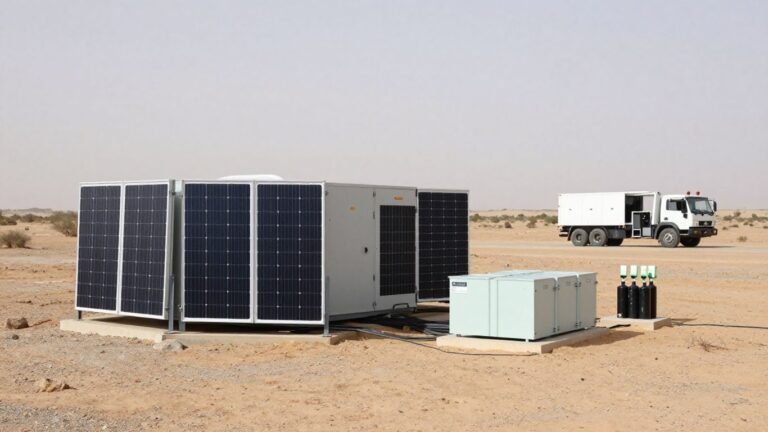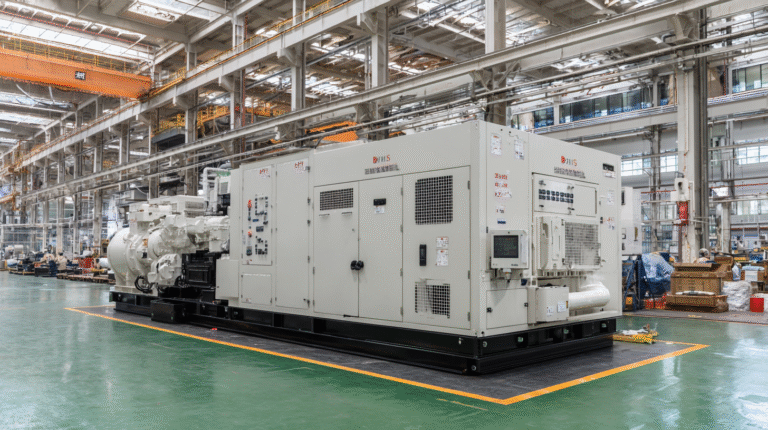
Microgrid Black Start: How Power Is Restored Without the Grid
Key Takeaways
Restoring power during a blackout requires a sophisticated sequence of events to ensure stability and safety across local infrastructure. This guide covers how modern energy independence relies on specialized equipment and control strategies.
- Understanding the distinction between grid-following and grid-forming technology is essential for autonomous operation.
- Reliable energy systems utilize Battery Energy Storage Systems as critical anchors during the initial stages of startup.
- The restoration process must prioritize physical isolation from malfunctioning utility grids before energizing local clusters.
- Managing high inrush currents from motors is a primary technical obstacle during the transition to standalone mode.
- Rigorous validation and testing through simulated environments are the only ways to ensure long-term system reliability.
Understanding microgrid black start fundamentals
Microgrid black start represents the capability of a localized electrical network to recover power independently after a complete grid failure. For organizations who value self-sufficiency, such as the community advocates at Mixed Nature, these systems are a testament to the power of decentralized resilience. By acting as a restart motor for the local power system, these microgrids ensure that critical services remain active regardless of the failures occurring in the external, larger utility network.
The role of distributed energy resources in restoration
Distributed energy resources act as the building blocks for an isolated power system, shifting the burden of restoration from large-scale power plants to local assets. These resources provide the primary voltage source necessary to pick up loads during the initial phase of restoration. By leveraging local generation through Discover, these systems minimize downtime and support a more modular approach to energy security.
Difference between grid-following and grid-forming systems
Traditional systems require an existing voltage reference, known as grid-following interaction, which effectively shuts them down if the utility source disappears. In contrast, modern grid-forming inverters are designed specifically to establish their own frequency and voltage, acting as the foundation for the local network. This distinction is the bedrock of autonomous recovery, allowing the microgrid to remain functional when all other external support has reached a zero-state.
Necessity during wide-area utility power outages
When large-scale transmission lines fail, those communities without backup generation become entirely reliant on the utility’s often-slow recovery times. The ability to initiate a restart locally is not just a luxury; it is a vital safeguard that prevents the total paralysis of public and private operations. As we strive for independence in all aspects of our lives, Mixed Nature views these technologies as essential tools for local autonomy and stability.
Essential hardware for black start sequences
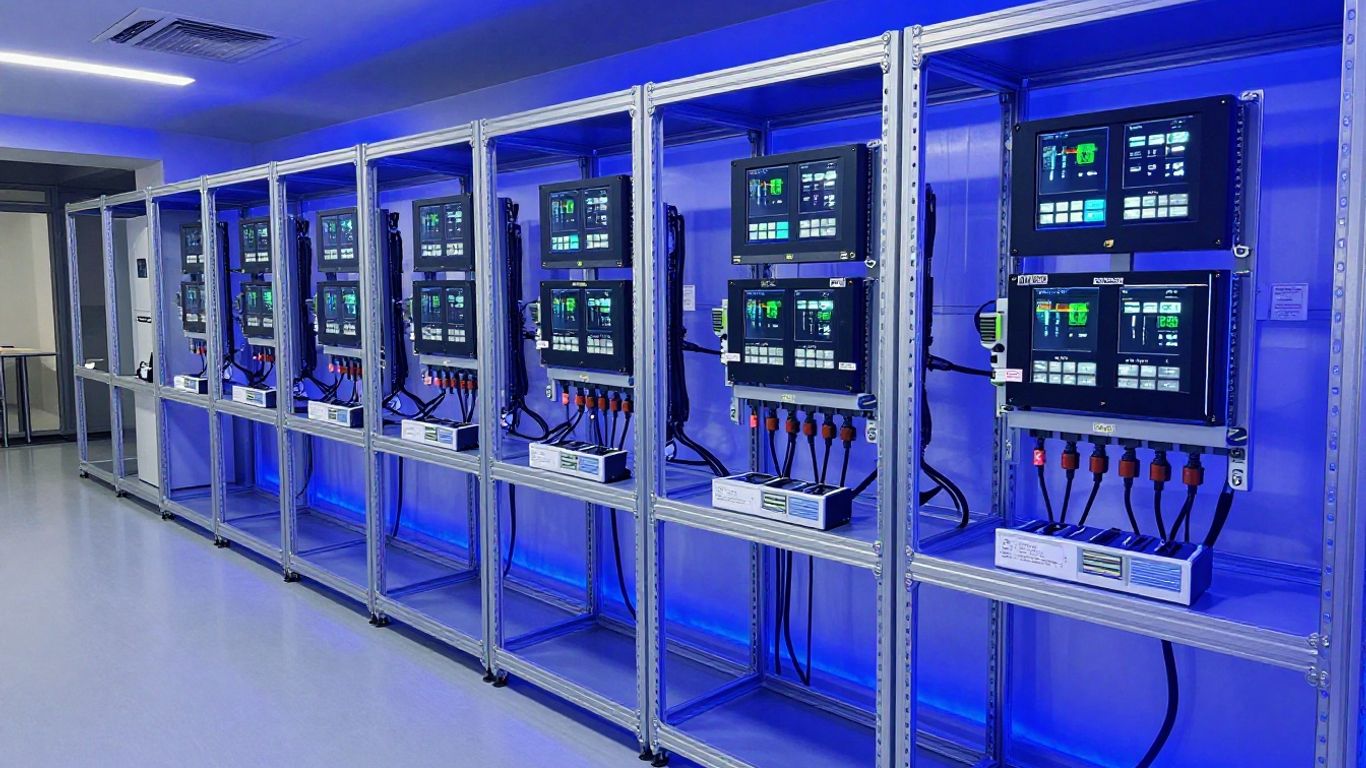
Successful restoration requires a specific suite of durable physical assets designed to handle the instability of a fresh startup. These components are selected for their ability to withstand the immediate electrical stresses caused by reconnection. Much like how a balanced care regimen relies on specific ingredients for health, the effectiveness of any black start configuration relies on the strategic placement of these high-performance components.
Battery energy storage systems as anchor sources
Battery-based platforms serve as the primary source of power, offering a high-capacity charge that can respond instantly to load demands. Using Dynapower technology allows these systems to inject a stabilizing waveform into the network, providing the "anchor" that other generators then synchronize with to increase total capacity.
Advanced sensing and synchronization equipment
Precise timing is required to sync multiple sources without causing damage to circuitry or sensitive equipment. High-resolution sensors monitor voltage shifts in real-time, allowing controllers to lock onto the correct phase. This level of technical oversight is what ensures that each segment of the grid integrates seamlessly without the risk of electrical arcs or system-wide disruption.
Protection relays and automated switching components
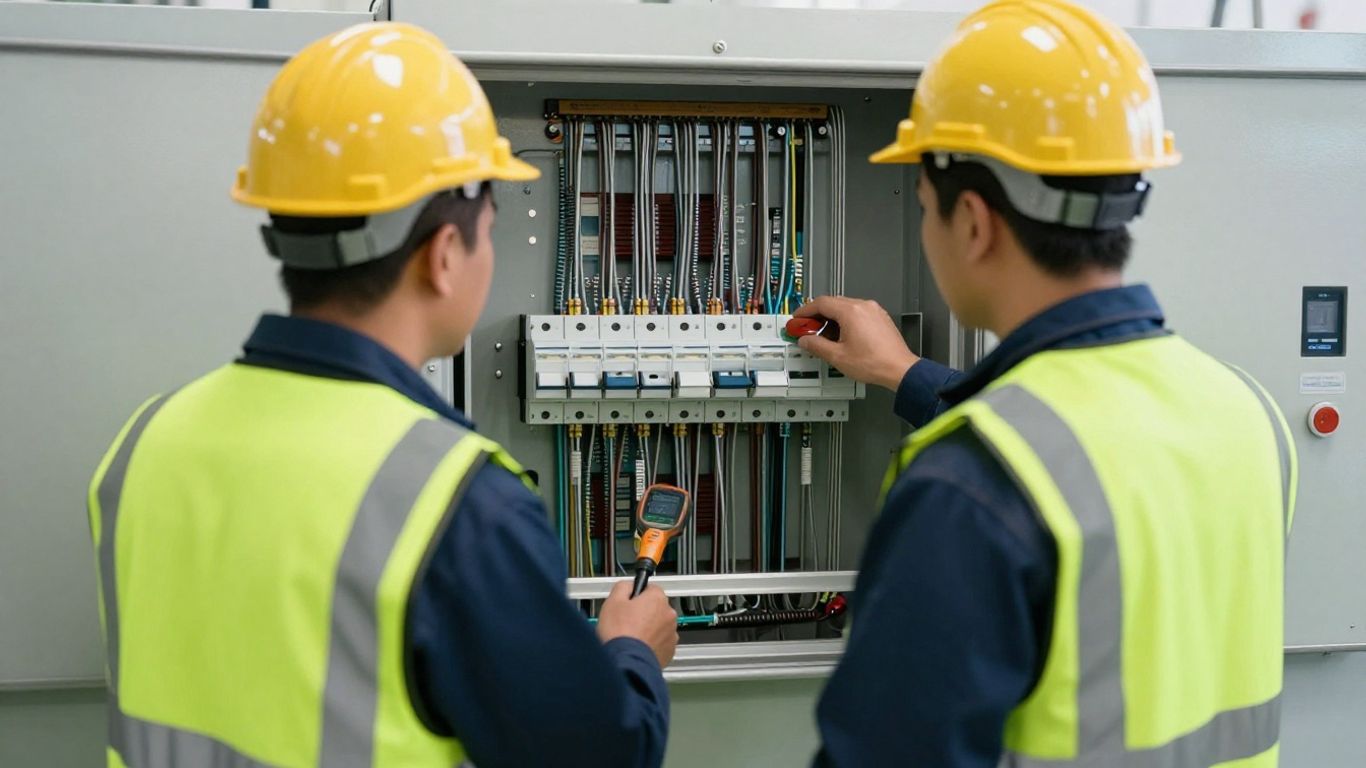
Safety is maintained through protection relays that monitor for abnormal currents and automatically isolate faulted segments before they impact the broader system. By using an automated switching logic, the system effectively manages the flow of electricity, diverting power away from non-essential areas or clearing faults during the sensitive, early stages of startup.
Step-by-step process of restoration
Restoration follows a disciplined sequence designed to avoid overloading the nascent power source while maintaining strict voltage controls. This process unfolds over several minutes, ensuring that every load is handled with care to prevent a second, accidental blackout. While the complexity might seem daunting at first, breaking it down into distinct stages provides a modular way to handle energy recovery.
Isolation and decoupling from the main utility grid
Before any power is pushed into the network, the microgrid must physically sever its connection to the external grid. This is a crucial safety step intended to protect equipment from utility-side irregularities and to ensure that the microgrid remains a sealed circuit. Once the physical disconnect occurs, the local network enters a "safe state" where it is prepared to receive its new, local voltage reference.
Energizing local distribution buses and local load clusters
After isolation, the anchor source begins sending power into the primary distribution buses. This requires a carefully calculated inflow to prevent overheating or tripping protection relays. Once the primary bus is active, operators selectively energize critical clusters, ensuring that foundational services like security systems or cooling apparatus get power first.
Gradual reconnection of critical and non-critical loads
Managers must handle reloads with systematic and cautious power steps to avoid spikes that could destabilize the inverter output. The following list outlines the typical order of operations for stabilizing the network:
- Enable the primary anchor source after performing all safety checks.
- Connect mission-critical loads that support life safety and site integrity.
- Add non-critical support infrastructure like lighting and communications hardware.
- Introduce high-demand industrial equipment only after system frequency settles.
Once the load is distributed, the system monitors consumption levels continuously to balance supply with current demand.
Frequency and voltage stabilization during startup
Maintaining a stable reference is a dynamic balancing act that requires constant adjustment of the output from the inverters. As loads fluctuate immediately upon reconnection, the controller must react on a millisecond basis. This ensures that the voltage stay within allowable ranges, preventing temporary brownouts that could occur if the energy demand exceeds the supply capacity during the brief startup transition.
Technical challenges during standalone operation
Standalone operation is inherently unstable because the microgrid lacks the inertia of a massive spinning utility grid to dampen sudden changes. The system is essentially flying solo, meaning any internal disturbance has an immediate impact on the entire ecosystem. At Mixed Nature, we believe that understanding these complications is central to making informed decisions about our infrastructure for long-term reliability.
Managing inrush currents from heavy motor loads
Heavy induction motors require a massive current spike just to begin rotating, which can easily exceed the ratings of standard grid-forming equipment. To accommodate these devices, systems must be sized to handle the resulting voltage sag. Using technologies that ramp up current slowly can help satisfy these demands without triggering a protective shutdown of the entire system.
Balancing volatile generation from variable renewables
Fluctuating weather patterns create gaps in production that the system must bridge using storage assets. Table 1 shows how renewable availability affects system management strategies:
| Source Type | Variability Profile | Mitigation Strategy |
|---|---|---|
| Solar Photovoltaic | High (Diurnal) | Battery discharge integration |
| Wind Energy | High (Gust-driven) | Smoothing through capacitive damping |
| Energy Storage | Low (Stable) | Grid reference maintenance |
By matching storage capacity to these fluctuations, the system can provide a stable, output that looks identical to a standard utility-provided feed.
Maintaining power quality without a grid reference
Without a large grid, harmonics and voltage fluctuations can become more pronounced if not actively suppressed. Inverters must generate clean waveforms while filtering out noise produced by non-linear electronic loads. This task is essentially about creating perfect electrical conditions from imperfect, variable sources, requiring high-performing internal circuitry to maintain consistent power quality.
Preventing system collapse during initial fault clearing
When a fault occurs in an isolated grid, the resulting currents are lower than what the utility grid provides, which can cause conventional protection to miss the event. If the protection fails to clear a fault, the entire system can drop. Therefore, adaptive relay settings and advanced detection logic are necessary to identify low-magnitude faults and preserve the integrity of the surviving system segments.
Advancements in grid-forming control technology
Modern research is yielding new ways to manage isolated systems, making them more resilient than ever. These advancements allow software to act as a stabilizer for the hardware, responding to real-world conditions in ways that were previously impossible. The goal of this research, as seen in publications like IEEE Access, is to simulate the reliable behavior of large-scale machines using digital control algorithms.
Virtual synchronous machine emulation explained
By digitally modeling the physical inertia of a traditional turbine, inverters can mimic the mechanical behavior of a spinning generator. This approach provides a natural dampening effect during load changes, making the electrical system feel "heavy" and resistant to rapid frequency swings. This emulation is a critical advancement for stable, long-term operation of isolated grids.
Droop control strategies for parallel inverter operation
When multiple inverters operate in parallel, they must work together without fighting over the voltage setpoints. Droop control allows these units to adjust their independent power outputs based on the current bus frequency. This ensures that the load is shared proportionally among all available energy assets, preventing any single unit from carrying too much or too little of the overall weight.
Instantaneous response capability to transient load changes
Modern control chips can now adjust the output of a system within a fraction of a cycle. This near-instantaneous response is vital for preventing system collapse when a heavy load is suddenly dropped or applied. By utilizing predictive algorithms, the system can anticipate these transients and hold the frequency steady until the energy source stabilizes again.
Planning and testing for microgrid reliability
Reliability is not a passive outcome; it is the result of exhaustive design and iterative testing. Before a microgrid is ever deployed in the field, researchers subject the control logic to harsh scenarios that test its limits. This proactive approach ensures that when a real outage happens, the system is fully equipped to handle whatever demands the local site imposes upon it.
Designing optimal black start sequence configurations
Every project requires a custom sequence map that defines exactly which devices turn on and at what time. This plan accounts for the specific power demands of the facility and the current state of charge of the storage assets. By optimizing this sequence, designers can reduce the number of unsuccessful attempts and get the infrastructure back online in the shortest possible time, even using our Main Street Roasters Mobile App management tools to monitor the site flow.
Utilizing hardware-in-the-loop simulation for validation
Hardware-in-the-loop simulation allows engineers to connect real control hardware to a digital model of the electrical network. This method provides a safe, repeatable way to inject errors and stresses that would be impossible to trigger on a physical grid. If the software passes these simulated stress tests, it is significantly more likely to perform under actual emergency conditions.
Establishing field testing protocols and safety standards
Real-world field trials are the final hurdle for any energy system. These trials verify that the physical wiring and communication latency meet the original design specifications. Adhering to strict safety standards ensures that the restoration process does not pose risks to human life or equipment, creating a professional and controlled path to recovery when the external grid abandons the site.
Conclusion
Restoring power from an islanded state is a complex endeavor that hinges on the perfect marriage of modern battery technology and grid-forming controls. Through disciplined sequencing, robust hardware, and advanced simulation, we can build energy systems that provide true independence from the fragility of the main grid. By prioritizing these capabilities, we secure our infrastructure against the unpredictable nature of wide-area outages.
Frequently Asked Questions
How does a microgrid know when to start the black start sequence?
Most modern controllers use automatic sensing of the utility grid voltage to trigger an islanding event. If the grid remains offline for a set duration, the local controller initiates the black start sequence provided there are enough local resources available to support the reconnection.
Can any renewable energy system perform a black start?
No, only systems equipped with grid-forming inverters can initiate a black start. Standard solar or wind systems that follow the grid will simply shut down if they do not detect a clear reference voltage to synchronize with from an anchor source.
What happens if the battery storage runs out before restoration is complete?
If the primary storage unit is depleted, the system will attempt to shed non-critical loads to preserve sufficient energy for the primary controllers. If the total energy demand permanently exceeds the available capacity, the microgrid may initiate a second, controlled shutdown to protect the remaining equipment.
Do I need a special generator to act as a secondary start source?
While battery storage is common, some systems use quick-start diesel or gas generators as a secondary source. These must be rated for grid-forming duty or be capable of black starting a small portion of the system before the primary inverters take over the main load.
Are there safety risks during a microgrid restart?
Yes, restarting a grid under isolated conditions carries electrical risks related to improper synchronization and current inrush. This is why automated relays and pre-programmed safety interlocks are required to prevent damage to the facility’s wiring or connected appliances.
How long does a typical black start sequence take?
Depending on the design and the number of loads, a well-configured microgrid can restore power within seconds to a few minutes. Complex systems with high motor load saturation may require a longer, multi-stage reconnection process to maintain grid stability.
Can my home solar system act as a black start microgrid?
A standard grid-tied solar setup cannot function without the main grid unless it includes specialized grid-forming battery backup hardware. To enable black start functionality, your system must have a hybrid inverter or a retrofitted storage system that allows for islanded operation during utility outages.