Sizing Up Your Business Microgrid: A Quick Guide
Thinking about setting up a microgrid for your business? It’s a smart move for reliability and maybe even cost savings. But figuring out the right size isn’t as simple as just picking a number. You’ve got to look at what your business really needs, how it operates, and what the future might hold. This guide will walk you through the main points to consider when you want to know how to size a microgrid for a business, making sure you get it right from the start.
Key Takeaways
- First, really get a handle on your business’s energy use. What absolutely needs power during an outage, and for how long? Knowing your critical loads and how long you can tolerate being without power is step one.
- Think about how the microgrid will actually run. Will it be connected to the main grid most of the time, or will it often need to go it alone? Understanding these operating modes, like islanding and peak shaving, helps determine its capabilities.
- The electrical setup matters a lot. Deciding between different feeder designs and how you’ll bring in power from generation and storage sources affects reliability and future changes.
- When picking technology, look at the big picture first. Analyze your overall needs, see what existing gear you can use, and make sure your system can grow with your business down the road.
- Don’t forget the outside world. You’ll need to work with your utility company and understand all the rules and requirements for connecting your microgrid.
Understanding Your Business’s Energy Needs
Alright, so you’re thinking about a microgrid for your business. That’s a big step, and before we get into the techy stuff, we really need to nail down what you actually need from your power. It’s not just about having electricity; it’s about having the right kind of electricity, when and how you need it.
Identifying Critical Loads
First things first, what absolutely has to stay on, no matter what? Think about the equipment and systems that are non-negotiable for your operations. This could be anything from your servers and manufacturing lines to essential lighting and safety systems. We need to make a list, and be really specific.
Here’s a way to think about it:
- Production Critical: Machines that keep the factory running, assembly lines, etc.
- IT & Communications: Servers, network equipment, phone systems.
- Safety & Security: Emergency lighting, fire suppression systems, security cameras.
- Comfort & Operations: HVAC for sensitive areas, refrigeration, essential office equipment.
It’s easy to get caught up in the ‘what ifs,’ but focus on what will cause a significant problem if the power goes out. Don’t just guess; try to quantify the impact of an outage on these specific loads.
Assessing Outage Tolerance Requirements
Now, not everything on that critical list needs the same level of protection. Some things can handle a brief flicker, while others need rock-solid, uninterrupted power. This is where we figure out how long each critical load can tolerate an outage.
| Load Category | Max Tolerable Outage Duration |
|---|---|
| Data Servers | 0 seconds |
| Critical Medical Eq. | 0 seconds |
| Manufacturing Line A | 5 minutes |
| Security Systems | 1 minute |
| Office PCs | 15 minutes |
This helps us size the backup power and storage correctly. You don’t want to overspend on keeping a non-essential office PC running for days if it only needs a few minutes of backup. Understanding this helps in designing a cost-effective microgrid solution.
Defining Energy Consumption Patterns
Beyond just outages, we need to look at your day-to-day energy use. When do you use the most power? Are there predictable peaks and valleys in your consumption? This information is super important for figuring out how to manage your energy costs and how the microgrid will interact with the main utility grid. We’ll look at:
- Peak Demand: The highest amount of electricity you use at any given time.
- Average Daily Use: Your typical energy consumption over a 24-hour period.
- Load Profile: How your energy use changes throughout the day and week.
Knowing these patterns helps us plan for things like scheduled peak reduction and how much generation and storage you’ll actually need. It’s all about matching the microgrid’s capabilities to your real-world energy habits.
Evaluating Microgrid Operating Modes
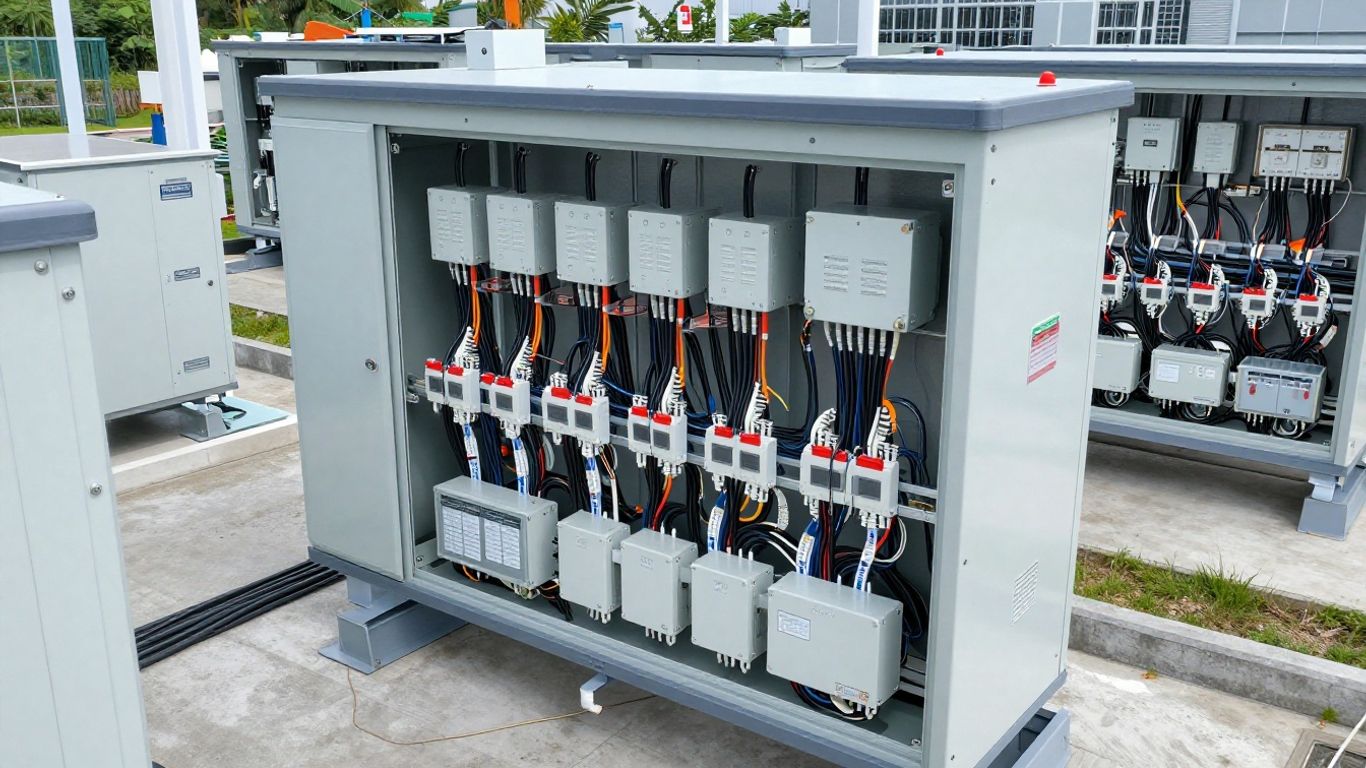
So, your business is thinking about a microgrid. That’s cool. But before you get too deep into the tech specs, you really need to nail down how this thing is going to run. It’s not just about having power; it’s about having the right power, at the right time, and in the right way. Think of it like a car – you’ve got your daily commute mode, your highway cruising mode, and maybe even a sport mode for when you’re feeling adventurous. A microgrid has similar options, and picking the right ones makes all the difference.
Grid-Connected Operation
This is probably how your microgrid will spend most of its time. It’s connected to the main utility grid, but your microgrid is still in charge of its own power. It can buy power from the utility when it’s cheap, sell excess power back when it makes sense, and generally just work alongside the main grid. The key here is coordination. You want your microgrid to be a good neighbor, not causing problems for the utility grid. This mode is all about optimizing costs and making sure your internal power needs are met efficiently, often by using your own generation or storage when prices are high on the grid.
Islanded Mode Capabilities
This is where the magic happens during an outage. When the main grid goes down, your microgrid can disconnect and keep your business running. This ability to operate independently, known as islanding, is a major reason businesses invest in microgrids. It means your critical operations don’t have to stop just because the utility grid is having a bad day. Planning for islanded mode involves figuring out how long you need to run on your own, what loads are absolutely essential, and how your generation and storage will handle that demand. It’s about resilience and keeping the lights on when it matters most. You can learn more about microgrid systems possessing islanding capability to understand this better.
Scheduled Peak Reduction Strategies
Ever notice how your electricity bill jumps during certain times of the day or year? Those are peak demand charges, and they can be a real budget killer. A microgrid can help you dodge these. By using your own stored energy or generation during those high-demand, high-cost periods, you can significantly reduce the amount of power you pull from the utility grid. This isn’t just about saving money; it’s a smart way to manage your energy consumption and reduce strain on the overall grid. It requires some forecasting and careful control, but the payoff in lower operating costs can be substantial. You’ll want to look at procedures for three primary operating modes to see how this is managed in practice.
Here’s a quick rundown of what to consider for each mode:
- Grid-Connected: Focus on cost savings, grid interaction, and meeting your normal operational needs. Think about when to buy, when to sell, and how to use your own resources efficiently.
- Islanded: Prioritize reliability for critical loads. Determine the duration of islanding needed and the capacity required from your generation and storage.
- Peak Reduction: Analyze utility rate structures to identify peak periods. Develop strategies for discharging stored energy or activating generation to minimize peak demand charges.
Deciding on the right operating modes isn’t a one-size-fits-all situation. It depends heavily on your business’s specific needs, tolerance for disruption, and financial goals. Careful planning here sets the stage for everything else.
Designing the Electrical Architecture
So, you’ve figured out what energy your business needs and how you want your microgrid to run. Now comes the nitty-gritty: how do you actually wire it all up? This is where the electrical architecture comes into play. It’s basically the blueprint for how power flows from your generation sources, through any storage, and out to your loads, all while keeping things safe and reliable.
Choosing Between Radial and Ring Feeders
When you’re laying out the power lines, you’ve got a couple of main ways to go. You can use a radial feeder system, which is pretty straightforward. Think of it like a tree with branches – power flows from a single source out to different points. It’s simpler to set up and protect, but if one part of the line goes down, everything downstream loses power. On the other hand, a ring feeder system creates a loop. This means power can come from either direction, so if one path is broken, the other can still supply electricity. This boosts reliability, especially for critical loads, but it’s a bit more complex and can increase fault current levels, which needs careful handling.
Here’s a quick look at the trade-offs:
| Feature | Radial Feeder | Ring Feeder |
|---|---|---|
| Complexity | Simple | More complex |
| Reliability | Lower (single point of failure) | Higher (redundant paths) |
| Cost | Generally lower | Generally higher |
| Fault Current | Easier to manage | Can be higher, needs careful design |
Integrating Generation and Storage Resources
This is where your microgrid really comes alive. You’ll be connecting your solar panels, generators, and battery storage systems into the mix. The way you connect these sources matters a lot. You need to think about how they’ll work together, especially during transitions between operating modes. For instance, when the grid goes down and you need to switch to islanded mode, your generators and batteries need to kick in smoothly without causing voltage or frequency dips that could upset your equipment. This often involves sophisticated control systems that manage the power output from each source based on demand and availability. Getting this right is key to maintaining power quality.
Addressing Fault Current and Protection Schemes
Safety first, always. When something goes wrong, like a short circuit, a massive amount of current can flow. Your electrical architecture needs to be designed to handle this, and your protection systems – think circuit breakers and relays – need to be set up correctly to quickly isolate the fault. This is called fault current coordination. If your protection isn’t set up right, a small fault could cause a big problem, or worse, your protection might trip unnecessarily, causing an outage when you don’t want one. You’ll want to work with your utility to make sure your protection schemes align with theirs, so you don’t have conflicts when you’re connected to the main grid.
Designing the electrical architecture isn’t just about drawing lines on a page; it’s about creating a robust system that can handle normal operations, unexpected events, and future changes. It requires a good understanding of how power flows, how different components interact, and how to keep everything safe and stable. This is where detailed studies and simulations become really important to test out different scenarios before you build anything.
Choosing the right configuration and protection strategy is a big part of making sure your microgrid actually does what you need it to do, reliably and safely. It’s a complex puzzle, but getting it right means your business can keep running, even when the main grid can’t. For more on how these systems are put together, you can look into microgrid design principles.
Selecting Appropriate Microgrid Technology
So, you’ve figured out what energy your business needs and how you want your microgrid to act. Now comes the fun part: picking the actual gear. This isn’t a one-size-fits-all situation, and getting it right means looking at a few key things. It all starts with a good, hard look at what your system needs to do on a large scale.
System-Scale Needs Analysis
Before you even think about specific brands or models, you need to understand the big picture. This involves a thorough analysis of your business microgrid energy needs assessment. What are your peak loads? What are the minimum power requirements for your critical operations during an outage? Tools like a microgrid sizing calculator for commercial operations can help crunch these numbers. You’ll want to catalog any existing generation assets, like solar panels or backup generators, and understand their capabilities. Also, consider the diversity and timing of your loads – when do you use the most power, and for what?
Evaluating Existing Infrastructure
Don’t forget about what you already have. Sometimes, older equipment can be retrofitted to work with a new microgrid. This could mean making existing generators ‘smarter’ or integrating existing battery storage. It’s about seeing what can be repurposed rather than replaced entirely. This approach can save a lot of money and hassle. You’re essentially looking to build upon what’s already there, making the whole system more efficient.
Considering Scalability for Future Growth
Think about where your business is headed. Will you be expanding operations? Adding new equipment? Your microgrid design should allow for growth without a complete overhaul. Some designs make it easier to add more generation or storage down the line than others. Underestimating future needs can lead to choosing components that just won’t cut it later, forcing you to replace them. It’s a bit like buying shoes – get them a little big so you can grow into them.
Here’s a quick look at some common components and what to consider:
- Generators: Diesel, natural gas, or even renewables. Think about fuel availability, emissions, and how quickly they can start up.
- Energy Storage: Batteries are common, but consider their capacity, power output, and lifespan. This is key for calculating microgrid capacity for industry.
- Inverters/Converters: These manage the flow of power between different parts of the microgrid and the main grid. Their size and type matter a lot.
- Control Systems: The brain of the operation. This is where you manage how everything works together, especially during transitions between grid-connected and islanded modes. You can learn more about microgrid control systems here: effective energy management.
When selecting technology, always ask yourself if it supports the defined operating modes and if it can handle the fault current levels expected in your system. The goal is reliability and resilience, after all.
This whole process is about determining optimal microgrid size for facilities and understanding the microgrid power requirements for companies. It’s a detailed job, but getting the tech right means your microgrid will do exactly what you need it to do, reliably and efficiently. Remember, a microgrid can disconnect from the main grid and function on its own, which is a big deal for business continuity function autonomously in "island mode".
Navigating Regulatory and Utility Coordination
Okay, so you’ve got your microgrid design mostly figured out. Now comes the part that can feel like a maze: dealing with the rules and the folks who run the main power lines. It’s not just about plugging things in; there are official steps and conversations you absolutely need to have.
Understanding Interconnection Requirements
This is basically the handshake between your microgrid and the utility’s grid. You can’t just decide to connect; there are specific technical standards and paperwork involved. Think of it like getting permission to join a highway. They need to know your microgrid won’t mess with the flow for everyone else. This usually involves detailed studies to show how your system will behave, especially during faults or when it switches modes. Getting these requirements right from the start saves a ton of headaches later. You’ll need to submit plans, show your equipment meets certain specs, and often undergo inspections. It’s a good idea to look into utility interconnection standards early in your planning.
Aligning with Utility Protection Philosophies
Utilities have systems in place to protect their grid from problems, and these are called protection schemes. Your microgrid needs to play nice with these. When your microgrid is connected, it’s part of their system, and its actions can affect how their protective devices (like relays) work. If your microgrid suddenly injects a lot of power or changes the direction of power flow, it could cause a utility relay to trip incorrectly, or worse, not trip when it should. This is why detailed studies are so important – they help ensure your microgrid’s operation, especially things like charging storage or running generators, doesn’t create unsafe conditions for the wider grid. It’s about making sure everyone’s safety systems work together, not against each other.
Establishing Clear Communication Paths
This might sound simple, but it’s often overlooked. You need to know who to talk to at the utility and have a way to share important information. This isn’t just for the initial interconnection; it’s for ongoing operations too. For example, if there’s a major storm coming, or if your microgrid needs to island, having a direct line to the right people at the utility can make a big difference. Automation platforms can help here, allowing for data exchange about available generation, storage levels, and load forecasts. This transparency builds trust and helps both sides manage the grid more effectively. Think about setting up regular meetings or having a designated point of contact. It makes a world of difference when you’re trying to coordinate complex operations or resolve issues.
Working with utilities and regulators isn’t just a formality; it’s a partnership. They have a responsibility to maintain the reliability and safety of the entire power system. Your microgrid, while offering local benefits, is still connected to that larger network. Understanding their concerns and proactively addressing them through clear documentation, thorough studies, and open dialogue is key to a smooth and successful microgrid deployment. It’s about demonstrating that your system is a reliable and safe addition, not a complication.
Here’s a quick look at what you might need to consider:
- Technical Studies: Fault current analysis, protection coordination studies, and power quality assessments.
- Documentation: Interconnection application, single-line diagrams, equipment specifications, and operational procedures.
- Agreements: Interconnection Service Agreement (ISA) and potentially others depending on your microgrid’s function.
- Communication Protocols: Agreeing on how and when data will be shared between your microgrid and the utility. This is where microgrid communication standards become really important for interoperability.
Developing a Robust Business Model
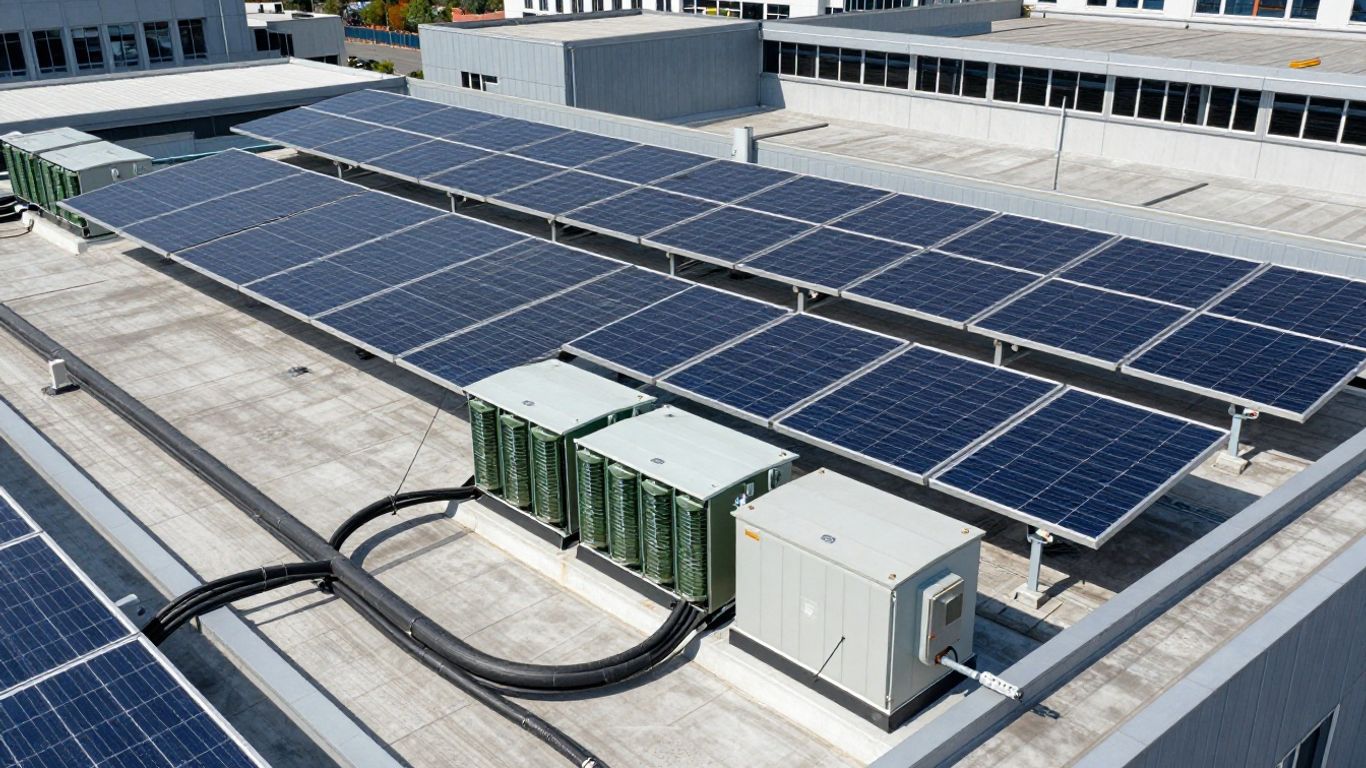
Okay, so you’ve figured out the energy needs, how the microgrid will run, and the electrical setup. Now comes the part that makes it all work financially: the business model. This isn’t just about selling electricity; it’s about creating a sustainable system that benefits everyone involved. Thinking through how customers will pay and how the project stays profitable is key.
Analyzing Customer Needs and Payment Preferences
First off, remember that people don’t just want electricity; they want what electricity does. They want lights, to run appliances, or power their business operations. So, really dig into what your potential customers actually need and how much they can realistically afford. Are they looking to own the system outright, or would they prefer a service where they pay as they go? This often depends on local income levels and payment habits. For instance, some communities might be used to paying a fixed daily rate for energy, while others might prefer a variable rate based on actual usage. This requires good metering, of course.
Here’s a quick look at common approaches:
- Pay-as-you-go (PAYG): Customers top up their accounts, often via mobile money, to access power. Great for those with fluctuating incomes.
- Fixed Subscription: A set fee, perhaps daily, weekly, or monthly, for a certain amount of energy or service.
- Energy as a Product: Selling electricity directly, often with tiered pricing based on consumption levels.
- Ownership Models: Customers purchase the system outright or through financing plans.
Ensuring Financial Sustainability
This is where the rubber meets the road. You need to make sure the revenue generated covers all the costs – installation, maintenance, operations, and a reasonable profit. It’s easy to get excited about the technology and forget that the numbers have to add up. Overestimating demand or underestimating costs can quickly sink a project, no matter how well-intentioned. You’ll want to look at things like:
- Capital Expenditures (CapEx): The initial cost of equipment and installation.
- Operational Expenditures (OpEx): Ongoing costs for maintenance, repairs, and staffing.
- Revenue Streams: How money comes in from customers.
- Profit Margins: What’s left after all expenses are paid.
It’s tempting to focus solely on the technical aspects of a microgrid, but the financial viability is just as important. A technically perfect system that can’t pay for itself won’t last long. Always keep an eye on the bottom line and adjust your model as needed.
Exploring Blended Finance Solutions
Sometimes, the upfront costs of a microgrid are just too high for a purely commercial model to work, especially in developing areas or for projects with a strong social impact component. This is where blended finance comes in. It involves mixing different types of capital – like grants, concessional loans, and commercial investment – to make the project feasible. For example, a grant might cover a portion of the initial equipment cost, making the remaining investment more attractive to private lenders. This approach can help bridge the funding gap and allow for more ambitious projects to get off the ground, potentially serving communities that might otherwise be left without reliable power.
It’s a bit like putting together a puzzle, but getting the business model right is what makes the whole microgrid picture complete and, more importantly, sustainable.
Wrapping It Up
So, building a microgrid isn’t exactly like putting together IKEA furniture – it’s a bit more involved. We’ve walked through the main things to think about, from who actually needs the power to how the whole thing will connect to the existing grid. Remember, every situation is different, and what works for one business might not work for another. It takes careful planning and a good look at your specific needs. Don’t get discouraged if it seems like a lot; breaking it down step-by-step makes it manageable. With the right approach, you can size up a microgrid that truly fits your business.
Frequently Asked Questions
What exactly is a microgrid?
Think of a microgrid as a smaller, independent power system that can work on its own or connect to the bigger electric grid. It has its own power sources like solar panels or generators, storage like batteries, and the brains to control it all. This means it can keep the lights on even if the main grid goes down.
Why would a business want a microgrid?
Businesses use microgrids mainly to make sure their important operations never stop, even during power outages. It’s like having a backup plan for electricity. Plus, they can sometimes save money by using their own power during times when electricity from the main grid is super expensive.
How do I figure out how big my microgrid needs to be?
You start by looking at what equipment is absolutely essential for your business to run. What absolutely *must* have power? Then, you figure out how long you need that power to last if the main grid fails. Knowing how much electricity you use and when you use it helps determine the right size.
Can a microgrid run completely on its own?
Yes, that’s one of its main features! This is called ‘islanded mode.’ When the main grid has a problem, the microgrid can disconnect and keep powering your business without interruption. It’s like a ship sailing on its own when it’s far from any port.
What are the tricky parts of setting up a microgrid?
It can be complicated! You need to make sure your microgrid plays nicely with the local electric company, follow rules and permits, and choose the right technology. Sometimes, figuring out the best way to pay for it and making sure it makes financial sense is also a puzzle.
Will my microgrid be able to grow later?
Good question! When designing your microgrid, it’s smart to think about the future. Can you easily add more solar panels, batteries, or other equipment down the road if your business needs more power? Planning for growth from the start can save a lot of headaches later.