Solar, Battery, Generator: The Ultimate Power Trio
Thinking about how to keep the lights on when the grid goes down? Or maybe you just want more power freedom for camping or your home. For a long time, it was just generators, but now things are changing. Combining solar panels, a battery, and a generator – what we’re calling the ultimate power trio – is becoming a really smart way to go. It’s like having your own mini power plant that works together to keep you powered up, no matter what.
Key Takeaways
- A hybrid generator solar battery system combines solar panels, batteries, and a generator for reliable power.
- Solar panels capture sunlight to create electricity, forming the renewable base of the system.
- Batteries store excess solar energy for use when the sun isn’t shining, acting as an energy bank.
- Generators provide backup power during extended periods of low solar production or high demand.
- This integrated approach offers greater energy independence and resilience against power outages.
Understanding The Hybrid Generator Solar Battery System
The Core Components of Your Power Trio
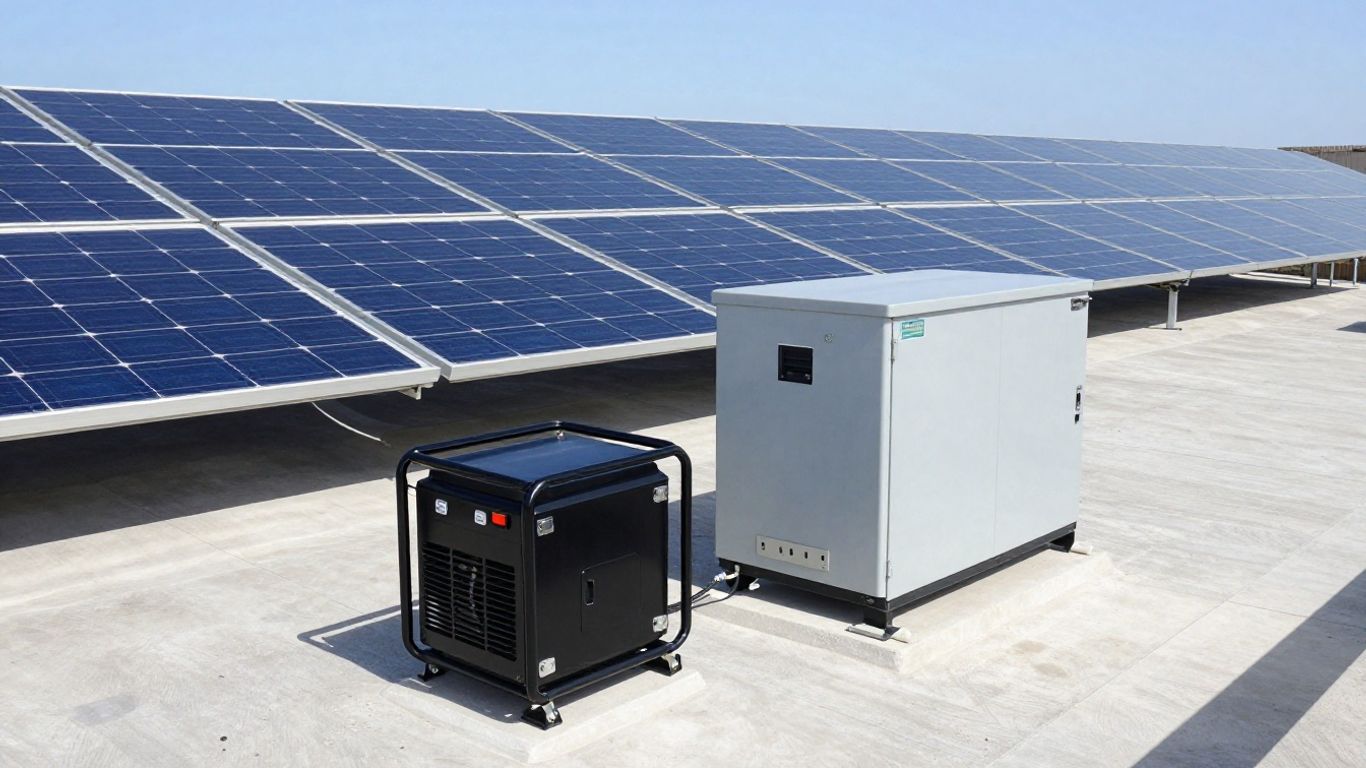
Think of your power setup as a team, where each member has a specific job. You’ve got your solar panels, acting as the primary energy collectors, soaking up sunlight to make electricity. Then there’s the battery bank, which is like a smart energy vault. It stores any extra power the solar panels make during the day so you can use it when the sun’s not out, like at night or on those gloomy, overcast days. Finally, you have the generator, usually running on diesel or propane. This is your ultimate backup, kicking in only when solar and battery power aren’t enough to meet your needs. This setup is all about making the most of renewable energy hybrid solutions.
How Solar, Batteries, and Generators Work Together
It’s a pretty neat system, really. The solar panels generate electricity. If you’re using power at that moment, it goes straight to your appliances. Any extra power is sent to the battery to charge it up. Once the battery is full, or if you’re not using much power, the excess might just go unused, or you could have a system that diverts it elsewhere. When the sun goes down or it’s too cloudy for the panels to produce much, the battery starts supplying power. If the battery starts to run low, and you still need more electricity than the panels can provide, that’s when the generator fires up. It’s designed to be efficient, so the generator only runs when absolutely necessary, significantly cutting down on fuel use compared to running a generator all the time. This is the essence of off grid solar battery storage.
Benefits of an Integrated Energy Solution
So, why go through the trouble of combining these three? Well, the biggest win is reliability. You’re not just relying on the sun or just on stored power. You have a backup for your backup. This means fewer worries about blackouts or grid failures. Plus, by using solar power as much as possible and only running the generator sparingly, you save a ton on fuel costs and reduce your environmental footprint. It’s a smart way to achieve energy independence, especially when you’re looking at home generator and solar integration. It gives you peace of mind knowing you’ve got power, no matter what the weather or the grid decides to do.
This layered approach ensures that you have a consistent and dependable power supply, minimizing disruptions and maximizing the use of clean energy sources before resorting to fossil fuels.
Solar Power: The Renewable Foundation
Solar panels are the starting point for your sustainable power system. They capture sunlight and turn it into electricity, giving you a clean energy source right from your roof or yard. Think of them as the primary engine that runs on free, abundant sunshine. This renewable energy is key to reducing your reliance on traditional power sources and cutting down on fuel costs for your generator.
Harnessing Sunlight for Electricity
Solar photovoltaic (PV) panels work by using semiconductor materials, usually silicon, to absorb photons from sunlight. When these photons hit the silicon, they knock electrons loose, creating an electric current. This direct current (DC) electricity is then converted into alternating current (AC) by an inverter, making it usable for your home appliances. The more sunlight your panels receive, the more electricity they generate. It’s a pretty neat process, turning light into usable power without burning anything.
Solar Panel Efficiency and Capacity
When looking at solar panels, you’ll see terms like efficiency and capacity. Efficiency tells you how much of the sunlight hitting the panel is actually converted into electricity. Modern panels can range from about 17% to over 22% efficient. Capacity, often measured in watts (W) or kilowatts (kW), indicates the maximum power a panel can produce under ideal conditions. For a hybrid system, you’ll want to consider how much total capacity you need to meet your daily energy demands, especially when paired with battery storage. It’s not just about having panels, but having enough of them to make a real difference.
Integrating Solar into Your System
Getting solar panels to work with your battery and generator is straightforward. The electricity generated by the panels first goes to charge your battery bank or directly power your home if there’s enough demand. Any excess power is stored in the batteries for later use, like during the night or on cloudy days. If the batteries get low and the sun isn’t cooperating, that’s when your generator steps in. This integration means you’re using solar power as much as possible, letting your generator run less often, which saves fuel and reduces wear and tear. It’s all about making the most of that free solar energy for homes.
The goal is to maximize solar input whenever the sun is shining. This stored energy then becomes your primary power source when the sun goes down, significantly reducing the need to fire up a fossil-fuel-burning generator. This smart energy management is the heart of a resilient power setup.
Battery Storage: The Intelligent Energy Bank
Think of your battery system as the smart brain of your whole power setup. It’s not just a box that holds electricity; it’s actively managing when power comes in and when it goes out. This is where you store the extra juice your solar panels make during sunny hours, so you can use it when the sun’s not shining, like at night or on a really cloudy day. It’s also super handy for smoothing out power demands, so your generator doesn’t have to kick on for every little spike.
Storing Excess Solar Energy
When your solar panels are working overtime, producing more power than you’re using right then, that extra energy doesn’t have to go to waste. It gets sent straight to your battery bank. This stored energy is your secret weapon against unpredictable weather and fluctuating power needs. It means you can keep lights on, devices charged, and appliances running even when the sun takes a break. It’s like having your own personal power reserve, ready when you need it most.
Battery Chemistries and Lifecycles
Not all batteries are created equal, and the type you choose makes a big difference. Lithium Iron Phosphate (LiFePO4) batteries are a popular choice for these systems because they tend to last a lot longer than older lithium-ion types. They can handle many more charge and discharge cycles before their capacity starts to drop significantly. For example, some LiFePO4 batteries can last for 3,000 cycles or more, which translates to years of reliable service. This longevity means fewer replacements and a more stable long-term investment for your power system. You’ll want to look at the battery’s lifespan and how many times it can be fully charged and discharged.
Matching Battery Capacity to Needs
Figuring out how much battery storage you actually need can feel a bit tricky. It really comes down to understanding your typical energy usage. You’ll want to consider:
- Daily Watt-hour (Wh) Consumption: How much power do your appliances and devices use in a typical 24-hour period?
- Desired Autonomy: How many days do you want your system to run solely on battery power if solar and generator aren’t available?
- Peak Load Requirements: What’s the maximum amount of power (in watts) you might need all at once?
A good rule of thumb is to size your battery bank to cover at least one full day of your average energy needs, with a little extra buffer for unexpected situations. This helps prevent deep discharges, which can shorten battery life.
For instance, if your household uses about 10 kWh (10,000 Wh) per day, you might aim for a battery system with at least 10-15 kWh of usable capacity. This ensures you have enough stored energy to get through the night and into the next day, especially if you’re using a hybrid setup with solar generation and a generator for backup. Many systems, like those offered by GSL ENERGY, provide integrated solutions that make choosing the right capacity simpler.
Backup Generators: Ensuring Uninterrupted Power
The Role of Generators in a Hybrid System
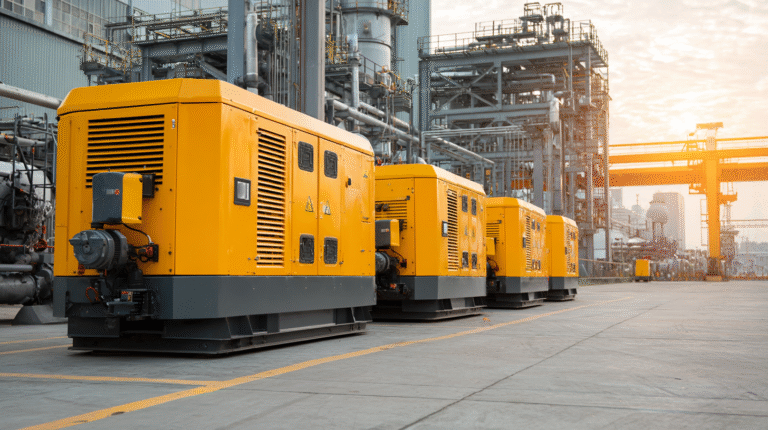
Even with solar panels and a robust battery bank, there are times when you might need a little extra oomph. Think extended cloudy spells, unusually high energy demands, or just those moments when your batteries are running low and the sun isn’t cooperating. That’s where the generator steps in, acting as your ultimate safety net. It’s not meant to be your primary power source in this setup; instead, it’s there to fill the gaps, keeping your system humming along when solar and battery alone can’t quite keep up. This layered approach means you’re far less likely to experience a power interruption. It’s all about redundancy and making sure the lights stay on, no matter what.
Fuel Types and Generator Sizing
When picking a generator for your hybrid setup, you’ll usually see a few main fuel types: propane (LPG) and diesel. Propane generators are pretty common, easy to store, and generally burn cleaner. Diesel generators, on the other hand, tend to be more fuel-efficient and can often handle heavier loads, which might be important depending on what you’re powering. Sizing is key here. You don’t want a generator that’s too small and struggles to keep up, nor one that’s excessively large and wastes fuel. A good rule of thumb is to calculate your peak power needs – that’s the maximum amount of electricity you’d draw at any one time. Your solar installer or generator specialist can help you figure this out, but it often involves looking at the wattage of your most power-hungry appliances.
Here’s a quick look at common generator sizes and their typical uses:
| Generator Size (Watts) | Typical Use Cases |
|---|---|
| 2,000 – 4,000 | Small loads: lights, phone chargers, small appliances, fans |
| 5,000 – 7,500 | Medium loads: refrigerators, microwaves, power tools, sump pumps |
| 8,000 – 15,000 | Larger loads: multiple appliances, well pumps, HVAC systems (depending on size) |
| 15,000+ | Whole-home backup, large industrial equipment |
Automatic Transfer and System Integration
What makes a hybrid system really smart is how the generator integrates with your solar and battery setup. Most modern systems use an Automatic Transfer Switch (ATS). This nifty device constantly monitors your power situation. When it detects that your solar production is low and your batteries are depleted, it automatically signals the generator to start up. Once the generator is providing stable power, the ATS switches your home’s electrical load over to the generator. When solar power becomes sufficient again and batteries are recharged, the ATS will switch the load back to your renewable sources and then shut down the generator. This whole process happens in seconds, often without you even noticing. It’s this intelligent coordination that minimizes generator run time, saving you fuel and reducing wear and tear on the unit. It’s about making the generator work only when it’s truly needed, complementing your solar and battery storage rather than replacing it.
The goal with a hybrid system is to let the generator be the last resort, not the first. It’s there to back up your renewables, not to be the main event. This smart integration means you get the benefits of clean energy most of the time, with the peace of mind that a reliable backup is ready if things get tough.
Key Considerations for Your Hybrid System
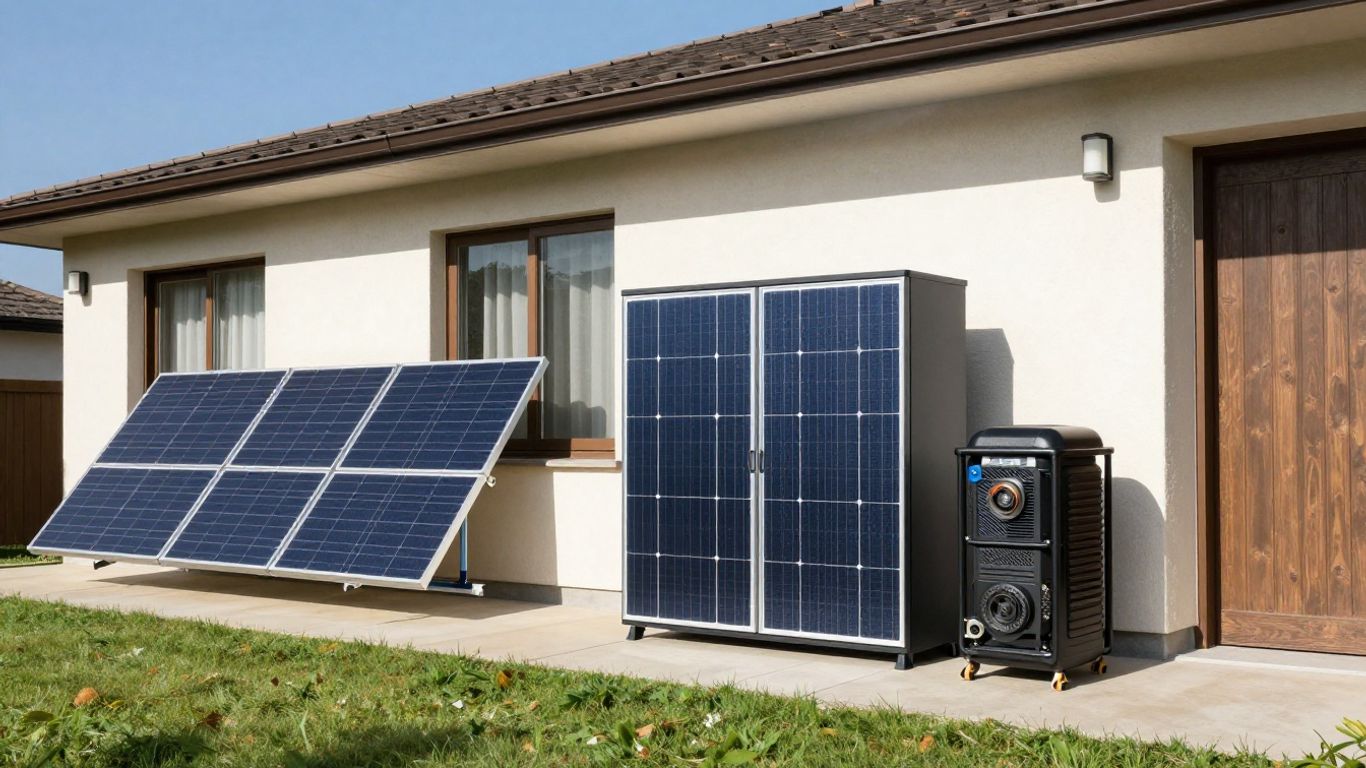
Building out a hybrid system with solar, batteries, and a diesel or propane generator isn’t as simple as just connecting the hardware. You’ve got to really get a feel for your own energy needs and how these parts will work together. Every decision, from battery size to how powerful your generator should be, impacts fuel use and system reliability. Let’s break it down.
Assessing Your Energy Requirements
You have to know how much power you use before anything else. This means checking what you run daily—lights, fridge, maybe a water pump—and figuring out how long each is on. Don’t guess; grab a notepad or use a spreadsheet.
- List all appliances and devices.
- Note their wattage and expected usage time.
- Add up the daily energy (watt-hours or kilowatt-hours).
This step helps you see if you really need a bigger system, or if a lean setup will do the job.
Understanding Output and Surge Capabilities
Some devices, like fridges or power tools, need more energy to start than they do to run. That sudden power bump is called a surge. If your system can’t handle the surge, things just won’t start—or worse, the system could trip.
| Device | Running Watts | Starting Surge (Watts) |
|---|---|---|
| Refrigerator | 150 | 600 |
| Well Pump | 1000 | 2000 |
| Microwave Oven | 1000 | 1200 |
- Your battery and inverter must handle both continuous and surge needs.
- Choose a generator that can back up the total surge loads comfortably.
Weight and Portability Factors
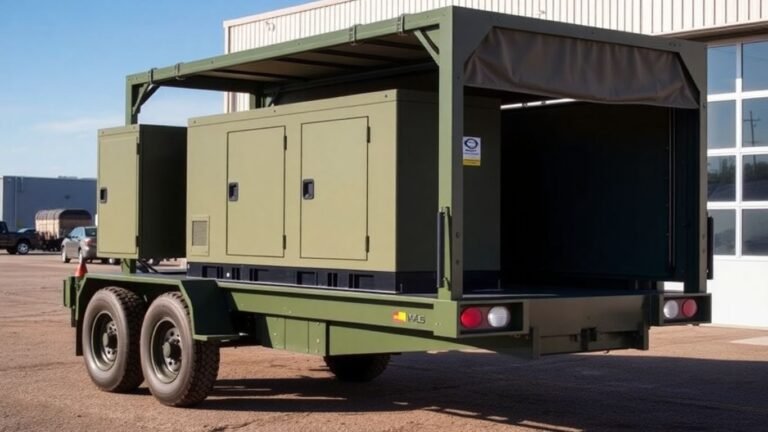
If you’re setting up in one place, like a cabin, weight might not matter. But for folks who might want to move the system—say, in an RV or tiny home on wheels—weight is a real concern. Batteries, especially bigger ones, are heavy. Generators with built-in wheels help, but it still adds up fast.
- Check the total weight of your batteries, panels, and generator.
- Think about whether you need to move the system or keep it fixed.
- Balance portability with your true energy needs; sometimes lighter doesn’t mean better.
It pays off to look at hybrid systems that use solar and batteries as the first line of defense, letting the generator fill in the gaps only when necessary. This setup not only cuts down on fuel costs but also reduces engine hours on your generator, making the whole thing last longer and run smoother. Storm-proof placement tips are handy for anyone in harsh weather areas, too.
By taking a realistic look at your demand, how your devices use power, and what you can physically move or maintain, you’ll be ready to build a hybrid power system that works smart—using less fuel and giving you steady energy, day or night.
Maximizing Reliability with Your Power Trio
So, you’ve got the solar panels soaking up rays, the battery bank ready to store that energy, and a generator standing by. That’s the power trio! But how do you make sure this setup keeps you powered up, no matter what life throws your way? It’s all about smart integration and understanding how these pieces work together to create a super reliable energy system.
Achieving Unmatched Power Resilience
Think of your power trio as a team. Solar is your primary player, always working when the sun is out. The battery is your dependable teammate, stepping in when solar dips or demand spikes. And the generator? That’s your ace in the hole, ready for those times when the sun is hiding for days or you suddenly need a lot more juice than usual. This layered approach means you’re not just relying on one thing; you’re building a robust system that can handle a lot. It’s about having backup for your backup, so to speak.
Reducing Vulnerability to Outages
Grid outages happen. Whether it’s a storm, equipment failure, or just a busy day, the power can go out. With your solar, battery, and generator system, you’re significantly less exposed. Your battery can keep essential appliances running for a while, and if the outage is long, the generator can kick in to keep everything going. This means your fridge stays cold, your lights stay on, and your devices stay charged. It’s a big step towards energy independence and peace of mind. For those looking into advanced system designs, methods for optimizing microgrids with solar and battery storage are being developed [34b0].
The Future of Energy Independence
This hybrid setup isn’t just about surviving outages; it’s about taking control of your energy. You’re using clean solar power as much as possible, storing it smartly, and only using generator fuel when absolutely necessary. This not only saves money on fuel but also reduces your environmental footprint. As technology improves, these systems are becoming even more efficient and easier to manage. It’s a smart move for anyone looking to secure their power supply for the long haul. Exploring different hybrid configurations, even those involving hydrogen, shows the ongoing innovation in this space [8e04].
Here’s a quick look at how the system prioritizes power:
- Solar Power: The first choice, used directly when available.
- Battery Storage: Used to power loads when solar isn’t enough, or to store excess solar.
- Generator: Engaged only when solar and battery reserves are insufficient to meet demand.
This intelligent management minimizes generator run time, saving fuel and reducing wear and tear on the generator itself. It’s a win-win for your wallet and the environment.
The Power Trio: Your Reliable Energy Future
So, there you have it. Combining solar panels, battery storage, and a generator isn’t just a fancy setup; it’s a smart way to make sure you’ve always got the power you need. Whether you’re looking to cut down on fuel costs, gain some independence from the grid, or just have peace of mind during an outage, this trio really covers all the bases. It’s about building a more reliable and secure energy system for your home, giving you a bit more control and a lot less worry. Think of it as your personal power safety net, ready for whatever comes your way.
Frequently Asked Questions
What exactly is a solar generator?
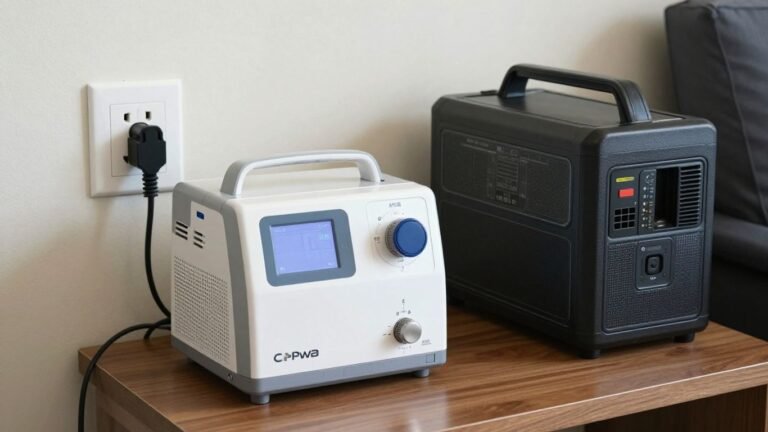
Think of a solar generator as a big battery that you can recharge using the sun. It doesn’t actually make electricity on its own, but it stores the power it gets from solar panels. It’s like a portable power bank for your home or campsite, but much bigger and more powerful.
How do solar panels, batteries, and generators work together?
It’s a team effort! Solar panels catch sunlight and make electricity. If there’s extra power, it goes into the battery for later. The generator is the backup plan, ready to step in if the sun isn’t shining enough or the battery is low. This way, you always have power.
Can a solar generator power my whole house?
For everyday use with smart energy choices, yes, a powerful solar generator setup can help run many things in your house. But to reliably power everything all the time, especially during long outages, you might need a larger, permanently installed system. Solar generators are best for keeping essential items running or for backup power.
How long do solar generators usually last?
Most good solar generators are built to last a really long time, often 20 years or more! Since they don’t have many moving parts, there’s not much to break down. Taking good care of it will help it last even longer.
What’s the most important thing to consider when buying a solar generator?
The most crucial thing is its capacity, which is measured in watt-hours (Wh). This tells you how much energy the battery can store. It’s like choosing the size of a gas tank for a car – you need to make sure it’s big enough for what you want to power.
Do I really need a backup generator if I have solar and batteries?
Yes, a backup generator is super important! While solar and batteries are great for daily power and storing energy, they might not be enough during long periods with no sun or when you need a lot of power suddenly. The generator is your safety net, ensuring you never run out of electricity when it matters most.