Off-Grid Security: Powering Your Peace of Mind
Living off the grid offers a certain kind of freedom, right? But being out there, away from the usual hustle, can also mean dealing with different kinds of worries, especially when it comes to keeping your place safe. Think about it: no neighbors next door to notice anything odd, or maybe you only visit your cabin a few times a year. That’s where off-grid security cameras come in. They’re a smart way to watch over your remote home, RV, or even your farm. In this article, we’re going to break down what you need to know about powering these systems and choosing the right ones for your peace of mind.
Key Takeaways
- Remote properties face unique security challenges, making reliable power for surveillance systems a must.
- Solar panels and battery backups are common ways to power off-grid security, with generators as a backup.
- Look for durable, weather-resistant cameras with good night vision and a wide field of view.
- Calculating off grid security system power requirements involves checking all your devices and how long you need them to run.
- Storage and connectivity options like local storage or cellular data are important for remote monitoring.
Understanding Off Grid Security System Power Requirements
Common Challenges for Remote Properties
Living off the grid, whether it’s a remote farm, a secluded cabin, or a construction site, comes with its own set of challenges, especially when it comes to security. One of the biggest hurdles is the lack of a stable, conventional power source. This means your security systems can’t just plug into the wall and forget about it. You’ve got to think about how everything will run without the grid. This is where understanding the energy consumption for standalone security systems becomes really important. You don’t want your cameras or alarms to go dark just when you need them most. It’s about making sure your property is protected 24/7, no matter where it is.
Types of Security Threats in Secluded Locations
Remote areas might seem peaceful, but they aren’t immune to threats. Think about rural farms – you might be worried about livestock theft, equipment tampering, or even vandalism. Construction sites are often targets for theft of materials and tools. Seasonal cabins, while beautiful, can be vulnerable to break-ins when unoccupied. Even wildlife can pose a risk, though that’s usually a different kind of security concern. The key is that these locations often lack the immediate presence of neighbors or law enforcement, making proactive security measures, powered independently, a necessity.
Importance of Reliable Energy Sources
When you’re off the grid, a reliable power source isn’t just a convenience; it’s the backbone of your security. Without it, your cameras won’t record, your motion sensors won’t detect, and your alarms won’t sound. This is why planning for off grid monitoring system power needs is so critical. You need a system that can consistently power your devices, even in less-than-ideal conditions. This often means looking at solutions like solar panels paired with battery storage, or perhaps a generator for backup. The goal is to have continuous power so your peace of mind isn’t dependent on the local power lines.
- Powering cameras: Even a basic security camera can use a few watts per hour. More advanced models with features like night vision or PTZ (pan-tilt-zoom) will consume more.
- Running sensors: Motion detectors, door/window sensors, and other alarm components also draw power, though typically less than cameras.
- Data transmission: If your system uses cellular or satellite communication to send alerts or footage, this also requires a steady power supply.
Planning your power needs upfront prevents costly mistakes and ensures your security system actually works when you need it. It’s better to slightly oversize your power system than to have it fail due to underestimation.
Choosing the Right Off Grid Power Solutions for Security Systems
When you’re setting up security for a place far from the main power lines, figuring out how to keep your cameras and sensors running is the first big hurdle. You can’t just plug into the wall, so you need a plan. The good news is there are several ways to get reliable power for your off-grid security setup.
Solar Panels: Harnessing the Sun for Security
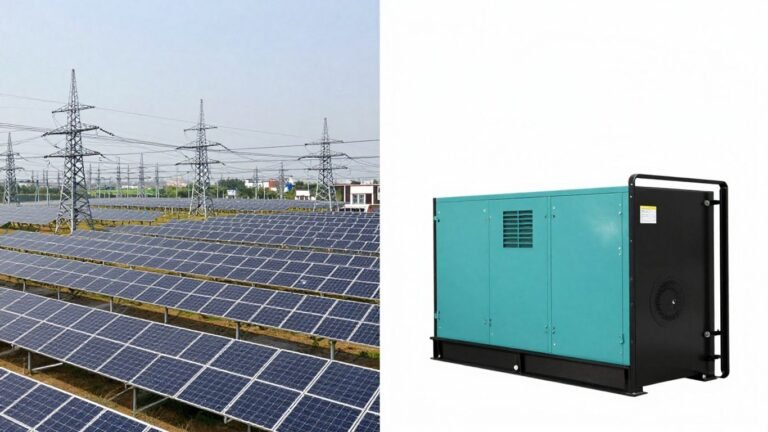
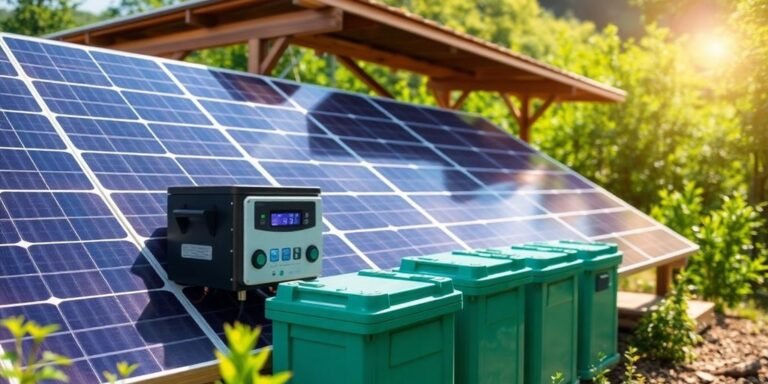
Solar panels are often the go-to for off-grid power, and for good reason. They’re quiet, don’t need fuel, and the sun is (usually) free. For security cameras, this means a consistent power source as long as the panels are set up right. You’ll want to look for the best solar power for off grid security systems that are designed for durability and efficiency. Think about how much sun your location gets throughout the year; this will affect how many panels you need.
- Panel Size and Output: More panels mean more power, but also more space. Match the panel output to your system’s needs.
- Mounting: Secure mounting is key, especially in windy areas. Consider adjustable mounts to track the sun.
- Maintenance: Keep them clean! Dust and debris can really cut down on how much power they generate.
Battery Backup and Sizing Considerations
Solar power isn’t constant – it doesn’t work at night or on really cloudy days. That’s where batteries come in. They store the energy generated by your solar panels so your security system stays on when the sun isn’t shining. Getting the right battery size is super important. You need to figure out how much power your cameras and other devices use and how long you want them to run without any new solar input. A common mistake is undersizing the battery, leaving you vulnerable during extended bad weather or nighttime hours. For example, if your camera uses 10 watts and you want it to run for 24 hours, you’ll need at least 240 watt-hours of storage, plus some extra for inefficiencies.
Sizing your battery correctly means looking at your total daily energy consumption and then multiplying that by the number of days you want your system to run without any charging. This is often called ‘days of autonomy’.
Generator Integration for Extended Power
Sometimes, solar and batteries just aren’t enough, especially in remote locations with very little sunlight or during prolonged periods of bad weather. This is where a generator can be a lifesaver. A generator can provide a significant power boost to recharge your batteries or directly power your security system when needed. While generators aren’t as quiet or as ‘set-and-forget’ as solar, they offer a reliable backup for those times when your primary power sources fall short. You’ll need to consider fuel storage and regular maintenance for the generator itself. Many people use generators to top off their battery banks, ensuring they always have enough juice for their security needs. For critical systems, like keeping your internet connection up during an outage, a generator can be the most reliable solution for prolonged power failures.
Key Features of Off Grid Security Cameras
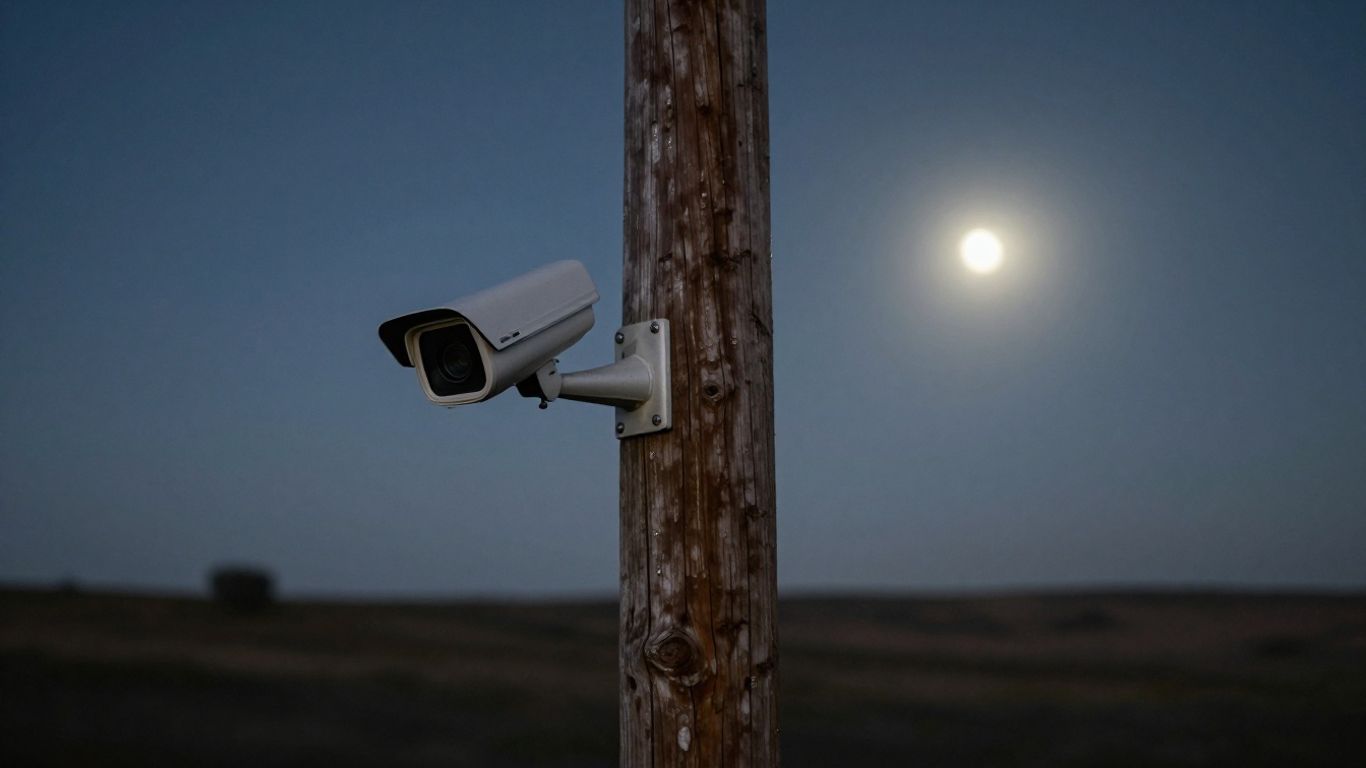
When you’re setting up security for a place that doesn’t have easy access to the power grid, picking the right cameras is a big deal. You need gear that can handle being out there on its own, often for long stretches. These cameras are designed to keep watch without needing a constant power line.
Weatherproofing and Durability
Think about where these cameras will be. They’re usually outside, exposed to rain, sun, dust, and maybe even snow. So, you absolutely need cameras built tough. Look for ones with high IP ratings – that’s a standard way to tell how well something is protected against dust and water. A good rating means it can handle a downpour or a dusty environment without giving up. It’s not just about surviving the weather, but performing reliably day in and day out. This is especially important for powering remote security cameras without grid connections, as you can’t just pop inside to fix a camera that’s failed due to the elements.
High Resolution and Night Vision
Being able to see clearly is the whole point, right? You want cameras that capture sharp images, even from a distance. This helps you identify people or vehicles accurately. But what about when it gets dark? That’s where night vision comes in. Many off-grid cameras use infrared (IR) technology to see in complete darkness. Some advanced models even offer color night vision, which can provide even more detail. This means your surveillance doesn’t stop when the sun goes down. For example, some cameras offer 2K 2MP HD color night vision for clear footage, even in low light conditions.
Field of View and Installation Flexibility
How much can the camera see? That’s its field of view (FOV). A wider FOV means one camera can cover a larger area, potentially reducing the number of cameras you need. Think about the specific spot you want to monitor – a wide-angle lens is great for open spaces, while a narrower one might be better for a specific entry point. Installation flexibility is also key. Many off-grid cameras are wireless and battery-powered or solar-powered, making them easier to place just about anywhere without worrying about running wires. Some even use cellular connections, so you don’t need Wi-Fi.
When selecting cameras for off-grid setups, prioritize ruggedness and reliable performance in all conditions. The ability to capture clear footage, day or night, is paramount. Consider how much area each camera needs to cover and how easily it can be positioned without relying on traditional power or network infrastructure.
Here’s a quick look at what to consider:
- Resolution: Aim for at least 1080p (Full HD) for good detail.
- Night Vision: Infrared (IR) is standard; color night vision is a plus.
- Durability: Look for high IP ratings (e.g., IP66 or higher) for weather resistance.
- Field of View: Wider angles cover more area.
- Connectivity: Options include cellular (LTE) or local storage if internet is unavailable.
- Power Source: Solar, battery, or a combination.
How to Calculate Off Grid Security System Power Requirements
Designing your own off-grid surveillance system for cabins, farms, or out-of-the-way job sites isn’t just about mounting a few cameras and calling it good. Getting power right is what keeps everything working, rain or shine. Here’s how to make sure you’ve sized things properly, so your remote cameras don’t go dark when you need them most.
Conducting a Load Evaluation
Before you buy anything, figure out what your cameras and accessories will actually use:
- List all devices: Cameras, wireless bridges, recorders, routers… every piece, not just the cameras.
- Find the power rating: Check the label or manual for the watts (W) or amps (A) each device pulls.
- Estimate daily run time: Will the camera run 24/7, or just at night? Factor that in.
- Add it up: Multiply each device’s power by the hours you’ll use it per day. (For watts: W x hours = watt-hours, Wh)
| Device | Power (W) | Hours/Day | Daily Usage (Wh) |
|---|---|---|---|
| Camera | 5 | 24 | 120 |
| Wireless Bridge | 3 | 24 | 72 |
| Cellular Router | 6 | 24 | 144 |
| Total | 336 |
For a more detailed method, looking at how solar setups break down energy needs, see how to calculate your daily energy consumption.
Battery Capacity and Runtime Estimates
Once you know your daily watt-hours, pick batteries that can store enough power for a few cloudy days. Here’s a simple way to find the battery size you need:
- Decide on autonomy (days you want to last with zero sun); 2-3 is common for remote places.
- Calculate total watt-hours for that period: Total Daily Wh × Number of Days.
- Convert watt-hours to battery amp-hours (Ah): Total Wh ÷ System Voltage (usually 12V or 24V).
- Remember, most batteries shouldn’t go below half charge day-to-day, so double your number (for lead-acid; less for lithium).
| Days of Backup | Total Wh (from Example) | Battery Voltage | Min Required Ah |
|---|---|---|---|
| 2 | 336 × 2 = 672 | 12V | 56 |
Batteries should always have a safety margin for long-term health.
Factoring in Sunlight Hours and Weather Conditions
Sun doesn’t always shine. That’s the reality of off-grid living. When you pick solar panels, size them for the worst-case weather in your area, not just clear sunny days.
- Figure out peak sun hours in your location (average daily hours with strong sunlight)
- Divide total daily watt-hours by those sun hours to get panel wattage
- Add 20-30% to cover cloudy days, panel dirt, cable losses, and battery charging inefficiencies
| Daily Wh Need | Sun Hours | Panel Size Needed (W) | With 30% Margin |
|---|---|---|---|
| 336 | 4 | 84 | 109 |
Getting the numbers right now means you won’t be stuck recharging batteries by hand or losing camera coverage at the worst moment. Building it right can save you a whole lot of stress.
Sizing an off-grid security power system isn’t magic, but it does take some careful math and a little planning. Check those numbers, and your peace of mind will stay powered on, whether you’re at the cabin for a weekend or keeping an eye on a distant field all year long.
Reliable Storage and Connectivity for Remote Surveillance
When you’re setting up security for a place far from the usual power lines and Wi-Fi, thinking about how your cameras will save footage and stay connected is a big deal. It’s not like your city home where you just plug things in and connect to the router. For remote spots, you need a plan that works even when the internet is spotty or non-existent.
Local Storage Versus Cloud Storage
So, where does all that video footage go? You’ve got two main options: local storage or cloud storage. Local storage usually means putting an SD card right into the camera or using a local Digital Video Recorder (DVR). This is great because you don’t need an internet connection to save anything. You own the footage, and it’s right there on your property. However, if something happens to the camera or the storage device itself, you could lose everything. Cloud storage, on the other hand, sends your footage over the internet to a remote server. This means even if your camera gets damaged, your videos are safe somewhere else. Many off-grid cameras can connect via cellular networks to upload footage. The downside? You need a consistent internet connection, and there might be monthly fees for the storage space. Some systems offer a mix, saving locally first and then uploading to the cloud when a connection is available.
LTE and Cellular Connectivity Options
Forget about Wi-Fi if you’re truly off the grid. Your best bet for remote surveillance is often LTE or cellular connectivity. Think of it like your smartphone – it uses cell towers to send and receive data. Many modern off-grid cameras are built with 4G LTE capabilities, allowing them to connect to a cellular network. This means you can get live feeds and alerts sent directly to your phone or computer, no matter how far out you are. It’s a game-changer for keeping an eye on things like barns, remote equipment, or vacation cabins. Reliable communication is crucial when cell service is unavailable, whether due to remote locations, emergencies, or natural disasters. Off-grid communication devices act as a lifeline when standard networks fail.
Designing for Interrupted Internet Access
What happens when the cell signal drops or the satellite internet goes out? This is where smart design comes in. You need a system that can handle these interruptions gracefully. Many systems are designed to store footage locally on an SD card when the connection is down and then upload it later when the network comes back online. Some advanced systems can even switch between different connectivity methods if one fails. It’s also wise to have a backup plan. Maybe a secondary camera with local storage only, or a system that can alert you to connectivity issues so you can investigate. Thinking about these potential breaks in service before you install is key to having a truly reliable setup. You might also want to look into systems that offer centralized control and monitoring, which can help manage multiple assets and their connectivity status, providing a unified view of your security infrastructure like this solution.
Here’s a quick look at how storage and connectivity options stack up:
| Feature | Local Storage | Cloud Storage |
|---|---|---|
| Connection | No internet needed for recording | Requires internet connection for uploads |
| Accessibility | Access on-site or via local network | Access from anywhere with internet |
| Security | Risk of physical damage/theft of device | Data is off-site, protected by provider |
| Cost | One-time hardware cost | Potential monthly fees for storage |
| Reliability | Vulnerable to local hardware failure | Dependent on internet uptime and provider |
Maintenance and Longevity of Off Grid Security Systems
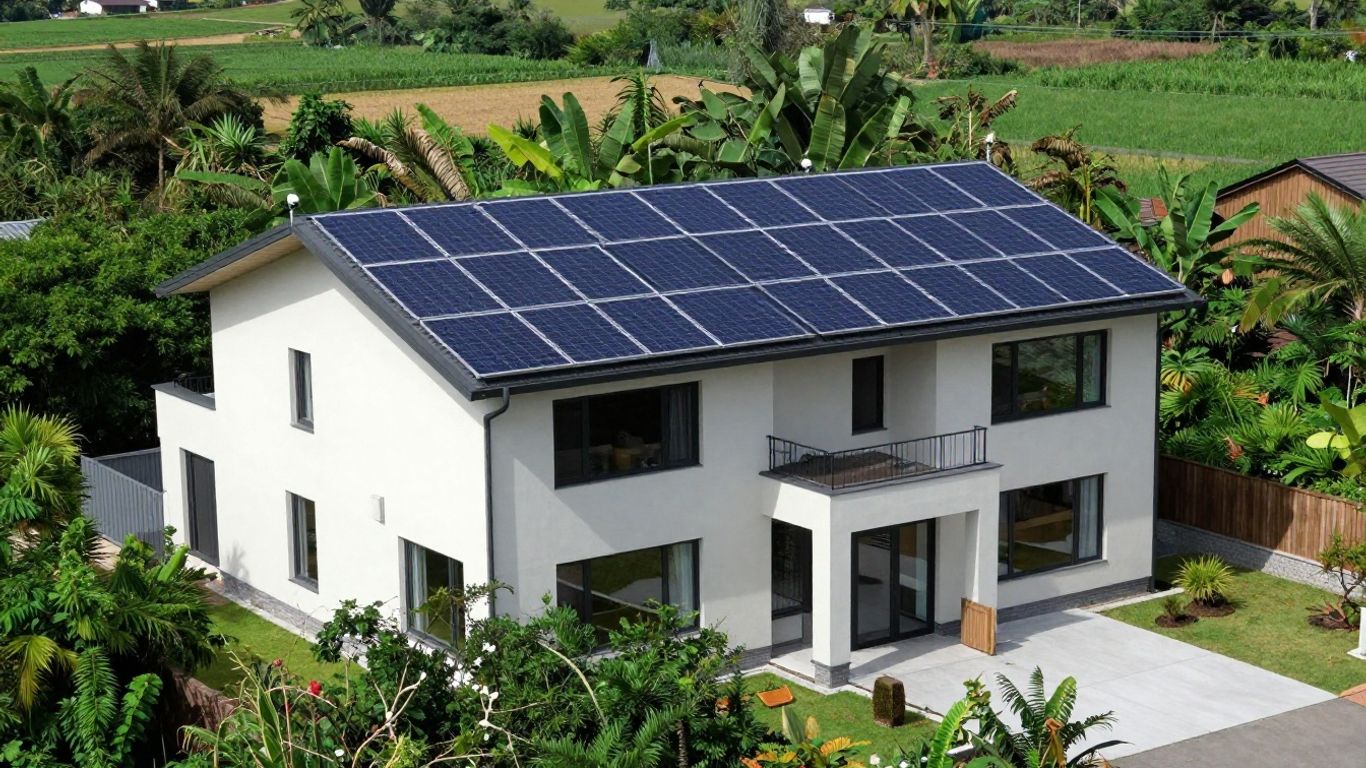
Designing resilient surveillance for cabins, farms, and remote sites means thinking beyond just installation—you’ve got to keep things running year after year. Let’s break down how you can get the most out of your off-grid security setup and avoid those panic moments when something stops working in the middle of nowhere.
Maintaining Solar Panels and Batteries
- Regularly clear off dust, leaves, and bird droppings from your solar panels to keep them efficient.
- Check all wiring for signs of wear, especially after bad weather—cracked or chewed wires can cause sudden power loss.
- Every few months, inspect your battery terminals for corrosion. A quick clean with a dry cloth often does the trick.
- Monitor charge/discharge cycles and avoid letting batteries consistently hit absolute zero; it shortens their lifespan.
- Adapt your maintenance to the seasons—longer nights and snow cover in winter can impact your system’s reliability. For in-depth battery care strategies, see these off-grid battery care tips.
A little attention every season really pays off—in steady camera feeds and fewer emergency repairs.
Weather-Related Troubleshooting
- Wind, rain, and animals are harsh on security setups in the wild; secure mounts and weatherproof covers help reduce surprises.
- If your camera fogs up or loses signal after a storm, double-check case seals and reposition if anything looks off.
- Make a habit of looking over system status (battery levels, camera signals) after extremes in weather.
Quick Weather Checklist:
- Confirm tight seals and closures every few months
- Ensure panels aren’t shaded by new plant growth
- Verify mounts are still rock-solid after wind
- Replace damaged parts ASAP to beat further wear
Reliable off-grid security isn’t about one big fix—just small, regular checks that keep your system healthy, so you’re never surprised by a silent camera when it matters most.
Upgrading System Components Over Time
- Firmware updates for cameras and control units fix old glitches and improve performance—run them whenever available.
- Battery storage tech is always improving. If your batteries are 5 years old or more, look into modern options with better efficiency.
- As your property changes—a new shed, extra pasture, construction—think about adding cameras for coverage or relocating old ones.
- Record-keeping helps! Keep a basic log (even a notebook in your truck) of part replacements and big maintenance tasks for quicker problem solving down the road.
At-a-Glance: Off Grid Security System Maintenance Table
| Task | How Often | Key Tools |
|---|---|---|
| Clean solar panels | Monthly | Soft brush, cloth |
| Inspect batteries | Quarterly | Multimeter, gloves |
| Test backup power/UPS | Quarterly | System diagnostic |
| Check camera focus & view | Biannually | Smartphone/tablet |
| Apply firmware updates | Annually | Internet connection |
And remember, running backup power tests is as important as routine cleaning. If you haven’t already, considering UPS battery backup tips can keep your system live when the grid or sun fails for a while.
Sticking with the basics—clean, check, replace—gives your system staying power and lets you enjoy a little more peace, wherever your patch of land may be.
Case Studies: Off Grid Security Success Stories
Real stories from cabin owners, farmers, and contractors who rely on off-grid security show how these systems really work when it matters most. Not everyone lives near city services—sometimes, you’re hours from the closest neighbor. That changes your whole approach to peace of mind.
Rural Farm and Barn Protection
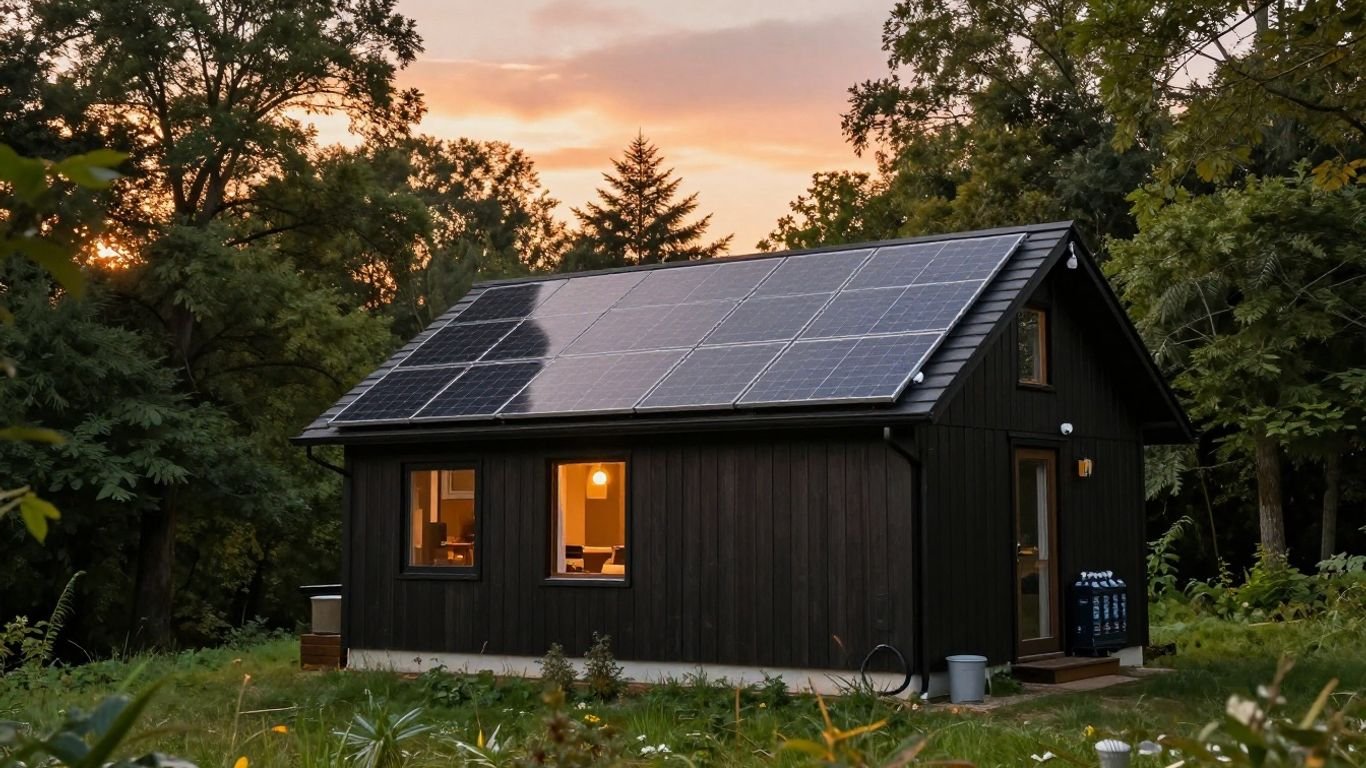
For one family-run farm, missing livestock and stolen tools were a yearly headache until they added solar-powered cameras around their barn and field entrances. Even without a traditional power line, the cameras worked through storms and long nights—thanks to a combination of solar panels, smart battery banks, and local SD card storage.
- Continuous surveillance even during blackouts
- Cameras automatically switch to night-vision to watch for animal predators
- Notifications arrive on the owner’s phone when someone approaches a gate
Here’s a quick summary of their setup:
| Component | Quantity | Main Power Source |
|---|---|---|
| Outdoor cameras | 6 | Solar panels |
| Motion sensors | 7 | Solar/battery |
| Local SD storage | 6 cards | N/A (internal) |
| Router/cellular modem | 1 | Battery/solar |
With a system designed like this, even a big storm knocking out grid power didn’t affect the farm’s security or ability to check camera feeds remotely.
Industrial and Construction Site Monitoring
Construction contractors know that building sites can lose thousands to theft. When a contractor worked in a remote field far from any standard electricity, he installed weatherproof, high-resolution cameras and hooked them up to solar panels. A portable generator provided power for longer, cloudier stretches.
Big takeaways from this experience:
- Cameras must resist dust, rain, and mud—look for weatherproofing.
- Cellular backup keeps cameras connected if the main internet goes down.
- Video is stored both locally and with periodic uploads when connectivity is available.
Curious about keeping connectivity during outages? You can plan ahead with a backup setup so site monitoring isn’t interrupted, even out in the middle of nowhere (off-grid backup plan).
Seasonal Cabins and Vacation Homes
Many folks only visit their cabins for a week or two each year. But the rest of the time, break-ins or animal damage can go undiscovered for months. One cabin owner added two solar-powered LTE security cameras, strategically mounted for the widest coverage, to alert her as soon as anything moved near windows or the tool shed.
What mattered in this setup:
- No need for permanent internet at the cabin.
- Cameras store footage on SD cards, plus send highlights over LTE when possible.
- Battery power lasts all winter without owner visits—as long as panels are kept clear of snow.
Regularly testing your gear and having spare batteries on hand can mean the difference between catching an intruder and simply guessing what happened for months.
All these stories point to the same thing: off-grid security doesn’t just stop theft; it lets you keep watch and sleep easier, even when miles from the nearest town.
Wrapping Up Your Off-Grid Security
So, we’ve talked about why having security cameras when you’re off the grid is a really good idea, whether it’s for a cabin, a farm, or just a remote spot you like to visit. It’s not just about stopping break-ins, though that’s a big part of it. It’s also about having that extra bit of comfort knowing your place is watched over, even when you’re miles from anyone. Picking the right gear, like solar-powered options or systems that can handle bad weather, makes a huge difference. Ultimately, setting up a good security system means you can relax and enjoy your time away, without constantly worrying about what might be happening back home. It’s about getting that peace of mind, no matter how far off the beaten path you are.
Frequently Asked Questions
Can I use an off-grid security camera if I don’t have internet access?
Yes, you can use an off-grid security camera without internet. Many cameras let you save video to a memory card, so you can watch the footage later. You won’t be able to see live video on your phone, but your camera will still record what happens.
How long does the battery last in an off-grid security camera?
Battery life depends on the camera model, how often it records, and the battery size. On average, batteries can last from a few weeks to a few months before needing a recharge. If you use a solar panel with your camera, the battery can last much longer.
What kind of power do I need for an off-grid security system?
Most off-grid security systems use solar panels, batteries, or sometimes generators. Solar panels are popular because they use the sun’s energy, while batteries store power for nighttime or cloudy days. You can also use a generator as a backup if needed.
Are off-grid security cameras weatherproof?
Many off-grid security cameras are built to handle tough weather. Look for cameras that are labeled as weatherproof or waterproof. These cameras can keep working in rain, snow, or very hot or cold temperatures.
Do I need special tools to install an off-grid security camera?
Usually, you don’t need special tools. Most off-grid cameras are made to be easy to set up. You might need a screwdriver or drill for mounting, but many cameras come with everything you need in the box.
What’s better: local storage or cloud storage for off-grid cameras?
Local storage, like SD cards, works well if you don’t have internet or want to keep your videos private. Cloud storage lets you see your videos from anywhere, but you usually need an internet connection and might have to pay a monthly fee.